
Ever wondered how your body breaks down food for energy... Show more
 Biology
 English Literature
 Sociology
Sign up to see the contentIt's free!
Access to all documents
Improve your grades
Join milions of students
By signing up you accept Terms of Service and Privacy Policy
Subjects
Triangle Congruence and Similarity Theorems
Triangle Properties and Classification
Linear Equations and Graphs
Geometric Angle Relationships
Trigonometric Functions and Identities
Equation Solving Techniques
Circle Geometry Fundamentals
Division Operations and Methods
Basic Differentiation Rules
Exponent and Logarithm Properties
Show all topics
Human Organ Systems
Reproductive Cell Cycles
Biological Sciences Subdisciplines
Cellular Energy Metabolism
Autotrophic Energy Processes
Inheritance Patterns and Principles
Biomolecular Structure and Organization
Cell Cycle and Division Mechanics
Cellular Organization and Development
Biological Structural Organization
Show all topics
Chemical Sciences and Applications
Atomic Structure and Composition
Molecular Electron Structure Representation
Atomic Electron Behavior
Matter Properties and Water
Mole Concept and Calculations
Gas Laws and Behavior
Periodic Table Organization
Chemical Thermodynamics Fundamentals
Chemical Bond Types and Properties
Show all topics
European Renaissance and Enlightenment
European Cultural Movements 800-1920
American Revolution Era 1763-1797
American Civil War 1861-1865
Global Imperial Systems
Mongol and Chinese Dynasties
U.S. Presidents and World Leaders
Historical Sources and Documentation
World Wars Era and Impact
World Religious Systems
Show all topics
Classic and Contemporary Novels
Literary Character Analysis
Rhetorical Theory and Practice
Classic Literary Narratives
Reading Analysis and Interpretation
Narrative Structure and Techniques
English Language Components
Influential English-Language Authors
Basic Sentence Structure
Narrative Voice and Perspective
Show all topics
127
•
Dec 25, 2025
•

Cami Carbo
@camicarbo123
Ever wondered how your body breaks down food for energy... Show more
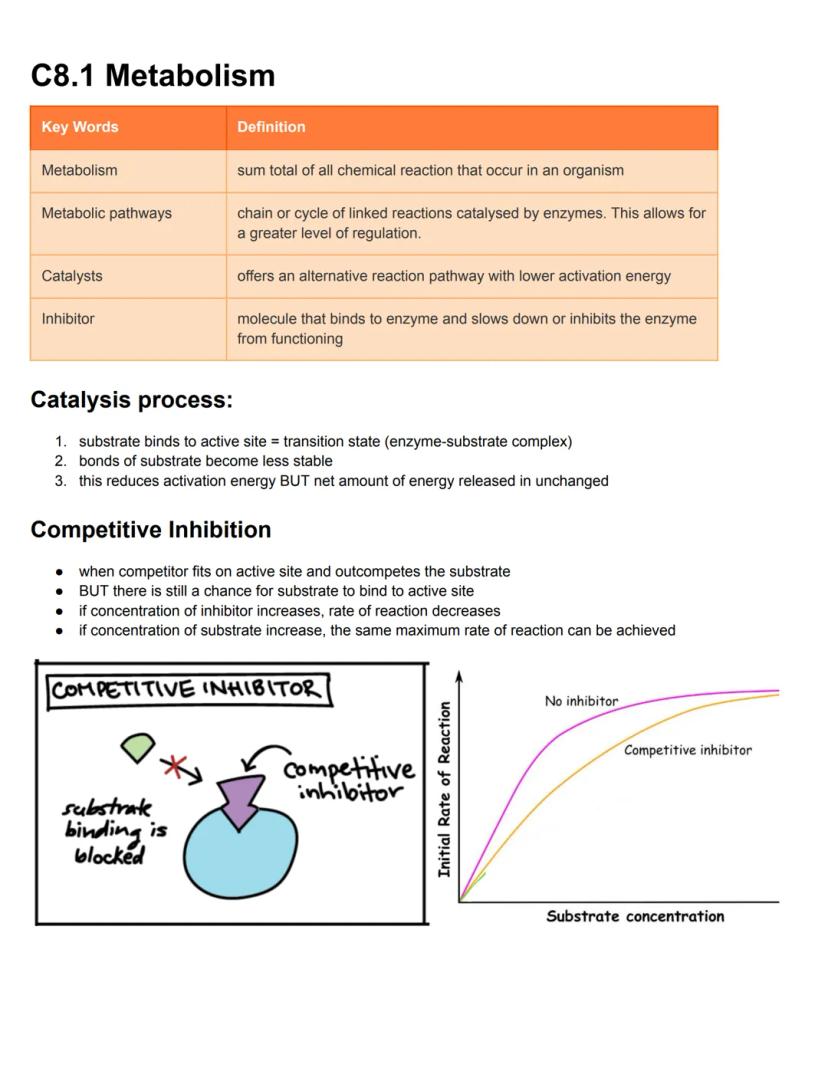
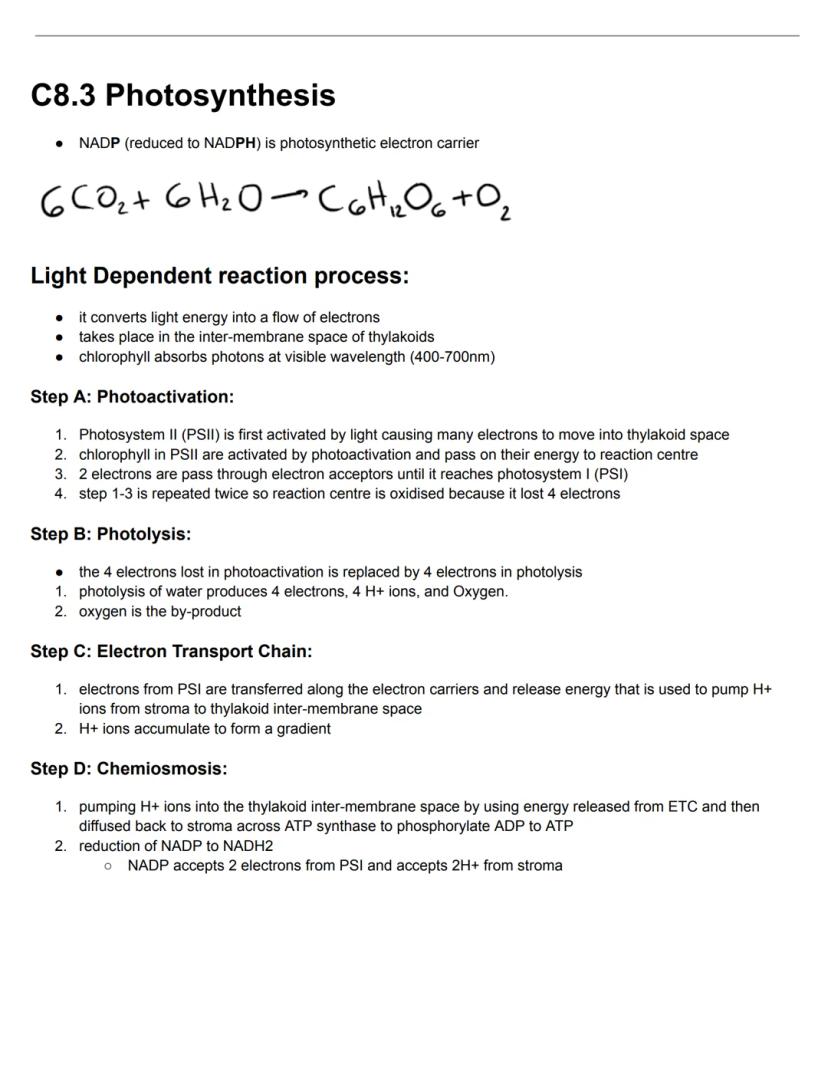
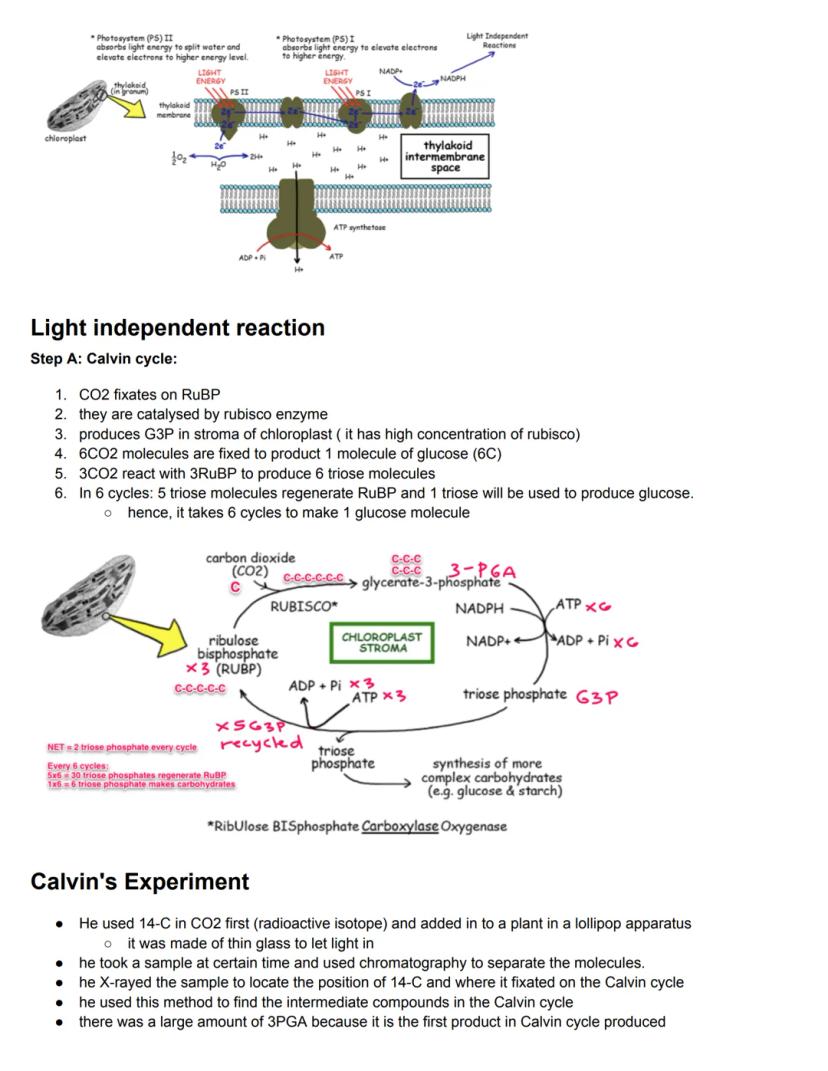
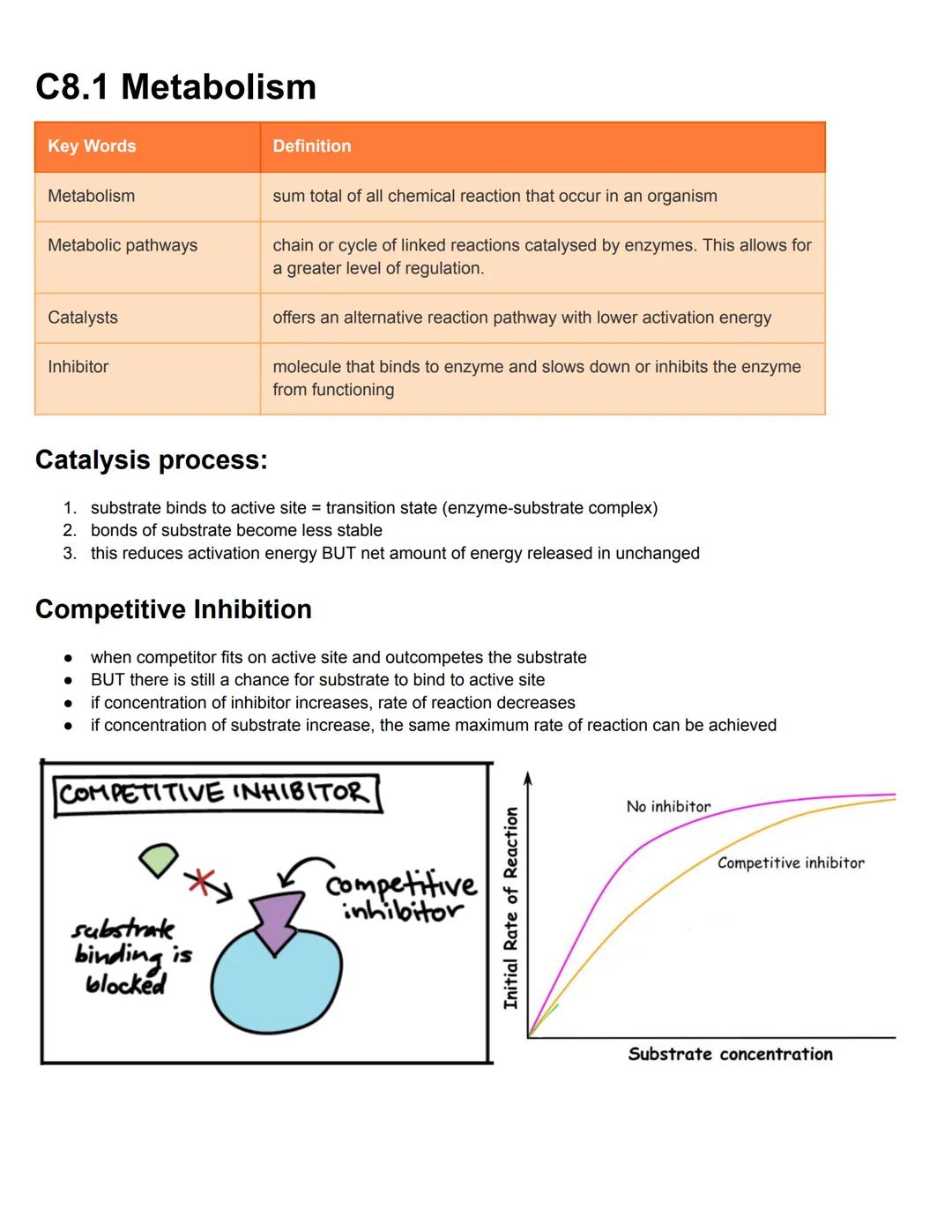
Metabolism is basically every chemical reaction happening in your body right now - from breaking down your breakfast to building new muscle proteins. These reactions don't happen randomly though; they're organised into metabolic pathways where enzymes link reactions together like a perfectly choreographed dance.
Catalysts are the real heroes here. They speed up reactions by offering an easier pathway with lower activation energy - think of them as creating a shortcut over a mountain rather than forcing you to climb straight up the steep side.
The process is surprisingly elegant: substrates bind to the enzyme's active site, forming a temporary partnership called the enzyme-substrate complex. This makes the substrate's bonds wobble and become less stable, dramatically reducing the energy needed to break them apart.
Quick Tip: Remember that catalysts speed things up but don't change the total energy released - they just make it easier to get there!
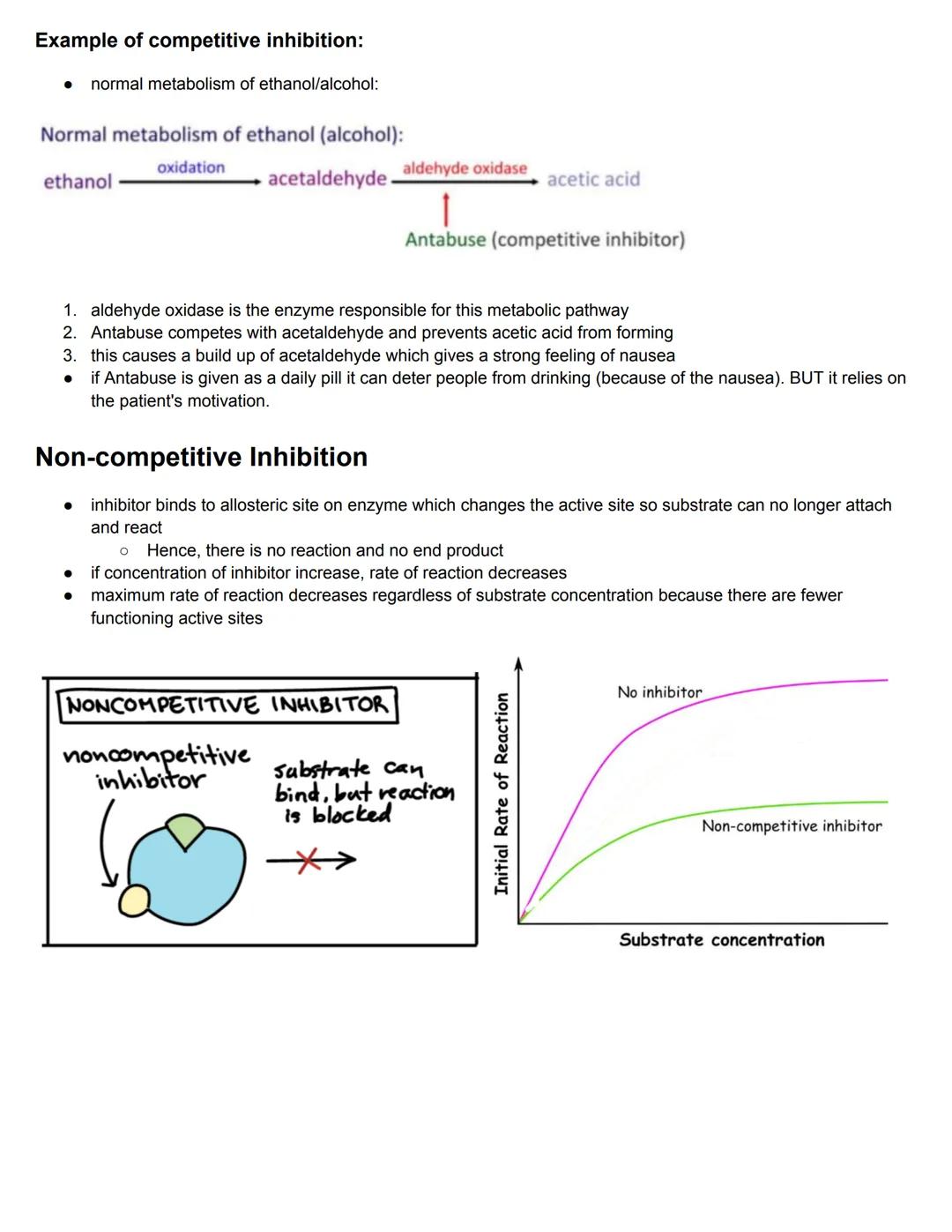
Sometimes enzymes get blocked, and understanding how this happens is crucial for grasping everything from medicine to metabolism. Competitive inhibition is like a game of musical chairs - the inhibitor literally competes with your substrate for the same active site.
Here's the clever bit: if you flood the system with more substrate, you can still achieve the same maximum reaction rate because there's still a chance your substrate will win the competition. It's all about probability and concentration.
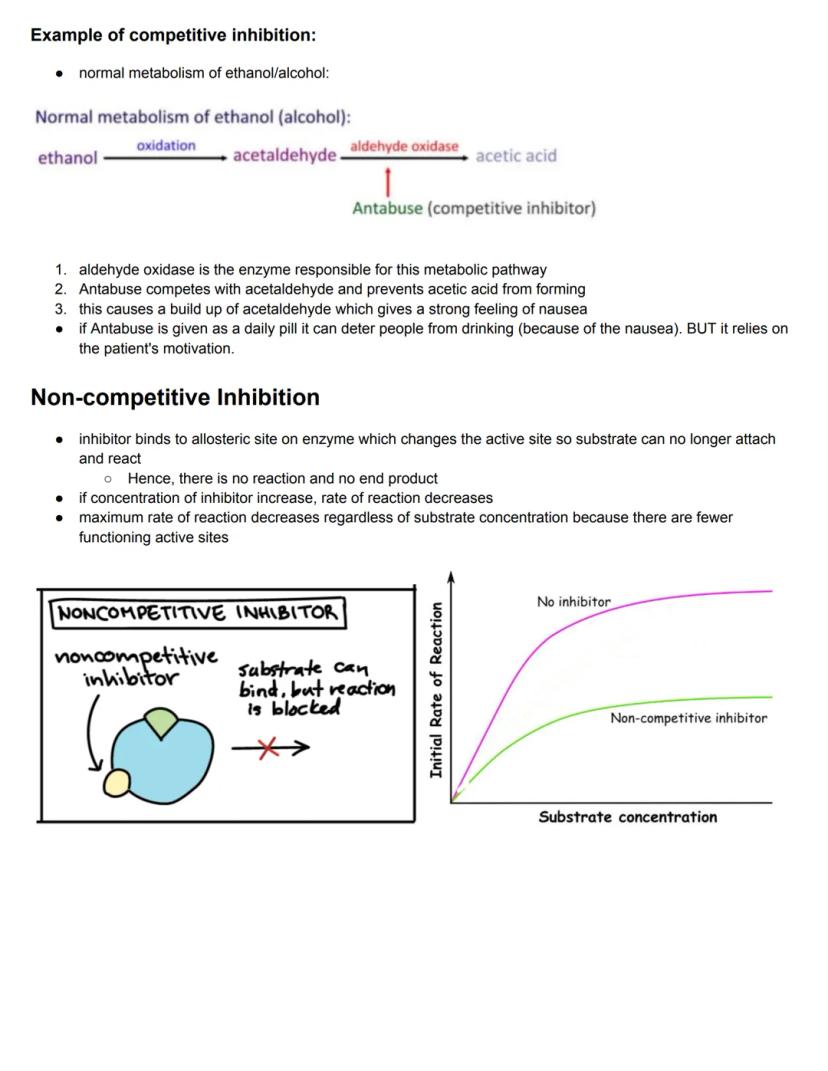
A brilliant real-world example is Antabuse, used to treat alcoholism. It competes with acetaldehyde in alcohol metabolism, causing acetaldehyde to build up and making people feel violently nauseous when they drink. Pretty effective deterrent!
Non-competitive inhibition works completely differently. The inhibitor sneaks around to bind at an allosteric site, which changes the active site's shape so dramatically that substrates can't bind at all. No matter how much substrate you add, you can't overcome this type of inhibition.
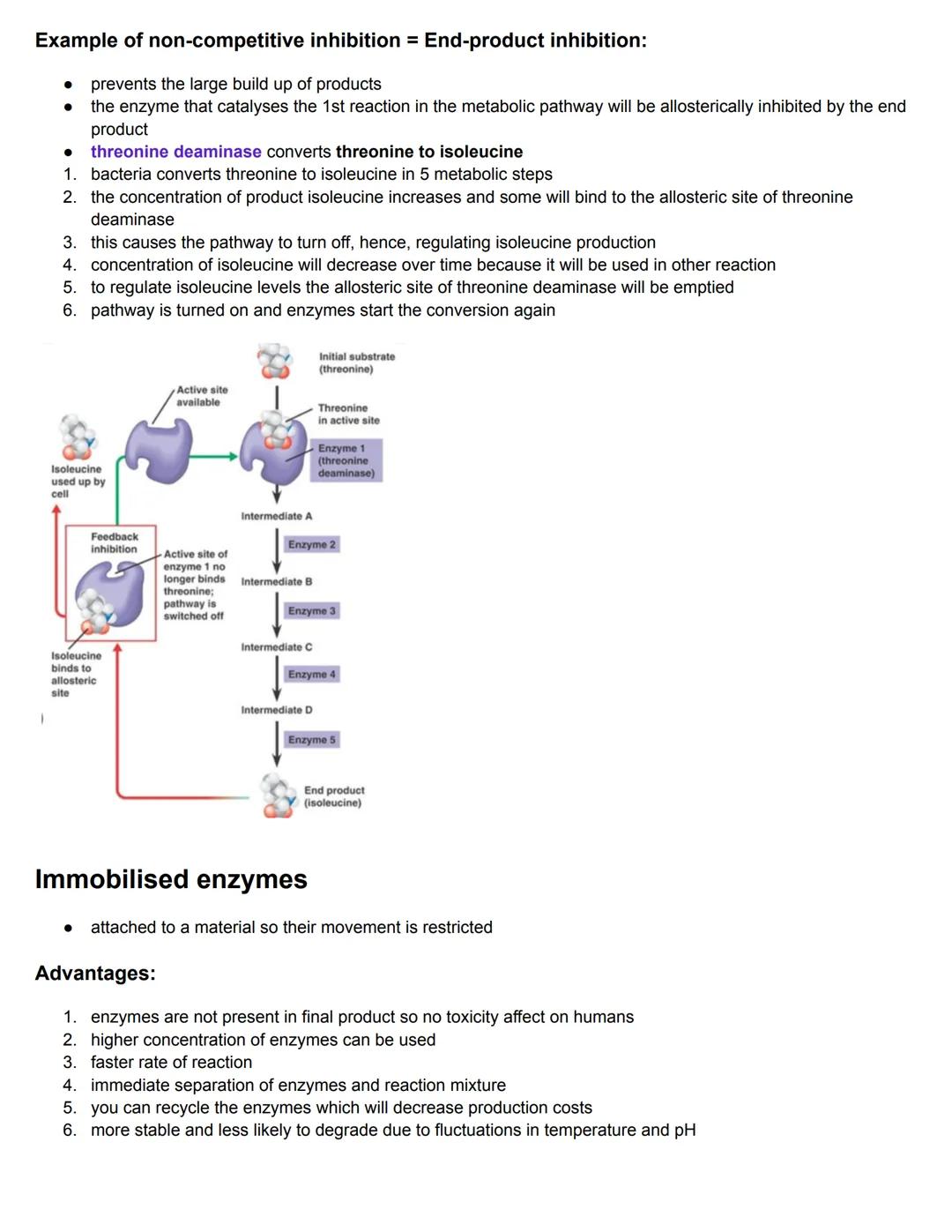
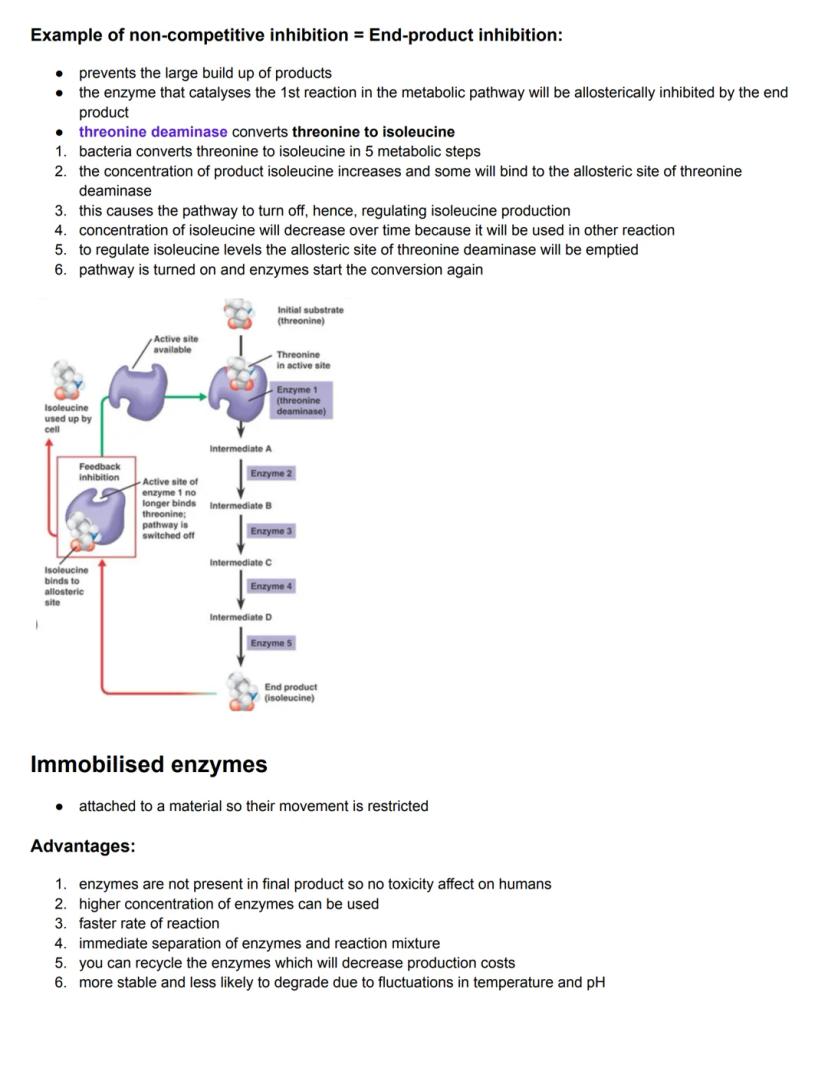
End-product inhibition is metabolism's built-in quality control system. When there's too much of a final product floating around, it travels back to shut down the very first enzyme in the pathway - talk about smart feedback!
Take the threonine to isoleucine pathway in bacteria. When isoleucine levels get too high, excess molecules bind to threonine deaminase's allosteric site, switching off the entire production line. As the cell uses up isoleucine, the enzyme frees up and production resumes. It's like having an automatic thermostat for chemical reactions.
Immobilised enzymes are attached to materials so they can't move freely, and they're absolutely game-changing for industrial processes. They're safer (no enzyme contamination in products), more economical (you can reuse them), and more stable against temperature and pH changes.
Real-World Connection: Measuring reaction rates helps scientists optimise everything from drug production to brewing - it's all about timing and concentration!
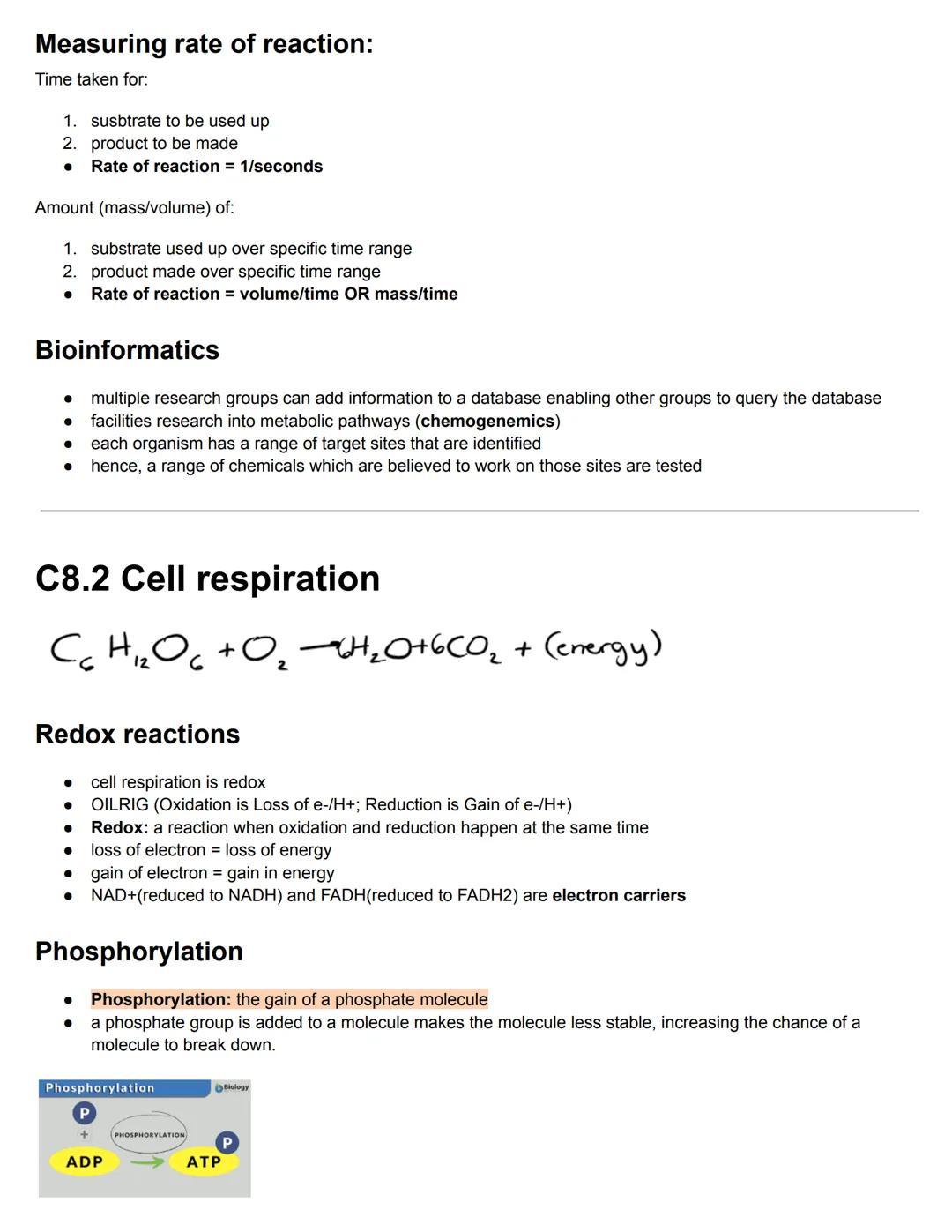
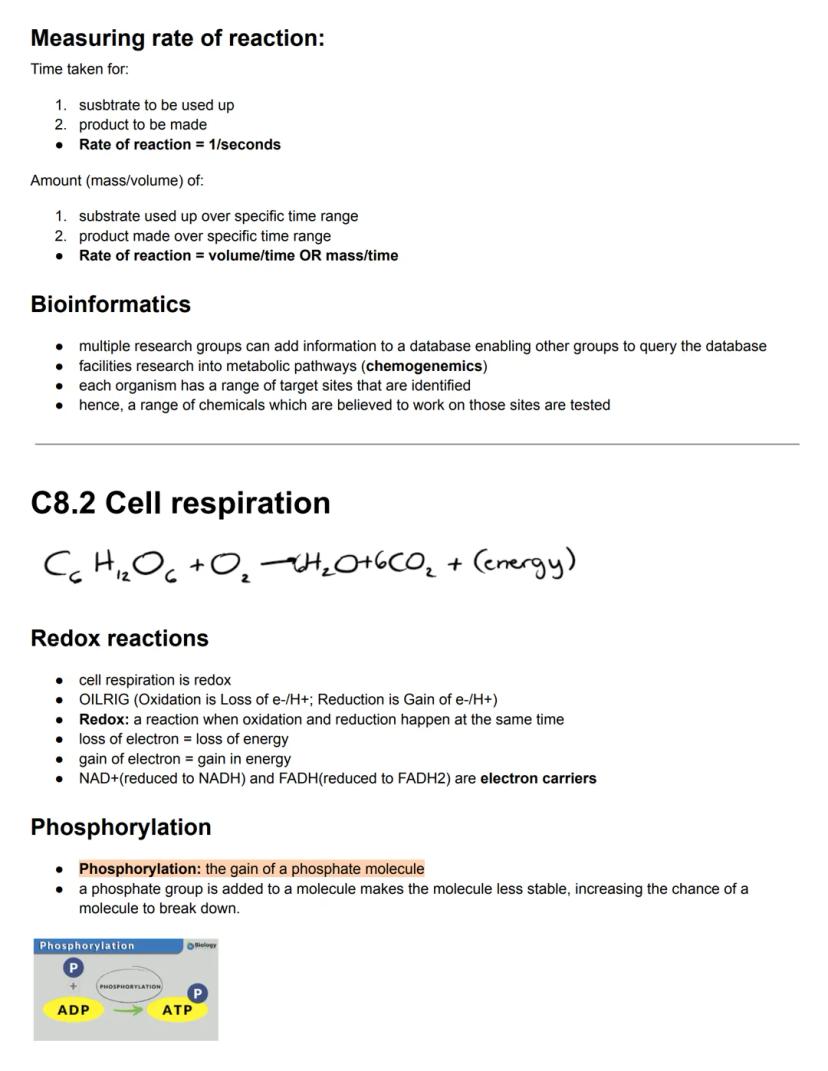
Your cells are constantly breaking down glucose to release energy, and cell respiration is how they do it. The equation looks simple: glucose + oxygen → water + carbon dioxide + energy, but the reality is fascinatingly complex.
This is all about redox reactions - remember OILRIG (Oxidation is Loss, Reduction is Gain of electrons). When glucose loses electrons, it releases energy. That energy gets captured by electron carriers like NAD+ (which becomes NADH) and FADH (which becomes FADH2).
Phosphorylation - adding phosphate groups - is like winding up a spring. It makes molecules less stable and more likely to release energy when needed. This instability is actually useful because it stores energy in a readily accessible form.
Memory Hook: Think of electron carriers as energy delivery trucks, picking up power from one reaction and dropping it off where it's needed!
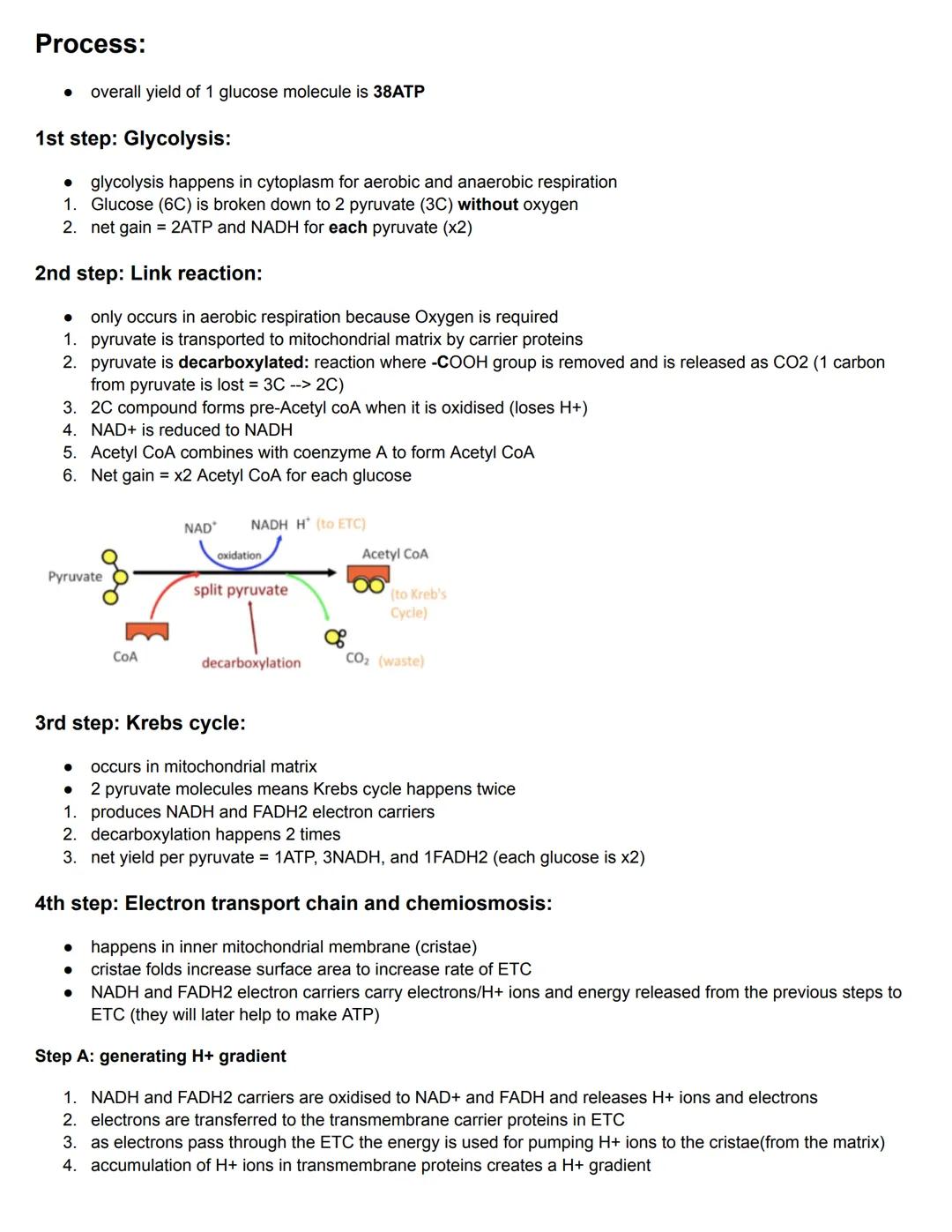
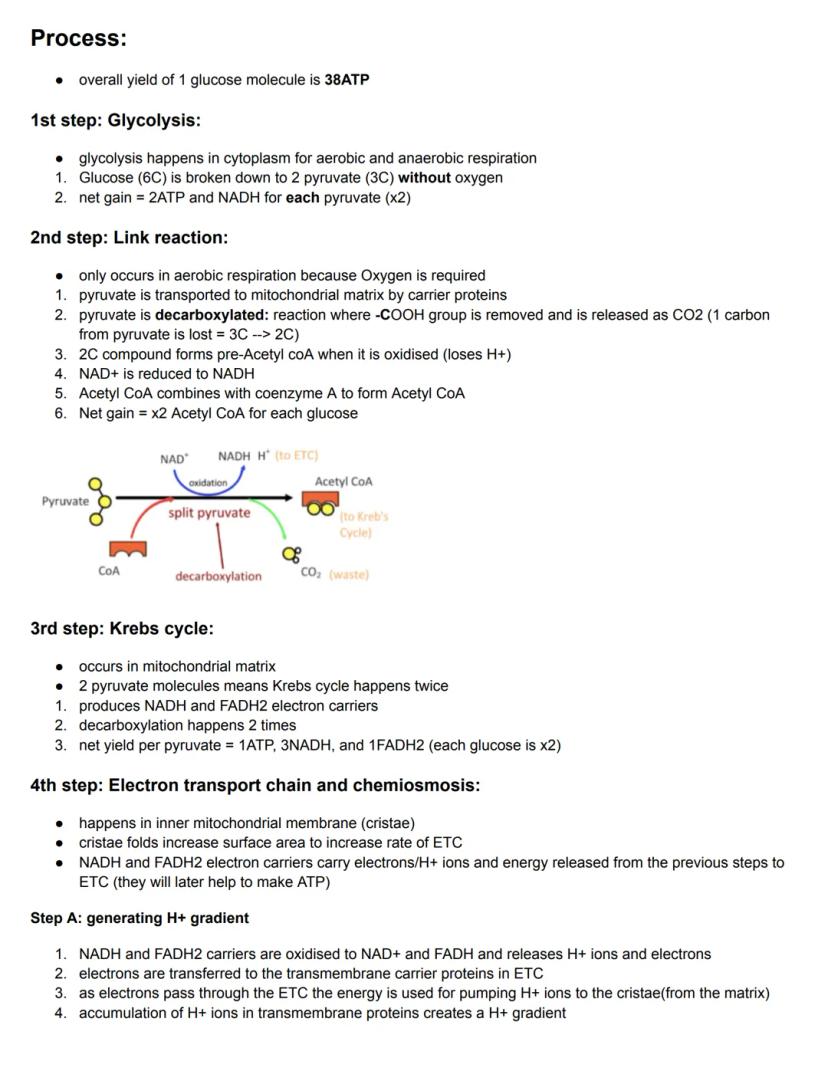
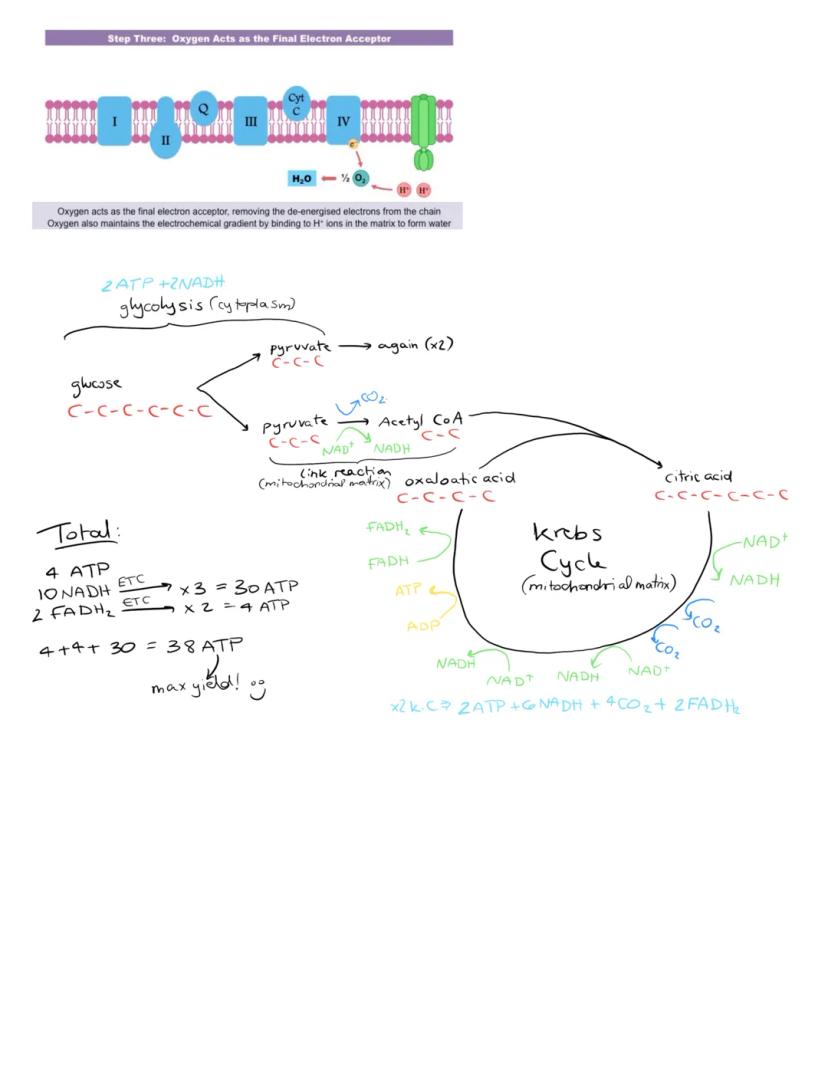
From one glucose molecule, your cells can extract an impressive 38 ATP through four distinct stages. Glycolysis kicks things off in the cytoplasm, splitting glucose (6 carbons) into two pyruvate molecules (3 carbons each) without needing oxygen. Net gain: 2 ATP and 2 NADH.
The link reaction only happens when oxygen's available. Pyruvate gets transported into the mitochondrial matrix where it loses a carbon (released as CO2) and gets oxidised to form Acetyl CoA. This decarboxylation step is crucial for entering the next stage.
The Krebs cycle is where things get exciting. Each Acetyl CoA gets completely broken down, producing 1 ATP, 3 NADH, and 1 FADH2 per cycle. Since you get two Acetyl CoA from each glucose, everything happens twice.
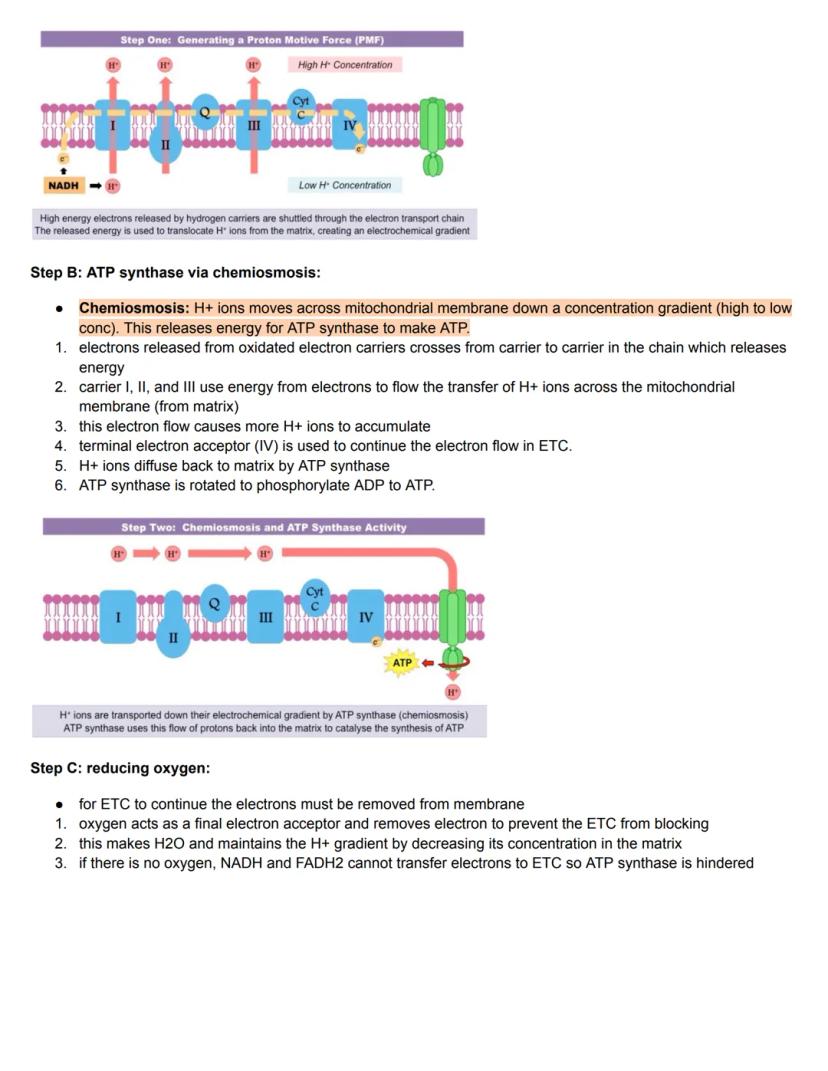
The electron transport chain is the grand finale. All those NADH and FADH2 carriers deliver their electrons to membrane proteins, which use the released energy to pump H+ ions across the membrane, creating a concentration gradient that powers ATP synthesis.
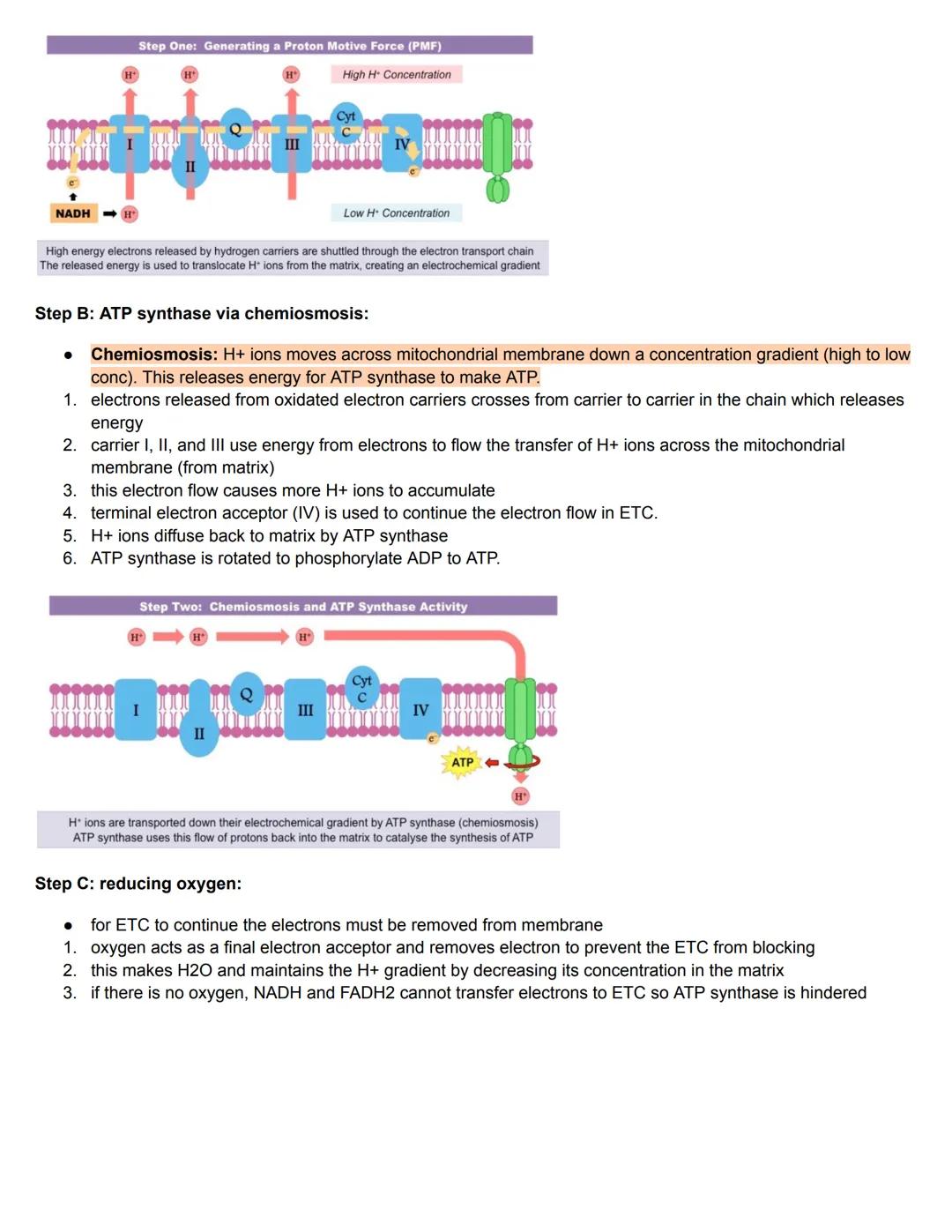
The electron transport chain happens in the inner mitochondrial membrane, and those cristae folds aren't just for show - they massively increase surface area for maximum ATP production. This is where your electron carriers cash in their stored energy.
Chemiosmosis is beautifully simple: H+ ions flow down their concentration gradient through ATP synthase, and this flow literally rotates the enzyme like a molecular motor, forcing ADP and phosphate together to make ATP. It's mechanical chemistry at its finest!
Oxygen plays the crucial role of final electron acceptor. Without it, electrons would back up in the transport chain like cars in a traffic jam, and ATP production would grind to a halt. When oxygen accepts electrons, it combines with H+ ions to form water, maintaining the gradient and keeping the whole system running.
Fascinating Fact: ATP synthase rotates about 100 times per second, churning out roughly 3 ATP molecules per rotation!

Looking at the complete process, you can see why aerobic respiration is so efficient. Glycolysis gives you 2 ATP directly, but the real payoff comes from the 10 NADH (worth 30 ATP) and 2 FADH2 (worth 4 ATP) that get processed through the electron transport chain.
The spatial organisation matters enormously. Glycolysis happens in the cytoplasm where glucose first enters cells, while the oxygen-requiring steps happen in mitochondria where oxygen concentration is carefully controlled. The link reaction and Krebs cycle occur in the matrix where enzymes are concentrated, and the electron transport chain spans the inner membrane where gradients can be maintained.
This isn't just biochemical trivia - understanding these pathways explains why we need oxygen, why carbon dioxide is waste, and why mitochondria are called the powerhouses of cells.
Clinical Connection: Many diseases and poisons work by disrupting specific steps in respiration, which is why understanding these pathways is crucial for medicine!
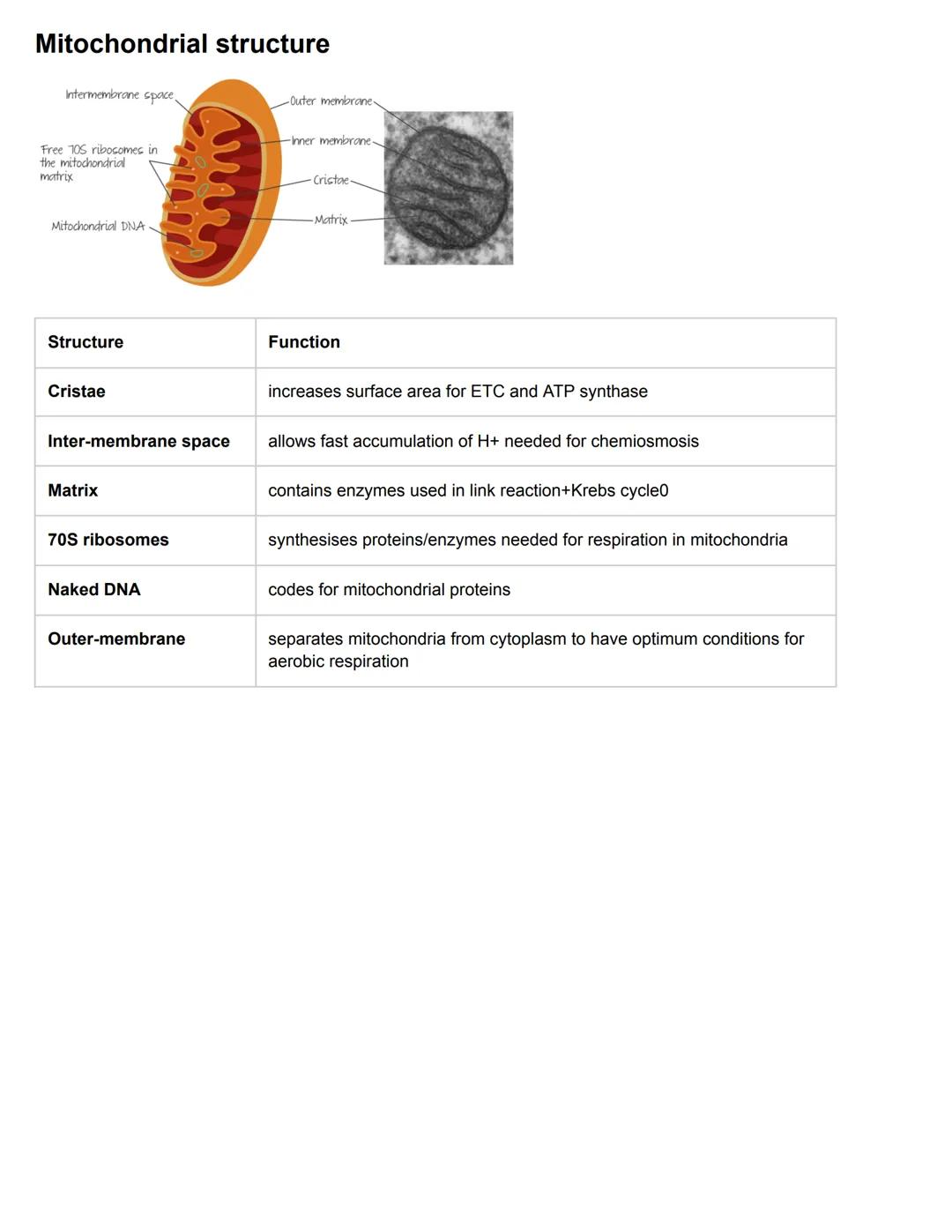
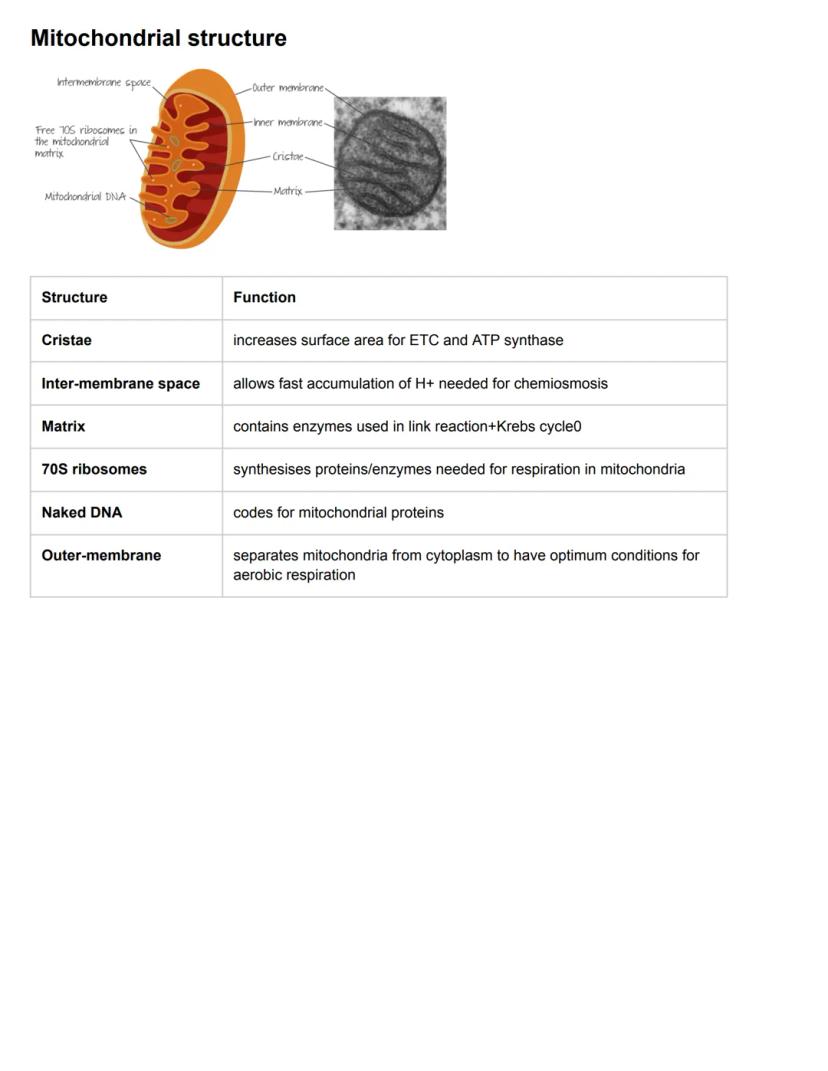
Mitochondria aren't just bags of enzymes - their structure is precisely designed for maximum efficiency. The cristae create enormous surface area for electron transport chains and ATP synthases. More folds mean more power generation.
The intermembrane space is narrow, so H+ ions can accumulate quickly and create steep gradients for chemiosmosis. Meanwhile, the matrix contains all the enzymes for the Krebs cycle and houses the mitochondria's own 70S ribosomes and naked DNA.
Yes, mitochondria have their own genetic material! They make some of their own proteins, particularly those needed for respiration. This supports the fascinating theory that mitochondria were once independent bacteria that formed a partnership with early cells.
Evolutionary Insight: Mitochondrial DNA is inherited maternally and evolves faster than nuclear DNA, making it incredibly useful for tracing human ancestry!

While respiration breaks down glucose, photosynthesis builds it from scratch using light energy. The equation reverses: carbon dioxide + water → glucose + oxygen, but the complexity rivals respiration. Plants use NADPH instead of NADH as their electron carrier.
Light-dependent reactions happen in the thylakoid membranes and convert light into chemical energy. Chlorophyll in Photosystem II absorbs photons and gets so excited that electrons jump to higher energy levels, starting an electron transport chain.
Photolysis splits water molecules to replace the electrons lost by chlorophyll, producing oxygen as a waste product - the very oxygen we breathe! Meanwhile, Photosystem I gives electrons another energy boost, eventually reducing NADP+ to NADPH.
Just like in respiration, chemiosmosis powers ATP synthesis. H+ ions get pumped into the thylakoid space and flow back through ATP synthase to make ATP. Light energy becomes chemical energy stored in ATP and NADPH bonds.

The Calvin cycle is where the real magic happens - turning atmospheric CO2 into sugar. This light-independent reaction occurs in the chloroplast stroma and doesn't directly need light, though it depends on the ATP and NADPH from light-dependent reactions.
Carbon fixation starts when RuBisCO enzyme (probably the most abundant protein on Earth) combines CO2 with RuBP. The resulting molecule immediately splits into two 3-phosphoglycerate molecules. Through reduction using ATP and NADPH, these become triose phosphates.
Here's the clever accounting: it takes 6 turns of the cycle to make one glucose molecule. In each turn, 3 CO2 molecules get fixed, producing 6 triose phosphates. Five get recycled to regenerate RuBP, while one contributes to glucose synthesis.
Calvin's experiment used radioactive carbon-14 to trace exactly where carbon atoms end up in the cycle, revolutionising our understanding of photosynthesis through ingenious use of chromatography and autoradiography.
Global Impact: The Calvin cycle removes billions of tons of CO2 from our atmosphere annually - without it, Earth would be uninhabitably hot!
Our AI companion is specifically built for the needs of students. Based on the millions of content pieces we have on the platform we can provide truly meaningful and relevant answers to students. But its not only about answers, the companion is even more about guiding students through their daily learning challenges, with personalised study plans, quizzes or content pieces in the chat and 100% personalisation based on the students skills and developments.
You can download the app in the Google Play Store and in the Apple App Store.
That's right! Enjoy free access to study content, connect with fellow students, and get instant help – all at your fingertips.
App Store
Google Play
The app is very easy to use and well designed. I have found everything I was looking for so far and have been able to learn a lot from the presentations! I will definitely use the app for a class assignment! And of course it also helps a lot as an inspiration.
Stefan S
iOS user
This app is really great. There are so many study notes and help [...]. My problem subject is French, for example, and the app has so many options for help. Thanks to this app, I have improved my French. I would recommend it to anyone.
Samantha Klich
Android user
Wow, I am really amazed. I just tried the app because I've seen it advertised many times and was absolutely stunned. This app is THE HELP you want for school and above all, it offers so many things, such as workouts and fact sheets, which have been VERY helpful to me personally.
Anna
iOS user
I think it’s very much worth it and you’ll end up using it a lot once you get the hang of it and even after looking at others notes you can still ask your Artificial intelligence buddy the question and ask to simplify it if you still don’t get it!!! In the end I think it’s worth it 😊👍 ⚠️Also DID I MENTION ITS FREEE YOU DON’T HAVE TO PAY FOR ANYTHING AND STILL GET YOUR GRADES IN PERFECTLY❗️❗️⚠️
Thomas R
iOS user
Knowunity is the BEST app I’ve used in a minute. This is not an ai review or anything this is genuinely coming from a 7th grade student (I know 2011 im young) but dude this app is a 10/10 i have maintained a 3.8 gpa and have plenty of time for gaming. I love it and my mom is just happy I got good grades
Brad T
Android user
Not only did it help me find the answer but it also showed me alternative ways to solve it. I was horrible in math and science but now I have an a in both subjects. Thanks for the help🤍🤍
David K
iOS user
The app's just great! All I have to do is enter the topic in the search bar and I get the response real fast. I don't have to watch 10 YouTube videos to understand something, so I'm saving my time. Highly recommended!
Sudenaz Ocak
Android user
In school I was really bad at maths but thanks to the app, I am doing better now. I am so grateful that you made the app.
Greenlight Bonnie
Android user
I found this app a couple years ago and it has only gotten better since then. I really love it because it can help with written questions and photo questions. Also, it can find study guides that other people have made as well as flashcard sets and practice tests. The free version is also amazing for students who might not be able to afford it. Would 100% recommend
Aubrey
iOS user
Best app if you're in Highschool or Junior high. I have been using this app for 2 school years and it's the best, it's good if you don't have anyone to help you with school work.😋🩷🎀
Marco B
iOS user
THE QUIZES AND FLASHCARDS ARE SO USEFUL AND I LOVE THE SCHOOLGPT. IT ALSO IS LITREALLY LIKE CHATGPT BUT SMARTER!! HELPED ME WITH MY MASCARA PROBLEMS TOO!! AS WELL AS MY REAL SUBJECTS ! DUHHH 😍😁😲🤑💗✨🎀😮
Elisha
iOS user
This app is phenomenal down to the correct info and the various topics you can study! I greatly recommend it for people who struggle with procrastination and those who need homework help. It has been perfectly accurate for world 1 history as far as I’ve seen! Geometry too!
Paul T
iOS user
The app is very easy to use and well designed. I have found everything I was looking for so far and have been able to learn a lot from the presentations! I will definitely use the app for a class assignment! And of course it also helps a lot as an inspiration.
Stefan S
iOS user
This app is really great. There are so many study notes and help [...]. My problem subject is French, for example, and the app has so many options for help. Thanks to this app, I have improved my French. I would recommend it to anyone.
Samantha Klich
Android user
Wow, I am really amazed. I just tried the app because I've seen it advertised many times and was absolutely stunned. This app is THE HELP you want for school and above all, it offers so many things, such as workouts and fact sheets, which have been VERY helpful to me personally.
Anna
iOS user
I think it’s very much worth it and you’ll end up using it a lot once you get the hang of it and even after looking at others notes you can still ask your Artificial intelligence buddy the question and ask to simplify it if you still don’t get it!!! In the end I think it’s worth it 😊👍 ⚠️Also DID I MENTION ITS FREEE YOU DON’T HAVE TO PAY FOR ANYTHING AND STILL GET YOUR GRADES IN PERFECTLY❗️❗️⚠️
Thomas R
iOS user
Knowunity is the BEST app I’ve used in a minute. This is not an ai review or anything this is genuinely coming from a 7th grade student (I know 2011 im young) but dude this app is a 10/10 i have maintained a 3.8 gpa and have plenty of time for gaming. I love it and my mom is just happy I got good grades
Brad T
Android user
Not only did it help me find the answer but it also showed me alternative ways to solve it. I was horrible in math and science but now I have an a in both subjects. Thanks for the help🤍🤍
David K
iOS user
The app's just great! All I have to do is enter the topic in the search bar and I get the response real fast. I don't have to watch 10 YouTube videos to understand something, so I'm saving my time. Highly recommended!
Sudenaz Ocak
Android user
In school I was really bad at maths but thanks to the app, I am doing better now. I am so grateful that you made the app.
Greenlight Bonnie
Android user
I found this app a couple years ago and it has only gotten better since then. I really love it because it can help with written questions and photo questions. Also, it can find study guides that other people have made as well as flashcard sets and practice tests. The free version is also amazing for students who might not be able to afford it. Would 100% recommend
Aubrey
iOS user
Best app if you're in Highschool or Junior high. I have been using this app for 2 school years and it's the best, it's good if you don't have anyone to help you with school work.😋🩷🎀
Marco B
iOS user
THE QUIZES AND FLASHCARDS ARE SO USEFUL AND I LOVE THE SCHOOLGPT. IT ALSO IS LITREALLY LIKE CHATGPT BUT SMARTER!! HELPED ME WITH MY MASCARA PROBLEMS TOO!! AS WELL AS MY REAL SUBJECTS ! DUHHH 😍😁😲🤑💗✨🎀😮
Elisha
iOS user
This app is phenomenal down to the correct info and the various topics you can study! I greatly recommend it for people who struggle with procrastination and those who need homework help. It has been perfectly accurate for world 1 history as far as I’ve seen! Geometry too!
Paul T
iOS user
Cami Carbo
@camicarbo123
Ever wondered how your body breaks down food for energy or how plants make their own food? This is all about metabolism - the incredible chemical processes that keep living things alive and thriving.
Access to all documents
Improve your grades
Join milions of students
By signing up you accept Terms of Service and Privacy Policy
Metabolism is basically every chemical reaction happening in your body right now - from breaking down your breakfast to building new muscle proteins. These reactions don't happen randomly though; they're organised into metabolic pathways where enzymes link reactions together like a perfectly choreographed dance.
Catalysts are the real heroes here. They speed up reactions by offering an easier pathway with lower activation energy - think of them as creating a shortcut over a mountain rather than forcing you to climb straight up the steep side.
The process is surprisingly elegant: substrates bind to the enzyme's active site, forming a temporary partnership called the enzyme-substrate complex. This makes the substrate's bonds wobble and become less stable, dramatically reducing the energy needed to break them apart.
Quick Tip: Remember that catalysts speed things up but don't change the total energy released - they just make it easier to get there!
Access to all documents
Improve your grades
Join milions of students
By signing up you accept Terms of Service and Privacy Policy
Sometimes enzymes get blocked, and understanding how this happens is crucial for grasping everything from medicine to metabolism. Competitive inhibition is like a game of musical chairs - the inhibitor literally competes with your substrate for the same active site.
Here's the clever bit: if you flood the system with more substrate, you can still achieve the same maximum reaction rate because there's still a chance your substrate will win the competition. It's all about probability and concentration.
A brilliant real-world example is Antabuse, used to treat alcoholism. It competes with acetaldehyde in alcohol metabolism, causing acetaldehyde to build up and making people feel violently nauseous when they drink. Pretty effective deterrent!
Non-competitive inhibition works completely differently. The inhibitor sneaks around to bind at an allosteric site, which changes the active site's shape so dramatically that substrates can't bind at all. No matter how much substrate you add, you can't overcome this type of inhibition.
Access to all documents
Improve your grades
Join milions of students
By signing up you accept Terms of Service and Privacy Policy
End-product inhibition is metabolism's built-in quality control system. When there's too much of a final product floating around, it travels back to shut down the very first enzyme in the pathway - talk about smart feedback!
Take the threonine to isoleucine pathway in bacteria. When isoleucine levels get too high, excess molecules bind to threonine deaminase's allosteric site, switching off the entire production line. As the cell uses up isoleucine, the enzyme frees up and production resumes. It's like having an automatic thermostat for chemical reactions.
Immobilised enzymes are attached to materials so they can't move freely, and they're absolutely game-changing for industrial processes. They're safer (no enzyme contamination in products), more economical (you can reuse them), and more stable against temperature and pH changes.
Real-World Connection: Measuring reaction rates helps scientists optimise everything from drug production to brewing - it's all about timing and concentration!
Access to all documents
Improve your grades
Join milions of students
By signing up you accept Terms of Service and Privacy Policy
Your cells are constantly breaking down glucose to release energy, and cell respiration is how they do it. The equation looks simple: glucose + oxygen → water + carbon dioxide + energy, but the reality is fascinatingly complex.
This is all about redox reactions - remember OILRIG (Oxidation is Loss, Reduction is Gain of electrons). When glucose loses electrons, it releases energy. That energy gets captured by electron carriers like NAD+ (which becomes NADH) and FADH (which becomes FADH2).
Phosphorylation - adding phosphate groups - is like winding up a spring. It makes molecules less stable and more likely to release energy when needed. This instability is actually useful because it stores energy in a readily accessible form.
Memory Hook: Think of electron carriers as energy delivery trucks, picking up power from one reaction and dropping it off where it's needed!
Access to all documents
Improve your grades
Join milions of students
By signing up you accept Terms of Service and Privacy Policy
From one glucose molecule, your cells can extract an impressive 38 ATP through four distinct stages. Glycolysis kicks things off in the cytoplasm, splitting glucose (6 carbons) into two pyruvate molecules (3 carbons each) without needing oxygen. Net gain: 2 ATP and 2 NADH.
The link reaction only happens when oxygen's available. Pyruvate gets transported into the mitochondrial matrix where it loses a carbon (released as CO2) and gets oxidised to form Acetyl CoA. This decarboxylation step is crucial for entering the next stage.
The Krebs cycle is where things get exciting. Each Acetyl CoA gets completely broken down, producing 1 ATP, 3 NADH, and 1 FADH2 per cycle. Since you get two Acetyl CoA from each glucose, everything happens twice.
The electron transport chain is the grand finale. All those NADH and FADH2 carriers deliver their electrons to membrane proteins, which use the released energy to pump H+ ions across the membrane, creating a concentration gradient that powers ATP synthesis.
Access to all documents
Improve your grades
Join milions of students
By signing up you accept Terms of Service and Privacy Policy
The electron transport chain happens in the inner mitochondrial membrane, and those cristae folds aren't just for show - they massively increase surface area for maximum ATP production. This is where your electron carriers cash in their stored energy.
Chemiosmosis is beautifully simple: H+ ions flow down their concentration gradient through ATP synthase, and this flow literally rotates the enzyme like a molecular motor, forcing ADP and phosphate together to make ATP. It's mechanical chemistry at its finest!
Oxygen plays the crucial role of final electron acceptor. Without it, electrons would back up in the transport chain like cars in a traffic jam, and ATP production would grind to a halt. When oxygen accepts electrons, it combines with H+ ions to form water, maintaining the gradient and keeping the whole system running.
Fascinating Fact: ATP synthase rotates about 100 times per second, churning out roughly 3 ATP molecules per rotation!
Access to all documents
Improve your grades
Join milions of students
By signing up you accept Terms of Service and Privacy Policy
Looking at the complete process, you can see why aerobic respiration is so efficient. Glycolysis gives you 2 ATP directly, but the real payoff comes from the 10 NADH (worth 30 ATP) and 2 FADH2 (worth 4 ATP) that get processed through the electron transport chain.
The spatial organisation matters enormously. Glycolysis happens in the cytoplasm where glucose first enters cells, while the oxygen-requiring steps happen in mitochondria where oxygen concentration is carefully controlled. The link reaction and Krebs cycle occur in the matrix where enzymes are concentrated, and the electron transport chain spans the inner membrane where gradients can be maintained.
This isn't just biochemical trivia - understanding these pathways explains why we need oxygen, why carbon dioxide is waste, and why mitochondria are called the powerhouses of cells.
Clinical Connection: Many diseases and poisons work by disrupting specific steps in respiration, which is why understanding these pathways is crucial for medicine!
Access to all documents
Improve your grades
Join milions of students
By signing up you accept Terms of Service and Privacy Policy
Mitochondria aren't just bags of enzymes - their structure is precisely designed for maximum efficiency. The cristae create enormous surface area for electron transport chains and ATP synthases. More folds mean more power generation.
The intermembrane space is narrow, so H+ ions can accumulate quickly and create steep gradients for chemiosmosis. Meanwhile, the matrix contains all the enzymes for the Krebs cycle and houses the mitochondria's own 70S ribosomes and naked DNA.
Yes, mitochondria have their own genetic material! They make some of their own proteins, particularly those needed for respiration. This supports the fascinating theory that mitochondria were once independent bacteria that formed a partnership with early cells.
Evolutionary Insight: Mitochondrial DNA is inherited maternally and evolves faster than nuclear DNA, making it incredibly useful for tracing human ancestry!
Access to all documents
Improve your grades
Join milions of students
By signing up you accept Terms of Service and Privacy Policy
While respiration breaks down glucose, photosynthesis builds it from scratch using light energy. The equation reverses: carbon dioxide + water → glucose + oxygen, but the complexity rivals respiration. Plants use NADPH instead of NADH as their electron carrier.
Light-dependent reactions happen in the thylakoid membranes and convert light into chemical energy. Chlorophyll in Photosystem II absorbs photons and gets so excited that electrons jump to higher energy levels, starting an electron transport chain.
Photolysis splits water molecules to replace the electrons lost by chlorophyll, producing oxygen as a waste product - the very oxygen we breathe! Meanwhile, Photosystem I gives electrons another energy boost, eventually reducing NADP+ to NADPH.
Just like in respiration, chemiosmosis powers ATP synthesis. H+ ions get pumped into the thylakoid space and flow back through ATP synthase to make ATP. Light energy becomes chemical energy stored in ATP and NADPH bonds.
Access to all documents
Improve your grades
Join milions of students
By signing up you accept Terms of Service and Privacy Policy
The Calvin cycle is where the real magic happens - turning atmospheric CO2 into sugar. This light-independent reaction occurs in the chloroplast stroma and doesn't directly need light, though it depends on the ATP and NADPH from light-dependent reactions.
Carbon fixation starts when RuBisCO enzyme (probably the most abundant protein on Earth) combines CO2 with RuBP. The resulting molecule immediately splits into two 3-phosphoglycerate molecules. Through reduction using ATP and NADPH, these become triose phosphates.
Here's the clever accounting: it takes 6 turns of the cycle to make one glucose molecule. In each turn, 3 CO2 molecules get fixed, producing 6 triose phosphates. Five get recycled to regenerate RuBP, while one contributes to glucose synthesis.
Calvin's experiment used radioactive carbon-14 to trace exactly where carbon atoms end up in the cycle, revolutionising our understanding of photosynthesis through ingenious use of chromatography and autoradiography.
Global Impact: The Calvin cycle removes billions of tons of CO2 from our atmosphere annually - without it, Earth would be uninhabitably hot!
Our AI companion is specifically built for the needs of students. Based on the millions of content pieces we have on the platform we can provide truly meaningful and relevant answers to students. But its not only about answers, the companion is even more about guiding students through their daily learning challenges, with personalised study plans, quizzes or content pieces in the chat and 100% personalisation based on the students skills and developments.
You can download the app in the Google Play Store and in the Apple App Store.
That's right! Enjoy free access to study content, connect with fellow students, and get instant help – all at your fingertips.
1
Smart Tools NEW
Transform this note into: ✓ 50+ Practice Questions ✓ Interactive Flashcards ✓ Full Mock Exam ✓ Essay Outlines
AP Bio, light dependent reactions review
 AP Biology
Biology all notes for the class
AP BiologyThis document summarizes the Photosynthesis topic in AP Biology with concepts likes Calvin cycle, the flow of an electron, how ATP is produced, etc.
AP BiologyIn class notes
AP BiologyIn class notes
AP BiologyBiology is the scientific study of life. It is a natural science with a broad scope but has several unifying themes that tie it together as a single, coherent field.
AP BiologyApp Store
Google Play
The app is very easy to use and well designed. I have found everything I was looking for so far and have been able to learn a lot from the presentations! I will definitely use the app for a class assignment! And of course it also helps a lot as an inspiration.
Stefan S
iOS user
This app is really great. There are so many study notes and help [...]. My problem subject is French, for example, and the app has so many options for help. Thanks to this app, I have improved my French. I would recommend it to anyone.
Samantha Klich
Android user
Wow, I am really amazed. I just tried the app because I've seen it advertised many times and was absolutely stunned. This app is THE HELP you want for school and above all, it offers so many things, such as workouts and fact sheets, which have been VERY helpful to me personally.
Anna
iOS user
I think it’s very much worth it and you’ll end up using it a lot once you get the hang of it and even after looking at others notes you can still ask your Artificial intelligence buddy the question and ask to simplify it if you still don’t get it!!! In the end I think it’s worth it 😊👍 ⚠️Also DID I MENTION ITS FREEE YOU DON’T HAVE TO PAY FOR ANYTHING AND STILL GET YOUR GRADES IN PERFECTLY❗️❗️⚠️
Thomas R
iOS user
Knowunity is the BEST app I’ve used in a minute. This is not an ai review or anything this is genuinely coming from a 7th grade student (I know 2011 im young) but dude this app is a 10/10 i have maintained a 3.8 gpa and have plenty of time for gaming. I love it and my mom is just happy I got good grades
Brad T
Android user
Not only did it help me find the answer but it also showed me alternative ways to solve it. I was horrible in math and science but now I have an a in both subjects. Thanks for the help🤍🤍
David K
iOS user
The app's just great! All I have to do is enter the topic in the search bar and I get the response real fast. I don't have to watch 10 YouTube videos to understand something, so I'm saving my time. Highly recommended!
Sudenaz Ocak
Android user
In school I was really bad at maths but thanks to the app, I am doing better now. I am so grateful that you made the app.
Greenlight Bonnie
Android user
I found this app a couple years ago and it has only gotten better since then. I really love it because it can help with written questions and photo questions. Also, it can find study guides that other people have made as well as flashcard sets and practice tests. The free version is also amazing for students who might not be able to afford it. Would 100% recommend
Aubrey
iOS user
Best app if you're in Highschool or Junior high. I have been using this app for 2 school years and it's the best, it's good if you don't have anyone to help you with school work.😋🩷🎀
Marco B
iOS user
THE QUIZES AND FLASHCARDS ARE SO USEFUL AND I LOVE THE SCHOOLGPT. IT ALSO IS LITREALLY LIKE CHATGPT BUT SMARTER!! HELPED ME WITH MY MASCARA PROBLEMS TOO!! AS WELL AS MY REAL SUBJECTS ! DUHHH 😍😁😲🤑💗✨🎀😮
Elisha
iOS user
This app is phenomenal down to the correct info and the various topics you can study! I greatly recommend it for people who struggle with procrastination and those who need homework help. It has been perfectly accurate for world 1 history as far as I’ve seen! Geometry too!
Paul T
iOS user
The app is very easy to use and well designed. I have found everything I was looking for so far and have been able to learn a lot from the presentations! I will definitely use the app for a class assignment! And of course it also helps a lot as an inspiration.
Stefan S
iOS user
This app is really great. There are so many study notes and help [...]. My problem subject is French, for example, and the app has so many options for help. Thanks to this app, I have improved my French. I would recommend it to anyone.
Samantha Klich
Android user
Wow, I am really amazed. I just tried the app because I've seen it advertised many times and was absolutely stunned. This app is THE HELP you want for school and above all, it offers so many things, such as workouts and fact sheets, which have been VERY helpful to me personally.
Anna
iOS user
I think it’s very much worth it and you’ll end up using it a lot once you get the hang of it and even after looking at others notes you can still ask your Artificial intelligence buddy the question and ask to simplify it if you still don’t get it!!! In the end I think it’s worth it 😊👍 ⚠️Also DID I MENTION ITS FREEE YOU DON’T HAVE TO PAY FOR ANYTHING AND STILL GET YOUR GRADES IN PERFECTLY❗️❗️⚠️
Thomas R
iOS user
Knowunity is the BEST app I’ve used in a minute. This is not an ai review or anything this is genuinely coming from a 7th grade student (I know 2011 im young) but dude this app is a 10/10 i have maintained a 3.8 gpa and have plenty of time for gaming. I love it and my mom is just happy I got good grades
Brad T
Android user
Not only did it help me find the answer but it also showed me alternative ways to solve it. I was horrible in math and science but now I have an a in both subjects. Thanks for the help🤍🤍
David K
iOS user
The app's just great! All I have to do is enter the topic in the search bar and I get the response real fast. I don't have to watch 10 YouTube videos to understand something, so I'm saving my time. Highly recommended!
Sudenaz Ocak
Android user
In school I was really bad at maths but thanks to the app, I am doing better now. I am so grateful that you made the app.
Greenlight Bonnie
Android user
I found this app a couple years ago and it has only gotten better since then. I really love it because it can help with written questions and photo questions. Also, it can find study guides that other people have made as well as flashcard sets and practice tests. The free version is also amazing for students who might not be able to afford it. Would 100% recommend
Aubrey
iOS user
Best app if you're in Highschool or Junior high. I have been using this app for 2 school years and it's the best, it's good if you don't have anyone to help you with school work.😋🩷🎀
Marco B
iOS user
THE QUIZES AND FLASHCARDS ARE SO USEFUL AND I LOVE THE SCHOOLGPT. IT ALSO IS LITREALLY LIKE CHATGPT BUT SMARTER!! HELPED ME WITH MY MASCARA PROBLEMS TOO!! AS WELL AS MY REAL SUBJECTS ! DUHHH 😍😁😲🤑💗✨🎀😮
Elisha
iOS user
This app is phenomenal down to the correct info and the various topics you can study! I greatly recommend it for people who struggle with procrastination and those who need homework help. It has been perfectly accurate for world 1 history as far as I’ve seen! Geometry too!
Paul T
iOS user