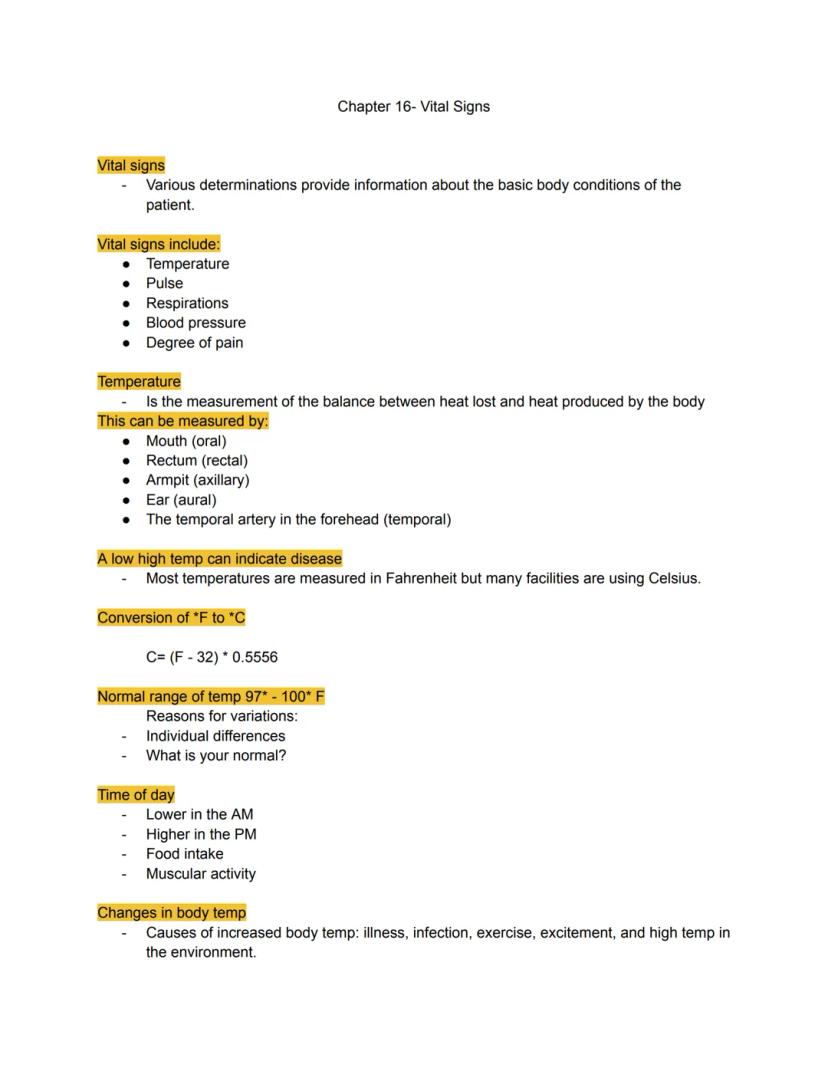
Measuring Pulse
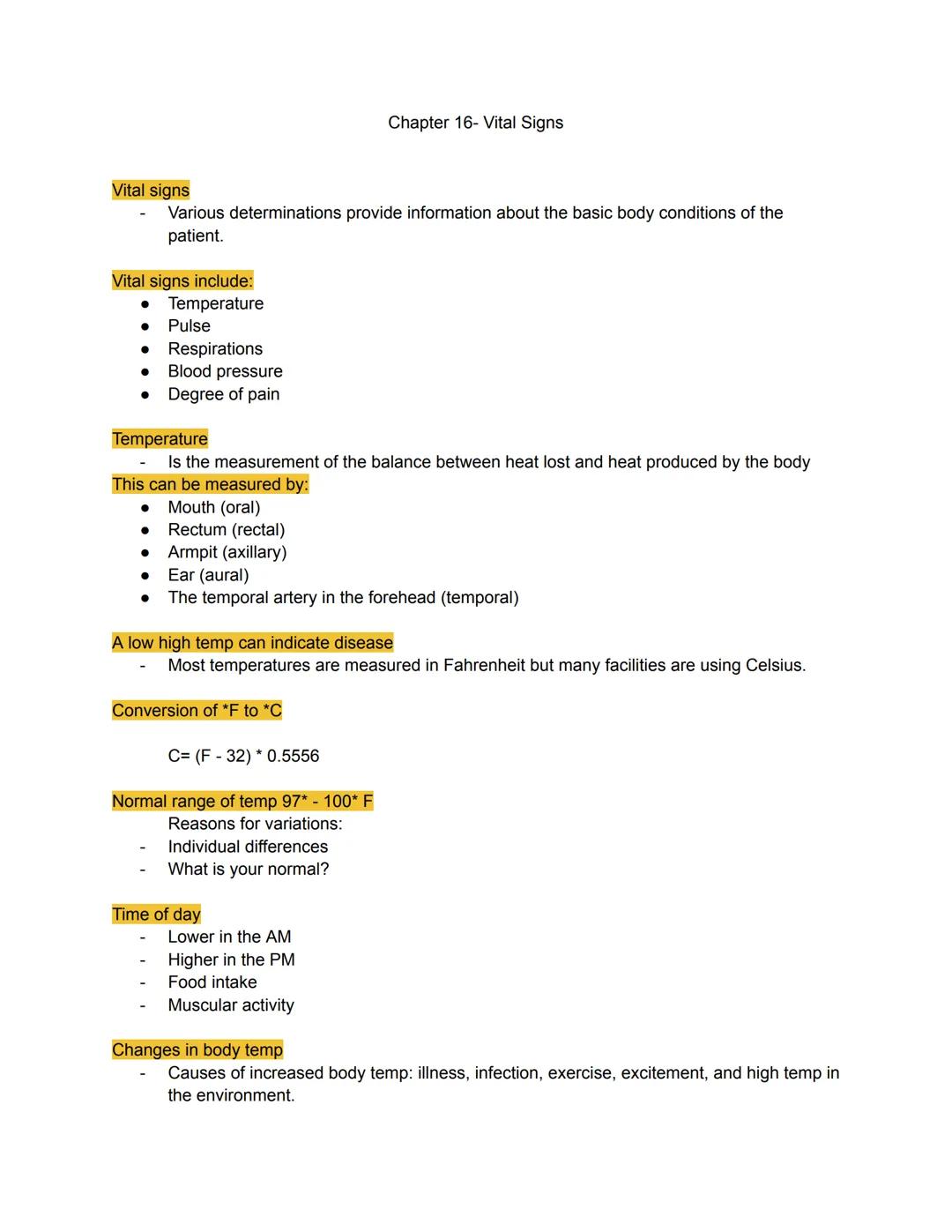
Your pulse is the pressure of blood pushing against artery walls as your heart beats and rests. You can feel your pulse at several points on your body, including temporal, carotid, brachial, radial, femoral, popliteal, dorsalis pedis, and posterior tibial arteries.
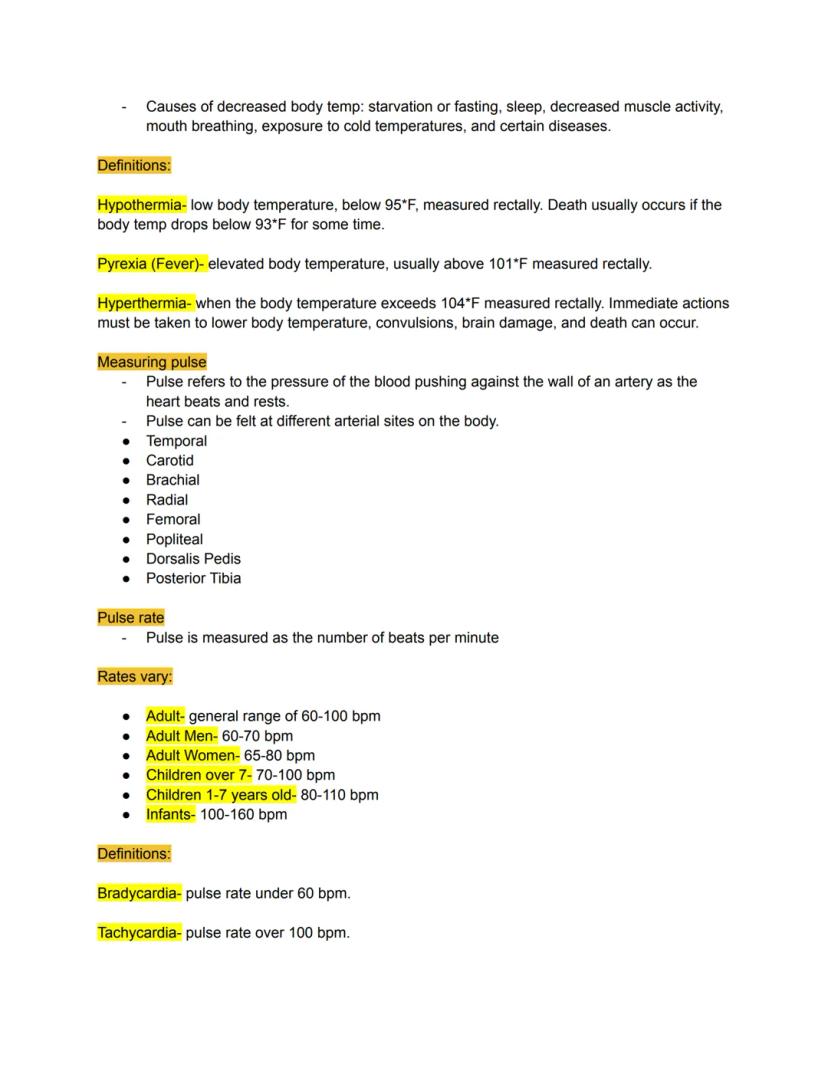
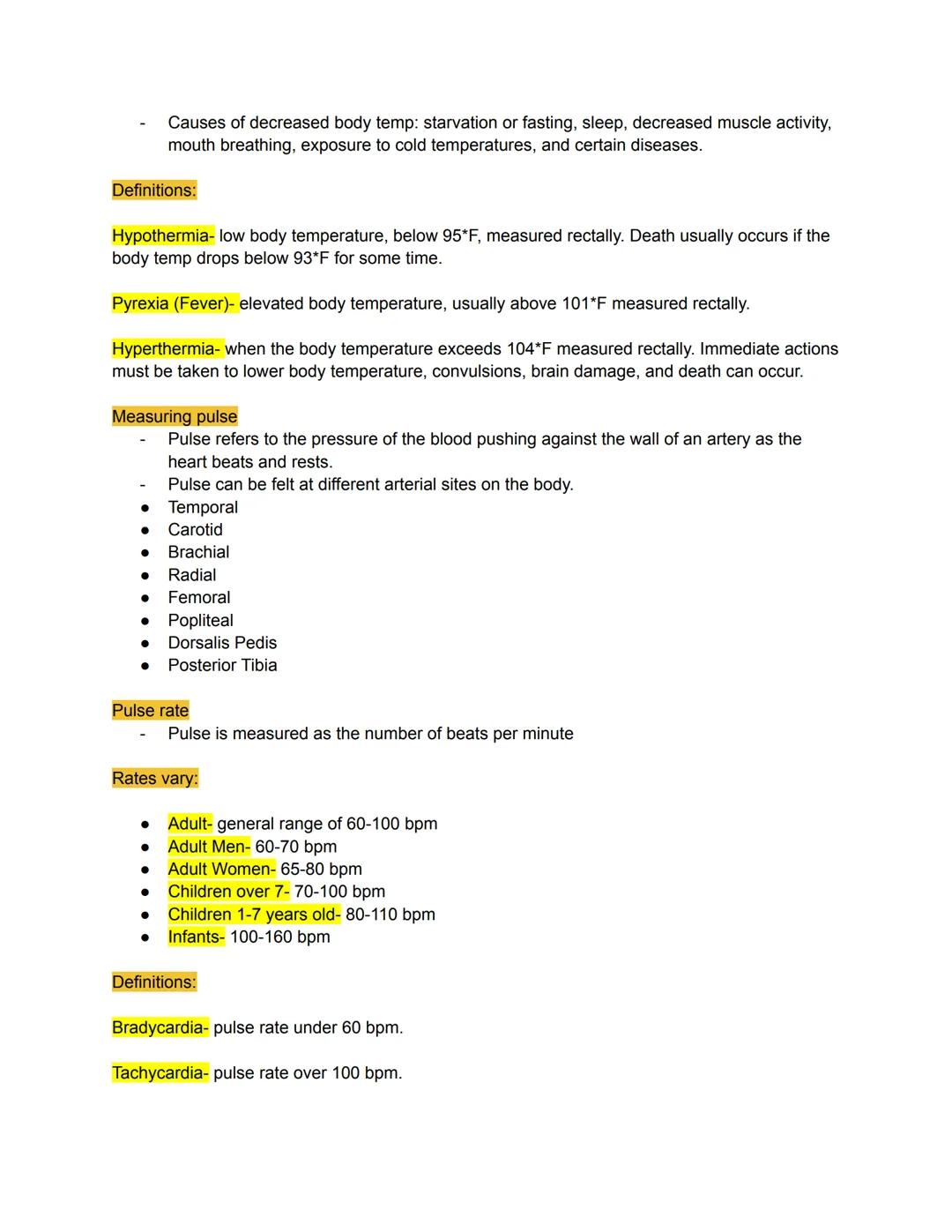
Pulse rates vary by age and gender. Adults generally range from 60-100 beats per minute (bpm), with men typically at 60-70 bpm and women at 65-80 bpm. Children over 7 years typically have 70-100 bpm, while younger children and infants have progressively faster heart rates.
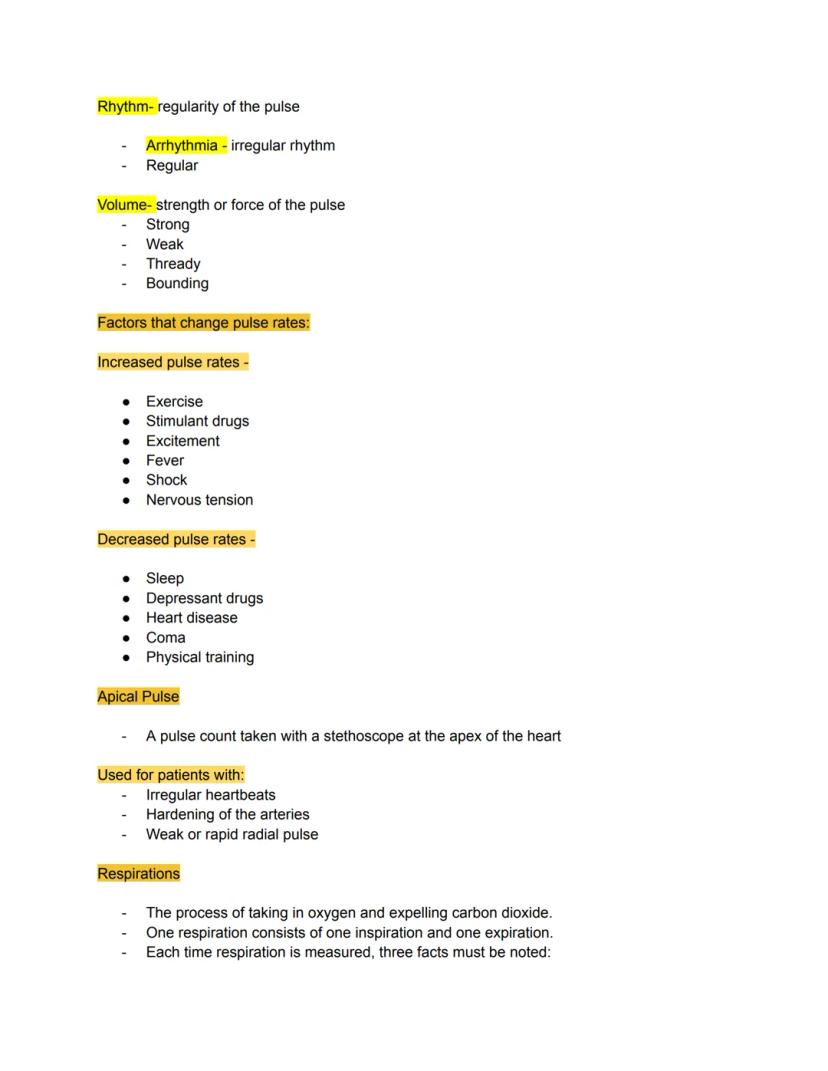
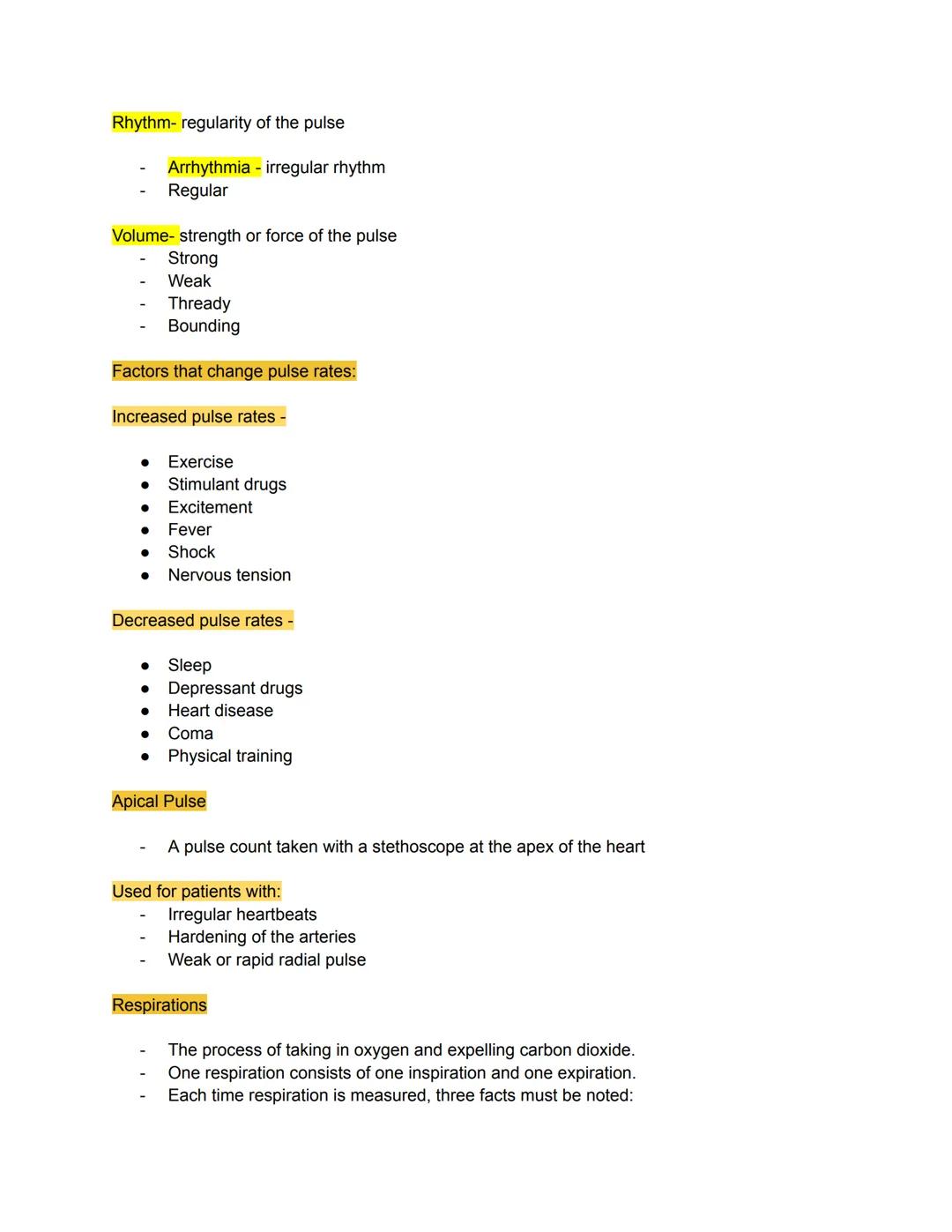
When measuring pulse, healthcare providers also note the rhythm (regularity) and volume (strength). An irregular rhythm is called arrhythmia, while volume can be described as strong, weak, thready, or bounding. Many factors can change your pulse rate—exercise, stimulant drugs, excitement, fever, and shock increase it, while sleep, depressant drugs, and physical training decrease it.
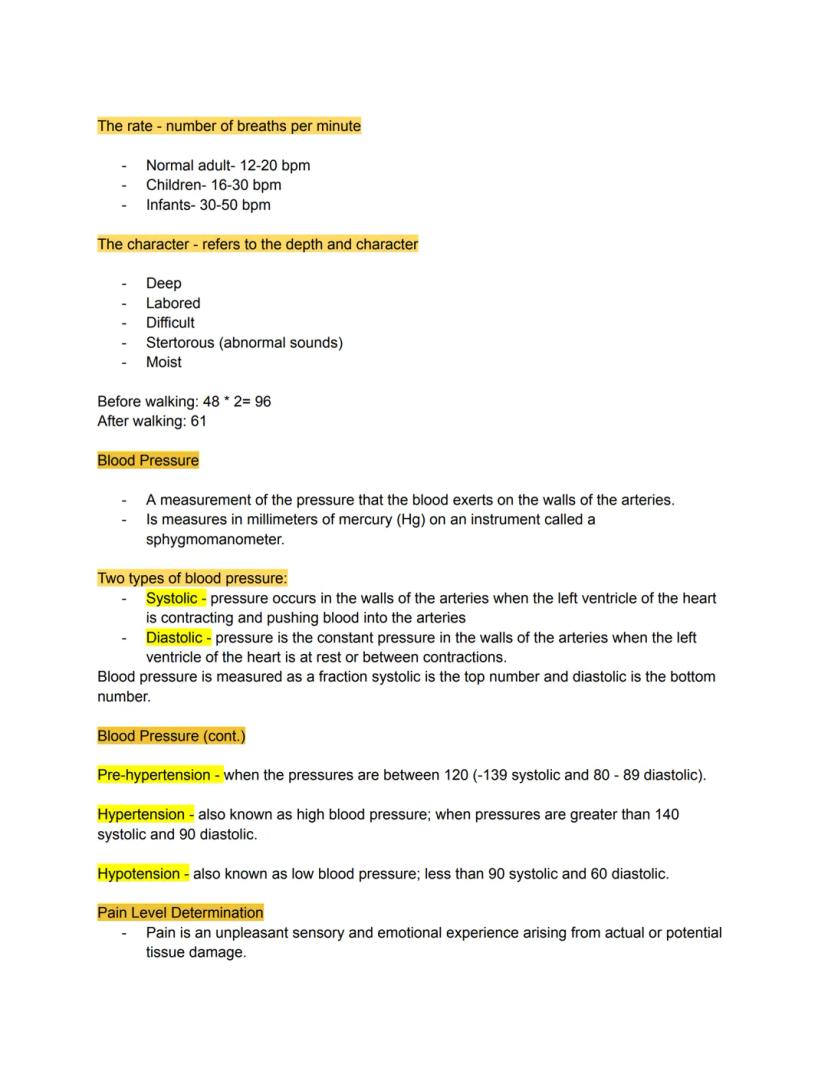
Remember This: An apical pulse (measured with a stethoscope at the heart's apex) is used for patients with irregular heartbeats, hardened arteries, or weak/rapid radial pulses.

 Health
 Fun Stuff
 Algebra
 Overige
 Algebra 1
 Biology