Liver Failure and Clinical Manifestations
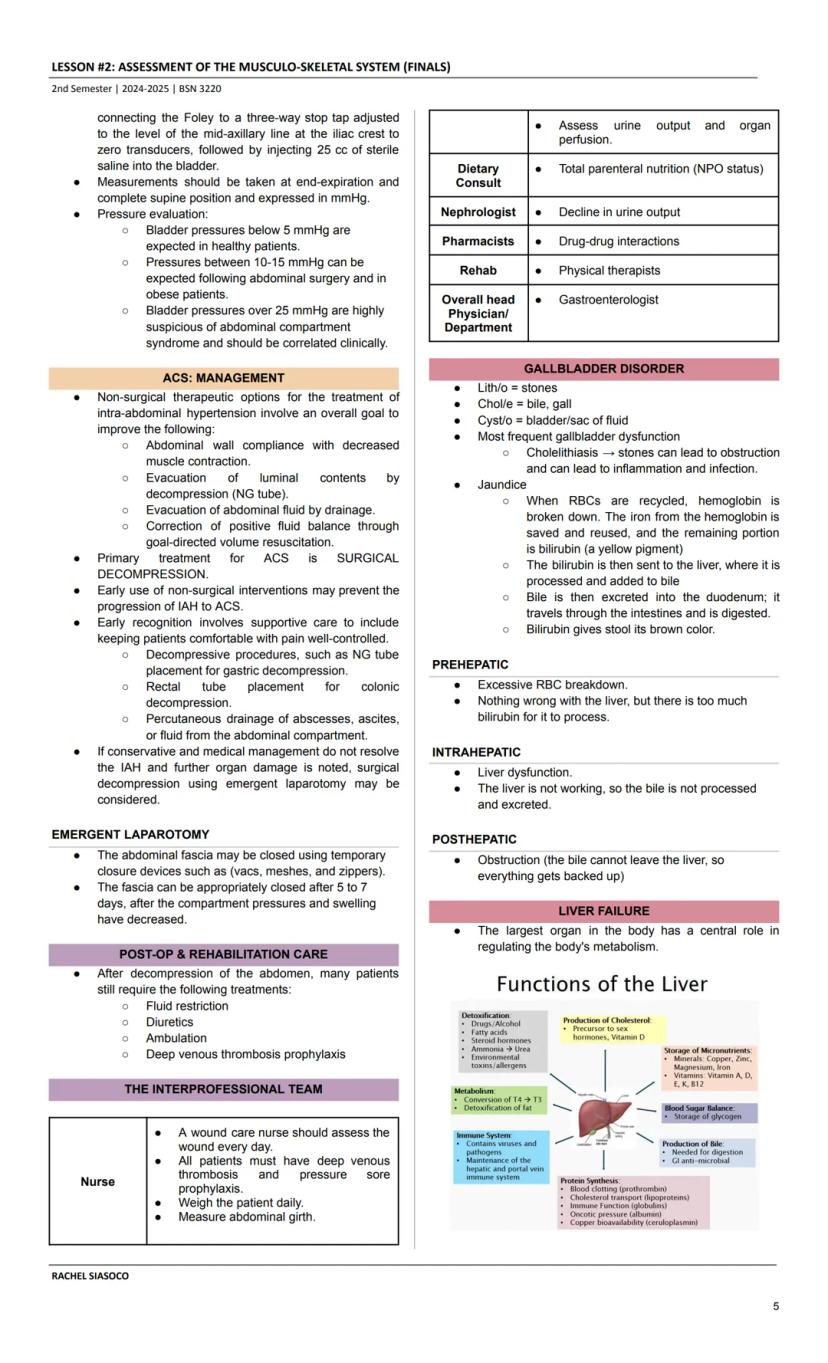
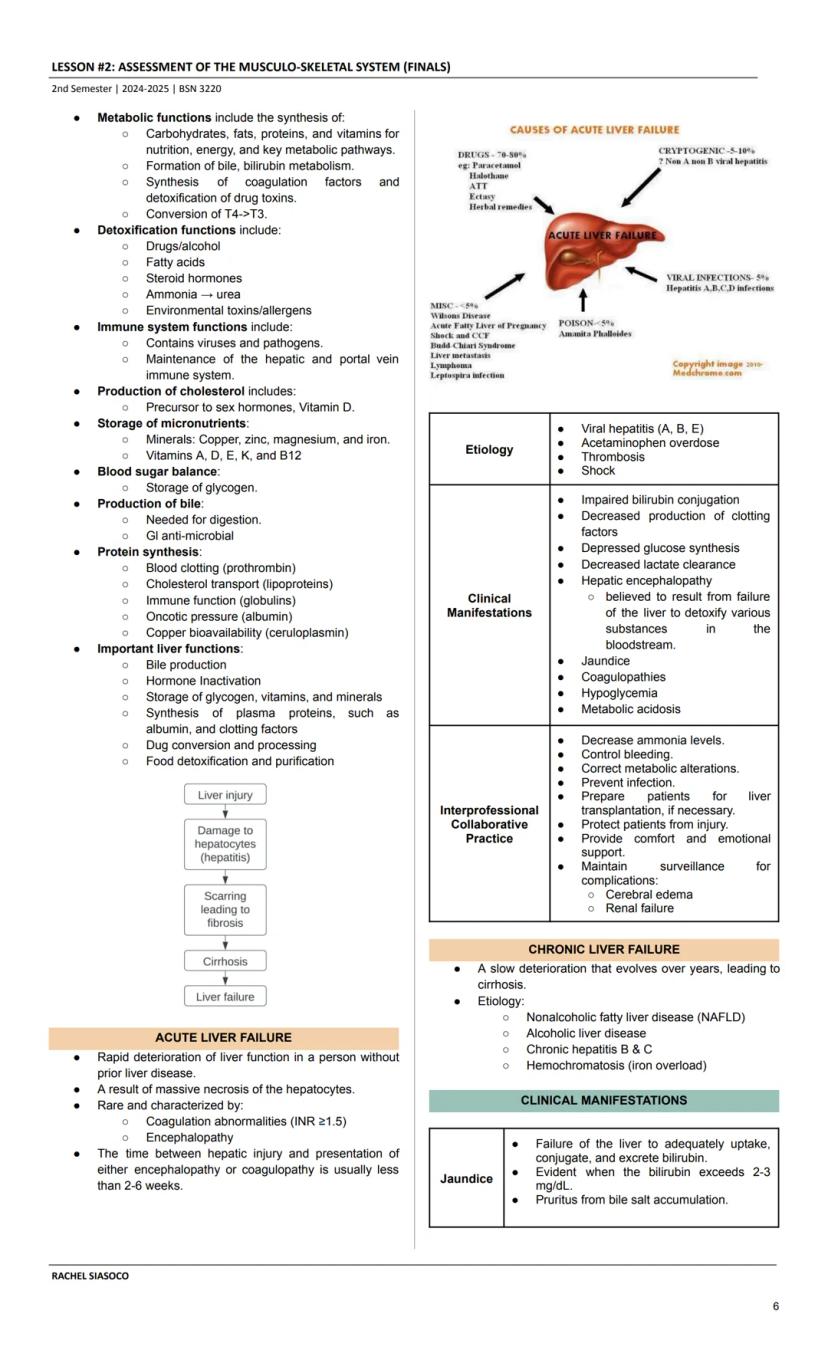
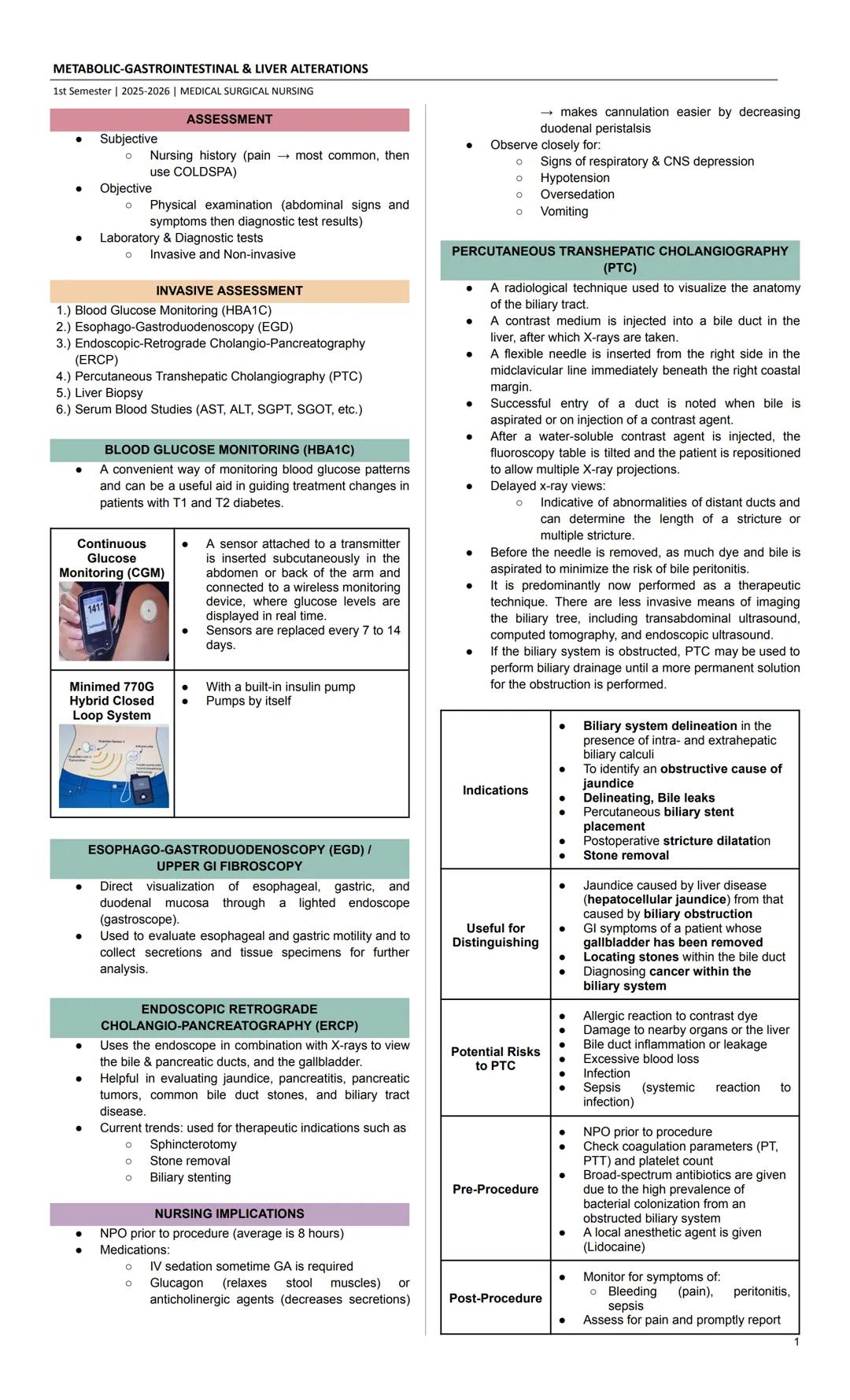
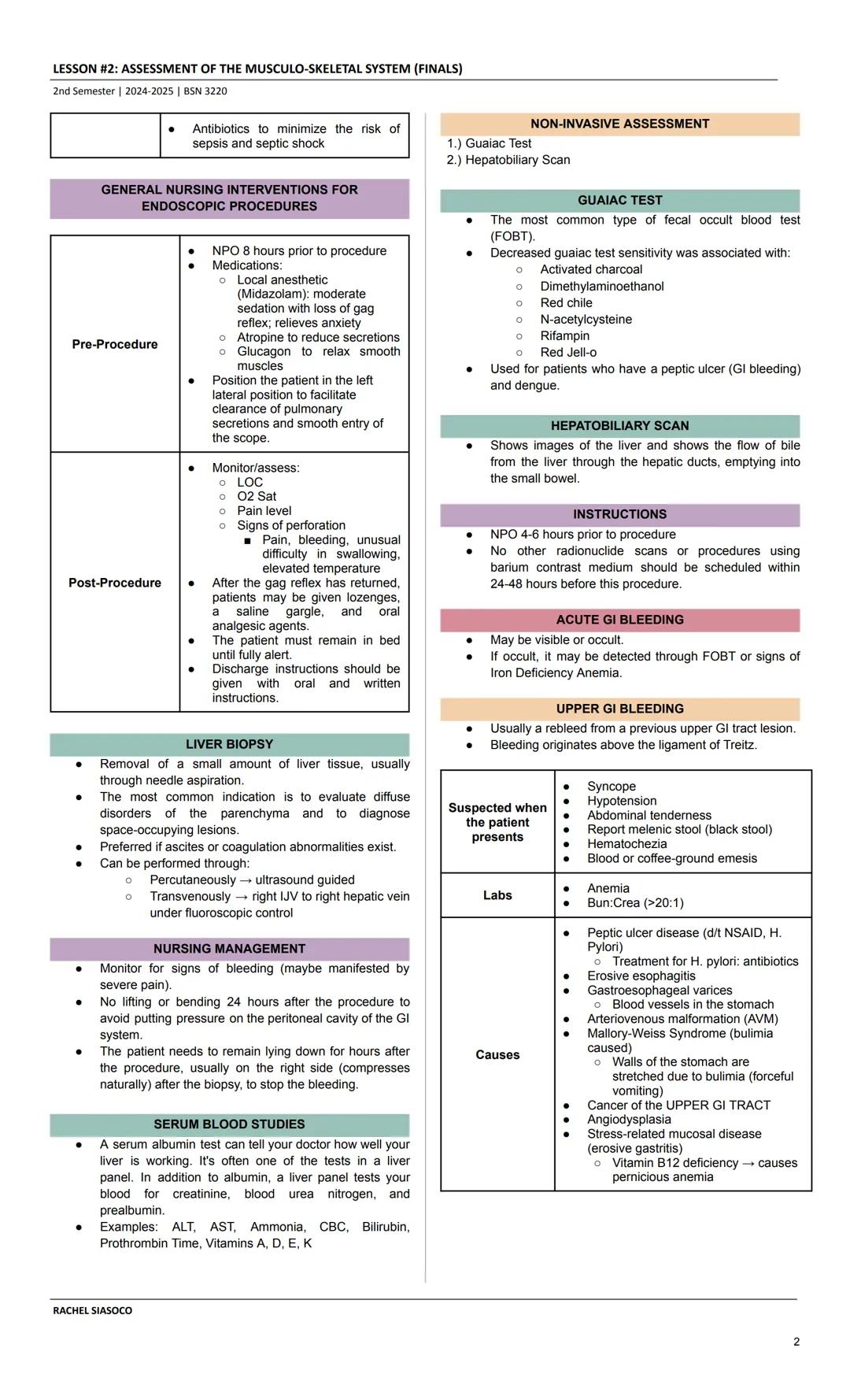
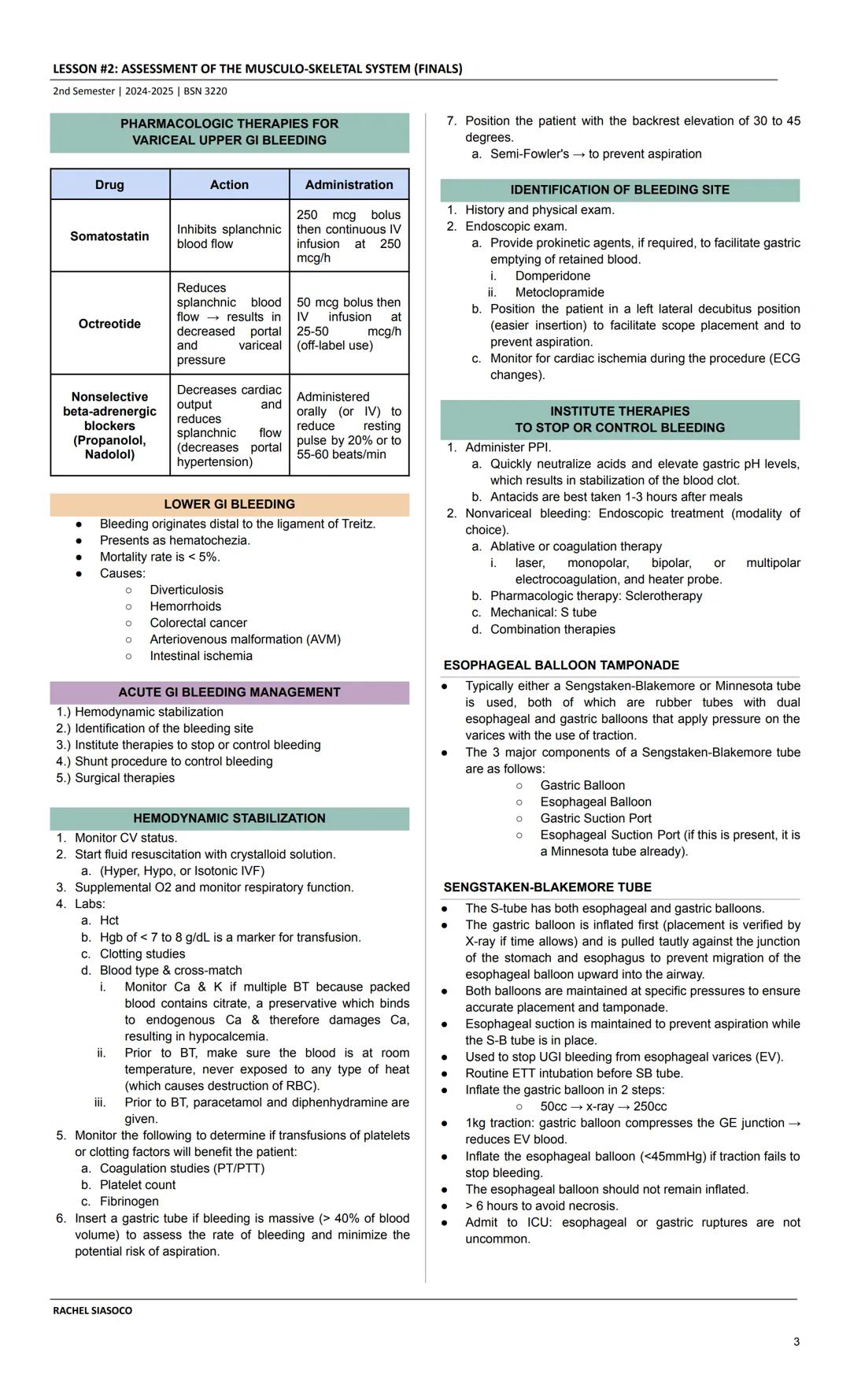
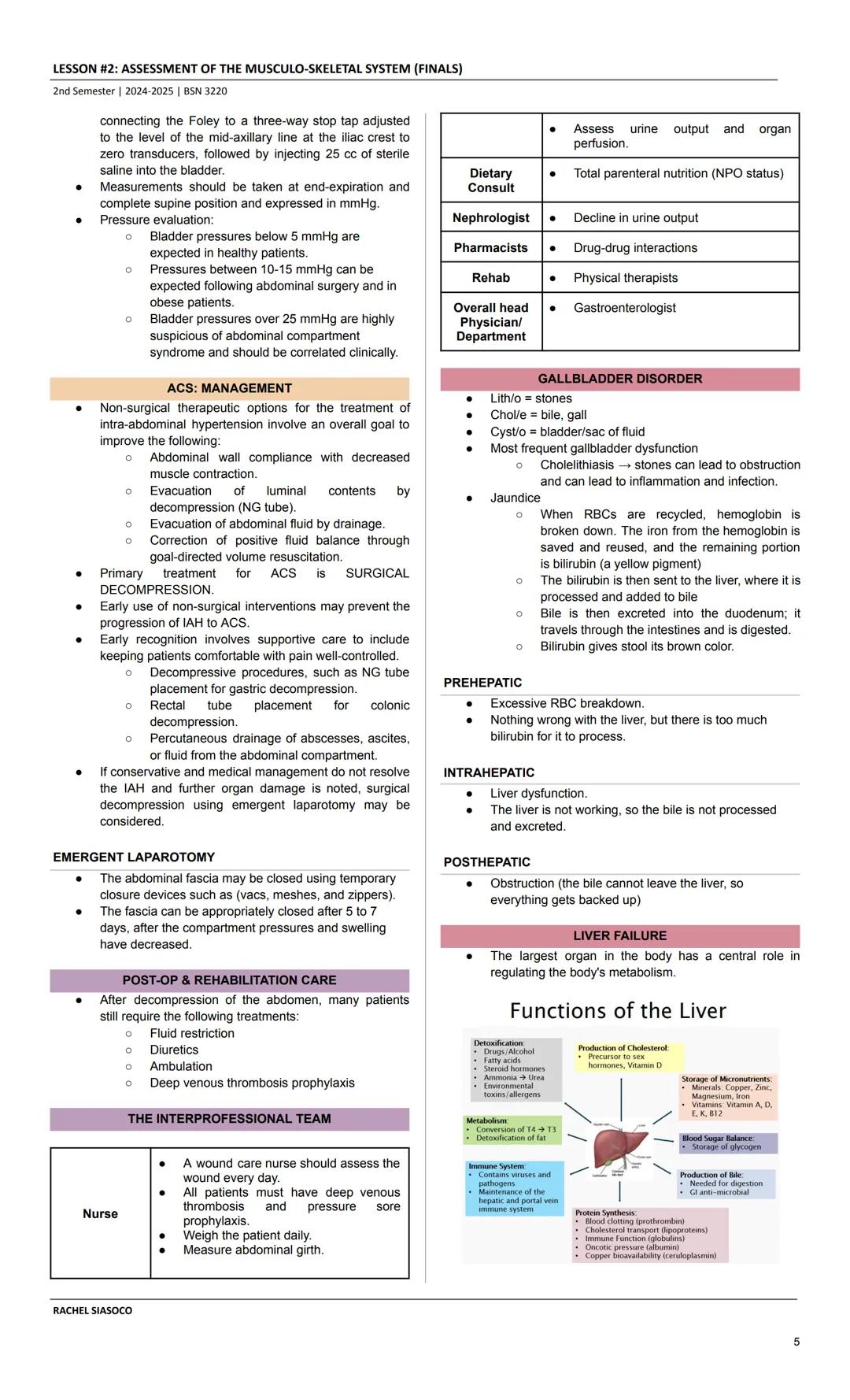
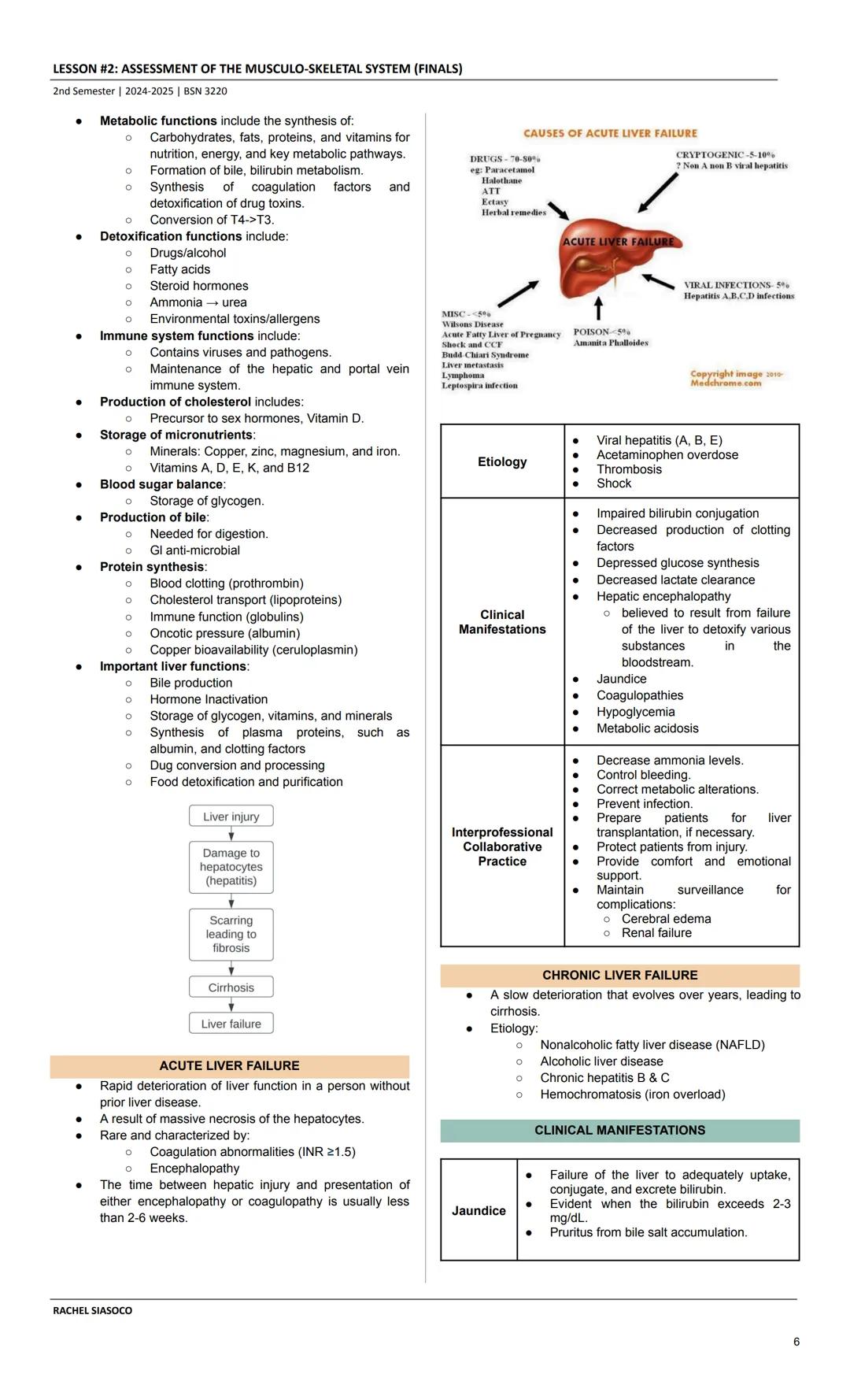
Chronic liver failure develops slowly over years, leading to cirrhosis. Common causes include nonalcoholic fatty liver disease (NAFLD), alcoholic liver disease, chronic hepatitis B and C, and hemochromatosis (iron overload).
Key clinical manifestations of liver failure include:
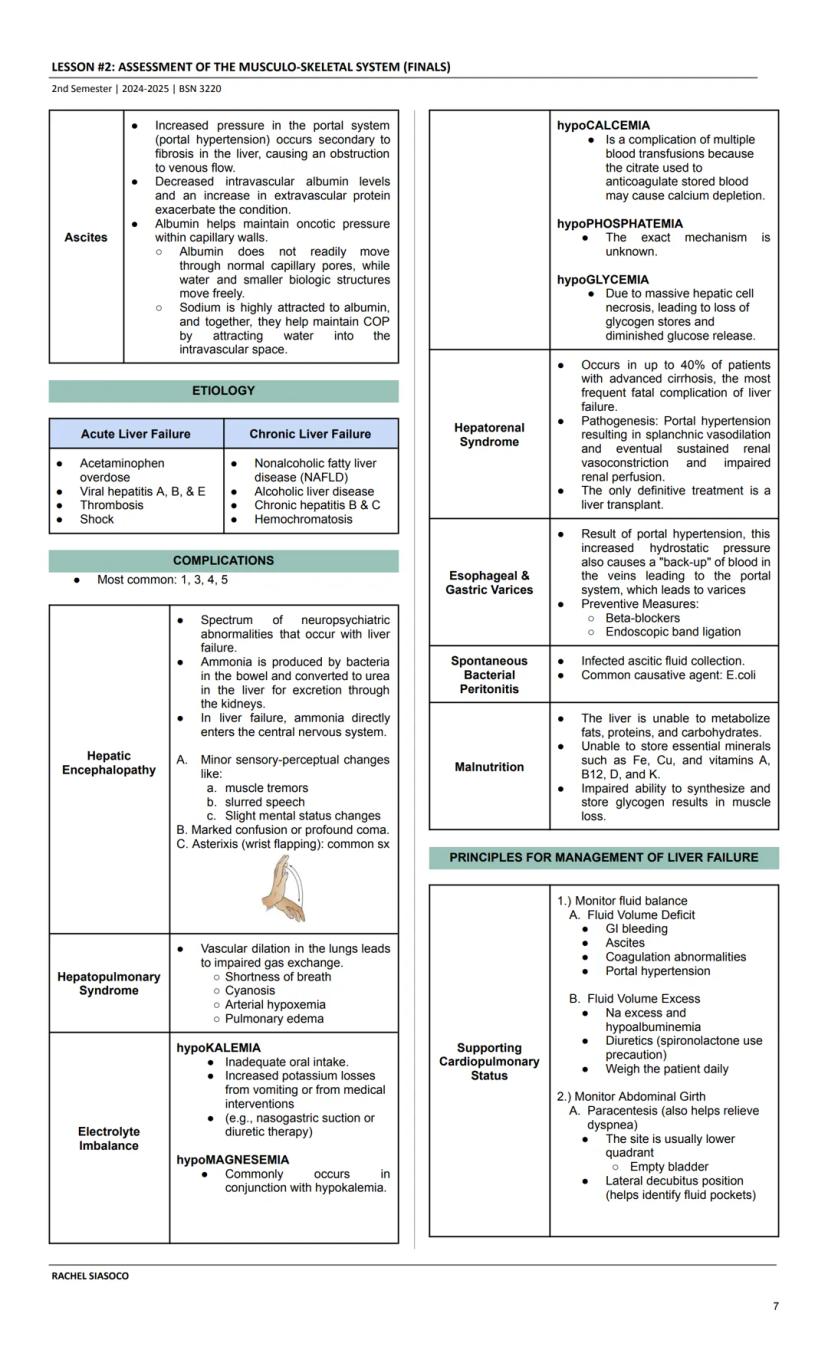
Jaundice: Results from the liver's inability to process bilirubin, becoming evident when levels exceed 2-3 mg/dL. Patients often experience pruritus (itching) from bile salt accumulation.
Ascites: Develops due to portal hypertension (increased pressure in the portal system) secondary to liver fibrosis. Decreased albumin levels exacerbate the condition, as albumin normally helps maintain oncotic pressure within capillaries, attracting water into the intravascular space.
Hepatic encephalopathy: A spectrum of neuropsychiatric abnormalities caused when ammonia (normally converted to urea by the liver) directly enters the central nervous system. Symptoms range from minor sensory-perceptual changes to profound coma, with asterixis (wrist flapping) being a common sign.
Hepatopulmonary syndrome: Vascular dilation in the lungs leads to impaired gas exchange, causing shortness of breath, cyanosis, and arterial hypoxemia.
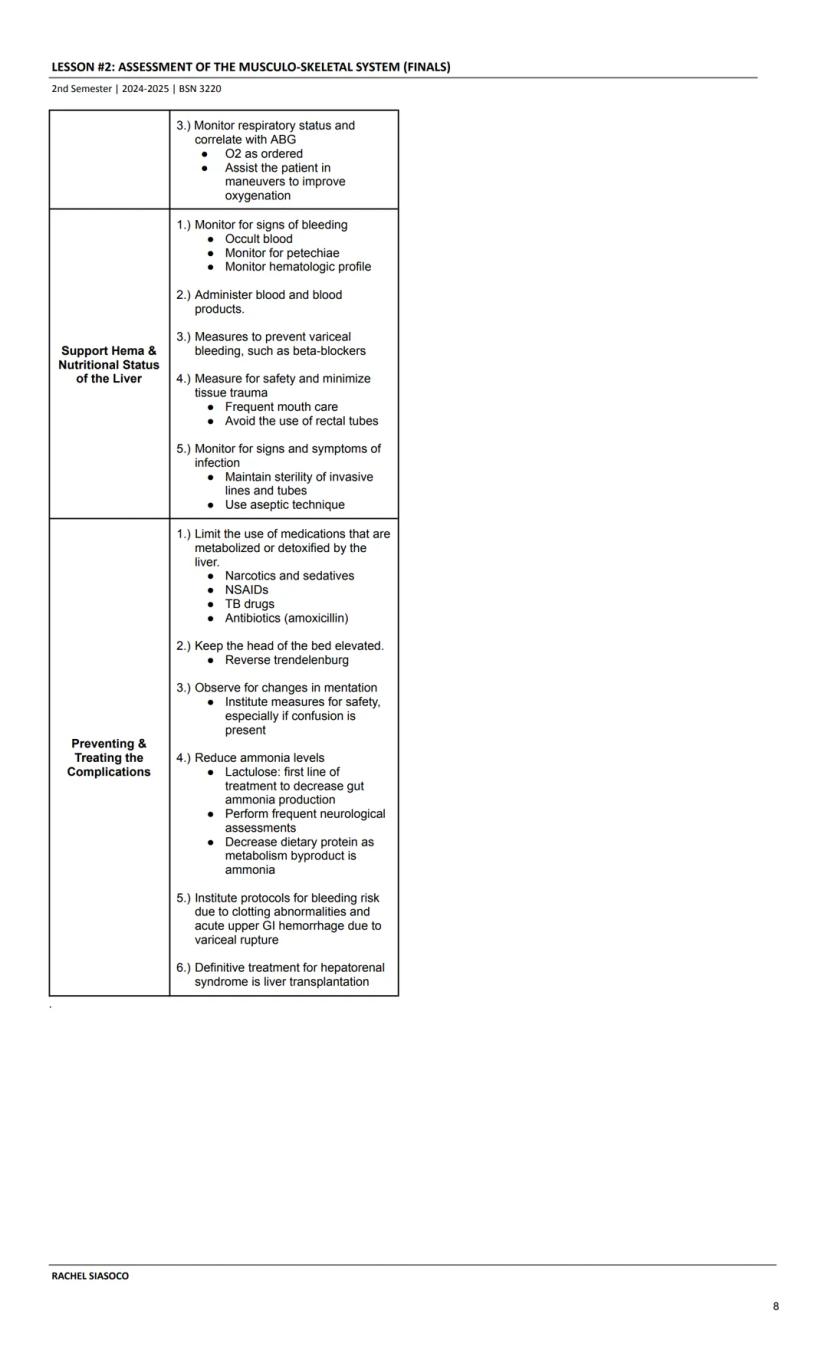
⚠️ The most common complications of liver failure include hepatic encephalopathy, esophageal/gastric varices, hepatorenal syndrome, spontaneous bacterial peritonitis, and malnutrition.
Electrolyte imbalances are frequent, including hypokalemia (from inadequate intake or increased losses), hypomagnesemia, hypocalcemia (especially after multiple blood transfusions), hypophosphatemia, and hypoglycemia (from depleted glycogen stores).
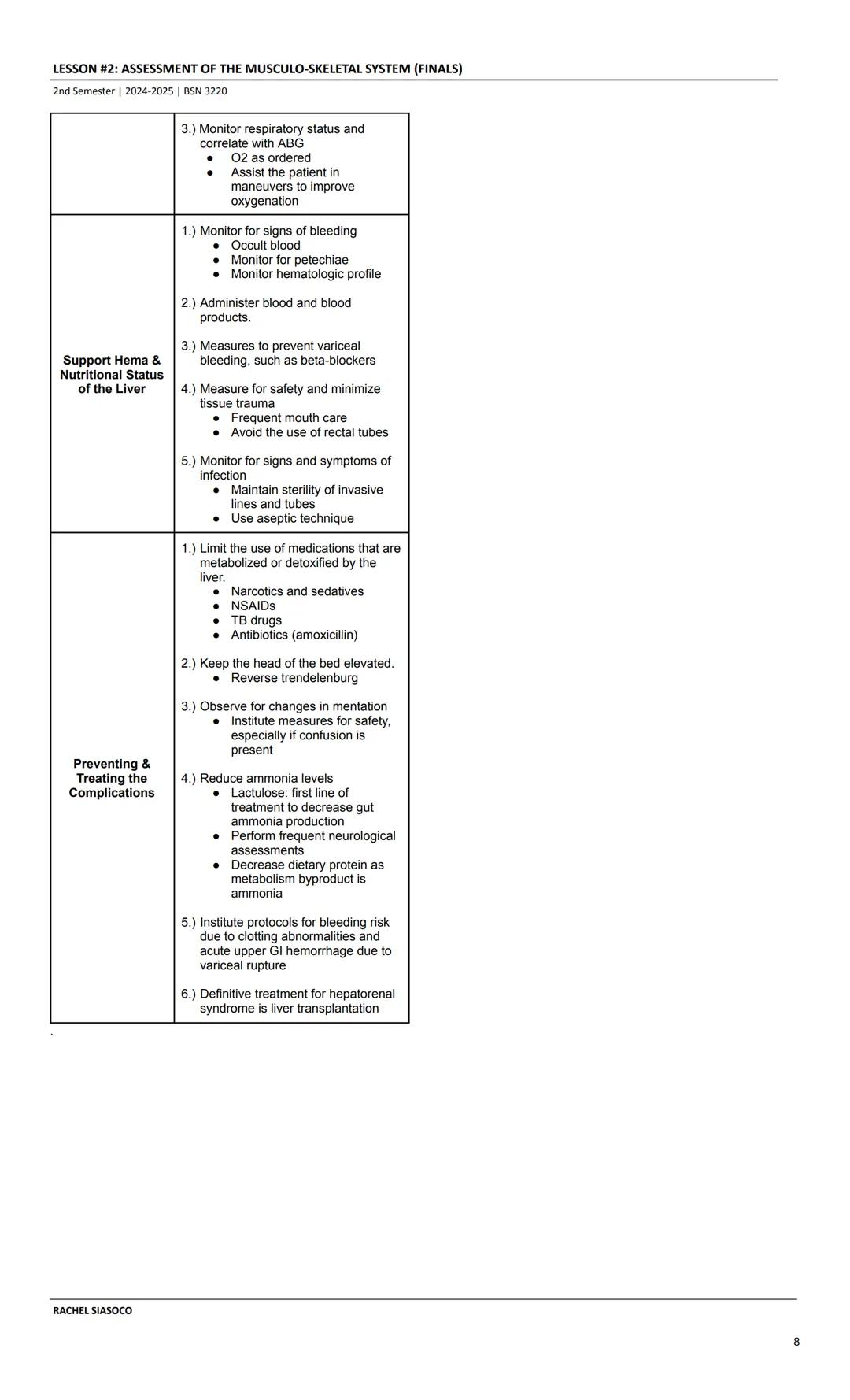
Hepatorenal syndrome occurs in up to 40% of patients with advanced cirrhosis and is the most frequent fatal complication. It develops from portal hypertension causing splanchnic vasodilation, leading to renal vasoconstriction and impaired kidney perfusion. The only definitive treatment is liver transplantation.




 Health
 Fun Stuff
 Algebra
 Overige
 Algebra 1
 Biology