
Pharmacology is the study of drugs and their effects on... Show more
 Health
 Fun Stuff
 Algebra
 Overige
 Algebra 1
 Biology
Sign up to see the contentIt's free!
Access to all documents
Improve your grades
Join milions of students
By signing up you accept Terms of Service and Privacy Policy
Subjects
Triangle Congruence and Similarity Theorems
Triangle Properties and Classification
Linear Equations and Graphs
Geometric Angle Relationships
Trigonometric Functions and Identities
Equation Solving Techniques
Circle Geometry Fundamentals
Division Operations and Methods
Basic Differentiation Rules
Exponent and Logarithm Properties
Show all topics
Human Organ Systems
Reproductive Cell Cycles
Biological Sciences Subdisciplines
Cellular Energy Metabolism
Autotrophic Energy Processes
Inheritance Patterns and Principles
Biomolecular Structure and Organization
Cell Cycle and Division Mechanics
Cellular Organization and Development
Biological Structural Organization
Show all topics
Chemical Sciences and Applications
Atomic Structure and Composition
Molecular Electron Structure Representation
Atomic Electron Behavior
Matter Properties and Water
Mole Concept and Calculations
Gas Laws and Behavior
Periodic Table Organization
Chemical Thermodynamics Fundamentals
Chemical Bond Types and Properties
Show all topics
European Renaissance and Enlightenment
European Cultural Movements 800-1920
American Revolution Era 1763-1797
American Civil War 1861-1865
Global Imperial Systems
Mongol and Chinese Dynasties
U.S. Presidents and World Leaders
Historical Sources and Documentation
World Wars Era and Impact
World Religious Systems
Show all topics
Classic and Contemporary Novels
Literary Character Analysis
Rhetorical Theory and Practice
Classic Literary Narratives
Reading Analysis and Interpretation
Narrative Structure and Techniques
English Language Components
Influential English-Language Authors
Basic Sentence Structure
Narrative Voice and Perspective
Show all topics
397
•
Dec 20, 2025
•
mulah
@mulah_6fgv0
Pharmacology is the study of drugs and their effects on... Show more
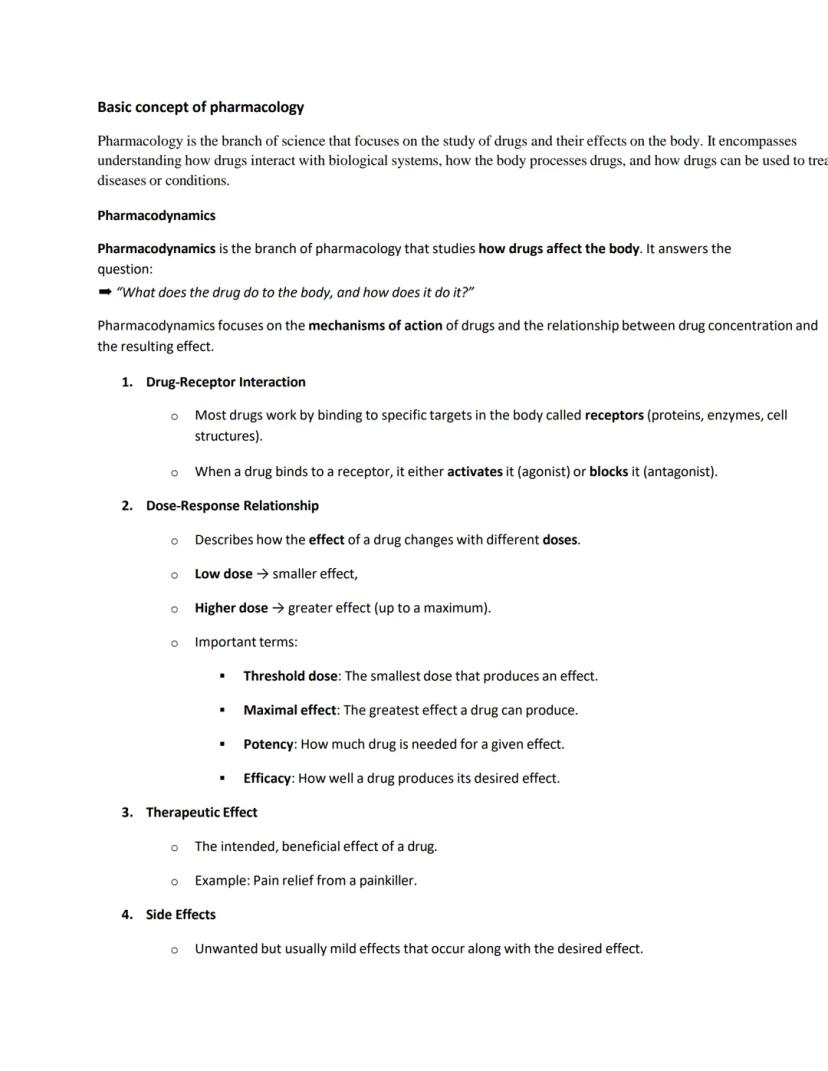
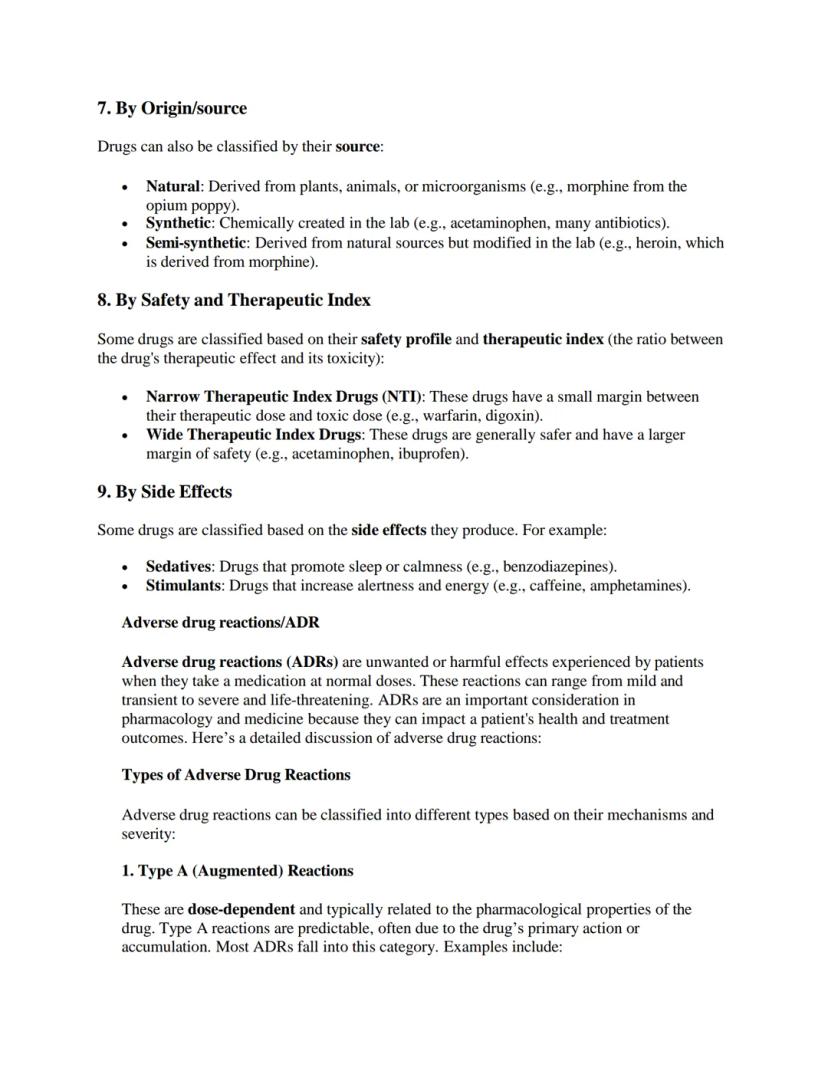
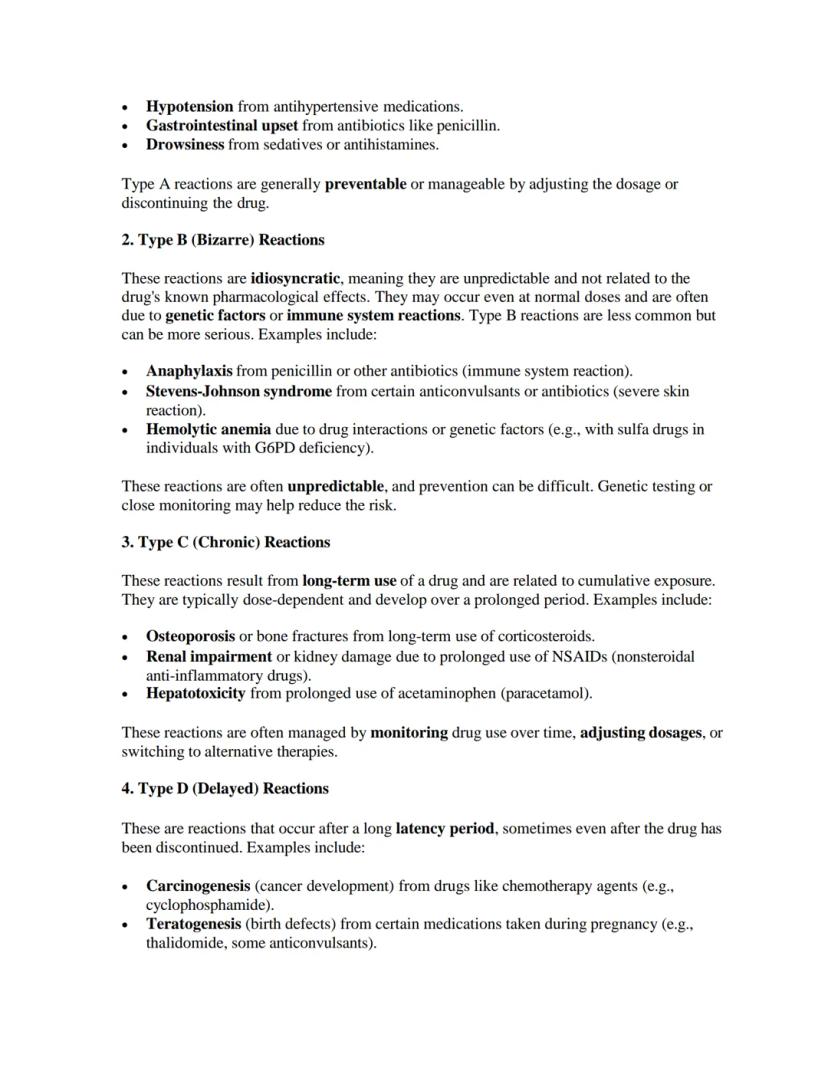
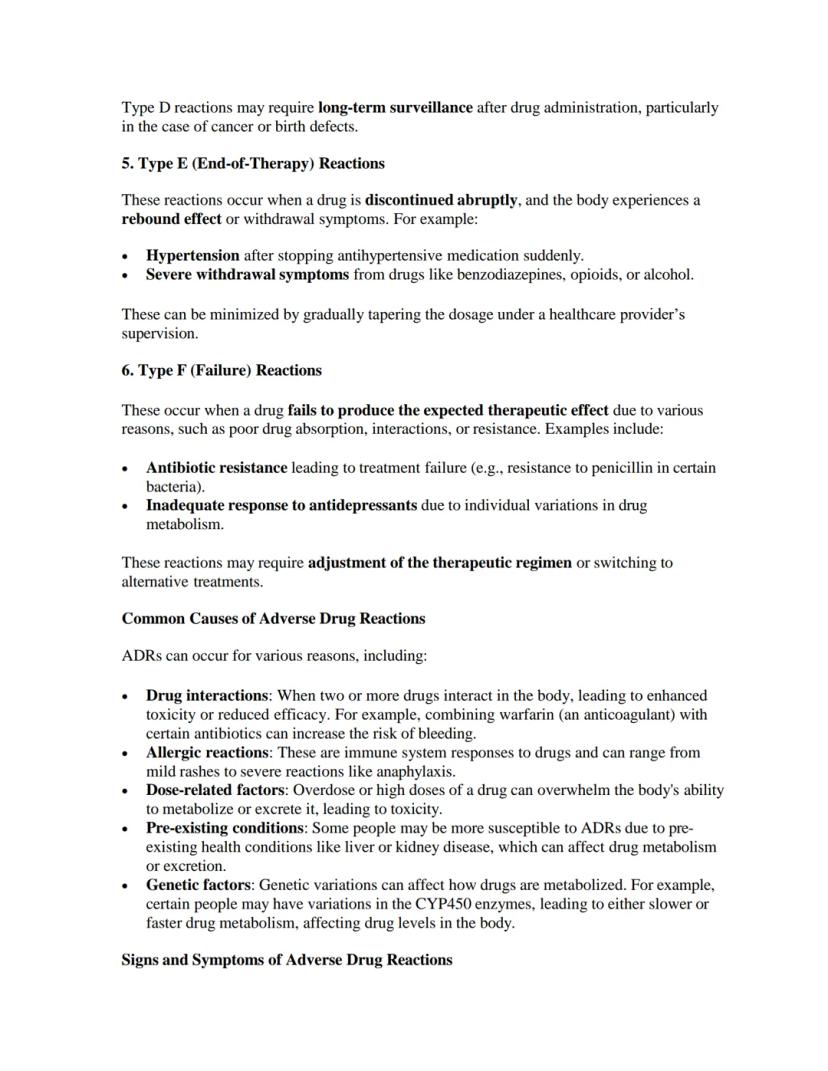
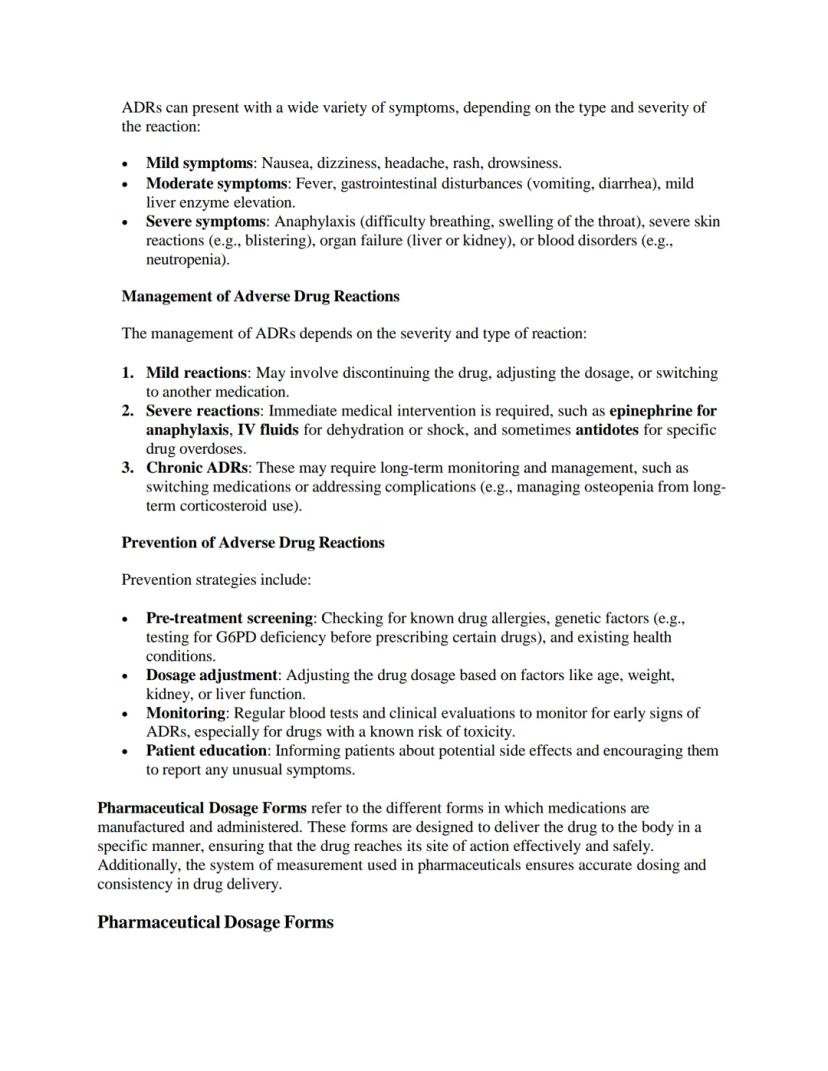
Pharmacology breaks down into two main branches that help us understand how drugs work. Pharmacodynamics looks at what drugs do to your body, while pharmacokinetics examines what your body does to the drugs.
When drugs enter your body, they typically bind to receptors - special proteins or structures that respond to the drug. Drugs can either activate these receptors (as agonists) or block them (as antagonists). This interaction creates the drug's effects.
The dose-response relationship is crucial to understand. Generally, as you increase the dose, you get a stronger effect, up to a maximum point. Important terms include the threshold dose (smallest amount that produces an effect), maximal effect (greatest possible response), potency (how much drug is needed), and efficacy (how well it works).
⚠️ Not all drug effects are beneficial! While the therapeutic effect is what we want (like pain relief from a painkiller), drugs often come with unwanted side effects (like drowsiness) and potentially harmful toxic effects if taken in excess.
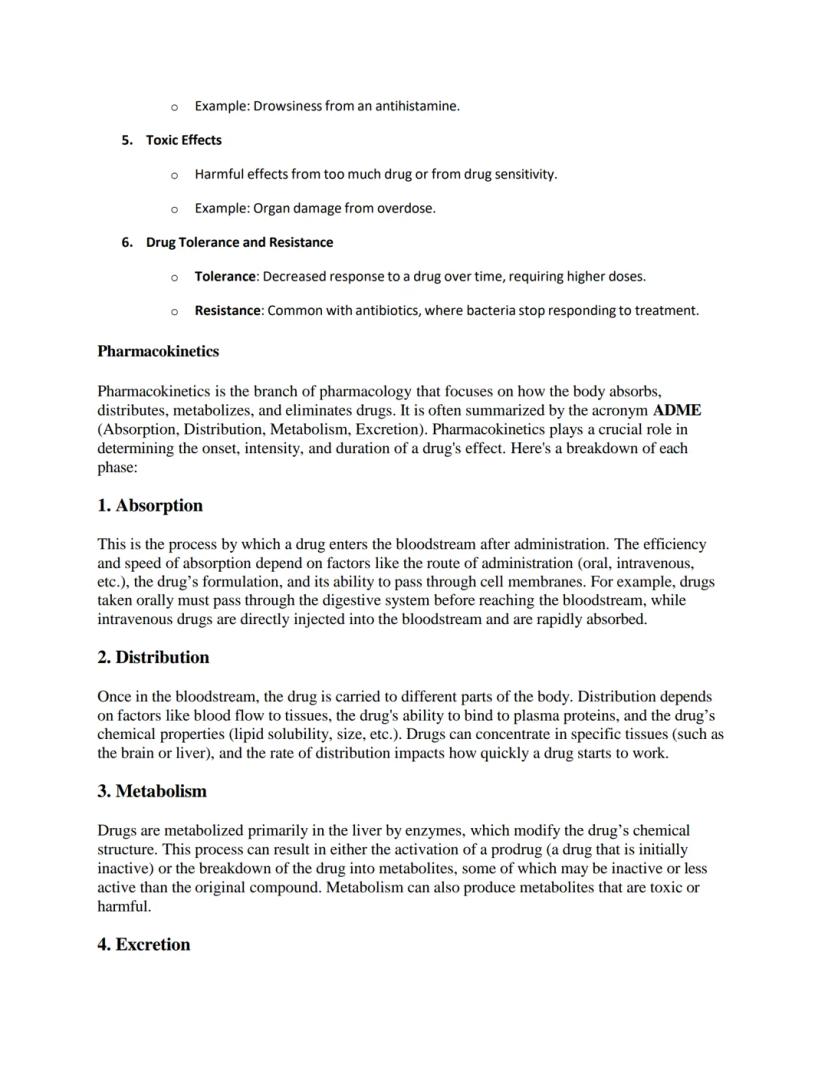
Your body processes drugs through four key stages known as ADME - Absorption, Distribution, Metabolism, and Excretion. This process determines how quickly a drug starts working, how intense its effects are, and how long they last.
Absorption is how drugs enter your bloodstream. This varies dramatically by route - oral medications must survive the digestive system, while IV drugs go straight into your blood. The medication's chemical properties and your body's condition both affect absorption rates.
Once in your bloodstream, distribution occurs as drugs travel throughout your body. Blood flow, a drug's ability to bind to proteins, and its chemical properties all influence where it concentrates. Some drugs target specific tissues like the brain or liver.
Your body then begins metabolism, primarily in the liver. Special enzymes modify the drug's structure, either activating it (if it's a prodrug) or breaking it down into metabolites. Some of these metabolites might be harmless while others could be toxic.
Finally, excretion removes the drug and its metabolites from your body. This happens mainly through your kidneys into urine, but also through bile, sweat, or breath. A drug's half-life tells you how long it takes for half of it to leave your system, which helps determine dosing schedules.
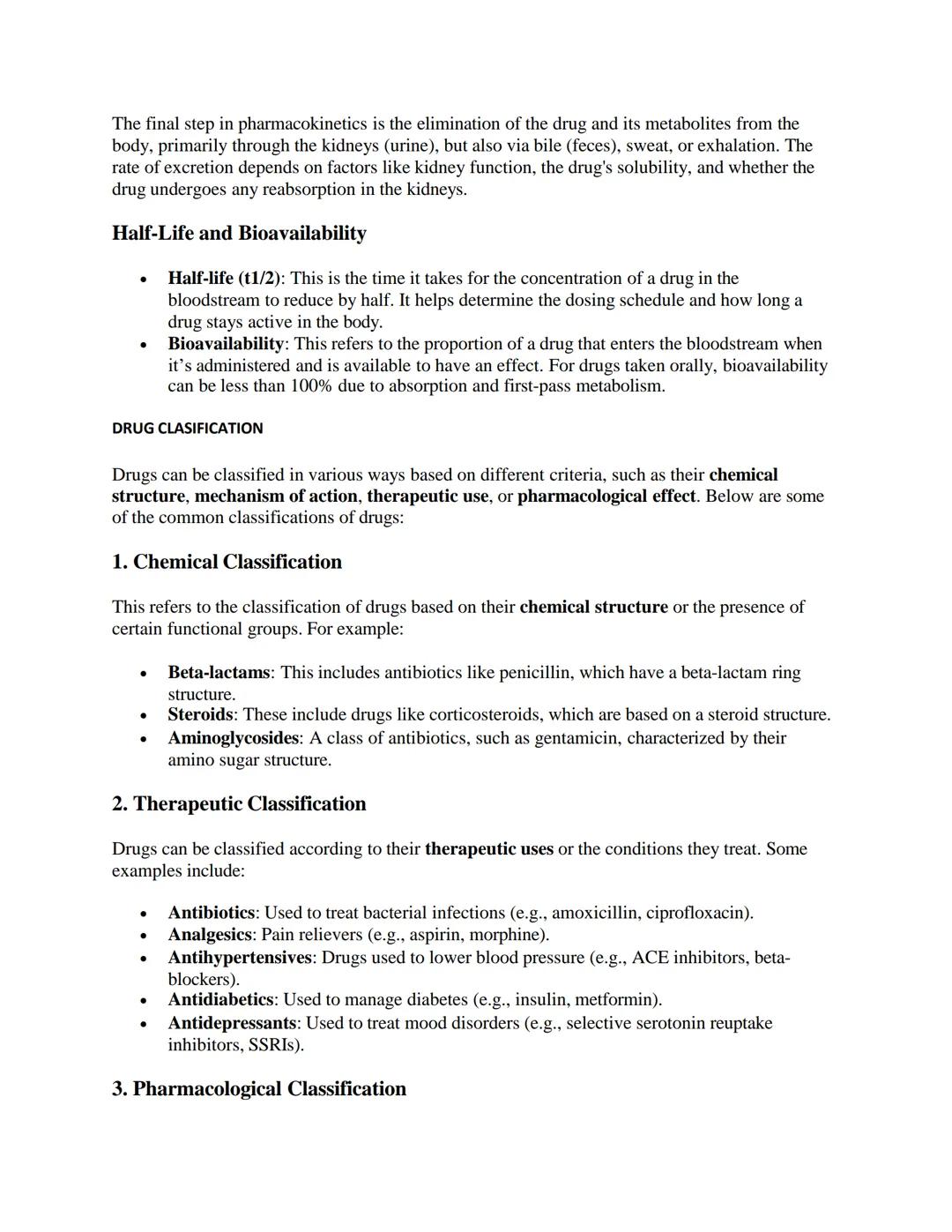
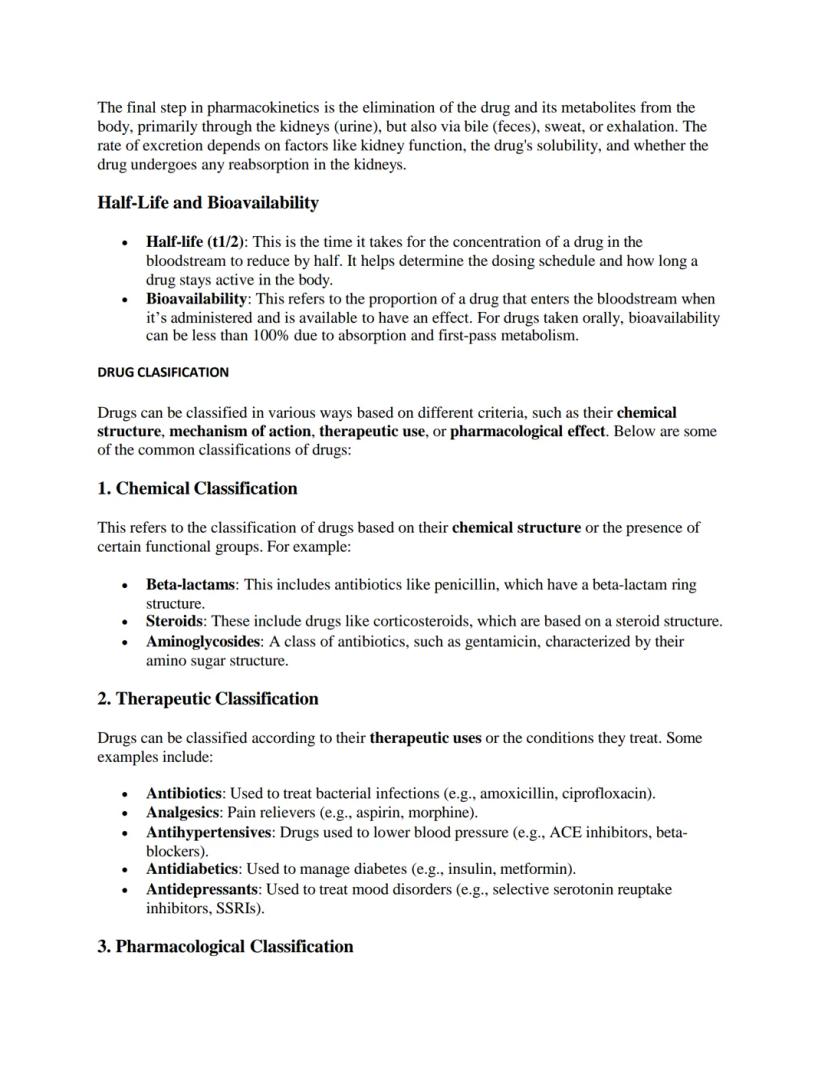
Drugs can be organized in various ways to help healthcare professionals understand their properties and uses. These classification systems serve as important frameworks for medication management.
Chemical classification groups drugs based on their molecular structure. For example, beta-lactams like penicillin share a specific ring structure, while steroids have a distinctive four-ring arrangement. These structural similarities often mean similar properties.
The most practical system is therapeutic classification, which organizes medications by what they treat. This includes categories like antibiotics for infections, analgesics for pain, and antihypertensives for high blood pressure. This system helps clinicians select appropriate medications for specific conditions.
Pharmacological classification focuses on how drugs interact with the body. For instance, sympathomimetics mimic your sympathetic nervous system's effects, while anticholinergics block certain nerve signals. This classification helps predict both therapeutic effects and side effects.
💡 Drug classifications overlap! The same medication might be categorized differently depending on which system you're using. For example, propranolol could be classified as an antihypertensive (therapeutic), a beta-blocker (mechanism), or a prescription drug (regulatory).
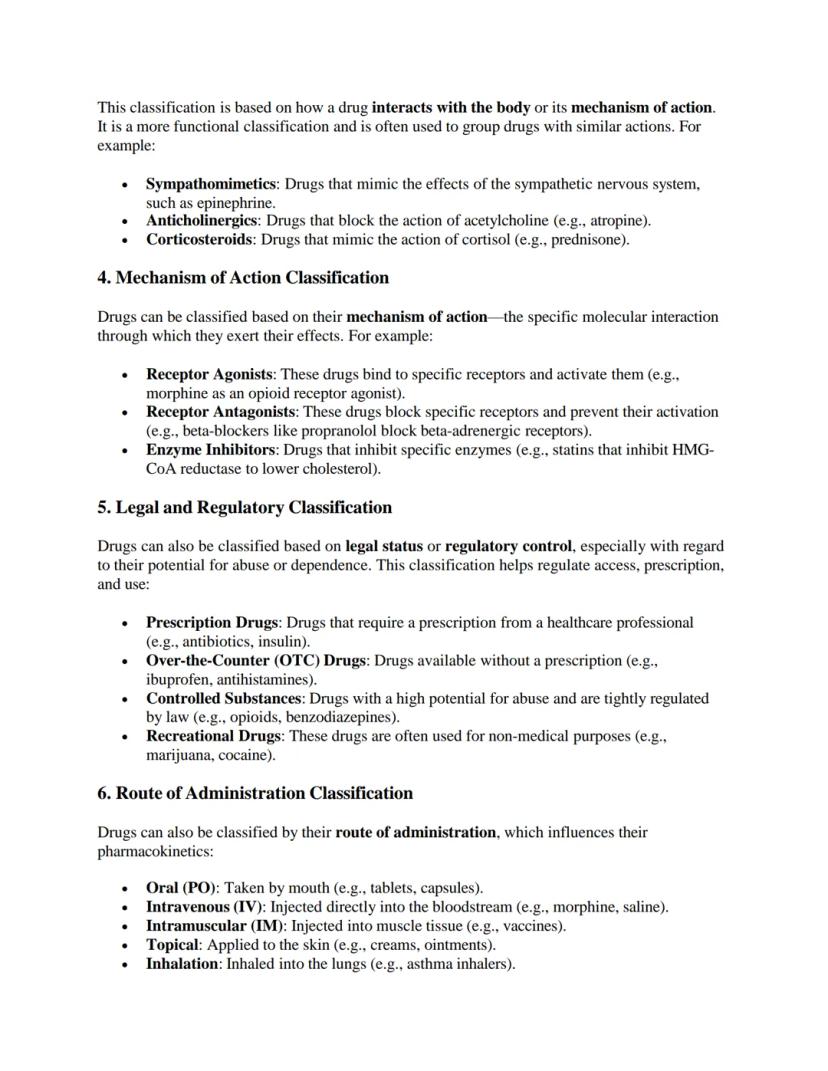
Other classification systems include mechanism of action (how drugs work at the molecular level), regulatory status , route of administration (oral, IV, topical), and origin (natural vs. synthetic).
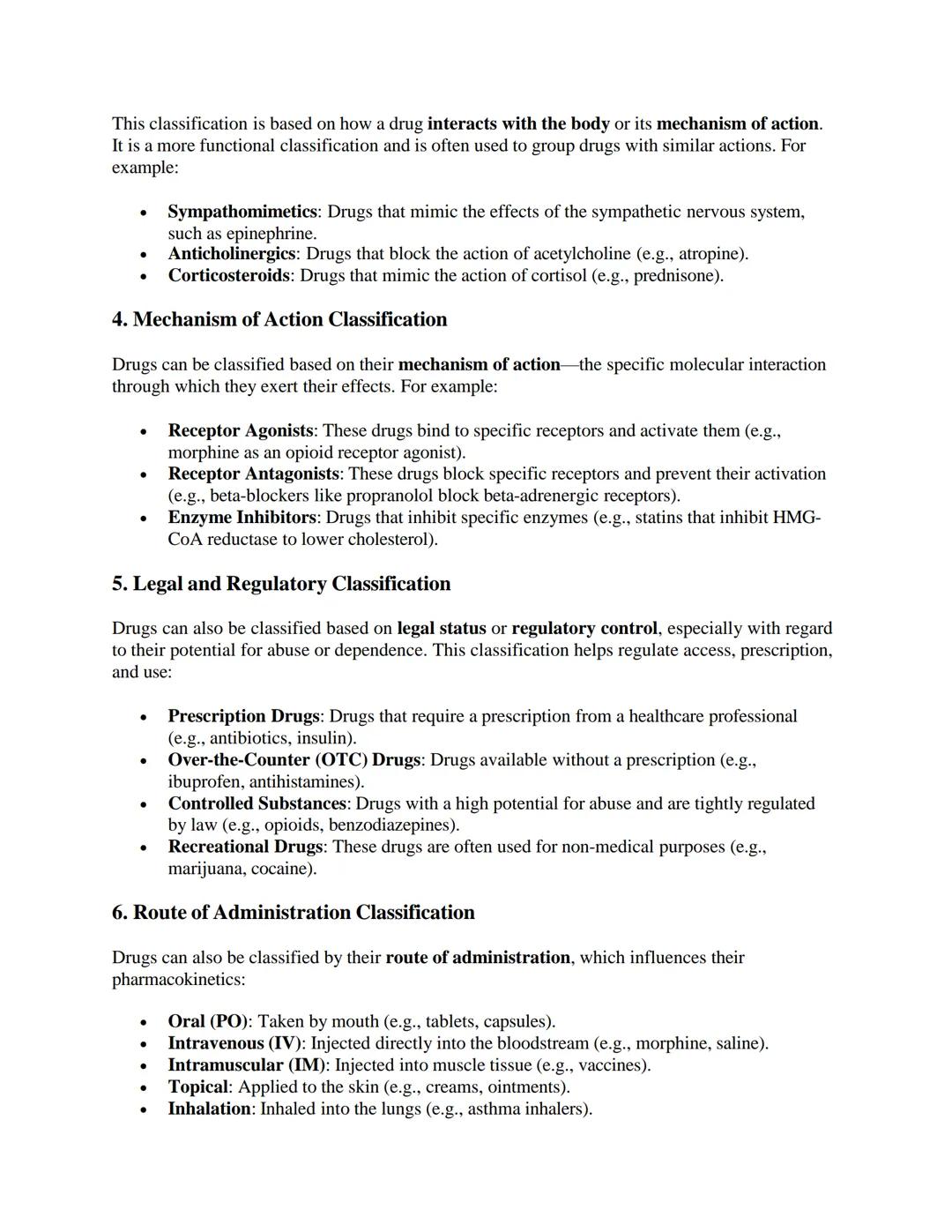
Drugs work through specific molecular interactions that create their effects. Understanding these mechanisms helps predict both beneficial and harmful outcomes.
Receptor interactions are among the most common mechanisms. Agonists activate receptors (like morphine activating opioid receptors for pain relief), while antagonists block them . Some drugs work by inhibiting enzymes instead - statins lower cholesterol by blocking an enzyme called HMG-CoA reductase.
The way you take a medication dramatically affects how it works. Oral administration (tablets, capsules) is convenient but must survive stomach acid and first-pass metabolism. Intravenous (IV) administration delivers medication directly into the bloodstream for immediate effect. Intramuscular (IM) injections provide slower, sustained release from muscle tissue.
Other common routes include topical application to the skin, inhalation for respiratory conditions, and specialized routes like rectal or vaginal administration. Each route has specific advantages for certain medications and conditions.
The route matters because it affects:
For example, inhaled asthma medications work directly in the lungs with fewer body-wide side effects than if the same drug were taken orally.
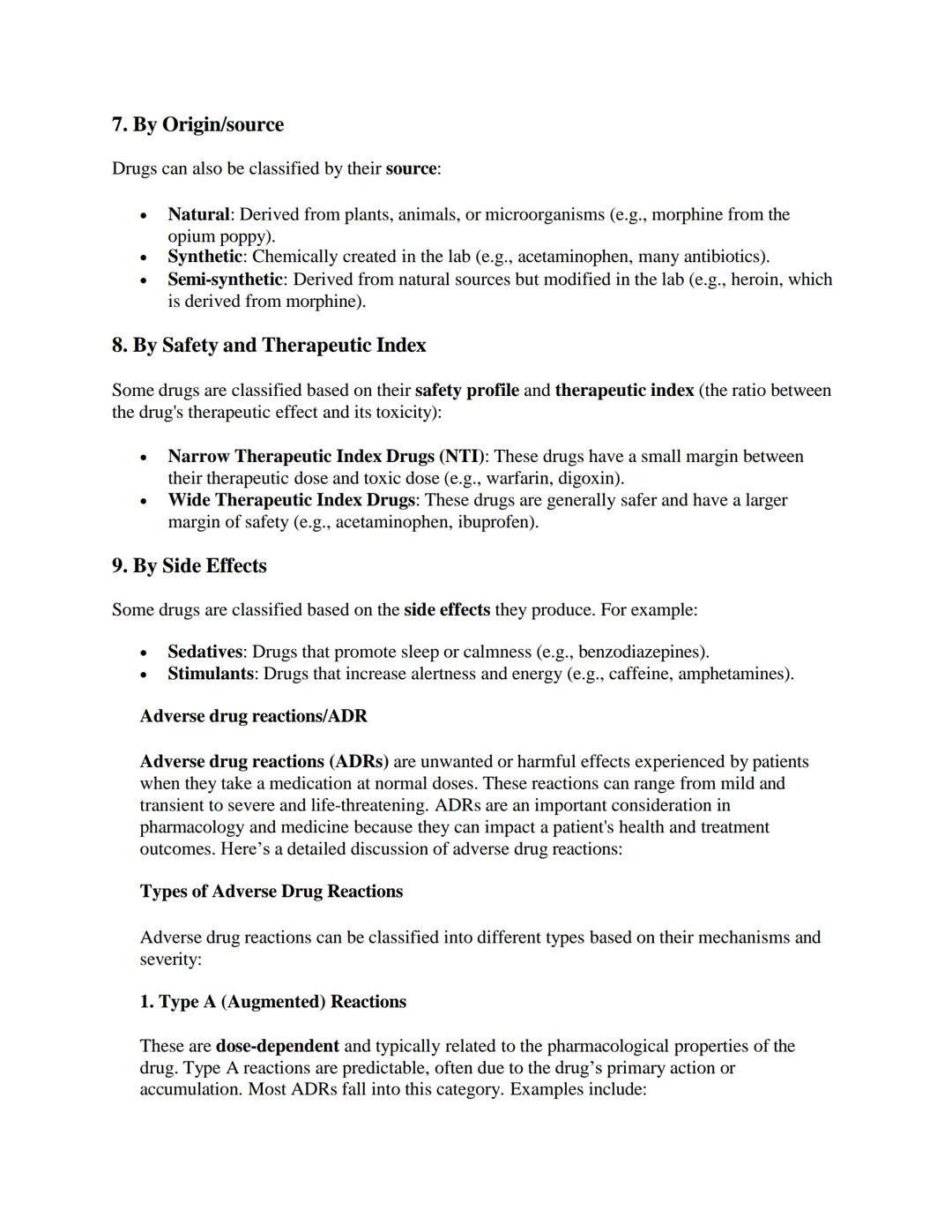
Adverse drug reactions (ADRs) are unwanted or harmful effects that occur when taking medications at normal doses. They range from mild inconveniences to life-threatening emergencies and are categorized into several types.
Type A (Augmented) reactions are the most common and predictable because they're related to the drug's normal actions. These dose-dependent effects include side effects like drowsiness from antihistamines or stomach upset from antibiotics. You can often manage Type A reactions by adjusting the dose.
More concerning are Type B (Bizarre) reactions, which are unpredictable and not related to the drug's normal effects. These include immune responses like anaphylaxis from penicillin or severe skin reactions like Stevens-Johnson syndrome. These reactions can occur at any dose and are harder to prevent.
Type C (Chronic) reactions develop after long-term use, such as osteoporosis from corticosteroids or kidney damage from NSAIDs. Type D (Delayed) reactions appear after a latency period, like medication-induced cancers or birth defects. Type E reactions happen when stopping medications abruptly.
⚠️ Always report new symptoms when taking medications! What seems like a minor side effect could be the beginning of a serious reaction. Healthcare providers need this information to adjust your treatment safely.
Several factors increase your risk of ADRs, including taking multiple medications (drug interactions), having kidney or liver disease (affects drug processing), genetic factors (affecting metabolism), and age (elderly patients are more vulnerable).
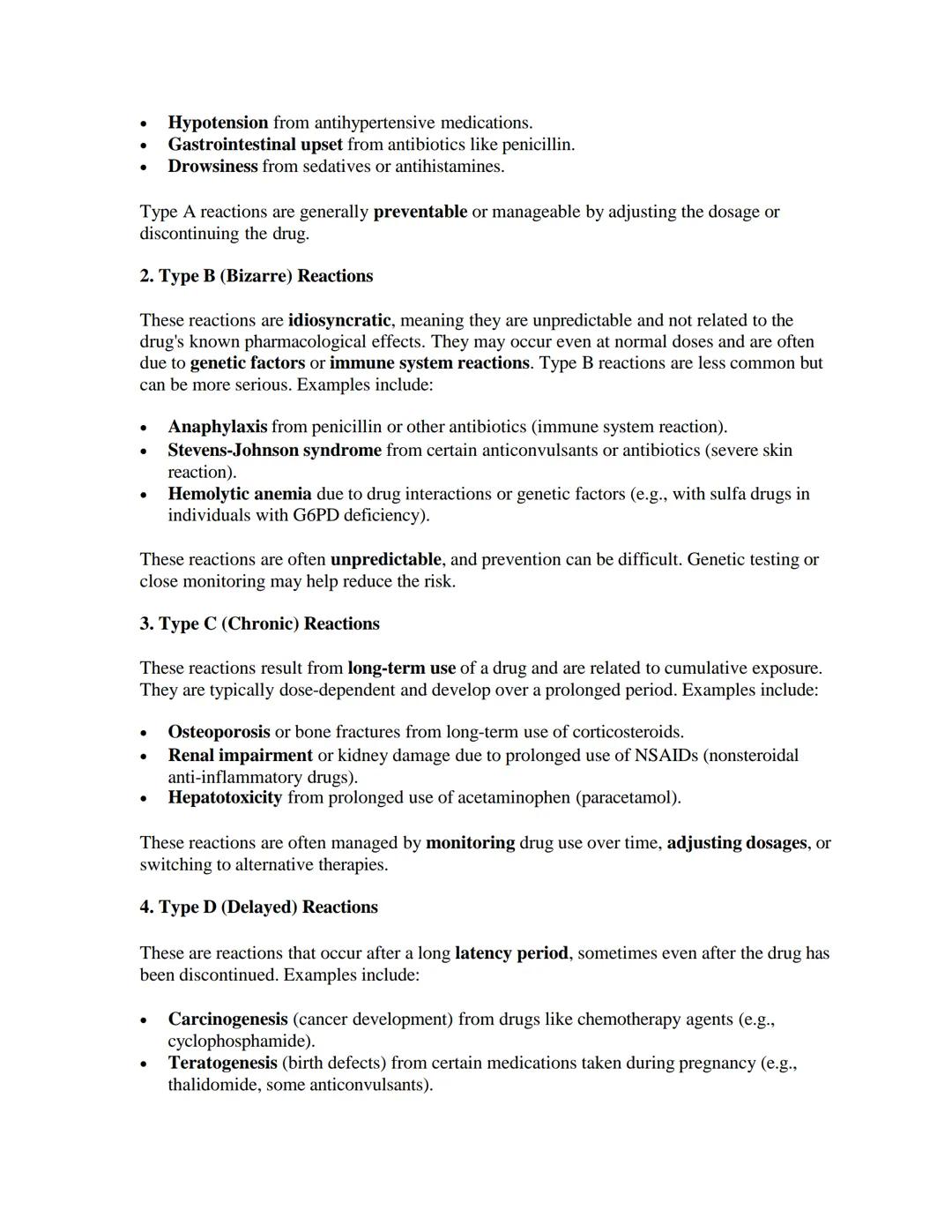
Adverse drug reactions present with widely varying symptoms depending on the drug and reaction type. Learning to recognize these signs can help you get timely treatment.
Mild reactions typically include headache, nausea, dizziness, mild rashes, or drowsiness. Though uncomfortable, these often don't require stopping the medication. Moderate reactions may involve fever, vomiting, diarrhea, or elevated liver enzymes. These warrant medical attention but aren't immediately life-threatening.
Severe reactions require emergency care and include anaphylaxis (difficulty breathing, swelling), severe skin reactions (blistering), organ failure, or blood disorders. These reactions can be fatal if not treated promptly.
Managing adverse reactions depends on severity:
Preventing adverse reactions starts with thorough screening. Before prescribing medications, healthcare providers should check your medical history, known allergies, genetic factors, and current medications. Regular monitoring through blood tests and follow-up visits helps catch problems early.
As a patient, you play a crucial role in preventing reactions by:
Medications come in many different forms, each designed with specific purposes in mind. Understanding these dosage forms helps you know how a medication will be delivered and how quickly it will work.
Solid dosage forms are the most common and typically the most convenient. Tablets are compressed powders that dissolve in your digestive tract, while capsules contain powder or liquid in a gelatin shell. Some tablets have special coatings that protect them from stomach acid or control how quickly they release medication. Other solid forms include pills, powders, and granules.
Liquid dosage forms work more quickly and are easier to swallow. Solutions contain completely dissolved medication, while suspensions have tiny undissolved particles that must be shaken before use. Syrups contain high sugar concentrations to improve taste, making them popular for children's medications. Elixirs use alcohol as a solvent for drugs that don't dissolve well in water.
💡 The form of a medication significantly affects how quickly it works. In general, liquids work faster than solids, and intravenous forms work fastest of all. This is why emergency medications are rarely given as tablets!
Semi-solid forms include creams, ointments, gels, and pastes for external application. These typically treat skin conditions or deliver medication through the skin into the bloodstream.
Parenteral forms bypass the digestive system entirely. These include injectables (IV, IM, or subcutaneous), infusions for longer administration, and implants that release medication slowly over time.
Precise measurement is crucial in pharmacology. The metric system is standard in modern healthcare, using units like milligrams (mg) for mass and milliliters (mL) for volume. Smaller amounts use micrograms (mcg) or microliters (μL). Some medications, particularly vitamins and hormones, use International Units (IU) to measure biological activity rather than mass.
The older apothecary system with units like grains and drams is largely obsolete but occasionally appears in older references. Healthcare professionals must be comfortable with common conversions:
Nurses play a critical role in medication safety through the Five Rights of medication administration:
Once a medication is administered, nurses monitor for both therapeutic effects and adverse reactions. This includes checking whether the drug is working as intended and watching for side effects or allergic responses.
Accurate documentation is legally and clinically essential, recording the medication, dose, time, route, and any patient reactions. This ensures continuity of care and communication between healthcare providers.
Medications undergo extensive regulation to ensure safety and effectiveness. Several organizations establish and enforce these standards to protect patients.
The Food and Drug Administration (FDA) in the United States oversees drug approval, requiring extensive testing before medications reach the market. Similarly, the European Medicines Agency (EMA) regulates drugs in Europe, while the World Health Organization (WHO) provides international guidelines, especially for developing regions.
Good Manufacturing Practices (GMP) are regulations that ensure consistent quality in drug production. These standards cover everything from raw materials to equipment and facilities, helping prevent contamination or errors in the manufacturing process.
Pharmacopoeias serve as authoritative references for drug standards. The United States Pharmacopeia (USP) provides detailed specifications for drug quality, strength, and purity. Similar publications exist internationally, like the British Pharmacopoeia (BP) and the International Pharmacopoeia (IP).
All medications undergo stability testing to determine their expiry dates. Proper storage conditions (like refrigeration or protection from light) help maintain a drug's effectiveness throughout its shelf life.
🔍 Always check medication labels for storage instructions and expiration dates! Using expired medications or those stored improperly can result in reduced effectiveness or even harmful effects.
Proper labeling is another crucial safety element. Labels must include the drug name (both generic and brand names), dosage form, expiration date, storage instructions, and manufacturer information. This ensures healthcare providers and patients have the information needed for safe medication use.
Our AI companion is specifically built for the needs of students. Based on the millions of content pieces we have on the platform we can provide truly meaningful and relevant answers to students. But its not only about answers, the companion is even more about guiding students through their daily learning challenges, with personalised study plans, quizzes or content pieces in the chat and 100% personalisation based on the students skills and developments.
You can download the app in the Google Play Store and in the Apple App Store.
That's right! Enjoy free access to study content, connect with fellow students, and get instant help – all at your fingertips.
App Store
Google Play
The app is very easy to use and well designed. I have found everything I was looking for so far and have been able to learn a lot from the presentations! I will definitely use the app for a class assignment! And of course it also helps a lot as an inspiration.
Stefan S
iOS user
This app is really great. There are so many study notes and help [...]. My problem subject is French, for example, and the app has so many options for help. Thanks to this app, I have improved my French. I would recommend it to anyone.
Samantha Klich
Android user
Wow, I am really amazed. I just tried the app because I've seen it advertised many times and was absolutely stunned. This app is THE HELP you want for school and above all, it offers so many things, such as workouts and fact sheets, which have been VERY helpful to me personally.
Anna
iOS user
I think it’s very much worth it and you’ll end up using it a lot once you get the hang of it and even after looking at others notes you can still ask your Artificial intelligence buddy the question and ask to simplify it if you still don’t get it!!! In the end I think it’s worth it 😊👍 ⚠️Also DID I MENTION ITS FREEE YOU DON’T HAVE TO PAY FOR ANYTHING AND STILL GET YOUR GRADES IN PERFECTLY❗️❗️⚠️
Thomas R
iOS user
Knowunity is the BEST app I’ve used in a minute. This is not an ai review or anything this is genuinely coming from a 7th grade student (I know 2011 im young) but dude this app is a 10/10 i have maintained a 3.8 gpa and have plenty of time for gaming. I love it and my mom is just happy I got good grades
Brad T
Android user
Not only did it help me find the answer but it also showed me alternative ways to solve it. I was horrible in math and science but now I have an a in both subjects. Thanks for the help🤍🤍
David K
iOS user
The app's just great! All I have to do is enter the topic in the search bar and I get the response real fast. I don't have to watch 10 YouTube videos to understand something, so I'm saving my time. Highly recommended!
Sudenaz Ocak
Android user
In school I was really bad at maths but thanks to the app, I am doing better now. I am so grateful that you made the app.
Greenlight Bonnie
Android user
I found this app a couple years ago and it has only gotten better since then. I really love it because it can help with written questions and photo questions. Also, it can find study guides that other people have made as well as flashcard sets and practice tests. The free version is also amazing for students who might not be able to afford it. Would 100% recommend
Aubrey
iOS user
Best app if you're in Highschool or Junior high. I have been using this app for 2 school years and it's the best, it's good if you don't have anyone to help you with school work.😋🩷🎀
Marco B
iOS user
THE QUIZES AND FLASHCARDS ARE SO USEFUL AND I LOVE THE SCHOOLGPT. IT ALSO IS LITREALLY LIKE CHATGPT BUT SMARTER!! HELPED ME WITH MY MASCARA PROBLEMS TOO!! AS WELL AS MY REAL SUBJECTS ! DUHHH 😍😁😲🤑💗✨🎀😮
Elisha
iOS user
This app is phenomenal down to the correct info and the various topics you can study! I greatly recommend it for people who struggle with procrastination and those who need homework help. It has been perfectly accurate for world 1 history as far as I’ve seen! Geometry too!
Paul T
iOS user
The app is very easy to use and well designed. I have found everything I was looking for so far and have been able to learn a lot from the presentations! I will definitely use the app for a class assignment! And of course it also helps a lot as an inspiration.
Stefan S
iOS user
This app is really great. There are so many study notes and help [...]. My problem subject is French, for example, and the app has so many options for help. Thanks to this app, I have improved my French. I would recommend it to anyone.
Samantha Klich
Android user
Wow, I am really amazed. I just tried the app because I've seen it advertised many times and was absolutely stunned. This app is THE HELP you want for school and above all, it offers so many things, such as workouts and fact sheets, which have been VERY helpful to me personally.
Anna
iOS user
I think it’s very much worth it and you’ll end up using it a lot once you get the hang of it and even after looking at others notes you can still ask your Artificial intelligence buddy the question and ask to simplify it if you still don’t get it!!! In the end I think it’s worth it 😊👍 ⚠️Also DID I MENTION ITS FREEE YOU DON’T HAVE TO PAY FOR ANYTHING AND STILL GET YOUR GRADES IN PERFECTLY❗️❗️⚠️
Thomas R
iOS user
Knowunity is the BEST app I’ve used in a minute. This is not an ai review or anything this is genuinely coming from a 7th grade student (I know 2011 im young) but dude this app is a 10/10 i have maintained a 3.8 gpa and have plenty of time for gaming. I love it and my mom is just happy I got good grades
Brad T
Android user
Not only did it help me find the answer but it also showed me alternative ways to solve it. I was horrible in math and science but now I have an a in both subjects. Thanks for the help🤍🤍
David K
iOS user
The app's just great! All I have to do is enter the topic in the search bar and I get the response real fast. I don't have to watch 10 YouTube videos to understand something, so I'm saving my time. Highly recommended!
Sudenaz Ocak
Android user
In school I was really bad at maths but thanks to the app, I am doing better now. I am so grateful that you made the app.
Greenlight Bonnie
Android user
I found this app a couple years ago and it has only gotten better since then. I really love it because it can help with written questions and photo questions. Also, it can find study guides that other people have made as well as flashcard sets and practice tests. The free version is also amazing for students who might not be able to afford it. Would 100% recommend
Aubrey
iOS user
Best app if you're in Highschool or Junior high. I have been using this app for 2 school years and it's the best, it's good if you don't have anyone to help you with school work.😋🩷🎀
Marco B
iOS user
THE QUIZES AND FLASHCARDS ARE SO USEFUL AND I LOVE THE SCHOOLGPT. IT ALSO IS LITREALLY LIKE CHATGPT BUT SMARTER!! HELPED ME WITH MY MASCARA PROBLEMS TOO!! AS WELL AS MY REAL SUBJECTS ! DUHHH 😍😁😲🤑💗✨🎀😮
Elisha
iOS user
This app is phenomenal down to the correct info and the various topics you can study! I greatly recommend it for people who struggle with procrastination and those who need homework help. It has been perfectly accurate for world 1 history as far as I’ve seen! Geometry too!
Paul T
iOS user
mulah
@mulah_6fgv0
Pharmacology is the study of drugs and their effects on the body. It explores how drugs interact with biological systems, how the body processes them, and how they can be used to treat various conditions. Understanding these principles is essential... Show more
Access to all documents
Improve your grades
Join milions of students
By signing up you accept Terms of Service and Privacy Policy
Pharmacology breaks down into two main branches that help us understand how drugs work. Pharmacodynamics looks at what drugs do to your body, while pharmacokinetics examines what your body does to the drugs.
When drugs enter your body, they typically bind to receptors - special proteins or structures that respond to the drug. Drugs can either activate these receptors (as agonists) or block them (as antagonists). This interaction creates the drug's effects.
The dose-response relationship is crucial to understand. Generally, as you increase the dose, you get a stronger effect, up to a maximum point. Important terms include the threshold dose (smallest amount that produces an effect), maximal effect (greatest possible response), potency (how much drug is needed), and efficacy (how well it works).
⚠️ Not all drug effects are beneficial! While the therapeutic effect is what we want (like pain relief from a painkiller), drugs often come with unwanted side effects (like drowsiness) and potentially harmful toxic effects if taken in excess.
Access to all documents
Improve your grades
Join milions of students
By signing up you accept Terms of Service and Privacy Policy
Your body processes drugs through four key stages known as ADME - Absorption, Distribution, Metabolism, and Excretion. This process determines how quickly a drug starts working, how intense its effects are, and how long they last.
Absorption is how drugs enter your bloodstream. This varies dramatically by route - oral medications must survive the digestive system, while IV drugs go straight into your blood. The medication's chemical properties and your body's condition both affect absorption rates.
Once in your bloodstream, distribution occurs as drugs travel throughout your body. Blood flow, a drug's ability to bind to proteins, and its chemical properties all influence where it concentrates. Some drugs target specific tissues like the brain or liver.
Your body then begins metabolism, primarily in the liver. Special enzymes modify the drug's structure, either activating it (if it's a prodrug) or breaking it down into metabolites. Some of these metabolites might be harmless while others could be toxic.
Finally, excretion removes the drug and its metabolites from your body. This happens mainly through your kidneys into urine, but also through bile, sweat, or breath. A drug's half-life tells you how long it takes for half of it to leave your system, which helps determine dosing schedules.
Access to all documents
Improve your grades
Join milions of students
By signing up you accept Terms of Service and Privacy Policy
Drugs can be organized in various ways to help healthcare professionals understand their properties and uses. These classification systems serve as important frameworks for medication management.
Chemical classification groups drugs based on their molecular structure. For example, beta-lactams like penicillin share a specific ring structure, while steroids have a distinctive four-ring arrangement. These structural similarities often mean similar properties.
The most practical system is therapeutic classification, which organizes medications by what they treat. This includes categories like antibiotics for infections, analgesics for pain, and antihypertensives for high blood pressure. This system helps clinicians select appropriate medications for specific conditions.
Pharmacological classification focuses on how drugs interact with the body. For instance, sympathomimetics mimic your sympathetic nervous system's effects, while anticholinergics block certain nerve signals. This classification helps predict both therapeutic effects and side effects.
💡 Drug classifications overlap! The same medication might be categorized differently depending on which system you're using. For example, propranolol could be classified as an antihypertensive (therapeutic), a beta-blocker (mechanism), or a prescription drug (regulatory).
Other classification systems include mechanism of action (how drugs work at the molecular level), regulatory status , route of administration (oral, IV, topical), and origin (natural vs. synthetic).
Access to all documents
Improve your grades
Join milions of students
By signing up you accept Terms of Service and Privacy Policy
Drugs work through specific molecular interactions that create their effects. Understanding these mechanisms helps predict both beneficial and harmful outcomes.
Receptor interactions are among the most common mechanisms. Agonists activate receptors (like morphine activating opioid receptors for pain relief), while antagonists block them . Some drugs work by inhibiting enzymes instead - statins lower cholesterol by blocking an enzyme called HMG-CoA reductase.
The way you take a medication dramatically affects how it works. Oral administration (tablets, capsules) is convenient but must survive stomach acid and first-pass metabolism. Intravenous (IV) administration delivers medication directly into the bloodstream for immediate effect. Intramuscular (IM) injections provide slower, sustained release from muscle tissue.
Other common routes include topical application to the skin, inhalation for respiratory conditions, and specialized routes like rectal or vaginal administration. Each route has specific advantages for certain medications and conditions.
The route matters because it affects:
For example, inhaled asthma medications work directly in the lungs with fewer body-wide side effects than if the same drug were taken orally.
Access to all documents
Improve your grades
Join milions of students
By signing up you accept Terms of Service and Privacy Policy
Adverse drug reactions (ADRs) are unwanted or harmful effects that occur when taking medications at normal doses. They range from mild inconveniences to life-threatening emergencies and are categorized into several types.
Type A (Augmented) reactions are the most common and predictable because they're related to the drug's normal actions. These dose-dependent effects include side effects like drowsiness from antihistamines or stomach upset from antibiotics. You can often manage Type A reactions by adjusting the dose.
More concerning are Type B (Bizarre) reactions, which are unpredictable and not related to the drug's normal effects. These include immune responses like anaphylaxis from penicillin or severe skin reactions like Stevens-Johnson syndrome. These reactions can occur at any dose and are harder to prevent.
Type C (Chronic) reactions develop after long-term use, such as osteoporosis from corticosteroids or kidney damage from NSAIDs. Type D (Delayed) reactions appear after a latency period, like medication-induced cancers or birth defects. Type E reactions happen when stopping medications abruptly.
⚠️ Always report new symptoms when taking medications! What seems like a minor side effect could be the beginning of a serious reaction. Healthcare providers need this information to adjust your treatment safely.
Several factors increase your risk of ADRs, including taking multiple medications (drug interactions), having kidney or liver disease (affects drug processing), genetic factors (affecting metabolism), and age (elderly patients are more vulnerable).
Access to all documents
Improve your grades
Join milions of students
By signing up you accept Terms of Service and Privacy Policy
Adverse drug reactions present with widely varying symptoms depending on the drug and reaction type. Learning to recognize these signs can help you get timely treatment.
Mild reactions typically include headache, nausea, dizziness, mild rashes, or drowsiness. Though uncomfortable, these often don't require stopping the medication. Moderate reactions may involve fever, vomiting, diarrhea, or elevated liver enzymes. These warrant medical attention but aren't immediately life-threatening.
Severe reactions require emergency care and include anaphylaxis (difficulty breathing, swelling), severe skin reactions (blistering), organ failure, or blood disorders. These reactions can be fatal if not treated promptly.
Managing adverse reactions depends on severity:
Preventing adverse reactions starts with thorough screening. Before prescribing medications, healthcare providers should check your medical history, known allergies, genetic factors, and current medications. Regular monitoring through blood tests and follow-up visits helps catch problems early.
As a patient, you play a crucial role in preventing reactions by:
Access to all documents
Improve your grades
Join milions of students
By signing up you accept Terms of Service and Privacy Policy
Medications come in many different forms, each designed with specific purposes in mind. Understanding these dosage forms helps you know how a medication will be delivered and how quickly it will work.
Solid dosage forms are the most common and typically the most convenient. Tablets are compressed powders that dissolve in your digestive tract, while capsules contain powder or liquid in a gelatin shell. Some tablets have special coatings that protect them from stomach acid or control how quickly they release medication. Other solid forms include pills, powders, and granules.
Liquid dosage forms work more quickly and are easier to swallow. Solutions contain completely dissolved medication, while suspensions have tiny undissolved particles that must be shaken before use. Syrups contain high sugar concentrations to improve taste, making them popular for children's medications. Elixirs use alcohol as a solvent for drugs that don't dissolve well in water.
💡 The form of a medication significantly affects how quickly it works. In general, liquids work faster than solids, and intravenous forms work fastest of all. This is why emergency medications are rarely given as tablets!
Semi-solid forms include creams, ointments, gels, and pastes for external application. These typically treat skin conditions or deliver medication through the skin into the bloodstream.
Parenteral forms bypass the digestive system entirely. These include injectables (IV, IM, or subcutaneous), infusions for longer administration, and implants that release medication slowly over time.
Access to all documents
Improve your grades
Join milions of students
By signing up you accept Terms of Service and Privacy Policy
Precise measurement is crucial in pharmacology. The metric system is standard in modern healthcare, using units like milligrams (mg) for mass and milliliters (mL) for volume. Smaller amounts use micrograms (mcg) or microliters (μL). Some medications, particularly vitamins and hormones, use International Units (IU) to measure biological activity rather than mass.
The older apothecary system with units like grains and drams is largely obsolete but occasionally appears in older references. Healthcare professionals must be comfortable with common conversions:
Nurses play a critical role in medication safety through the Five Rights of medication administration:
Once a medication is administered, nurses monitor for both therapeutic effects and adverse reactions. This includes checking whether the drug is working as intended and watching for side effects or allergic responses.
Accurate documentation is legally and clinically essential, recording the medication, dose, time, route, and any patient reactions. This ensures continuity of care and communication between healthcare providers.
Access to all documents
Improve your grades
Join milions of students
By signing up you accept Terms of Service and Privacy Policy
Medications undergo extensive regulation to ensure safety and effectiveness. Several organizations establish and enforce these standards to protect patients.
The Food and Drug Administration (FDA) in the United States oversees drug approval, requiring extensive testing before medications reach the market. Similarly, the European Medicines Agency (EMA) regulates drugs in Europe, while the World Health Organization (WHO) provides international guidelines, especially for developing regions.
Good Manufacturing Practices (GMP) are regulations that ensure consistent quality in drug production. These standards cover everything from raw materials to equipment and facilities, helping prevent contamination or errors in the manufacturing process.
Pharmacopoeias serve as authoritative references for drug standards. The United States Pharmacopeia (USP) provides detailed specifications for drug quality, strength, and purity. Similar publications exist internationally, like the British Pharmacopoeia (BP) and the International Pharmacopoeia (IP).
All medications undergo stability testing to determine their expiry dates. Proper storage conditions (like refrigeration or protection from light) help maintain a drug's effectiveness throughout its shelf life.
🔍 Always check medication labels for storage instructions and expiration dates! Using expired medications or those stored improperly can result in reduced effectiveness or even harmful effects.
Proper labeling is another crucial safety element. Labels must include the drug name (both generic and brand names), dosage form, expiration date, storage instructions, and manufacturer information. This ensures healthcare providers and patients have the information needed for safe medication use.
Access to all documents
Improve your grades
Join milions of students
By signing up you accept Terms of Service and Privacy Policy
Our AI companion is specifically built for the needs of students. Based on the millions of content pieces we have on the platform we can provide truly meaningful and relevant answers to students. But its not only about answers, the companion is even more about guiding students through their daily learning challenges, with personalised study plans, quizzes or content pieces in the chat and 100% personalisation based on the students skills and developments.
You can download the app in the Google Play Store and in the Apple App Store.
That's right! Enjoy free access to study content, connect with fellow students, and get instant help – all at your fingertips.
13
Smart Tools NEW
Transform this note into: ✓ 50+ Practice Questions ✓ Interactive Flashcards ✓ Full Mock Exam ✓ Essay Outlines
App Store
Google Play
The app is very easy to use and well designed. I have found everything I was looking for so far and have been able to learn a lot from the presentations! I will definitely use the app for a class assignment! And of course it also helps a lot as an inspiration.
Stefan S
iOS user
This app is really great. There are so many study notes and help [...]. My problem subject is French, for example, and the app has so many options for help. Thanks to this app, I have improved my French. I would recommend it to anyone.
Samantha Klich
Android user
Wow, I am really amazed. I just tried the app because I've seen it advertised many times and was absolutely stunned. This app is THE HELP you want for school and above all, it offers so many things, such as workouts and fact sheets, which have been VERY helpful to me personally.
Anna
iOS user
I think it’s very much worth it and you’ll end up using it a lot once you get the hang of it and even after looking at others notes you can still ask your Artificial intelligence buddy the question and ask to simplify it if you still don’t get it!!! In the end I think it’s worth it 😊👍 ⚠️Also DID I MENTION ITS FREEE YOU DON’T HAVE TO PAY FOR ANYTHING AND STILL GET YOUR GRADES IN PERFECTLY❗️❗️⚠️
Thomas R
iOS user
Knowunity is the BEST app I’ve used in a minute. This is not an ai review or anything this is genuinely coming from a 7th grade student (I know 2011 im young) but dude this app is a 10/10 i have maintained a 3.8 gpa and have plenty of time for gaming. I love it and my mom is just happy I got good grades
Brad T
Android user
Not only did it help me find the answer but it also showed me alternative ways to solve it. I was horrible in math and science but now I have an a in both subjects. Thanks for the help🤍🤍
David K
iOS user
The app's just great! All I have to do is enter the topic in the search bar and I get the response real fast. I don't have to watch 10 YouTube videos to understand something, so I'm saving my time. Highly recommended!
Sudenaz Ocak
Android user
In school I was really bad at maths but thanks to the app, I am doing better now. I am so grateful that you made the app.
Greenlight Bonnie
Android user
I found this app a couple years ago and it has only gotten better since then. I really love it because it can help with written questions and photo questions. Also, it can find study guides that other people have made as well as flashcard sets and practice tests. The free version is also amazing for students who might not be able to afford it. Would 100% recommend
Aubrey
iOS user
Best app if you're in Highschool or Junior high. I have been using this app for 2 school years and it's the best, it's good if you don't have anyone to help you with school work.😋🩷🎀
Marco B
iOS user
THE QUIZES AND FLASHCARDS ARE SO USEFUL AND I LOVE THE SCHOOLGPT. IT ALSO IS LITREALLY LIKE CHATGPT BUT SMARTER!! HELPED ME WITH MY MASCARA PROBLEMS TOO!! AS WELL AS MY REAL SUBJECTS ! DUHHH 😍😁😲🤑💗✨🎀😮
Elisha
iOS user
This app is phenomenal down to the correct info and the various topics you can study! I greatly recommend it for people who struggle with procrastination and those who need homework help. It has been perfectly accurate for world 1 history as far as I’ve seen! Geometry too!
Paul T
iOS user
The app is very easy to use and well designed. I have found everything I was looking for so far and have been able to learn a lot from the presentations! I will definitely use the app for a class assignment! And of course it also helps a lot as an inspiration.
Stefan S
iOS user
This app is really great. There are so many study notes and help [...]. My problem subject is French, for example, and the app has so many options for help. Thanks to this app, I have improved my French. I would recommend it to anyone.
Samantha Klich
Android user
Wow, I am really amazed. I just tried the app because I've seen it advertised many times and was absolutely stunned. This app is THE HELP you want for school and above all, it offers so many things, such as workouts and fact sheets, which have been VERY helpful to me personally.
Anna
iOS user
I think it’s very much worth it and you’ll end up using it a lot once you get the hang of it and even after looking at others notes you can still ask your Artificial intelligence buddy the question and ask to simplify it if you still don’t get it!!! In the end I think it’s worth it 😊👍 ⚠️Also DID I MENTION ITS FREEE YOU DON’T HAVE TO PAY FOR ANYTHING AND STILL GET YOUR GRADES IN PERFECTLY❗️❗️⚠️
Thomas R
iOS user
Knowunity is the BEST app I’ve used in a minute. This is not an ai review or anything this is genuinely coming from a 7th grade student (I know 2011 im young) but dude this app is a 10/10 i have maintained a 3.8 gpa and have plenty of time for gaming. I love it and my mom is just happy I got good grades
Brad T
Android user
Not only did it help me find the answer but it also showed me alternative ways to solve it. I was horrible in math and science but now I have an a in both subjects. Thanks for the help🤍🤍
David K
iOS user
The app's just great! All I have to do is enter the topic in the search bar and I get the response real fast. I don't have to watch 10 YouTube videos to understand something, so I'm saving my time. Highly recommended!
Sudenaz Ocak
Android user
In school I was really bad at maths but thanks to the app, I am doing better now. I am so grateful that you made the app.
Greenlight Bonnie
Android user
I found this app a couple years ago and it has only gotten better since then. I really love it because it can help with written questions and photo questions. Also, it can find study guides that other people have made as well as flashcard sets and practice tests. The free version is also amazing for students who might not be able to afford it. Would 100% recommend
Aubrey
iOS user
Best app if you're in Highschool or Junior high. I have been using this app for 2 school years and it's the best, it's good if you don't have anyone to help you with school work.😋🩷🎀
Marco B
iOS user
THE QUIZES AND FLASHCARDS ARE SO USEFUL AND I LOVE THE SCHOOLGPT. IT ALSO IS LITREALLY LIKE CHATGPT BUT SMARTER!! HELPED ME WITH MY MASCARA PROBLEMS TOO!! AS WELL AS MY REAL SUBJECTS ! DUHHH 😍😁😲🤑💗✨🎀😮
Elisha
iOS user
This app is phenomenal down to the correct info and the various topics you can study! I greatly recommend it for people who struggle with procrastination and those who need homework help. It has been perfectly accurate for world 1 history as far as I’ve seen! Geometry too!
Paul T
iOS user