The End of the Mission Era and Its Legacy
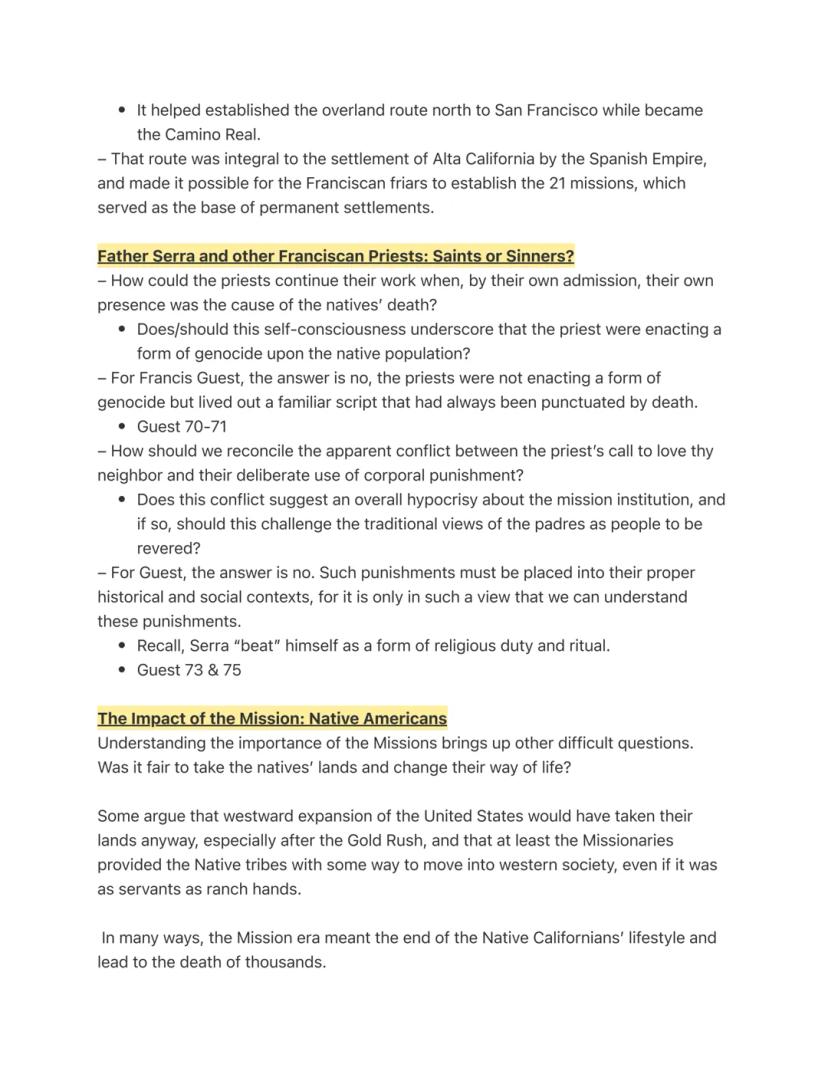
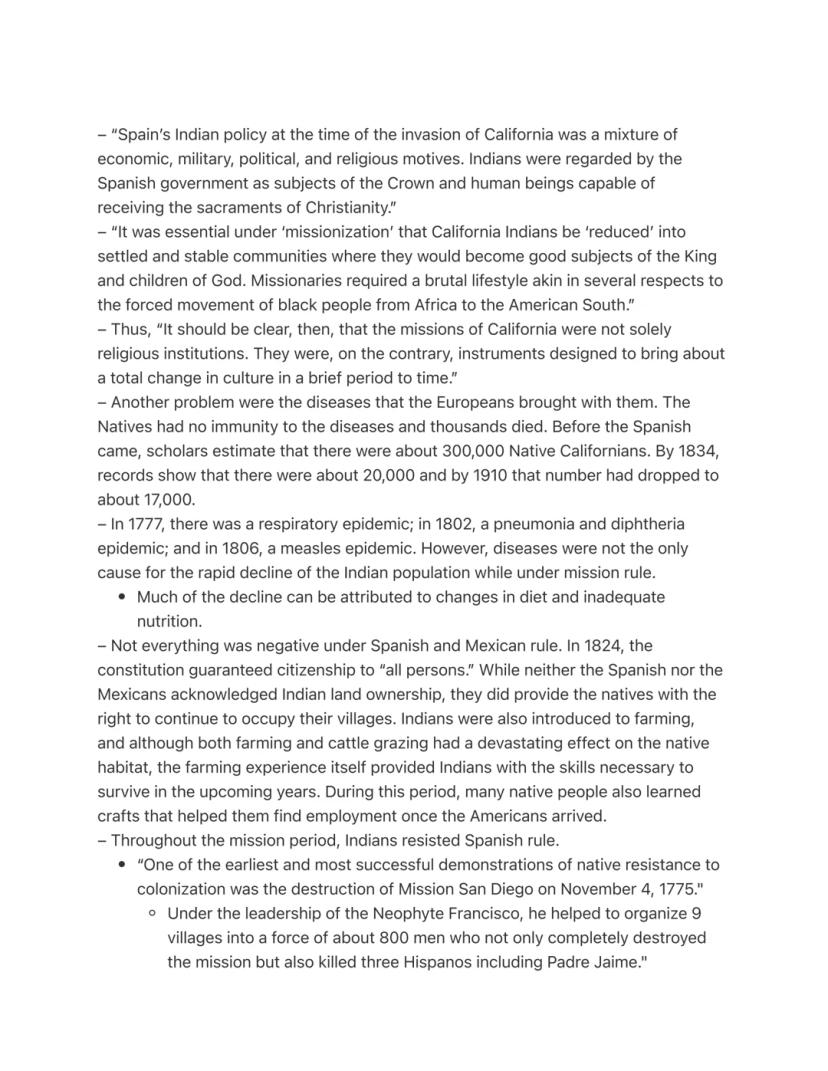
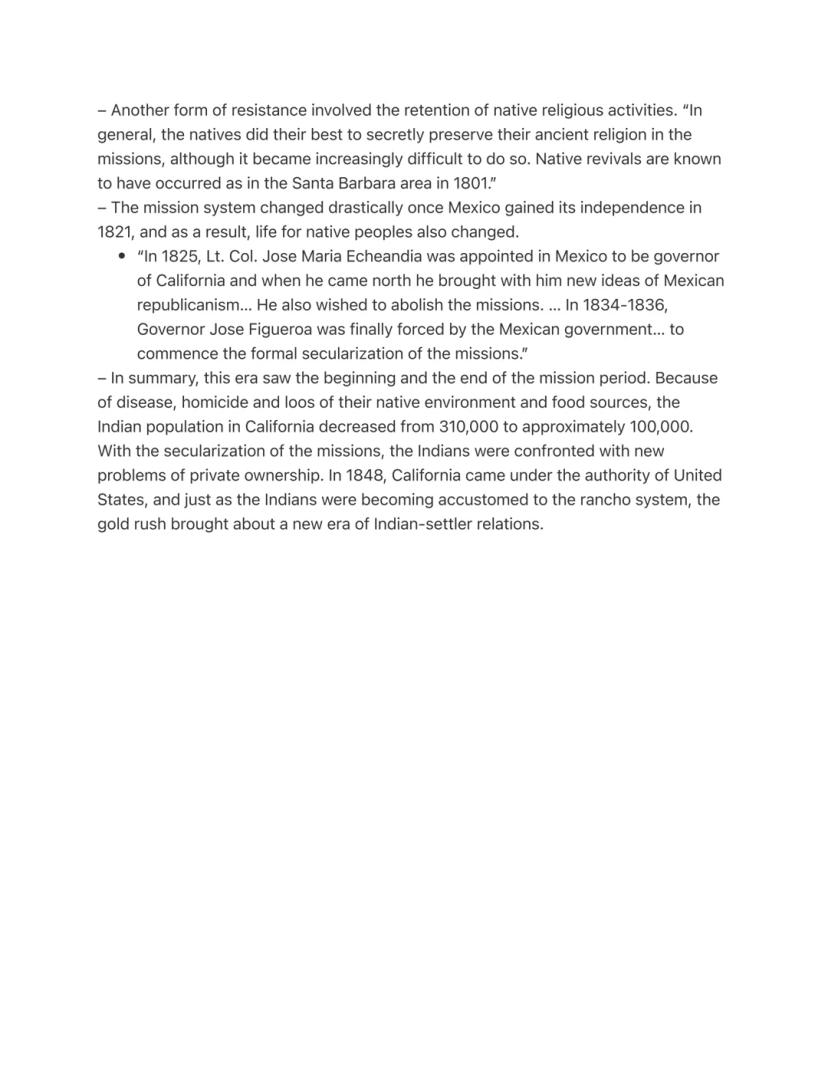
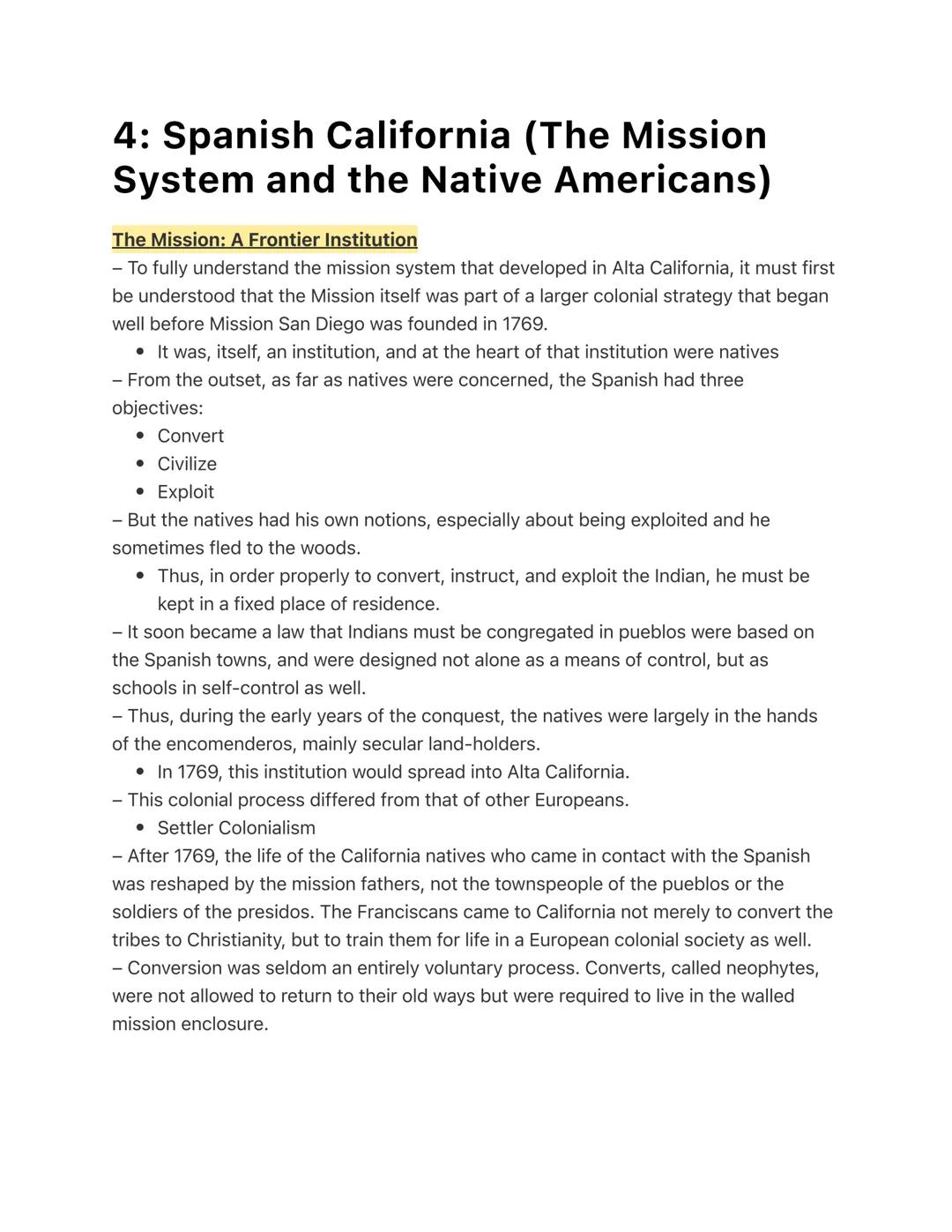
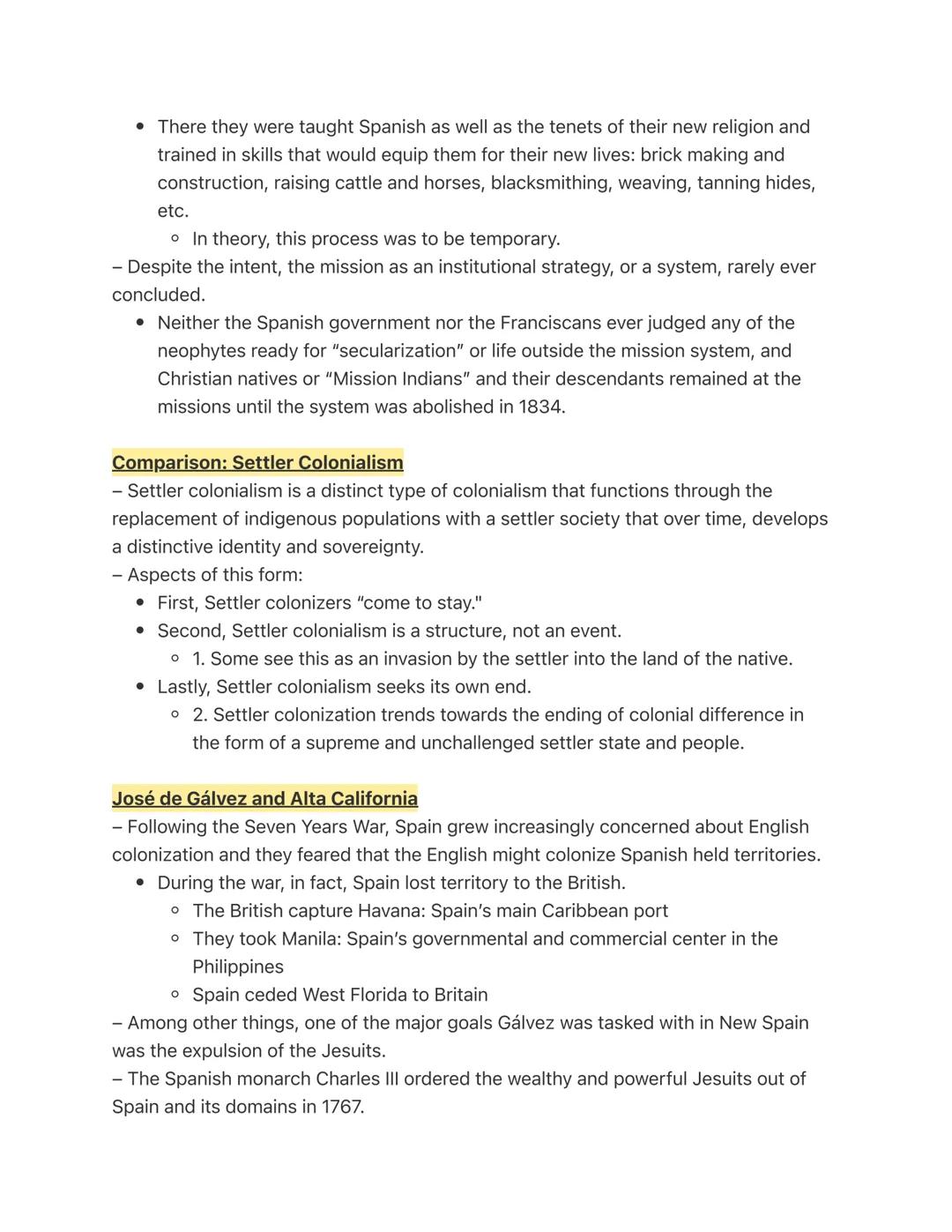
The mission system's collapse after Mexican independence created new challenges for Native Americans. As missions were secularized, natives had to navigate a new system of private land ownership that conflicted with their traditional understanding of communal land use.
Just as indigenous communities were adapting to the Mexican rancho system, the Gold Rush and American control in 1848 brought another wave of dramatic changes. These rapid transitions gave native peoples little time to adjust before facing new threats to their survival and culture.
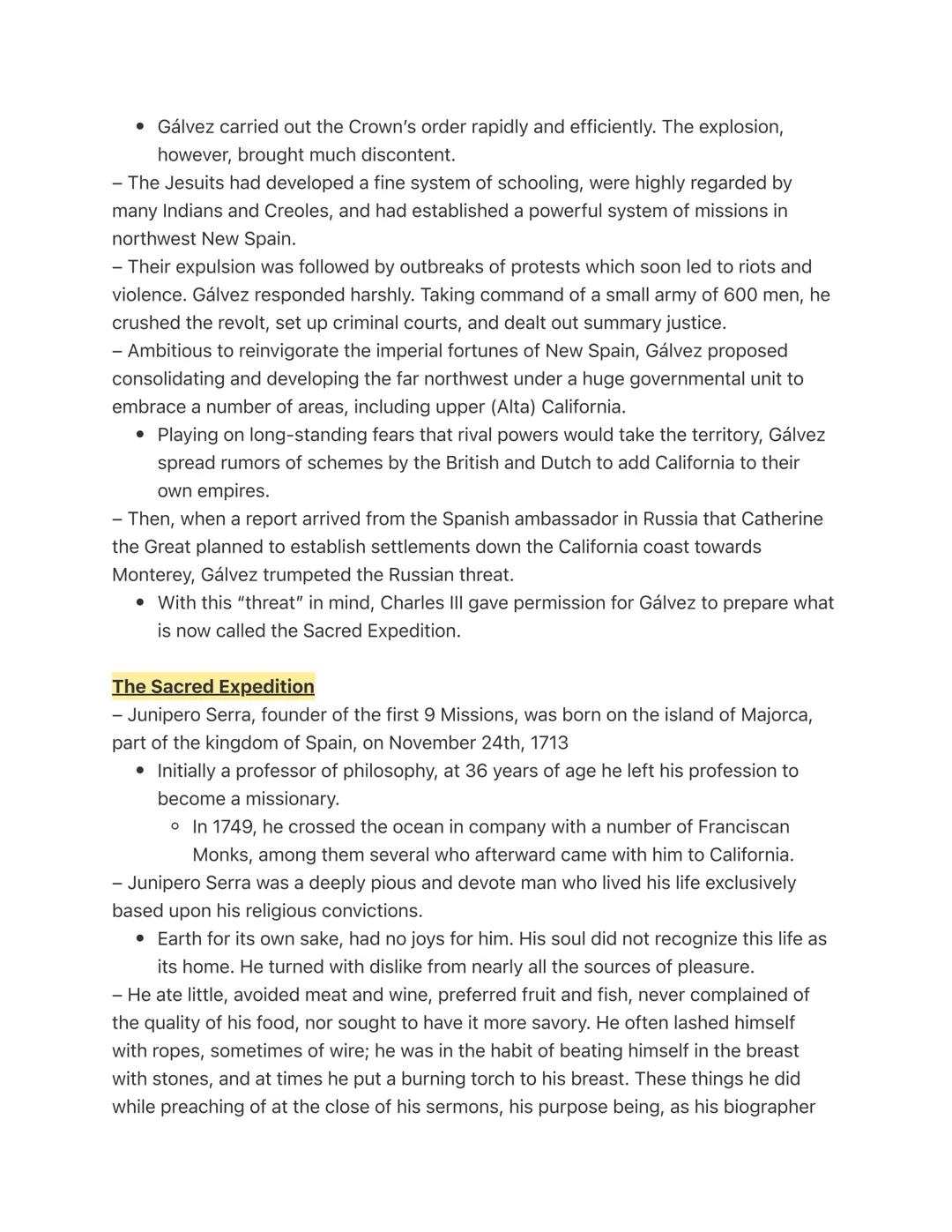
The mission period's legacy was devastating for California's indigenous populations. From a pre-contact population estimated at 310,000, only about 100,000 natives remained at the end of the mission era. This population collapse resulted from a combination of diseases, violence, and the destruction of native environments and food sources.
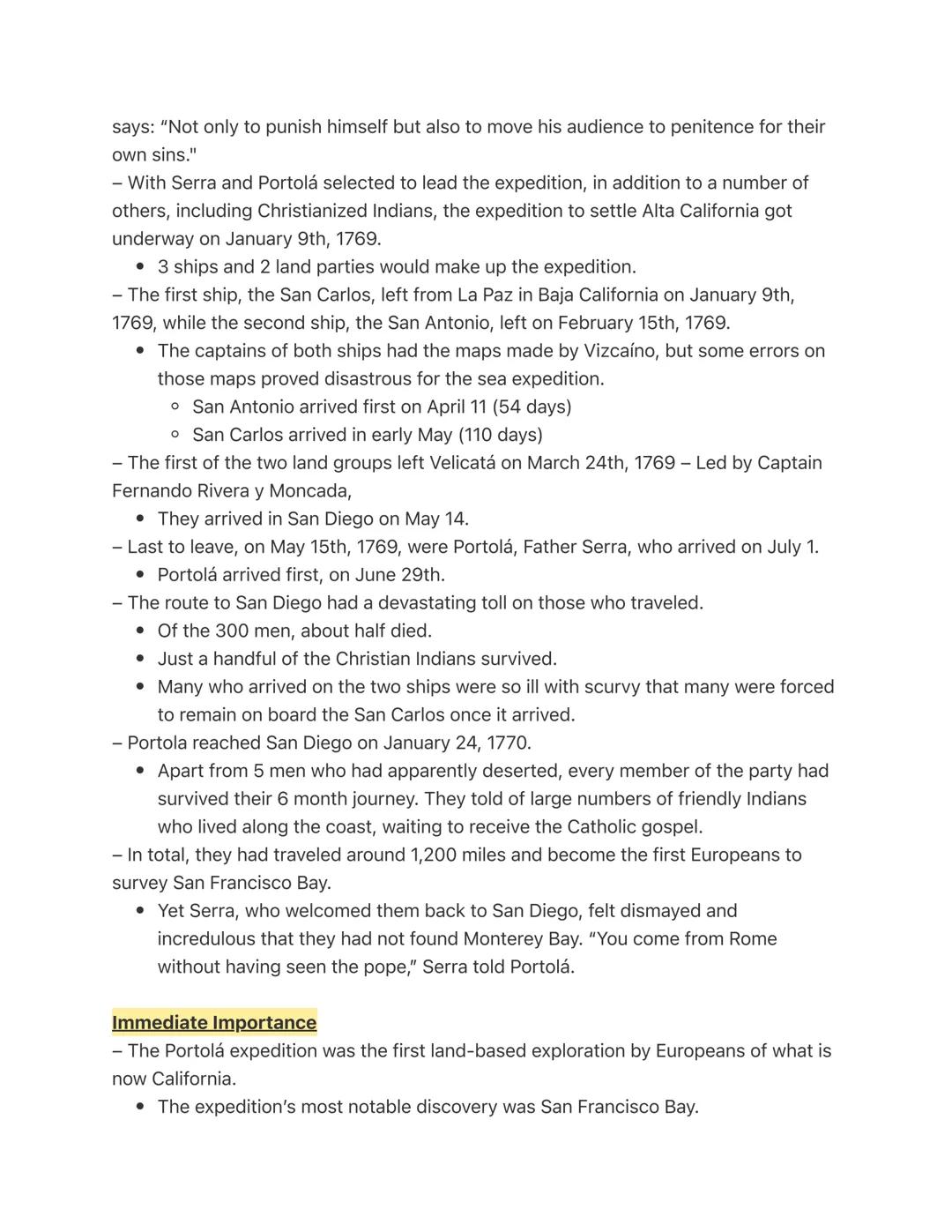
Today, we're still grappling with how to understand this complex period. The missions themselves have become California landmarks, often romanticized as peaceful places where benevolent padres guided native peoples toward "civilization." Yet for the descendants of those who survived, they represent sites of cultural destruction, forced labor, and devastating population loss that forever changed California's indigenous societies.
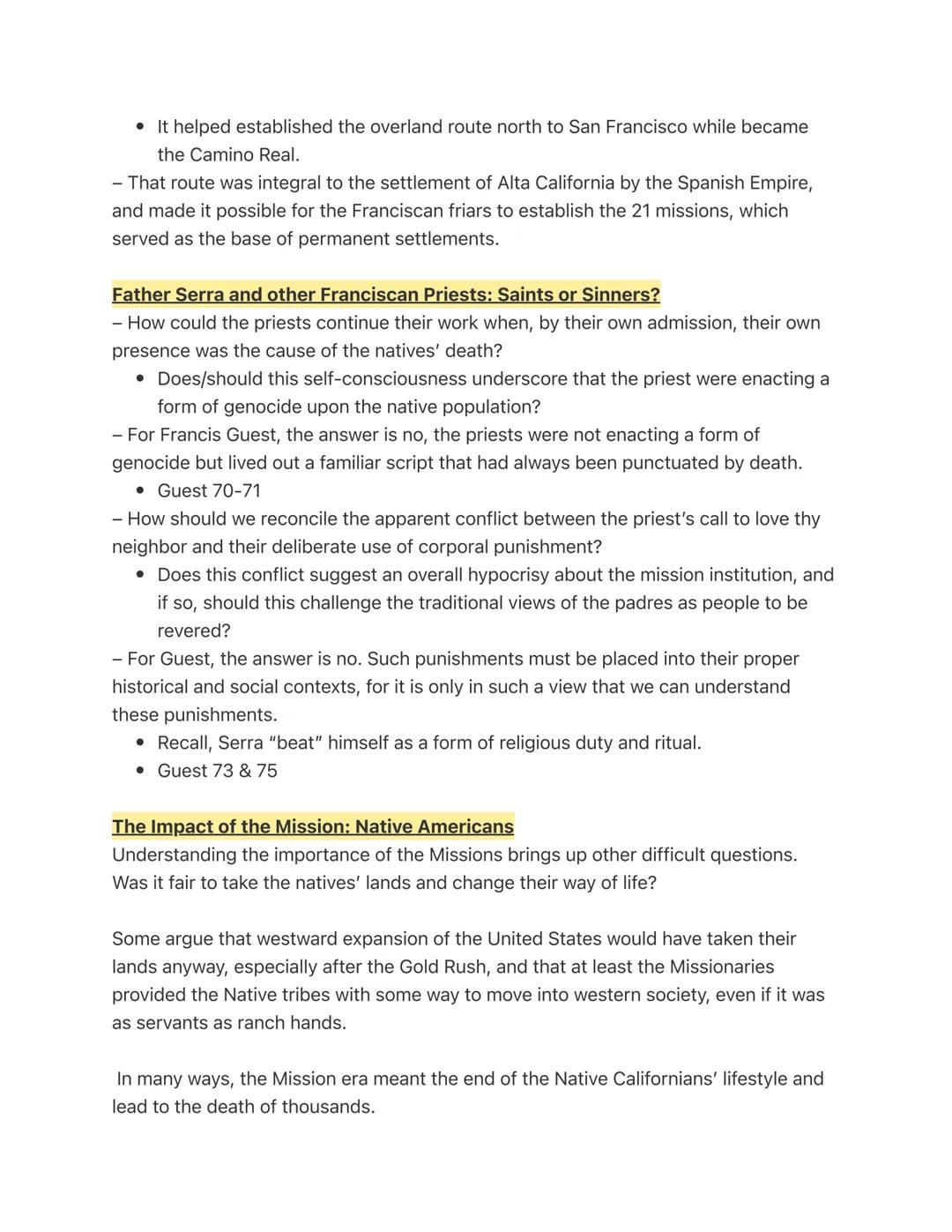
Modern relevance: The mission system's impact continues to shape California today, from place names and architecture to ongoing debates about how we should commemorate this period in museums and education.



 AP World History
 Algebra
 Overige
 Algebra 1
 History