Understanding Reaction Rates and Collision Theory
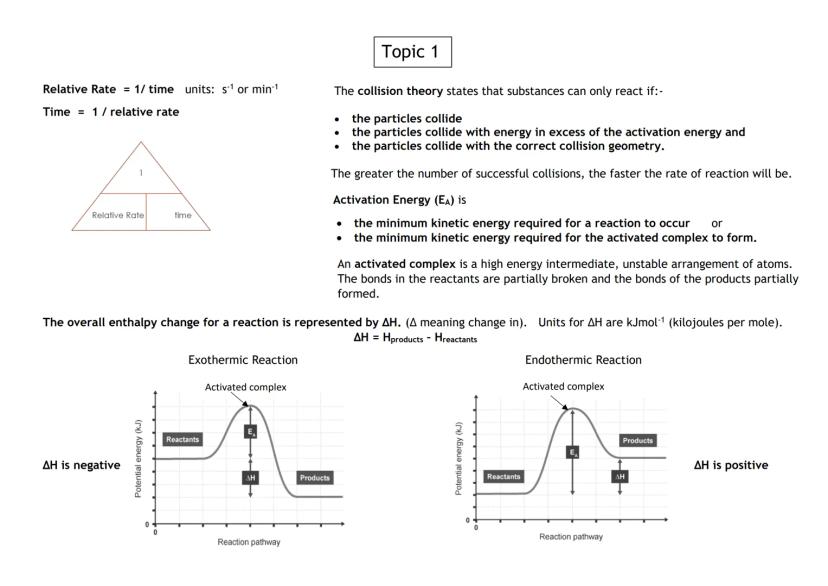
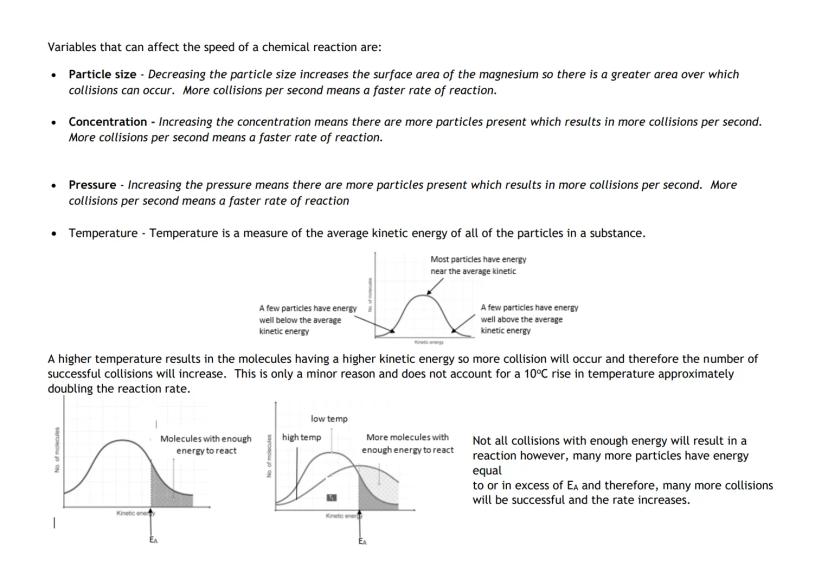
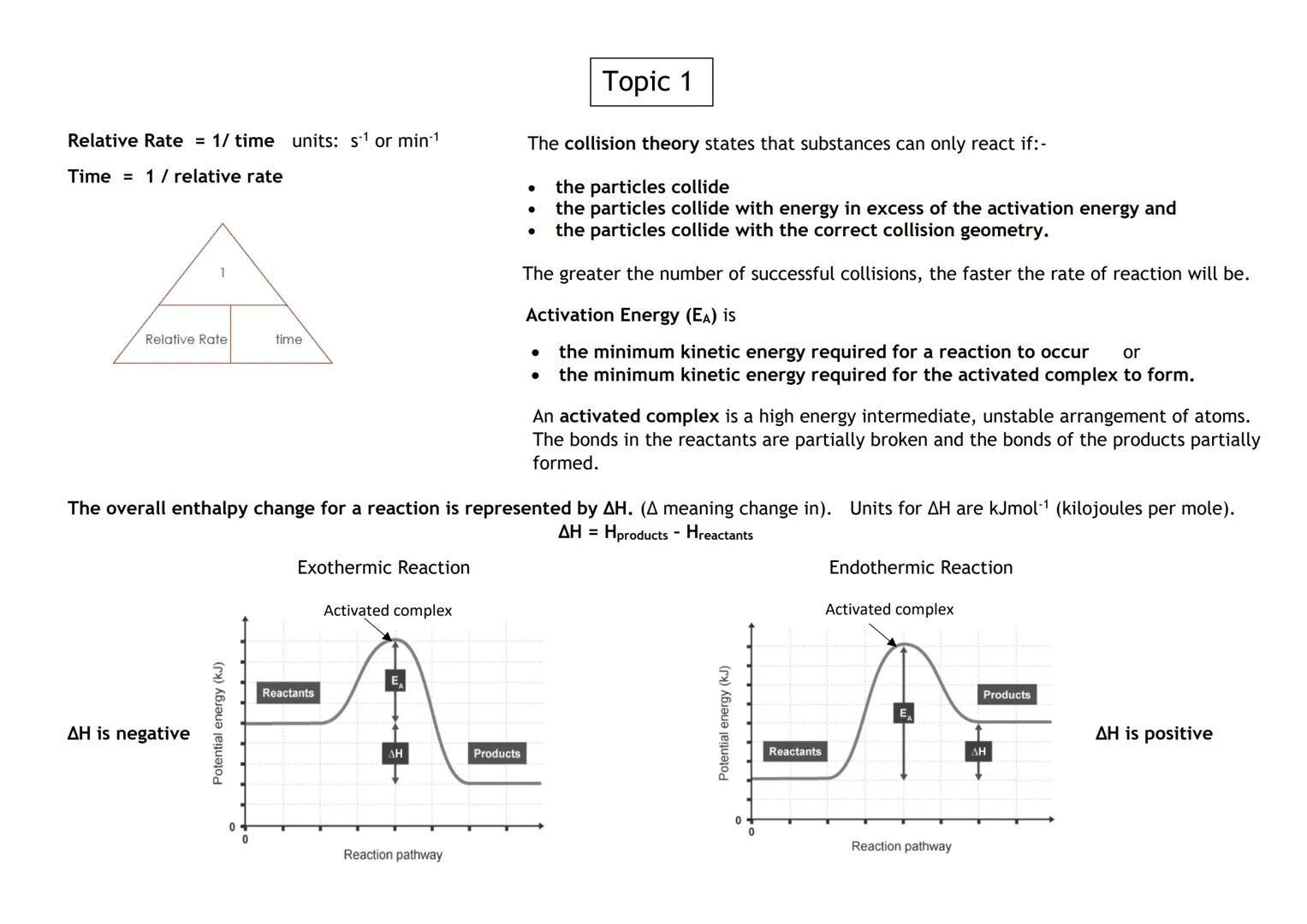
Think of chemical reactions like a busy dance floor - particles need to bump into each other just right for anything to happen! Collision theory explains that reactions only occur when particles collide with enough energy and the correct orientation.
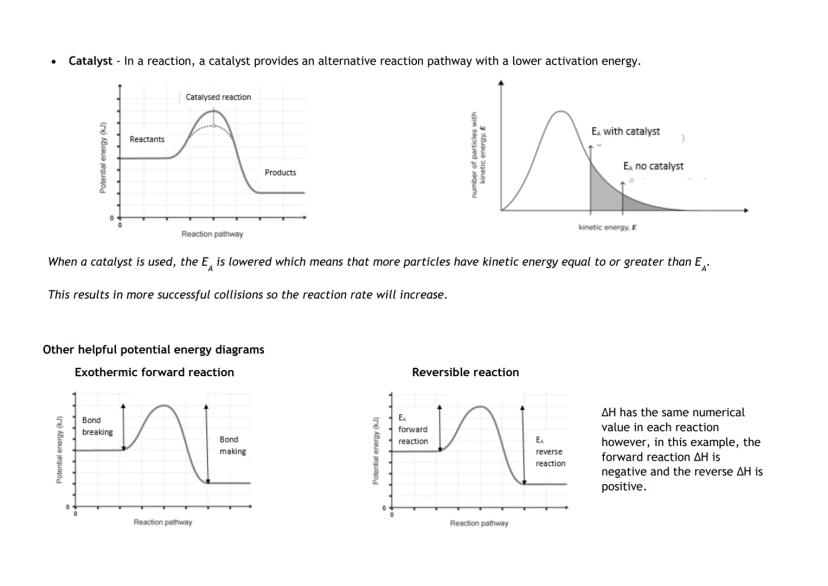
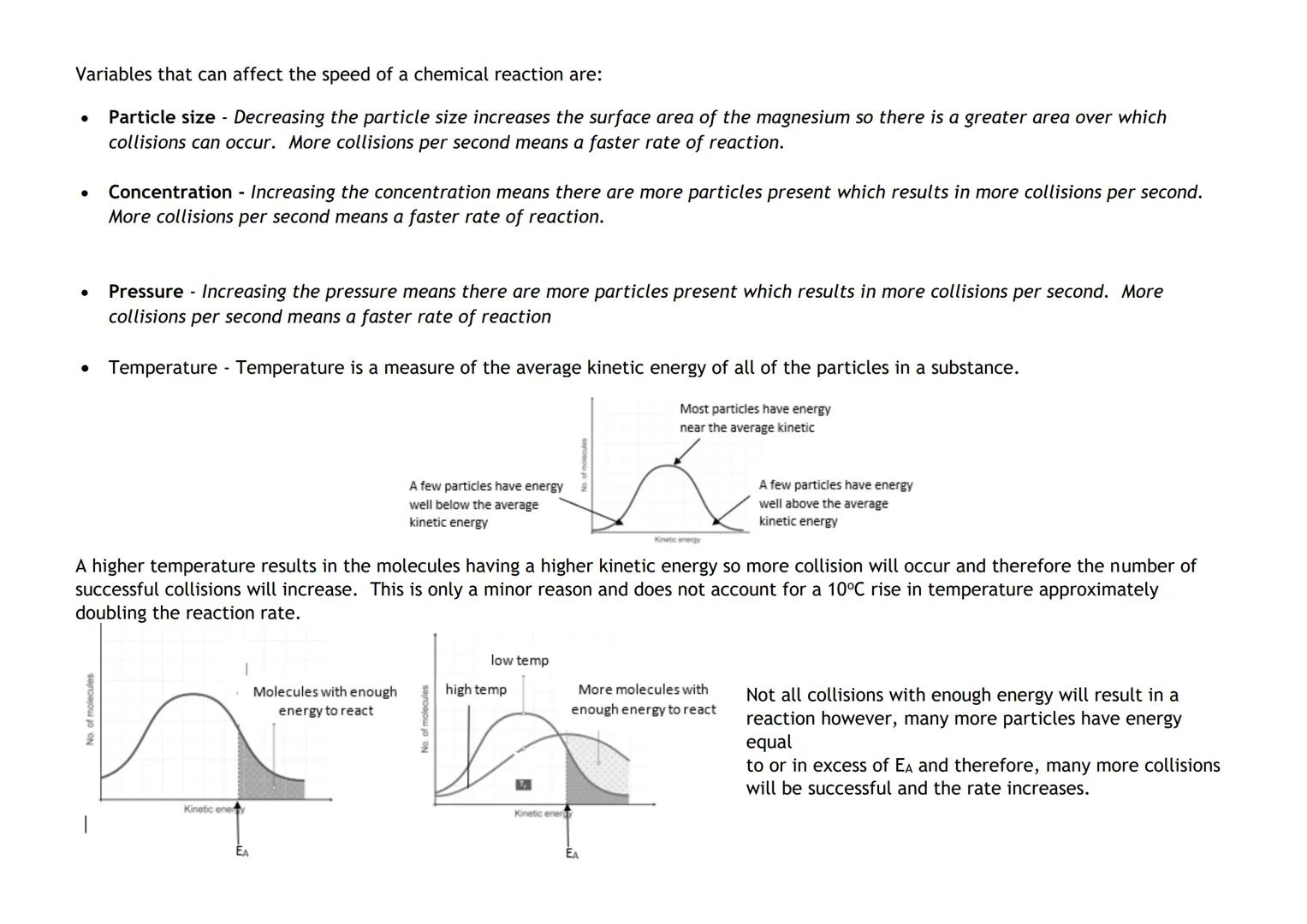
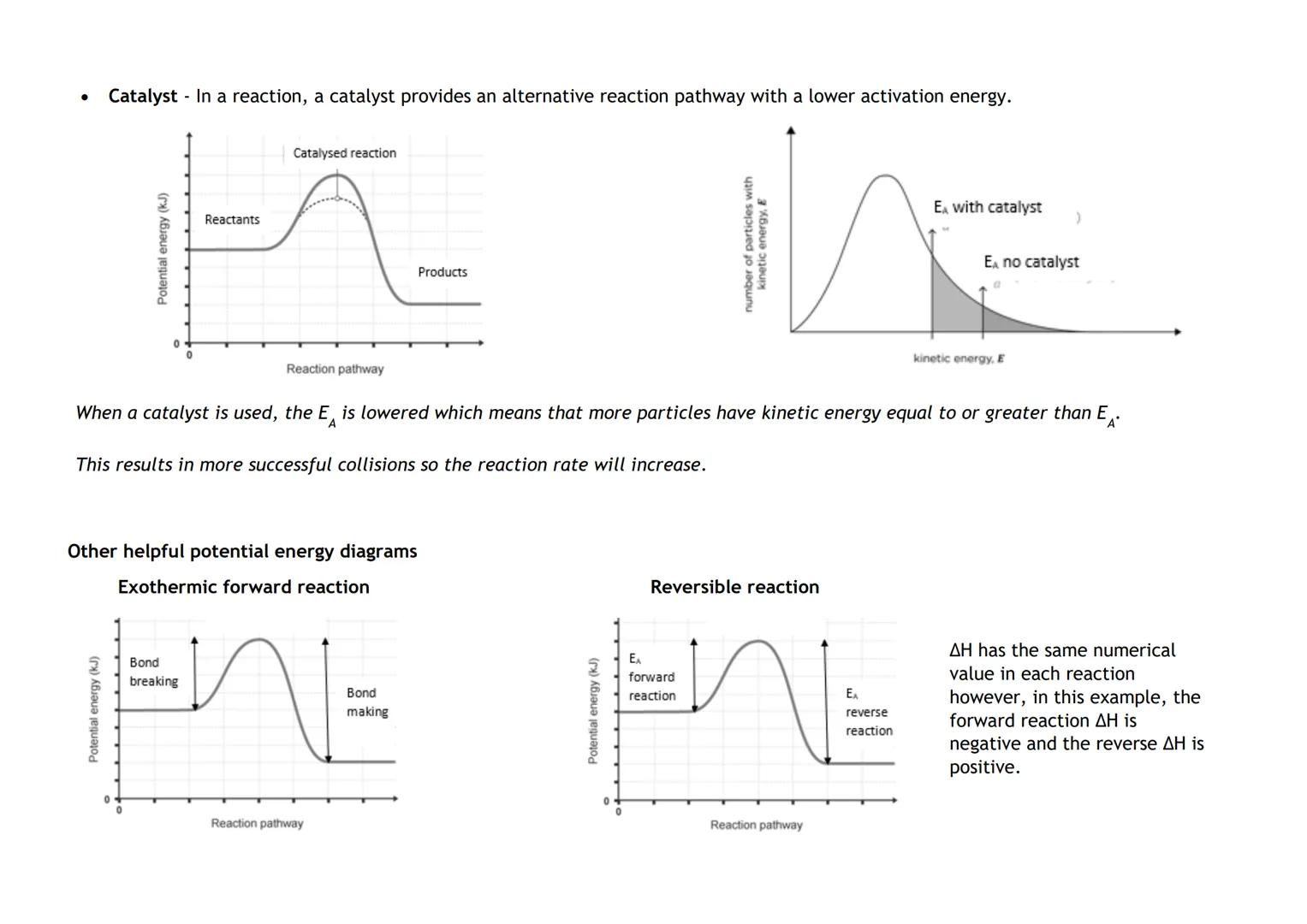
The magic number here is activation energy (EA) - the minimum energy particles need to react successfully. It's like the entry fee to get into that chemical dance! Without enough energy, collisions just bounce off harmlessly.
When particles do have enough energy, they form an activated complex - a super unstable, high-energy arrangement where old bonds are breaking and new ones are forming. This fleeting moment determines whether your reaction actually happens.
Quick Tip: Remember that relative rate = 1/time. The faster the reaction, the shorter the time, so the higher the relative rate!
You'll also need to understand enthalpy change (ΔH) - this tells you whether energy is released (exothermic, ΔH negative) or absorbed (endothermic, ΔH positive) during the reaction.


 Sociology
 Biology