Electron Shells and Orbitals
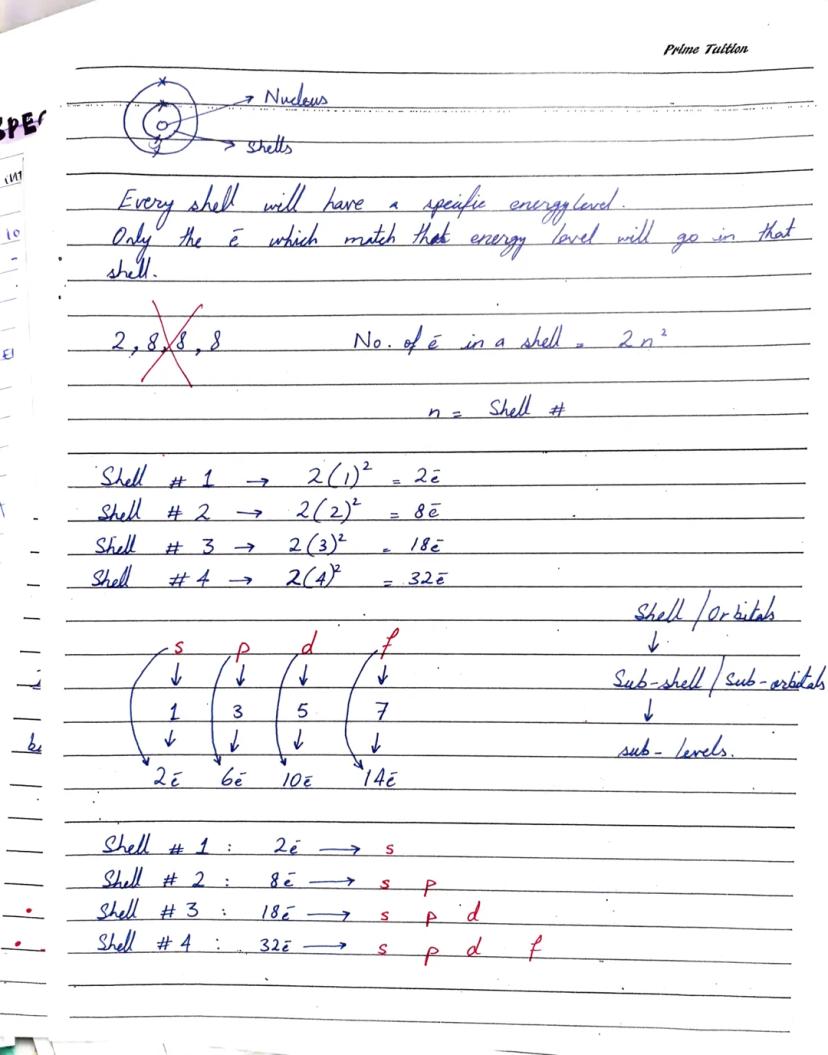
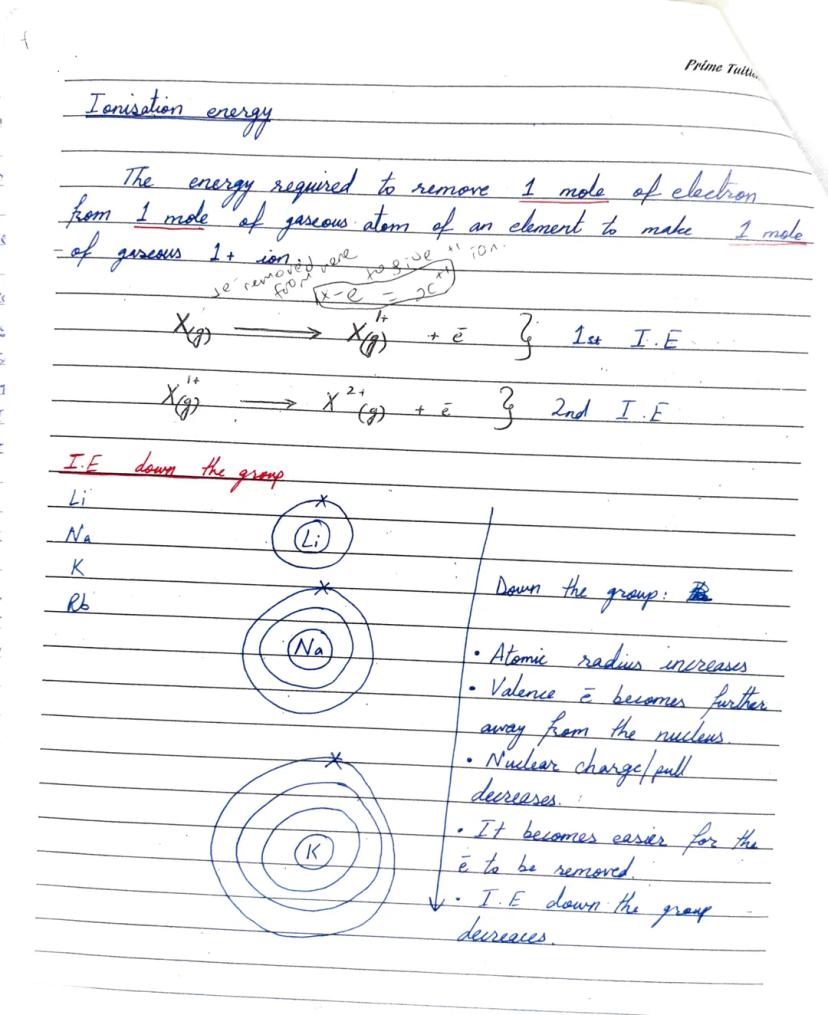
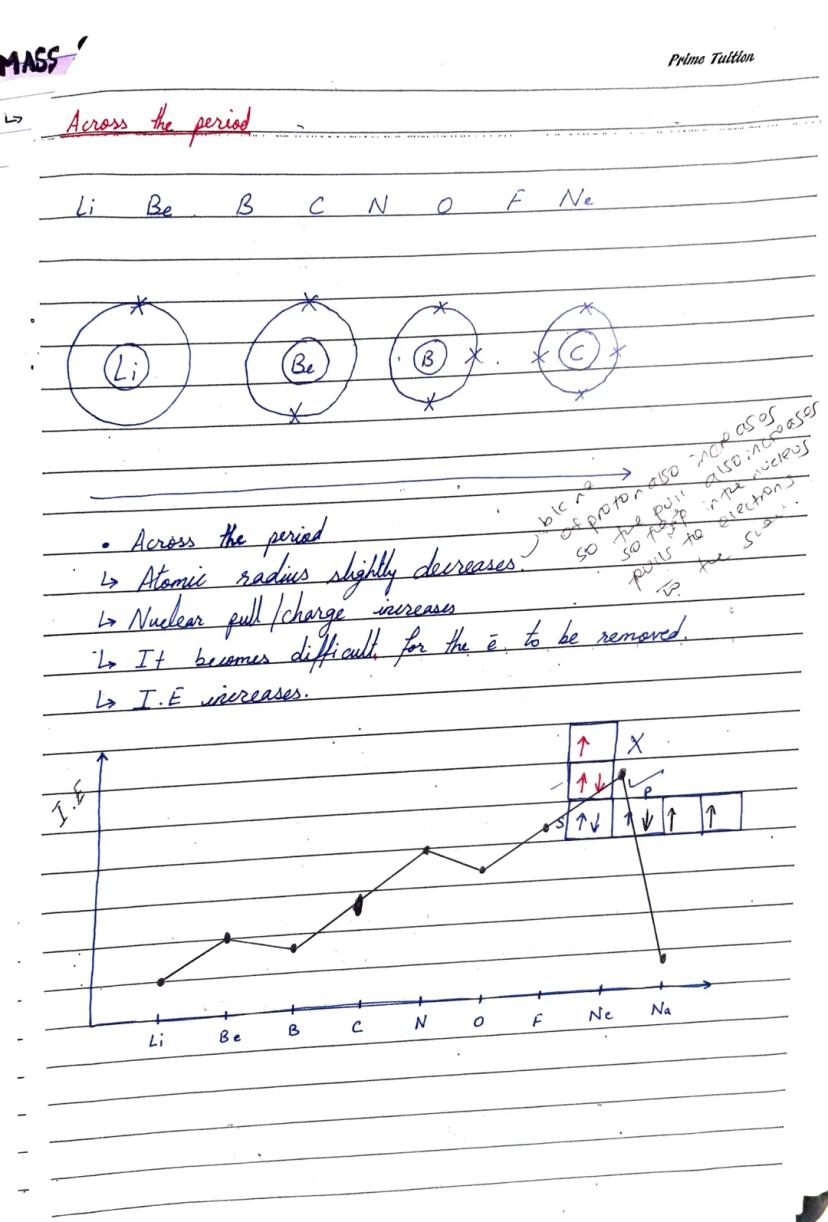
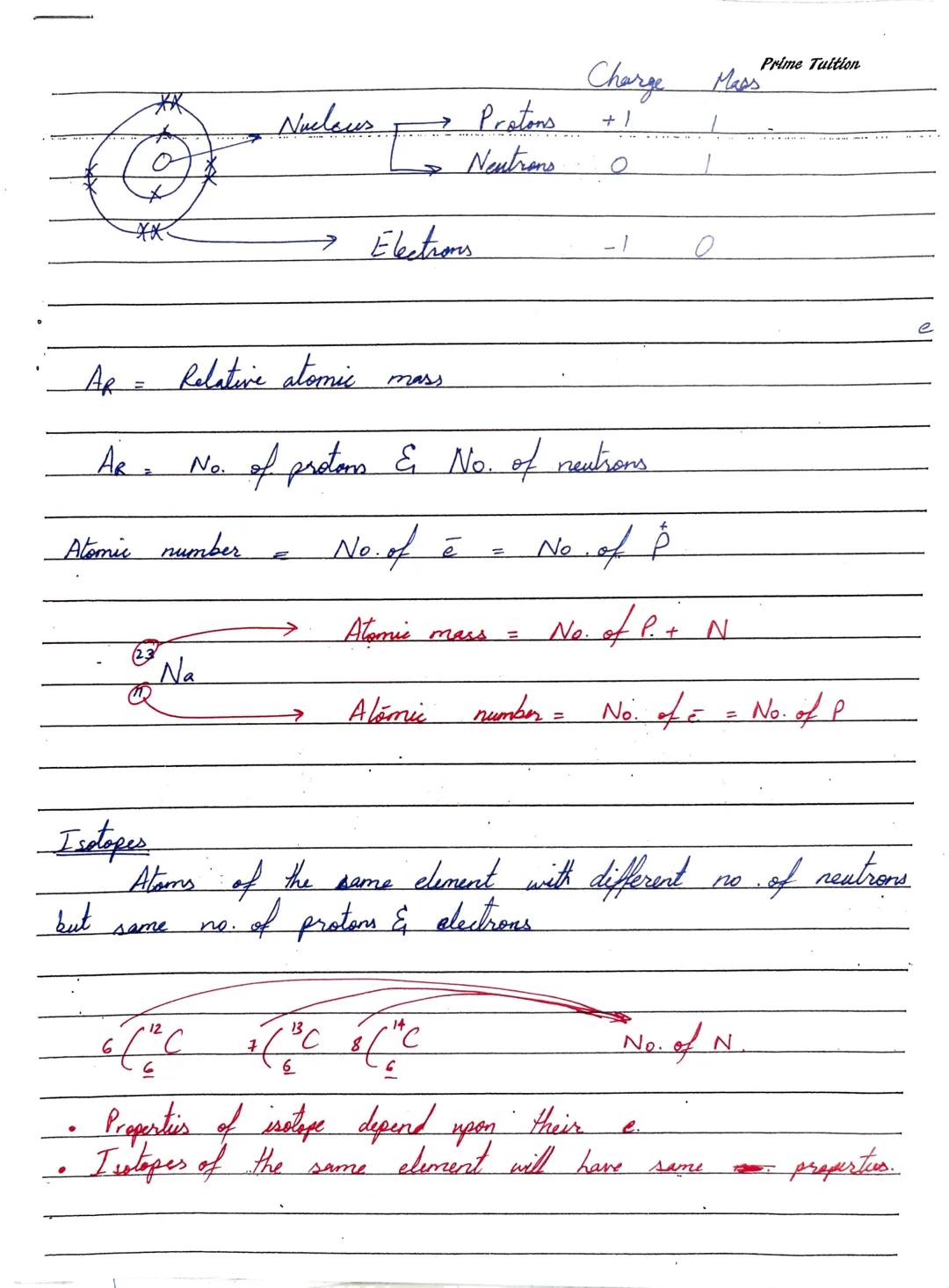
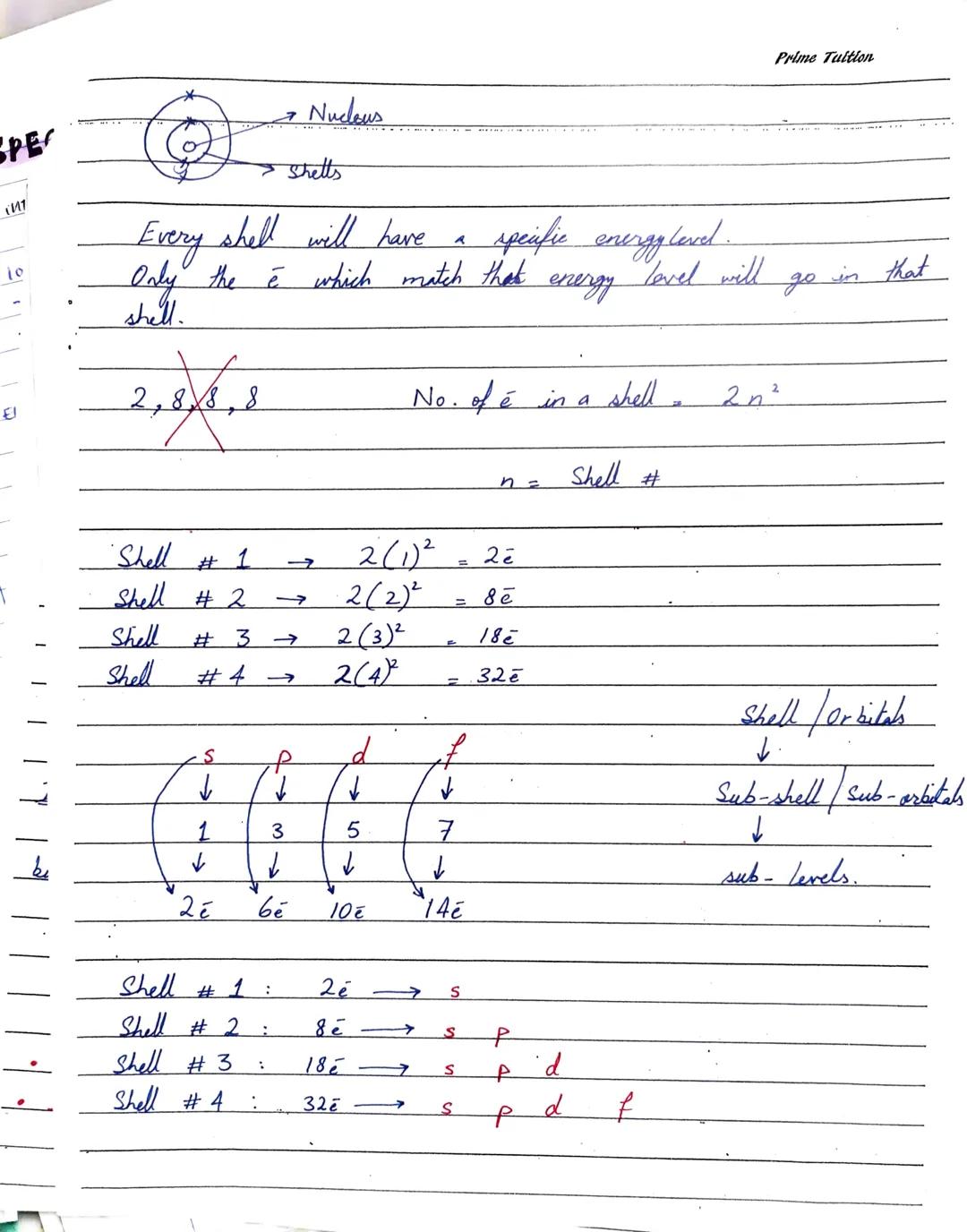
Electrons don't just randomly orbit the nucleus - they occupy specific energy levels called shells. Think of these like the floors of a building, where each floor can only hold a certain number of residents.
The maximum number of electrons in each shell follows the 2n² rule, where n is the shell number. Shell 1 holds 2 electrons, shell 2 holds 8, shell 3 holds 18, and shell 4 holds 32 electrons maximum.
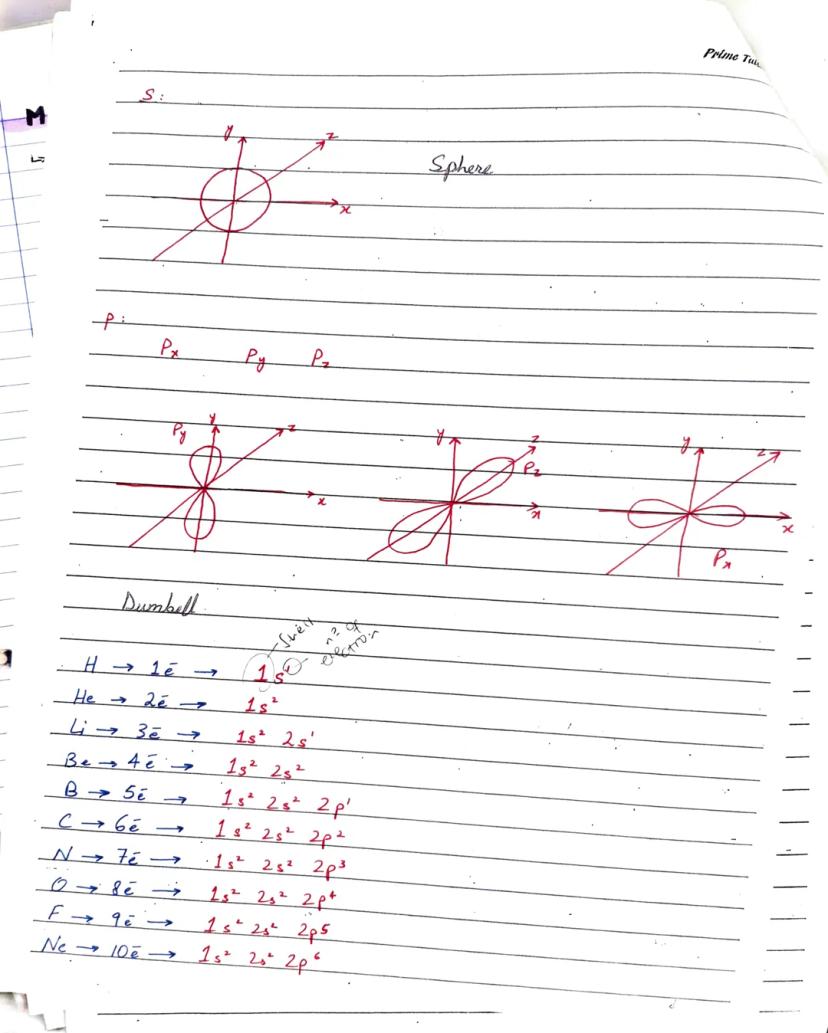
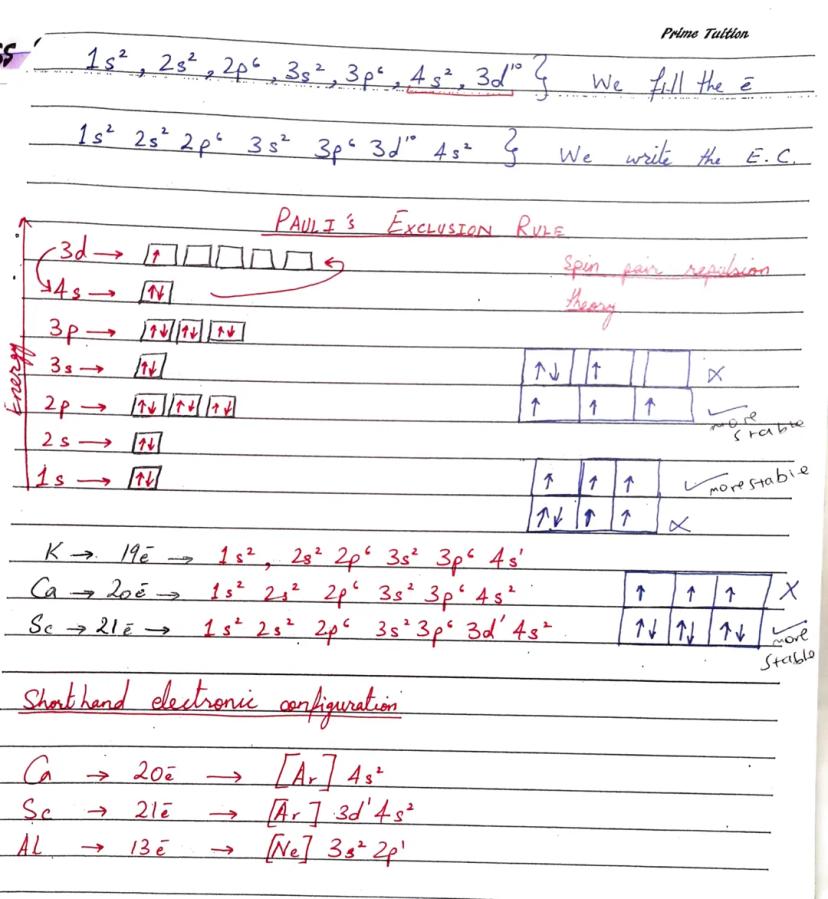
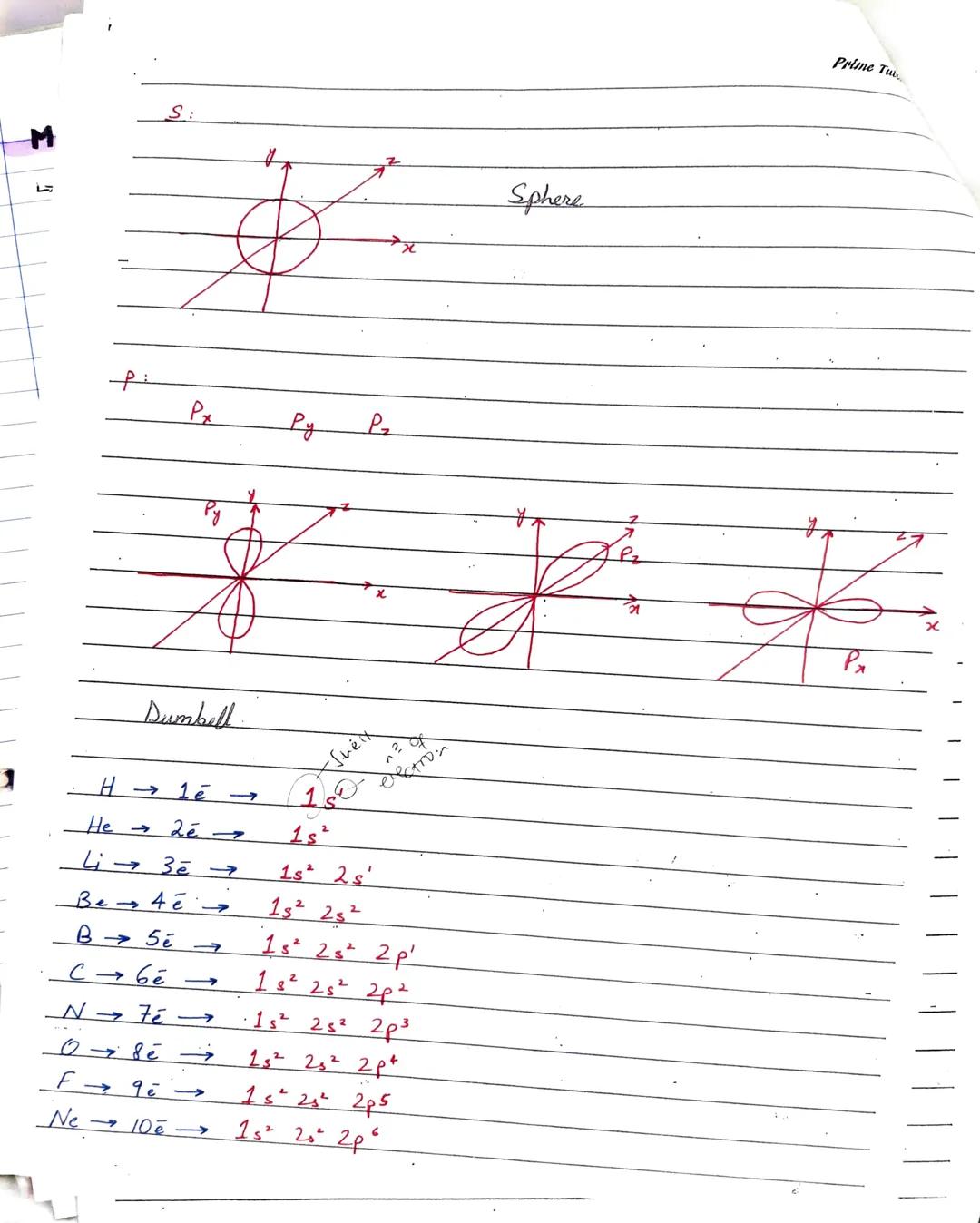
Within each shell, electrons occupy sub-shells (s, p, d, f) that have different shapes and capacities. The s sub-shell holds 2 electrons, p holds 6, d holds 10, and f holds 14. Shell 1 only has s, shell 2 has s and p, shell 3 has s, p, and d, whilst shell 4 contains all four types.
Memory Trick: The sub-shell capacities (2, 6, 10, 14) follow the pattern of adding 4 each time!


 Chemistry
 English Literature
 Biology
 Sociology