VSEPR Theory and Basic Molecular Shapes
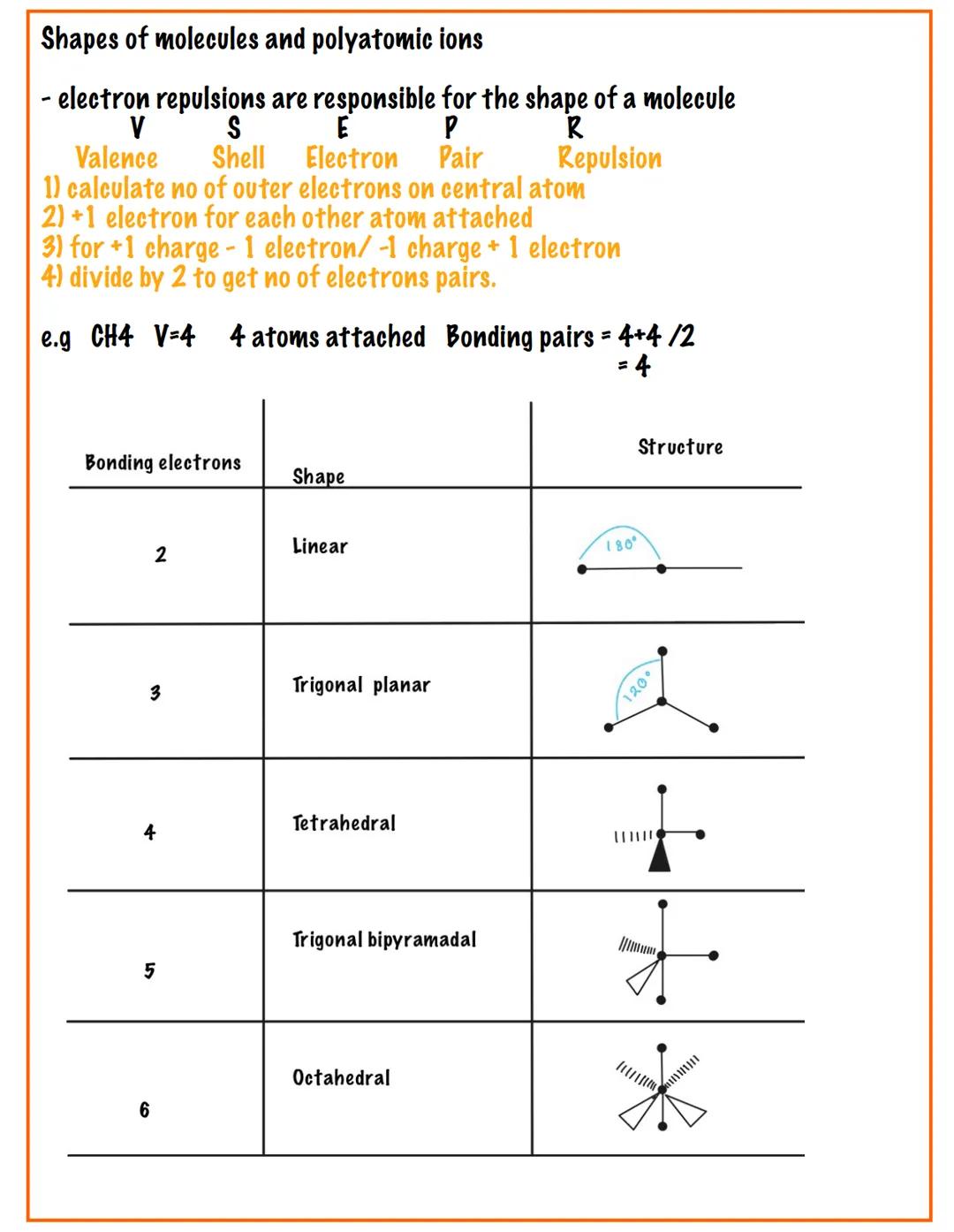
VSEPR theory is your go-to tool for predicting molecular shapes, and it's actually quite straightforward once you get the hang of it. The basic idea is that electron pairs around a central atom repel each other and arrange themselves as far apart as possible.
Here's the step-by-step method: First, count the outer electrons on the central atom. Then add one electron for each atom attached to it. For charged ions, subtract one electron for each positive charge or add one for each negative charge. Finally, divide by 2 to get the total number of electron pairs.
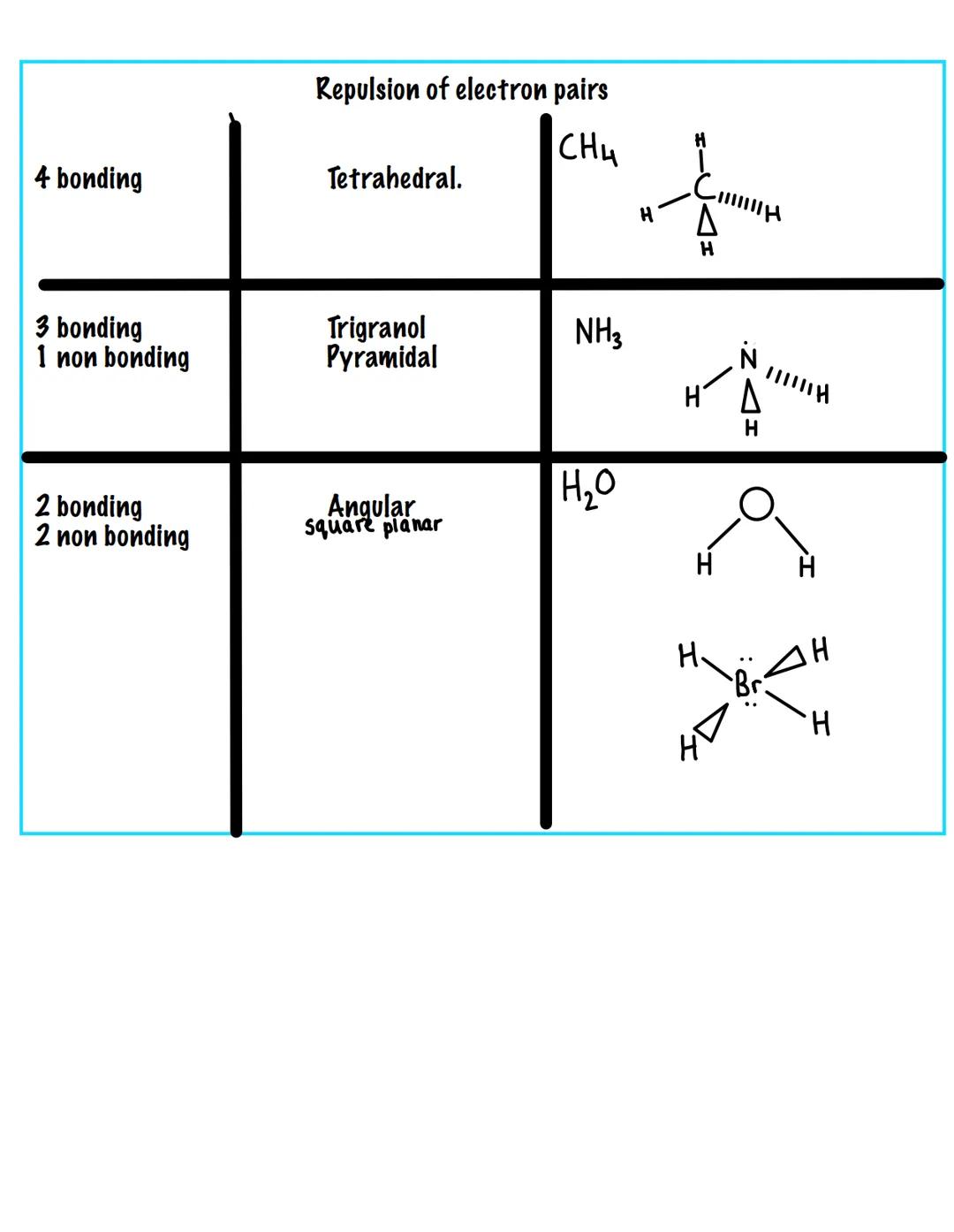
The number of bonding pairs determines the basic shape. Two pairs give you a linear molecule (180°), three pairs create trigonal planar (120°), four pairs form tetrahedral, five pairs make trigonal bipyramidal, and six pairs result in octahedral geometry.
Quick Tip: Remember that CH₄ (methane) is your classic tetrahedral example - 4 carbon electrons + 4 hydrogen atoms = 8 electrons total, which means 4 bonding pairs.

 Chemistry
 English Literature
 Biology
 Sociology