Social Groups and Personal Identity
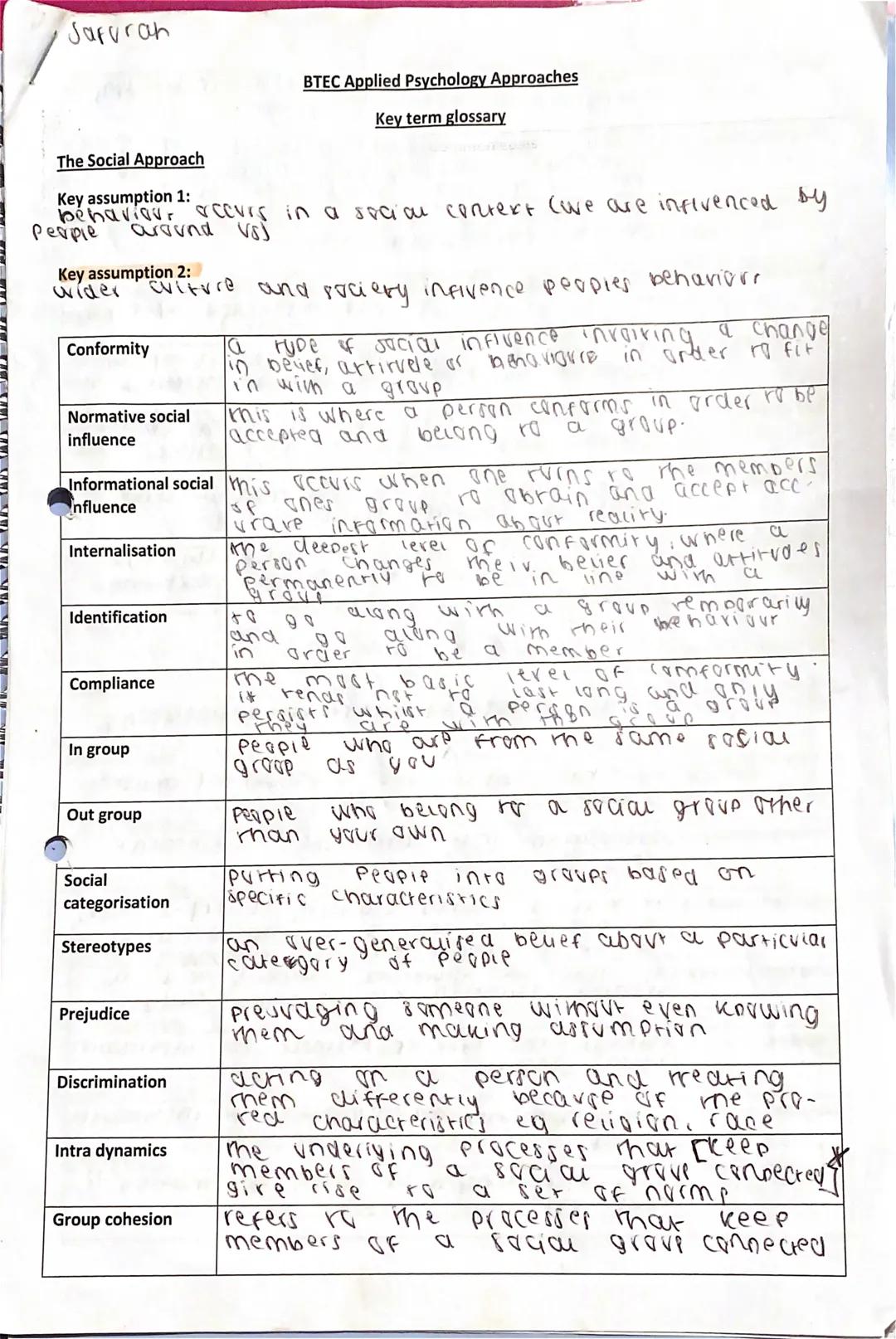
Social psychology divides people into in-groups (people from your social group) and out-groups (people from different social groups). This social categorisation process leads to stereotypes - oversimplified beliefs about particular groups of people that can fuel prejudice and discrimination.
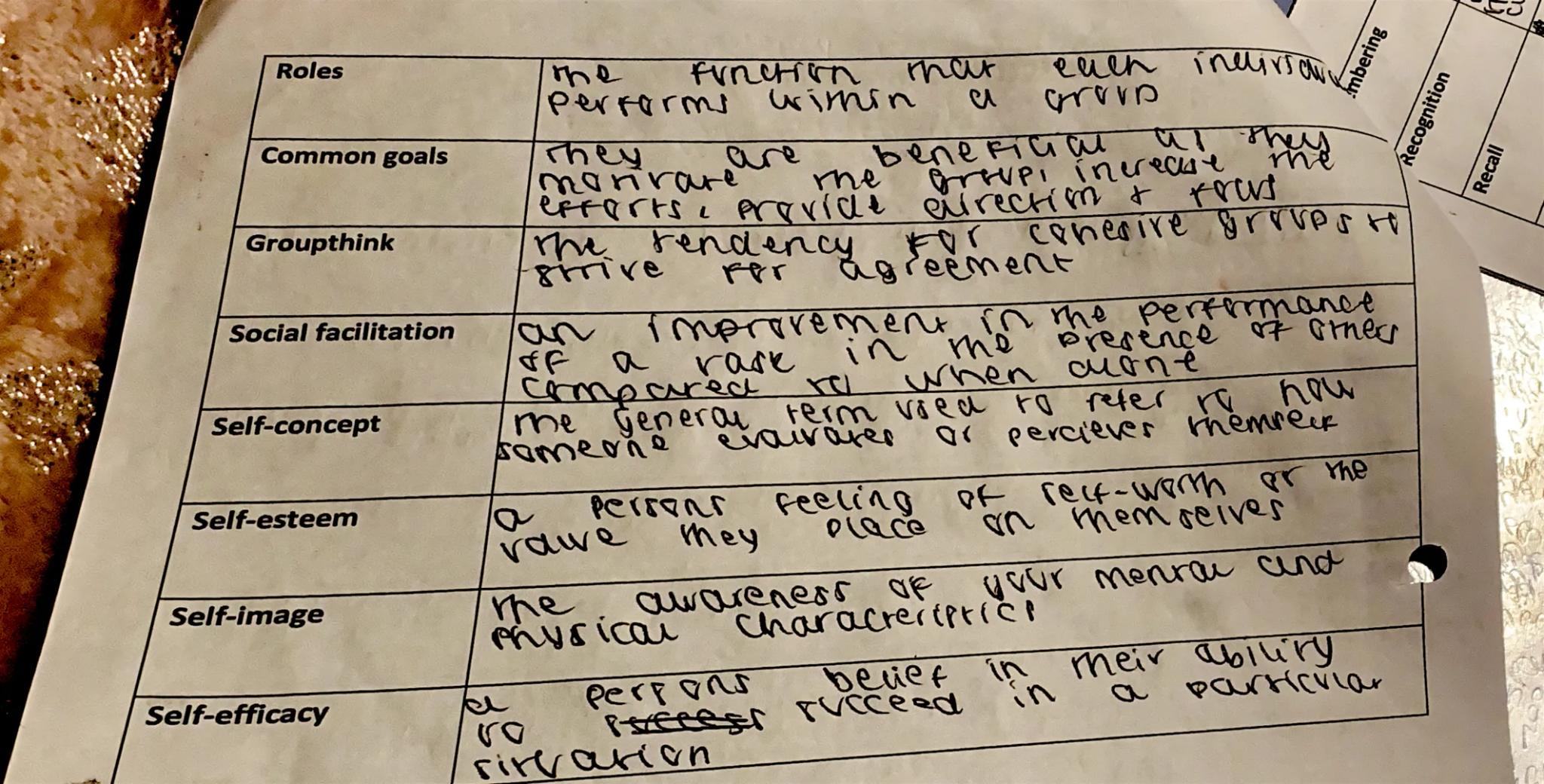
Group dynamics and group cohesion explain what keeps social groups connected and functioning. Groups work effectively when members have defined roles, share common goals, and maintain strong bonds. However, highly cohesive groups can fall into groupthink - prioritising agreement over critical thinking, which often leads to poor decisions.
Social facilitation shows how being around others can actually improve your performance on tasks you're already good at. This connects to how social situations affect your sense of self, including self-concept (how you see yourself overall), self-esteem (how much you value yourself), and self-efficacy (your belief in your ability to succeed at specific tasks).
Remember: Your performance can actually improve in front of others - but only for tasks you've already mastered!



 Sociology
 Biology