Synaptic Transmission and Chemical Messengers
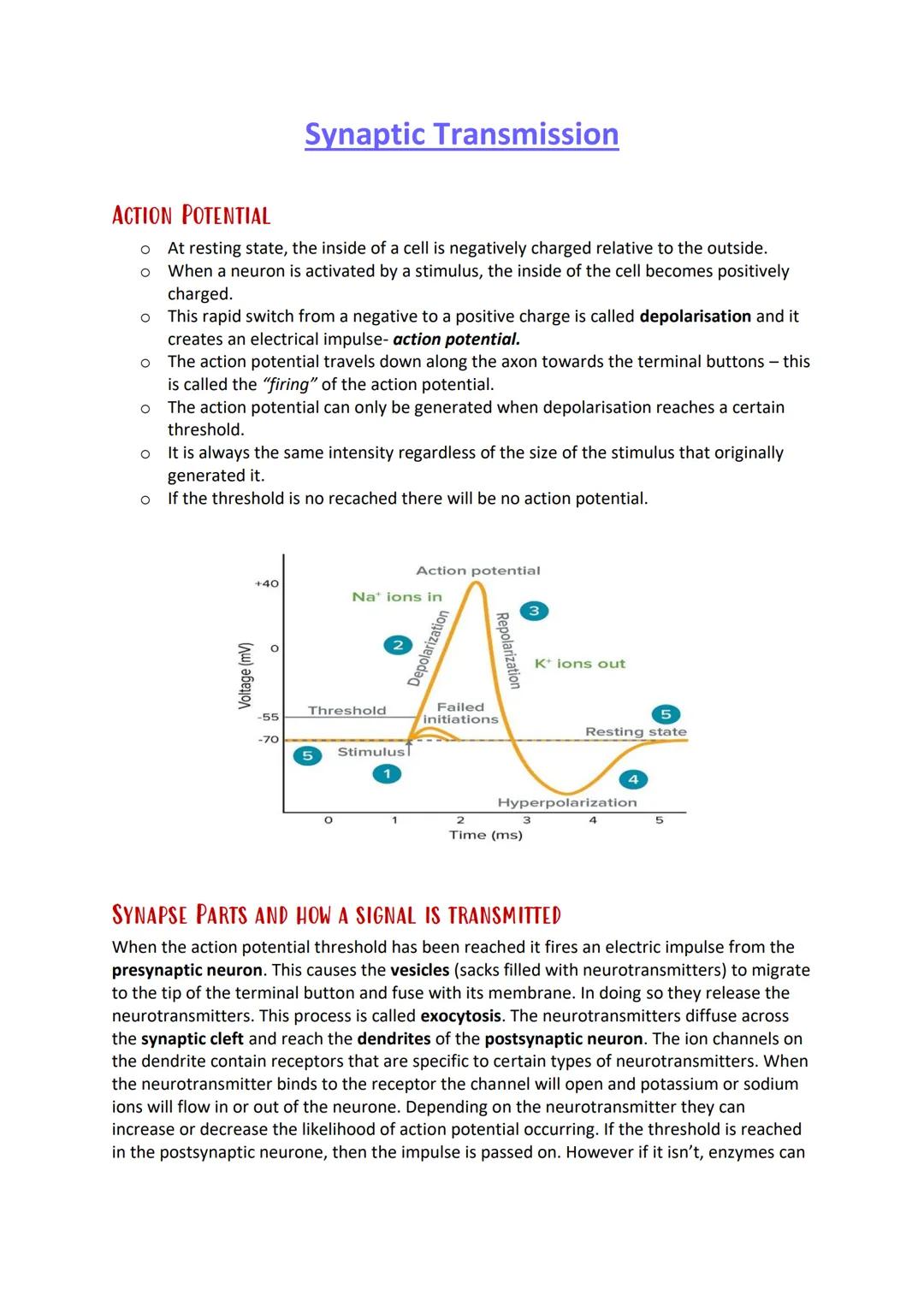
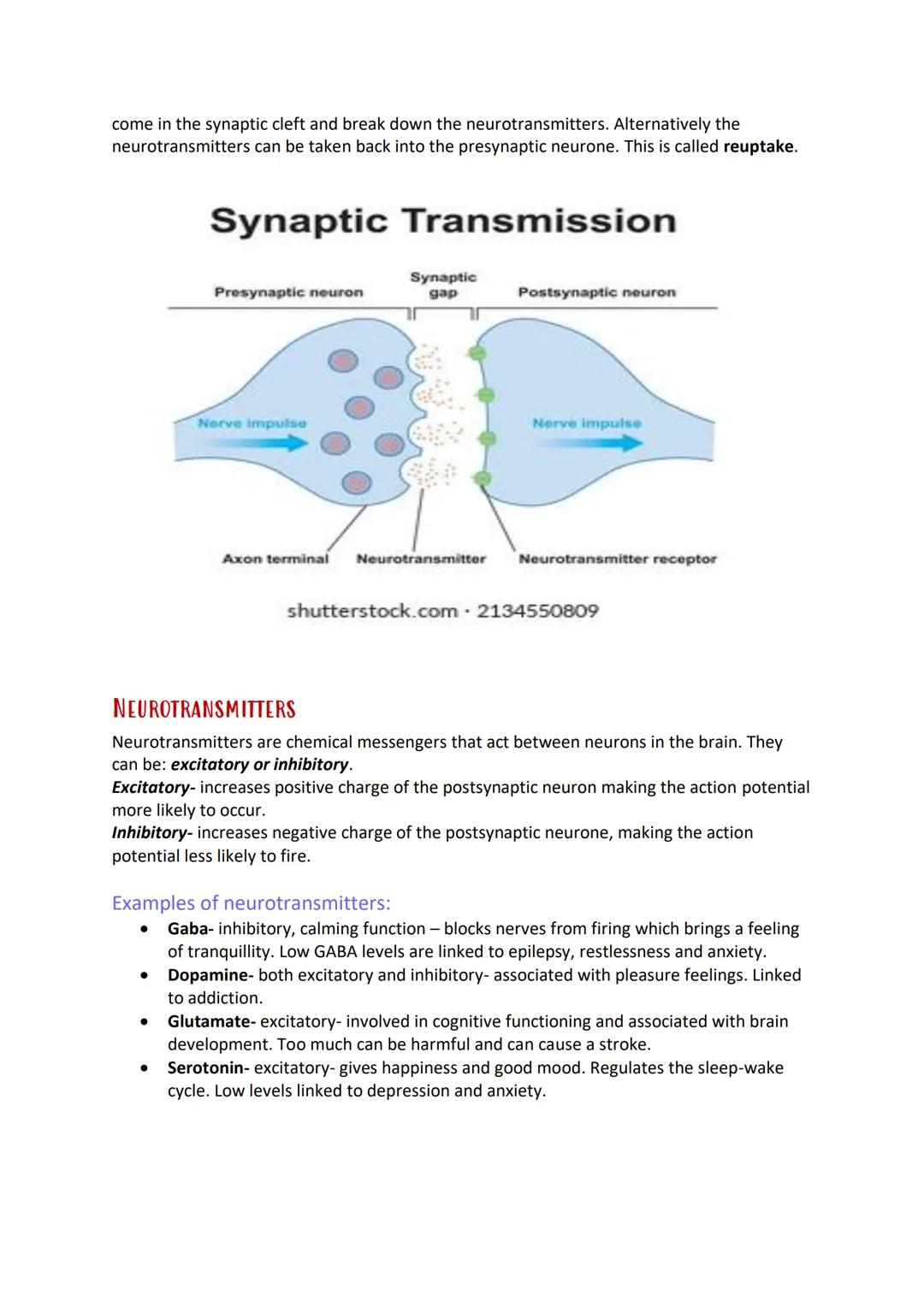
When that electrical impulse reaches the end of a neuron, something amazing happens - it triggers the release of chemical messengers called neurotransmitters. These chemicals are stored in tiny sacs called vesicles that dump their contents into the gap between neurons (the synaptic cleft) through a process called exocytosis.
The neurotransmitters then drift across this microscopic gap and bind to specific receptors on the next neuron, like keys fitting into locks. Depending on which neurotransmitter it is, this binding can either make the next neuron more likely to fire (excitatory) or less likely (inhibitory).
After doing their job, neurotransmitters are either broken down by enzymes or recycled back into the original neuron through reuptake. Key players include GABA (your brain's brake pedal for anxiety), dopamine (linked to pleasure and addiction), glutamate (essential for learning), and serotonin (your mood booster that also controls sleep).
Remember: Each neurotransmitter has its own specific job - like having different tools for different tasks in your brain's toolkit!



 Psychology
 Biology
 Sociology
 AP Psychology
 Psychology