Building Confidence Intervals Step-by-Step
Building a confidence interval is like following a recipe - get the steps right and you'll cook up reliable results every time. Start by finding your sample size (n) and sample mean (x̄), then determine your standard deviation.
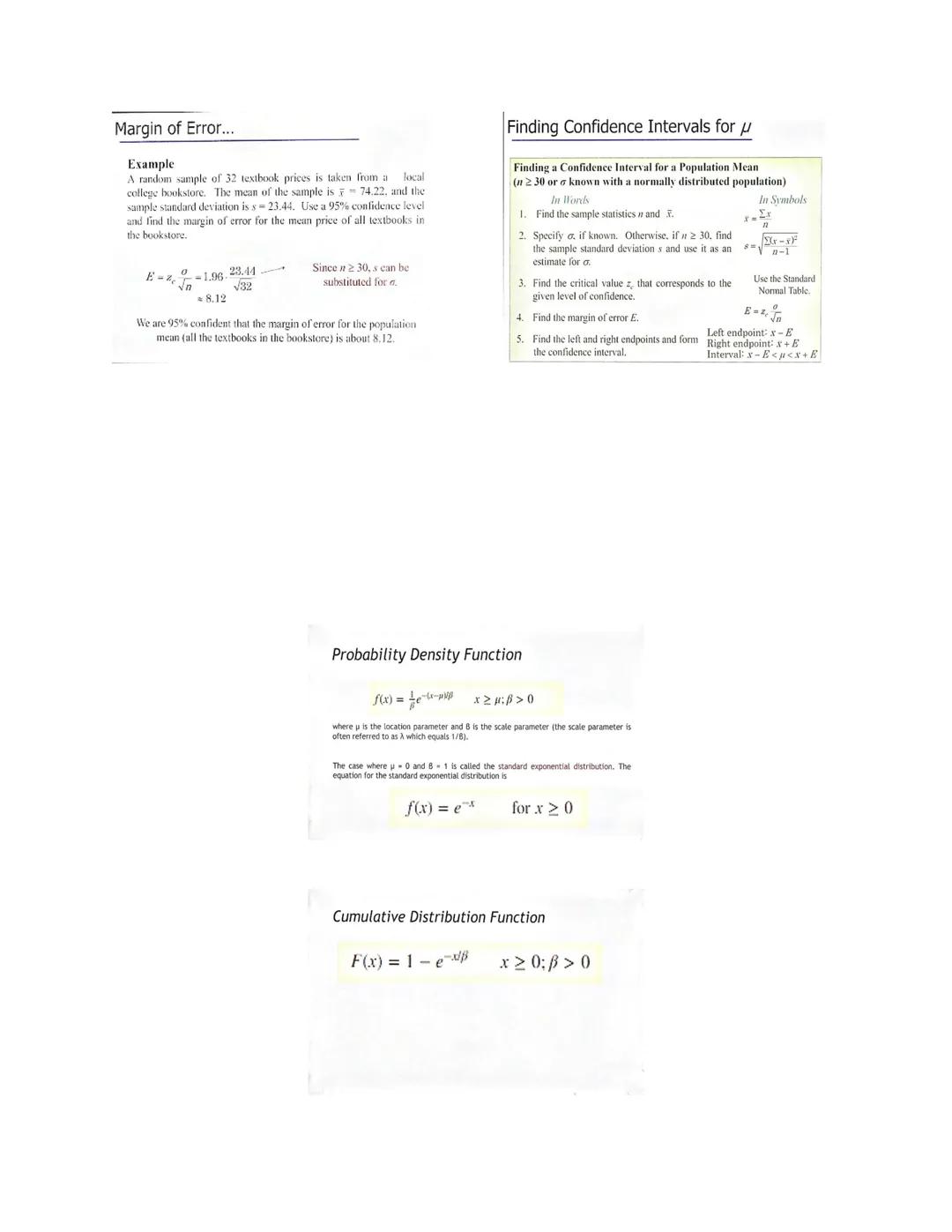
Here's a textbook example that shows how straightforward this can be. With 32 textbook prices averaging £74.22 and a sample standard deviation of £23.44, the margin of error at 95% confidence works out to about £8.12. This means the true average price for all textbooks is likely within £8.12 of your sample average.
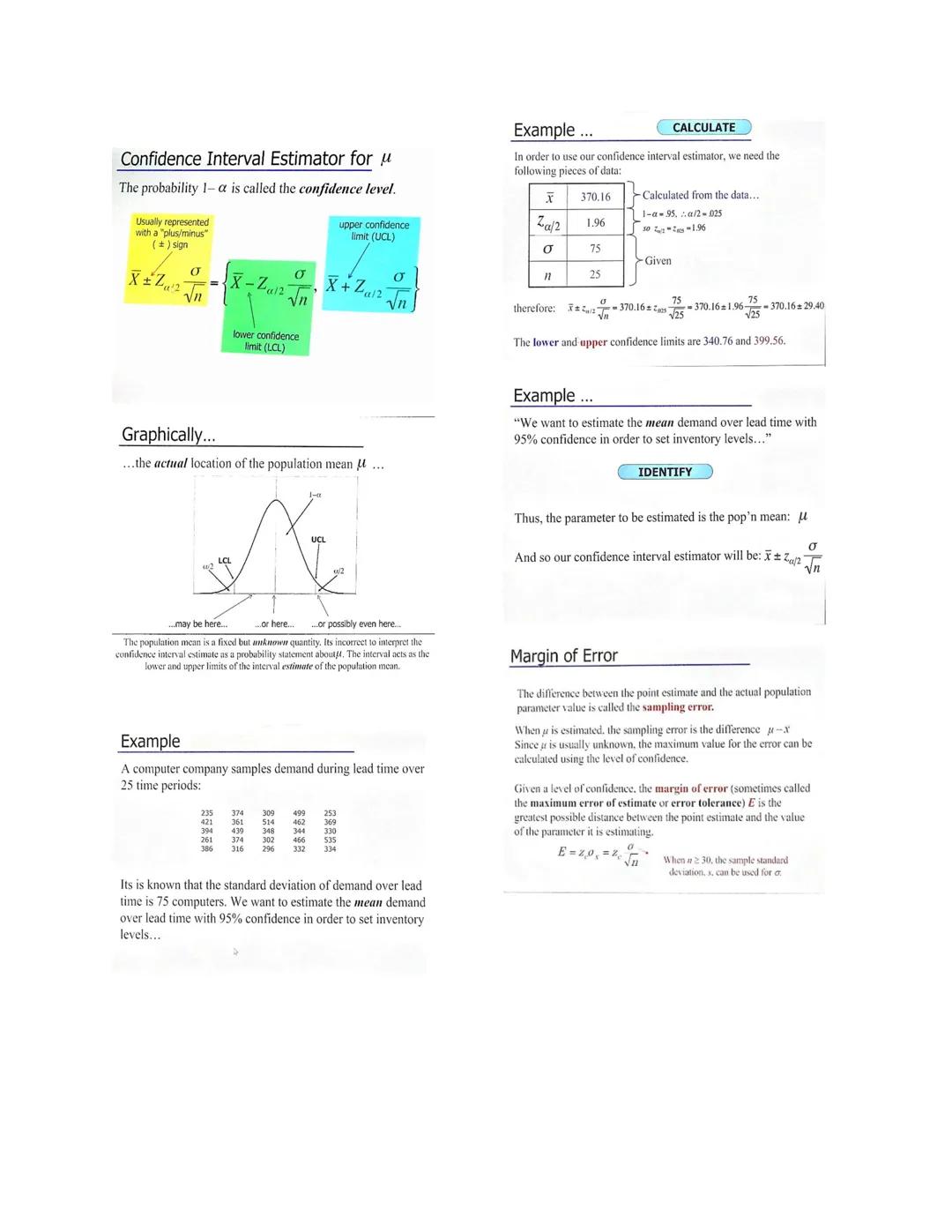
The process follows five clear steps: gather your sample statistics, identify your standard deviation, find the critical z-value for your confidence level, calculate the margin of error, and finally create your interval. Your final answer will be in the format: left endpoint < μ < right endpoint.
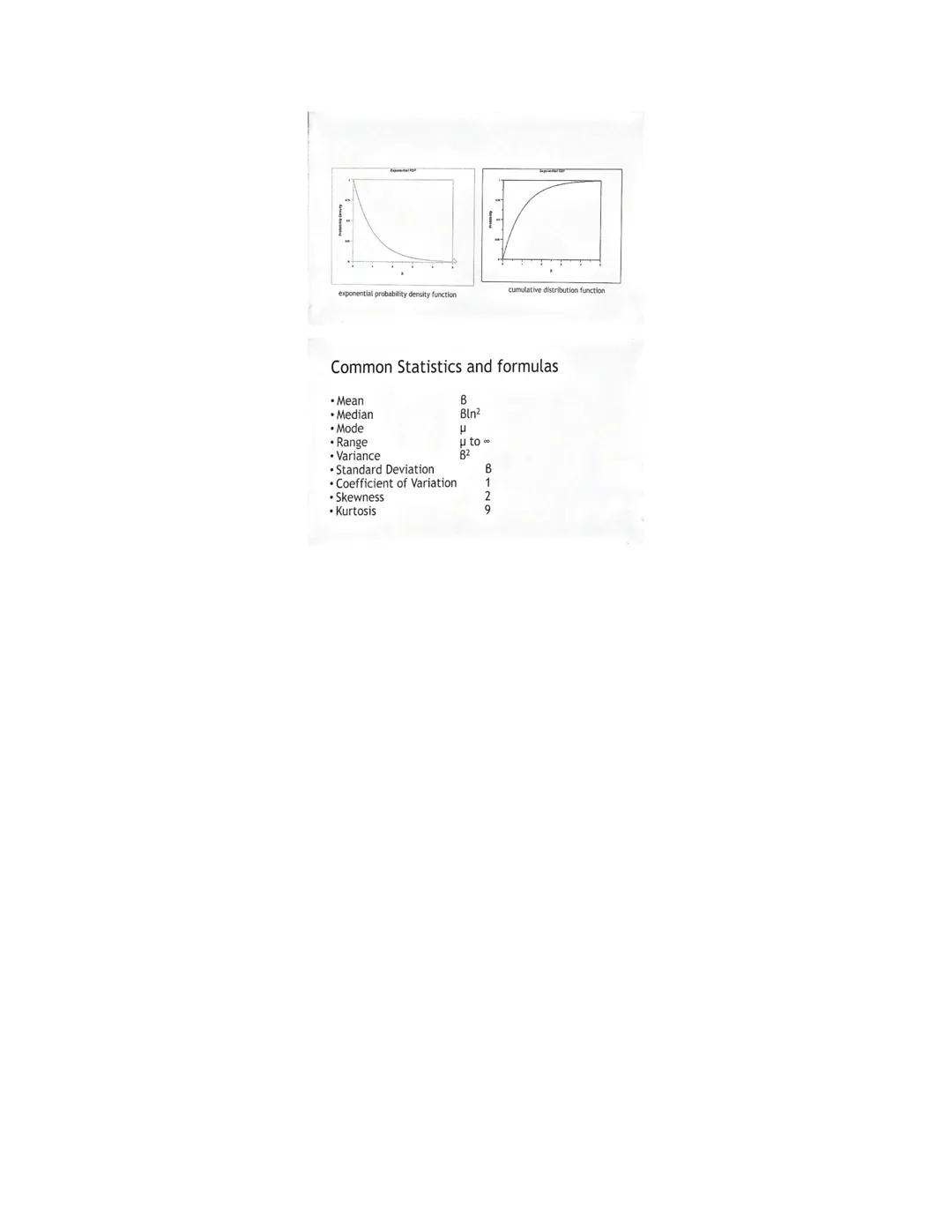
Exponential distributions also pop up in statistics, particularly when dealing with waiting times or reliability studies. The standard exponential distribution has the simple formula f(x) = e^−x, making it surprisingly manageable once you get the hang of it.
Reality Check: A 95% confidence interval doesn't mean there's a 95% chance the true value lies within your range - it means if you repeated this process 100 times, about 95 of your intervals would contain the true value.