
Welcome to your Science 2 overview! This guide covers essential... Show more
 Earth and Space Science
 Algebra
Sign up to see the contentIt's free!
Access to all documents
Improve your grades
Join milions of students
By signing up you accept Terms of Service and Privacy Policy
Subjects
Triangle Congruence and Similarity Theorems
Triangle Properties and Classification
Linear Equations and Graphs
Geometric Angle Relationships
Trigonometric Functions and Identities
Equation Solving Techniques
Circle Geometry Fundamentals
Division Operations and Methods
Basic Differentiation Rules
Exponent and Logarithm Properties
Show all topics
Human Organ Systems
Reproductive Cell Cycles
Biological Sciences Subdisciplines
Cellular Energy Metabolism
Autotrophic Energy Processes
Inheritance Patterns and Principles
Biomolecular Structure and Organization
Cell Cycle and Division Mechanics
Cellular Organization and Development
Biological Structural Organization
Show all topics
Chemical Sciences and Applications
Atomic Structure and Composition
Molecular Electron Structure Representation
Atomic Electron Behavior
Matter Properties and Water
Mole Concept and Calculations
Gas Laws and Behavior
Periodic Table Organization
Chemical Thermodynamics Fundamentals
Chemical Bond Types and Properties
Show all topics
European Renaissance and Enlightenment
European Cultural Movements 800-1920
American Revolution Era 1763-1797
American Civil War 1861-1865
Global Imperial Systems
Mongol and Chinese Dynasties
U.S. Presidents and World Leaders
Historical Sources and Documentation
World Wars Era and Impact
World Religious Systems
Show all topics
Classic and Contemporary Novels
Literary Character Analysis
Rhetorical Theory and Practice
Classic Literary Narratives
Reading Analysis and Interpretation
Narrative Structure and Techniques
English Language Components
Influential English-Language Authors
Basic Sentence Structure
Narrative Voice and Perspective
Show all topics
122
•
Jan 11, 2026
•

Jasy Rodriguez
@jasyrodriguez_fpij
Welcome to your Science 2 overview! This guide covers essential... Show more
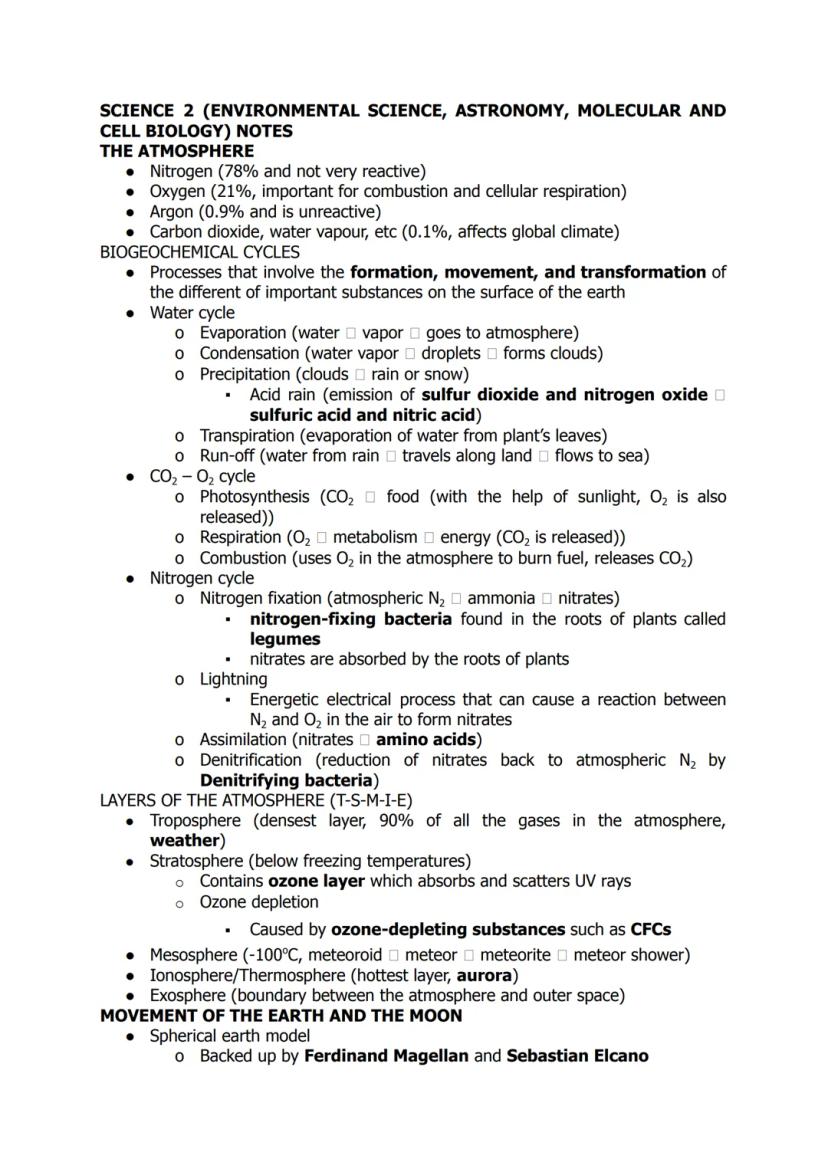
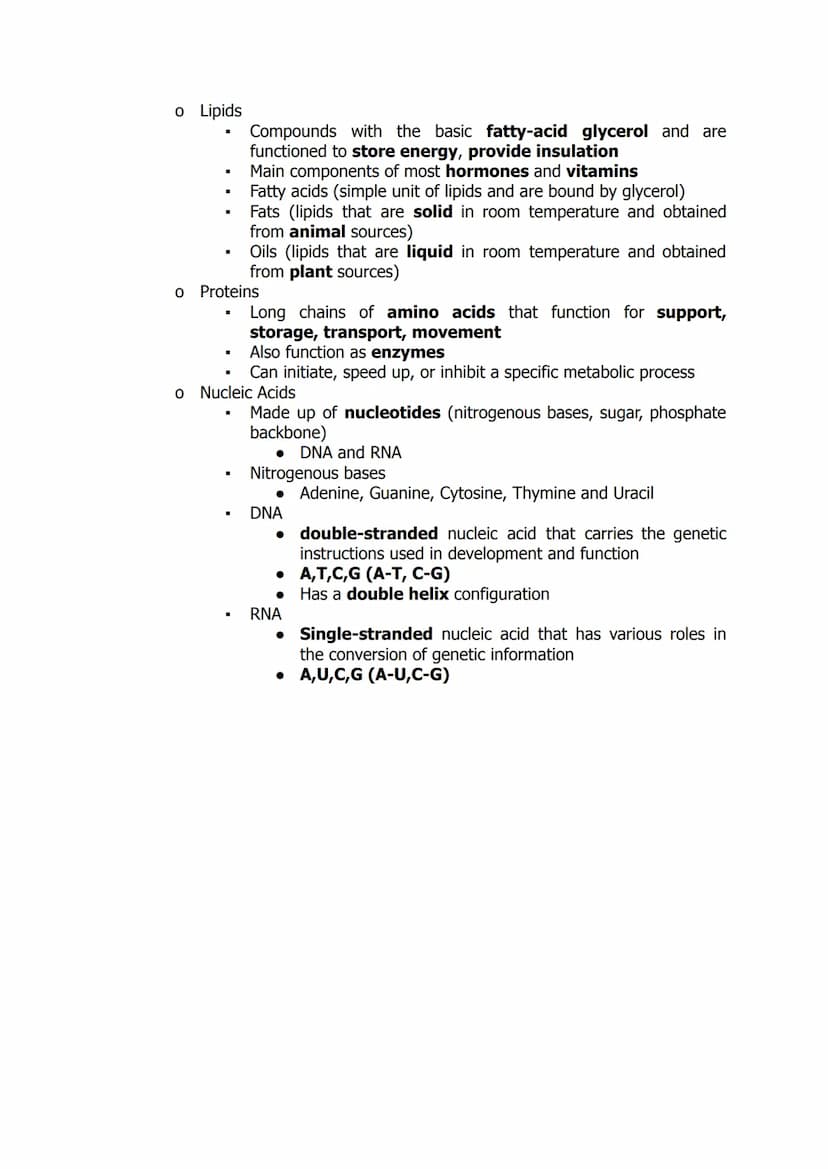
Our atmosphere is a protective blanket composed primarily of nitrogen (78%) and oxygen (21%), with smaller amounts of argon, carbon dioxide, and water vapor. Though carbon dioxide makes up only a tiny fraction, it significantly impacts our global climate.
Earth's materials move through biogeochemical cycles - natural recycling systems that transform important substances across the planet. The water cycle involves evaporation, condensation, precipitation, and runoff. When pollutants like sulfur dioxide mix with atmospheric moisture, acid rain forms, damaging ecosystems.
The carbon-oxygen cycle connects plant photosynthesis (which consumes CO₂ and produces O₂) with animal respiration (which uses O₂ and releases CO₂). The nitrogen cycle transforms atmospheric nitrogen into usable forms through processes like nitrogen fixation by bacteria in legume roots and denitrification.
Did you know? The atmosphere has five distinct layers! The troposphere (where weather occurs), stratosphere (containing the ozone layer), mesosphere (where meteors burn up), thermosphere (where auroras form), and exosphere (the boundary to space).
Our understanding of Earth's shape and movement evolved from early models. While ancient scientists like Ptolemy proposed a geocentric universe, explorers like Magellan provided evidence for a spherical Earth, laying groundwork for later revolutionary models.
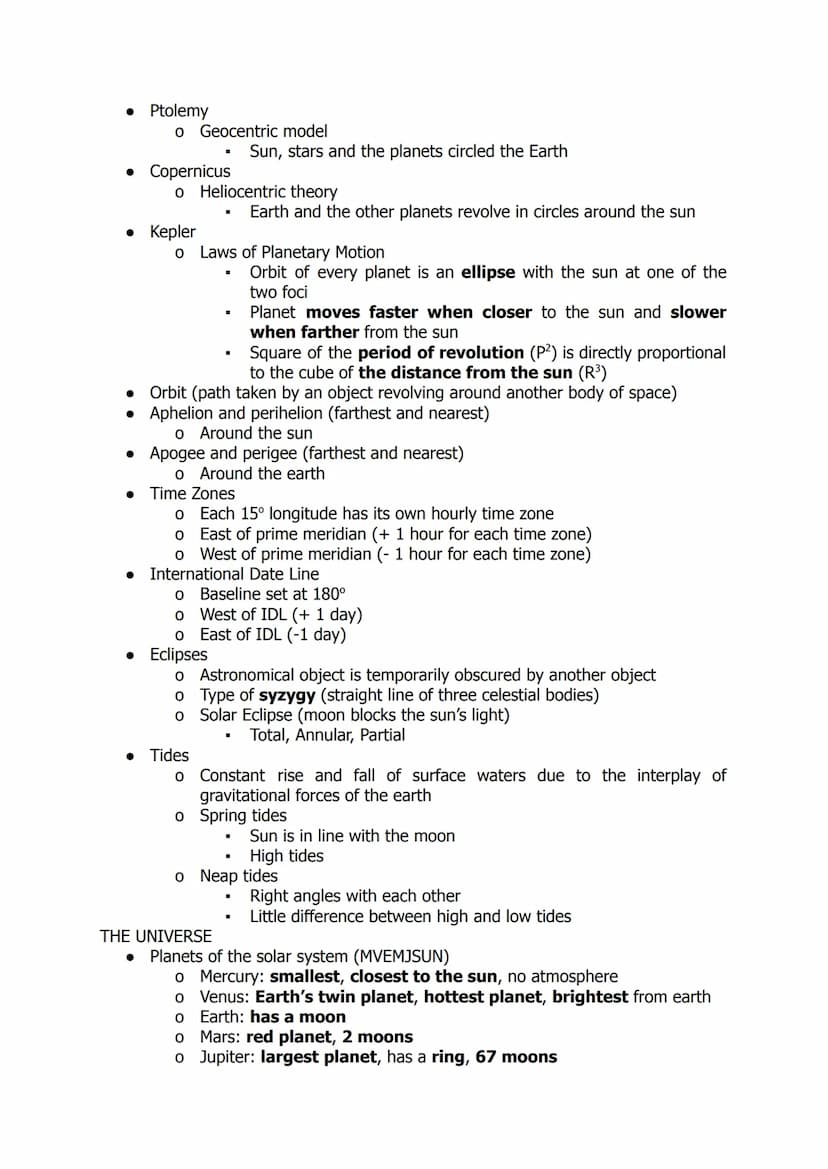
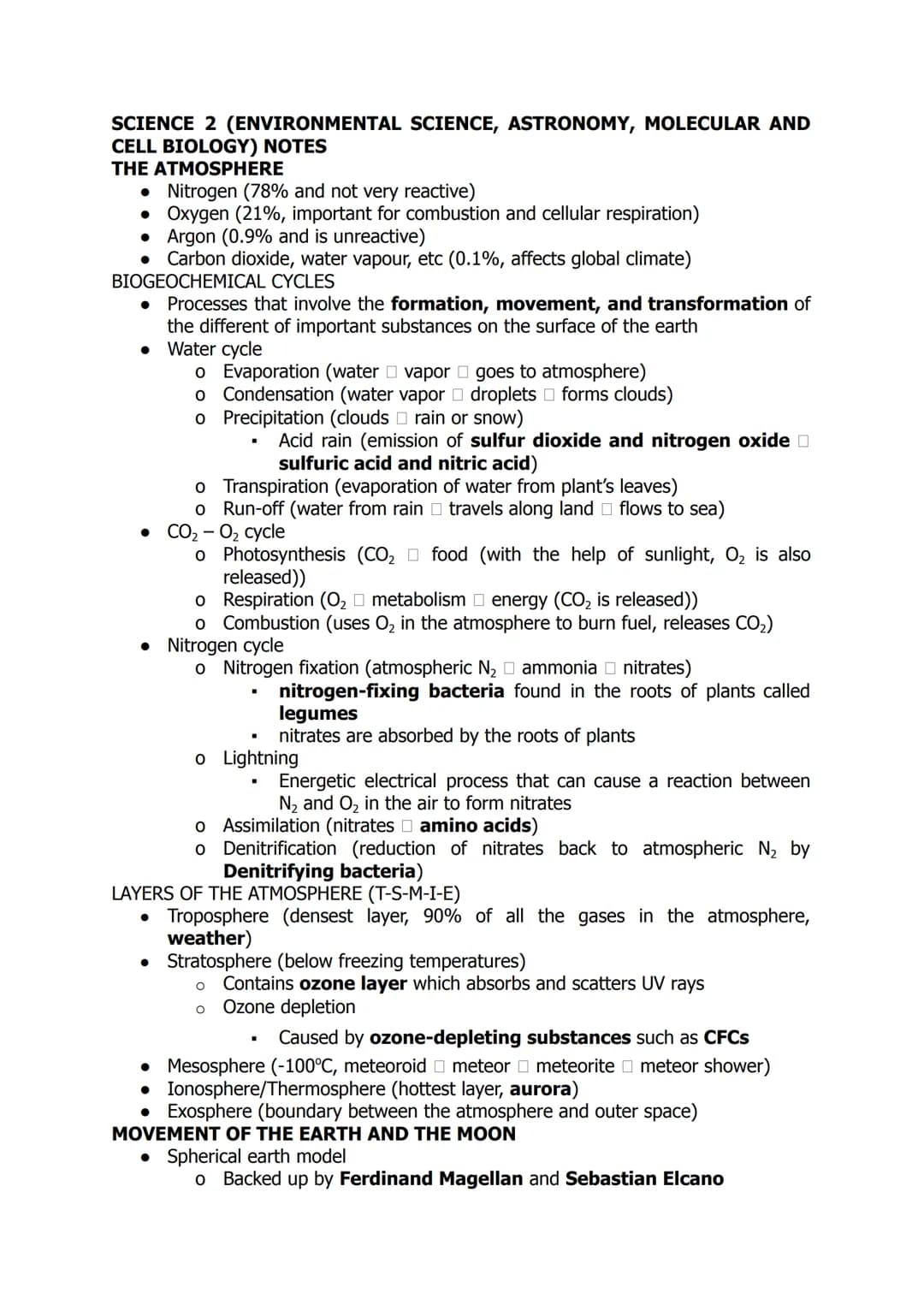
Our understanding of planetary movement transformed dramatically over centuries. Ptolemy's geocentric model (with Earth at the center) was replaced by Copernicus's revolutionary heliocentric theory, which correctly placed the Sun at the center of our solar system.
Johannes Kepler refined our understanding with his three laws of planetary motion. He discovered planets move in elliptical orbits (not perfect circles), travel faster when closer to the Sun, and have a mathematical relationship between their orbital period and distance from the Sun. This relationship is expressed as P²∝R³ (the square of the period is proportional to the cube of the distance).
The Earth's rotation and orbit create our time systems. The globe is divided into time zones every 15° of longitude, with times increasing as you move east of the Prime Meridian and decreasing as you move west. The International Date Line at 180° longitude marks where the calendar date changes.
Remember this! When celestial bodies align perfectly, we get spectacular events like eclipses. A solar eclipse occurs when the Moon blocks sunlight, creating total, annular, or partial darkening of the Sun.
The gravitational interactions between Earth, Moon, and Sun cause our ocean tides. When the Sun and Moon align, their combined gravitational pull creates dramatic spring tides with extreme highs and lows. When they form a right angle to Earth, we experience more moderate neap tides.
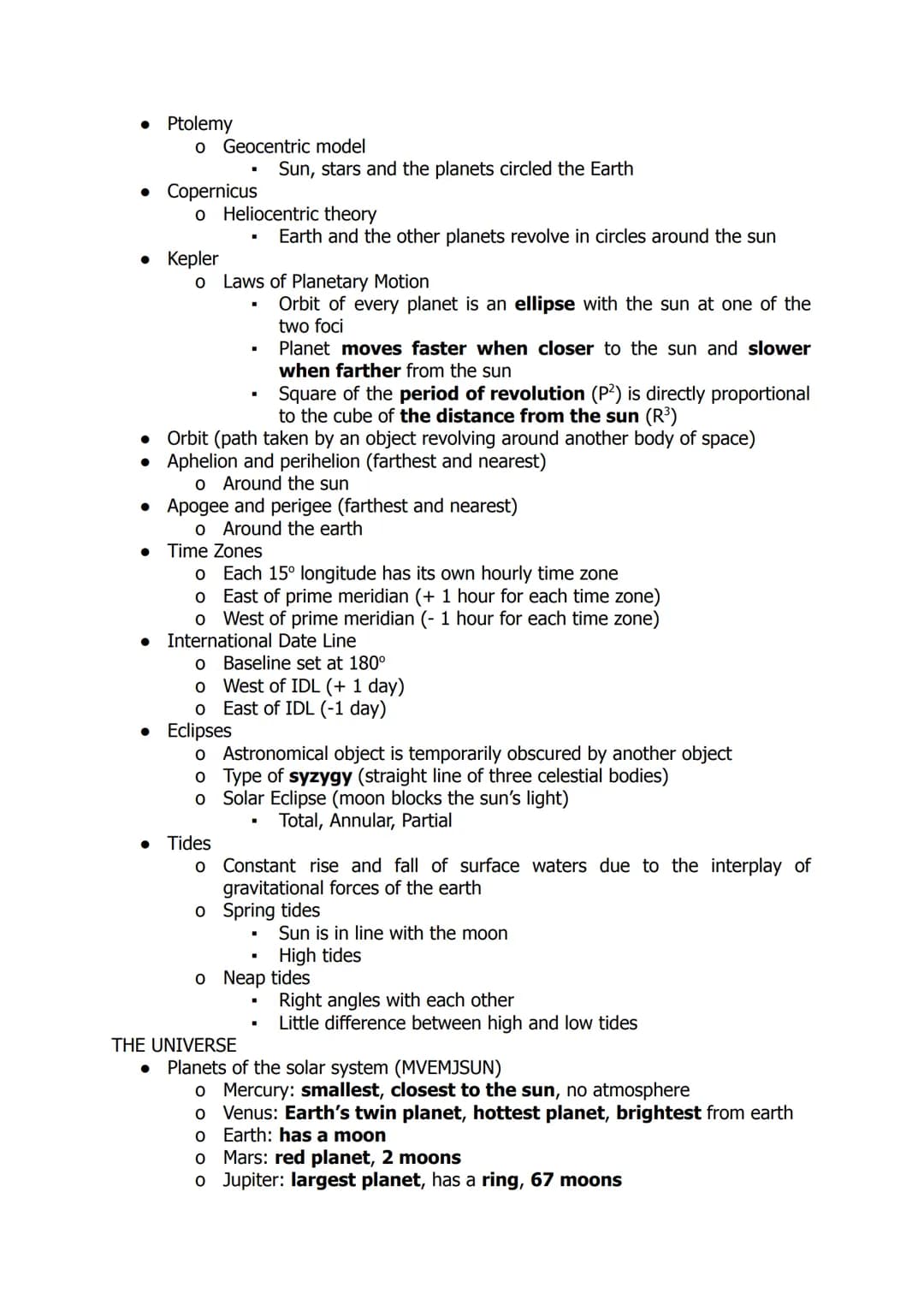
Our solar system contains eight planets in order from the Sun: Mercury, Venus, Earth, Mars, Jupiter, Saturn, Uranus, and Neptune (remember MVEMJSUN). Each planet has unique characteristics - Mercury lacks atmosphere, Venus is our scorching twin, Mars appears red, Jupiter is the largest with 67 moons, Saturn has the most spectacular rings, while Uranus and Neptune are distant ice giants.
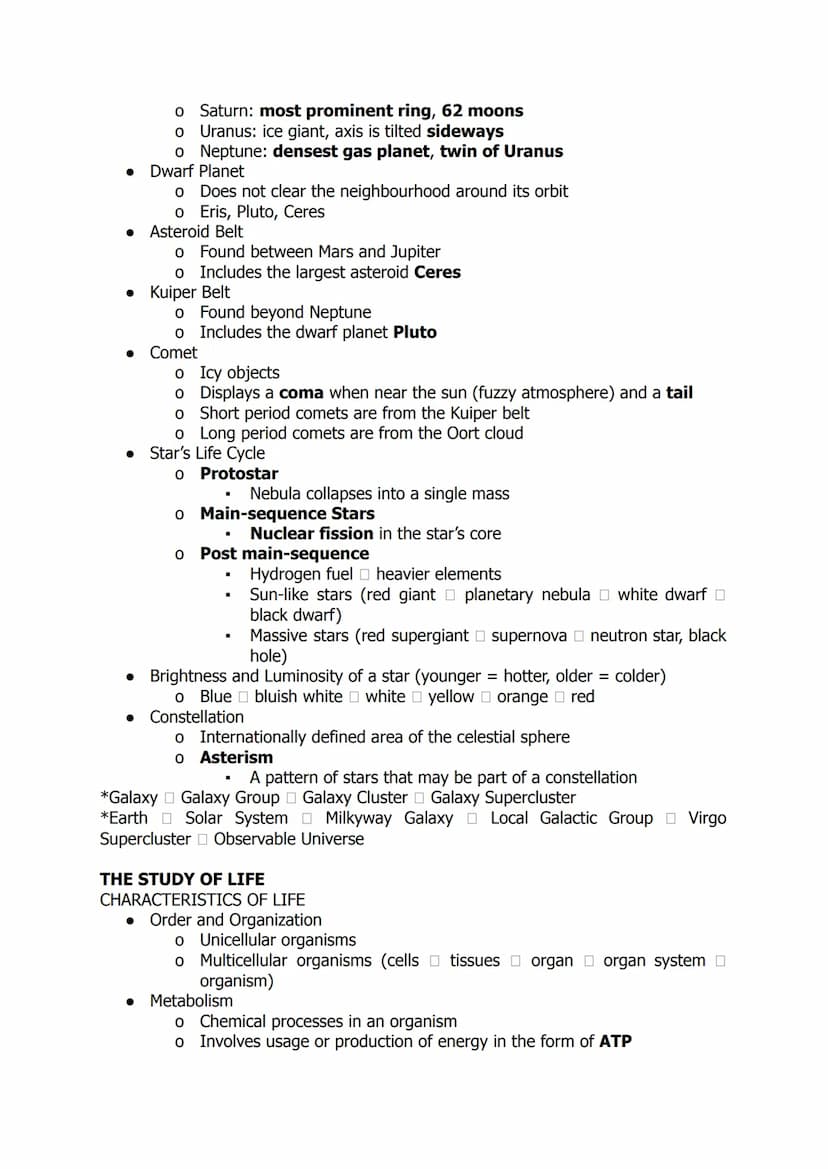
Beyond the major planets exist dwarf planets like Pluto, Eris, and Ceres, which don't clear debris from their orbital paths. The asteroid belt between Mars and Jupiter and the Kuiper Belt beyond Neptune contain numerous smaller objects. Comets are icy bodies that develop glowing comas and tails when approaching the Sun's heat.
Stars follow a predictable life cycle based on their mass. Beginning as a collapsing cloud of gas (nebula) forming a protostar, stars spend most of their lives as main-sequence stars fusing hydrogen. Smaller stars like our Sun eventually become red giants and form planetary nebulae before ending as white dwarfs. Massive stars explode as supernovas, becoming either neutron stars or black holes.
Cosmic perspective: Our Earth is just one tiny part of an enormous cosmic hierarchy! We live on Earth, in the Solar System, within the Milky Way galaxy, which belongs to the Local Galactic Group, part of the Virgo Supercluster, all within our Observable Universe.
The stars' colors tell us their temperature and age - blue stars are the hottest and youngest, while red stars are cooler and older. When we look at patterns of stars, we see constellations (officially defined star regions) and asterisms (recognizable star patterns within constellations).
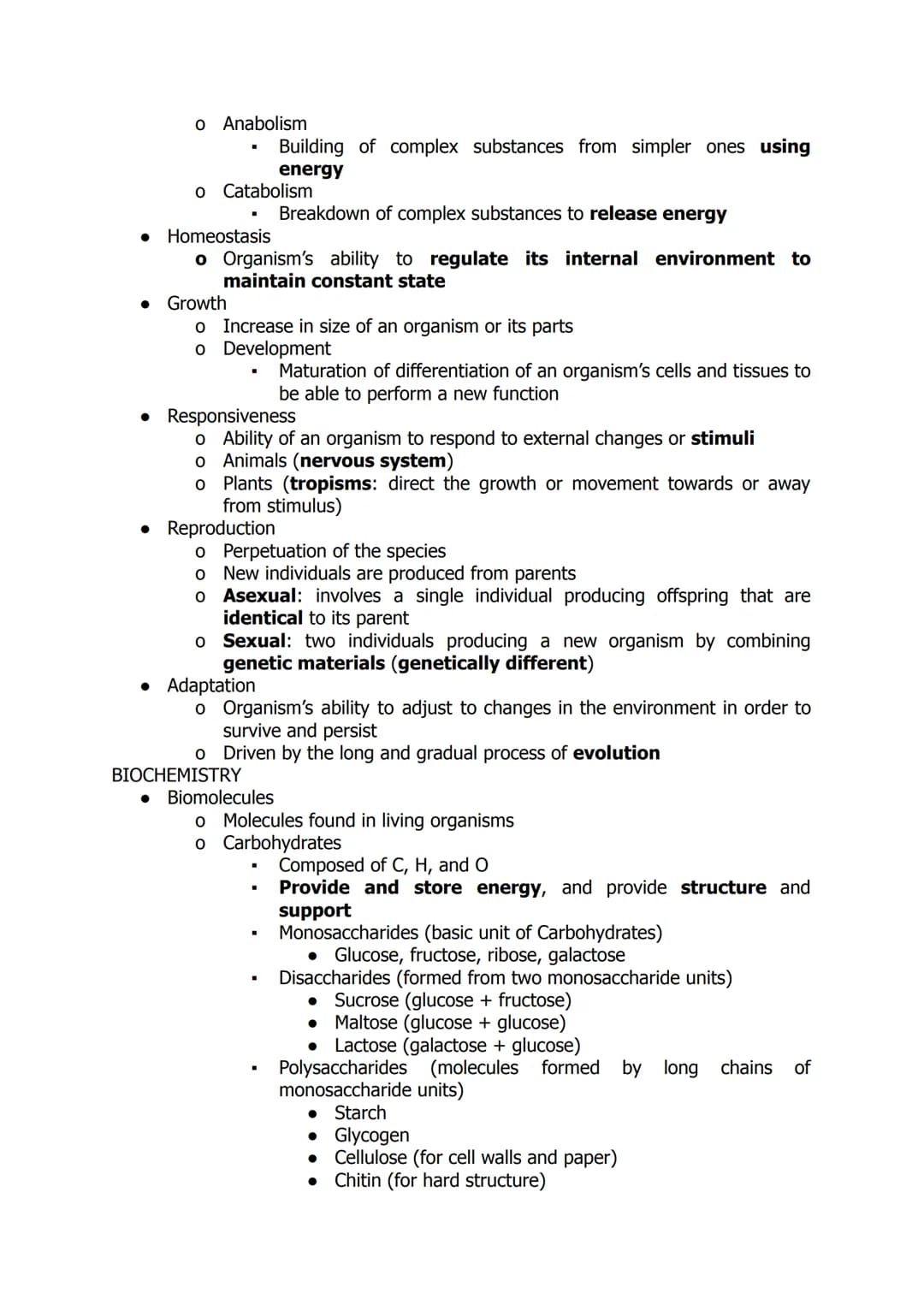
All living things share seven fundamental characteristics that distinguish them from non-living matter. Organization is evident in both single-celled organisms and the hierarchical structure of multicellular life (cells→tissues→organs→systems→organisms). Metabolism encompasses all chemical processes that maintain life, using energy in the form of ATP through both constructive (anabolic) and destructive (catabolic) reactions.
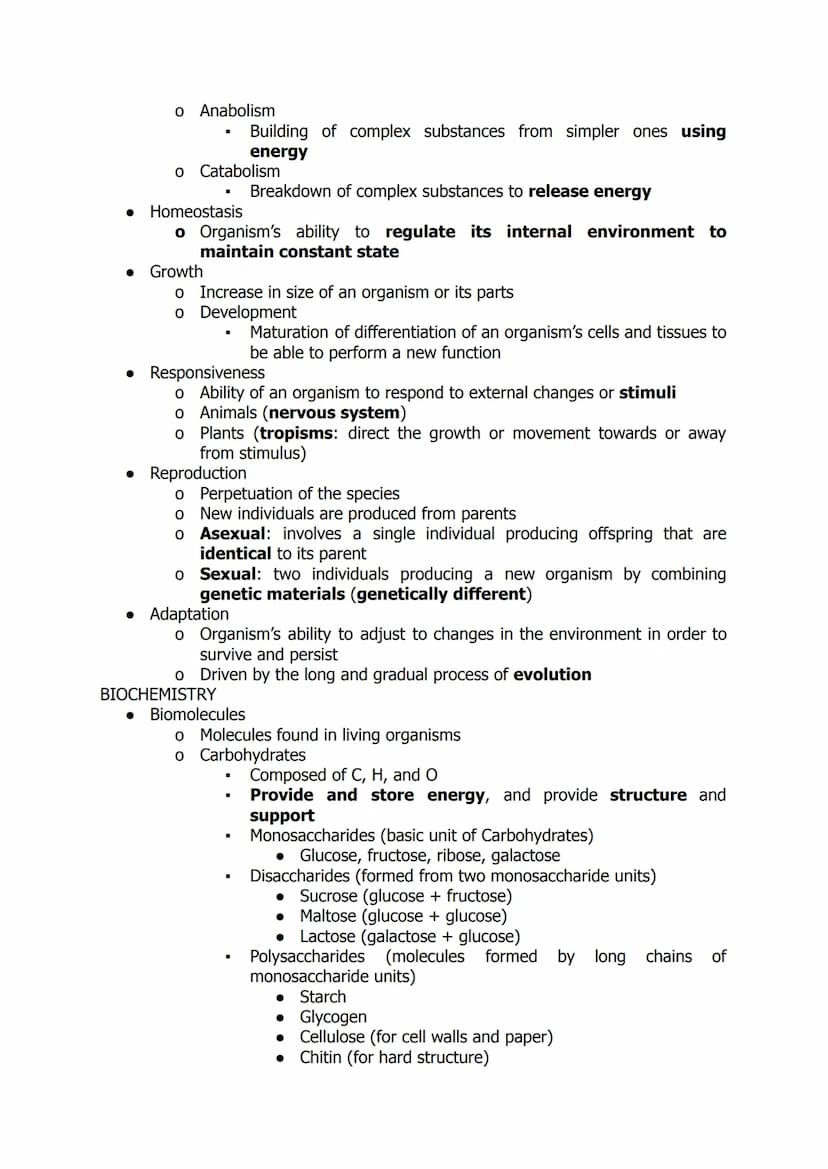
Living organisms maintain homeostasis by regulating their internal environment despite external changes. They exhibit growth (increase in size) and development (maturation of cells for new functions). All organisms show responsiveness to stimuli - animals through their nervous systems and plants through tropisms (directional growth responses).
Through reproduction, life perpetuates itself - either asexually (producing identical offspring from one parent) or sexually (combining genetic material from two parents). The ability to adapt to environmental changes through evolution ensures species survival over generations.
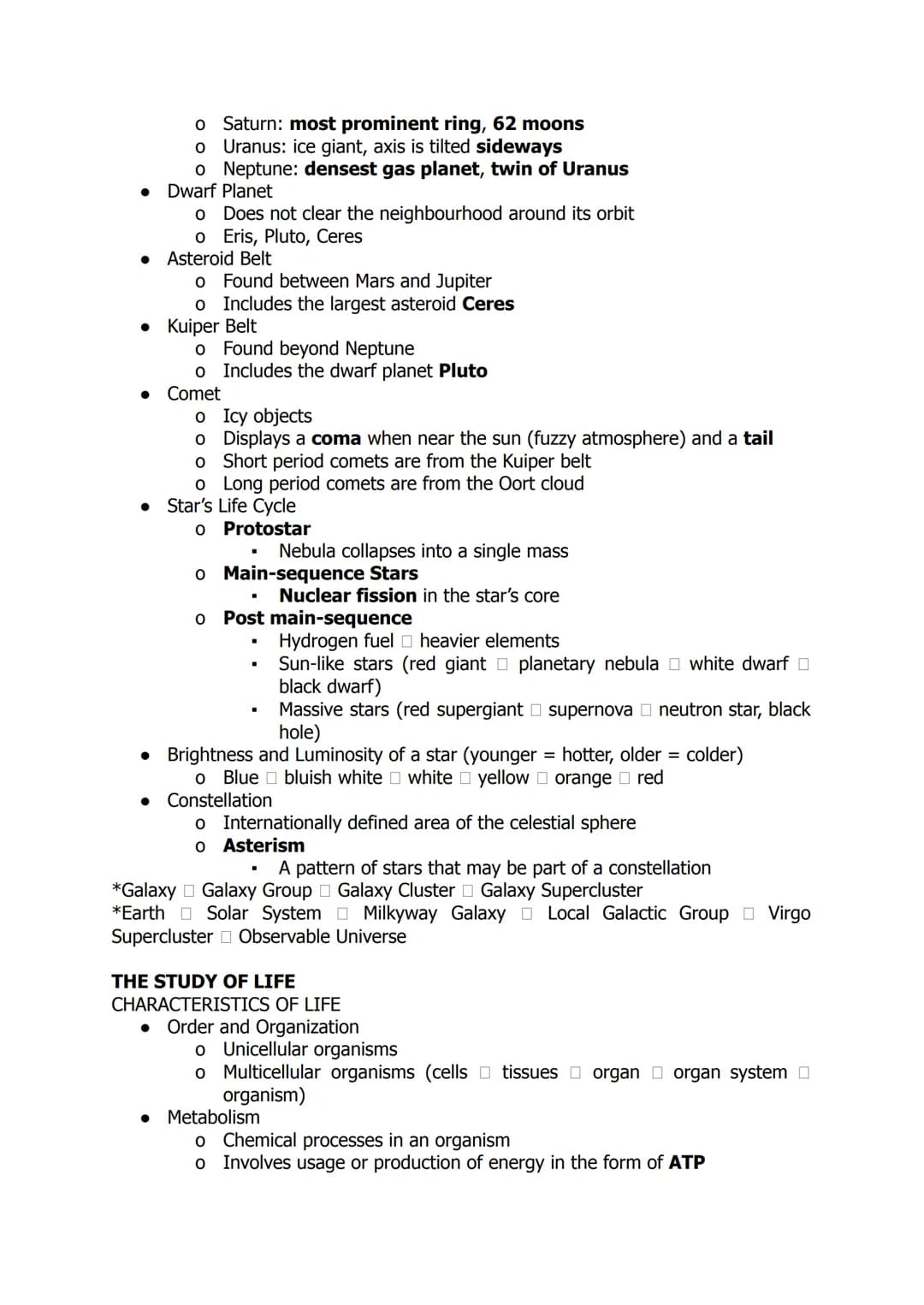
Biology insight: The molecules of life are incredibly versatile! Carbohydrates provide energy and structure, lipids store energy and form membranes, proteins perform countless functions, and nucleic acids carry genetic information.
Biomolecules are the chemical building blocks of life. Carbohydrates (made of carbon, hydrogen, and oxygen) provide energy and structure, ranging from simple sugars (monosaccharides like glucose) to complex polysaccharides like starch, glycogen, and cellulose. These molecules form the basis for energy storage in plants and animals, and provide structural components like cell walls.
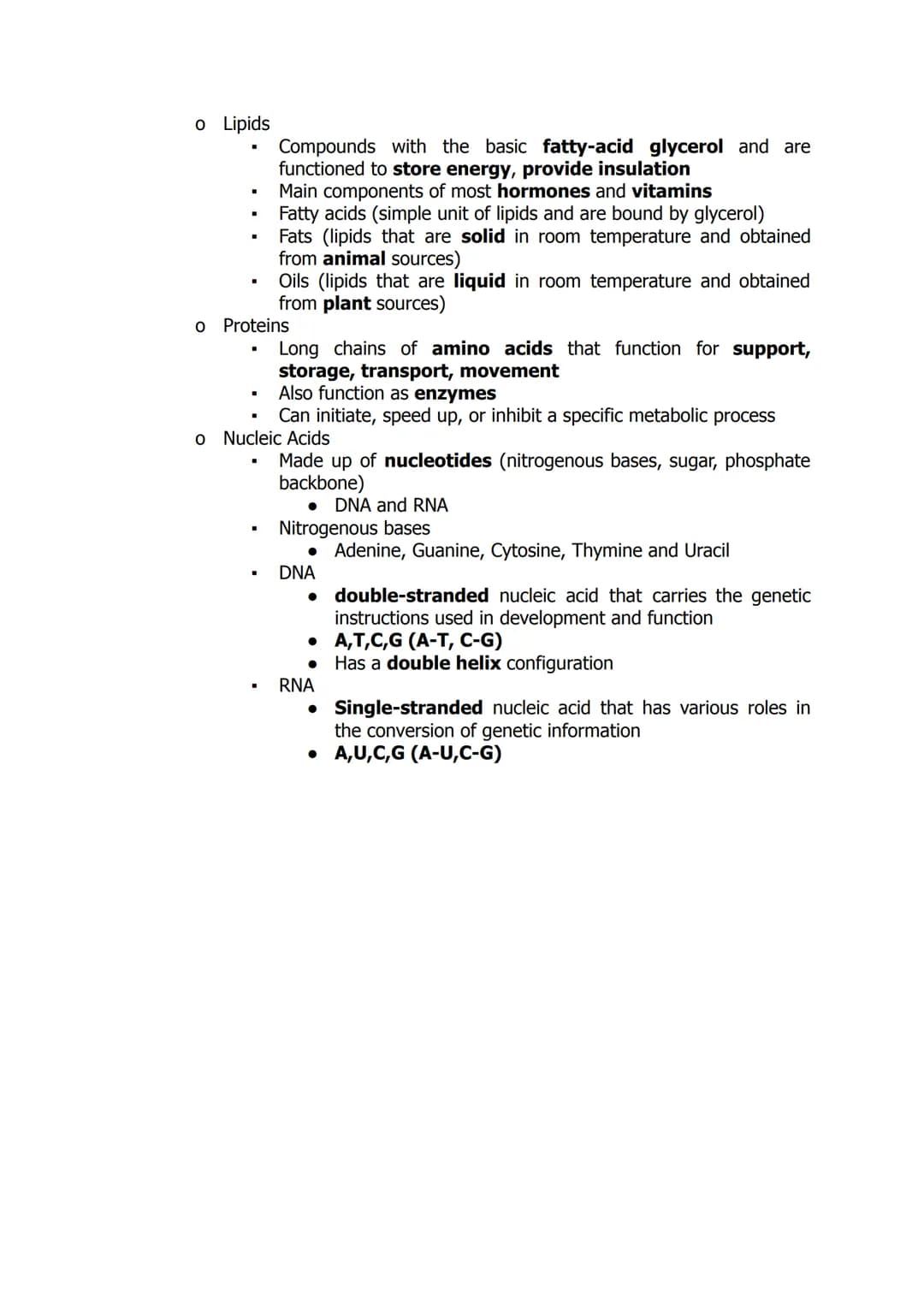
Lipids are water-insoluble molecules that include fats, oils, and waxes. These energy-dense compounds not only store energy efficiently but also form cell membranes and serve as the foundation for many hormones and vitamins. Lipids contain fatty acids bound to glycerol, with animal-sourced fats solid at room temperature and plant-derived oils remaining liquid.
Proteins are the workhorses of cells, formed from chains of amino acids folded into complex three-dimensional structures. Their diverse functions include providing structural support, storing and transporting molecules, enabling movement, and serving as enzymes that regulate biochemical reactions. Enzymes can initiate, accelerate, or inhibit specific metabolic processes that would otherwise occur too slowly to sustain life.
Nucleic acids - DNA and RNA - store and transmit genetic information. Both are composed of nucleotides (containing a nitrogenous base, sugar, and phosphate group), but they differ in important ways. DNA forms a double helix with complementary base pairing between adenine-thymine and cytosine-guanine, carrying the genetic instructions for development and function. RNA is typically single-stranded, uses uracil instead of thymine, and plays various roles in converting genetic information into functional proteins.
Think about it: Your body contains approximately 100 trillion cells, each containing DNA that, if stretched out, would reach about 6 feet long! All your genetic information is stored in these microscopic structures through the elegant coding system of nucleic acids.
The precise structure of these biomolecules determines their function. For example, even a single change in the sequence of DNA nucleotides can alter the resulting protein, potentially causing significant effects in the organism's development or function.
Our AI companion is specifically built for the needs of students. Based on the millions of content pieces we have on the platform we can provide truly meaningful and relevant answers to students. But its not only about answers, the companion is even more about guiding students through their daily learning challenges, with personalised study plans, quizzes or content pieces in the chat and 100% personalisation based on the students skills and developments.
You can download the app in the Google Play Store and in the Apple App Store.
That's right! Enjoy free access to study content, connect with fellow students, and get instant help – all at your fingertips.
App Store
Google Play
The app is very easy to use and well designed. I have found everything I was looking for so far and have been able to learn a lot from the presentations! I will definitely use the app for a class assignment! And of course it also helps a lot as an inspiration.
Stefan S
iOS user
This app is really great. There are so many study notes and help [...]. My problem subject is French, for example, and the app has so many options for help. Thanks to this app, I have improved my French. I would recommend it to anyone.
Samantha Klich
Android user
Wow, I am really amazed. I just tried the app because I've seen it advertised many times and was absolutely stunned. This app is THE HELP you want for school and above all, it offers so many things, such as workouts and fact sheets, which have been VERY helpful to me personally.
Anna
iOS user
I think it’s very much worth it and you’ll end up using it a lot once you get the hang of it and even after looking at others notes you can still ask your Artificial intelligence buddy the question and ask to simplify it if you still don’t get it!!! In the end I think it’s worth it 😊👍 ⚠️Also DID I MENTION ITS FREEE YOU DON’T HAVE TO PAY FOR ANYTHING AND STILL GET YOUR GRADES IN PERFECTLY❗️❗️⚠️
Thomas R
iOS user
Knowunity is the BEST app I’ve used in a minute. This is not an ai review or anything this is genuinely coming from a 7th grade student (I know 2011 im young) but dude this app is a 10/10 i have maintained a 3.8 gpa and have plenty of time for gaming. I love it and my mom is just happy I got good grades
Brad T
Android user
Not only did it help me find the answer but it also showed me alternative ways to solve it. I was horrible in math and science but now I have an a in both subjects. Thanks for the help🤍🤍
David K
iOS user
The app's just great! All I have to do is enter the topic in the search bar and I get the response real fast. I don't have to watch 10 YouTube videos to understand something, so I'm saving my time. Highly recommended!
Sudenaz Ocak
Android user
In school I was really bad at maths but thanks to the app, I am doing better now. I am so grateful that you made the app.
Greenlight Bonnie
Android user
I found this app a couple years ago and it has only gotten better since then. I really love it because it can help with written questions and photo questions. Also, it can find study guides that other people have made as well as flashcard sets and practice tests. The free version is also amazing for students who might not be able to afford it. Would 100% recommend
Aubrey
iOS user
Best app if you're in Highschool or Junior high. I have been using this app for 2 school years and it's the best, it's good if you don't have anyone to help you with school work.😋🩷🎀
Marco B
iOS user
homepage/newPositiveReviewText6
Elisha
iOS user
This app is phenomenal down to the correct info and the various topics you can study! I greatly recommend it for people who struggle with procrastination and those who need homework help. It has been perfectly accurate for world 1 history as far as I’ve seen! Geometry too!
Paul T
iOS user
The app is very easy to use and well designed. I have found everything I was looking for so far and have been able to learn a lot from the presentations! I will definitely use the app for a class assignment! And of course it also helps a lot as an inspiration.
Stefan S
iOS user
This app is really great. There are so many study notes and help [...]. My problem subject is French, for example, and the app has so many options for help. Thanks to this app, I have improved my French. I would recommend it to anyone.
Samantha Klich
Android user
Wow, I am really amazed. I just tried the app because I've seen it advertised many times and was absolutely stunned. This app is THE HELP you want for school and above all, it offers so many things, such as workouts and fact sheets, which have been VERY helpful to me personally.
Anna
iOS user
I think it’s very much worth it and you’ll end up using it a lot once you get the hang of it and even after looking at others notes you can still ask your Artificial intelligence buddy the question and ask to simplify it if you still don’t get it!!! In the end I think it’s worth it 😊👍 ⚠️Also DID I MENTION ITS FREEE YOU DON’T HAVE TO PAY FOR ANYTHING AND STILL GET YOUR GRADES IN PERFECTLY❗️❗️⚠️
Thomas R
iOS user
Knowunity is the BEST app I’ve used in a minute. This is not an ai review or anything this is genuinely coming from a 7th grade student (I know 2011 im young) but dude this app is a 10/10 i have maintained a 3.8 gpa and have plenty of time for gaming. I love it and my mom is just happy I got good grades
Brad T
Android user
Not only did it help me find the answer but it also showed me alternative ways to solve it. I was horrible in math and science but now I have an a in both subjects. Thanks for the help🤍🤍
David K
iOS user
The app's just great! All I have to do is enter the topic in the search bar and I get the response real fast. I don't have to watch 10 YouTube videos to understand something, so I'm saving my time. Highly recommended!
Sudenaz Ocak
Android user
In school I was really bad at maths but thanks to the app, I am doing better now. I am so grateful that you made the app.
Greenlight Bonnie
Android user
I found this app a couple years ago and it has only gotten better since then. I really love it because it can help with written questions and photo questions. Also, it can find study guides that other people have made as well as flashcard sets and practice tests. The free version is also amazing for students who might not be able to afford it. Would 100% recommend
Aubrey
iOS user
Best app if you're in Highschool or Junior high. I have been using this app for 2 school years and it's the best, it's good if you don't have anyone to help you with school work.😋🩷🎀
Marco B
iOS user
homepage/newPositiveReviewText6
Elisha
iOS user
This app is phenomenal down to the correct info and the various topics you can study! I greatly recommend it for people who struggle with procrastination and those who need homework help. It has been perfectly accurate for world 1 history as far as I’ve seen! Geometry too!
Paul T
iOS user
Jasy Rodriguez
@jasyrodriguez_fpij
Welcome to your Science 2 overview! This guide covers essential concepts in environmental science, astronomy, and biology. Understanding these interconnected systems helps explain everything from our atmosphere to the vast universe and the microscopic building blocks of life.
Access to all documents
Improve your grades
Join milions of students
By signing up you accept Terms of Service and Privacy Policy
Our atmosphere is a protective blanket composed primarily of nitrogen (78%) and oxygen (21%), with smaller amounts of argon, carbon dioxide, and water vapor. Though carbon dioxide makes up only a tiny fraction, it significantly impacts our global climate.
Earth's materials move through biogeochemical cycles - natural recycling systems that transform important substances across the planet. The water cycle involves evaporation, condensation, precipitation, and runoff. When pollutants like sulfur dioxide mix with atmospheric moisture, acid rain forms, damaging ecosystems.
The carbon-oxygen cycle connects plant photosynthesis (which consumes CO₂ and produces O₂) with animal respiration (which uses O₂ and releases CO₂). The nitrogen cycle transforms atmospheric nitrogen into usable forms through processes like nitrogen fixation by bacteria in legume roots and denitrification.
Did you know? The atmosphere has five distinct layers! The troposphere (where weather occurs), stratosphere (containing the ozone layer), mesosphere (where meteors burn up), thermosphere (where auroras form), and exosphere (the boundary to space).
Our understanding of Earth's shape and movement evolved from early models. While ancient scientists like Ptolemy proposed a geocentric universe, explorers like Magellan provided evidence for a spherical Earth, laying groundwork for later revolutionary models.
Access to all documents
Improve your grades
Join milions of students
By signing up you accept Terms of Service and Privacy Policy
Our understanding of planetary movement transformed dramatically over centuries. Ptolemy's geocentric model (with Earth at the center) was replaced by Copernicus's revolutionary heliocentric theory, which correctly placed the Sun at the center of our solar system.
Johannes Kepler refined our understanding with his three laws of planetary motion. He discovered planets move in elliptical orbits (not perfect circles), travel faster when closer to the Sun, and have a mathematical relationship between their orbital period and distance from the Sun. This relationship is expressed as P²∝R³ (the square of the period is proportional to the cube of the distance).
The Earth's rotation and orbit create our time systems. The globe is divided into time zones every 15° of longitude, with times increasing as you move east of the Prime Meridian and decreasing as you move west. The International Date Line at 180° longitude marks where the calendar date changes.
Remember this! When celestial bodies align perfectly, we get spectacular events like eclipses. A solar eclipse occurs when the Moon blocks sunlight, creating total, annular, or partial darkening of the Sun.
The gravitational interactions between Earth, Moon, and Sun cause our ocean tides. When the Sun and Moon align, their combined gravitational pull creates dramatic spring tides with extreme highs and lows. When they form a right angle to Earth, we experience more moderate neap tides.
Access to all documents
Improve your grades
Join milions of students
By signing up you accept Terms of Service and Privacy Policy
Our solar system contains eight planets in order from the Sun: Mercury, Venus, Earth, Mars, Jupiter, Saturn, Uranus, and Neptune (remember MVEMJSUN). Each planet has unique characteristics - Mercury lacks atmosphere, Venus is our scorching twin, Mars appears red, Jupiter is the largest with 67 moons, Saturn has the most spectacular rings, while Uranus and Neptune are distant ice giants.
Beyond the major planets exist dwarf planets like Pluto, Eris, and Ceres, which don't clear debris from their orbital paths. The asteroid belt between Mars and Jupiter and the Kuiper Belt beyond Neptune contain numerous smaller objects. Comets are icy bodies that develop glowing comas and tails when approaching the Sun's heat.
Stars follow a predictable life cycle based on their mass. Beginning as a collapsing cloud of gas (nebula) forming a protostar, stars spend most of their lives as main-sequence stars fusing hydrogen. Smaller stars like our Sun eventually become red giants and form planetary nebulae before ending as white dwarfs. Massive stars explode as supernovas, becoming either neutron stars or black holes.
Cosmic perspective: Our Earth is just one tiny part of an enormous cosmic hierarchy! We live on Earth, in the Solar System, within the Milky Way galaxy, which belongs to the Local Galactic Group, part of the Virgo Supercluster, all within our Observable Universe.
The stars' colors tell us their temperature and age - blue stars are the hottest and youngest, while red stars are cooler and older. When we look at patterns of stars, we see constellations (officially defined star regions) and asterisms (recognizable star patterns within constellations).
Access to all documents
Improve your grades
Join milions of students
By signing up you accept Terms of Service and Privacy Policy
All living things share seven fundamental characteristics that distinguish them from non-living matter. Organization is evident in both single-celled organisms and the hierarchical structure of multicellular life (cells→tissues→organs→systems→organisms). Metabolism encompasses all chemical processes that maintain life, using energy in the form of ATP through both constructive (anabolic) and destructive (catabolic) reactions.
Living organisms maintain homeostasis by regulating their internal environment despite external changes. They exhibit growth (increase in size) and development (maturation of cells for new functions). All organisms show responsiveness to stimuli - animals through their nervous systems and plants through tropisms (directional growth responses).
Through reproduction, life perpetuates itself - either asexually (producing identical offspring from one parent) or sexually (combining genetic material from two parents). The ability to adapt to environmental changes through evolution ensures species survival over generations.
Biology insight: The molecules of life are incredibly versatile! Carbohydrates provide energy and structure, lipids store energy and form membranes, proteins perform countless functions, and nucleic acids carry genetic information.
Biomolecules are the chemical building blocks of life. Carbohydrates (made of carbon, hydrogen, and oxygen) provide energy and structure, ranging from simple sugars (monosaccharides like glucose) to complex polysaccharides like starch, glycogen, and cellulose. These molecules form the basis for energy storage in plants and animals, and provide structural components like cell walls.
Access to all documents
Improve your grades
Join milions of students
By signing up you accept Terms of Service and Privacy Policy
Lipids are water-insoluble molecules that include fats, oils, and waxes. These energy-dense compounds not only store energy efficiently but also form cell membranes and serve as the foundation for many hormones and vitamins. Lipids contain fatty acids bound to glycerol, with animal-sourced fats solid at room temperature and plant-derived oils remaining liquid.
Proteins are the workhorses of cells, formed from chains of amino acids folded into complex three-dimensional structures. Their diverse functions include providing structural support, storing and transporting molecules, enabling movement, and serving as enzymes that regulate biochemical reactions. Enzymes can initiate, accelerate, or inhibit specific metabolic processes that would otherwise occur too slowly to sustain life.
Nucleic acids - DNA and RNA - store and transmit genetic information. Both are composed of nucleotides (containing a nitrogenous base, sugar, and phosphate group), but they differ in important ways. DNA forms a double helix with complementary base pairing between adenine-thymine and cytosine-guanine, carrying the genetic instructions for development and function. RNA is typically single-stranded, uses uracil instead of thymine, and plays various roles in converting genetic information into functional proteins.
Think about it: Your body contains approximately 100 trillion cells, each containing DNA that, if stretched out, would reach about 6 feet long! All your genetic information is stored in these microscopic structures through the elegant coding system of nucleic acids.
The precise structure of these biomolecules determines their function. For example, even a single change in the sequence of DNA nucleotides can alter the resulting protein, potentially causing significant effects in the organism's development or function.
Our AI companion is specifically built for the needs of students. Based on the millions of content pieces we have on the platform we can provide truly meaningful and relevant answers to students. But its not only about answers, the companion is even more about guiding students through their daily learning challenges, with personalised study plans, quizzes or content pieces in the chat and 100% personalisation based on the students skills and developments.
You can download the app in the Google Play Store and in the Apple App Store.
That's right! Enjoy free access to study content, connect with fellow students, and get instant help – all at your fingertips.
1
Smart Tools NEW
Transform this note into: ✓ 50+ Practice Questions ✓ Interactive Flashcards ✓ Full Mock Exam ✓ Essay Outlines
* How Earth was Created * How Life Began on Earth
 Biology
Notes on cell cycle and transport in anatomy and physiology
BiologyThe different types of burns and how they affect the body. Also includes how to calculate the percentage of the body a burn affects on an adult
BiologyLearn about the main parts and processes of photosynthesis in chloroplasts, including light-dependent and light-independent reactions, pigment absorption, and ATP production.
BiologyProcess Mitosis including interphase, prophase, metaphase, anaphase, and telophas. Finalizing Mitoic Phase with Cytokinesis. Includes visuals of each phase and description.
BiologyThese notes contain important information for mitosis and meiosis.
BiologyApp Store
Google Play
The app is very easy to use and well designed. I have found everything I was looking for so far and have been able to learn a lot from the presentations! I will definitely use the app for a class assignment! And of course it also helps a lot as an inspiration.
Stefan S
iOS user
This app is really great. There are so many study notes and help [...]. My problem subject is French, for example, and the app has so many options for help. Thanks to this app, I have improved my French. I would recommend it to anyone.
Samantha Klich
Android user
Wow, I am really amazed. I just tried the app because I've seen it advertised many times and was absolutely stunned. This app is THE HELP you want for school and above all, it offers so many things, such as workouts and fact sheets, which have been VERY helpful to me personally.
Anna
iOS user
I think it’s very much worth it and you’ll end up using it a lot once you get the hang of it and even after looking at others notes you can still ask your Artificial intelligence buddy the question and ask to simplify it if you still don’t get it!!! In the end I think it’s worth it 😊👍 ⚠️Also DID I MENTION ITS FREEE YOU DON’T HAVE TO PAY FOR ANYTHING AND STILL GET YOUR GRADES IN PERFECTLY❗️❗️⚠️
Thomas R
iOS user
Knowunity is the BEST app I’ve used in a minute. This is not an ai review or anything this is genuinely coming from a 7th grade student (I know 2011 im young) but dude this app is a 10/10 i have maintained a 3.8 gpa and have plenty of time for gaming. I love it and my mom is just happy I got good grades
Brad T
Android user
Not only did it help me find the answer but it also showed me alternative ways to solve it. I was horrible in math and science but now I have an a in both subjects. Thanks for the help🤍🤍
David K
iOS user
The app's just great! All I have to do is enter the topic in the search bar and I get the response real fast. I don't have to watch 10 YouTube videos to understand something, so I'm saving my time. Highly recommended!
Sudenaz Ocak
Android user
In school I was really bad at maths but thanks to the app, I am doing better now. I am so grateful that you made the app.
Greenlight Bonnie
Android user
I found this app a couple years ago and it has only gotten better since then. I really love it because it can help with written questions and photo questions. Also, it can find study guides that other people have made as well as flashcard sets and practice tests. The free version is also amazing for students who might not be able to afford it. Would 100% recommend
Aubrey
iOS user
Best app if you're in Highschool or Junior high. I have been using this app for 2 school years and it's the best, it's good if you don't have anyone to help you with school work.😋🩷🎀
Marco B
iOS user
homepage/newPositiveReviewText6
Elisha
iOS user
This app is phenomenal down to the correct info and the various topics you can study! I greatly recommend it for people who struggle with procrastination and those who need homework help. It has been perfectly accurate for world 1 history as far as I’ve seen! Geometry too!
Paul T
iOS user
The app is very easy to use and well designed. I have found everything I was looking for so far and have been able to learn a lot from the presentations! I will definitely use the app for a class assignment! And of course it also helps a lot as an inspiration.
Stefan S
iOS user
This app is really great. There are so many study notes and help [...]. My problem subject is French, for example, and the app has so many options for help. Thanks to this app, I have improved my French. I would recommend it to anyone.
Samantha Klich
Android user
Wow, I am really amazed. I just tried the app because I've seen it advertised many times and was absolutely stunned. This app is THE HELP you want for school and above all, it offers so many things, such as workouts and fact sheets, which have been VERY helpful to me personally.
Anna
iOS user
I think it’s very much worth it and you’ll end up using it a lot once you get the hang of it and even after looking at others notes you can still ask your Artificial intelligence buddy the question and ask to simplify it if you still don’t get it!!! In the end I think it’s worth it 😊👍 ⚠️Also DID I MENTION ITS FREEE YOU DON’T HAVE TO PAY FOR ANYTHING AND STILL GET YOUR GRADES IN PERFECTLY❗️❗️⚠️
Thomas R
iOS user
Knowunity is the BEST app I’ve used in a minute. This is not an ai review or anything this is genuinely coming from a 7th grade student (I know 2011 im young) but dude this app is a 10/10 i have maintained a 3.8 gpa and have plenty of time for gaming. I love it and my mom is just happy I got good grades
Brad T
Android user
Not only did it help me find the answer but it also showed me alternative ways to solve it. I was horrible in math and science but now I have an a in both subjects. Thanks for the help🤍🤍
David K
iOS user
The app's just great! All I have to do is enter the topic in the search bar and I get the response real fast. I don't have to watch 10 YouTube videos to understand something, so I'm saving my time. Highly recommended!
Sudenaz Ocak
Android user
In school I was really bad at maths but thanks to the app, I am doing better now. I am so grateful that you made the app.
Greenlight Bonnie
Android user
I found this app a couple years ago and it has only gotten better since then. I really love it because it can help with written questions and photo questions. Also, it can find study guides that other people have made as well as flashcard sets and practice tests. The free version is also amazing for students who might not be able to afford it. Would 100% recommend
Aubrey
iOS user
Best app if you're in Highschool or Junior high. I have been using this app for 2 school years and it's the best, it's good if you don't have anyone to help you with school work.😋🩷🎀
Marco B
iOS user
homepage/newPositiveReviewText6
Elisha
iOS user
This app is phenomenal down to the correct info and the various topics you can study! I greatly recommend it for people who struggle with procrastination and those who need homework help. It has been perfectly accurate for world 1 history as far as I’ve seen! Geometry too!
Paul T
iOS user