Barometric Pressure and Weather Fronts
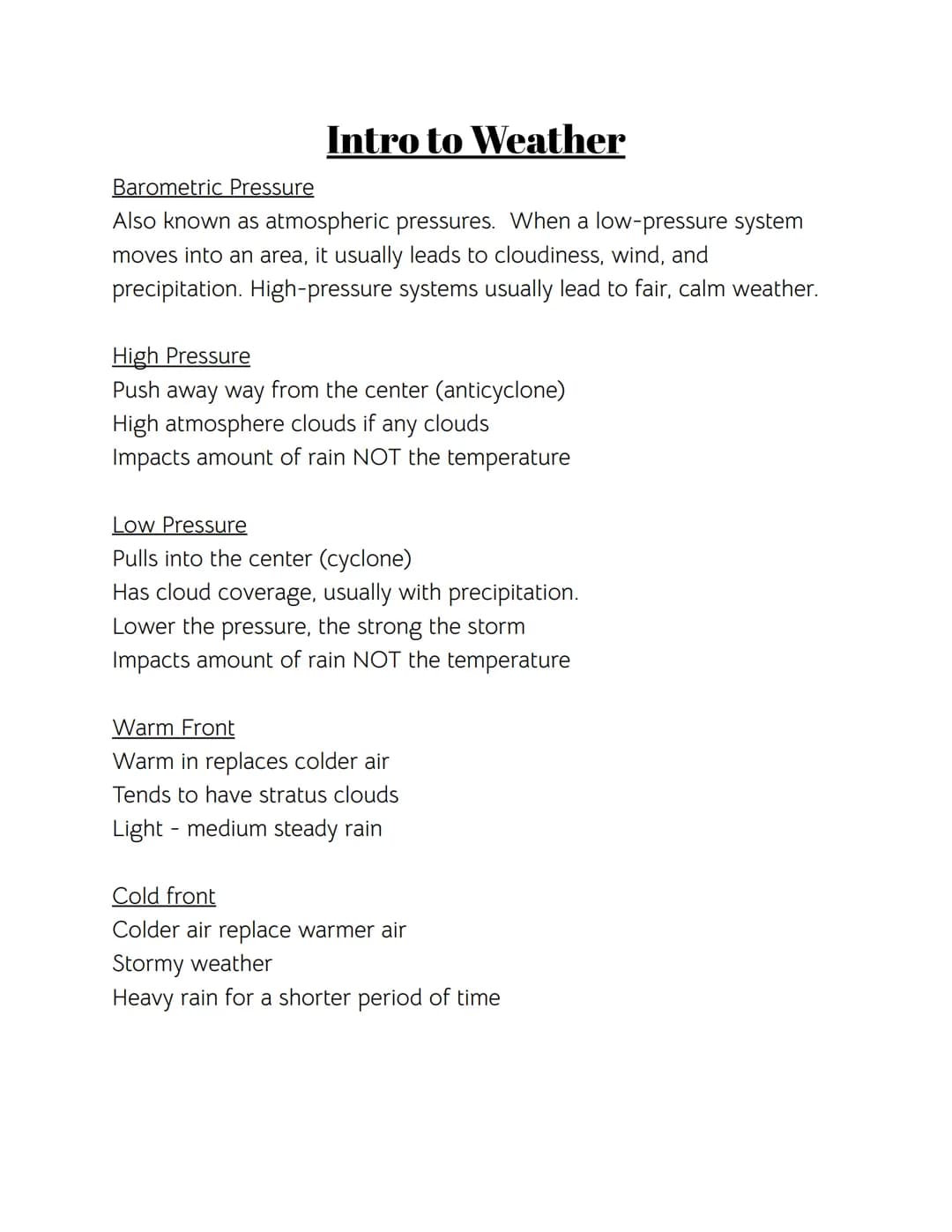
Barometric pressure (or atmospheric pressure) is a key driver of weather conditions. When a low-pressure system moves into an area, it typically brings cloudiness, wind, and precipitation. These systems pull air toward their center, creating what meteorologists call a cyclone. The lower the pressure, the stronger the storm will be.
In contrast, high-pressure systems usually deliver fair, calm weather with few clouds. These systems push air away from their center (an anticyclone pattern) and typically feature high atmosphere clouds, if any clouds at all. Remember that pressure systems primarily affect precipitation amounts, not temperature.
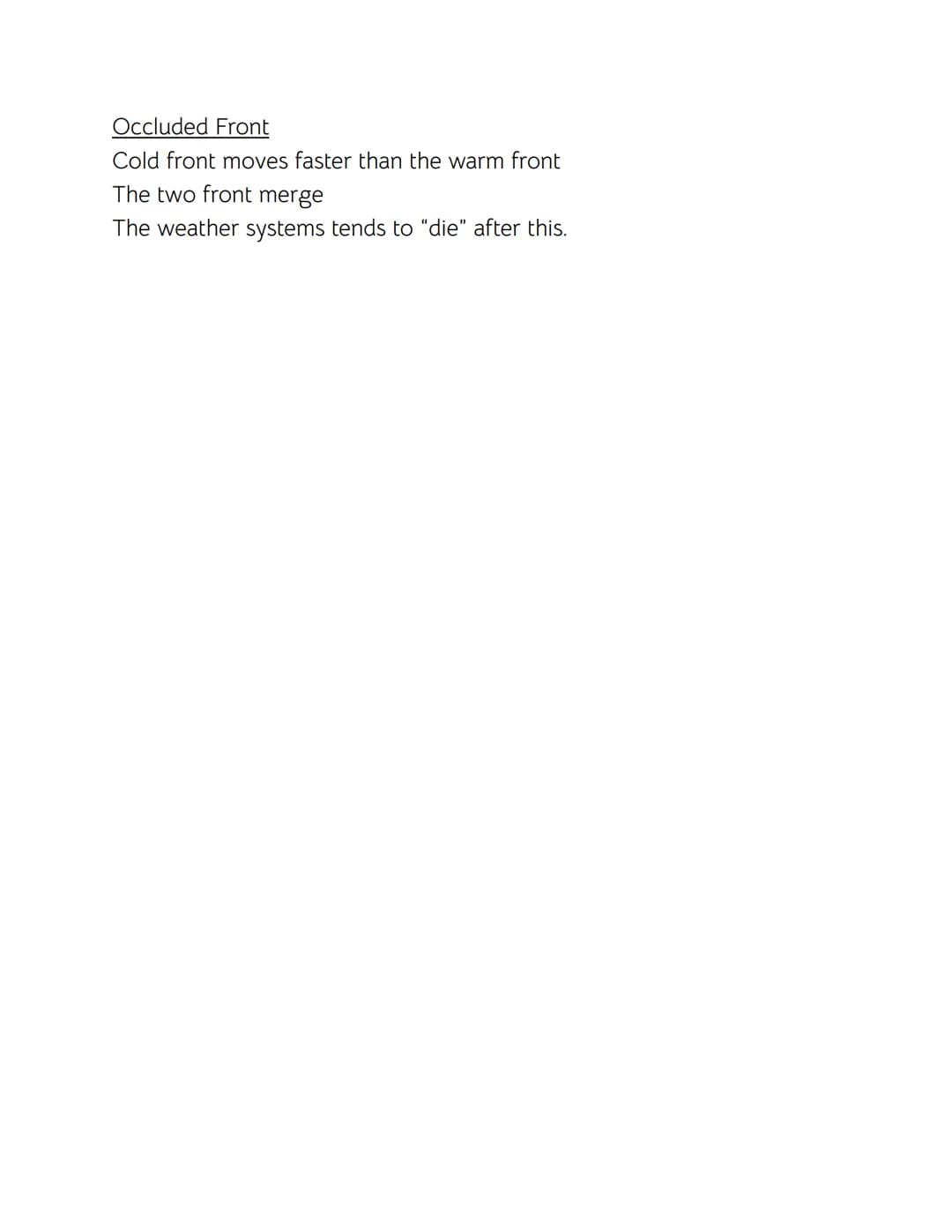
Weather fronts occur where different air masses meet. A warm front happens when warm air replaces colder air, bringing stratus clouds and light to medium steady rainfall. Cold fronts, where colder air pushes out warmer air, create more dramatic weather with heavy rain that falls for shorter periods.
Weather Wisdom: Think of low-pressure systems as giant vacuum cleaners, pulling air inward and upward, which causes moisture to condense into clouds and precipitation. High-pressure systems act more like gentle fans, pushing air outward and allowing it to sink, which typically keeps skies clear.