Digestive Enzymes: Your Body's Food Processors
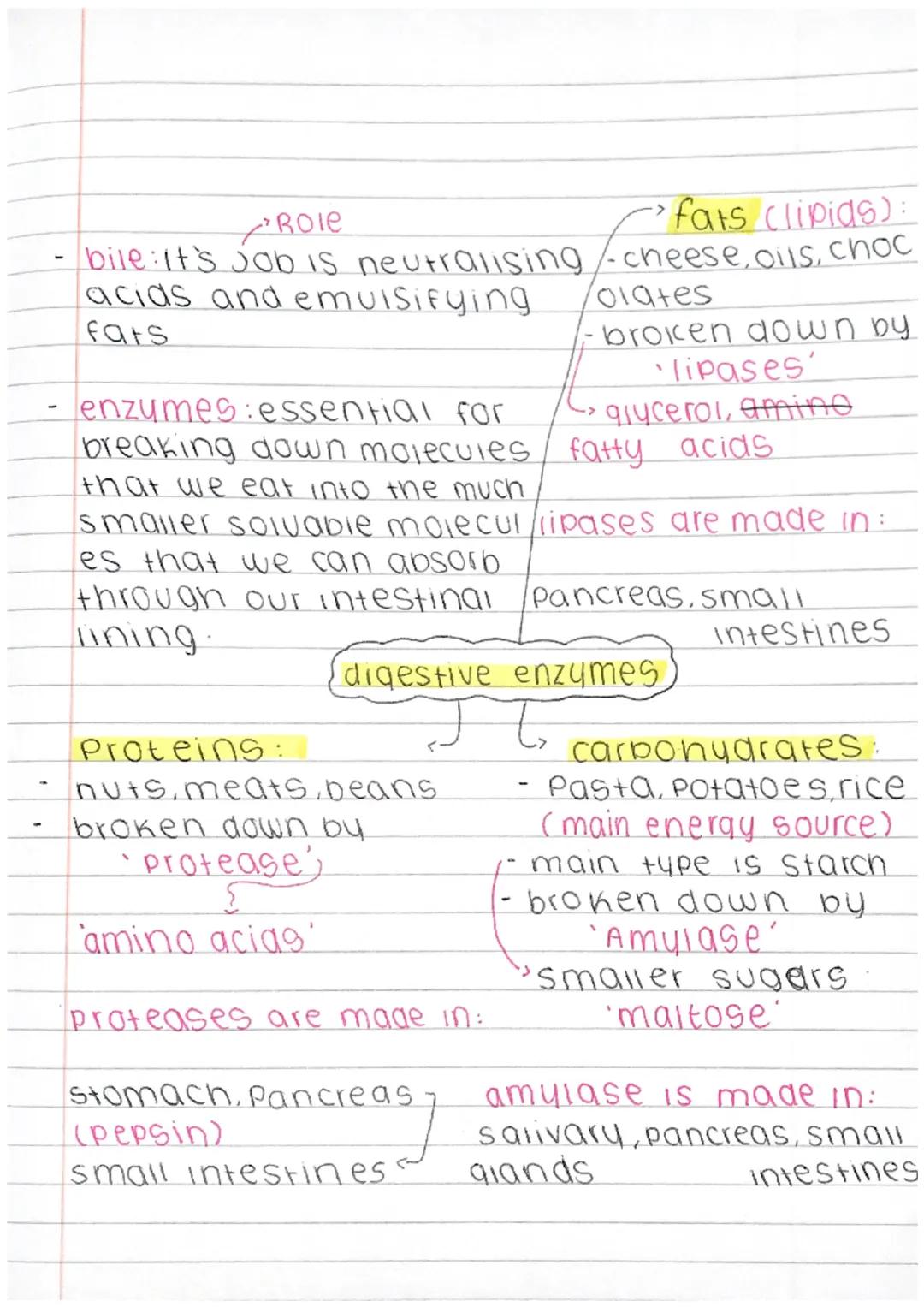
Ever wondered how your body transforms a chocolate bar or Sunday roast into usable energy? Digestive enzymes are the star players that break down large food molecules into smaller, soluble bits your intestines can absorb.
Fats (lipids) from foods like cheese, oils, and chocolate get tackled by lipases. But here's the clever bit - bile jumps in first to neutralise acids and emulsify the fats (basically breaking them into smaller droplets). Then lipases, produced in your pancreas and small intestines, finish the job by breaking fats down into glycerol and fatty acids.
Proteins from nuts, meats, and beans face off against proteases. These enzymes, including pepsin in your stomach and others from your pancreas and small intestines, chop proteins into individual amino acids - the building blocks your body uses for growth and repair.
Carbohydrates like pasta, potatoes, and rice (your body's main energy source) get broken down by amylase. This enzyme, found in your salivary glands, pancreas, and small intestines, converts starch into smaller sugars like maltose.
Quick Tip: Remember the pattern - each enzyme type has a specific job and is produced in multiple locations to ensure thorough digestion!



 Sociology