
The reproductive system is responsible for producing sex hormones and... Show more
 Biology83 views·Updated May 21, 2026·7 pages
Understanding the Reproductive System: Notes and Diagrams

andi :] @snuggly_bunbun
1 / 7
1
of 7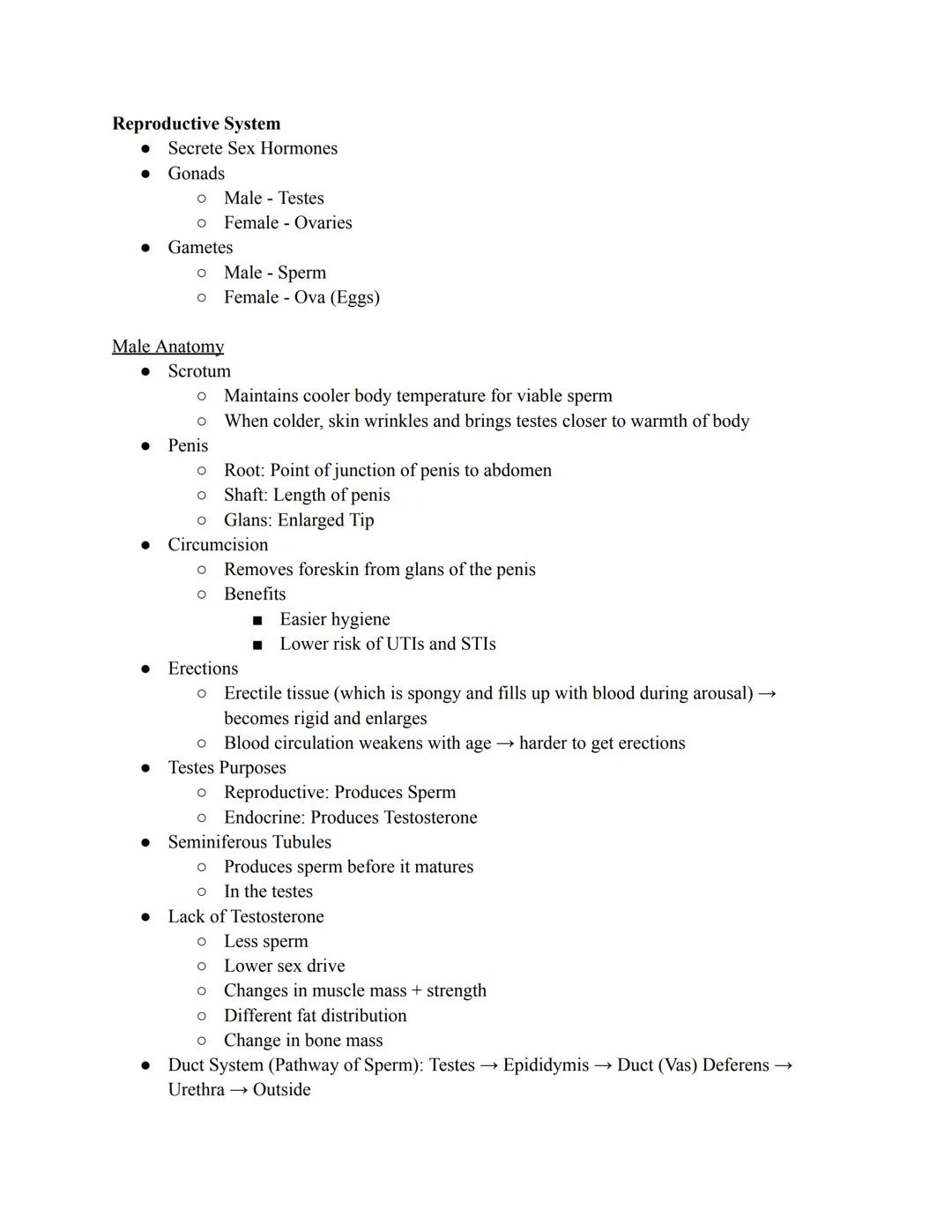
Male Reproductive Anatomy
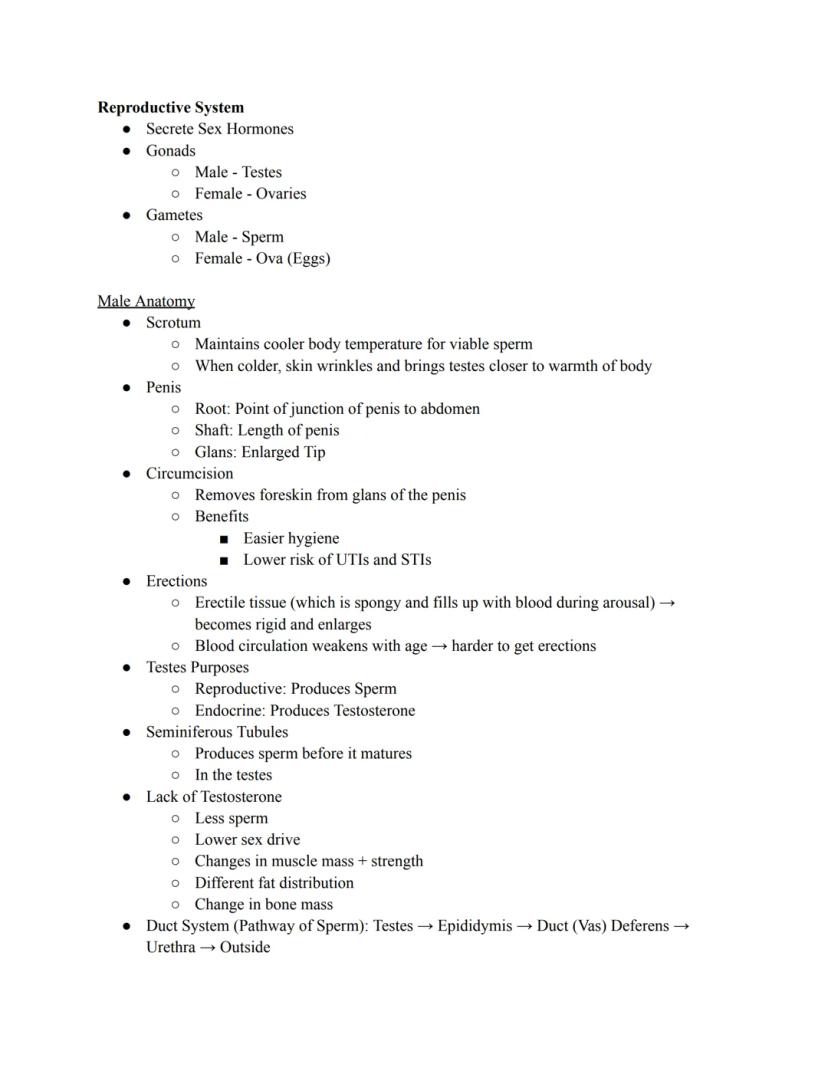
Ever wondered how the male reproductive system keeps everything functioning? It starts with the testes, which serve two critical purposes: producing sperm (reproductive function) and testosterone (endocrine function). These oval-shaped organs are housed in the scrotum, a pouch of skin that maintains a cooler temperature necessary for viable sperm production.
The penis consists of three main parts: the root (where it connects to the abdomen), the shaft (the main length), and the glans (the enlarged tip). During arousal, spongy erectile tissue fills with blood, causing the penis to become rigid and enlarged. This process becomes less efficient with age as blood circulation weakens.
Sperm production begins in the seminiferous tubules within the testes. From there, sperm follows a specific pathway: testes → epididymis → vas deferens → urethra → outside. Low testosterone can cause several issues including decreased sperm count, reduced sex drive, and changes in muscle mass, fat distribution, and bone density.
Health Note: Circumcision (removal of the foreskin from the glans) offers several health benefits including easier hygiene and lower risk of urinary tract infections and sexually transmitted infections.
2
of 7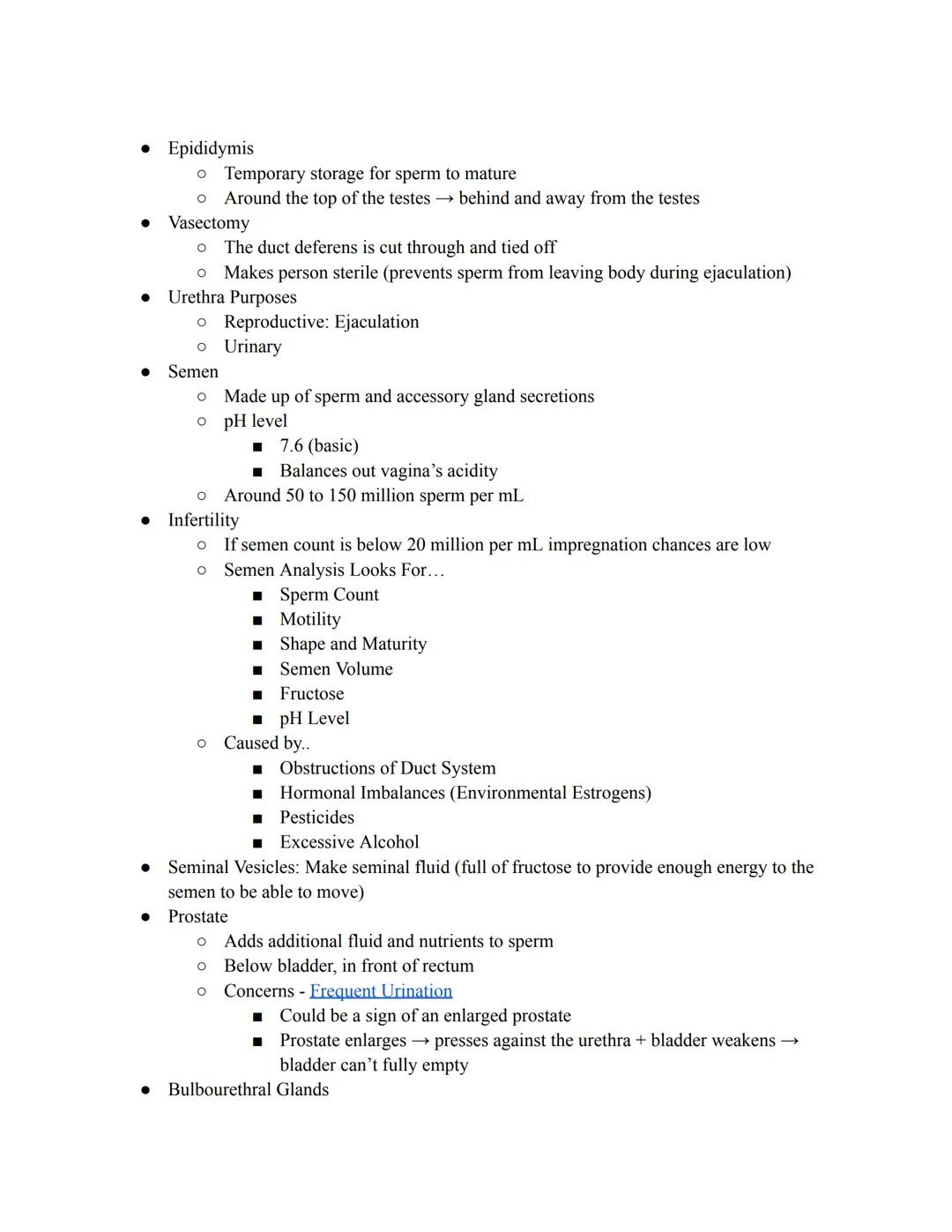
Sperm Production and Male Fertility
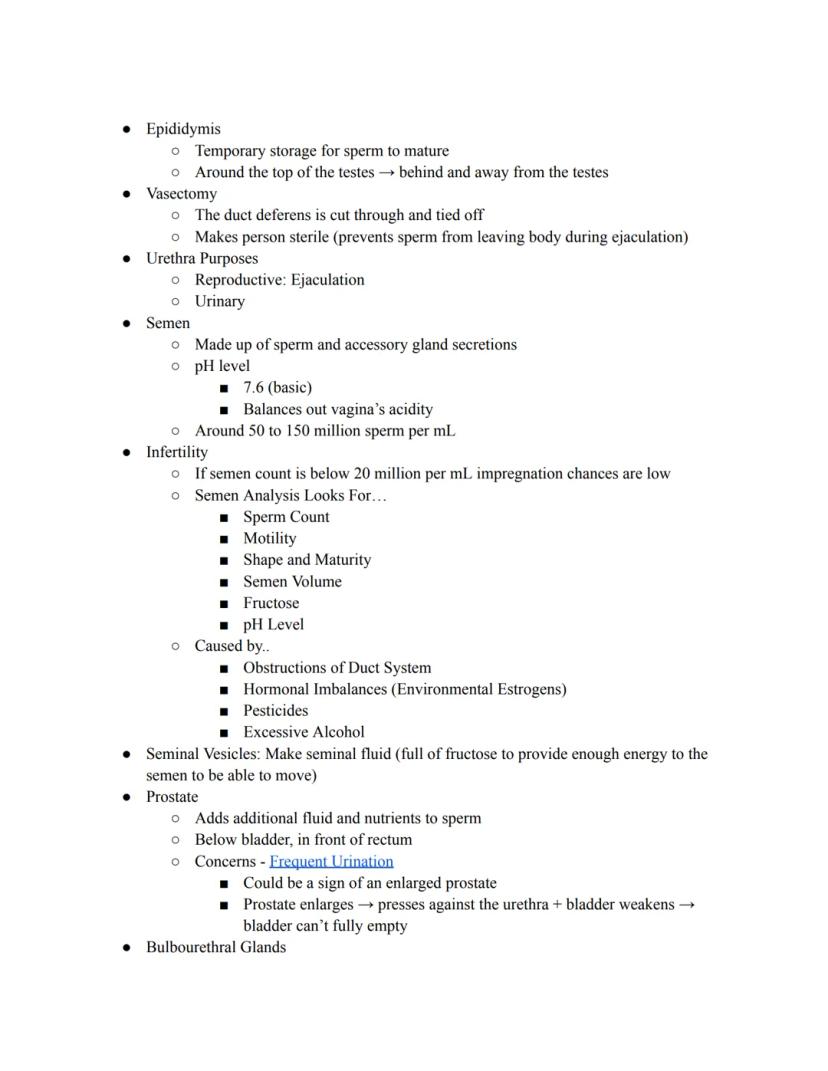
The journey of sperm is fascinating! After formation in the testes, sperm travels to the epididymis, a coiled tube behind the testes where sperm matures and is temporarily stored. From there, sperm moves through the vas deferens before eventually reaching the urethra for ejaculation.
Semen is much more than just sperm—it's a complex fluid with a basic pH of 7.6 to neutralize the acidity of the vagina. Healthy semen contains between 50-150 million sperm per milliliter and includes nutrients from several accessory glands. The seminal vesicles provide fructose for energy, the prostate gland adds additional nutrients, and the bulbourethral glands produce lubricating fluid.
Male infertility occurs when sperm count falls below 20 million per milliliter. Doctors analyze several factors during fertility testing: sperm count, motility, shape, semen volume, fructose content, and pH level. Infertility can result from duct system obstructions, hormonal imbalances, or lifestyle factors like excessive alcohol consumption.
Health Alert: An enlarged prostate can press against the urethra and weaken the bladder, leading to frequent urination and inability to fully empty the bladder—a common concern as men age.
3
of 7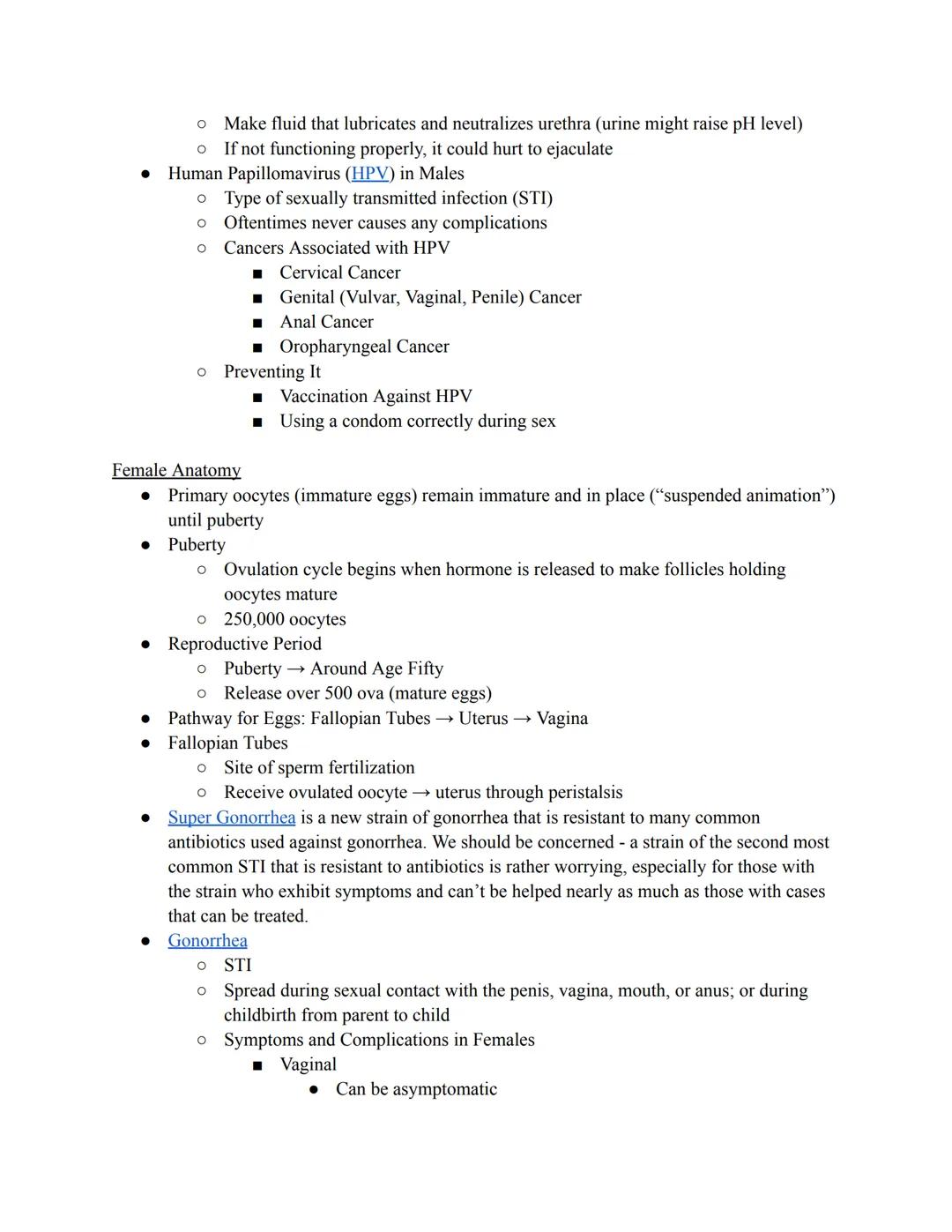
STIs and Female Reproductive Anatomy
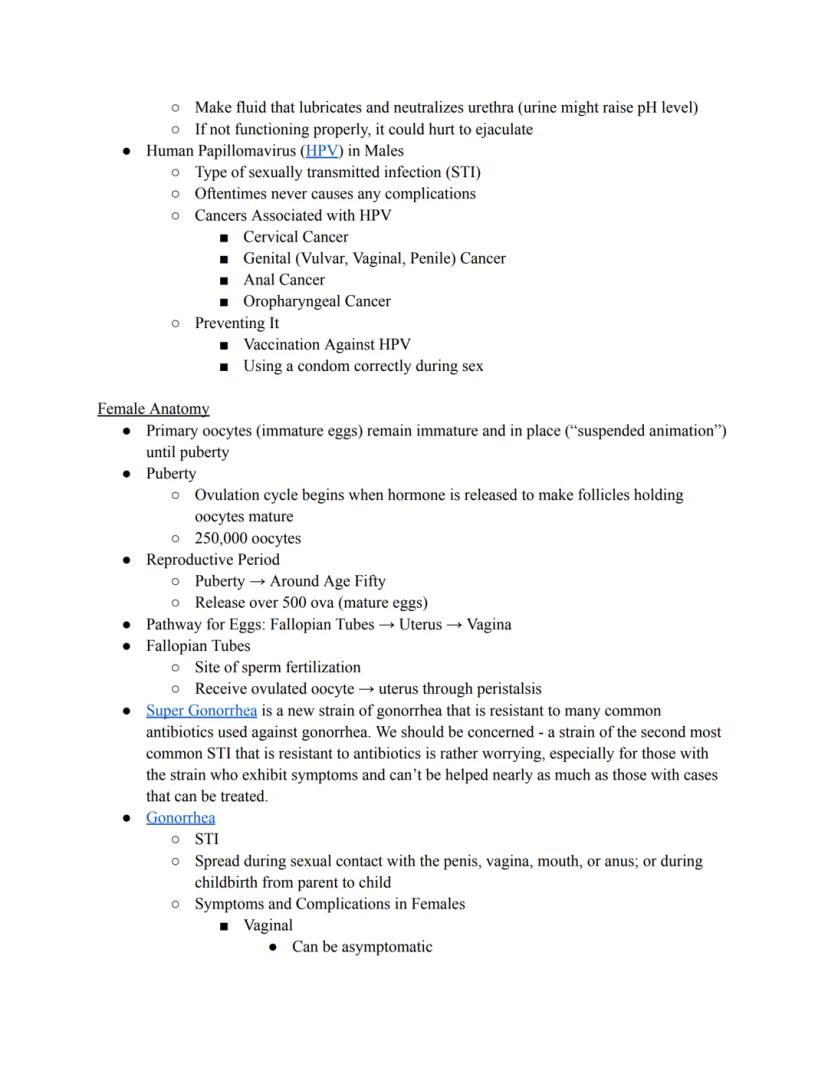
Human Papillomavirus (HPV) is a common sexually transmitted infection that often causes no symptoms but can lead to serious complications. HPV is linked to several cancers including cervical, genital, anal, and oropharyngeal cancer. Prevention involves vaccination and using condoms correctly during sex.
The female reproductive system begins with approximately 250,000 primary oocytes (immature eggs) that remain dormant until puberty. When puberty begins, hormones trigger the maturation of follicles holding these oocytes, beginning the ovulation cycle. Throughout a woman's reproductive period—from puberty until around age fifty—only about 500 ova (mature eggs) will be released.
Once released, eggs travel through the fallopian tubes toward the uterus. These tubes are the site of fertilization, where sperm and egg may meet. The fallopian tubes transport the egg (or fertilized embryo) to the uterus through wave-like muscle contractions called peristalsis.
Health Warning: "Super Gonorrhea" is a concerning new strain of gonorrhea resistant to many common antibiotics. This STI spreads through sexual contact and can cause serious complications if left untreated, including potential infertility in women.
4
of 7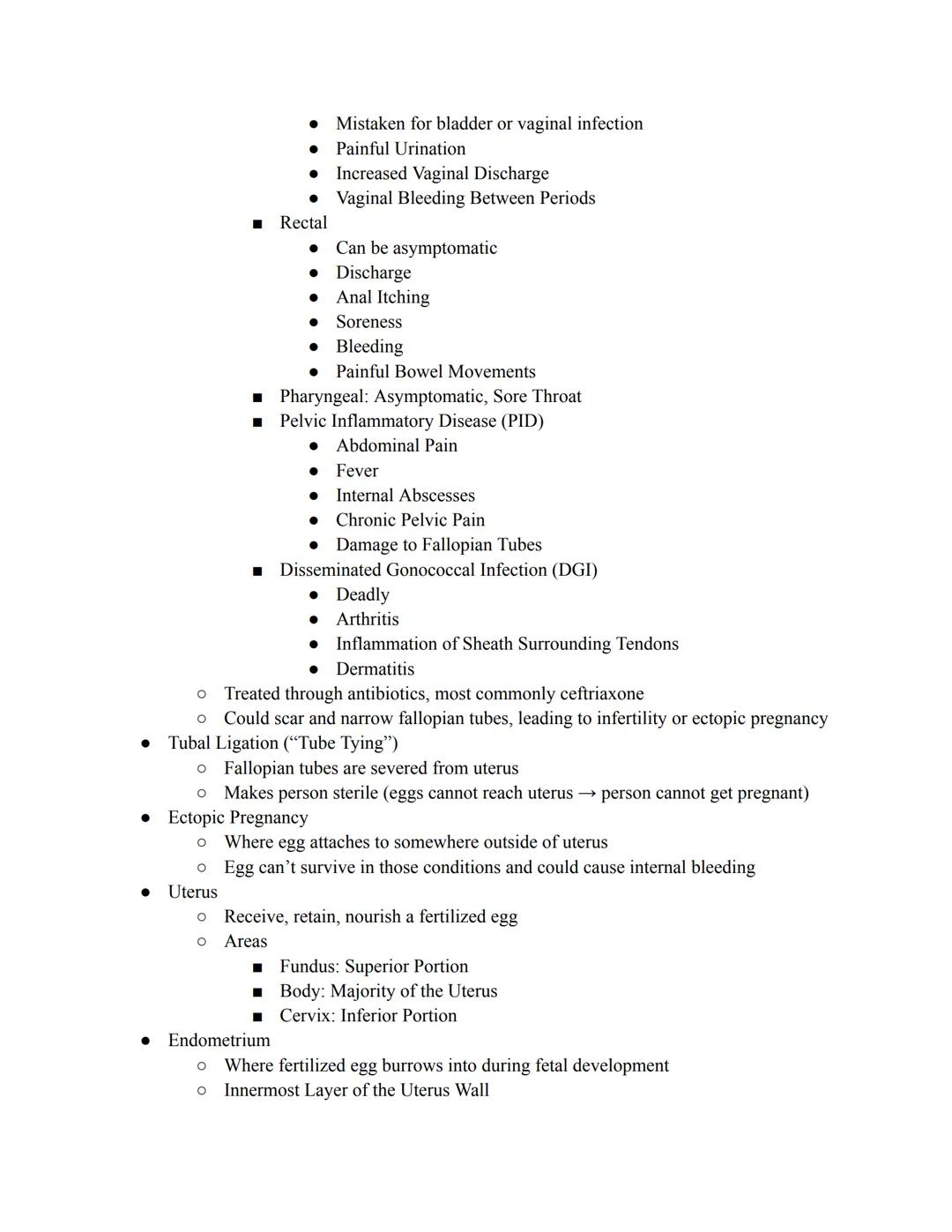
Female Reproductive Health Concerns
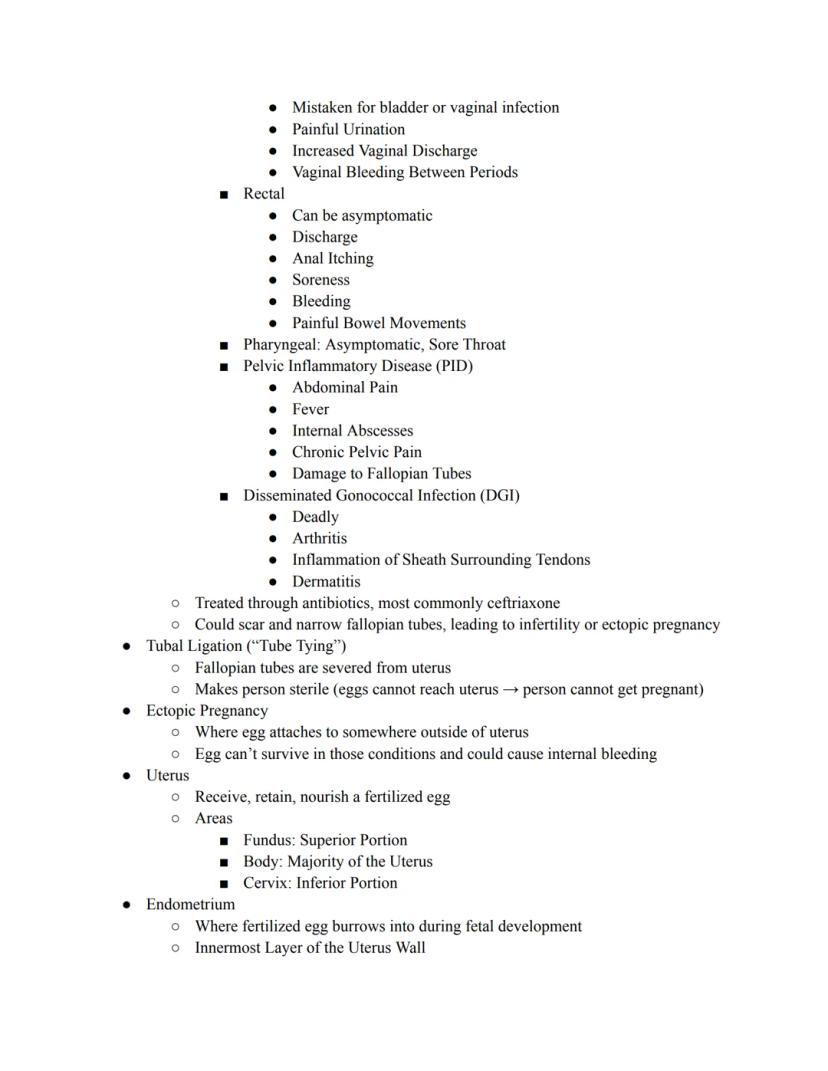
Gonorrhea can affect various parts of the female body with different symptoms. Vaginal infections might cause painful urination, increased discharge, or bleeding between periods. Rectal infections can result in discharge, itching, and painful bowel movements. If untreated, gonorrhea can lead to Pelvic Inflammatory Disease (PID), causing abdominal pain, fever, and potential damage to the fallopian tubes.
The female reproductive pathway flows from the fallopian tubes to the uterus and then to the vagina. The uterus serves to receive, retain, and nourish a fertilized egg. It has three main areas: the fundus (superior portion), body (majority), and cervix (inferior portion). The innermost layer of the uterus wall, called the endometrium, is where a fertilized egg implants during pregnancy.
Reproductive health complications can include ectopic pregnancy, where an egg implants somewhere outside the uterus, potentially causing dangerous internal bleeding. Another concern is tubal ligation, a sterilization procedure where fallopian tubes are severed from the uterus, preventing eggs from reaching the uterus.
Health Insight: When bits of endometrium grow outside the uterus onto other organs, it results in endometriosis—a condition causing intense cramping and pelvic pain that affects millions of women worldwide.
5
of 7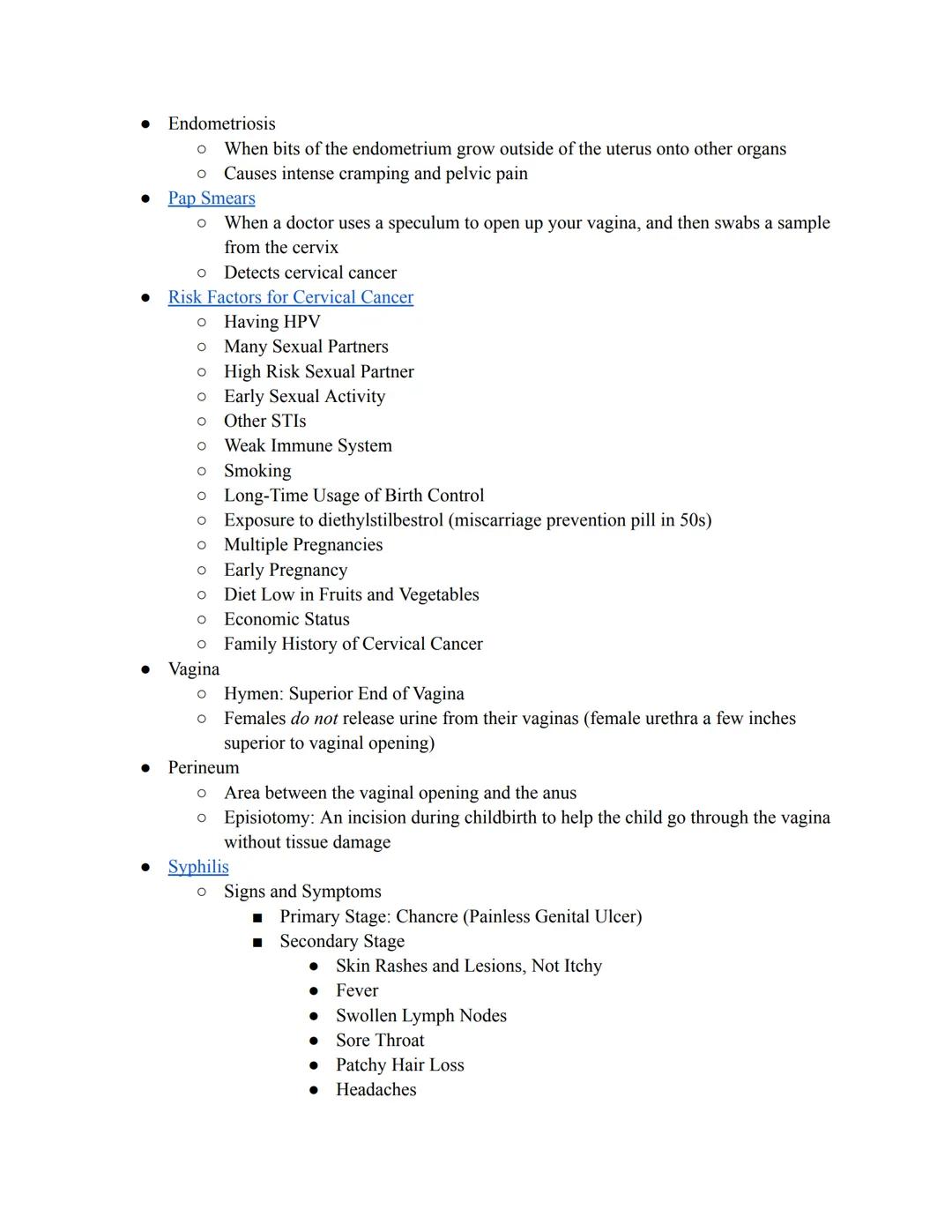
Female Health Screenings and STIs
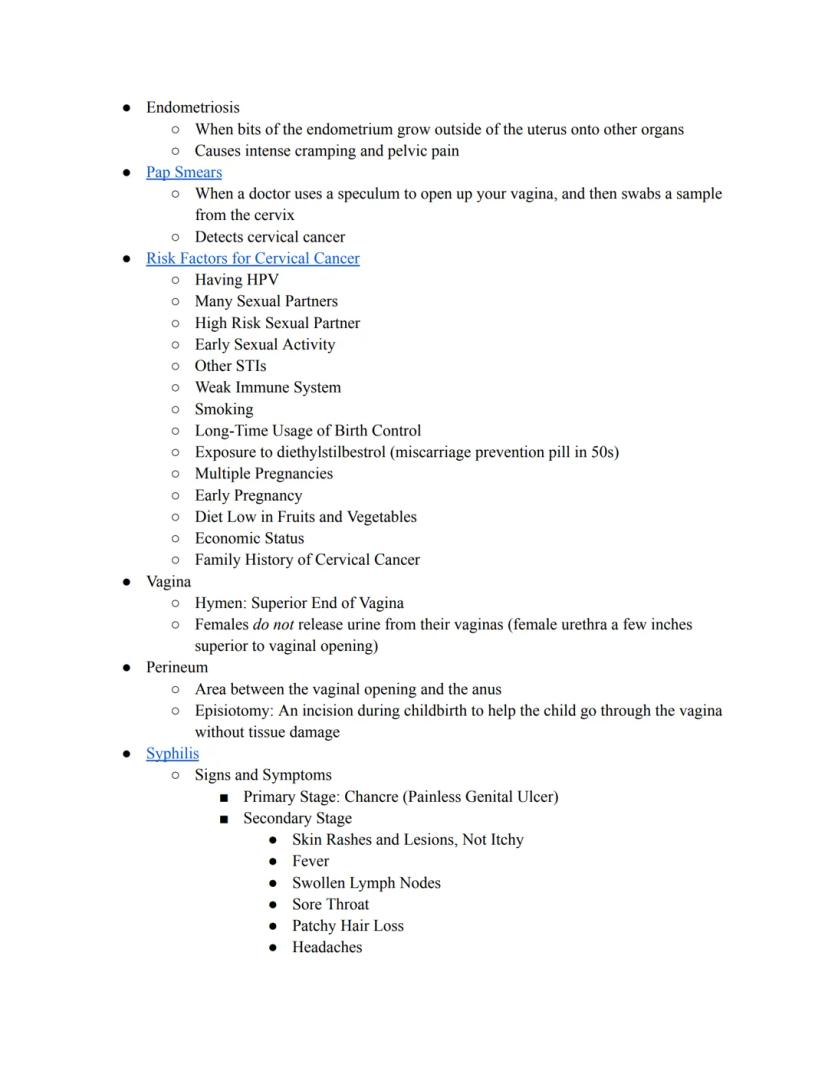
Pap smears are vital screening tests where doctors take cell samples from the cervix to detect cervical cancer. Many factors increase cervical cancer risk, including HPV infection, multiple sexual partners, early sexual activity, smoking, and long-term birth control use. Regular screening is essential for early detection.
The vagina connects the uterus to the external genitalia, with the hymen located at its superior end. It's important to note that females do not release urine from their vaginas—the female urethra opens a few inches above the vaginal opening. The perineum is the area between the vaginal opening and anus, which sometimes requires an episiotomy (surgical cut) during childbirth to prevent tissue damage.
Syphilis progresses through several stages if left untreated. The primary stage features a painless genital ulcer called a chancre. The secondary stage involves skin rashes, fever, swollen lymph nodes, and other symptoms. After a latent (asymptomatic) period, untreated syphilis can advance to tertiary syphilis, potentially affecting the brain, heart, and other vital organs.
Health Trend: Syphilis rates have been rising due to decreasing condom use, limited healthcare access, and increasing substance abuse—making awareness and prevention more important than ever.
6
of 7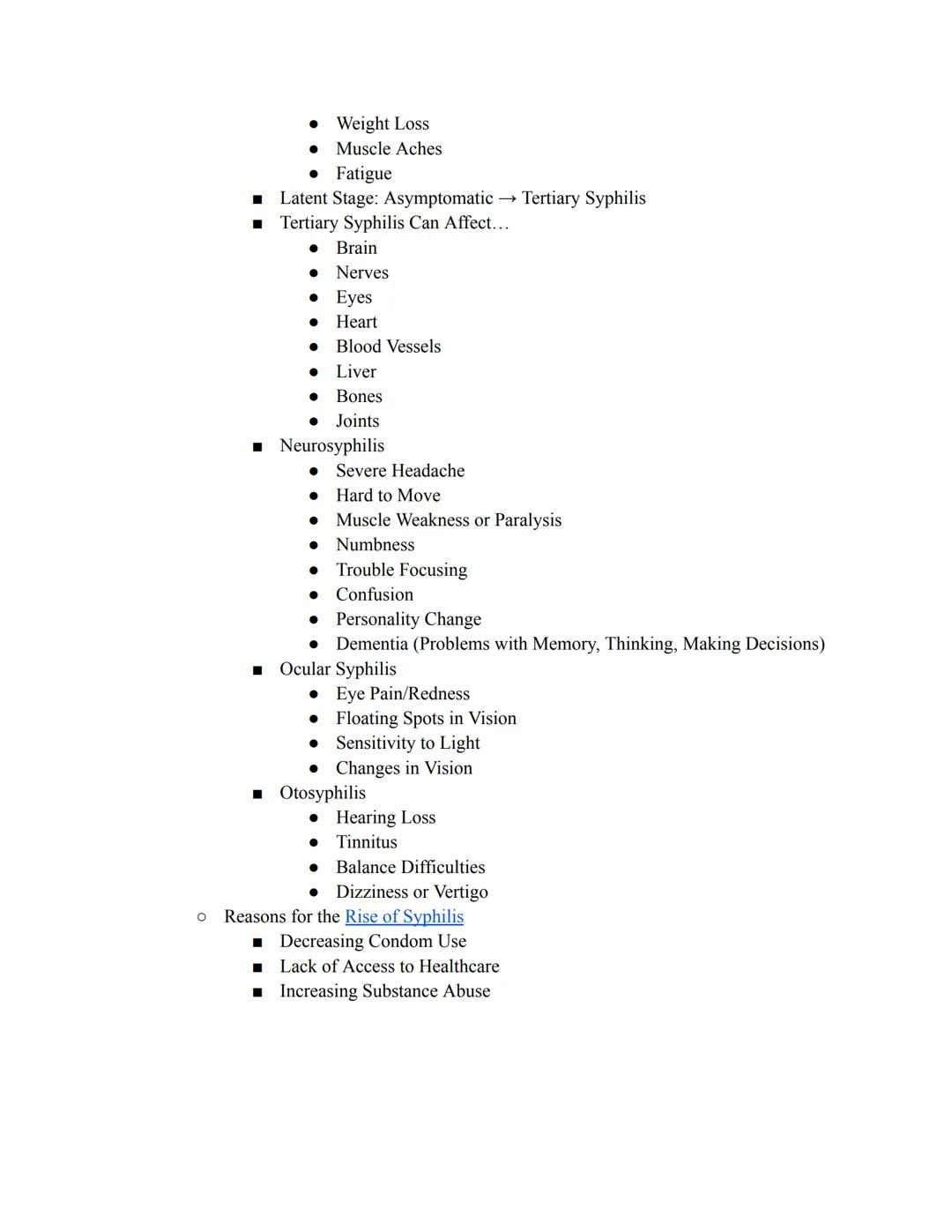
Advanced STI Complications
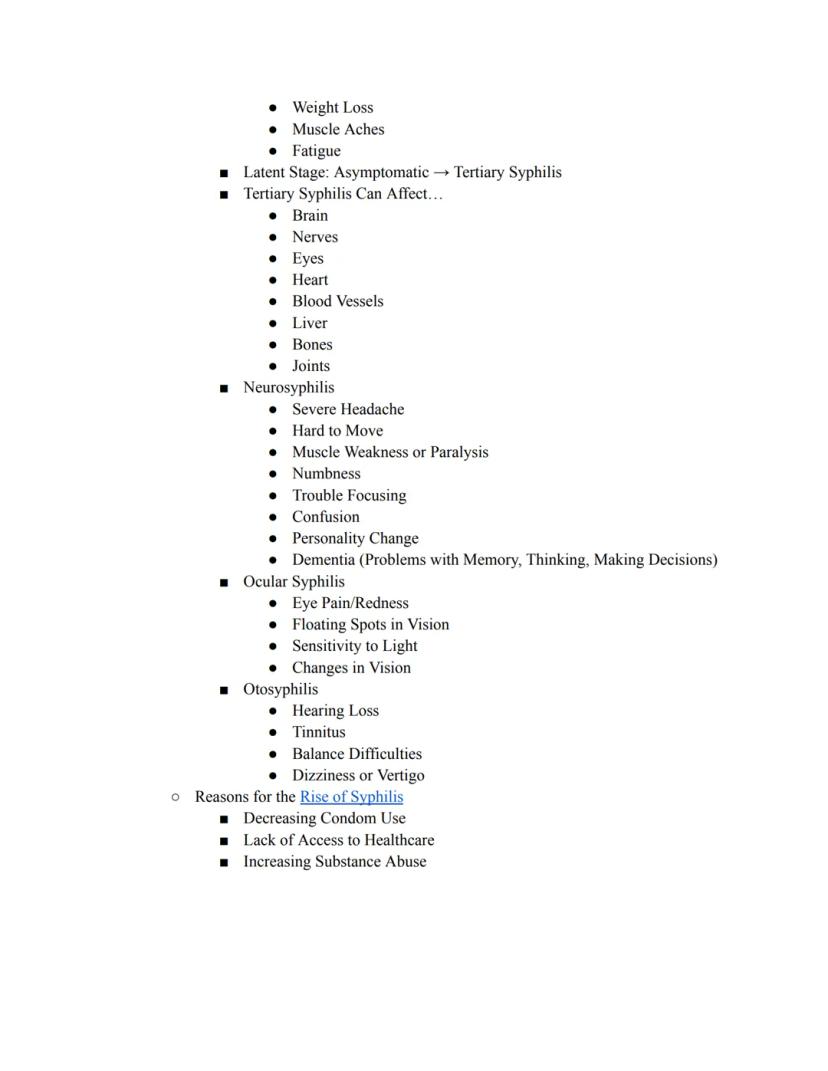
Untreated syphilis can lead to serious complications affecting multiple body systems. Tertiary syphilis can damage the brain, nerves, eyes, heart, blood vessels, liver, bones, and joints—potentially years after initial infection. This highlights the importance of early detection and treatment.
Neurosyphilis affects the nervous system, causing severe headaches, muscle weakness, numbness, confusion, and even personality changes or dementia. Ocular syphilis impacts vision with symptoms like eye pain, floating spots, and sensitivity to light. Otosyphilis can lead to hearing loss, tinnitus, balance difficulties, and vertigo.
Several factors contribute to the rising rates of syphilis infections. Decreasing condom use leaves people vulnerable to STI transmission. Limited access to healthcare means many infections go undiagnosed and untreated. Additionally, increasing substance abuse is associated with higher-risk sexual behaviors that can lead to STI transmission.
Prevention Note: Regular STI testing, consistent condom use, and prompt treatment are the most effective ways to prevent long-term complications from syphilis and other sexually transmitted infections.
7
of 7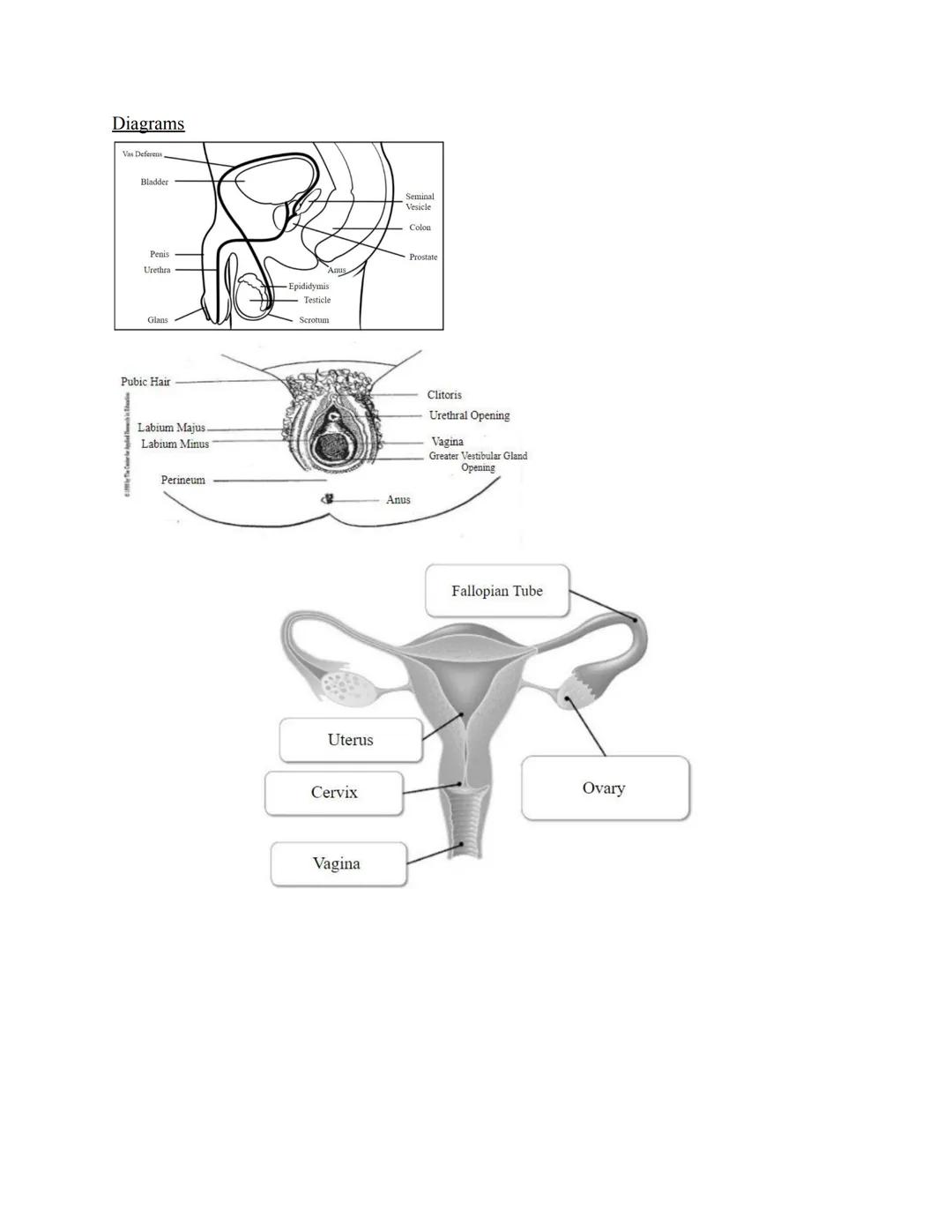
Reproductive System Diagrams
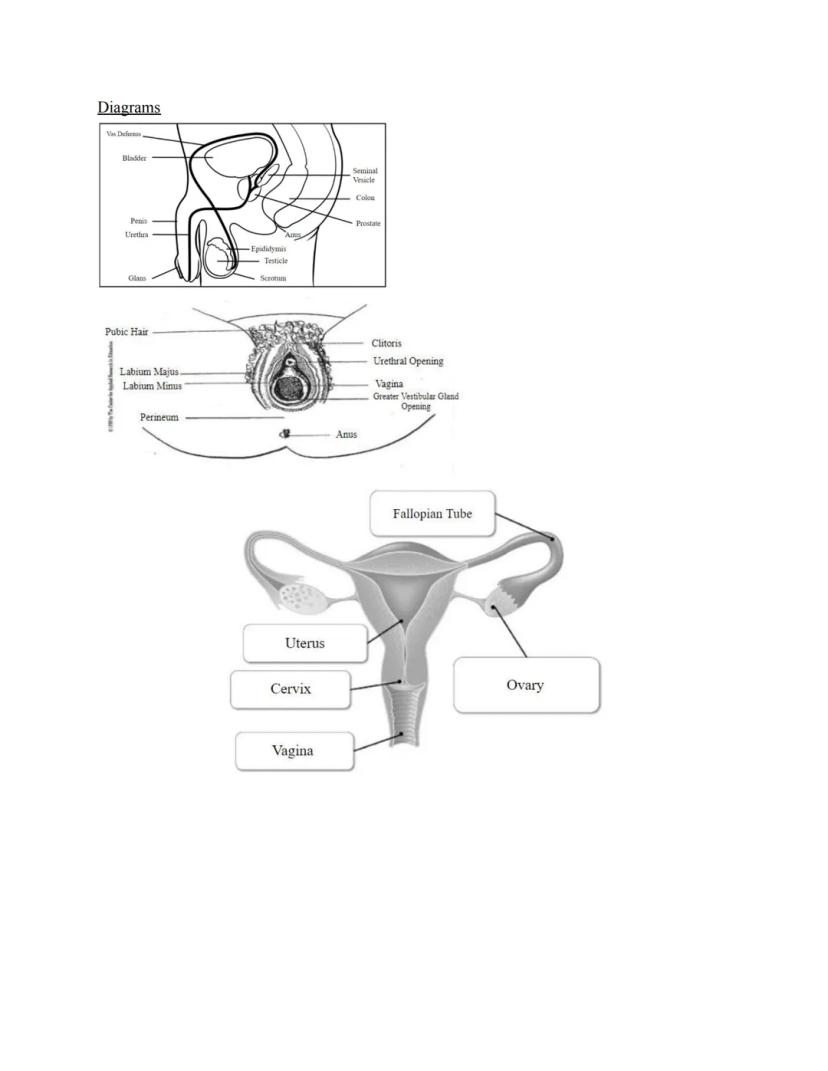
The male reproductive system features several interconnected structures. The external components include the penis, scrotum containing the testicles, and the glans. Internally, the vas deferens connects to the seminal vesicles and prostate gland before joining the urethra. The epididymis sits adjacent to each testicle, storing maturing sperm.
Female reproductive anatomy is equally complex. Externally, the vulva consists of the labia majora, labia minora, clitoris, urethral opening, vaginal opening, and perineum. Internally, the vagina connects to the cervix (the entrance to the uterus), with the uterus positioned centrally in the pelvis. The fallopian tubes extend from either side of the uterus, with an ovary at each end.
Understanding these anatomical structures helps explain how sperm and eggs are produced, how fertilization occurs, and how pregnancy develops. The diagrams illustrate the relationship between different reproductive organs and their proximity to other body structures like the bladder, colon, and anus.
Study Tip: Creating your own labeled diagrams of these systems can significantly improve your understanding and retention of reproductive anatomy. Try drawing them from memory to test your knowledge!
We thought you’d never ask...
What is the Knowunity AI companion?
Our AI companion is specifically built for the needs of students. Based on the millions of content pieces we have on the platform we can provide truly meaningful and relevant answers to students. But its not only about answers, the companion is even more about guiding students through their daily learning challenges, with personalised study plans, quizzes or content pieces in the chat and 100% personalisation based on the students skills and developments.
Where can I download the Knowunity app?
You can download the app in the Google Play Store and in the Apple App Store.
Is Knowunity really free of charge?
That's right! Enjoy free access to study content, connect with fellow students, and get instant help – all at your fingertips.
Similar Content
 Biology
Most popular content in Biology
9C
BiologyCell Organelles
This Quiz Is To Test Your Knowledge Of Cell Organelles And Their Functions Inside The Cell. It Can Also Be A Study Guide To Remember Them Better.
6th5980
D
BiologyDNA and RNA
Uncover the secrets of life with this comprehensive Biology flashcard set. Perfect for grade 10 students studying Living Environment.
10th1,0592
B
Biologybiology cell organelles and functions
Do you know the cell organelles and their functions?
9th3860
M
BiologyMitosis and Cell Division Flashcards
These flashcards cover the basics of mitosis and why cell division occurs in the first place.
9th3120
A
BiologyAnimal and plant cell structure
Quiz on animal and plant cell structures
9th2940
D
BiologyDiscover the Fascinating World of Living Organisms
Uncover the secrets of biology and explore the diverse and amazing life forms that inhabit our planet with this captivating flashcard set.
7th3920
D
BiologyDiscover Punnet Squares
Uncover the secrets of life with this comprehensive Biology flashcard set. Perfect for grade 10 students studying Living Environment.
10th3621
D
BiologyDNA
Parts of DNA
9th2750
S
BiologySteps of Cellular Respiration
3 basic steps and Molecule Vocab
9th2390
Most popular content
9O
 AP US History
Origins and Dynamics of the Columbian Exchange
Analyze the ecological and economic motivations behind the initial transfer of goods, people, and diseases between the Old and New Worlds.
9th3,1280
I
AP US HistoryIntroduction to Early Cultural Interactions
Analyze the initial social and religious encounters between Europeans, Africans, and Indigenous peoples in the colonial Americas.
9th2,7730
O
 AP World History
Origins of Ancient River Civilizations
Analyze the environmental factors and technological innovations that led to the rise of early states in Mesopotamia, Egypt, and the Indus Valley.
9th3,1860
M
AP US HistoryMotivations for European Exploration
Analyze the economic, religious, and political factors that drove European powers to the Americas during the 15th and 16th centuries.
9th1,7780
F
 AP Psychology
Foundations of Ethical Guidelines in Research
Practice the core principles of the APA ethical code including informed consent, debriefing, and the role of Institutional Review Boards.
9th1,3360
I
AP US HistoryIntroduction to Native American Societies
Examine the diverse social, political, and economic structures of North American indigenous groups prior to European contact.
9th1,1100
I
AP BiologyIntroduction to Biological Elements of Life
Practice identifying the essential elements including carbon, nitrogen, phosphorus, and sulfur that compose biological macromolecules.
9th1,7360
I
AP US HistoryIntroduction to the Spanish Encomienda System
Explore the fundamental economic and social structures of the Spanish colonial system, focusing on the encomienda and the casta social hierarchy.
9th8890
O
AP World HistoryOrigins and Continuity of the Byzantine Empire
Analyze the political and cultural transitions from the Roman Empire to the Byzantine Empire, focusing on the reign of Justinian I and his code.
9th1,6320
Can't find what you're looking for? Explore other subjects.
Students love us — and so will you.
4.6/5App Store
4.7/5Google Play
The app is very easy to use and well designed. I have found everything I was looking for so far and have been able to learn a lot from the presentations! I will definitely use the app for a class assignment! And of course it also helps a lot as an inspiration.
Stefan SiOS user
This app is really great. There are so many study notes and help [...]. My problem subject is French, for example, and the app has so many options for help. Thanks to this app, I have improved my French. I would recommend it to anyone.
Samantha KlichAndroid user
Wow, I am really amazed. I just tried the app because I've seen it advertised many times and was absolutely stunned. This app is THE HELP you want for school and above all, it offers so many things, such as workouts and fact sheets, which have been VERY helpful to me personally.
AnnaiOS user
Biology83 views·Updated May 21, 2026·7 pagesUnderstanding the Reproductive System: Notes and Diagrams
andi :] @snuggly_bunbun
The reproductive system is responsible for producing sex hormones and gametes, allowing humans to reproduce. Males and females have different anatomical structures designed for their specific reproductive roles. Understanding how these systems work helps explain fertility, sexual health, and common... Show more
1
of 7Sign up to see the content. It's free!
- Access to all documents
- Improve your grades
- Join milions of students
Male Reproductive Anatomy
Ever wondered how the male reproductive system keeps everything functioning? It starts with the testes, which serve two critical purposes: producing sperm (reproductive function) and testosterone (endocrine function). These oval-shaped organs are housed in the scrotum, a pouch of skin that maintains a cooler temperature necessary for viable sperm production.
The penis consists of three main parts: the root (where it connects to the abdomen), the shaft (the main length), and the glans (the enlarged tip). During arousal, spongy erectile tissue fills with blood, causing the penis to become rigid and enlarged. This process becomes less efficient with age as blood circulation weakens.
Sperm production begins in the seminiferous tubules within the testes. From there, sperm follows a specific pathway: testes → epididymis → vas deferens → urethra → outside. Low testosterone can cause several issues including decreased sperm count, reduced sex drive, and changes in muscle mass, fat distribution, and bone density.
Health Note: Circumcision (removal of the foreskin from the glans) offers several health benefits including easier hygiene and lower risk of urinary tract infections and sexually transmitted infections.
2
of 7Sign up to see the content. It's free!
- Access to all documents
- Improve your grades
- Join milions of students
Sperm Production and Male Fertility
The journey of sperm is fascinating! After formation in the testes, sperm travels to the epididymis, a coiled tube behind the testes where sperm matures and is temporarily stored. From there, sperm moves through the vas deferens before eventually reaching the urethra for ejaculation.
Semen is much more than just sperm—it's a complex fluid with a basic pH of 7.6 to neutralize the acidity of the vagina. Healthy semen contains between 50-150 million sperm per milliliter and includes nutrients from several accessory glands. The seminal vesicles provide fructose for energy, the prostate gland adds additional nutrients, and the bulbourethral glands produce lubricating fluid.
Male infertility occurs when sperm count falls below 20 million per milliliter. Doctors analyze several factors during fertility testing: sperm count, motility, shape, semen volume, fructose content, and pH level. Infertility can result from duct system obstructions, hormonal imbalances, or lifestyle factors like excessive alcohol consumption.
Health Alert: An enlarged prostate can press against the urethra and weaken the bladder, leading to frequent urination and inability to fully empty the bladder—a common concern as men age.
3
of 7Sign up to see the content. It's free!
- Access to all documents
- Improve your grades
- Join milions of students
STIs and Female Reproductive Anatomy
Human Papillomavirus (HPV) is a common sexually transmitted infection that often causes no symptoms but can lead to serious complications. HPV is linked to several cancers including cervical, genital, anal, and oropharyngeal cancer. Prevention involves vaccination and using condoms correctly during sex.
The female reproductive system begins with approximately 250,000 primary oocytes (immature eggs) that remain dormant until puberty. When puberty begins, hormones trigger the maturation of follicles holding these oocytes, beginning the ovulation cycle. Throughout a woman's reproductive period—from puberty until around age fifty—only about 500 ova (mature eggs) will be released.
Once released, eggs travel through the fallopian tubes toward the uterus. These tubes are the site of fertilization, where sperm and egg may meet. The fallopian tubes transport the egg (or fertilized embryo) to the uterus through wave-like muscle contractions called peristalsis.
Health Warning: "Super Gonorrhea" is a concerning new strain of gonorrhea resistant to many common antibiotics. This STI spreads through sexual contact and can cause serious complications if left untreated, including potential infertility in women.
4
of 7Sign up to see the content. It's free!
- Access to all documents
- Improve your grades
- Join milions of students
Female Reproductive Health Concerns
Gonorrhea can affect various parts of the female body with different symptoms. Vaginal infections might cause painful urination, increased discharge, or bleeding between periods. Rectal infections can result in discharge, itching, and painful bowel movements. If untreated, gonorrhea can lead to Pelvic Inflammatory Disease (PID), causing abdominal pain, fever, and potential damage to the fallopian tubes.
The female reproductive pathway flows from the fallopian tubes to the uterus and then to the vagina. The uterus serves to receive, retain, and nourish a fertilized egg. It has three main areas: the fundus (superior portion), body (majority), and cervix (inferior portion). The innermost layer of the uterus wall, called the endometrium, is where a fertilized egg implants during pregnancy.
Reproductive health complications can include ectopic pregnancy, where an egg implants somewhere outside the uterus, potentially causing dangerous internal bleeding. Another concern is tubal ligation, a sterilization procedure where fallopian tubes are severed from the uterus, preventing eggs from reaching the uterus.
Health Insight: When bits of endometrium grow outside the uterus onto other organs, it results in endometriosis—a condition causing intense cramping and pelvic pain that affects millions of women worldwide.
5
of 7Sign up to see the content. It's free!
- Access to all documents
- Improve your grades
- Join milions of students
Female Health Screenings and STIs
Pap smears are vital screening tests where doctors take cell samples from the cervix to detect cervical cancer. Many factors increase cervical cancer risk, including HPV infection, multiple sexual partners, early sexual activity, smoking, and long-term birth control use. Regular screening is essential for early detection.
The vagina connects the uterus to the external genitalia, with the hymen located at its superior end. It's important to note that females do not release urine from their vaginas—the female urethra opens a few inches above the vaginal opening. The perineum is the area between the vaginal opening and anus, which sometimes requires an episiotomy (surgical cut) during childbirth to prevent tissue damage.
Syphilis progresses through several stages if left untreated. The primary stage features a painless genital ulcer called a chancre. The secondary stage involves skin rashes, fever, swollen lymph nodes, and other symptoms. After a latent (asymptomatic) period, untreated syphilis can advance to tertiary syphilis, potentially affecting the brain, heart, and other vital organs.
Health Trend: Syphilis rates have been rising due to decreasing condom use, limited healthcare access, and increasing substance abuse—making awareness and prevention more important than ever.
6
of 7Sign up to see the content. It's free!
- Access to all documents
- Improve your grades
- Join milions of students
Advanced STI Complications
Untreated syphilis can lead to serious complications affecting multiple body systems. Tertiary syphilis can damage the brain, nerves, eyes, heart, blood vessels, liver, bones, and joints—potentially years after initial infection. This highlights the importance of early detection and treatment.
Neurosyphilis affects the nervous system, causing severe headaches, muscle weakness, numbness, confusion, and even personality changes or dementia. Ocular syphilis impacts vision with symptoms like eye pain, floating spots, and sensitivity to light. Otosyphilis can lead to hearing loss, tinnitus, balance difficulties, and vertigo.
Several factors contribute to the rising rates of syphilis infections. Decreasing condom use leaves people vulnerable to STI transmission. Limited access to healthcare means many infections go undiagnosed and untreated. Additionally, increasing substance abuse is associated with higher-risk sexual behaviors that can lead to STI transmission.
Prevention Note: Regular STI testing, consistent condom use, and prompt treatment are the most effective ways to prevent long-term complications from syphilis and other sexually transmitted infections.
7
of 7Sign up to see the content. It's free!
- Access to all documents
- Improve your grades
- Join milions of students
Reproductive System Diagrams
The male reproductive system features several interconnected structures. The external components include the penis, scrotum containing the testicles, and the glans. Internally, the vas deferens connects to the seminal vesicles and prostate gland before joining the urethra. The epididymis sits adjacent to each testicle, storing maturing sperm.
Female reproductive anatomy is equally complex. Externally, the vulva consists of the labia majora, labia minora, clitoris, urethral opening, vaginal opening, and perineum. Internally, the vagina connects to the cervix (the entrance to the uterus), with the uterus positioned centrally in the pelvis. The fallopian tubes extend from either side of the uterus, with an ovary at each end.
Understanding these anatomical structures helps explain how sperm and eggs are produced, how fertilization occurs, and how pregnancy develops. The diagrams illustrate the relationship between different reproductive organs and their proximity to other body structures like the bladder, colon, and anus.
Study Tip: Creating your own labeled diagrams of these systems can significantly improve your understanding and retention of reproductive anatomy. Try drawing them from memory to test your knowledge!
We thought you’d never ask...
What is the Knowunity AI companion?
Our AI companion is specifically built for the needs of students. Based on the millions of content pieces we have on the platform we can provide truly meaningful and relevant answers to students. But its not only about answers, the companion is even more about guiding students through their daily learning challenges, with personalised study plans, quizzes or content pieces in the chat and 100% personalisation based on the students skills and developments.
Where can I download the Knowunity app?
You can download the app in the Google Play Store and in the Apple App Store.
Is Knowunity really free of charge?
That's right! Enjoy free access to study content, connect with fellow students, and get instant help – all at your fingertips.
Similar Content
Most popular content in Biology
9C
BiologyCell Organelles
This Quiz Is To Test Your Knowledge Of Cell Organelles And Their Functions Inside The Cell. It Can Also Be A Study Guide To Remember Them Better.
6th5980
D
BiologyDNA and RNA
Uncover the secrets of life with this comprehensive Biology flashcard set. Perfect for grade 10 students studying Living Environment.
10th1,0592
B
Biologybiology cell organelles and functions
Do you know the cell organelles and their functions?
9th3860
M
BiologyMitosis and Cell Division Flashcards
These flashcards cover the basics of mitosis and why cell division occurs in the first place.
9th3120
A
BiologyAnimal and plant cell structure
Quiz on animal and plant cell structures
9th2940
D
BiologyDiscover the Fascinating World of Living Organisms
Uncover the secrets of biology and explore the diverse and amazing life forms that inhabit our planet with this captivating flashcard set.
7th3920
D
BiologyDiscover Punnet Squares
Uncover the secrets of life with this comprehensive Biology flashcard set. Perfect for grade 10 students studying Living Environment.
10th3621
D
BiologyDNA
Parts of DNA
9th2750
S
BiologySteps of Cellular Respiration
3 basic steps and Molecule Vocab
9th2390
Most popular content
9O
AP US HistoryOrigins and Dynamics of the Columbian Exchange
Analyze the ecological and economic motivations behind the initial transfer of goods, people, and diseases between the Old and New Worlds.
9th3,1280
I
AP US HistoryIntroduction to Early Cultural Interactions
Analyze the initial social and religious encounters between Europeans, Africans, and Indigenous peoples in the colonial Americas.
9th2,7730
O
AP World HistoryOrigins of Ancient River Civilizations
Analyze the environmental factors and technological innovations that led to the rise of early states in Mesopotamia, Egypt, and the Indus Valley.
9th3,1860
M
AP US HistoryMotivations for European Exploration
Analyze the economic, religious, and political factors that drove European powers to the Americas during the 15th and 16th centuries.
9th1,7780
F
AP PsychologyFoundations of Ethical Guidelines in Research
Practice the core principles of the APA ethical code including informed consent, debriefing, and the role of Institutional Review Boards.
9th1,3360
I
AP US HistoryIntroduction to Native American Societies
Examine the diverse social, political, and economic structures of North American indigenous groups prior to European contact.
9th1,1100
I
AP BiologyIntroduction to Biological Elements of Life
Practice identifying the essential elements including carbon, nitrogen, phosphorus, and sulfur that compose biological macromolecules.
9th1,7360
I
AP US HistoryIntroduction to the Spanish Encomienda System
Explore the fundamental economic and social structures of the Spanish colonial system, focusing on the encomienda and the casta social hierarchy.
9th8890
O
AP World HistoryOrigins and Continuity of the Byzantine Empire
Analyze the political and cultural transitions from the Roman Empire to the Byzantine Empire, focusing on the reign of Justinian I and his code.
9th1,6320
Can't find what you're looking for? Explore other subjects.
Students love us — and so will you.
4.6/5App Store
4.7/5Google Play
The app is very easy to use and well designed. I have found everything I was looking for so far and have been able to learn a lot from the presentations! I will definitely use the app for a class assignment! And of course it also helps a lot as an inspiration.
Stefan SiOS user
This app is really great. There are so many study notes and help [...]. My problem subject is French, for example, and the app has so many options for help. Thanks to this app, I have improved my French. I would recommend it to anyone.
Samantha KlichAndroid user
Wow, I am really amazed. I just tried the app because I've seen it advertised many times and was absolutely stunned. This app is THE HELP you want for school and above all, it offers so many things, such as workouts and fact sheets, which have been VERY helpful to me personally.
AnnaiOS user