NLP Algorithms
There are two main approaches to developing NLP systems, each with distinct advantages and limitations. Understanding these approaches helps you appreciate how language processing systems work.
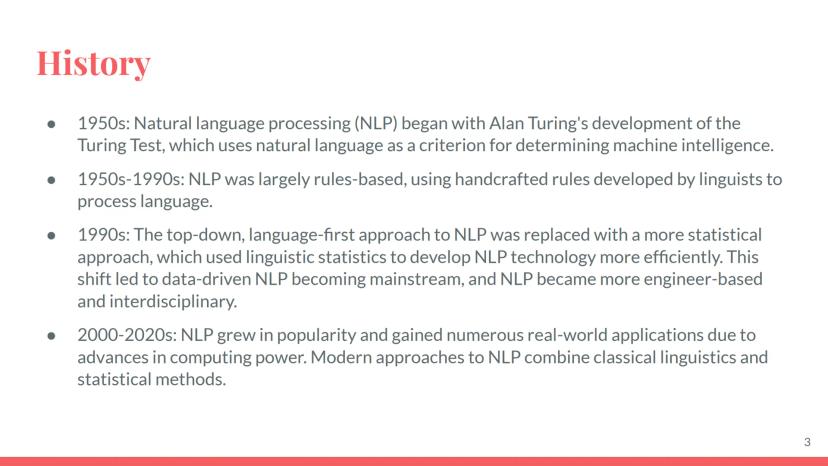
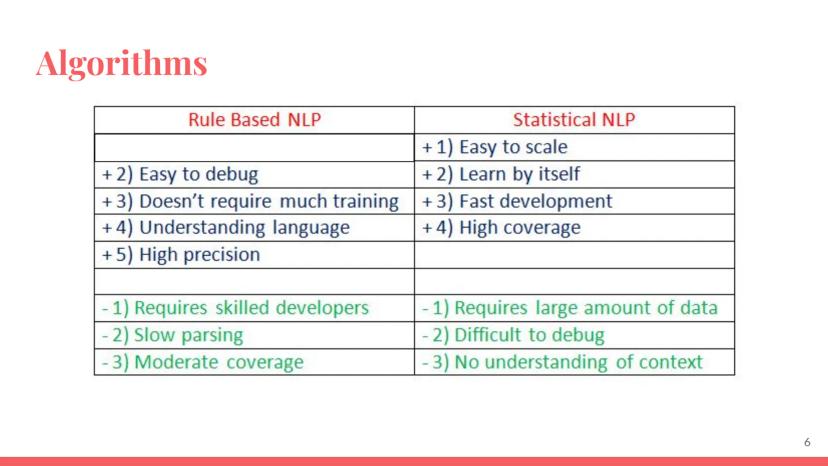
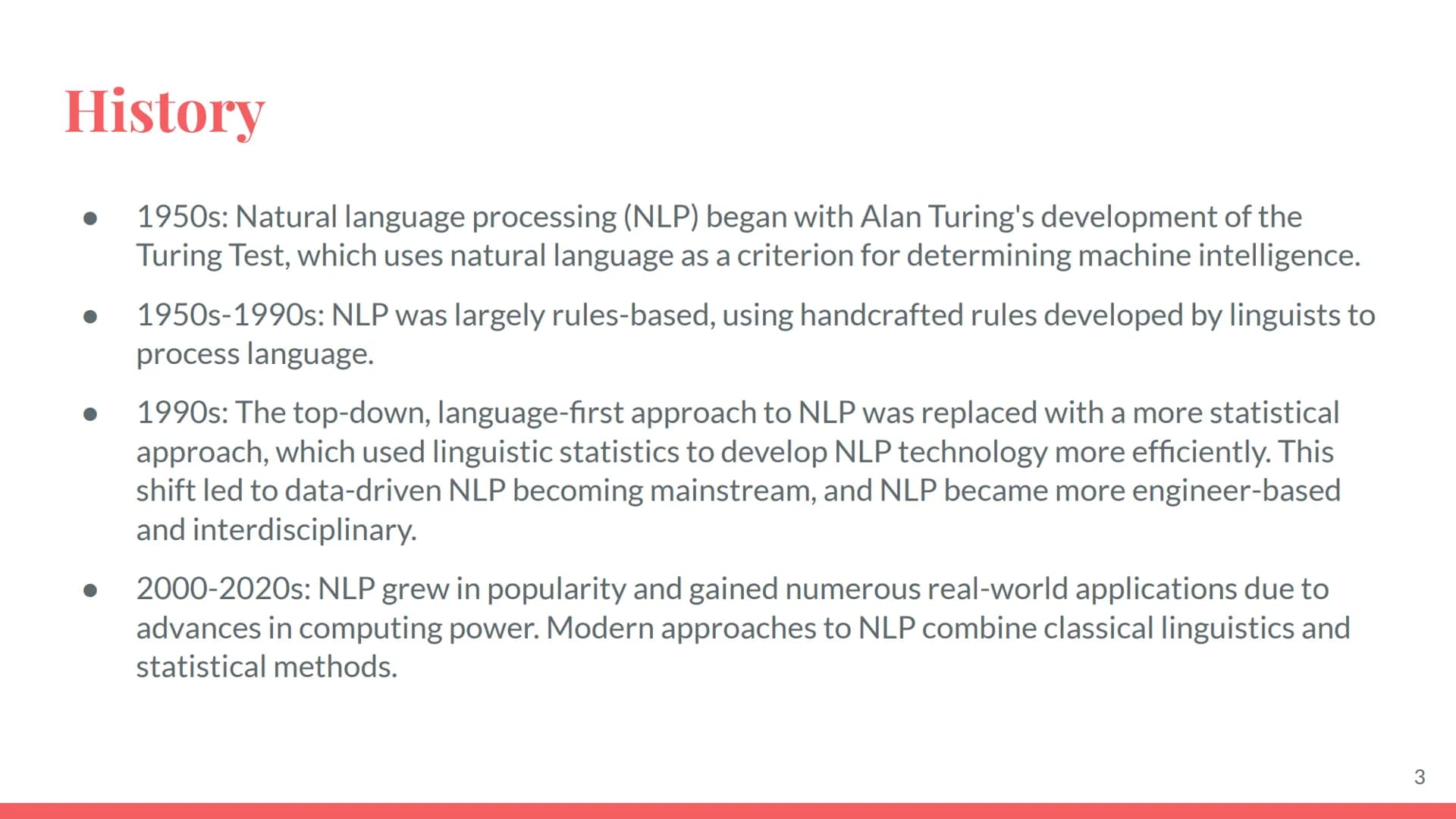
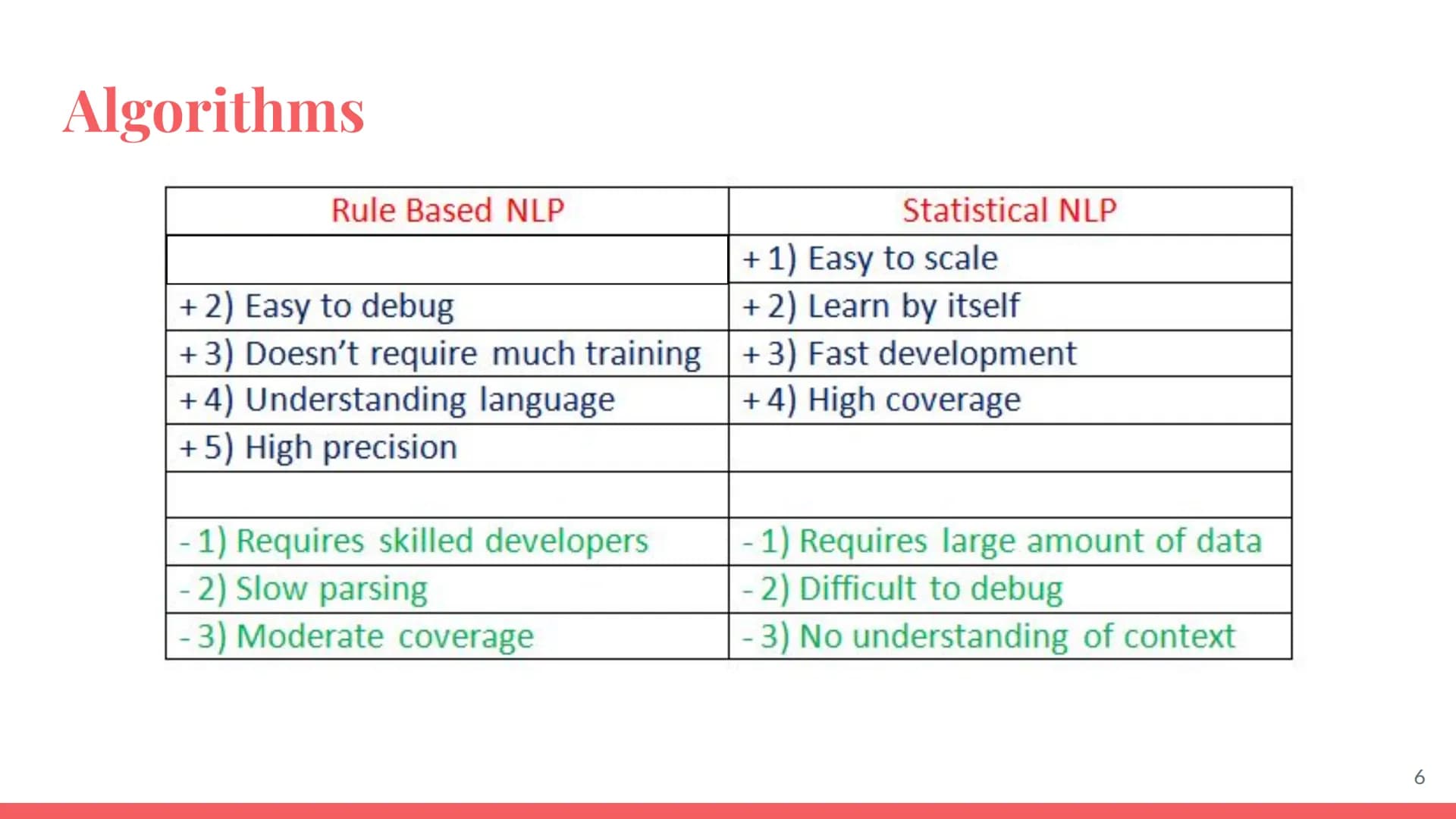
Rule-Based NLP relies on manually created linguistic rules. Its strengths include being easy to debug, requiring minimal training data, and offering high precision when processing language. However, it demands skilled developers to create the rules, processes language more slowly, and often has limited coverage of language variations.
Statistical NLP, in contrast, learns patterns from data rather than following explicit rules. This approach excels at scaling to large datasets, can learn independently from examples, and offers faster development with broader language coverage. The downside? It requires massive amounts of training data, can be difficult to troubleshoot when things go wrong, and sometimes misses contextual subtleties.
Important distinction: Rule-based systems follow explicit instructions about language, while statistical systems learn patterns from data—similar to the difference between following a recipe versus learning to cook by watching others.




 Computer Science / Programming
 Algebra