Programming Tools and Process
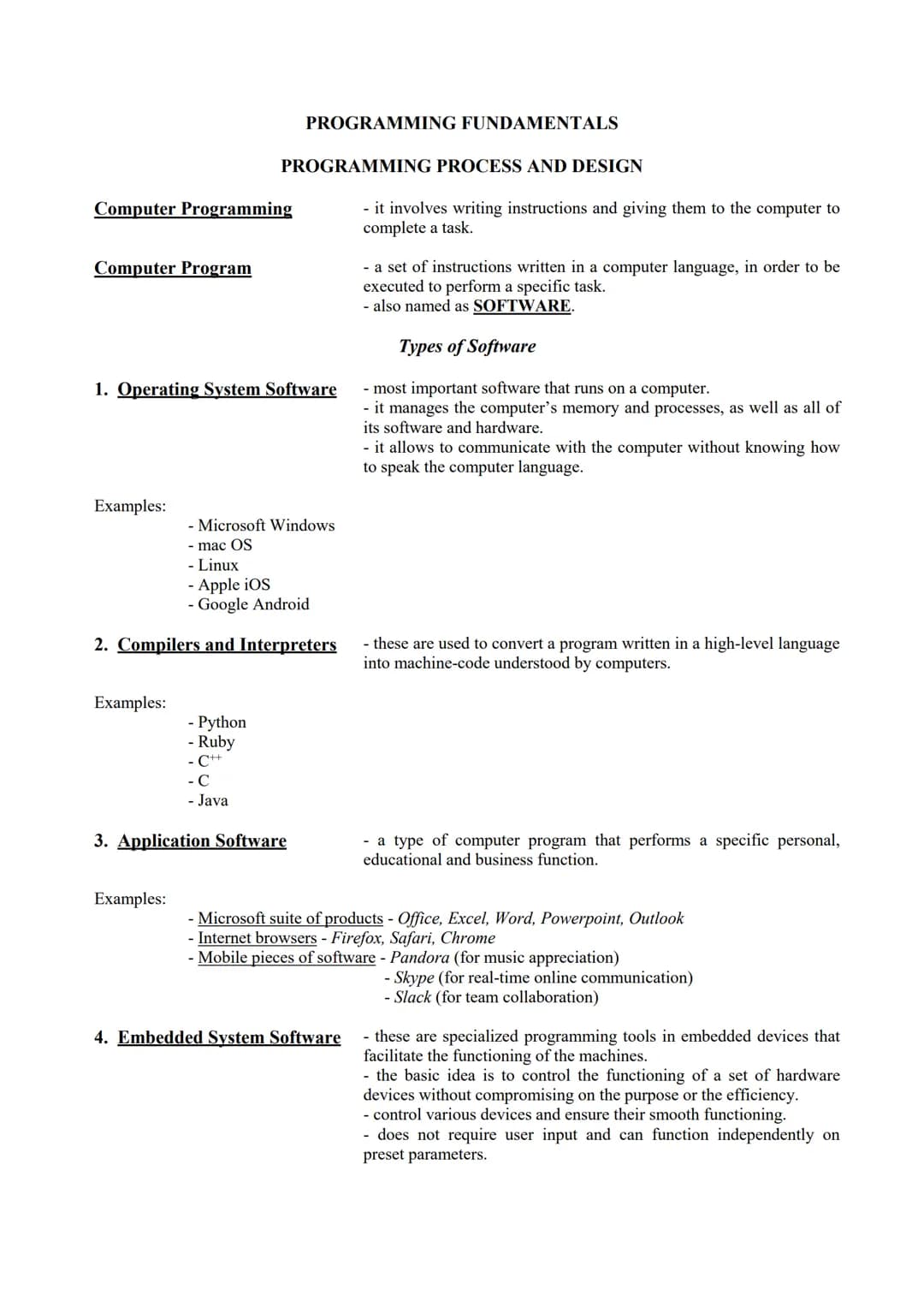
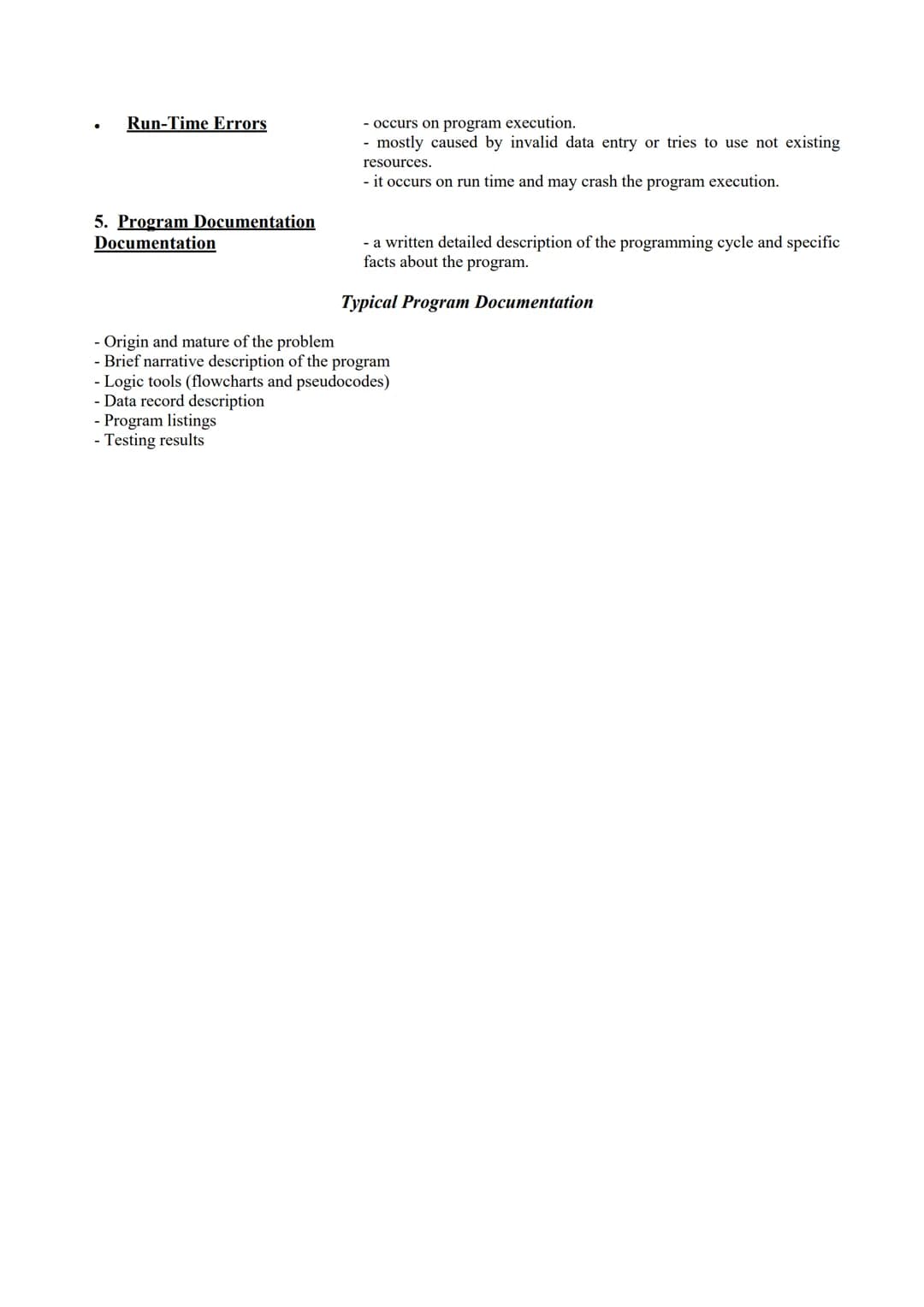
Computers can't directly understand the code we write. Source code human−readableprogramminginstructions must be converted to object code machine−understandableformat using special tools. A compiler translates the entire source code at once, while an interpreter converts and executes the code one statement at a time.
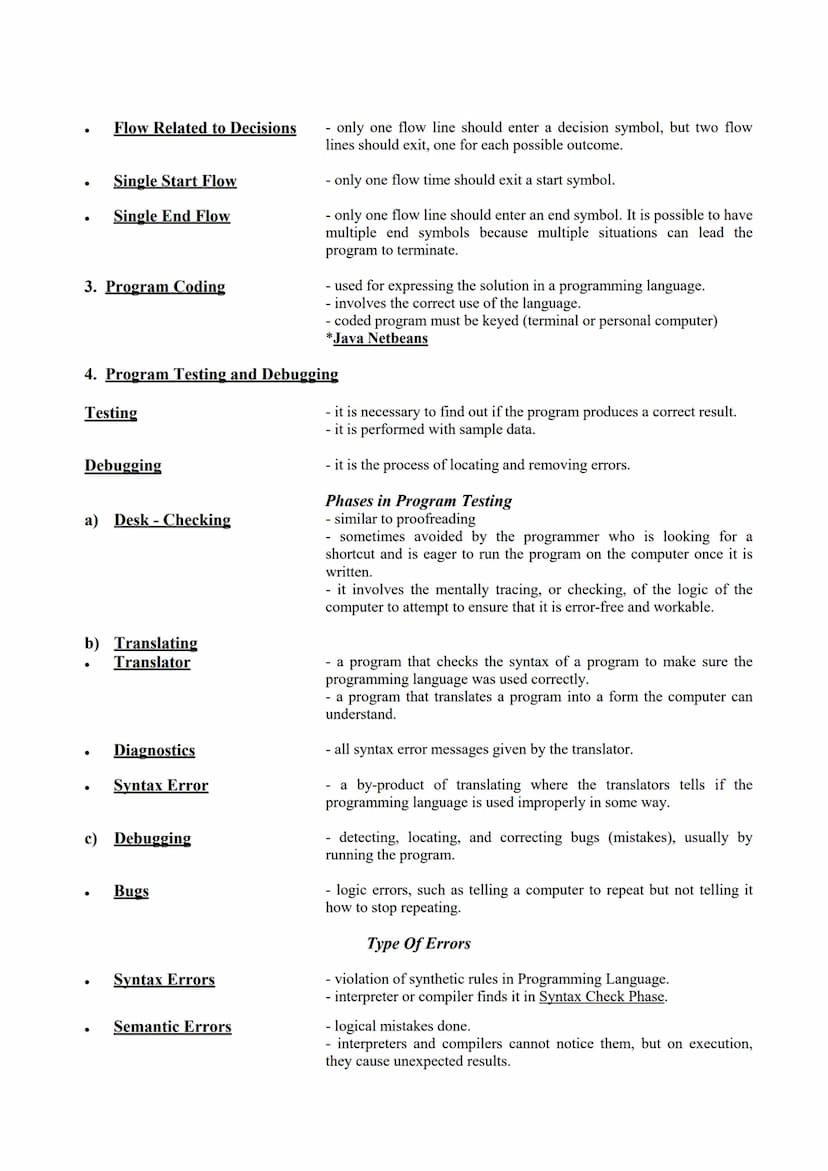
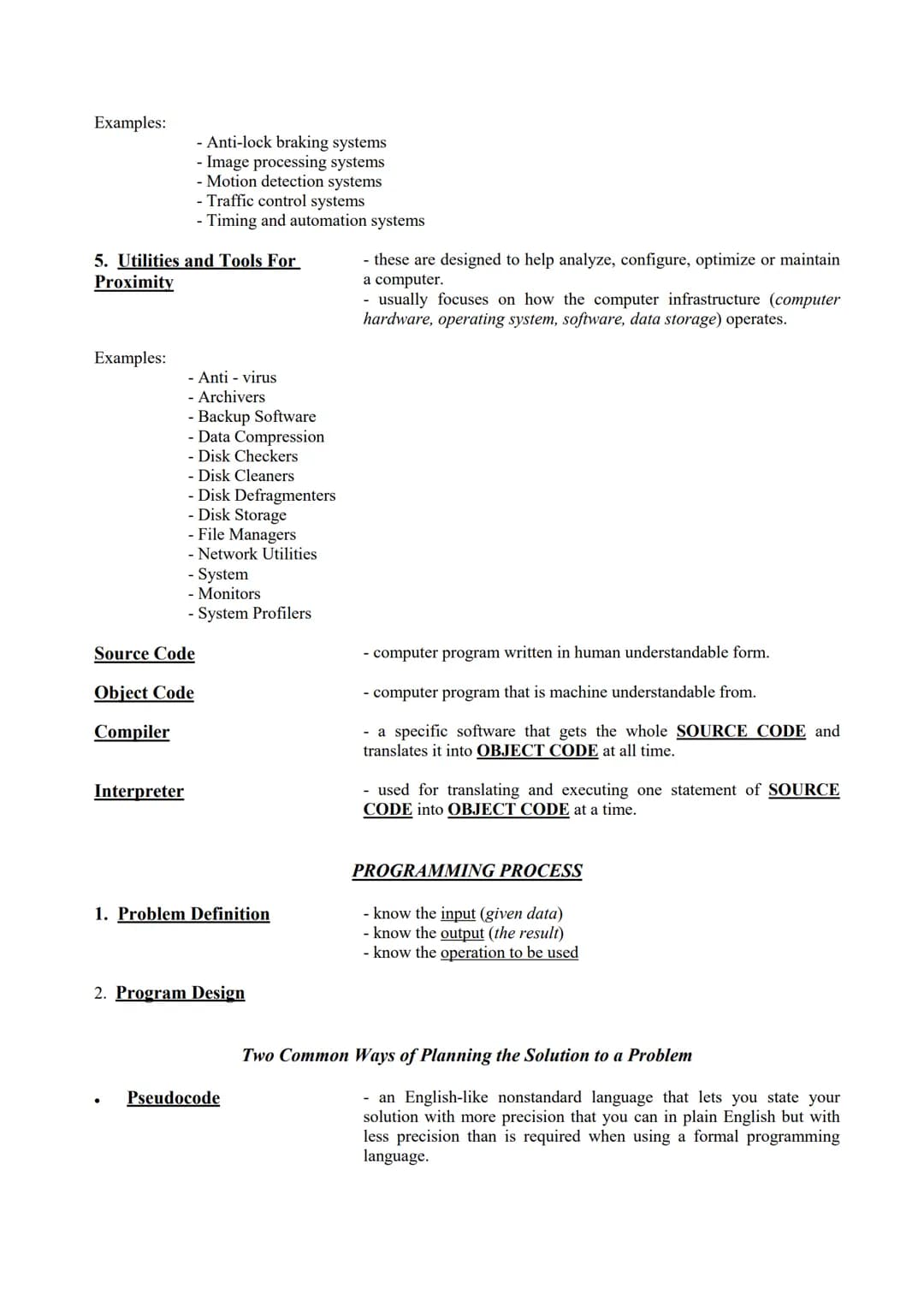
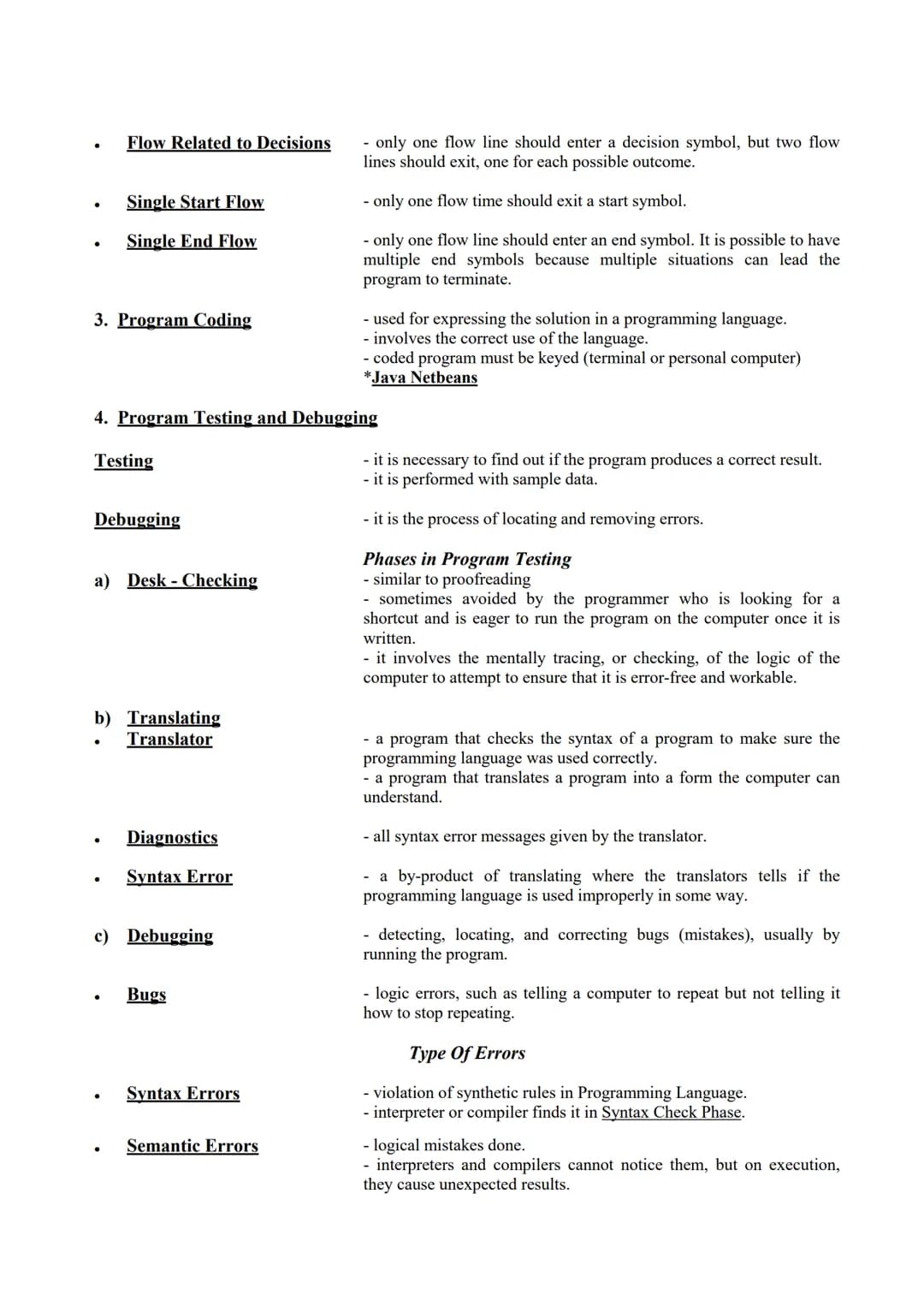
The programming process starts with problem definition—understanding what input you have, what output you need, and what operations will transform one into the other. Next comes program design, where programmers plan their solution before writing any code.
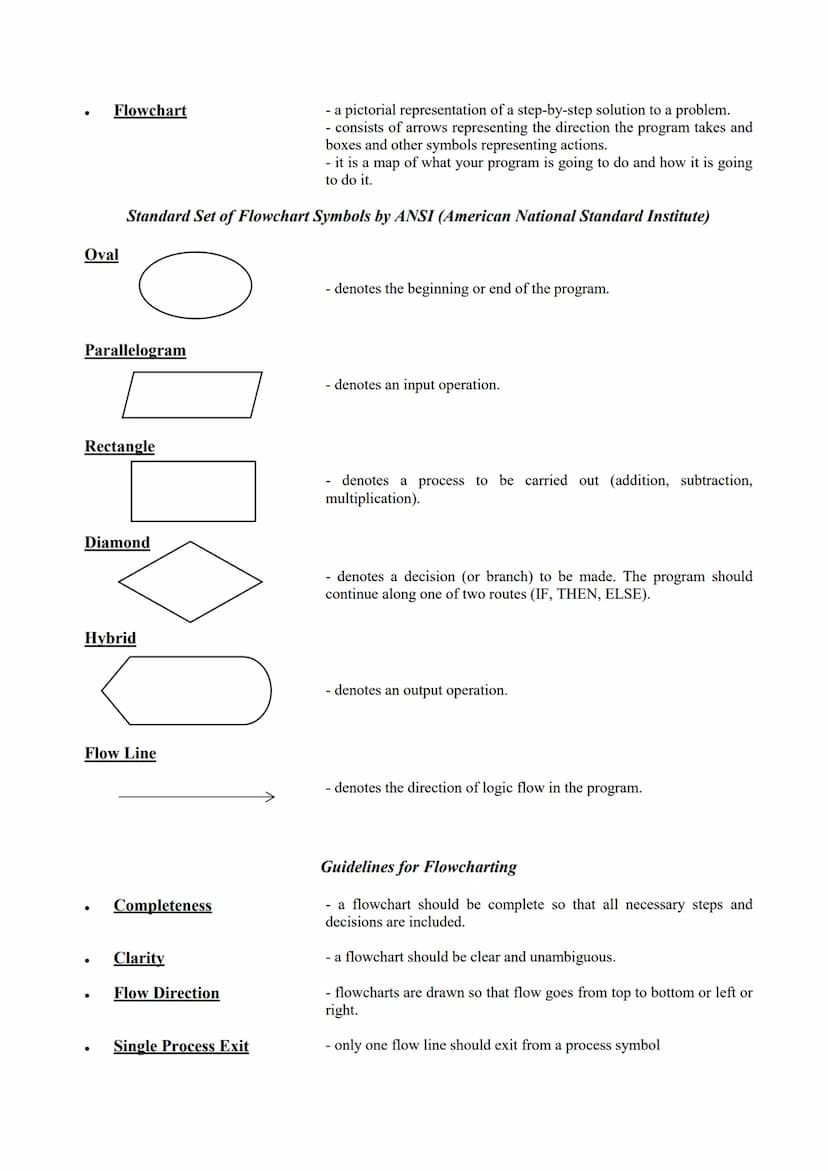
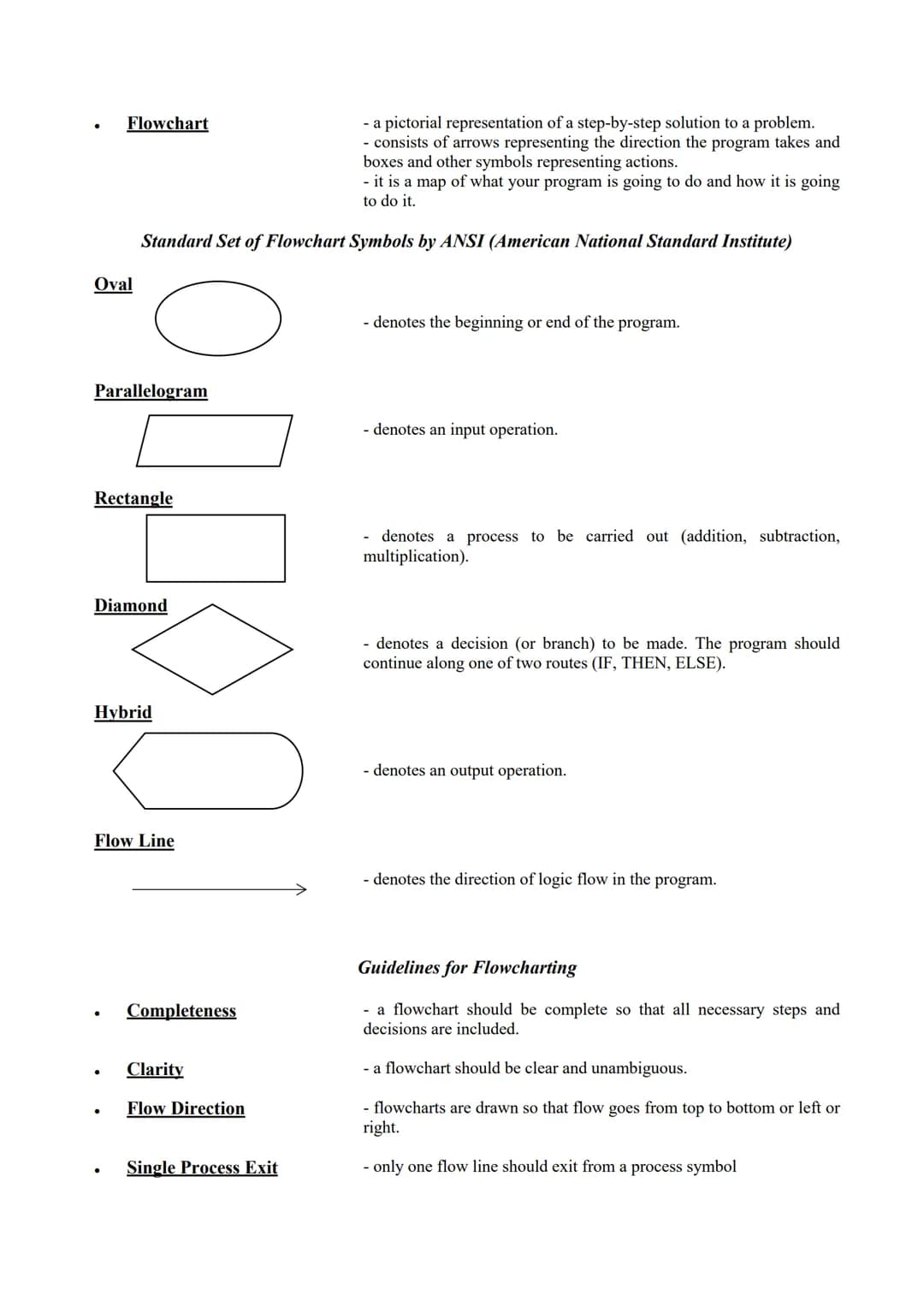
Two common planning tools are pseudocode and flowcharts. Pseudocode is an English-like language that lets you describe your solution more precisely than regular English but less formally than actual code. It's like sketching out your ideas before committing to the final design.
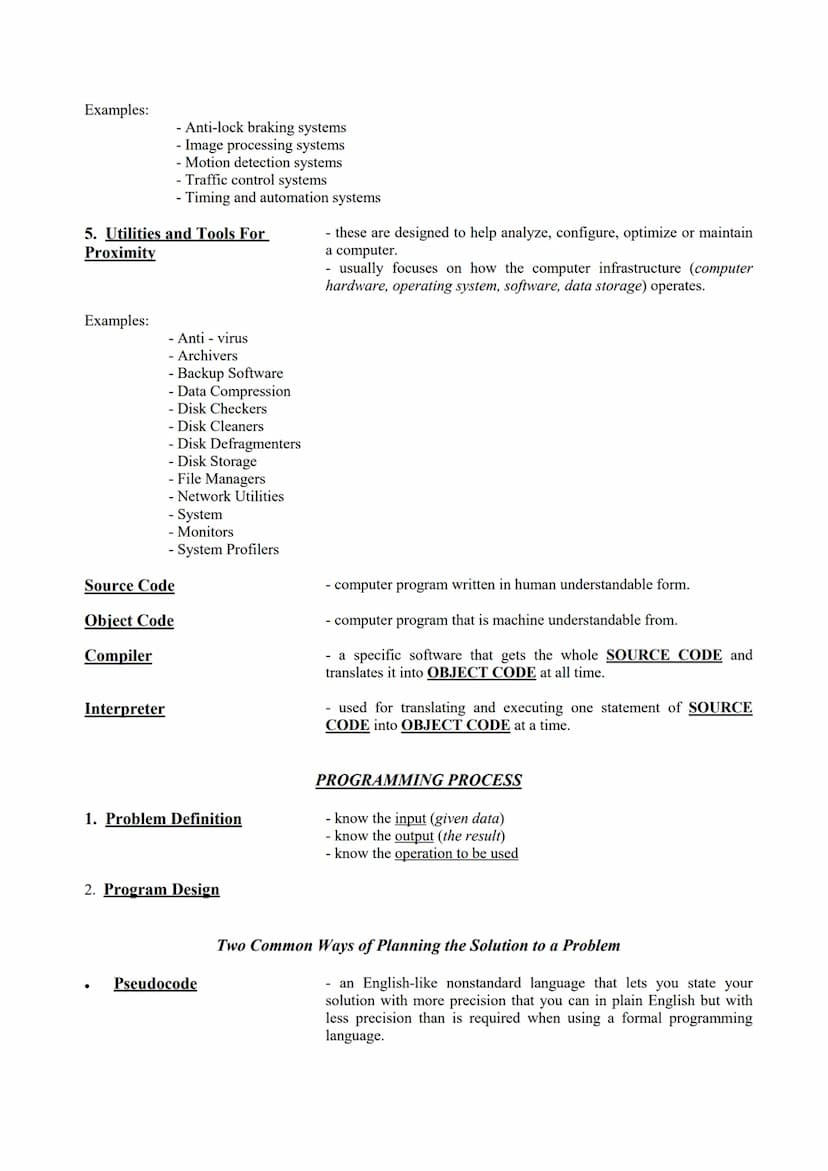
Utility software helps maintain your computer system by analyzing, configuring, and optimizing how it runs. Examples include antivirus programs, backup software, disk cleaners, and network utilities that keep your digital environment running smoothly.


 Science (ACT®)
 Fun Stuff
 Algebra