
Cells are the building blocks of life, serving as the... Show more
 GenBio
 Econ
Econ Araling Panlipunan (AP)
 Iba pa
 Practical Research
 DISS
DISSSign up to see the contentIt's free!
Access to all documents
Improve your grades
Join milions of students
By signing up you accept Terms of Service and Privacy Policy
Subjects

Biology

Chemistry
AP Chemistry

English
AP English Literature
2
0
Faith H
12/20/2025
GenChem
Functions of the cell
149
•
Dec 20, 2025
•
Faith H
@faithh_o5dzt
Cells are the building blocks of life, serving as the... Show more
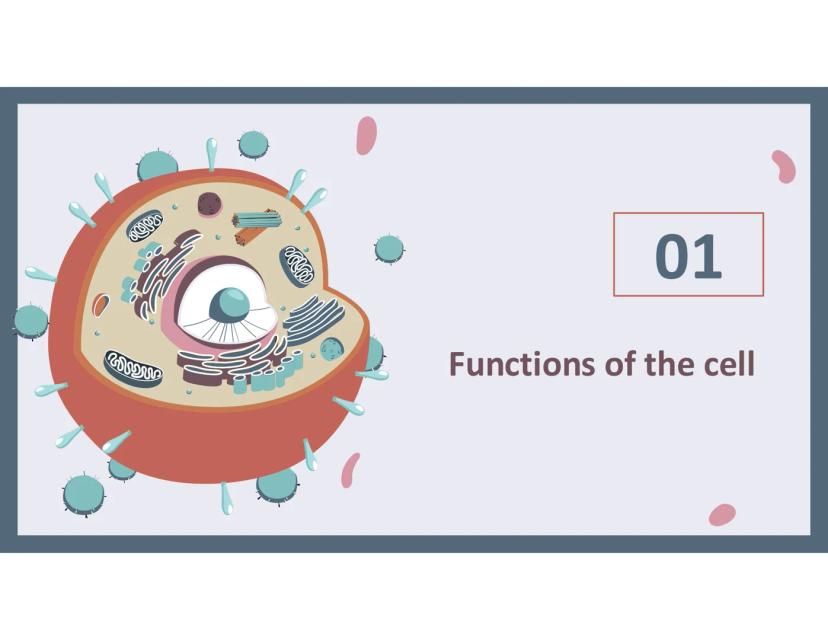
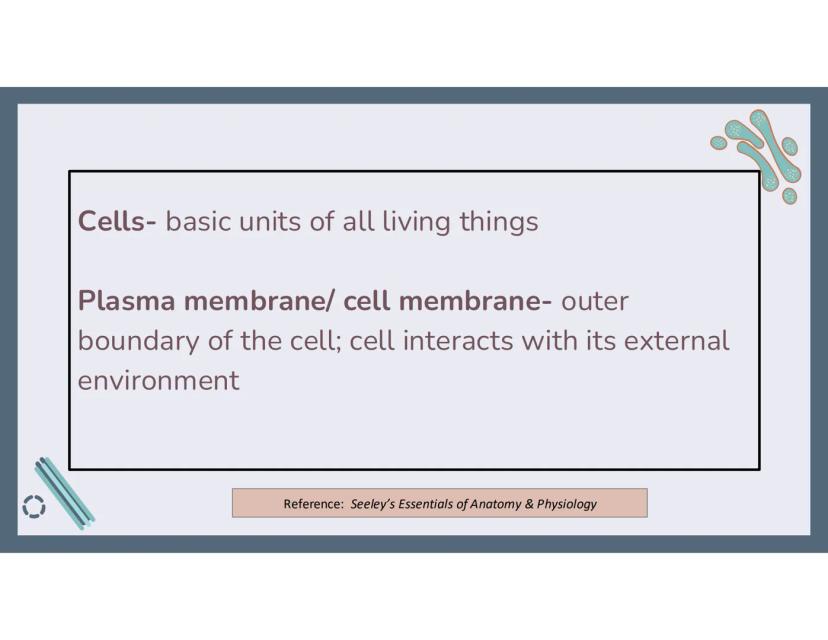
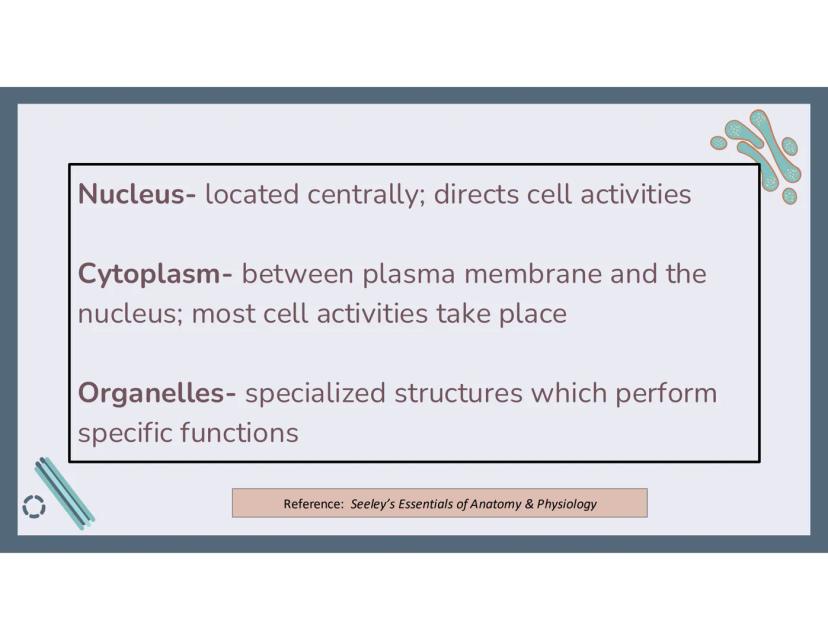
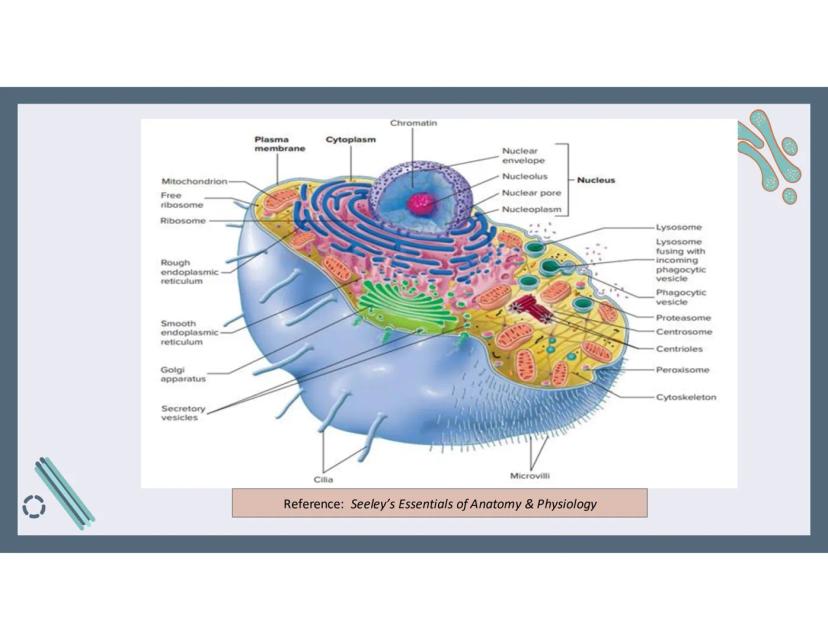
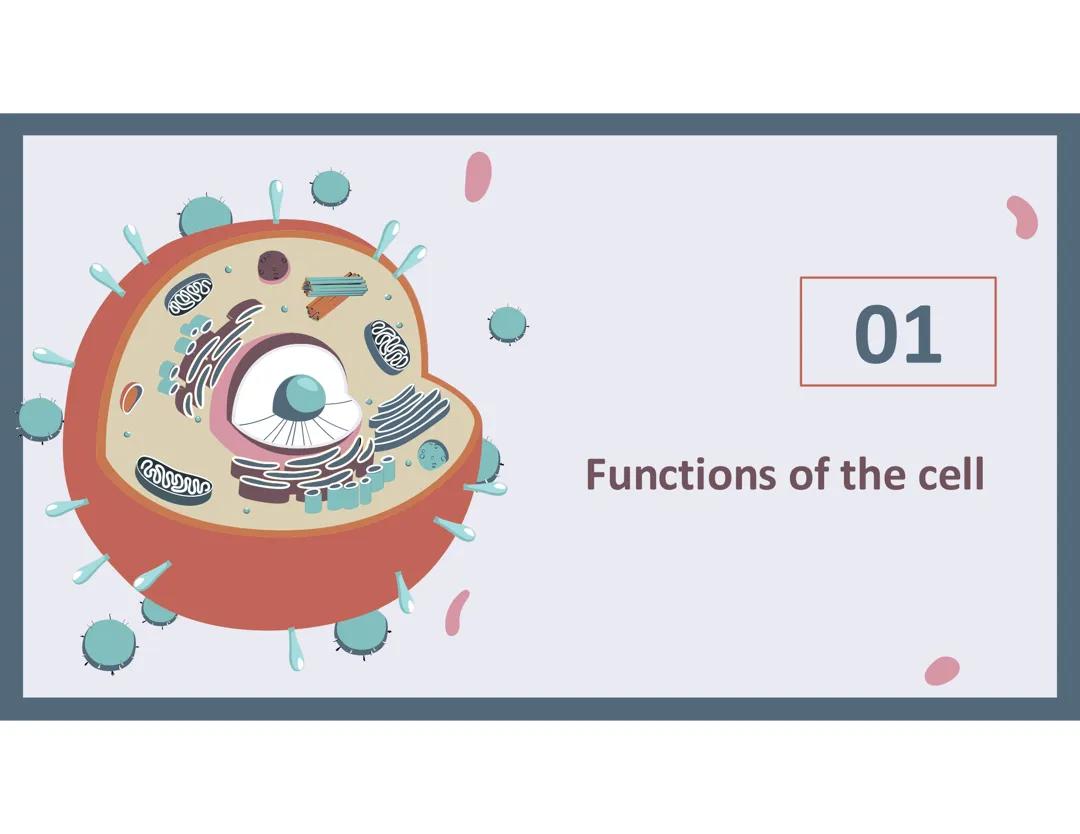
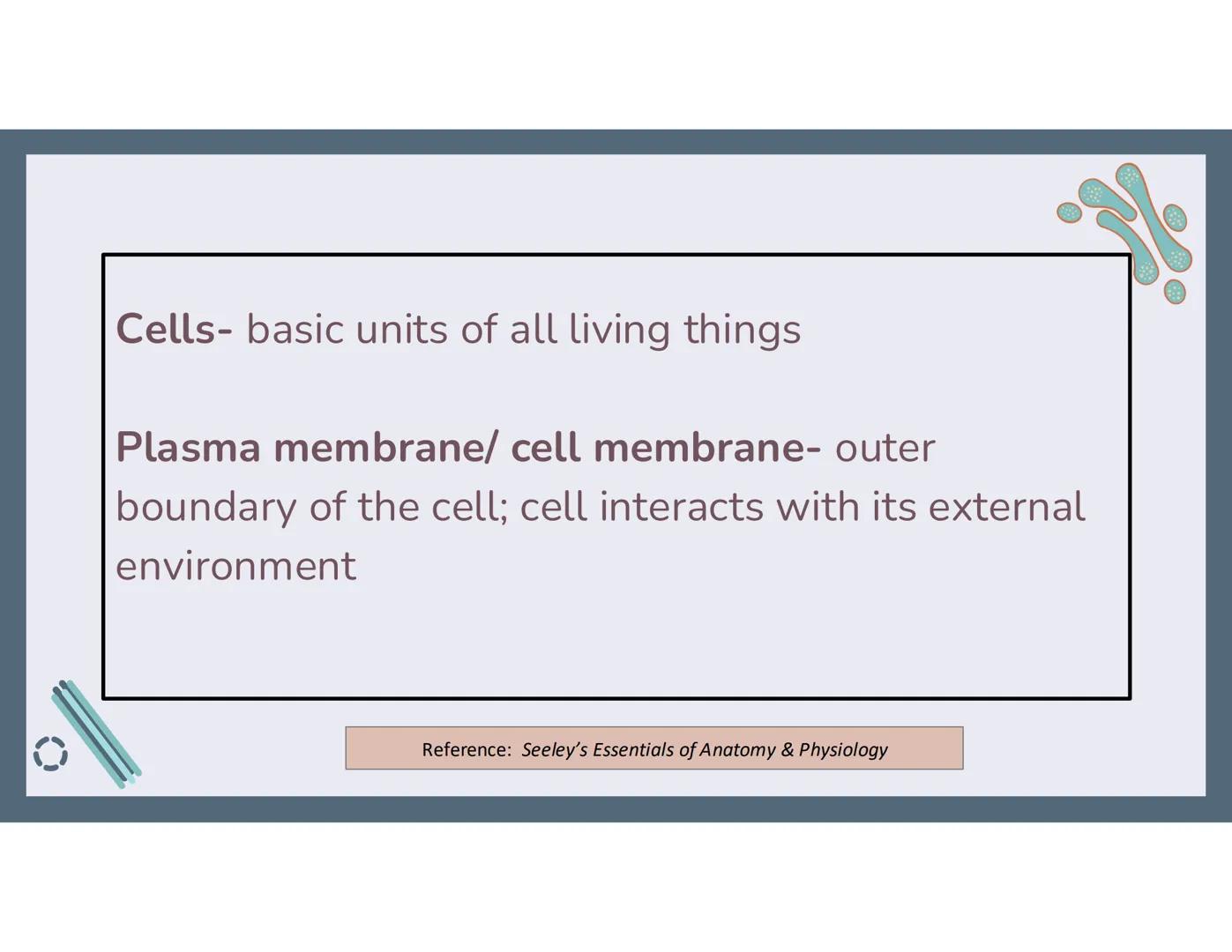
Cells are the basic units of all living things, working together to keep organisms alive. These microscopic structures have distinct parts that perform specialized functions.
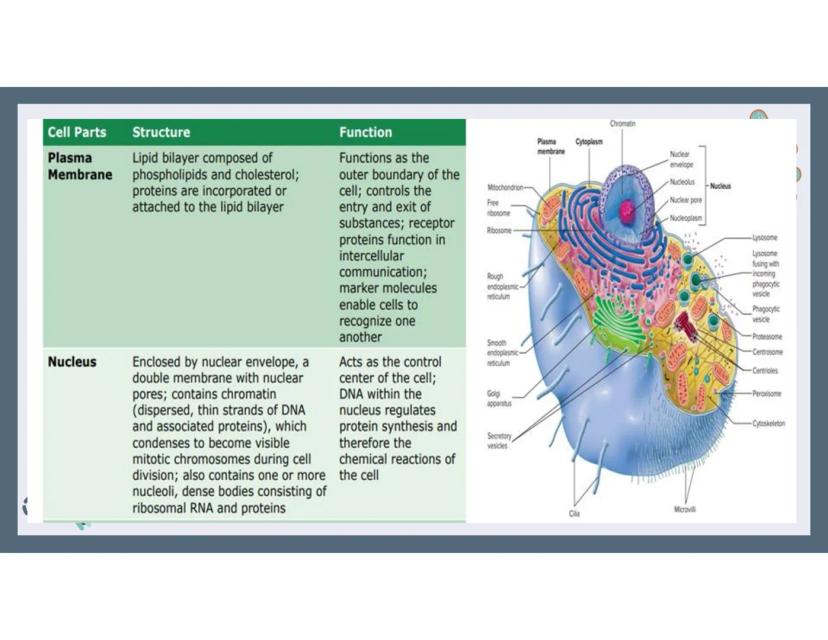
The plasma membrane (cell membrane) forms the outer boundary of the cell, controlling what enters and exits. This selective barrier is how cells interact with their environment.
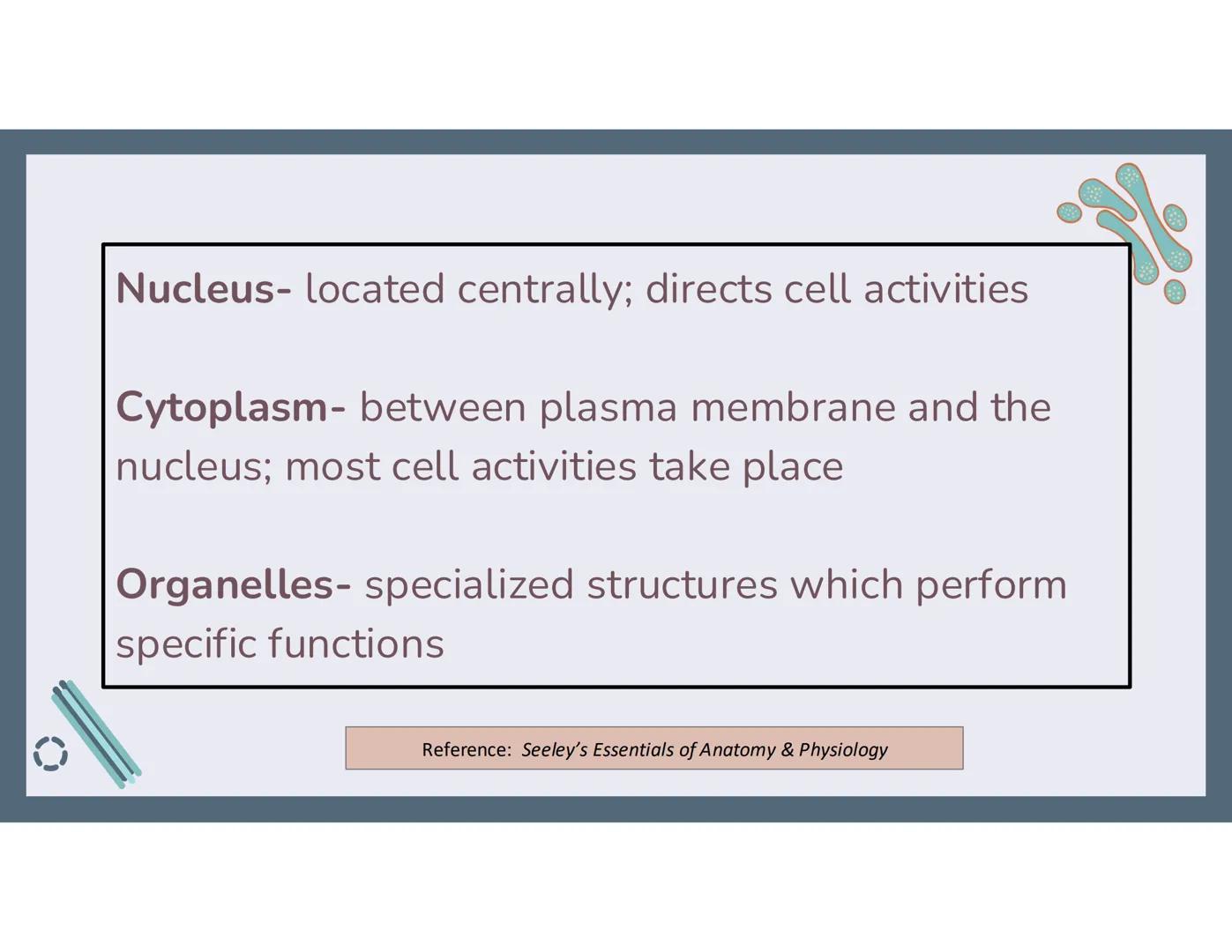
Inside the cell, the centrally located nucleus directs all cell activities, essentially serving as the control center. Between the nucleus and membrane lies the cytoplasm, where most cellular activities take place. Within the cytoplasm are organelles, specialized structures that perform specific functions.
Did you know? Your body contains trillions of cells, and almost every one contains the complete set of instructions needed to make you who you are!
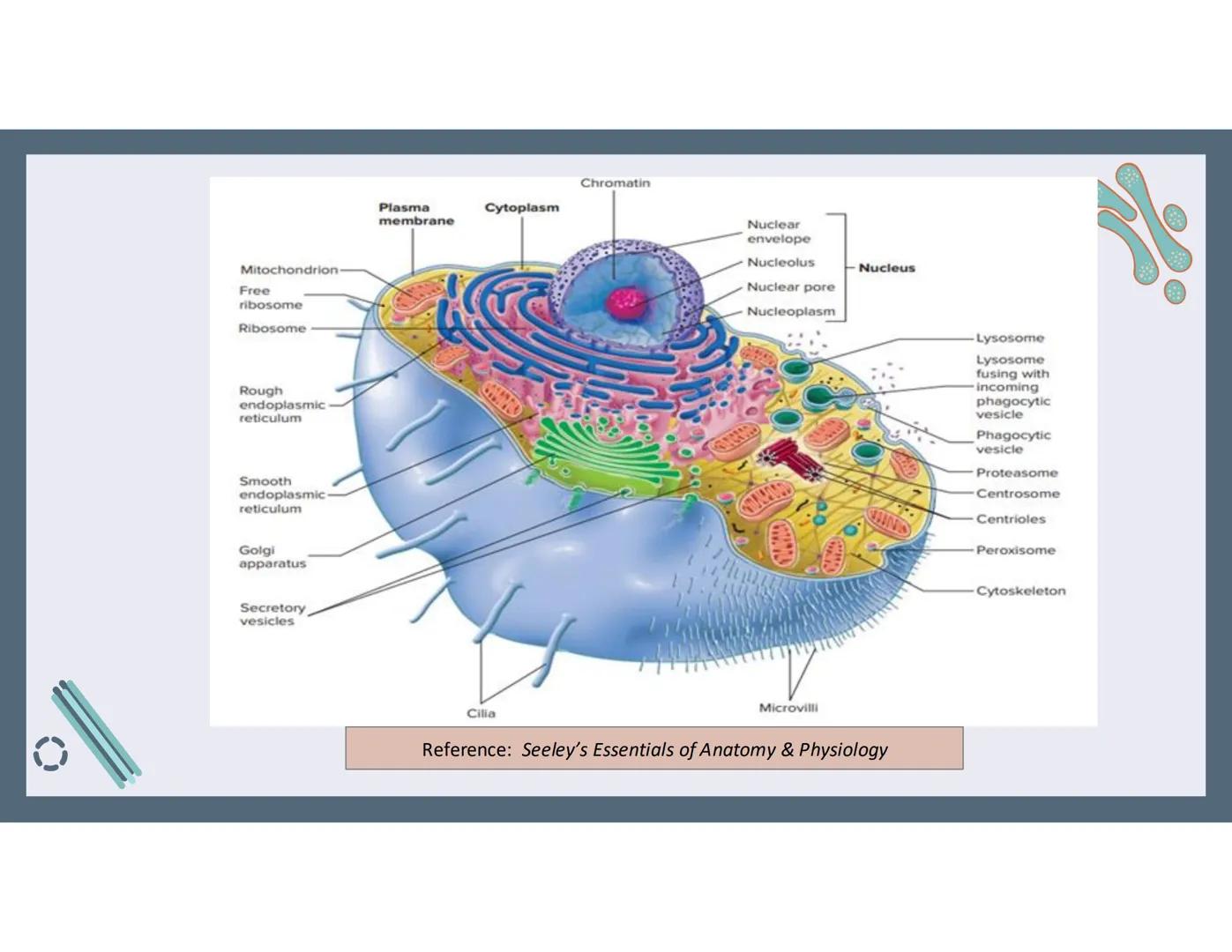
When you look at a cell under a microscope, you'll see an intricate world of specialized components. Each part has a specific job that keeps the cell functioning properly.
The plasma membrane creates a boundary between the cell's interior and the outside world. The nucleus, typically found near the center, houses your DNA and directs cellular activities. The cytoplasm fills the space between these structures and contains various organelles.
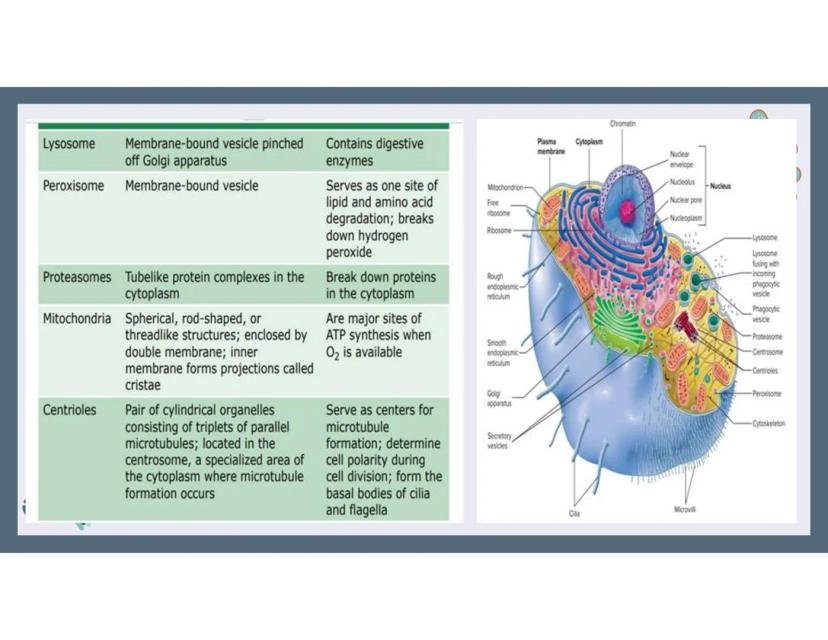
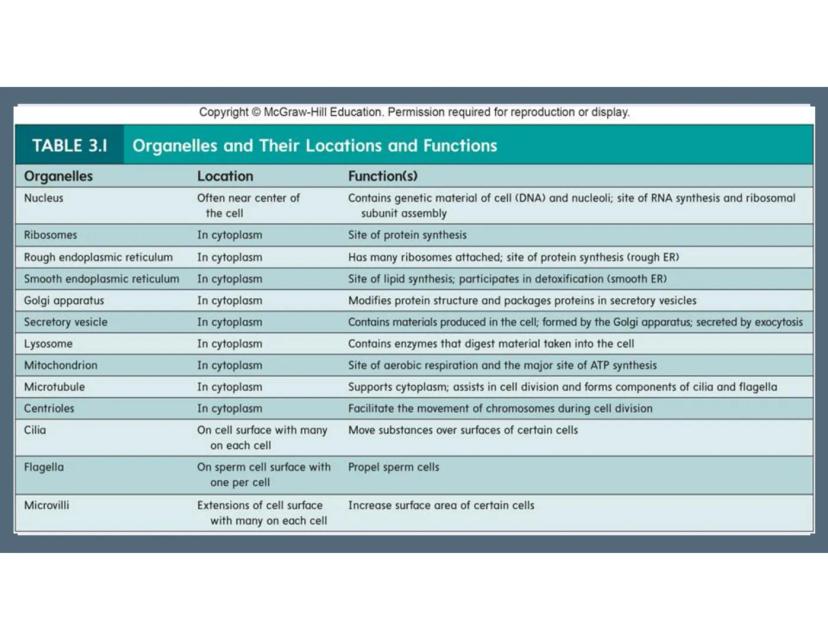
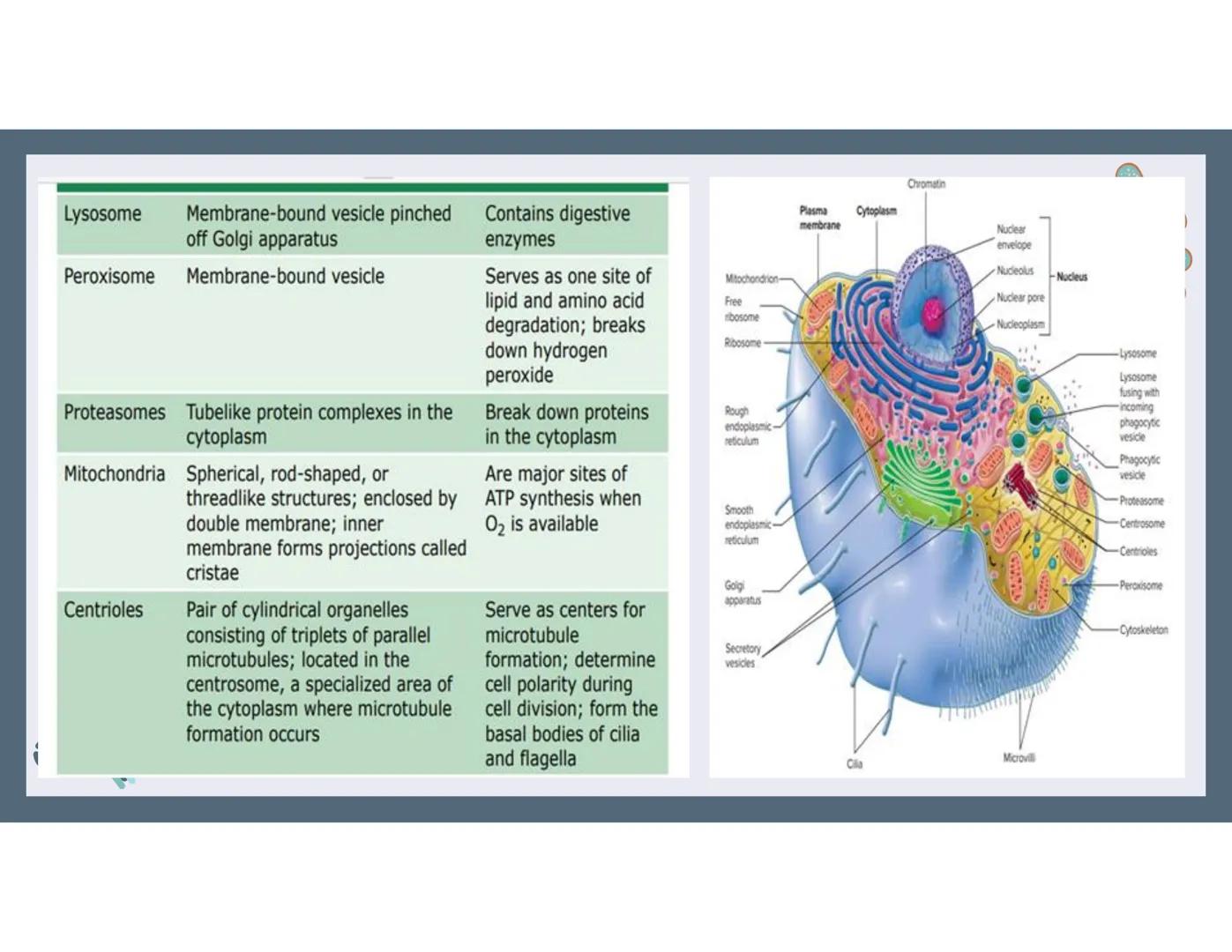
Key organelles include mitochondria (the cell's power plants), ribosomes (protein factories), and the endoplasmic reticulum (processing center for proteins and lipids). The Golgi apparatus packages and distributes materials, while lysosomes contain digestive enzymes.
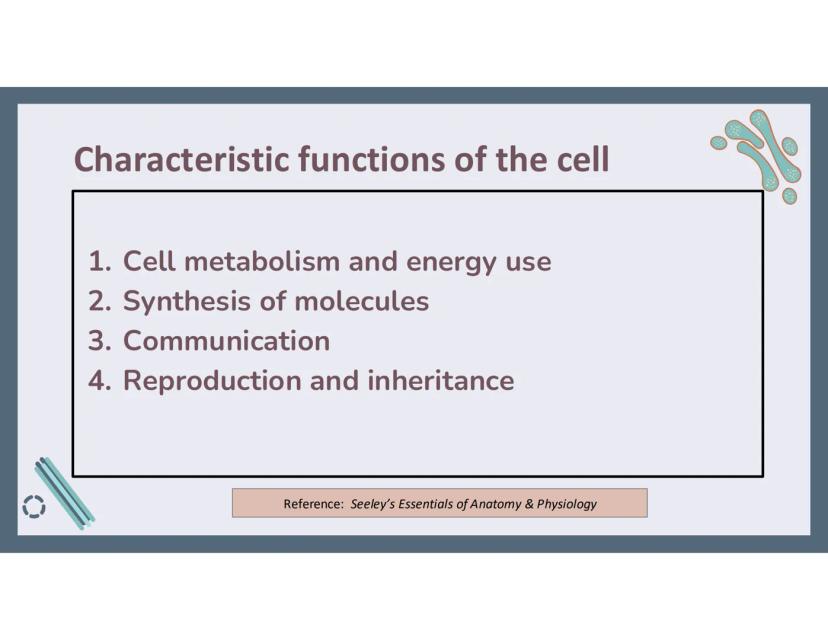
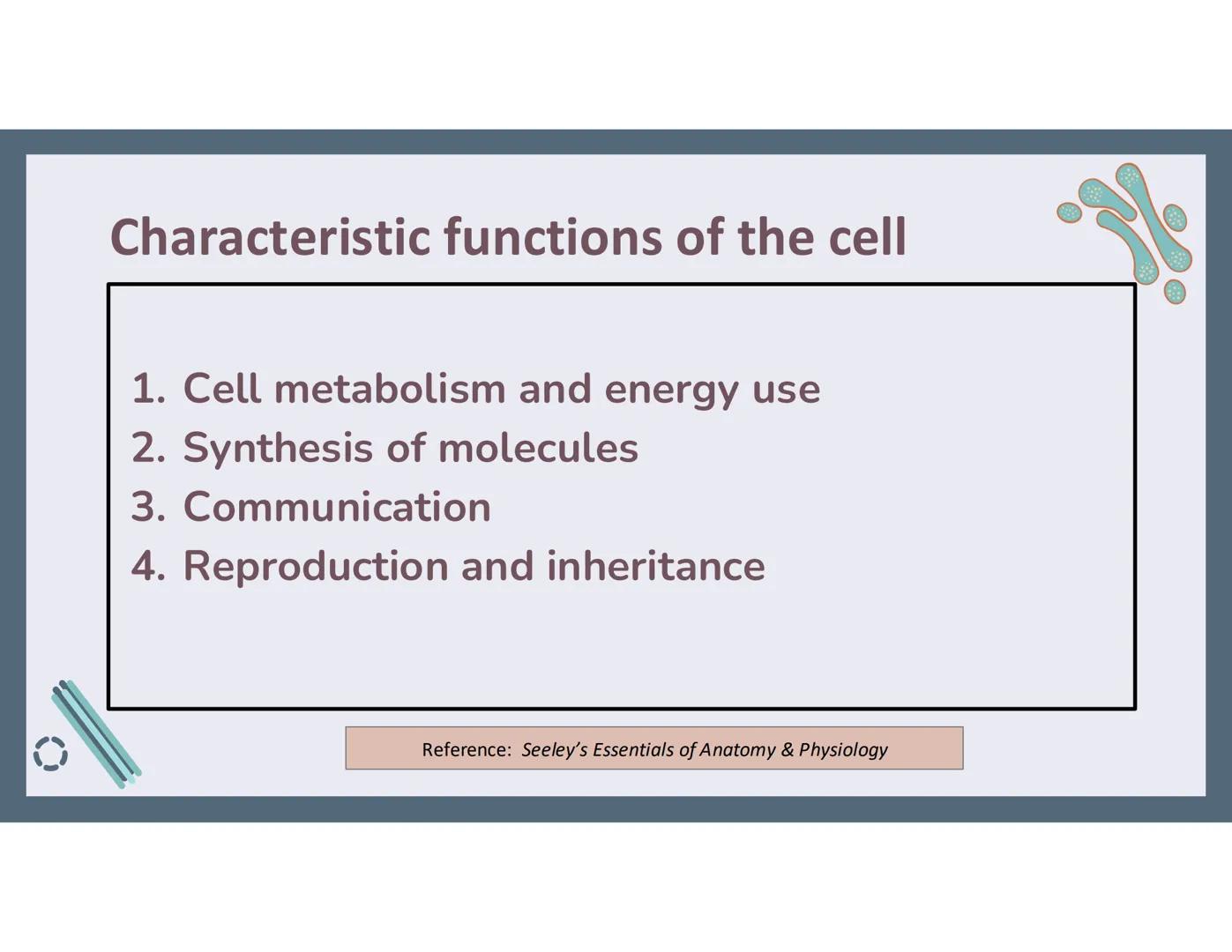
Cell structures work together to perform four characteristic functions: metabolism and energy use, synthesis of molecules, communication, and reproduction/inheritance.
Remember: Think of the cell as a tiny city with different "buildings" (organelles) that each serve a unique purpose!
The plasma membrane is more than just a simple barrier—it's a sophisticated structure with critical functions. As the outermost component of a cell, it separates the intracellular environment from the extracellular one.
This dynamic boundary performs several key functions: it encloses and supports cell contents, attaches cells to their environment or to other cells, facilitates cell recognition and communication, and regulates what moves into and out of the cell.
The outer surface of the plasma membrane features a glycocalyx—a collection of glycolipids, glycoproteins, and carbohydrates that helps cells recognize each other and provides protection.
Quick tip: When studying the plasma membrane, visualize it as a security checkpoint that carefully controls what enters and leaves the cell while also allowing for communication with the outside world.
The plasma membrane has a remarkable structure built primarily from two types of lipids: phospholipids and cholesterol. These components create a flexible yet stable barrier.
Phospholipids form a bilayer that makes up the membrane's foundation. Each phospholipid molecule has a hydrophilic head and a hydrophobic tail. The heads face outward toward watery environments both inside and outside the cell, while the tails face inward toward each other.
Cholesterol molecules are interspersed among the phospholipids, helping to maintain the membrane's fluidity. This arrangement creates a structure that's solid enough to provide protection but fluid enough to allow necessary movement.
Fascinating fact: If you could stretch out all the cell membranes in your body, they would cover approximately 1.6 acres (about the size of a football field)!
Proteins embedded in the plasma membrane perform vital functions that lipids alone cannot. These proteins come in two main types based on their position in the membrane.
Integral membrane proteins penetrate deeply into the lipid bilayer, often extending completely from one side to the other. These proteins create channels for substances to pass through or serve as receptors that receive signals from outside the cell.
Peripheral membrane proteins attach to either the inner or outer surface of the lipid bilayer rather than spanning it. They often function in cell signaling or structural support.
Together with membrane lipids, these proteins give the membrane its selective permeability—allowing only certain substances to enter or exit the cell.
Remember: Membrane proteins work like specialized doorways and communication devices that determine what enters the cell and how it responds to signals from its environment.
Cells constantly exchange materials with their environment, but how do substances cross the selectively permeable plasma membrane? Some methods require no energy from the cell.
Diffusion is the movement of molecules from an area of higher concentration to lower concentration. Lipid-soluble molecules like oxygen and carbon dioxide can diffuse directly through the membrane. Non-lipid-soluble molecules need help from transport proteins.
Osmosis is simply water diffusion across a membrane. Water moves from areas of lower solute concentration (more water) to areas of higher solute concentration (less water). This movement creates three possible conditions for cells:
Think about it: Red blood cells in the wrong solution can either burst or shrink—that's why medical IVs must contain carefully balanced salt solutions!
Facilitated diffusion uses carrier proteins to move substances across the membrane without using energy. These proteins show three important characteristics:
When cells need to move substances against their concentration gradients, they use active transport processes that require energy (ATP). The sodium-potassium pump is a classic example—it moves sodium ions out of the cell and potassium ions in, maintaining crucial concentration gradients.
Secondary active transport cleverly uses ion concentration gradients created by primary active transport to power the movement of other substances. For example, glucose can enter cells by "hitching a ride" with sodium ions moving down their concentration gradient.
Pro tip: Think of passive transport as going downhill (no energy needed) and active transport as going uphill (energy required)!
Sometimes cells need to move larger materials or bulk quantities across the membrane. For these situations, they use vesicles—small membrane-enclosed compartments.
Endocytosis brings materials into the cell by forming vesicles from the plasma membrane. This happens in different ways:
Exocytosis does the opposite—it releases materials from the cell. Secretory vesicles inside the cell fuse with the plasma membrane, releasing their contents outside. This process expels waste products and secretes important molecules like hormones and digestive enzymes.
Did you know? Your immune cells use phagocytosis to "eat" harmful bacteria and protect you from infection!
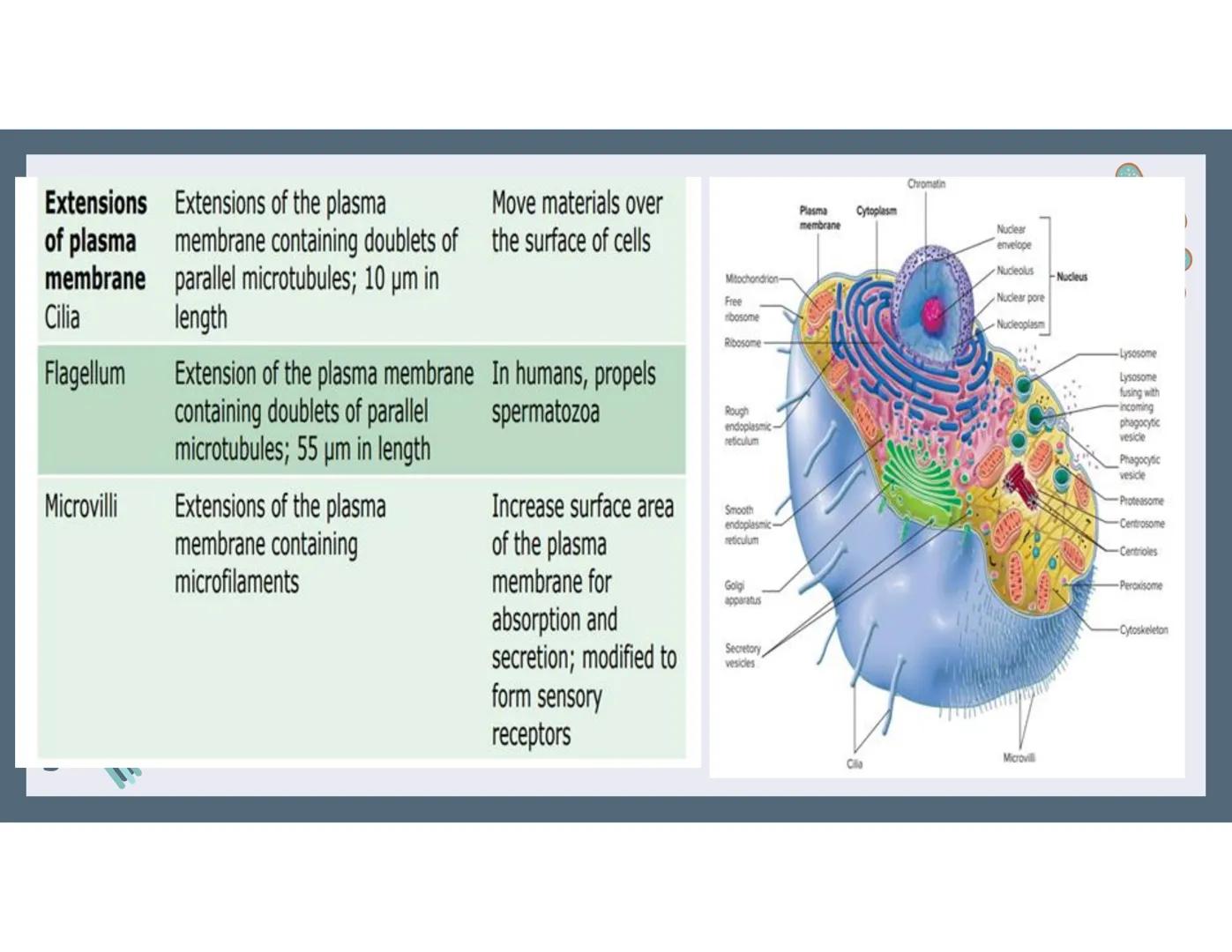
The cytoplasm is much more than just cell filling—it's a complex, jelly-like substance that gives cells shape and holds organelles in place. Approximately half is fluid (cytosol) and half is organelles.
The cytoskeleton provides structural support, similar to how your skeleton supports your body. This internal framework consists of three main protein structures:
The cytoskeleton not only maintains cell shape but also assists in organelle positioning and cellular movement. It creates "highways" for transporting materials throughout the cell.
Remember: The cytoskeleton is constantly being built and broken down, making it a dynamic structure that adapts to the cell's changing needs!
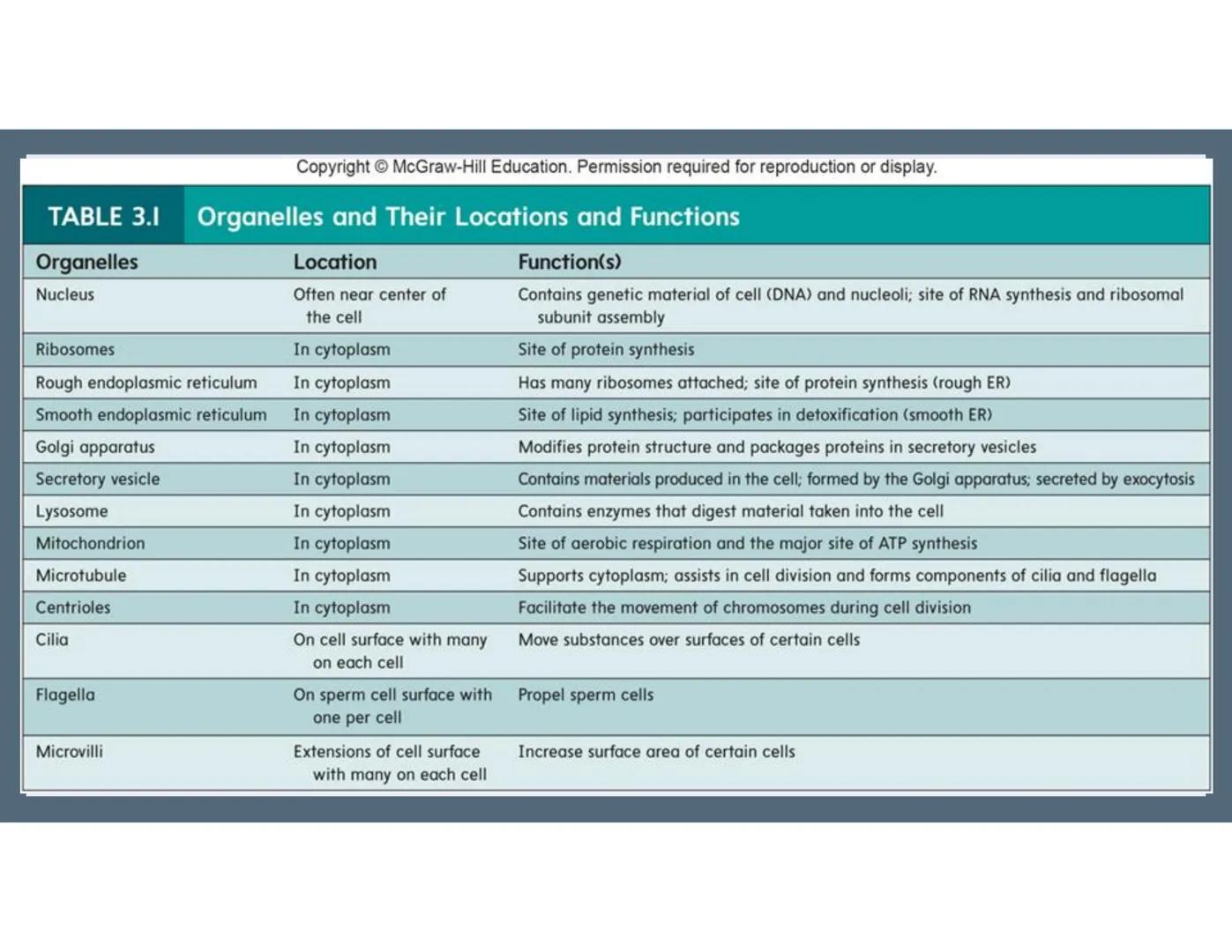
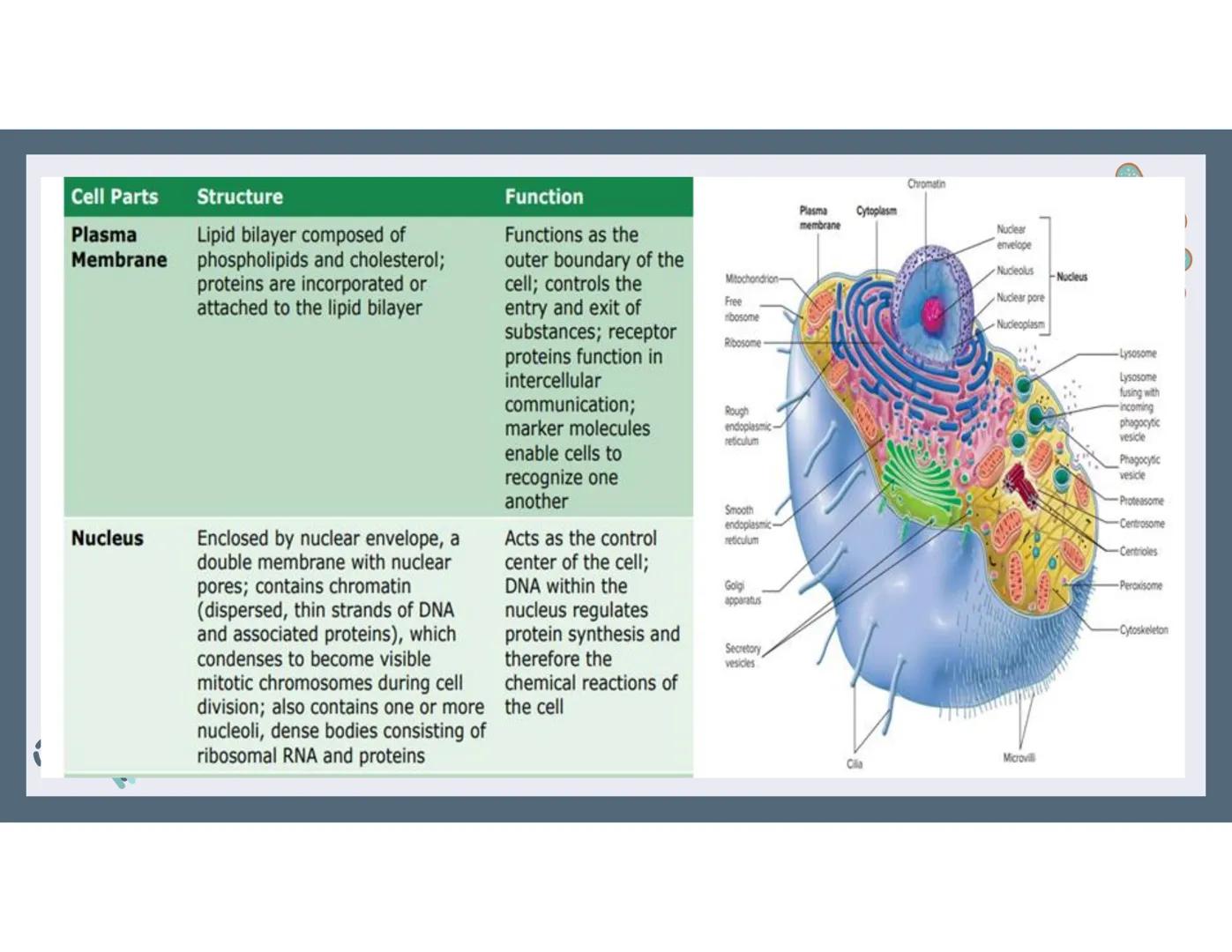
The nucleus is the cell's command center, housing DNA and controlling all cellular activities. It's surrounded by a nuclear envelope with nuclear pores that regulate what enters and exits.
Inside the nucleus, chromosomes contain genetic material that determines how the cell functions. These are normally loosely coiled as chromatin except during cell division. The nucleolus is a dense region within the nucleus that produces ribosomes.
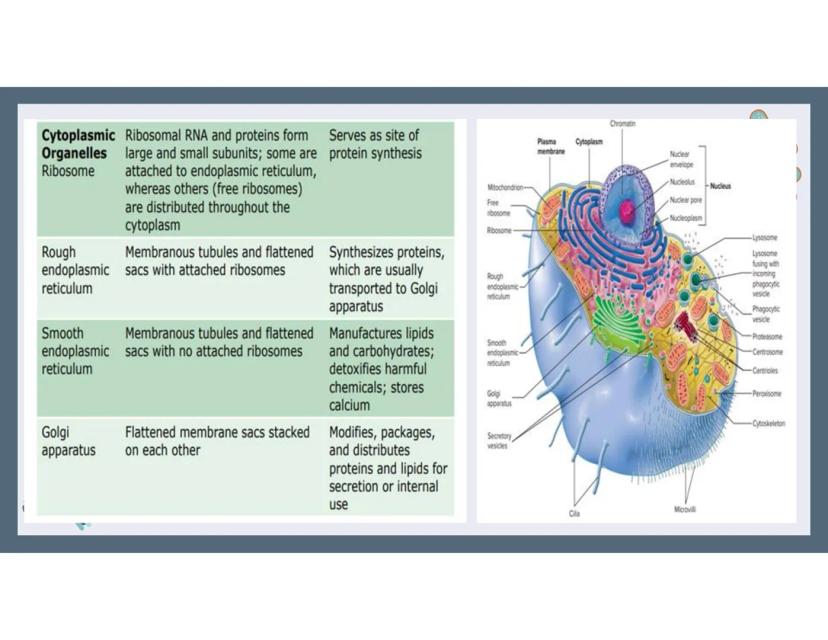
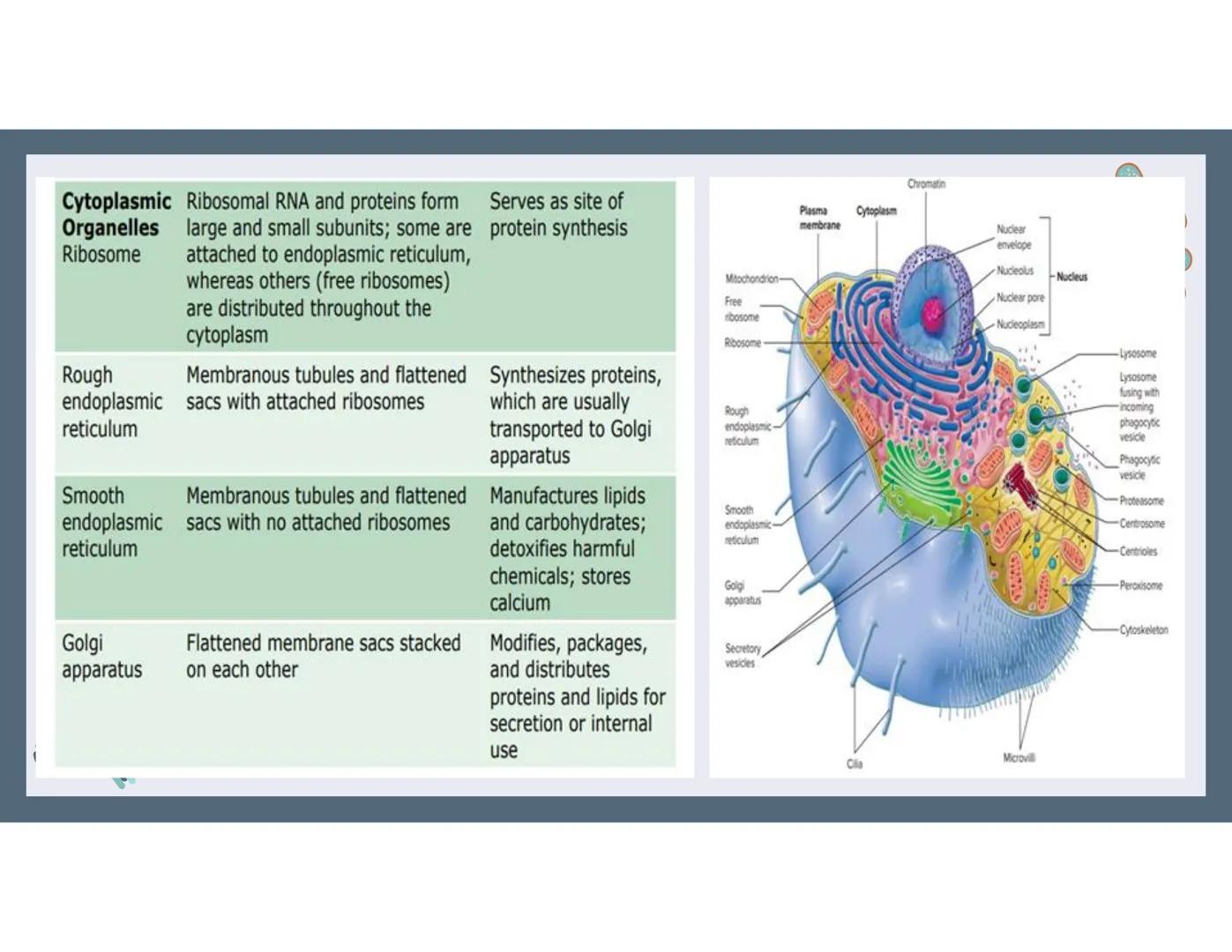
Ribosomes are protein factories that can be attached to the rough endoplasmic reticulum (RER) or float freely in the cytoplasm. The endoplasmic reticulum comes in two varieties—rough (with ribosomes) for protein synthesis and smooth (without ribosomes) for lipid production.
The Golgi apparatus processes, packages, and distributes proteins and lipids, while lysosomes contain digestive enzymes that break down waste materials and foreign substances.
Think about it: Just like a city needs a city hall, power plants, and waste management, cells need specialized organelles to function properly!
Our AI companion is specifically built for the needs of students. Based on the millions of content pieces we have on the platform we can provide truly meaningful and relevant answers to students. But its not only about answers, the companion is even more about guiding students through their daily learning challenges, with personalised study plans, quizzes or content pieces in the chat and 100% personalisation based on the students skills and developments.
You can download the app in the Google Play Store and in the Apple App Store.
That's right! Enjoy free access to study content, connect with fellow students, and get instant help – all at your fingertips.
App Store
Google Play
The app is very easy to use and well designed. I have found everything I was looking for so far and have been able to learn a lot from the presentations! I will definitely use the app for a class assignment! And of course it also helps a lot as an inspiration.
Stefan S
iOS user
This app is really great. There are so many study notes and help [...]. My problem subject is French, for example, and the app has so many options for help. Thanks to this app, I have improved my French. I would recommend it to anyone.
Samantha Klich
Android user
Wow, I am really amazed. I just tried the app because I've seen it advertised many times and was absolutely stunned. This app is THE HELP you want for school and above all, it offers so many things, such as workouts and fact sheets, which have been VERY helpful to me personally.
Anna
iOS user
I think it’s very much worth it and you’ll end up using it a lot once you get the hang of it and even after looking at others notes you can still ask your Artificial intelligence buddy the question and ask to simplify it if you still don’t get it!!! In the end I think it’s worth it 😊👍 ⚠️Also DID I MENTION ITS FREEE YOU DON’T HAVE TO PAY FOR ANYTHING AND STILL GET YOUR GRADES IN PERFECTLY❗️❗️⚠️
Thomas R
iOS user
Knowunity is the BEST app I’ve used in a minute. This is not an ai review or anything this is genuinely coming from a 7th grade student (I know 2011 im young) but dude this app is a 10/10 i have maintained a 3.8 gpa and have plenty of time for gaming. I love it and my mom is just happy I got good grades
Brad T
Android user
Not only did it help me find the answer but it also showed me alternative ways to solve it. I was horrible in math and science but now I have an a in both subjects. Thanks for the help🤍🤍
David K
iOS user
The app's just great! All I have to do is enter the topic in the search bar and I get the response real fast. I don't have to watch 10 YouTube videos to understand something, so I'm saving my time. Highly recommended!
Sudenaz Ocak
Android user
In school I was really bad at maths but thanks to the app, I am doing better now. I am so grateful that you made the app.
Greenlight Bonnie
Android user
I found this app a couple years ago and it has only gotten better since then. I really love it because it can help with written questions and photo questions. Also, it can find study guides that other people have made as well as flashcard sets and practice tests. The free version is also amazing for students who might not be able to afford it. Would 100% recommend
Aubrey
iOS user
Best app if you're in Highschool or Junior high. I have been using this app for 2 school years and it's the best, it's good if you don't have anyone to help you with school work.😋🩷🎀
Marco B
iOS user
THE QUIZES AND FLASHCARDS ARE SO USEFUL AND I LOVE THE SCHOOLGPT. IT ALSO IS LITREALLY LIKE CHATGPT BUT SMARTER!! HELPED ME WITH MY MASCARA PROBLEMS TOO!! AS WELL AS MY REAL SUBJECTS ! DUHHH 😍😁😲🤑💗✨🎀😮
Elisha
iOS user
This app is phenomenal down to the correct info and the various topics you can study! I greatly recommend it for people who struggle with procrastination and those who need homework help. It has been perfectly accurate for world 1 history as far as I’ve seen! Geometry too!
Paul T
iOS user
The app is very easy to use and well designed. I have found everything I was looking for so far and have been able to learn a lot from the presentations! I will definitely use the app for a class assignment! And of course it also helps a lot as an inspiration.
Stefan S
iOS user
This app is really great. There are so many study notes and help [...]. My problem subject is French, for example, and the app has so many options for help. Thanks to this app, I have improved my French. I would recommend it to anyone.
Samantha Klich
Android user
Wow, I am really amazed. I just tried the app because I've seen it advertised many times and was absolutely stunned. This app is THE HELP you want for school and above all, it offers so many things, such as workouts and fact sheets, which have been VERY helpful to me personally.
Anna
iOS user
I think it’s very much worth it and you’ll end up using it a lot once you get the hang of it and even after looking at others notes you can still ask your Artificial intelligence buddy the question and ask to simplify it if you still don’t get it!!! In the end I think it’s worth it 😊👍 ⚠️Also DID I MENTION ITS FREEE YOU DON’T HAVE TO PAY FOR ANYTHING AND STILL GET YOUR GRADES IN PERFECTLY❗️❗️⚠️
Thomas R
iOS user
Knowunity is the BEST app I’ve used in a minute. This is not an ai review or anything this is genuinely coming from a 7th grade student (I know 2011 im young) but dude this app is a 10/10 i have maintained a 3.8 gpa and have plenty of time for gaming. I love it and my mom is just happy I got good grades
Brad T
Android user
Not only did it help me find the answer but it also showed me alternative ways to solve it. I was horrible in math and science but now I have an a in both subjects. Thanks for the help🤍🤍
David K
iOS user
The app's just great! All I have to do is enter the topic in the search bar and I get the response real fast. I don't have to watch 10 YouTube videos to understand something, so I'm saving my time. Highly recommended!
Sudenaz Ocak
Android user
In school I was really bad at maths but thanks to the app, I am doing better now. I am so grateful that you made the app.
Greenlight Bonnie
Android user
I found this app a couple years ago and it has only gotten better since then. I really love it because it can help with written questions and photo questions. Also, it can find study guides that other people have made as well as flashcard sets and practice tests. The free version is also amazing for students who might not be able to afford it. Would 100% recommend
Aubrey
iOS user
Best app if you're in Highschool or Junior high. I have been using this app for 2 school years and it's the best, it's good if you don't have anyone to help you with school work.😋🩷🎀
Marco B
iOS user
THE QUIZES AND FLASHCARDS ARE SO USEFUL AND I LOVE THE SCHOOLGPT. IT ALSO IS LITREALLY LIKE CHATGPT BUT SMARTER!! HELPED ME WITH MY MASCARA PROBLEMS TOO!! AS WELL AS MY REAL SUBJECTS ! DUHHH 😍😁😲🤑💗✨🎀😮
Elisha
iOS user
This app is phenomenal down to the correct info and the various topics you can study! I greatly recommend it for people who struggle with procrastination and those who need homework help. It has been perfectly accurate for world 1 history as far as I’ve seen! Geometry too!
Paul T
iOS user
Faith H
@faithh_o5dzt
Cells are the building blocks of life, serving as the fundamental units of all living organisms. Each cell contains specialized structures that perform vital functions necessary for survival. Understanding how cells work is essential for grasping how our bodies function... Show more
Access to all documents
Improve your grades
Join milions of students
By signing up you accept Terms of Service and Privacy Policy
Cells are the basic units of all living things, working together to keep organisms alive. These microscopic structures have distinct parts that perform specialized functions.
The plasma membrane (cell membrane) forms the outer boundary of the cell, controlling what enters and exits. This selective barrier is how cells interact with their environment.
Inside the cell, the centrally located nucleus directs all cell activities, essentially serving as the control center. Between the nucleus and membrane lies the cytoplasm, where most cellular activities take place. Within the cytoplasm are organelles, specialized structures that perform specific functions.
Did you know? Your body contains trillions of cells, and almost every one contains the complete set of instructions needed to make you who you are!
Access to all documents
Improve your grades
Join milions of students
By signing up you accept Terms of Service and Privacy Policy
When you look at a cell under a microscope, you'll see an intricate world of specialized components. Each part has a specific job that keeps the cell functioning properly.
The plasma membrane creates a boundary between the cell's interior and the outside world. The nucleus, typically found near the center, houses your DNA and directs cellular activities. The cytoplasm fills the space between these structures and contains various organelles.
Key organelles include mitochondria (the cell's power plants), ribosomes (protein factories), and the endoplasmic reticulum (processing center for proteins and lipids). The Golgi apparatus packages and distributes materials, while lysosomes contain digestive enzymes.
Cell structures work together to perform four characteristic functions: metabolism and energy use, synthesis of molecules, communication, and reproduction/inheritance.
Remember: Think of the cell as a tiny city with different "buildings" (organelles) that each serve a unique purpose!
Access to all documents
Improve your grades
Join milions of students
By signing up you accept Terms of Service and Privacy Policy
The plasma membrane is more than just a simple barrier—it's a sophisticated structure with critical functions. As the outermost component of a cell, it separates the intracellular environment from the extracellular one.
This dynamic boundary performs several key functions: it encloses and supports cell contents, attaches cells to their environment or to other cells, facilitates cell recognition and communication, and regulates what moves into and out of the cell.
The outer surface of the plasma membrane features a glycocalyx—a collection of glycolipids, glycoproteins, and carbohydrates that helps cells recognize each other and provides protection.
Quick tip: When studying the plasma membrane, visualize it as a security checkpoint that carefully controls what enters and leaves the cell while also allowing for communication with the outside world.
Access to all documents
Improve your grades
Join milions of students
By signing up you accept Terms of Service and Privacy Policy
The plasma membrane has a remarkable structure built primarily from two types of lipids: phospholipids and cholesterol. These components create a flexible yet stable barrier.
Phospholipids form a bilayer that makes up the membrane's foundation. Each phospholipid molecule has a hydrophilic head and a hydrophobic tail. The heads face outward toward watery environments both inside and outside the cell, while the tails face inward toward each other.
Cholesterol molecules are interspersed among the phospholipids, helping to maintain the membrane's fluidity. This arrangement creates a structure that's solid enough to provide protection but fluid enough to allow necessary movement.
Fascinating fact: If you could stretch out all the cell membranes in your body, they would cover approximately 1.6 acres (about the size of a football field)!
Access to all documents
Improve your grades
Join milions of students
By signing up you accept Terms of Service and Privacy Policy
Proteins embedded in the plasma membrane perform vital functions that lipids alone cannot. These proteins come in two main types based on their position in the membrane.
Integral membrane proteins penetrate deeply into the lipid bilayer, often extending completely from one side to the other. These proteins create channels for substances to pass through or serve as receptors that receive signals from outside the cell.
Peripheral membrane proteins attach to either the inner or outer surface of the lipid bilayer rather than spanning it. They often function in cell signaling or structural support.
Together with membrane lipids, these proteins give the membrane its selective permeability—allowing only certain substances to enter or exit the cell.
Remember: Membrane proteins work like specialized doorways and communication devices that determine what enters the cell and how it responds to signals from its environment.
Access to all documents
Improve your grades
Join milions of students
By signing up you accept Terms of Service and Privacy Policy
Cells constantly exchange materials with their environment, but how do substances cross the selectively permeable plasma membrane? Some methods require no energy from the cell.
Diffusion is the movement of molecules from an area of higher concentration to lower concentration. Lipid-soluble molecules like oxygen and carbon dioxide can diffuse directly through the membrane. Non-lipid-soluble molecules need help from transport proteins.
Osmosis is simply water diffusion across a membrane. Water moves from areas of lower solute concentration (more water) to areas of higher solute concentration (less water). This movement creates three possible conditions for cells:
Think about it: Red blood cells in the wrong solution can either burst or shrink—that's why medical IVs must contain carefully balanced salt solutions!
Access to all documents
Improve your grades
Join milions of students
By signing up you accept Terms of Service and Privacy Policy
Facilitated diffusion uses carrier proteins to move substances across the membrane without using energy. These proteins show three important characteristics:
When cells need to move substances against their concentration gradients, they use active transport processes that require energy (ATP). The sodium-potassium pump is a classic example—it moves sodium ions out of the cell and potassium ions in, maintaining crucial concentration gradients.
Secondary active transport cleverly uses ion concentration gradients created by primary active transport to power the movement of other substances. For example, glucose can enter cells by "hitching a ride" with sodium ions moving down their concentration gradient.
Pro tip: Think of passive transport as going downhill (no energy needed) and active transport as going uphill (energy required)!
Access to all documents
Improve your grades
Join milions of students
By signing up you accept Terms of Service and Privacy Policy
Sometimes cells need to move larger materials or bulk quantities across the membrane. For these situations, they use vesicles—small membrane-enclosed compartments.
Endocytosis brings materials into the cell by forming vesicles from the plasma membrane. This happens in different ways:
Exocytosis does the opposite—it releases materials from the cell. Secretory vesicles inside the cell fuse with the plasma membrane, releasing their contents outside. This process expels waste products and secretes important molecules like hormones and digestive enzymes.
Did you know? Your immune cells use phagocytosis to "eat" harmful bacteria and protect you from infection!
Access to all documents
Improve your grades
Join milions of students
By signing up you accept Terms of Service and Privacy Policy
The cytoplasm is much more than just cell filling—it's a complex, jelly-like substance that gives cells shape and holds organelles in place. Approximately half is fluid (cytosol) and half is organelles.
The cytoskeleton provides structural support, similar to how your skeleton supports your body. This internal framework consists of three main protein structures:
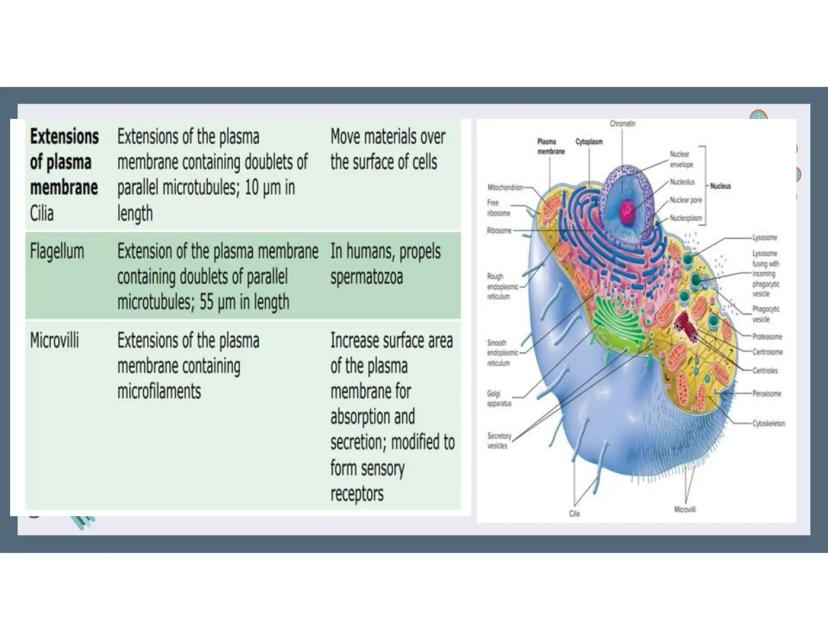
The cytoskeleton not only maintains cell shape but also assists in organelle positioning and cellular movement. It creates "highways" for transporting materials throughout the cell.
Remember: The cytoskeleton is constantly being built and broken down, making it a dynamic structure that adapts to the cell's changing needs!
Access to all documents
Improve your grades
Join milions of students
By signing up you accept Terms of Service and Privacy Policy
The nucleus is the cell's command center, housing DNA and controlling all cellular activities. It's surrounded by a nuclear envelope with nuclear pores that regulate what enters and exits.
Inside the nucleus, chromosomes contain genetic material that determines how the cell functions. These are normally loosely coiled as chromatin except during cell division. The nucleolus is a dense region within the nucleus that produces ribosomes.
Ribosomes are protein factories that can be attached to the rough endoplasmic reticulum (RER) or float freely in the cytoplasm. The endoplasmic reticulum comes in two varieties—rough (with ribosomes) for protein synthesis and smooth (without ribosomes) for lipid production.
The Golgi apparatus processes, packages, and distributes proteins and lipids, while lysosomes contain digestive enzymes that break down waste materials and foreign substances.
Think about it: Just like a city needs a city hall, power plants, and waste management, cells need specialized organelles to function properly!
Our AI companion is specifically built for the needs of students. Based on the millions of content pieces we have on the platform we can provide truly meaningful and relevant answers to students. But its not only about answers, the companion is even more about guiding students through their daily learning challenges, with personalised study plans, quizzes or content pieces in the chat and 100% personalisation based on the students skills and developments.
You can download the app in the Google Play Store and in the Apple App Store.
That's right! Enjoy free access to study content, connect with fellow students, and get instant help – all at your fingertips.
2
Smart Tools NEW
Transform this note into: ✓ 50+ Practice Questions ✓ Interactive Flashcards ✓ Full Mock Exam ✓ Essay Outlines
App Store
Google Play
The app is very easy to use and well designed. I have found everything I was looking for so far and have been able to learn a lot from the presentations! I will definitely use the app for a class assignment! And of course it also helps a lot as an inspiration.
Stefan S
iOS user
This app is really great. There are so many study notes and help [...]. My problem subject is French, for example, and the app has so many options for help. Thanks to this app, I have improved my French. I would recommend it to anyone.
Samantha Klich
Android user
Wow, I am really amazed. I just tried the app because I've seen it advertised many times and was absolutely stunned. This app is THE HELP you want for school and above all, it offers so many things, such as workouts and fact sheets, which have been VERY helpful to me personally.
Anna
iOS user
I think it’s very much worth it and you’ll end up using it a lot once you get the hang of it and even after looking at others notes you can still ask your Artificial intelligence buddy the question and ask to simplify it if you still don’t get it!!! In the end I think it’s worth it 😊👍 ⚠️Also DID I MENTION ITS FREEE YOU DON’T HAVE TO PAY FOR ANYTHING AND STILL GET YOUR GRADES IN PERFECTLY❗️❗️⚠️
Thomas R
iOS user
Knowunity is the BEST app I’ve used in a minute. This is not an ai review or anything this is genuinely coming from a 7th grade student (I know 2011 im young) but dude this app is a 10/10 i have maintained a 3.8 gpa and have plenty of time for gaming. I love it and my mom is just happy I got good grades
Brad T
Android user
Not only did it help me find the answer but it also showed me alternative ways to solve it. I was horrible in math and science but now I have an a in both subjects. Thanks for the help🤍🤍
David K
iOS user
The app's just great! All I have to do is enter the topic in the search bar and I get the response real fast. I don't have to watch 10 YouTube videos to understand something, so I'm saving my time. Highly recommended!
Sudenaz Ocak
Android user
In school I was really bad at maths but thanks to the app, I am doing better now. I am so grateful that you made the app.
Greenlight Bonnie
Android user
I found this app a couple years ago and it has only gotten better since then. I really love it because it can help with written questions and photo questions. Also, it can find study guides that other people have made as well as flashcard sets and practice tests. The free version is also amazing for students who might not be able to afford it. Would 100% recommend
Aubrey
iOS user
Best app if you're in Highschool or Junior high. I have been using this app for 2 school years and it's the best, it's good if you don't have anyone to help you with school work.😋🩷🎀
Marco B
iOS user
THE QUIZES AND FLASHCARDS ARE SO USEFUL AND I LOVE THE SCHOOLGPT. IT ALSO IS LITREALLY LIKE CHATGPT BUT SMARTER!! HELPED ME WITH MY MASCARA PROBLEMS TOO!! AS WELL AS MY REAL SUBJECTS ! DUHHH 😍😁😲🤑💗✨🎀😮
Elisha
iOS user
This app is phenomenal down to the correct info and the various topics you can study! I greatly recommend it for people who struggle with procrastination and those who need homework help. It has been perfectly accurate for world 1 history as far as I’ve seen! Geometry too!
Paul T
iOS user
The app is very easy to use and well designed. I have found everything I was looking for so far and have been able to learn a lot from the presentations! I will definitely use the app for a class assignment! And of course it also helps a lot as an inspiration.
Stefan S
iOS user
This app is really great. There are so many study notes and help [...]. My problem subject is French, for example, and the app has so many options for help. Thanks to this app, I have improved my French. I would recommend it to anyone.
Samantha Klich
Android user
Wow, I am really amazed. I just tried the app because I've seen it advertised many times and was absolutely stunned. This app is THE HELP you want for school and above all, it offers so many things, such as workouts and fact sheets, which have been VERY helpful to me personally.
Anna
iOS user
I think it’s very much worth it and you’ll end up using it a lot once you get the hang of it and even after looking at others notes you can still ask your Artificial intelligence buddy the question and ask to simplify it if you still don’t get it!!! In the end I think it’s worth it 😊👍 ⚠️Also DID I MENTION ITS FREEE YOU DON’T HAVE TO PAY FOR ANYTHING AND STILL GET YOUR GRADES IN PERFECTLY❗️❗️⚠️
Thomas R
iOS user
Knowunity is the BEST app I’ve used in a minute. This is not an ai review or anything this is genuinely coming from a 7th grade student (I know 2011 im young) but dude this app is a 10/10 i have maintained a 3.8 gpa and have plenty of time for gaming. I love it and my mom is just happy I got good grades
Brad T
Android user
Not only did it help me find the answer but it also showed me alternative ways to solve it. I was horrible in math and science but now I have an a in both subjects. Thanks for the help🤍🤍
David K
iOS user
The app's just great! All I have to do is enter the topic in the search bar and I get the response real fast. I don't have to watch 10 YouTube videos to understand something, so I'm saving my time. Highly recommended!
Sudenaz Ocak
Android user
In school I was really bad at maths but thanks to the app, I am doing better now. I am so grateful that you made the app.
Greenlight Bonnie
Android user
I found this app a couple years ago and it has only gotten better since then. I really love it because it can help with written questions and photo questions. Also, it can find study guides that other people have made as well as flashcard sets and practice tests. The free version is also amazing for students who might not be able to afford it. Would 100% recommend
Aubrey
iOS user
Best app if you're in Highschool or Junior high. I have been using this app for 2 school years and it's the best, it's good if you don't have anyone to help you with school work.😋🩷🎀
Marco B
iOS user
THE QUIZES AND FLASHCARDS ARE SO USEFUL AND I LOVE THE SCHOOLGPT. IT ALSO IS LITREALLY LIKE CHATGPT BUT SMARTER!! HELPED ME WITH MY MASCARA PROBLEMS TOO!! AS WELL AS MY REAL SUBJECTS ! DUHHH 😍😁😲🤑💗✨🎀😮
Elisha
iOS user
This app is phenomenal down to the correct info and the various topics you can study! I greatly recommend it for people who struggle with procrastination and those who need homework help. It has been perfectly accurate for world 1 history as far as I’ve seen! Geometry too!
Paul T
iOS user