Essential Medical Abbreviations: Part 2
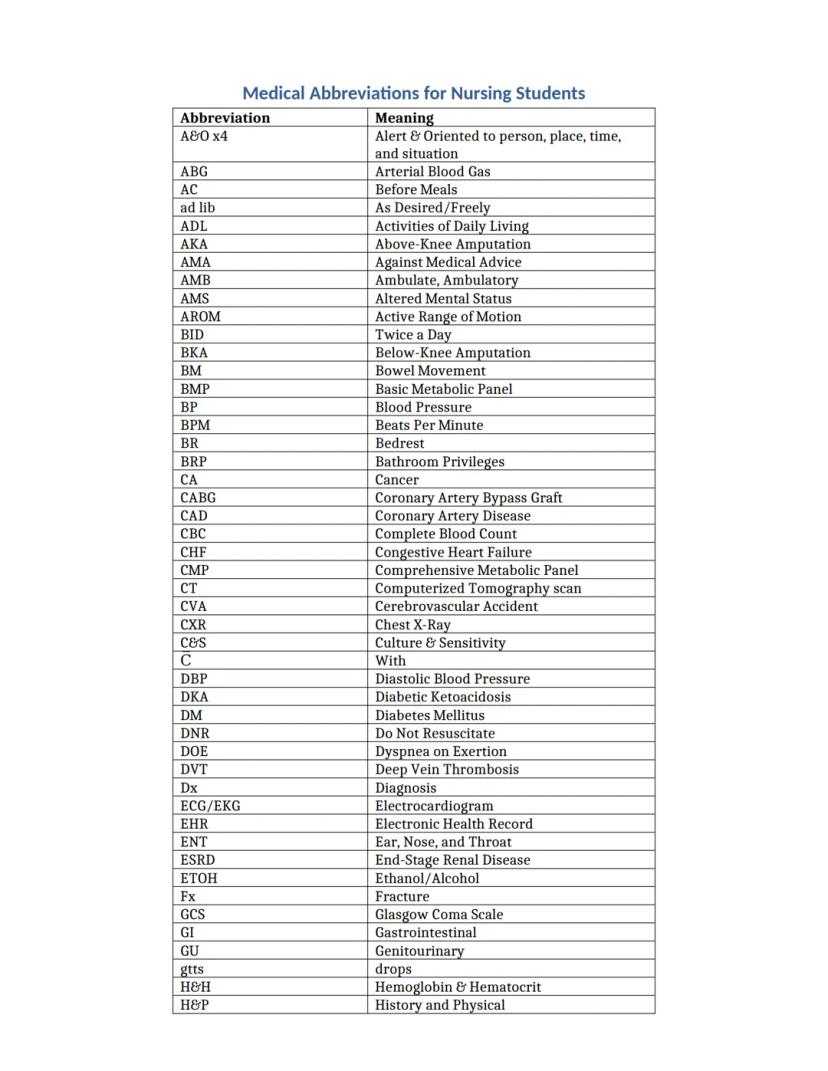
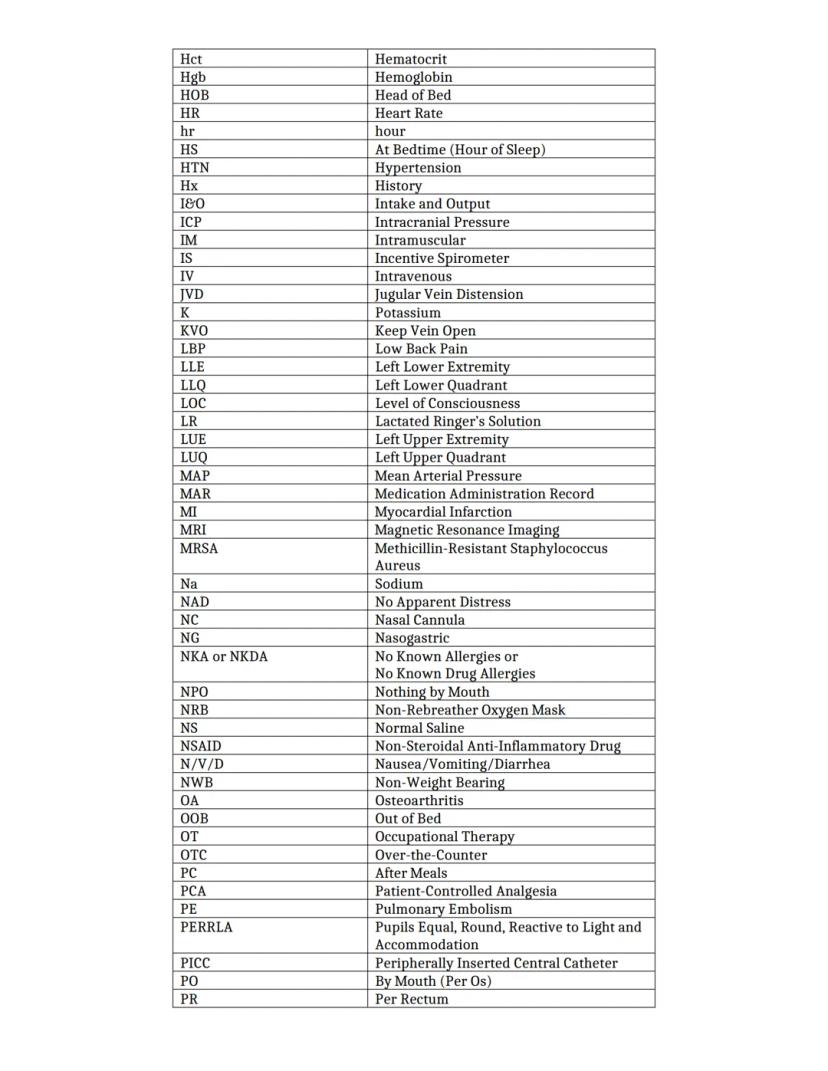
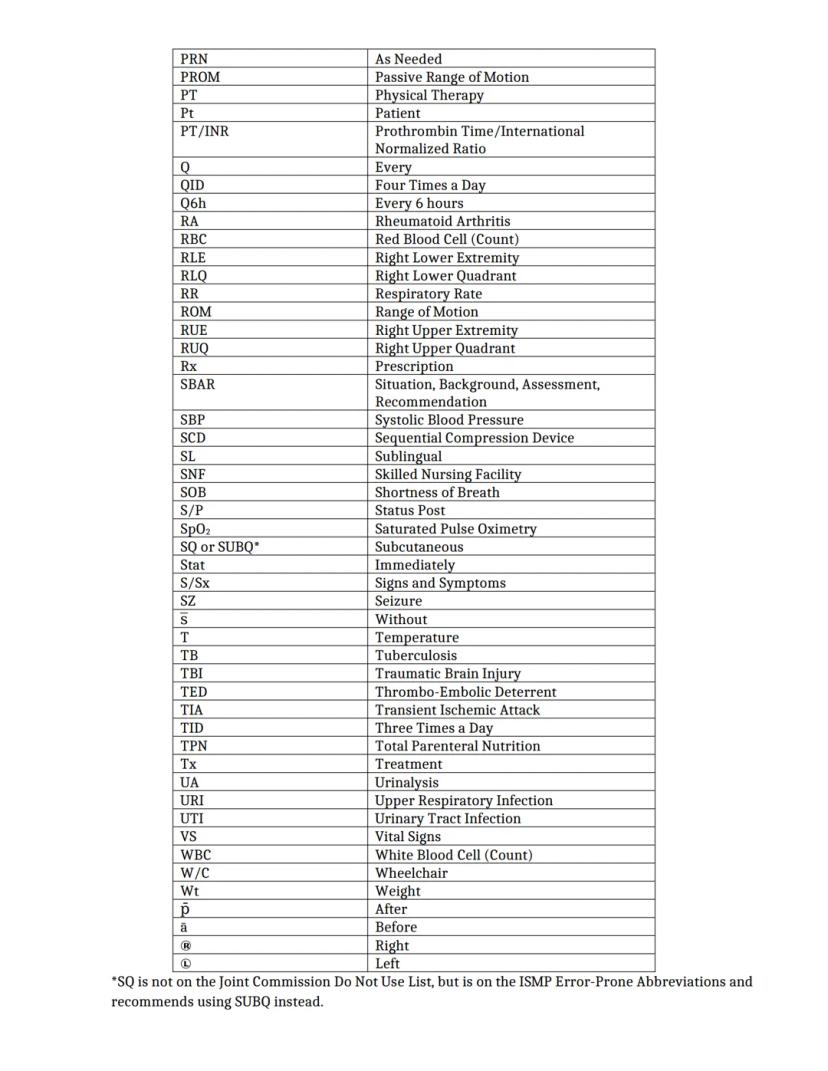
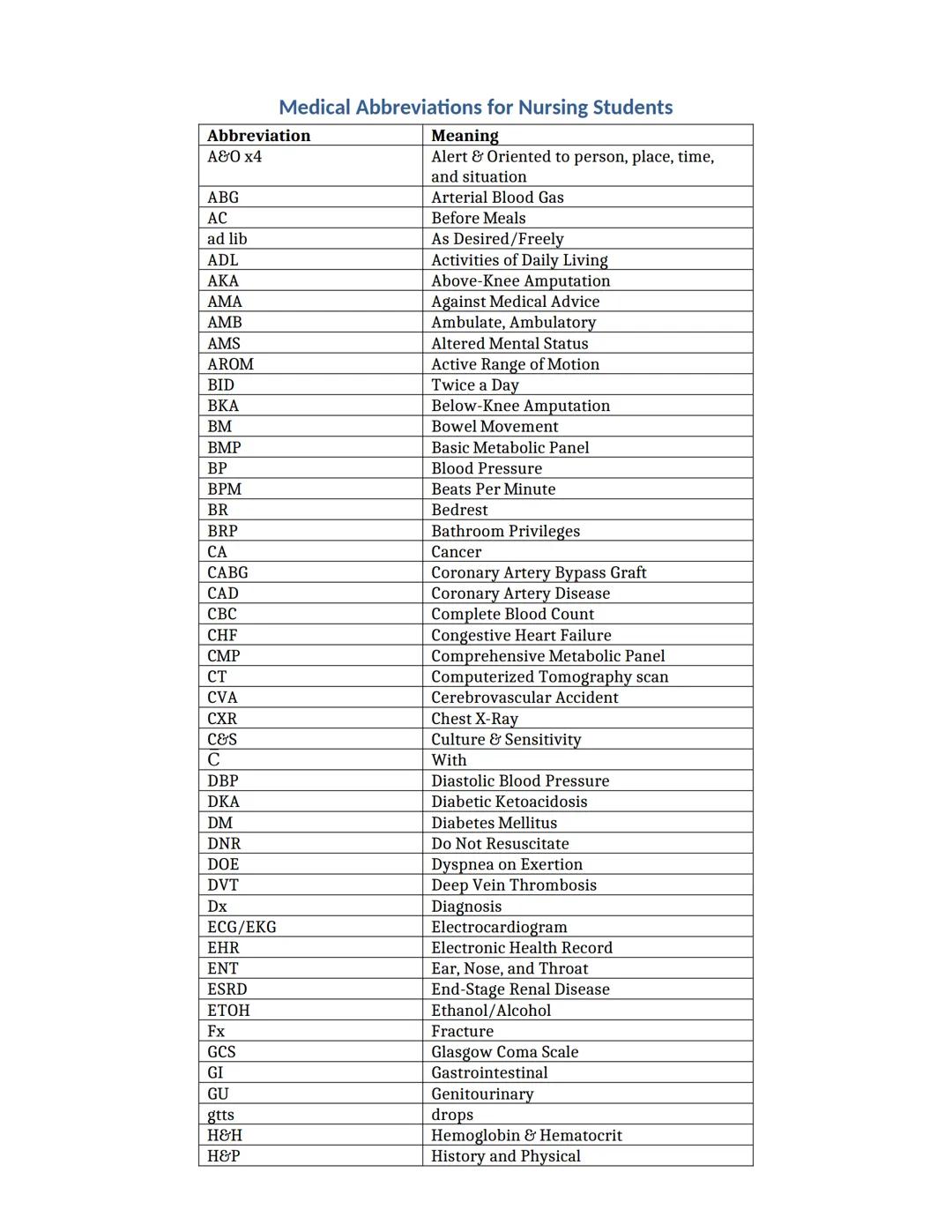
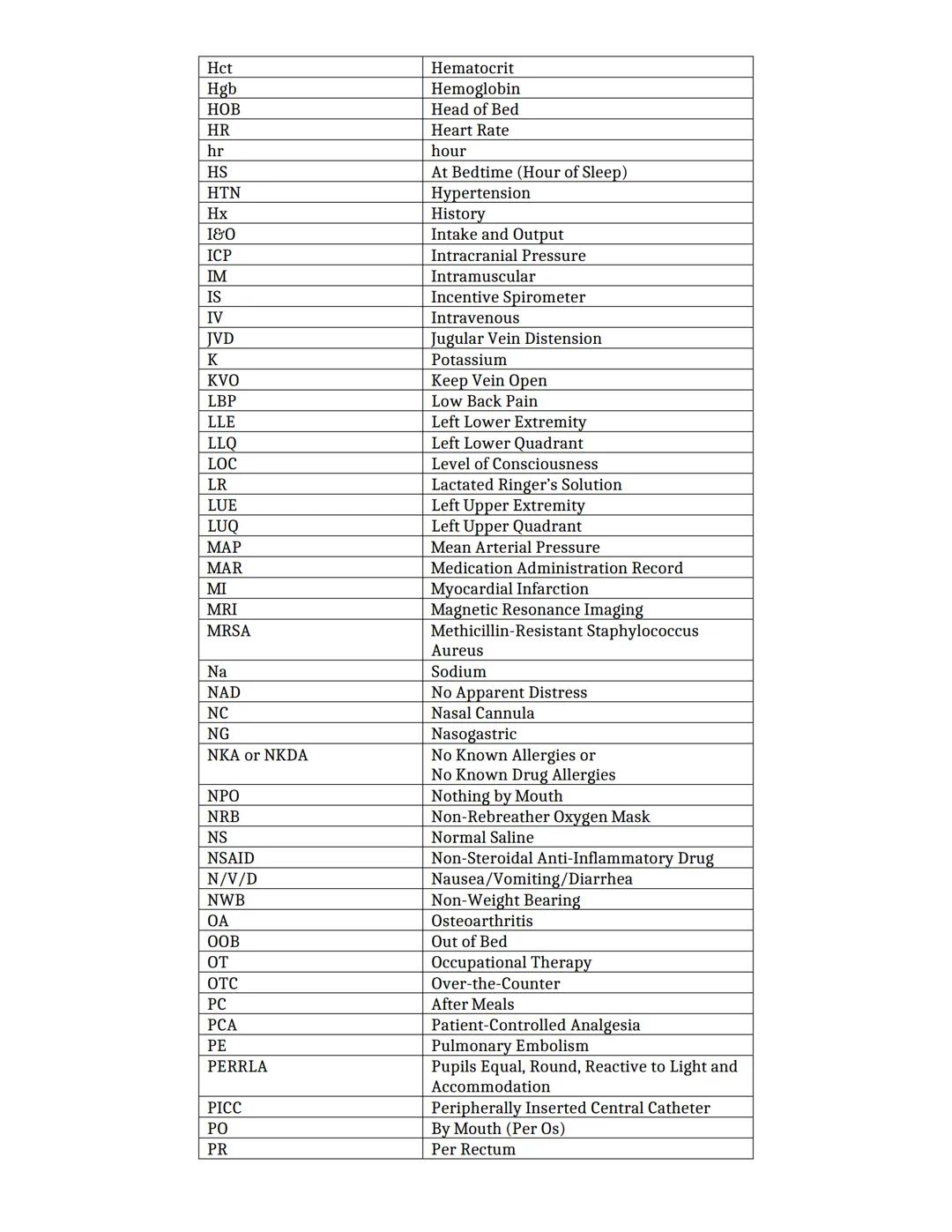
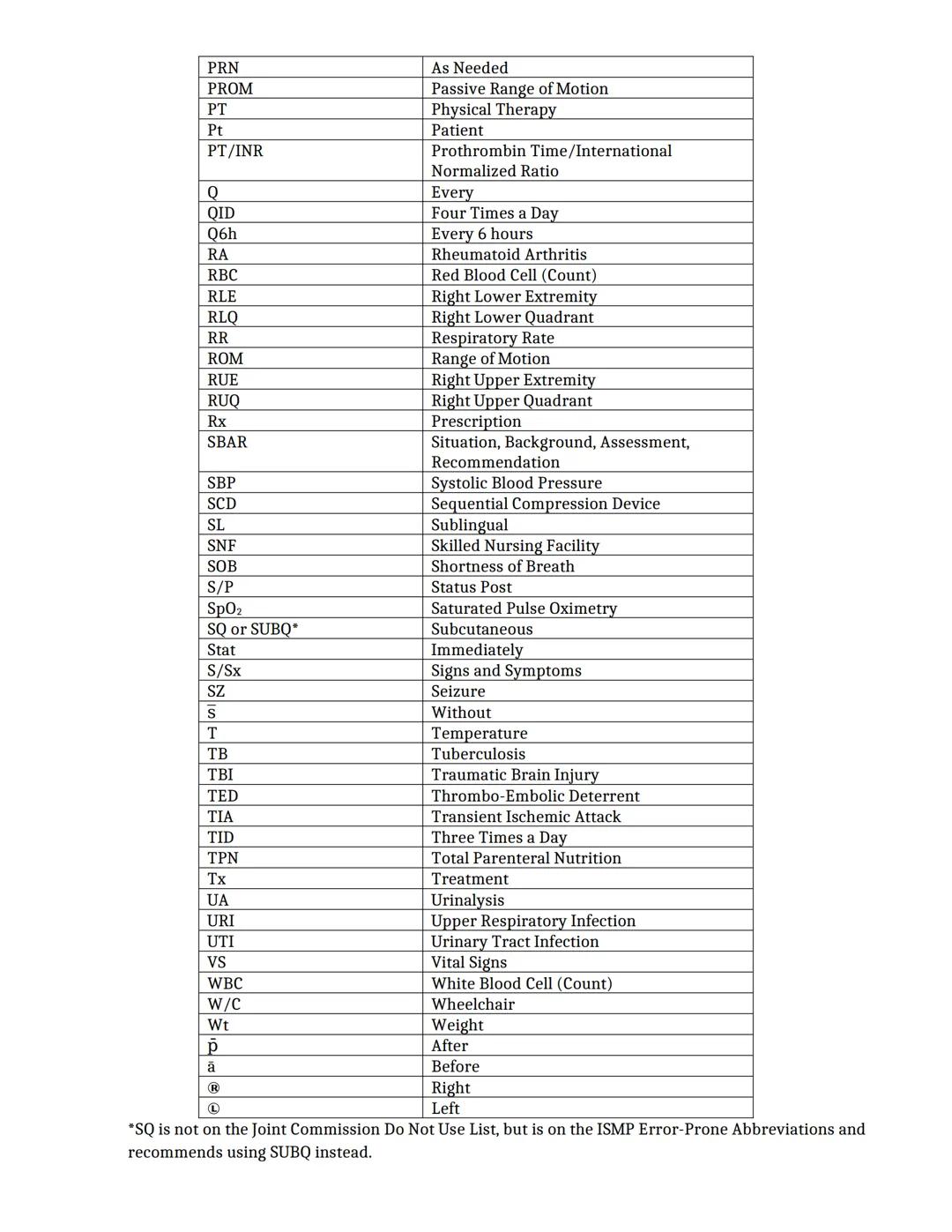
Moving deeper into medical terminology, you'll encounter vital lab value abbreviations that inform critical treatment decisions. Hgb (Hemoglobin) and Hct (Hematocrit) are routinely checked, along with electrolytes like Na (Sodium) and K (Potassium). When caring for patients, positioning terms like HOB (Head of Bed) and equipment abbreviations such as NC (Nasal Cannula) will be part of your everyday language.
Documentation abbreviations streamline your charting process. I&O (Intake and Output) tracking is essential for many patients, while MAR (Medication Administration Record) guides your med passes. Anatomical abbreviations help specify locations—LUQ (Left Upper Quadrant), RLQ (Right Lower Quadrant), and PERRLA (Pupils Equal, Round, Reactive to Light and Accommodation) are just a few examples.
Critical conditions you'll need to recognize immediately include MI (Myocardial Infarction), PE (Pulmonary Embolism), and CVA (Cerebrovascular Accident, found on page 1). For medication routes, know PO (by mouth), IV (Intravenous), and PR (Per Rectum) to ensure proper administration.
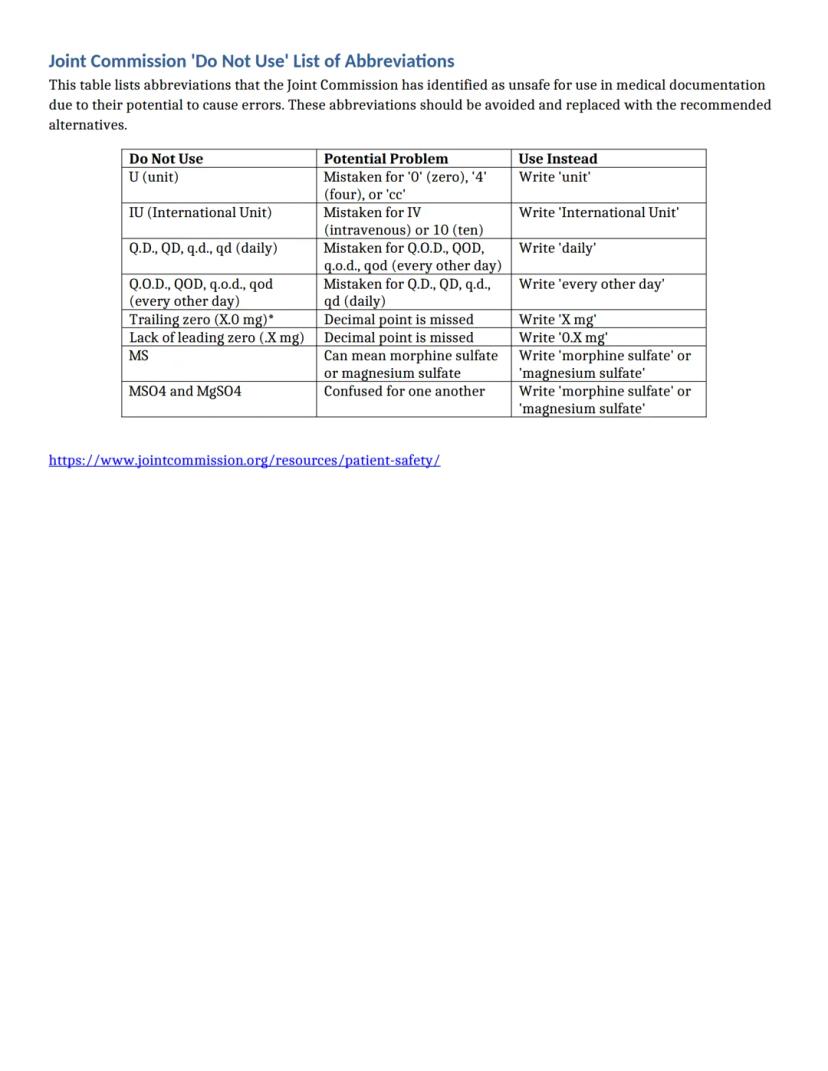
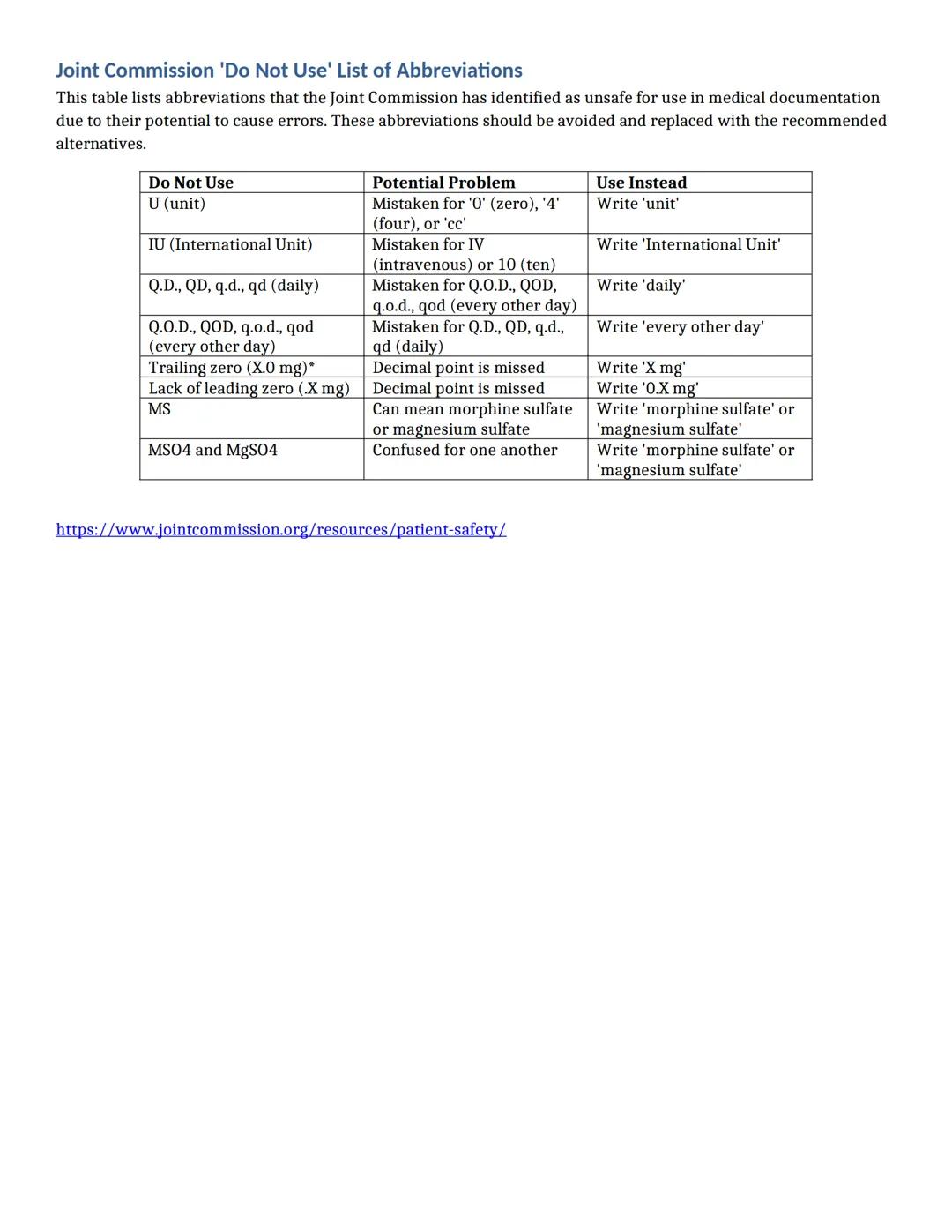
🔑 Remember: Your accurate understanding of these abbreviations directly impacts patient safety. When in doubt about an abbreviation, always verify rather than guess.

 Health & Medicine
 AP Biology
 Algebra