

Infectious diseases are illnesses caused by microorganisms that can spread... Show more
 Algebra
Sign up to see the contentIt's free!
Access to all documents
Improve your grades
Join milions of students
Knowunity AI
Subjects
Triangle Congruence and Similarity Theorems
Triangle Properties and Classification
Linear Equations and Graphs
Geometric Angle Relationships
Trigonometric Functions and Identities
Equation Solving Techniques
Circle Geometry Fundamentals
Division Operations and Methods
Basic Differentiation Rules
Exponent and Logarithm Properties
Show all topics
Human Organ Systems
Reproductive Cell Cycles
Biological Sciences Subdisciplines
Cellular Energy Metabolism
Autotrophic Energy Processes
Inheritance Patterns and Principles
Biomolecular Structure and Organization
Cell Cycle and Division Mechanics
Cellular Organization and Development
Biological Structural Organization
Show all topics
Chemical Sciences and Applications
Atomic Structure and Composition
Molecular Electron Structure Representation
Atomic Electron Behavior
Matter Properties and Water
Mole Concept and Calculations
Gas Laws and Behavior
Periodic Table Organization
Chemical Thermodynamics Fundamentals
Chemical Bond Types and Properties
Show all topics
European Renaissance and Enlightenment
European Cultural Movements 800-1920
American Revolution Era 1763-1797
American Civil War 1861-1865
Global Imperial Systems
Mongol and Chinese Dynasties
U.S. Presidents and World Leaders
Historical Sources and Documentation
World Wars Era and Impact
World Religious Systems
Show all topics
Classic and Contemporary Novels
Literary Character Analysis
Rhetorical Theory and Practice
Classic Literary Narratives
Reading Analysis and Interpretation
Narrative Structure and Techniques
English Language Components
Influential English-Language Authors
Basic Sentence Structure
Narrative Voice and Perspective
Show all topics
96
•
Updated Feb 22, 2026
•
Infectious diseases are illnesses caused by microorganisms that can spread... Show more




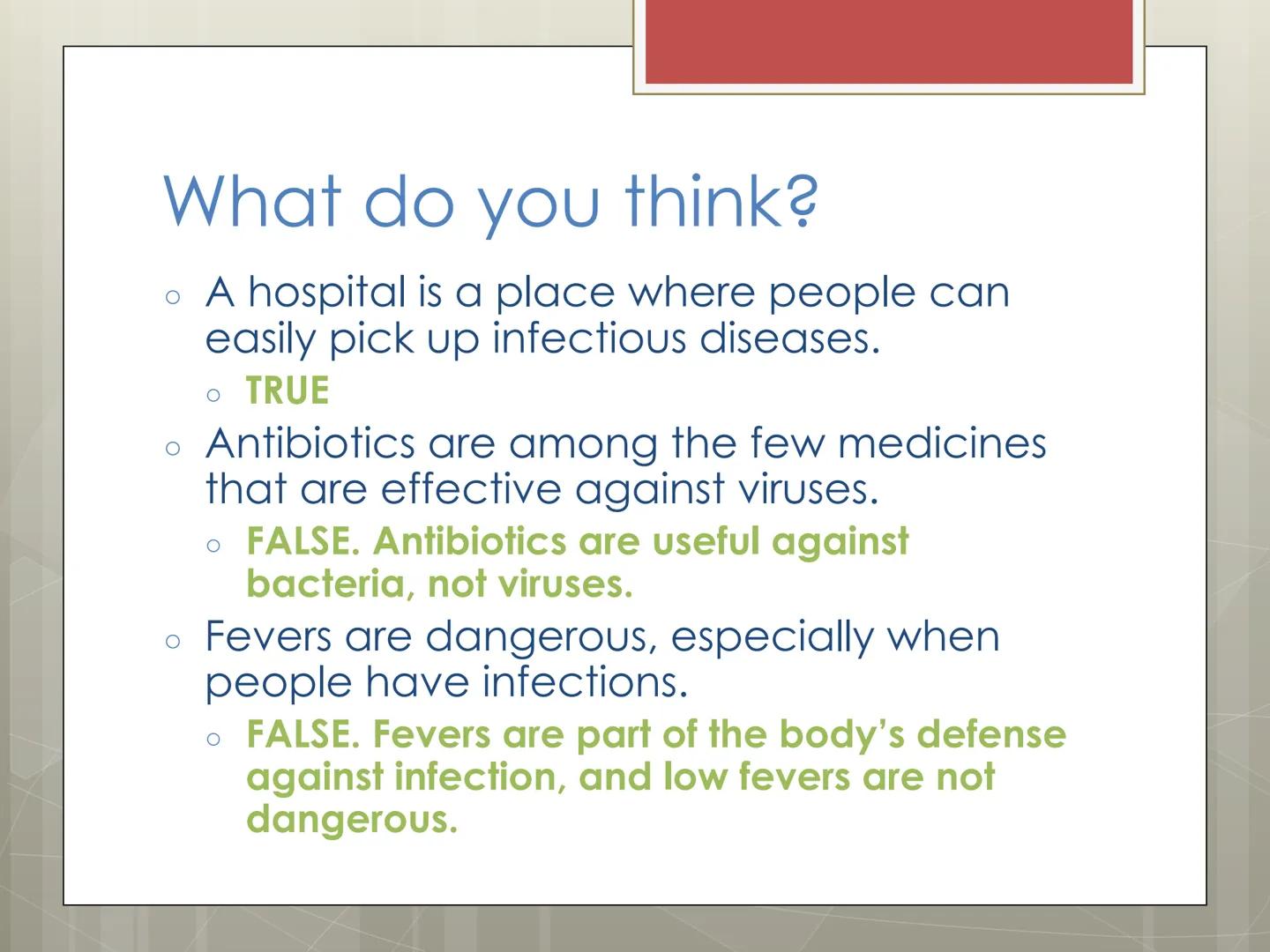
Infectious diseases are caused by microorganisms that can spread between people. They're also called communicable or contagious diseases because they can pass from one person to another.
New disease outbreaks emerge somewhere in the world every 12-18 months. While germs exist everywhere around us, most won't harm you because your immune system provides protection.
Some germs are particularly challenging opponents because they constantly mutate to overcome your body's defenses.
💡 There are four main types of infectious diseases: those caused by viruses, bacteria, fungi, and parasites. Each requires different treatments!
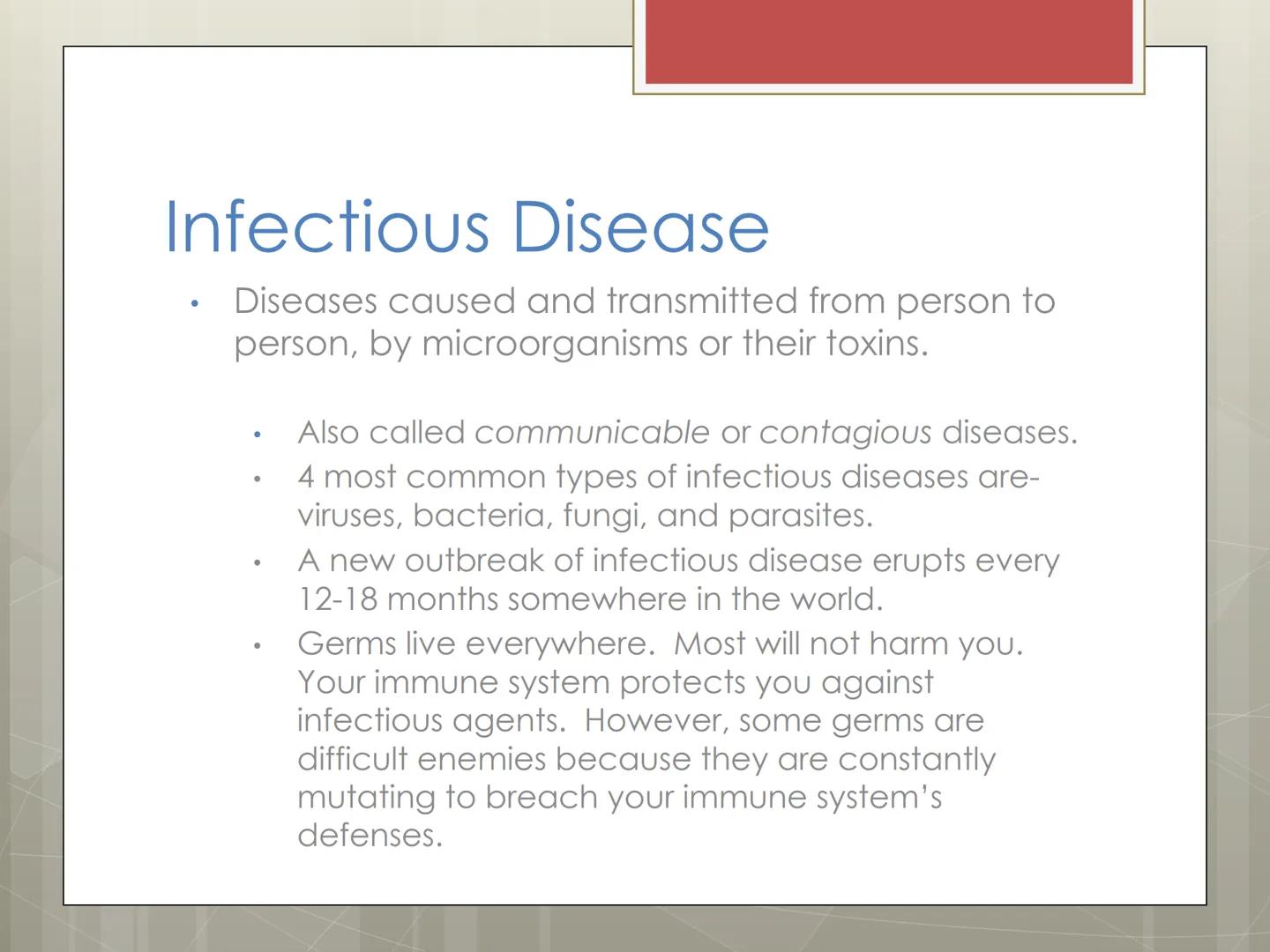
Hospitals, despite being places of healing, can indeed be places where infectious diseases spread easily. This happens because of the concentration of sick people and various pathogens in one location.
Antibiotics only work against bacterial infections, not viral ones. This is why your doctor won't prescribe antibiotics for the flu or common cold - they simply won't help!
Contrary to what many think, fevers aren't usually dangerous. They're actually part of your body's natural defense system against infection. Your body increases its temperature to create an environment where certain pathogens can't survive as easily.
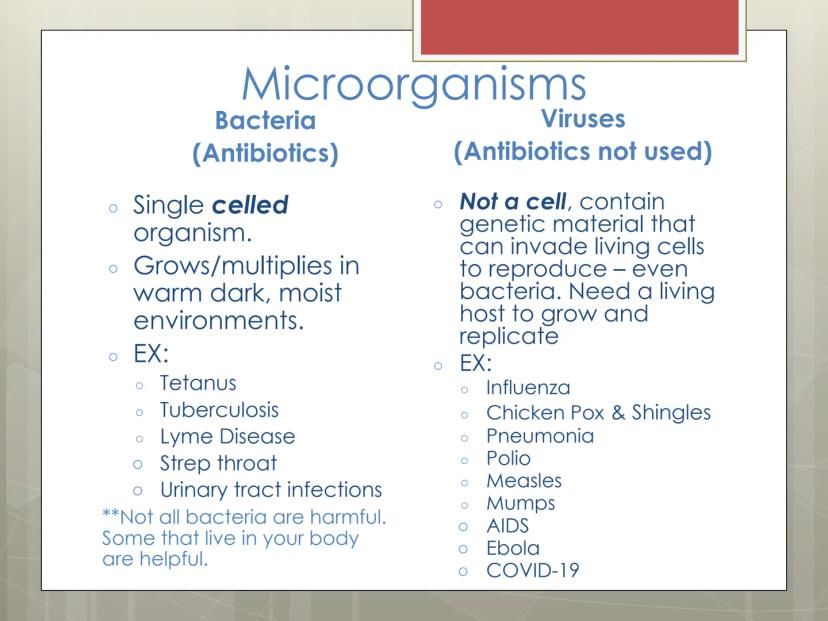
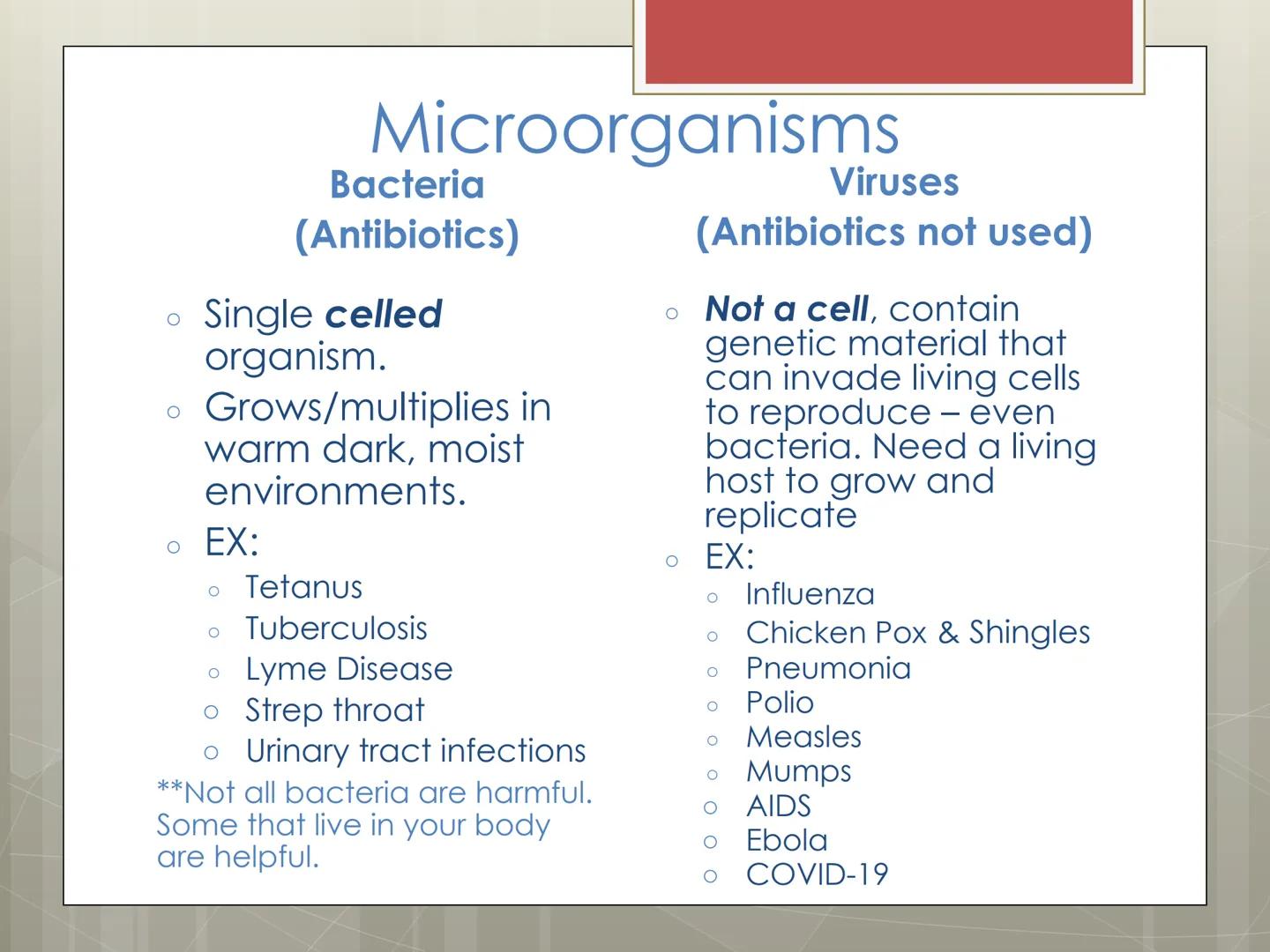
Bacteria are single-celled organisms that thrive in warm, dark, moist environments. They cause diseases like tetanus, tuberculosis, Lyme disease, and strep throat. The good news? Many bacterial infections can be treated with antibiotics.
Viruses are different - they're not even cells! They're genetic material that invades living cells to reproduce. Viruses cause illnesses like the flu, COVID-19, chicken pox, and HIV. Antibiotics don't work against viruses.
Not all bacteria are harmful! Your body actually hosts many beneficial bacteria, especially in your digestive system, that help keep you healthy.
🔬 Here's a key difference: Bacteria can often live independently, while viruses always need a living host to reproduce.
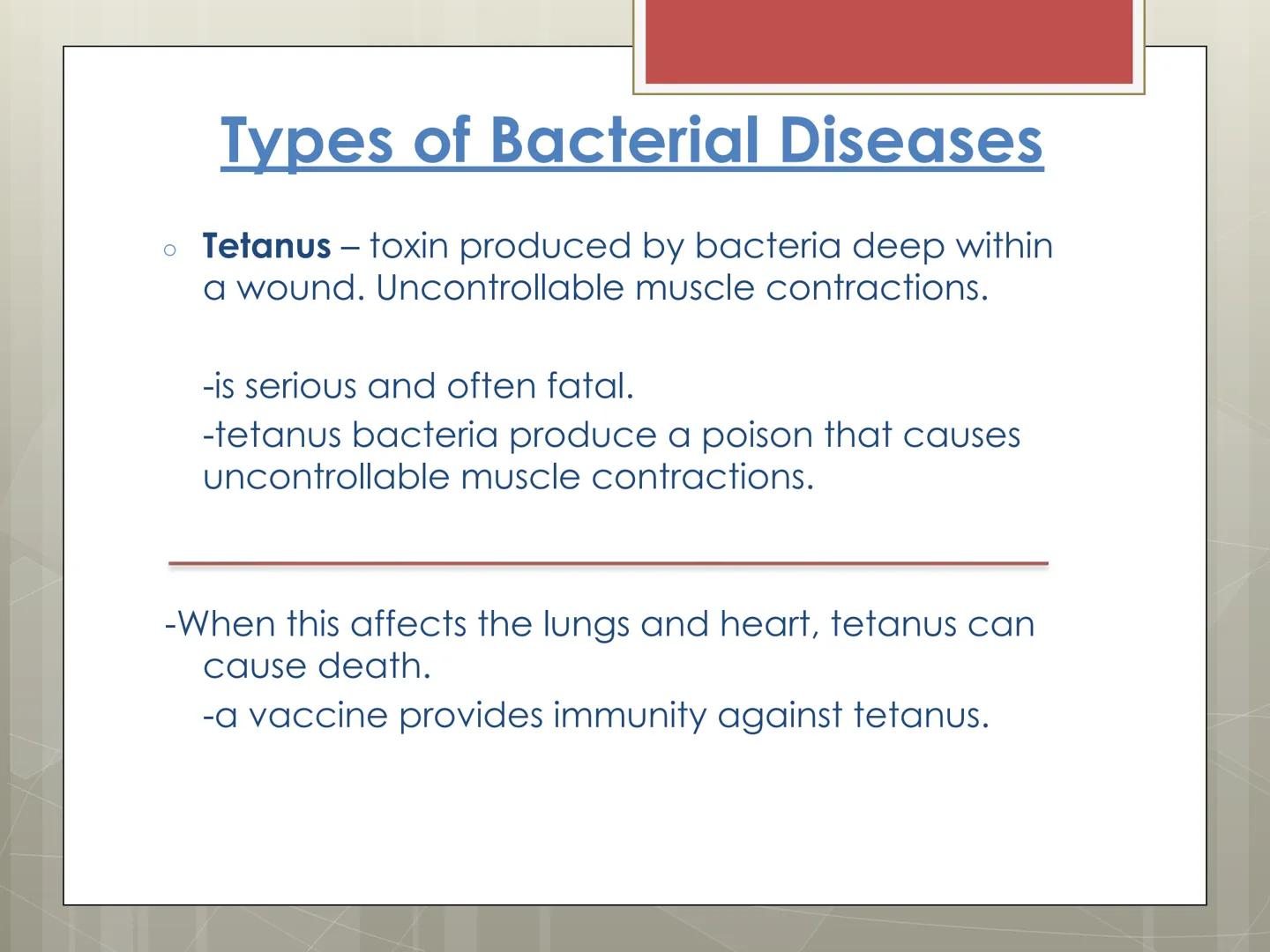
Tetanus is a serious bacterial disease that produces toxins in deep wounds. These toxins cause uncontrollable muscle contractions that can affect your lungs and heart, potentially causing death. Fortunately, vaccines provide excellent protection against tetanus.
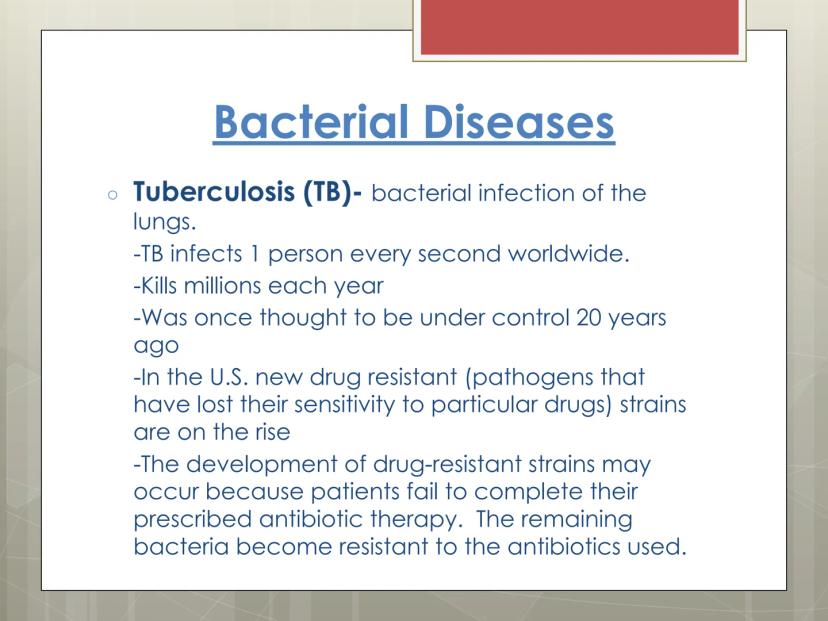
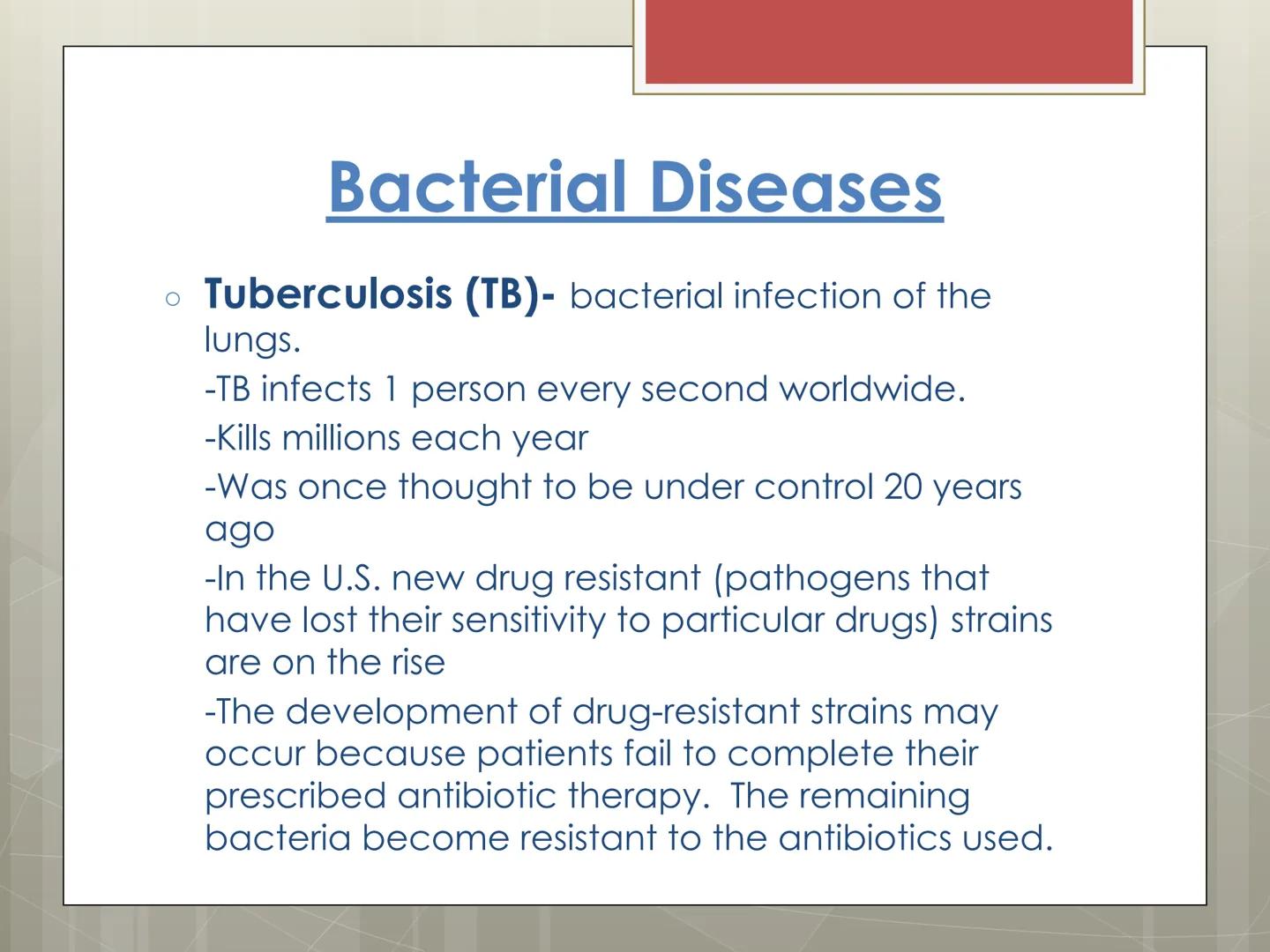
Tuberculosis (TB) infects one person every second worldwide and kills millions annually. What's concerning is the rise of drug-resistant strains - bacteria that no longer respond to medications that once killed them. This resistance often develops when patients don't complete their full course of antibiotics.
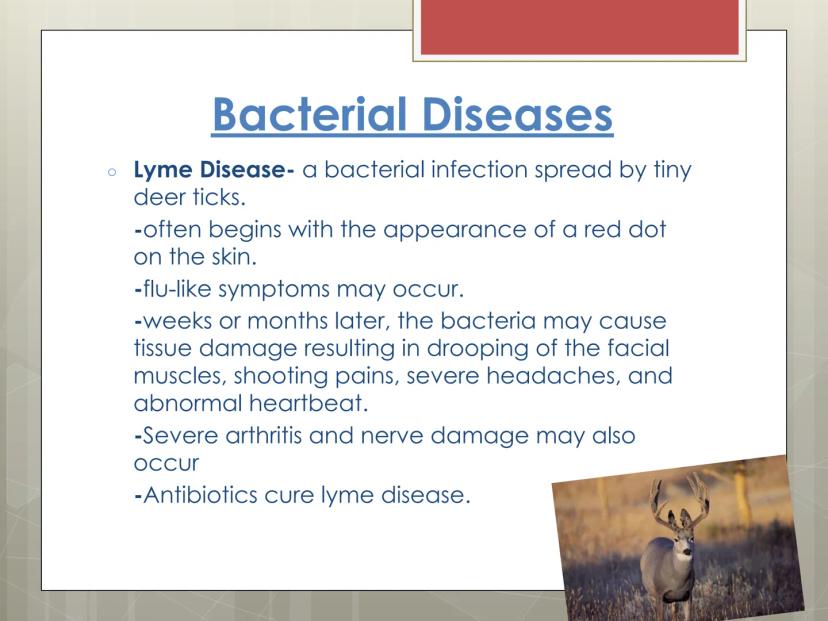
Lyme disease, spread by tiny deer ticks, often starts with a red spot on the skin and flu-like symptoms. If untreated, it can lead to severe complications including facial paralysis, joint pain, and nerve damage. Antibiotics can cure Lyme disease if caught early.
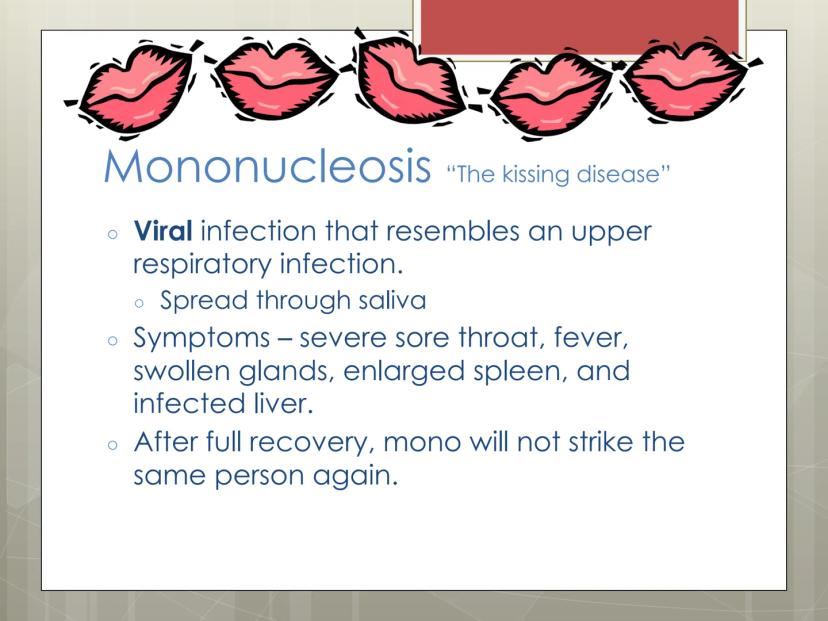
Mononucleosis, often called "the kissing disease," spreads through saliva. It causes severe sore throat, fever, swollen glands, and can affect your spleen and liver. The good news? Once you've recovered, you won't get mono again.
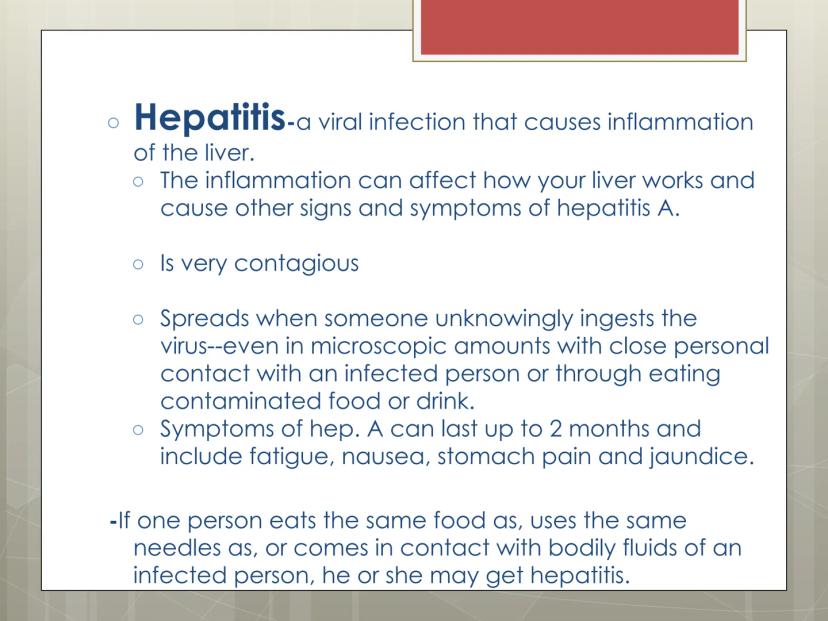
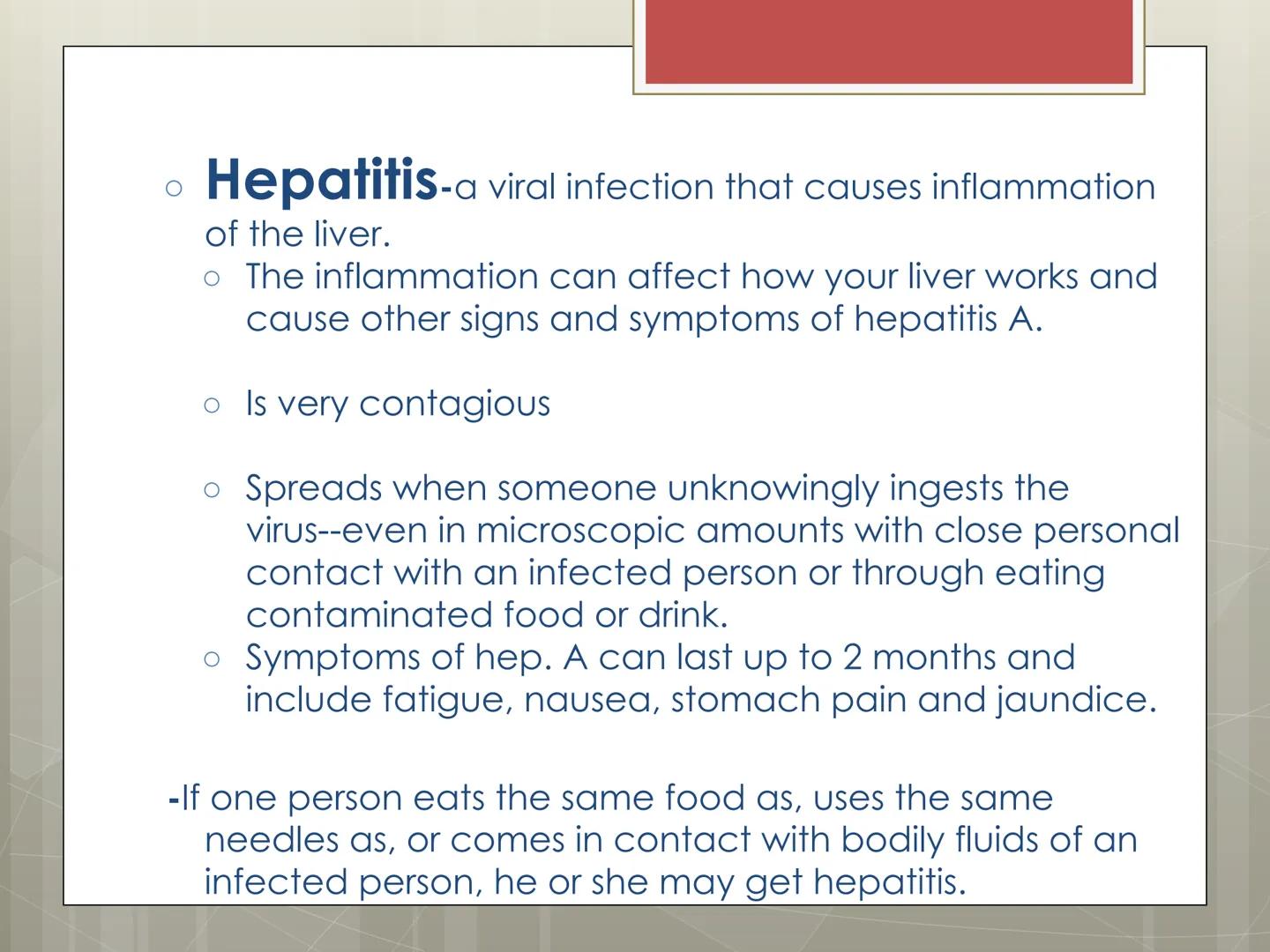
Hepatitis inflames the liver and is highly contagious. It spreads when someone ingests the virus through close contact or contaminated food and drink. Symptoms can last up to two months and include fatigue, nausea, stomach pain, and yellowing of the skin (jaundice).
🦠 Unlike bacterial infections, most viral infections must run their course as your immune system fights them off. That's why doctors often treat just the symptoms rather than the virus itself.
COVID-19 is caused by a coronavirus that primarily spreads through respiratory droplets when an infected person coughs, sneezes, or talks within six feet of others. The virus can also live on surfaces and transfer to your eyes, mouth, or nose if you touch contaminated objects.
Symptoms appear 2-14 days after exposure and commonly include fever, cough, shortness of breath, and loss of taste or smell. Importantly, people without symptoms can still spread the virus to others.
COVID-19 is part of a pandemic - a disease outbreak affecting large populations worldwide. The coronavirus family includes many viruses, from those causing common colds to the more severe COVID-19.
Understanding how COVID-19 spreads helps explain why measures like distancing, masks, and handwashing have been important prevention strategies.

Beyond bacteria and viruses, several other types of organisms can cause infections:
Fungi cause conditions like athlete's foot and certain lung infections. These organisms thrive in warm, moist environments and can be difficult to eliminate completely.
Protozoa are single-celled organisms that can cause diarrhea and other illnesses. They typically enter the body through contaminated food or water, and some species can be spread by mosquitoes.
Parasites like tapeworms and head lice live off the body's nutrients by infecting the intestines, lungs, liver, skin, or brain. These unwelcome guests survive by taking resources from their host - you!
🔍 Did you know? Head lice are extremely common, especially among school children, and have nothing to do with personal cleanliness!

Vaccines train your immune system to recognize and fight specific diseases before you get sick. They contain altered microbes or their toxins that trigger your body to produce immunity without causing the actual disease.
When you get vaccinated, your body learns to identify the disease-causing organism and prepares defenses against it. Then if you're ever exposed to the real pathogen, your immune system can quickly destroy it before you get sick.
One of the simplest prevention methods is proper handwashing. Washing with soap and water for 15-20 seconds (about the time it takes to sing "Happy Birthday" twice) effectively kills many harmful bacteria and viruses.
💉 Vaccines are one of the greatest public health achievements in history, preventing millions of illnesses and deaths each year from diseases that once devastated communities.

Your body has multiple layers of defense against pathogens. The first line of defense includes physical barriers:
Your skin produces salty, acidic sweat that repels pathogens. It also has one-way pores that allow toxins out while keeping harmful microbes out. This is why intact skin is so important for preventing infections.
Mucous membranes line areas like your nose, mouth, and lungs. They produce sticky mucus that traps pathogens, while tiny hair-like structures called cilia sweep these invaders out. Special chemicals in these areas can also destroy many harmful microorganisms.
These external defenses work constantly to prevent pathogens from entering your body in the first place, forming your body's frontline protection system.
If pathogens breach your outer defenses, your immune system activates. White blood cells called lymphocytes play crucial roles in immunity.
T-cells recognize specific invaders and sound the alarm when they detect pathogens in your body. They're like the security guards of your immune system, patrolling for trouble.
B-cells produce antibodies - special proteins designed to target and help destroy specific pathogens. Each type of antibody works against a particular antigen (foreign substance) like a virus or bacteria.
Once your body has successfully fought off an infection, some B-cells remain as "memory cells." If the same pathogen invades again, these cells remember it and quickly produce antibodies, often preventing you from getting sick a second time.
🛡️ Your immune system is incredibly sophisticated - it can recognize millions of different enemies and produce secretions to fight them specifically.
Our AI companion is specifically built for the needs of students. Based on the millions of content pieces we have on the platform we can provide truly meaningful and relevant answers to students. But its not only about answers, the companion is even more about guiding students through their daily learning challenges, with personalised study plans, quizzes or content pieces in the chat and 100% personalisation based on the students skills and developments.
You can download the app in the Google Play Store and in the Apple App Store.
That's right! Enjoy free access to study content, connect with fellow students, and get instant help – all at your fingertips.
App Store
Google Play
The app is very easy to use and well designed. I have found everything I was looking for so far and have been able to learn a lot from the presentations! I will definitely use the app for a class assignment! And of course it also helps a lot as an inspiration.
Stefan S
iOS user
This app is really great. There are so many study notes and help [...]. My problem subject is French, for example, and the app has so many options for help. Thanks to this app, I have improved my French. I would recommend it to anyone.
Samantha Klich
Android user
Wow, I am really amazed. I just tried the app because I've seen it advertised many times and was absolutely stunned. This app is THE HELP you want for school and above all, it offers so many things, such as workouts and fact sheets, which have been VERY helpful to me personally.
Anna
iOS user
I think it’s very much worth it and you’ll end up using it a lot once you get the hang of it and even after looking at others notes you can still ask your Artificial intelligence buddy the question and ask to simplify it if you still don’t get it!!! In the end I think it’s worth it 😊👍 ⚠️Also DID I MENTION ITS FREEE YOU DON’T HAVE TO PAY FOR ANYTHING AND STILL GET YOUR GRADES IN PERFECTLY❗️❗️⚠️
Thomas R
iOS user
Knowunity is the BEST app I’ve used in a minute. This is not an ai review or anything this is genuinely coming from a 7th grade student (I know 2011 im young) but dude this app is a 10/10 i have maintained a 3.8 gpa and have plenty of time for gaming. I love it and my mom is just happy I got good grades
Brad T
Android user
Not only did it help me find the answer but it also showed me alternative ways to solve it. I was horrible in math and science but now I have an a in both subjects. Thanks for the help🤍🤍
David K
iOS user
The app's just great! All I have to do is enter the topic in the search bar and I get the response real fast. I don't have to watch 10 YouTube videos to understand something, so I'm saving my time. Highly recommended!
Sudenaz Ocak
Android user
In school I was really bad at maths but thanks to the app, I am doing better now. I am so grateful that you made the app.
Greenlight Bonnie
Android user
I found this app a couple years ago and it has only gotten better since then. I really love it because it can help with written questions and photo questions. Also, it can find study guides that other people have made as well as flashcard sets and practice tests. The free version is also amazing for students who might not be able to afford it. Would 100% recommend
Aubrey
iOS user
Best app if you're in Highschool or Junior high. I have been using this app for 2 school years and it's the best, it's good if you don't have anyone to help you with school work.😋🩷🎀
Marco B
iOS user
THE QUIZES AND FLASHCARDS ARE SO USEFUL AND I LOVE Knowunity AI. IT ALSO IS LITREALLY LIKE CHATGPT BUT SMARTER!! HELPED ME WITH MY MASCARA PROBLEMS TOO!! AS WELL AS MY REAL SUBJECTS ! DUHHH 😍😁😲🤑💗✨🎀😮
Elisha
iOS user
This app is phenomenal down to the correct info and the various topics you can study! I greatly recommend it for people who struggle with procrastination and those who need homework help. It has been perfectly accurate for world 1 history as far as I’ve seen! Geometry too!
Paul T
iOS user
The app is very easy to use and well designed. I have found everything I was looking for so far and have been able to learn a lot from the presentations! I will definitely use the app for a class assignment! And of course it also helps a lot as an inspiration.
Stefan S
iOS user
This app is really great. There are so many study notes and help [...]. My problem subject is French, for example, and the app has so many options for help. Thanks to this app, I have improved my French. I would recommend it to anyone.
Samantha Klich
Android user
Wow, I am really amazed. I just tried the app because I've seen it advertised many times and was absolutely stunned. This app is THE HELP you want for school and above all, it offers so many things, such as workouts and fact sheets, which have been VERY helpful to me personally.
Anna
iOS user
I think it’s very much worth it and you’ll end up using it a lot once you get the hang of it and even after looking at others notes you can still ask your Artificial intelligence buddy the question and ask to simplify it if you still don’t get it!!! In the end I think it’s worth it 😊👍 ⚠️Also DID I MENTION ITS FREEE YOU DON’T HAVE TO PAY FOR ANYTHING AND STILL GET YOUR GRADES IN PERFECTLY❗️❗️⚠️
Thomas R
iOS user
Knowunity is the BEST app I’ve used in a minute. This is not an ai review or anything this is genuinely coming from a 7th grade student (I know 2011 im young) but dude this app is a 10/10 i have maintained a 3.8 gpa and have plenty of time for gaming. I love it and my mom is just happy I got good grades
Brad T
Android user
Not only did it help me find the answer but it also showed me alternative ways to solve it. I was horrible in math and science but now I have an a in both subjects. Thanks for the help🤍🤍
David K
iOS user
The app's just great! All I have to do is enter the topic in the search bar and I get the response real fast. I don't have to watch 10 YouTube videos to understand something, so I'm saving my time. Highly recommended!
Sudenaz Ocak
Android user
In school I was really bad at maths but thanks to the app, I am doing better now. I am so grateful that you made the app.
Greenlight Bonnie
Android user
I found this app a couple years ago and it has only gotten better since then. I really love it because it can help with written questions and photo questions. Also, it can find study guides that other people have made as well as flashcard sets and practice tests. The free version is also amazing for students who might not be able to afford it. Would 100% recommend
Aubrey
iOS user
Best app if you're in Highschool or Junior high. I have been using this app for 2 school years and it's the best, it's good if you don't have anyone to help you with school work.😋🩷🎀
Marco B
iOS user
THE QUIZES AND FLASHCARDS ARE SO USEFUL AND I LOVE Knowunity AI. IT ALSO IS LITREALLY LIKE CHATGPT BUT SMARTER!! HELPED ME WITH MY MASCARA PROBLEMS TOO!! AS WELL AS MY REAL SUBJECTS ! DUHHH 😍😁😲🤑💗✨🎀😮
Elisha
iOS user
This app is phenomenal down to the correct info and the various topics you can study! I greatly recommend it for people who struggle with procrastination and those who need homework help. It has been perfectly accurate for world 1 history as far as I’ve seen! Geometry too!
Paul T
iOS user
Infectious diseases are illnesses caused by microorganisms that can spread from person to person. These conditions, also known as communicable or contagious diseases, are caused by four main types of germs: viruses, bacteria, fungi, and parasites. Understanding how these diseases... Show more
Access to all documents
Improve your grades
Join milions of students
Infectious diseases are caused by microorganisms that can spread between people. They're also called communicable or contagious diseases because they can pass from one person to another.
New disease outbreaks emerge somewhere in the world every 12-18 months. While germs exist everywhere around us, most won't harm you because your immune system provides protection.
Some germs are particularly challenging opponents because they constantly mutate to overcome your body's defenses.
💡 There are four main types of infectious diseases: those caused by viruses, bacteria, fungi, and parasites. Each requires different treatments!
Access to all documents
Improve your grades
Join milions of students
Hospitals, despite being places of healing, can indeed be places where infectious diseases spread easily. This happens because of the concentration of sick people and various pathogens in one location.
Antibiotics only work against bacterial infections, not viral ones. This is why your doctor won't prescribe antibiotics for the flu or common cold - they simply won't help!
Contrary to what many think, fevers aren't usually dangerous. They're actually part of your body's natural defense system against infection. Your body increases its temperature to create an environment where certain pathogens can't survive as easily.
Access to all documents
Improve your grades
Join milions of students
Bacteria are single-celled organisms that thrive in warm, dark, moist environments. They cause diseases like tetanus, tuberculosis, Lyme disease, and strep throat. The good news? Many bacterial infections can be treated with antibiotics.
Viruses are different - they're not even cells! They're genetic material that invades living cells to reproduce. Viruses cause illnesses like the flu, COVID-19, chicken pox, and HIV. Antibiotics don't work against viruses.
Not all bacteria are harmful! Your body actually hosts many beneficial bacteria, especially in your digestive system, that help keep you healthy.
🔬 Here's a key difference: Bacteria can often live independently, while viruses always need a living host to reproduce.
Access to all documents
Improve your grades
Join milions of students
Tetanus is a serious bacterial disease that produces toxins in deep wounds. These toxins cause uncontrollable muscle contractions that can affect your lungs and heart, potentially causing death. Fortunately, vaccines provide excellent protection against tetanus.
Tuberculosis (TB) infects one person every second worldwide and kills millions annually. What's concerning is the rise of drug-resistant strains - bacteria that no longer respond to medications that once killed them. This resistance often develops when patients don't complete their full course of antibiotics.
Lyme disease, spread by tiny deer ticks, often starts with a red spot on the skin and flu-like symptoms. If untreated, it can lead to severe complications including facial paralysis, joint pain, and nerve damage. Antibiotics can cure Lyme disease if caught early.
Access to all documents
Improve your grades
Join milions of students
Mononucleosis, often called "the kissing disease," spreads through saliva. It causes severe sore throat, fever, swollen glands, and can affect your spleen and liver. The good news? Once you've recovered, you won't get mono again.
Hepatitis inflames the liver and is highly contagious. It spreads when someone ingests the virus through close contact or contaminated food and drink. Symptoms can last up to two months and include fatigue, nausea, stomach pain, and yellowing of the skin (jaundice).
🦠 Unlike bacterial infections, most viral infections must run their course as your immune system fights them off. That's why doctors often treat just the symptoms rather than the virus itself.
Access to all documents
Improve your grades
Join milions of students
COVID-19 is caused by a coronavirus that primarily spreads through respiratory droplets when an infected person coughs, sneezes, or talks within six feet of others. The virus can also live on surfaces and transfer to your eyes, mouth, or nose if you touch contaminated objects.
Symptoms appear 2-14 days after exposure and commonly include fever, cough, shortness of breath, and loss of taste or smell. Importantly, people without symptoms can still spread the virus to others.
COVID-19 is part of a pandemic - a disease outbreak affecting large populations worldwide. The coronavirus family includes many viruses, from those causing common colds to the more severe COVID-19.
Understanding how COVID-19 spreads helps explain why measures like distancing, masks, and handwashing have been important prevention strategies.
Access to all documents
Improve your grades
Join milions of students
Beyond bacteria and viruses, several other types of organisms can cause infections:
Fungi cause conditions like athlete's foot and certain lung infections. These organisms thrive in warm, moist environments and can be difficult to eliminate completely.
Protozoa are single-celled organisms that can cause diarrhea and other illnesses. They typically enter the body through contaminated food or water, and some species can be spread by mosquitoes.
Parasites like tapeworms and head lice live off the body's nutrients by infecting the intestines, lungs, liver, skin, or brain. These unwelcome guests survive by taking resources from their host - you!
🔍 Did you know? Head lice are extremely common, especially among school children, and have nothing to do with personal cleanliness!
Access to all documents
Improve your grades
Join milions of students
Vaccines train your immune system to recognize and fight specific diseases before you get sick. They contain altered microbes or their toxins that trigger your body to produce immunity without causing the actual disease.
When you get vaccinated, your body learns to identify the disease-causing organism and prepares defenses against it. Then if you're ever exposed to the real pathogen, your immune system can quickly destroy it before you get sick.
One of the simplest prevention methods is proper handwashing. Washing with soap and water for 15-20 seconds (about the time it takes to sing "Happy Birthday" twice) effectively kills many harmful bacteria and viruses.
💉 Vaccines are one of the greatest public health achievements in history, preventing millions of illnesses and deaths each year from diseases that once devastated communities.
Access to all documents
Improve your grades
Join milions of students
Your body has multiple layers of defense against pathogens. The first line of defense includes physical barriers:
Your skin produces salty, acidic sweat that repels pathogens. It also has one-way pores that allow toxins out while keeping harmful microbes out. This is why intact skin is so important for preventing infections.
Mucous membranes line areas like your nose, mouth, and lungs. They produce sticky mucus that traps pathogens, while tiny hair-like structures called cilia sweep these invaders out. Special chemicals in these areas can also destroy many harmful microorganisms.
These external defenses work constantly to prevent pathogens from entering your body in the first place, forming your body's frontline protection system.
Access to all documents
Improve your grades
Join milions of students
If pathogens breach your outer defenses, your immune system activates. White blood cells called lymphocytes play crucial roles in immunity.
T-cells recognize specific invaders and sound the alarm when they detect pathogens in your body. They're like the security guards of your immune system, patrolling for trouble.
B-cells produce antibodies - special proteins designed to target and help destroy specific pathogens. Each type of antibody works against a particular antigen (foreign substance) like a virus or bacteria.
Once your body has successfully fought off an infection, some B-cells remain as "memory cells." If the same pathogen invades again, these cells remember it and quickly produce antibodies, often preventing you from getting sick a second time.
🛡️ Your immune system is incredibly sophisticated - it can recognize millions of different enemies and produce secretions to fight them specifically.
Our AI companion is specifically built for the needs of students. Based on the millions of content pieces we have on the platform we can provide truly meaningful and relevant answers to students. But its not only about answers, the companion is even more about guiding students through their daily learning challenges, with personalised study plans, quizzes or content pieces in the chat and 100% personalisation based on the students skills and developments.
You can download the app in the Google Play Store and in the Apple App Store.
That's right! Enjoy free access to study content, connect with fellow students, and get instant help – all at your fingertips.
5
Smart Tools NEW
Transform this note into: ✓ 50+ Practice Questions ✓ Interactive Flashcards ✓ Full Practice Test ✓ Essay Outlines
Anatomical terms
 Health & Medicine
Words and definitions of the Reproductive System
Health & MedicineMaking healthy informed choices about sex
Health & MedicineHealth Notes
Health & MedicineLearn about the four main types of tissues in the human body and their functions, including epithelial, connective, muscle, and nervous tissue.
Health & MedicineExplore the PIES (Physical, Intellectual, Emotional, Social) development model, detailing the stages of growth, cognitive abilities, emotional maturity, and social relationships throughout the lifespan. This summary provides insights into how individuals evolve from childhood to adulthood, emphasizing key concepts such as growth spurts, emotional regulation, and social independence.
 Health & Social Care
App Store
Google Play
The app is very easy to use and well designed. I have found everything I was looking for so far and have been able to learn a lot from the presentations! I will definitely use the app for a class assignment! And of course it also helps a lot as an inspiration.
Stefan S
iOS user
This app is really great. There are so many study notes and help [...]. My problem subject is French, for example, and the app has so many options for help. Thanks to this app, I have improved my French. I would recommend it to anyone.
Samantha Klich
Android user
Wow, I am really amazed. I just tried the app because I've seen it advertised many times and was absolutely stunned. This app is THE HELP you want for school and above all, it offers so many things, such as workouts and fact sheets, which have been VERY helpful to me personally.
Anna
iOS user
I think it’s very much worth it and you’ll end up using it a lot once you get the hang of it and even after looking at others notes you can still ask your Artificial intelligence buddy the question and ask to simplify it if you still don’t get it!!! In the end I think it’s worth it 😊👍 ⚠️Also DID I MENTION ITS FREEE YOU DON’T HAVE TO PAY FOR ANYTHING AND STILL GET YOUR GRADES IN PERFECTLY❗️❗️⚠️
Thomas R
iOS user
Knowunity is the BEST app I’ve used in a minute. This is not an ai review or anything this is genuinely coming from a 7th grade student (I know 2011 im young) but dude this app is a 10/10 i have maintained a 3.8 gpa and have plenty of time for gaming. I love it and my mom is just happy I got good grades
Brad T
Android user
Not only did it help me find the answer but it also showed me alternative ways to solve it. I was horrible in math and science but now I have an a in both subjects. Thanks for the help🤍🤍
David K
iOS user
The app's just great! All I have to do is enter the topic in the search bar and I get the response real fast. I don't have to watch 10 YouTube videos to understand something, so I'm saving my time. Highly recommended!
Sudenaz Ocak
Android user
In school I was really bad at maths but thanks to the app, I am doing better now. I am so grateful that you made the app.
Greenlight Bonnie
Android user
I found this app a couple years ago and it has only gotten better since then. I really love it because it can help with written questions and photo questions. Also, it can find study guides that other people have made as well as flashcard sets and practice tests. The free version is also amazing for students who might not be able to afford it. Would 100% recommend
Aubrey
iOS user
Best app if you're in Highschool or Junior high. I have been using this app for 2 school years and it's the best, it's good if you don't have anyone to help you with school work.😋🩷🎀
Marco B
iOS user
THE QUIZES AND FLASHCARDS ARE SO USEFUL AND I LOVE Knowunity AI. IT ALSO IS LITREALLY LIKE CHATGPT BUT SMARTER!! HELPED ME WITH MY MASCARA PROBLEMS TOO!! AS WELL AS MY REAL SUBJECTS ! DUHHH 😍😁😲🤑💗✨🎀😮
Elisha
iOS user
This app is phenomenal down to the correct info and the various topics you can study! I greatly recommend it for people who struggle with procrastination and those who need homework help. It has been perfectly accurate for world 1 history as far as I’ve seen! Geometry too!
Paul T
iOS user
The app is very easy to use and well designed. I have found everything I was looking for so far and have been able to learn a lot from the presentations! I will definitely use the app for a class assignment! And of course it also helps a lot as an inspiration.
Stefan S
iOS user
This app is really great. There are so many study notes and help [...]. My problem subject is French, for example, and the app has so many options for help. Thanks to this app, I have improved my French. I would recommend it to anyone.
Samantha Klich
Android user
Wow, I am really amazed. I just tried the app because I've seen it advertised many times and was absolutely stunned. This app is THE HELP you want for school and above all, it offers so many things, such as workouts and fact sheets, which have been VERY helpful to me personally.
Anna
iOS user
I think it’s very much worth it and you’ll end up using it a lot once you get the hang of it and even after looking at others notes you can still ask your Artificial intelligence buddy the question and ask to simplify it if you still don’t get it!!! In the end I think it’s worth it 😊👍 ⚠️Also DID I MENTION ITS FREEE YOU DON’T HAVE TO PAY FOR ANYTHING AND STILL GET YOUR GRADES IN PERFECTLY❗️❗️⚠️
Thomas R
iOS user
Knowunity is the BEST app I’ve used in a minute. This is not an ai review or anything this is genuinely coming from a 7th grade student (I know 2011 im young) but dude this app is a 10/10 i have maintained a 3.8 gpa and have plenty of time for gaming. I love it and my mom is just happy I got good grades
Brad T
Android user
Not only did it help me find the answer but it also showed me alternative ways to solve it. I was horrible in math and science but now I have an a in both subjects. Thanks for the help🤍🤍
David K
iOS user
The app's just great! All I have to do is enter the topic in the search bar and I get the response real fast. I don't have to watch 10 YouTube videos to understand something, so I'm saving my time. Highly recommended!
Sudenaz Ocak
Android user
In school I was really bad at maths but thanks to the app, I am doing better now. I am so grateful that you made the app.
Greenlight Bonnie
Android user
I found this app a couple years ago and it has only gotten better since then. I really love it because it can help with written questions and photo questions. Also, it can find study guides that other people have made as well as flashcard sets and practice tests. The free version is also amazing for students who might not be able to afford it. Would 100% recommend
Aubrey
iOS user
Best app if you're in Highschool or Junior high. I have been using this app for 2 school years and it's the best, it's good if you don't have anyone to help you with school work.😋🩷🎀
Marco B
iOS user
THE QUIZES AND FLASHCARDS ARE SO USEFUL AND I LOVE Knowunity AI. IT ALSO IS LITREALLY LIKE CHATGPT BUT SMARTER!! HELPED ME WITH MY MASCARA PROBLEMS TOO!! AS WELL AS MY REAL SUBJECTS ! DUHHH 😍😁😲🤑💗✨🎀😮
Elisha
iOS user
This app is phenomenal down to the correct info and the various topics you can study! I greatly recommend it for people who struggle with procrastination and those who need homework help. It has been perfectly accurate for world 1 history as far as I’ve seen! Geometry too!
Paul T
iOS user