Understanding Arithmetic Sequences
Ever noticed how the numbers 2, 5, 8, 11, 14... follow a clear pattern? That's an arithmetic sequence—a list of numbers where you add the same value each time to get the next number. This constant value is called the common difference.
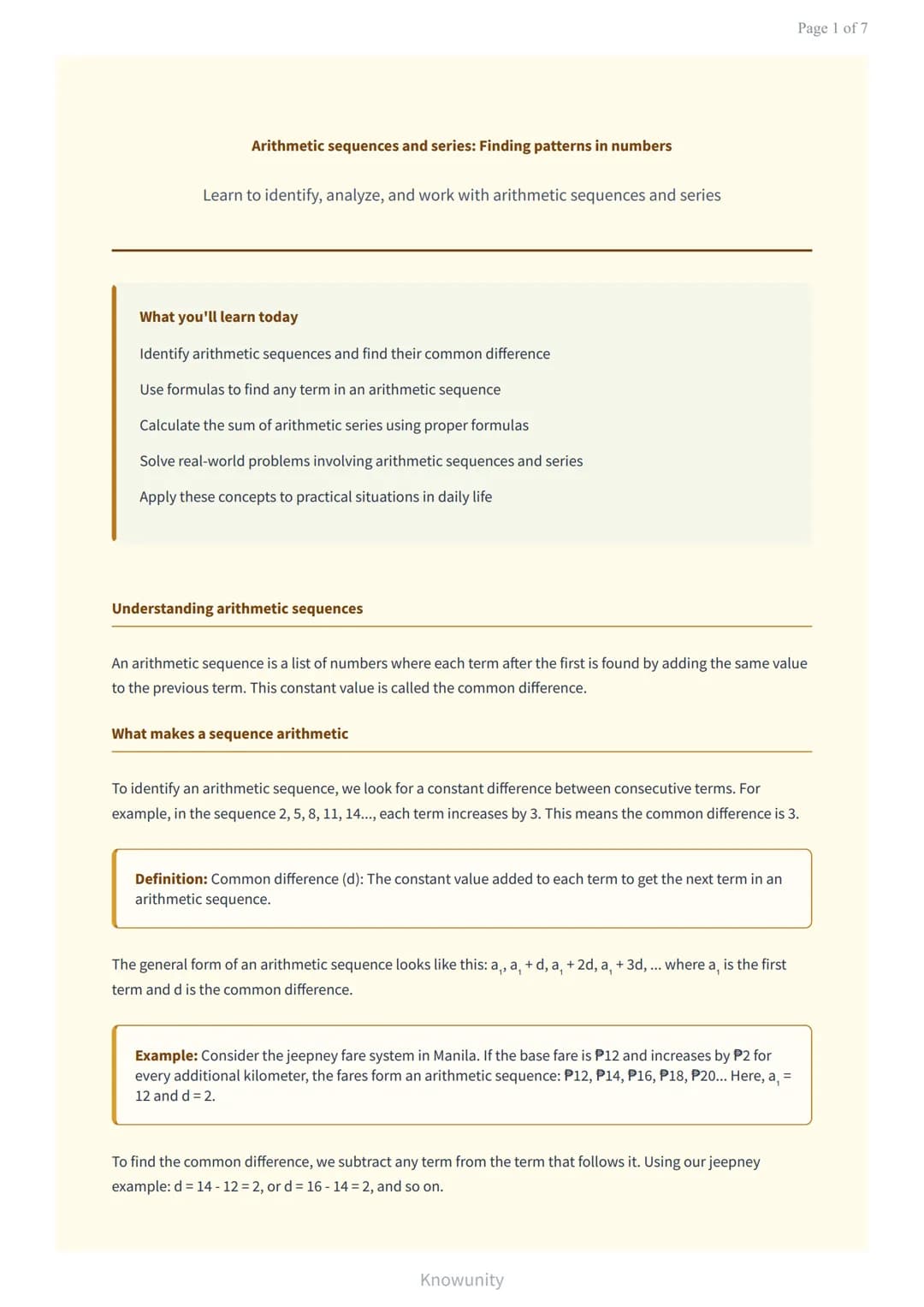
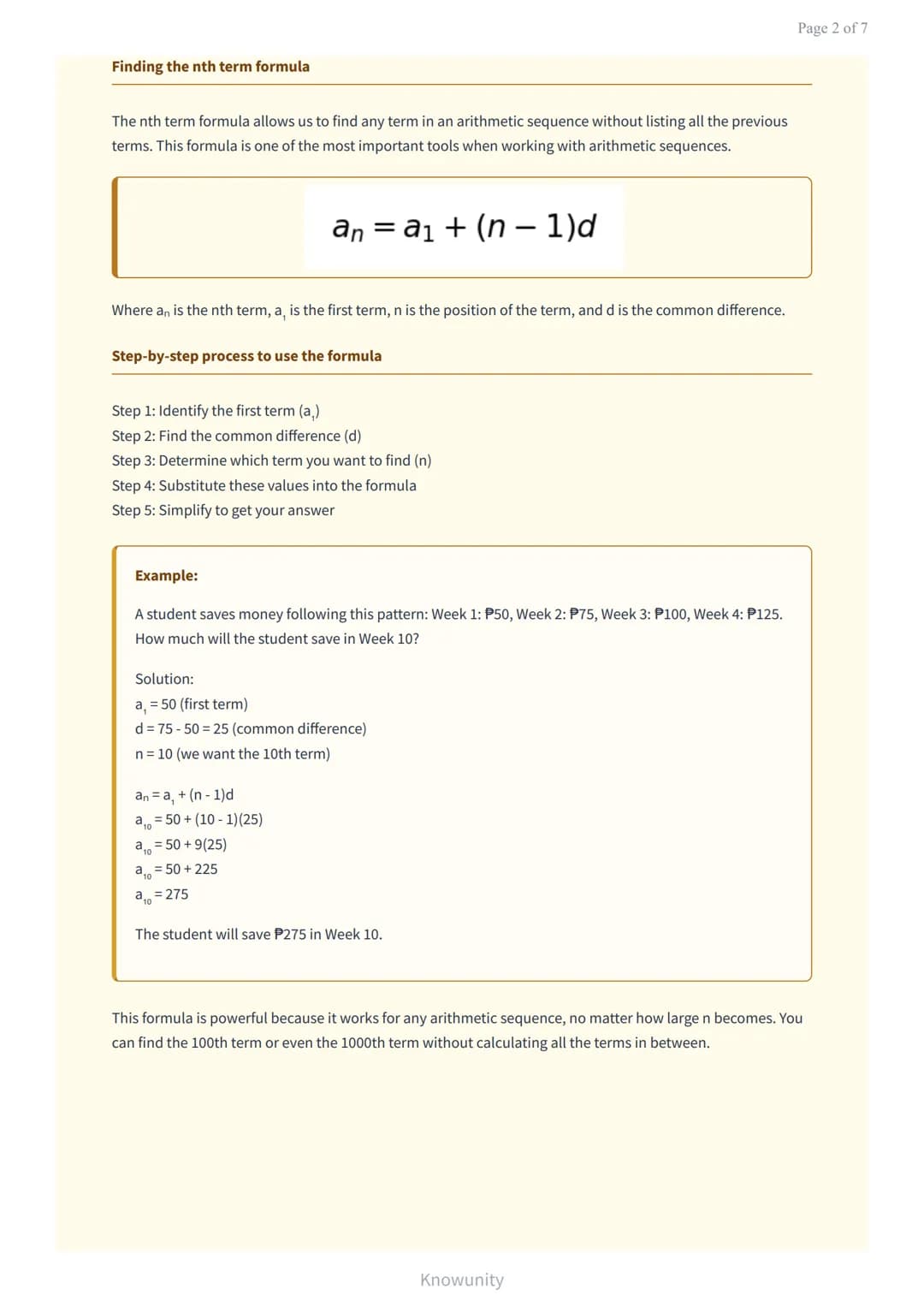
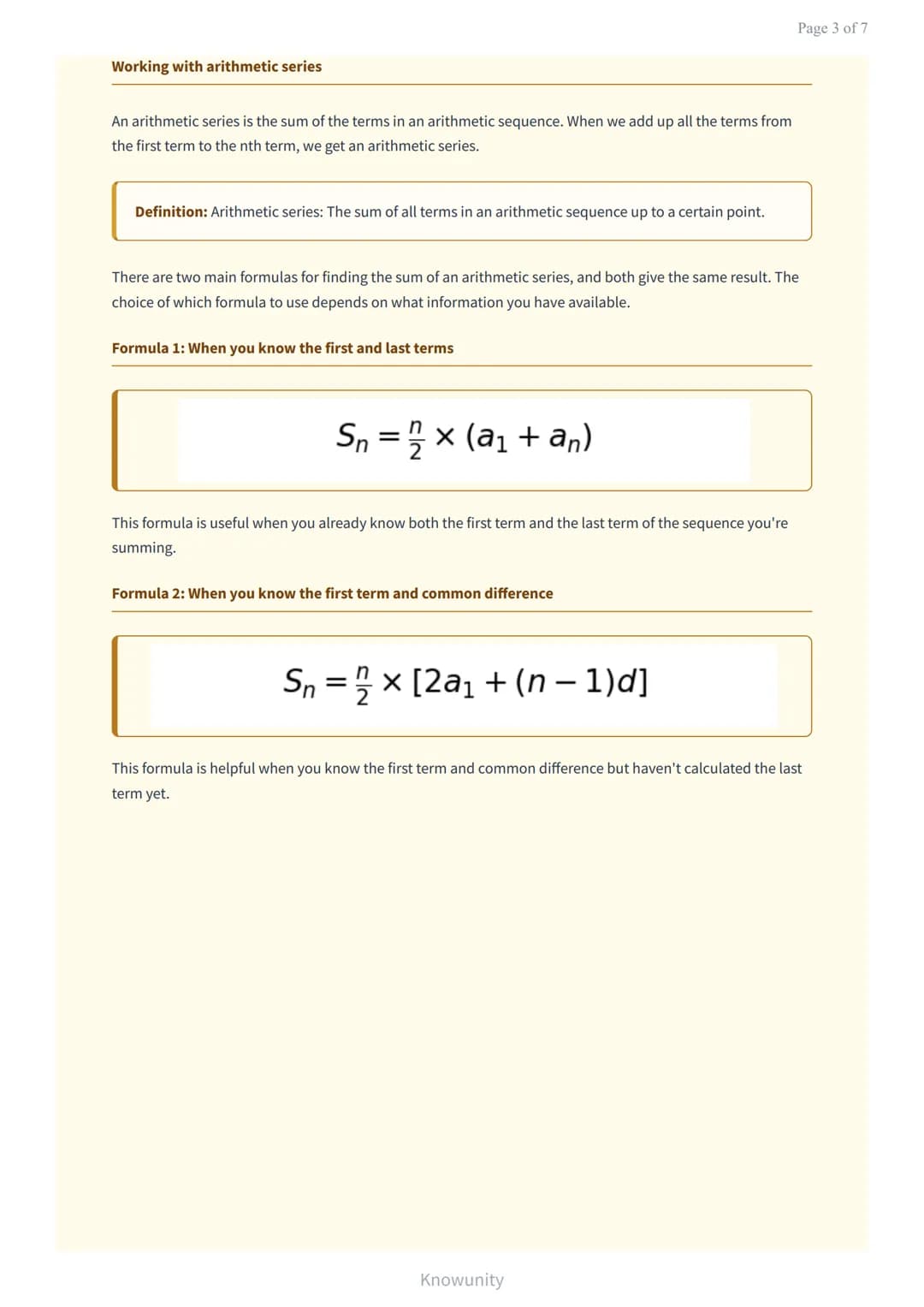
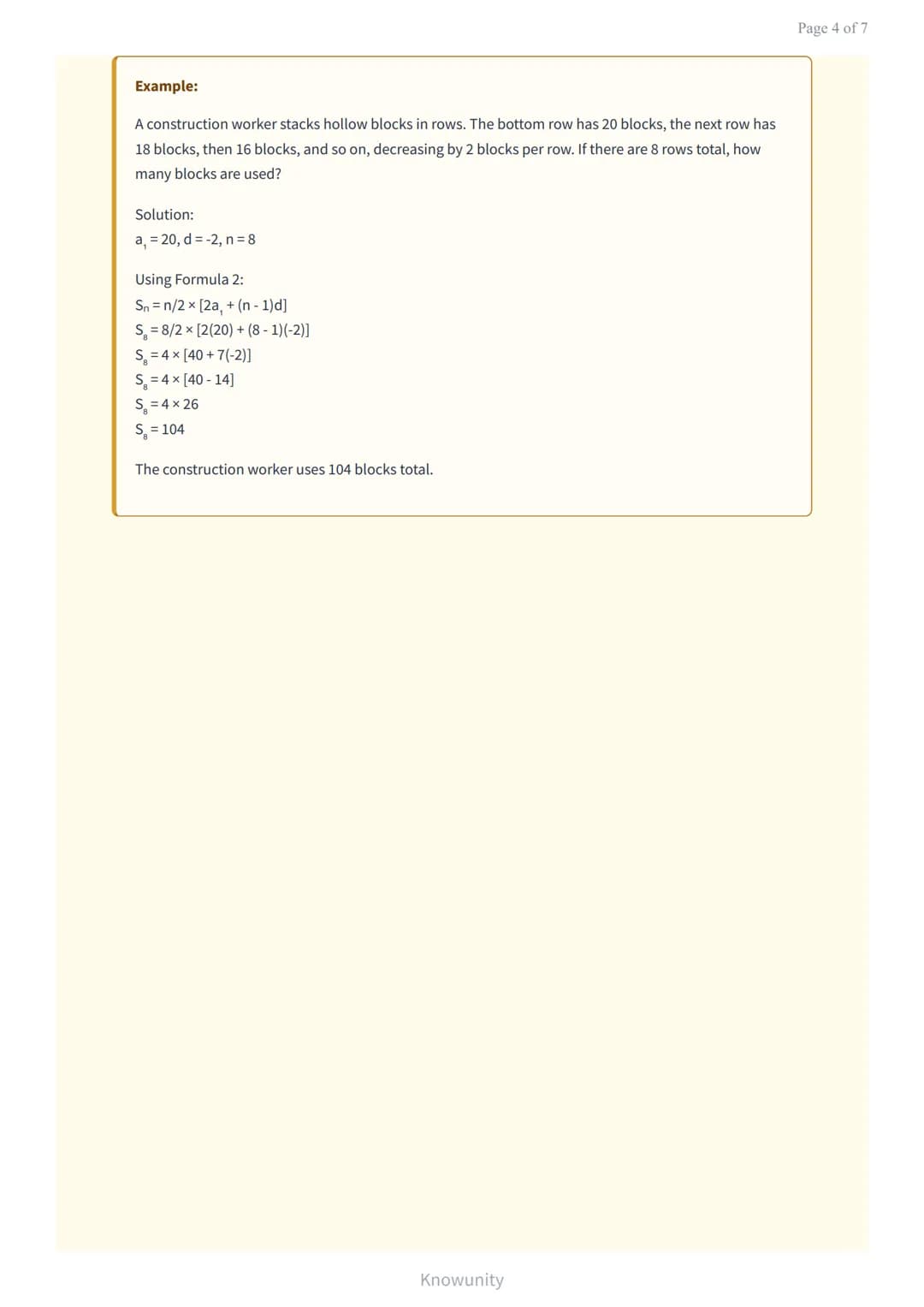
To identify if a sequence is arithmetic, check whether consecutive terms have the same difference. For example, in 2, 5, 8, 11, 14..., each term increases by 3, so the common difference is 3. We write the general form as: a₁, a₁+d, a₁+2d, a₁+3d, and so on.
Finding the common difference is simple—just subtract any term from the term that follows it. Think about jeepney fares: if the base fare is ₱12 and increases by ₱2 for each additional kilometer, you get ₱12, ₱14, ₱16, ₱18... The first term (a₁) is 12, and the common difference (d) is 2.
Try This! Look at the sequence 4, 10, 16, 22... What's the common difference? (Hint: Subtract any term from the one that follows it.)



 Science
 Econ
Econ Araling Panlipunan (AP)
 Iba pa
 Practical Research
 DISS
DISS