
Ever wondered how your body works at the most basic... Show more
 GenBio
 Other
Other Econ
Econ Pre-Cal
 Oral Communication
 Practical Research
 DISS
DISSSign up to see the contentIt's free!
Access to all documents
Improve your grades
Join milions of students
By signing up you accept Terms of Service and Privacy Policy
Subjects

Biology

Chemistry
AP Chemistry

English
AP English Literature
4,442
•
Dec 14, 2025
•
Juliane Alexis
@julianealexis
Ever wondered how your body works at the most basic... Show more
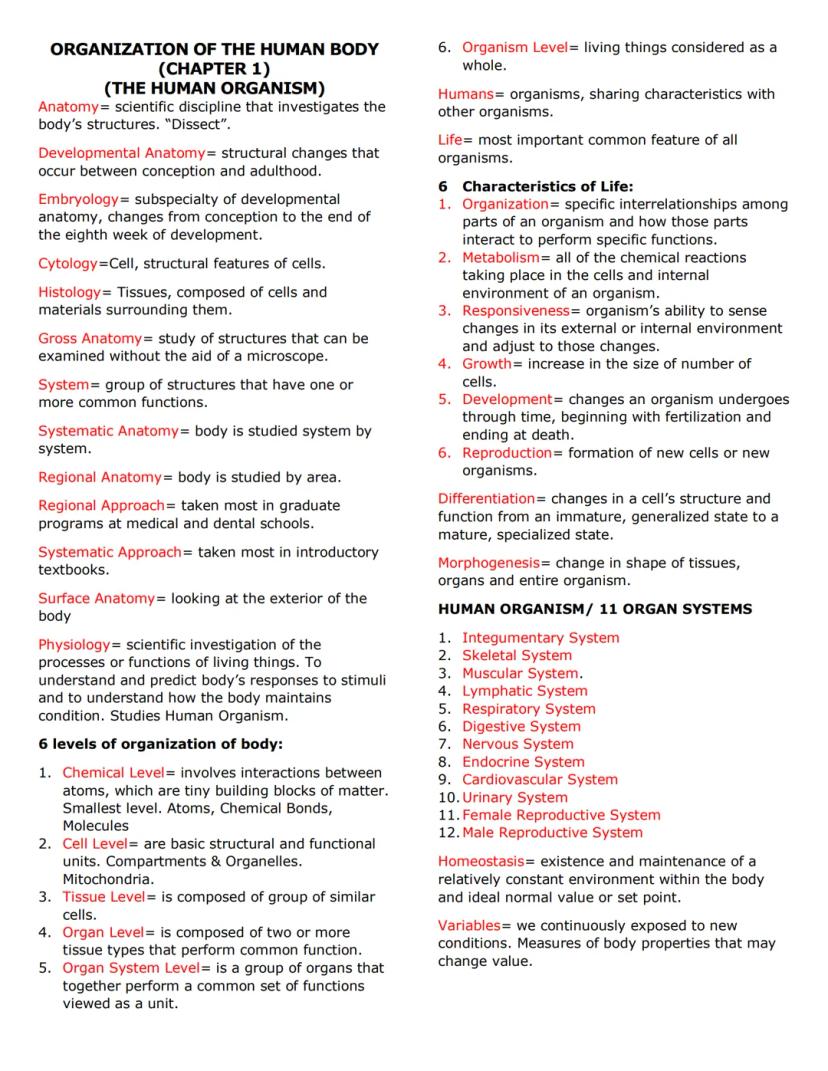


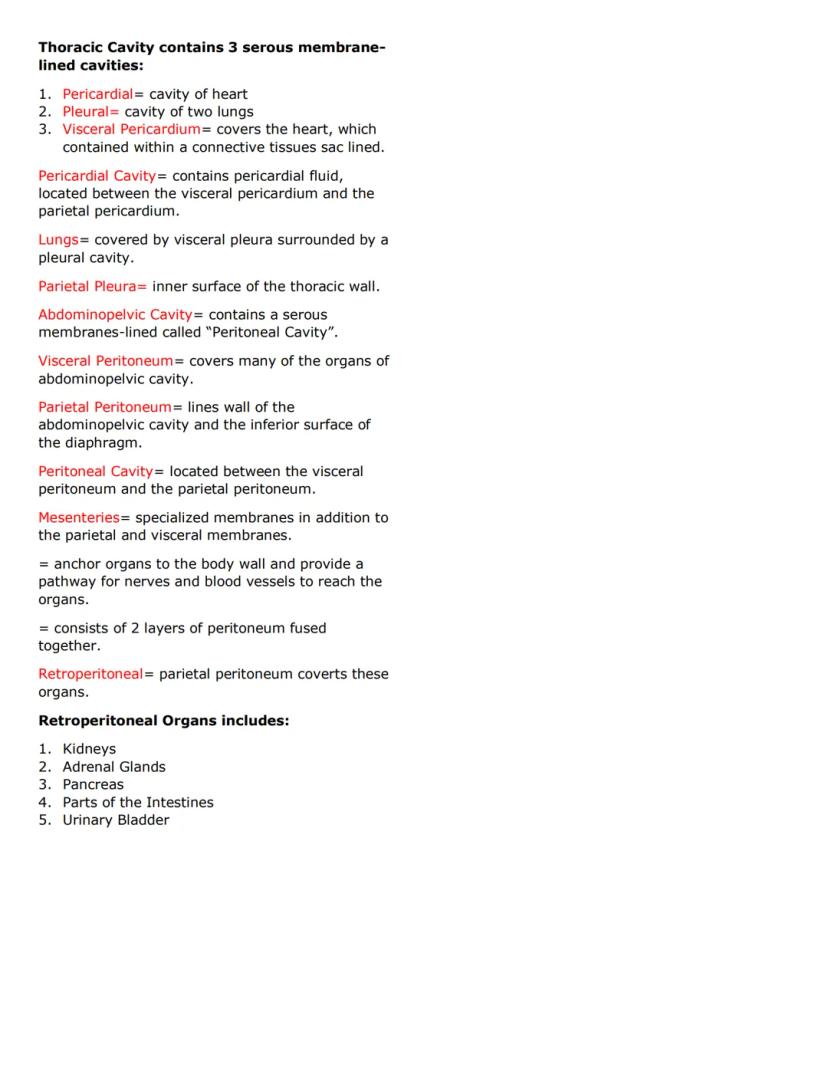

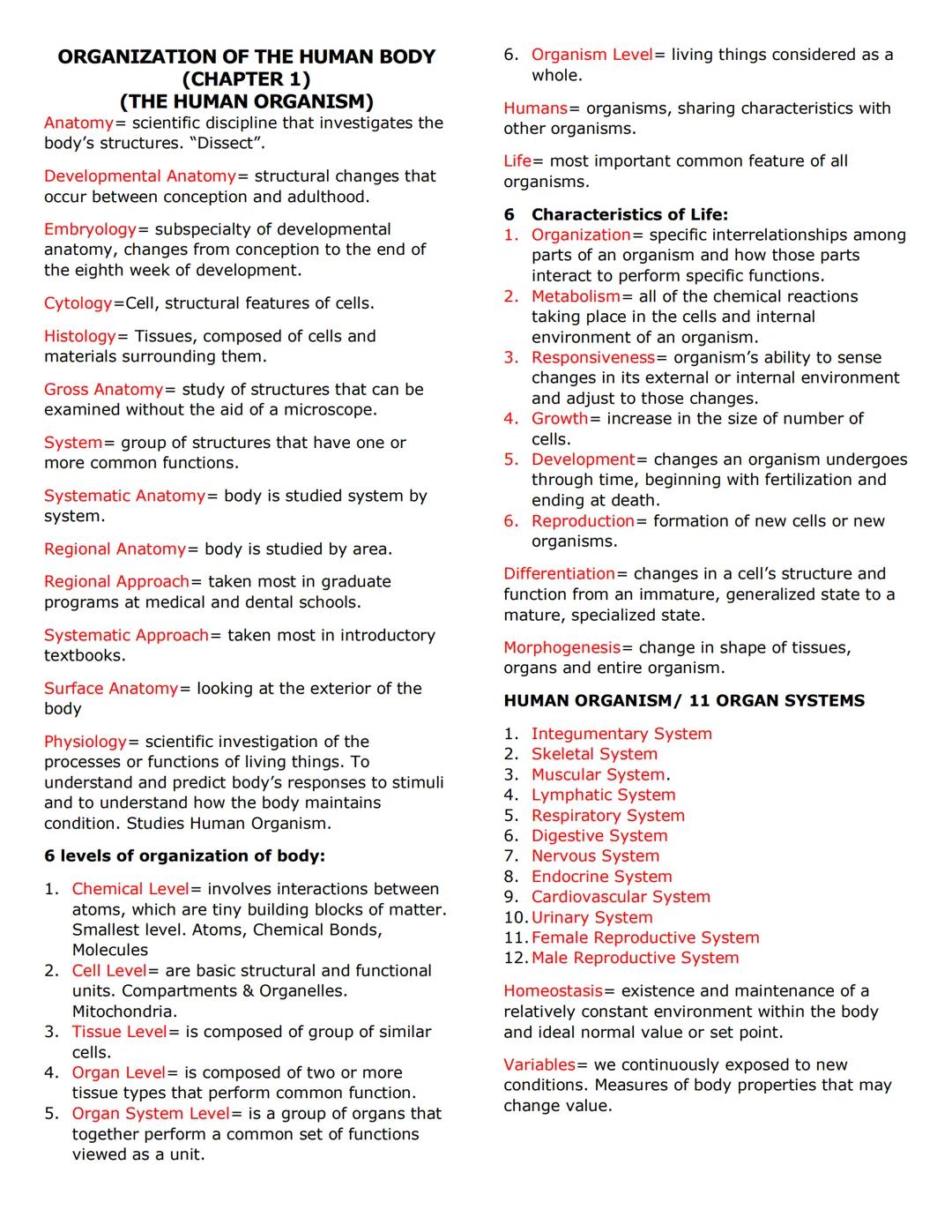
Think of your body like a perfectly organized company with different departments working together. Anatomy is basically "dissecting" or studying body structures, while physiology investigates how everything actually works to keep you alive.
Your body has six levels of organization that build from simple to complex: chemical (atoms and molecules), cell (basic units), tissue (groups of similar cells), organ (tissues working together), organ system (organs with common functions), and organism (you as a whole person). It's like building blocks - each level depends on the one below it.
All living things, including you, share six characteristics of life: organization, metabolism (chemical reactions), responsiveness (reacting to changes), growth, development, and reproduction. Your body has 11 major organ systems working together - from your skin (integumentary) to your heart (cardiovascular) to your brain (nervous system).
Key Concept: Homeostasis is your body's ability to maintain stable internal conditions despite external changes - like keeping your temperature at 37°C whether it's hot or cold outside!

Your body constantly monitors important variables like body temperature, heart rate, and blood pressure to keep you healthy. When something goes wrong, homeostatic mechanisms kick in to fix it - like sweating when you're hot or shivering when you're cold.
Most of your body uses negative feedback mechanisms to maintain balance. These have three parts: a receptor (detects changes), control center (brain area like hypothalamus that sets the normal range), and effector (makes the actual changes). It's like a thermostat in your house - when temperature drops, it turns on heat to bring it back to normal.
Positive feedback is less common but important for things like childbirth - instead of stopping a process, it amplifies it until completion. Understanding anatomical position (standing straight, palms forward) helps medical professionals describe body parts accurately using standardized terms.
Remember: Negative feedback keeps things stable (most common), while positive feedback amplifies changes until a specific goal is reached.
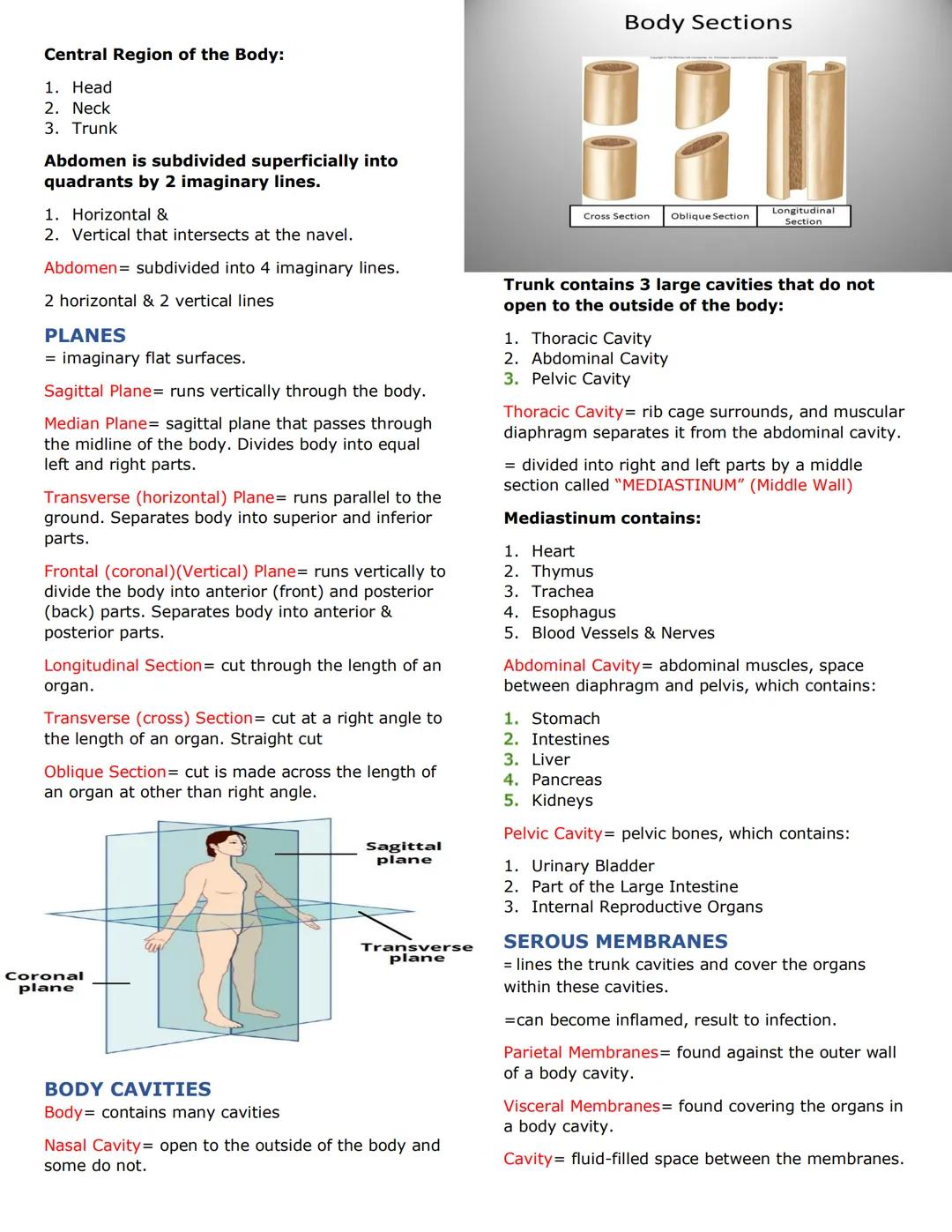
Your body can be divided into regions and studied using imaginary planes - think of them as invisible slices through your body. The sagittal plane cuts you vertically into left and right parts, transverse plane separates top from bottom, and frontal plane divides front from back.
When doctors need to examine organs, they use different types of sections. Longitudinal sections cut along an organ's length, transverse sections cut straight across, and oblique sections cut at angles. This helps them see internal structures clearly.
Your trunk contains three main cavities: thoracic (chest area with heart and lungs), abdominal (stomach area), and pelvic (lower area with reproductive organs). The thoracic cavity is special because it's divided by the mediastinum - a middle wall containing your heart, major blood vessels, and other vital structures.
Visual Tip: Imagine your body as a house with different rooms (cavities) - each room contains specific "furniture" (organs) that serve particular purposes.
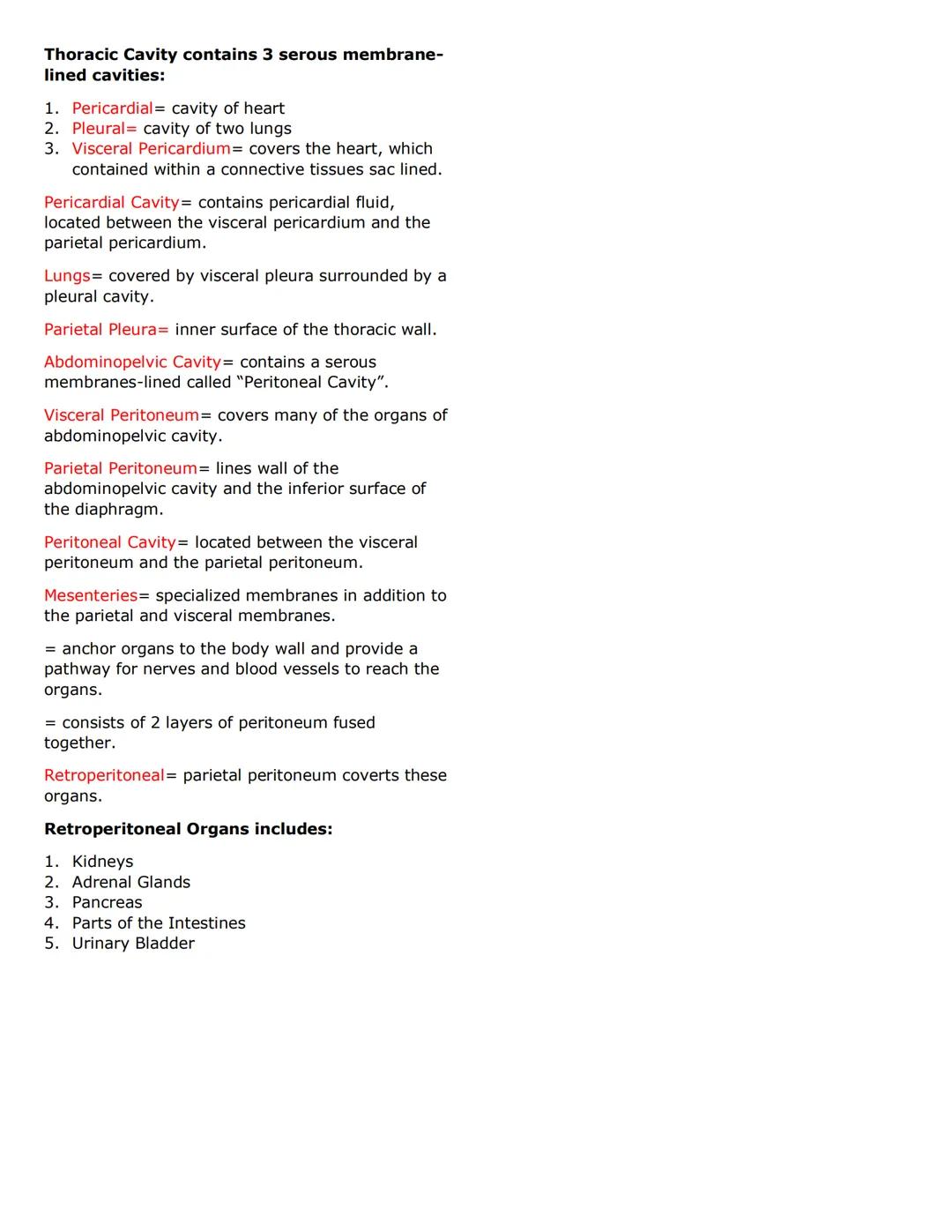
Your internal organs need protection, and that's where serous membranes come in. These thin, slippery membranes line body cavities and cover organs to prevent friction when they move. Think of them like plastic wrap that keeps organs from sticking together.
The thoracic cavity has three membrane-lined spaces: pericardial cavity (around the heart), and two pleural cavities (around each lung). Each has visceral membranes covering the organs and parietal membranes lining the cavity walls, with fluid between them for smooth movement.
Your abdominopelvic cavity contains the peritoneal cavity with similar membrane arrangements. Special structures called mesenteries anchor organs to body walls and provide pathways for blood vessels and nerves. Some organs like kidneys are retroperitoneal - they're behind the main membrane lining.
Health Alert: When these membranes get inflamed or infected, it causes serious conditions like pericarditis (heart membrane inflammation) or peritonitis (abdominal membrane inflammation).
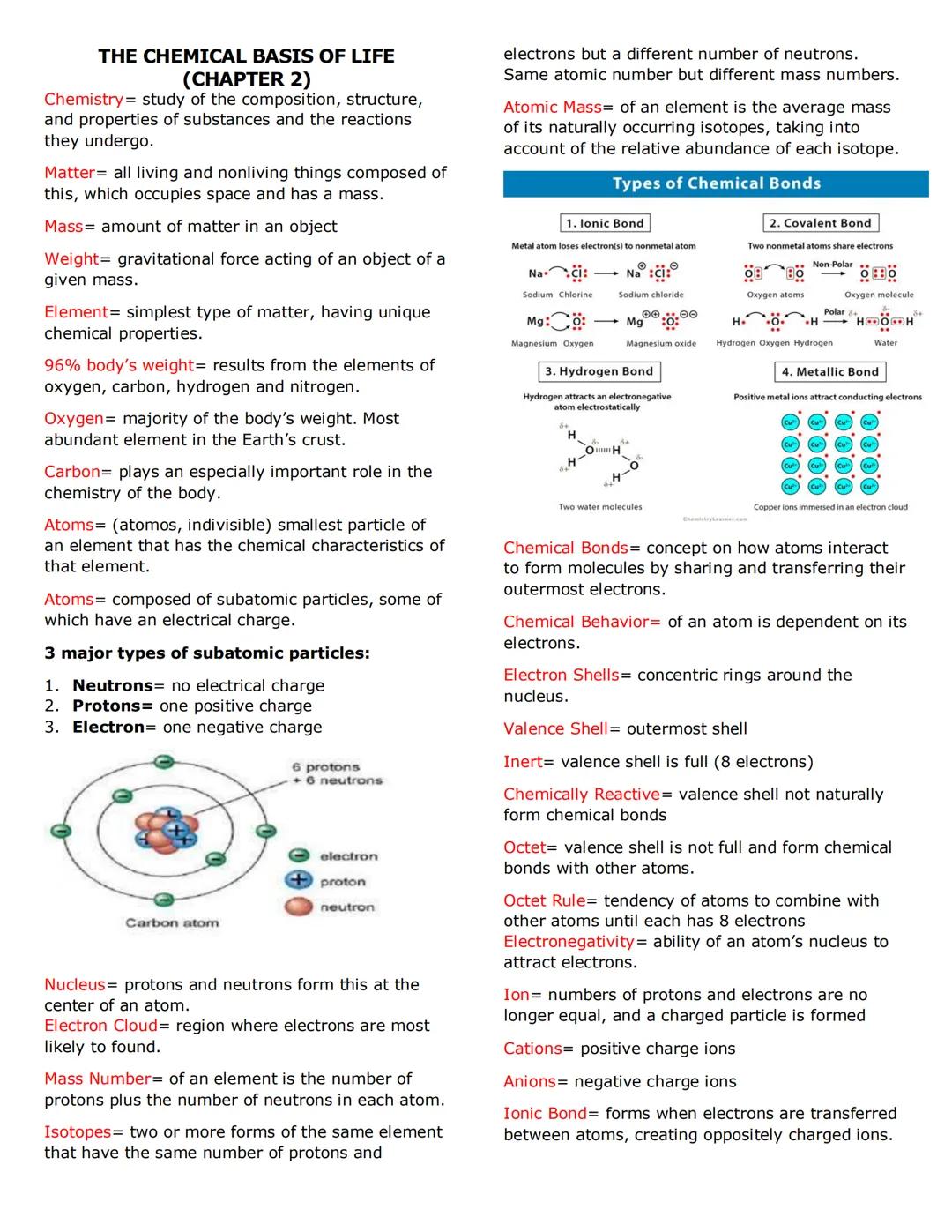
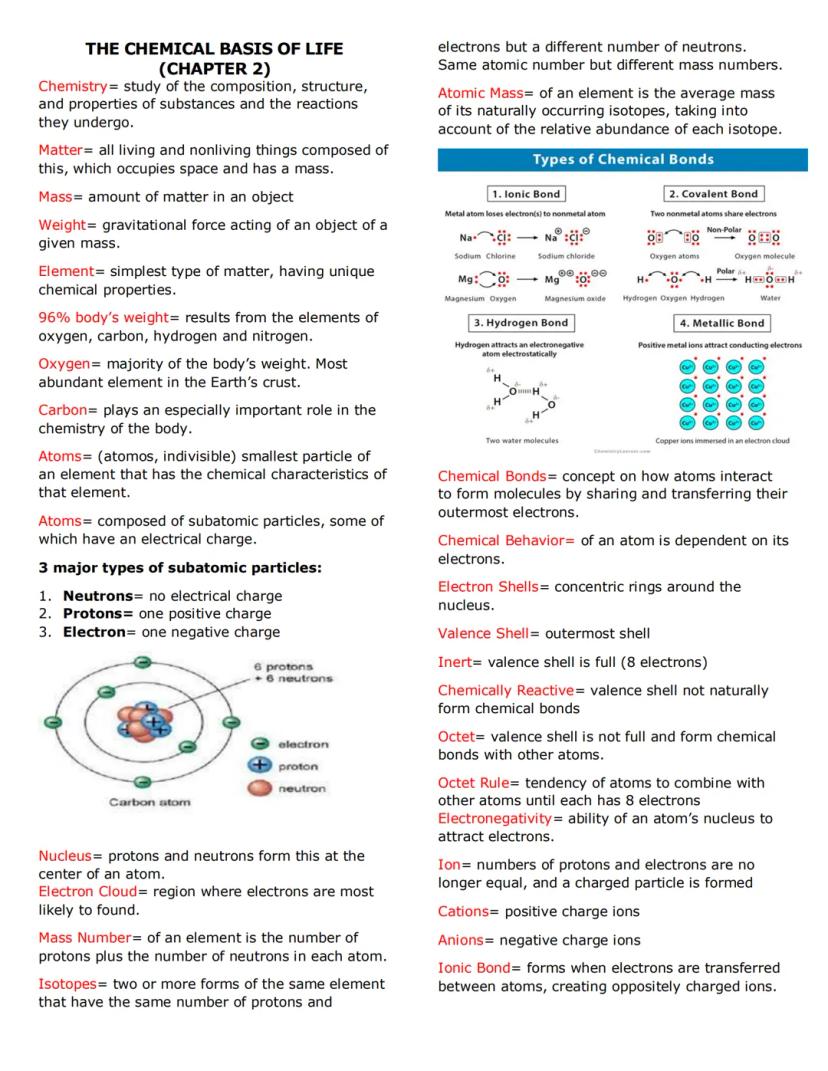
Everything in your body - from your bones to your blood - is made of matter composed of atoms. Just four elements make up 96% of your body weight: oxygen (most abundant), carbon (super important for body chemistry), hydrogen, and nitrogen.
Atoms contain three main particles: protons (positive charge), neutrons (no charge), and electrons (negative charge). The nucleus holds protons and neutrons, while electrons zoom around in an electron cloud. Isotopes are atoms of the same element with different numbers of neutrons.
Your body uses four main types of chemical bonds to build everything you need. Ionic bonds form when atoms transfer electrons (like salt), covalent bonds happen when atoms share electrons (like water), hydrogen bonds are weaker attractions between molecules, and metallic bonds occur in metals.
Fun Fact: Carbon is like the "social butterfly" of elements - it easily forms bonds with many other atoms, making it perfect for building complex molecules your body needs!
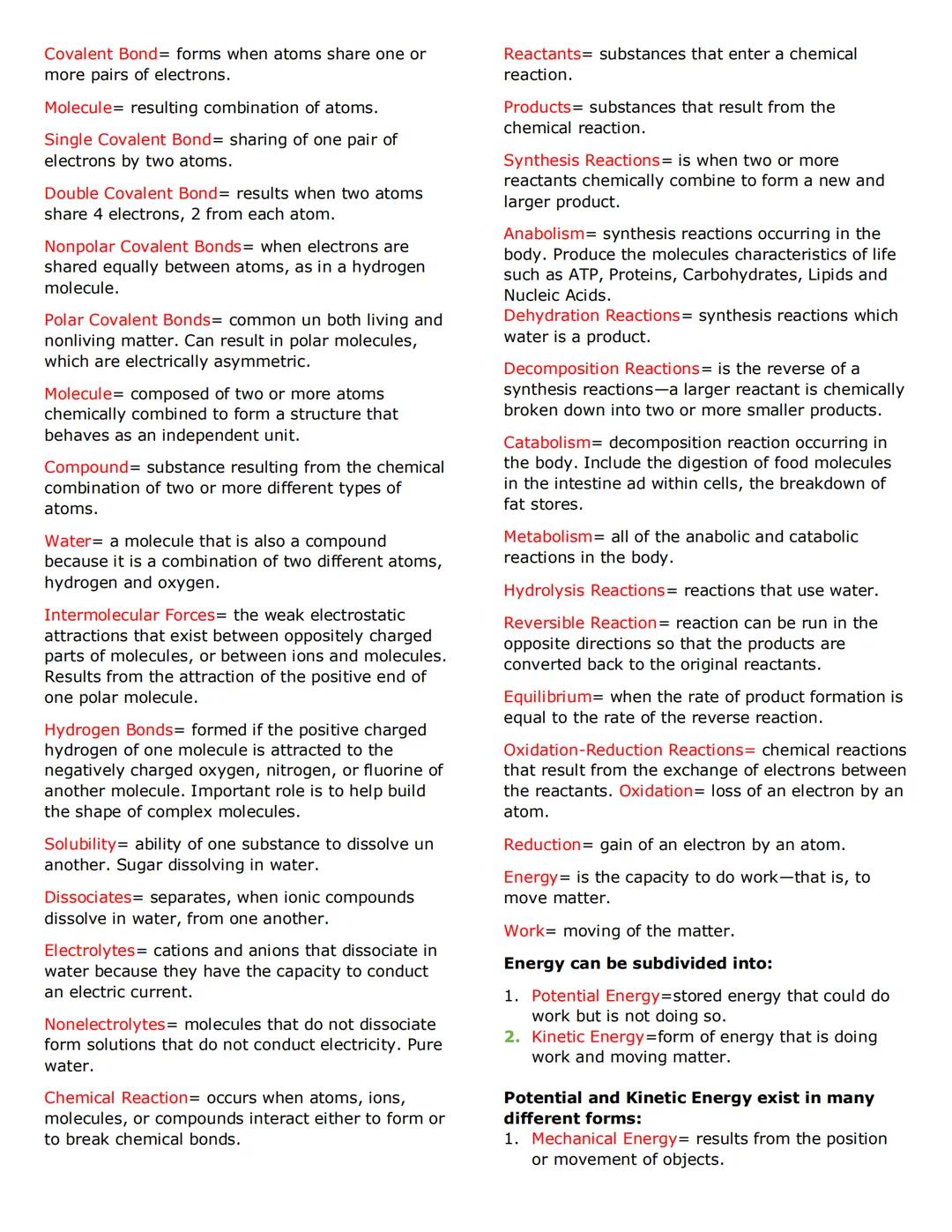
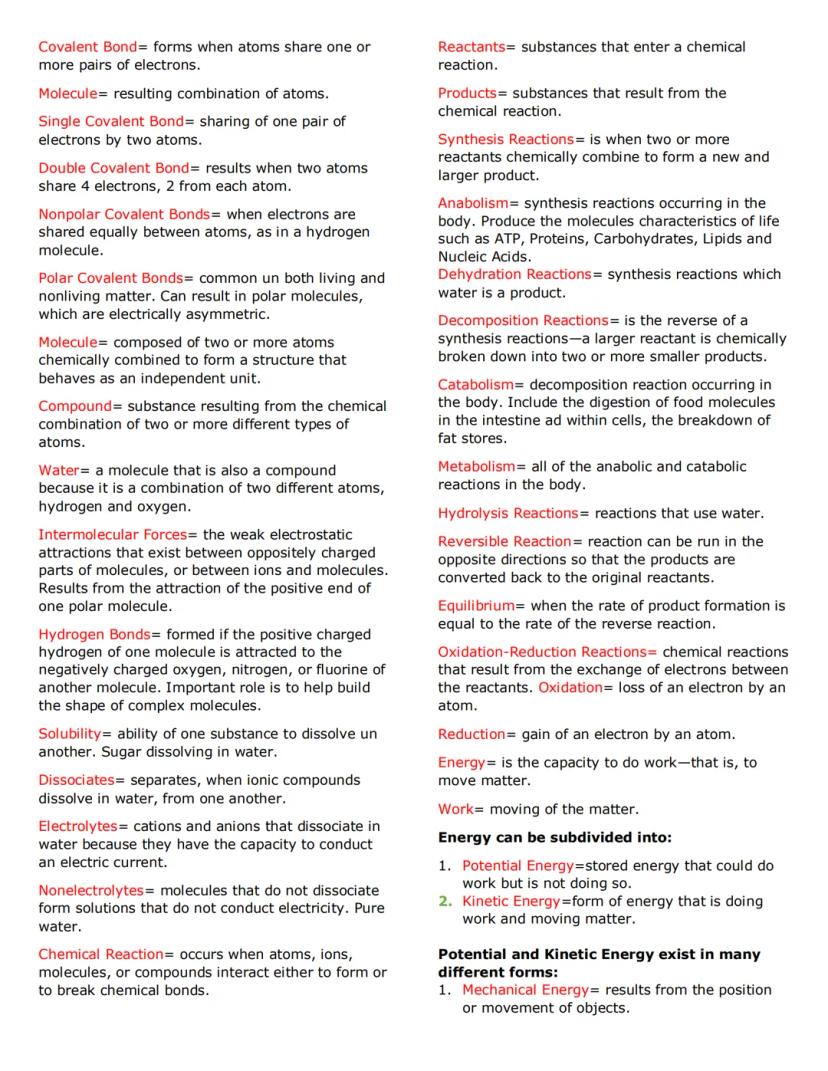
Your body runs on chemical reactions where reactants combine or break apart to form products. Synthesis reactions build larger molecules from smaller ones (like building muscle protein), while decomposition reactions break things down (like digesting food).
Metabolism includes all chemical reactions in your body: anabolism (building up) and catabolism (breaking down). Many reactions are reversible and can reach equilibrium where the forward and reverse reactions balance out.
Your body needs energy to do work, which exists as potential energy (stored) or kinetic energy (active). Chemical energy stored in bonds powers most body processes, while enzymes (protein catalysts) speed up reactions by lowering the energy needed to start them.
Water makes up 50-60% of your body weight and has amazing properties due to its polar nature. It resists temperature changes, acts as a universal solvent, and helps transport substances throughout your body.
Energy Tip: Think of ATP as your body's energy currency - it stores and provides energy for cellular processes, just like money enables transactions!

Your body carefully controls pH on a scale of 0-14, with 7 being neutral. Acids release hydrogen ions (pH below 7), while bases accept them (pH above 7). Your blood must stay between pH 7.35-7.45 or serious problems occur.
Buffers are your body's pH control system - they resist changes by neutralizing excess acids or bases. This helps maintain homeostasis and keeps you healthy.
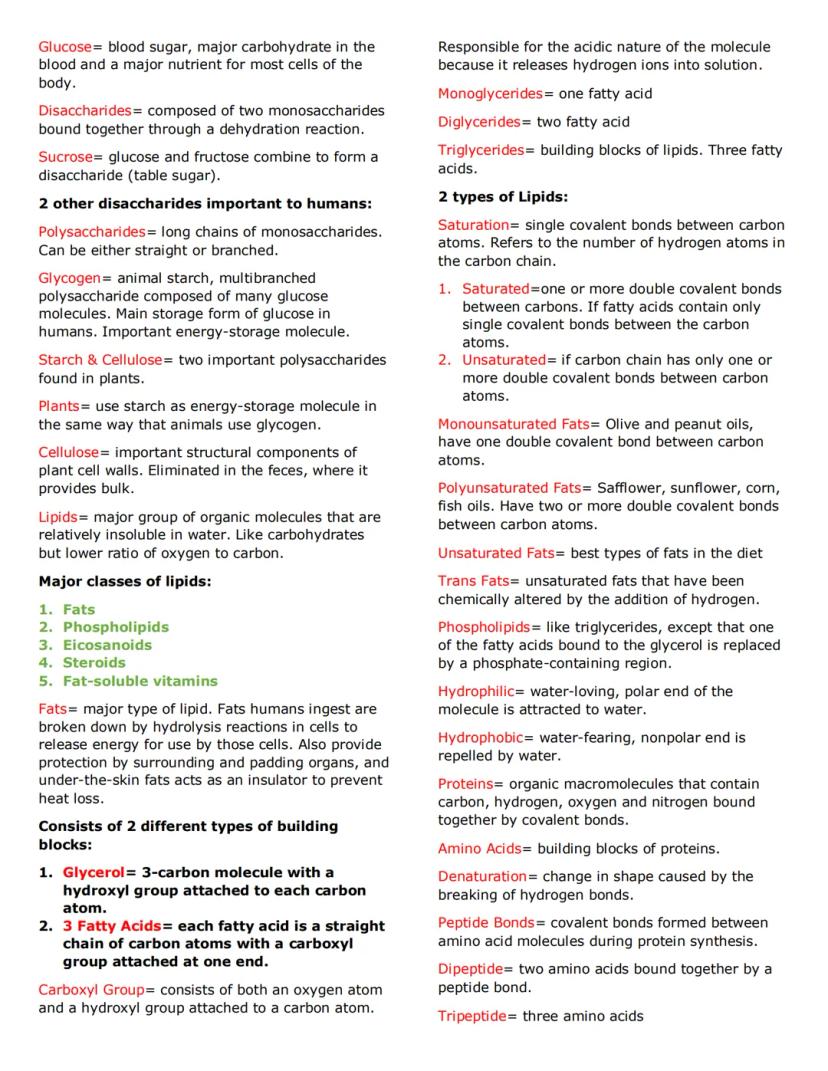
Your body contains four major organic compounds: carbohydrates (energy source), lipids (fats for energy storage and insulation), proteins (body's workhorses), and nucleic acids (genetic material). Each has specific building blocks and functions.
Carbohydrates like glucose provide quick energy, while polysaccharides like glycogen store energy for later. Monosaccharides are simple sugars, disaccharides are double sugars (like table sugar), and complex carbs provide sustained energy.
Blood Alert: Acidosis (blood too acidic) causes depression and coma, while alkalosis (blood too basic) causes overexcitability and convulsions - both can be deadly!
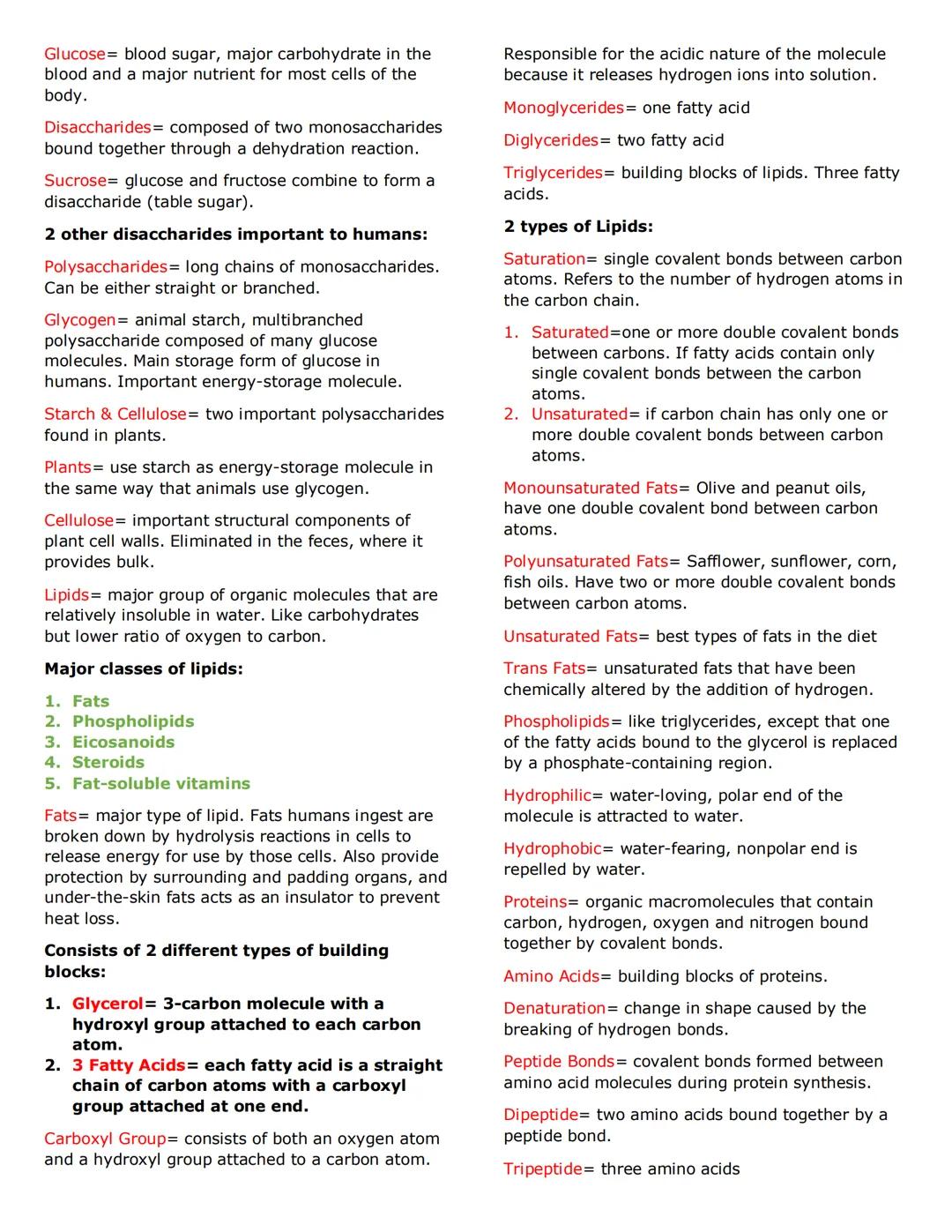
Lipids are your body's energy storage champions and include fats, phospholipids, and steroids. Triglycerides are the main storage fats that cushion organs and insulate your body.
Saturated fats (no double bonds) are typically solid at room temperature, while unsaturated fats (with double bonds) are usually liquid. Monounsaturated and polyunsaturated fats are healthier choices than trans fats, which should be avoided.
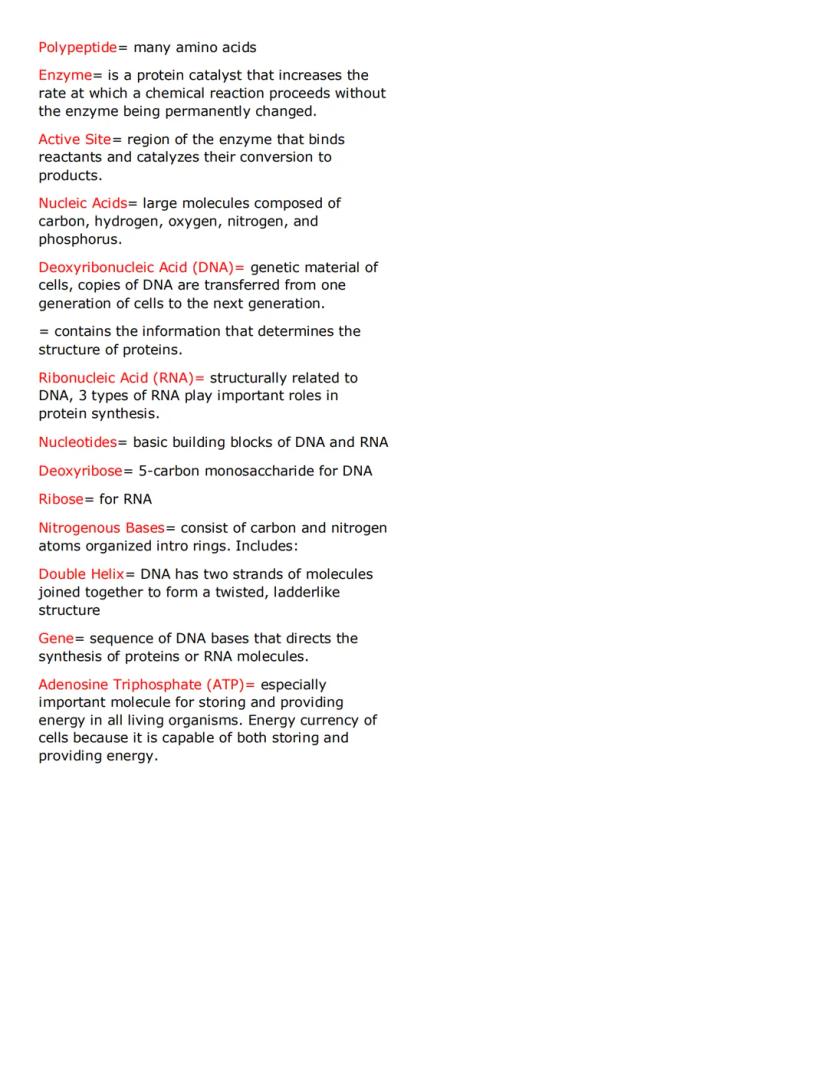
Proteins are made from amino acids linked by peptide bonds. They serve as enzymes (speed up reactions), structural components, and transport molecules. Each protein has a specific shape that determines its function - if the shape changes (denaturation), the protein stops working.
Phospholipids are special because they have both hydrophilic and hydrophobic parts, making them perfect for cell membranes. They form barriers that control what enters and exits cells.
Protein Power: Enzymes are protein catalysts with active sites that perfectly fit their target molecules - like keys fitting specific locks!
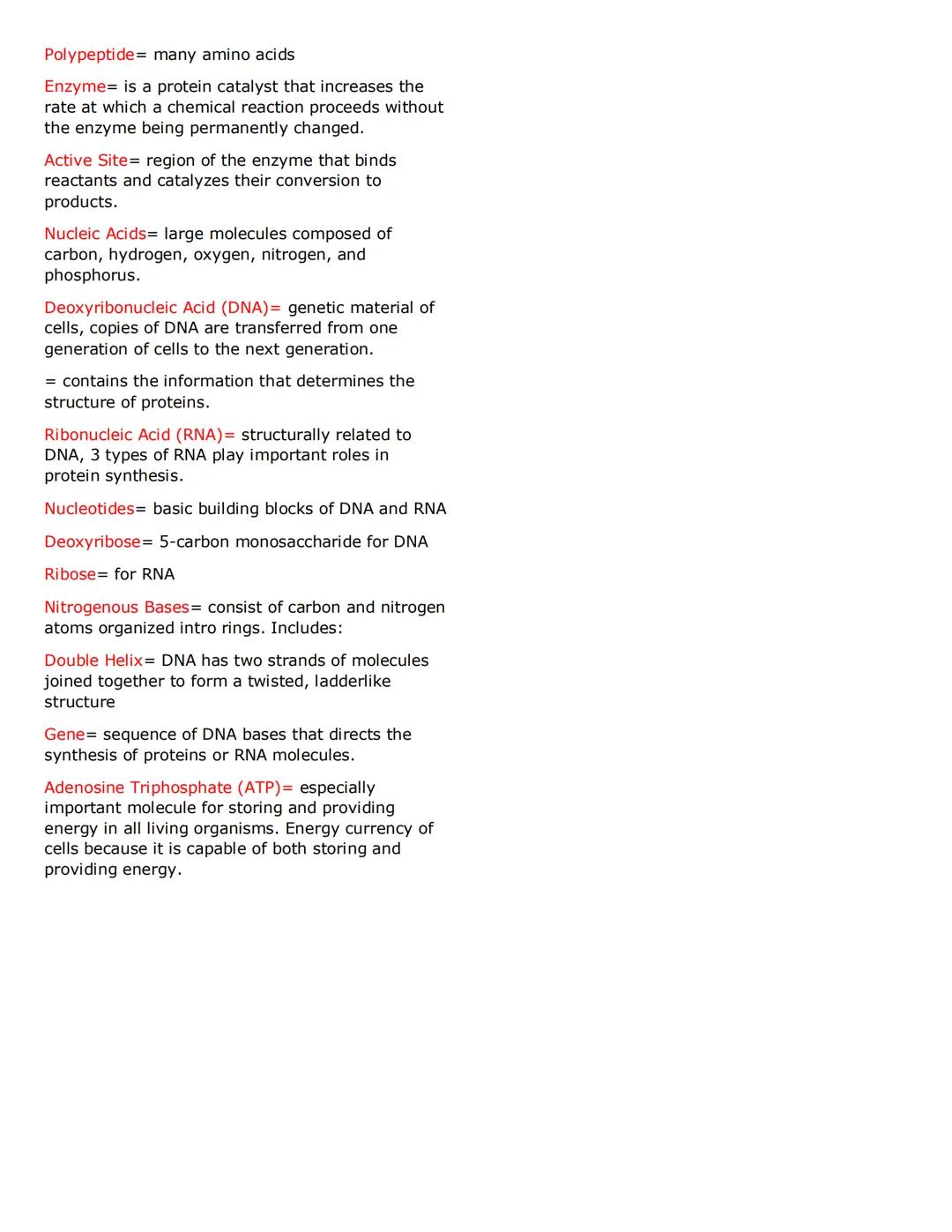
DNA (deoxyribonucleic acid) is your genetic blueprint - it contains instructions for making every protein your body needs. RNA (ribonucleic acid) helps carry out these instructions during protein synthesis.
Both nucleic acids are built from nucleotides containing a sugar (deoxyribose in DNA, ribose in RNA), phosphate group, and nitrogenous base. DNA forms a famous double helix structure like a twisted ladder.
Genes are specific DNA sequences that code for particular proteins or RNA molecules. This genetic information passes from parents to children, determining everything from eye color to enzyme production.
ATP (adenosine triphosphate) is your body's universal energy currency. It stores energy in its chemical bonds and releases it when cells need power for activities like muscle contraction, active transport, or building molecules.
Genetic Marvel: Your DNA contains about 3 billion base pairs that code for roughly 20,000-25,000 genes - all packed into the nucleus of nearly every cell!
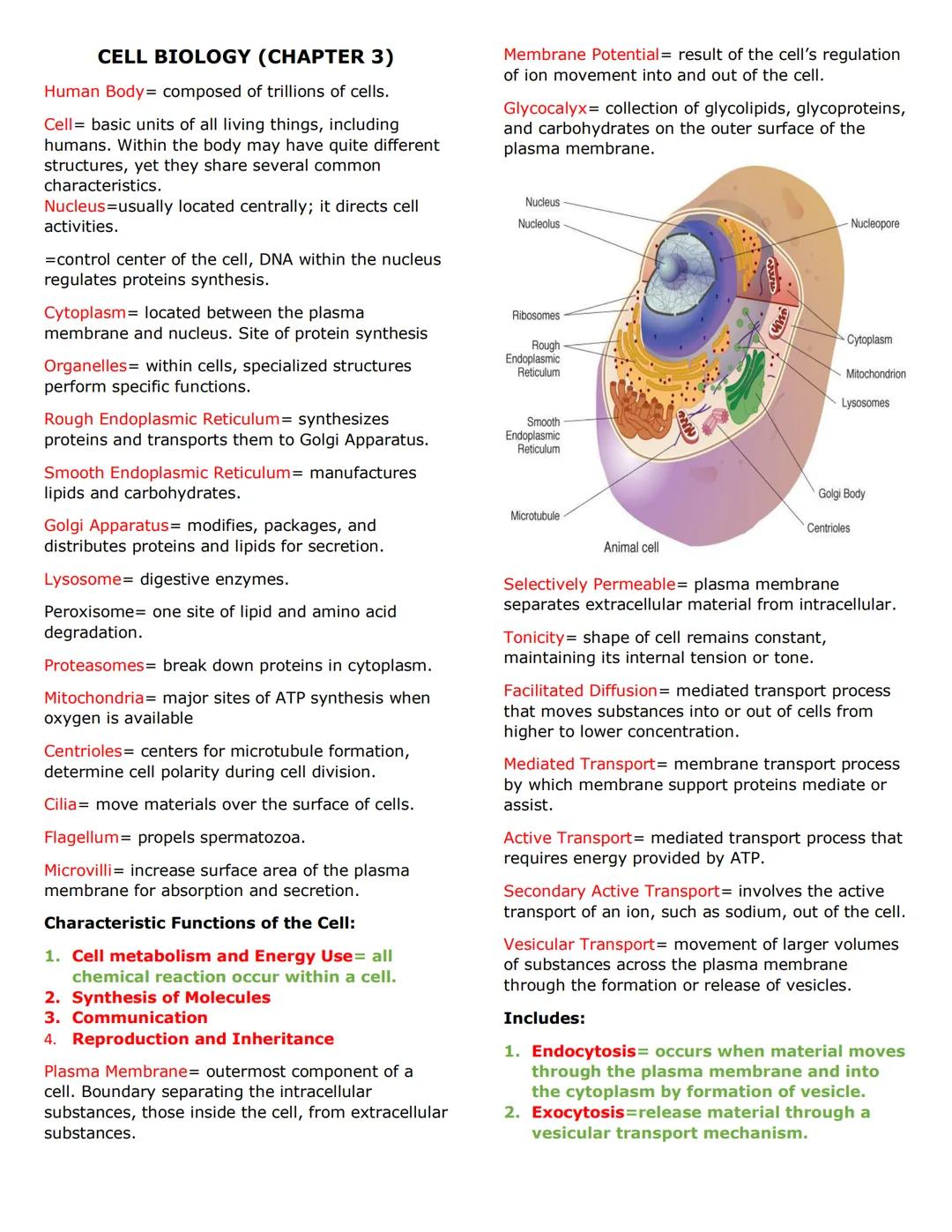
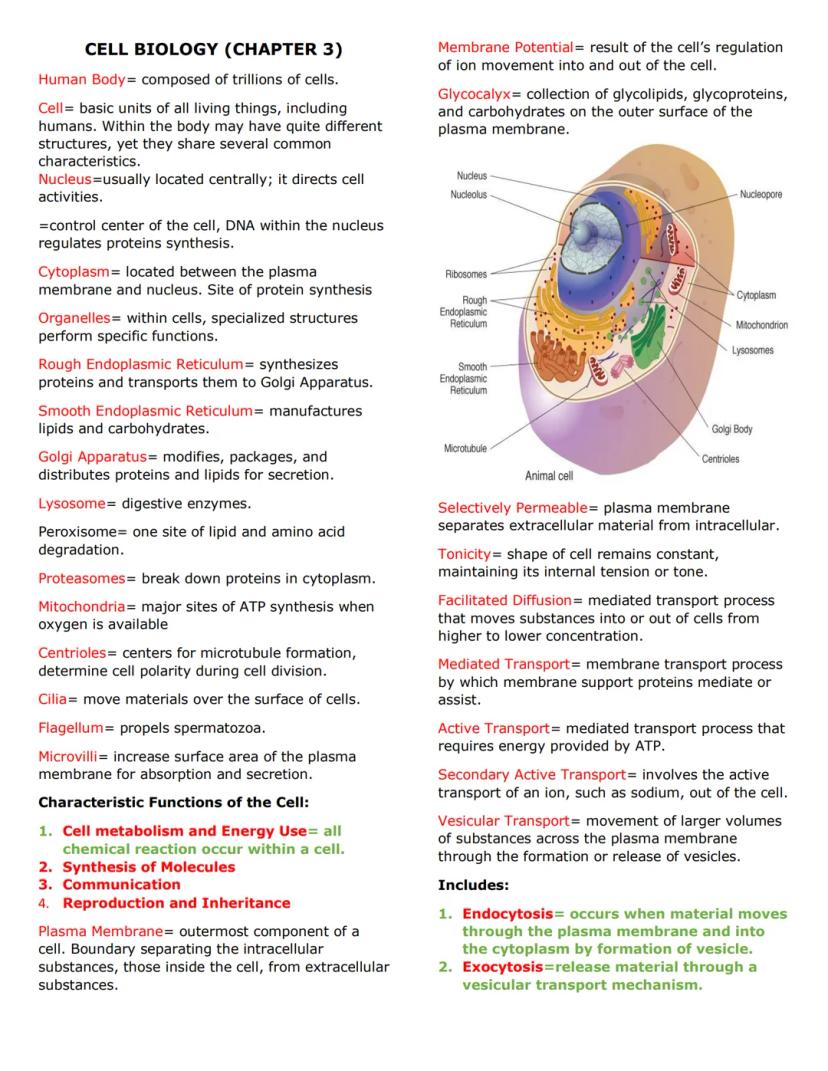
Your body contains trillions of cells - the basic units of life that share common characteristics despite having different functions. Every cell has a plasma membrane (outer boundary), cytoplasm (internal material), and usually a nucleus (control center).
Organelles are specialized cellular structures with specific jobs. The rough endoplasmic reticulum makes proteins, smooth ER produces lipids, Golgi apparatus packages materials, lysosomes digest waste, and mitochondria generate ATP energy.
The plasma membrane is selectively permeable - it controls what enters and exits the cell. Transport occurs through diffusion, facilitated diffusion (with help from proteins), active transport (requires energy), and vesicular transport (for large materials).
Homeostasis at the cellular level involves maintaining proper tonicity and membrane potential. Cells must balance water content and ion concentrations to function properly and maintain their shape.
Cell Wisdom: Think of cells as tiny factories with specialized departments (organelles) working together to produce what your body needs while maintaining quality control!
Our AI companion is specifically built for the needs of students. Based on the millions of content pieces we have on the platform we can provide truly meaningful and relevant answers to students. But its not only about answers, the companion is even more about guiding students through their daily learning challenges, with personalised study plans, quizzes or content pieces in the chat and 100% personalisation based on the students skills and developments.
You can download the app in the Google Play Store and in the Apple App Store.
That's right! Enjoy free access to study content, connect with fellow students, and get instant help – all at your fingertips.
App Store
Google Play
The app is very easy to use and well designed. I have found everything I was looking for so far and have been able to learn a lot from the presentations! I will definitely use the app for a class assignment! And of course it also helps a lot as an inspiration.
Stefan S
iOS user
This app is really great. There are so many study notes and help [...]. My problem subject is French, for example, and the app has so many options for help. Thanks to this app, I have improved my French. I would recommend it to anyone.
Samantha Klich
Android user
Wow, I am really amazed. I just tried the app because I've seen it advertised many times and was absolutely stunned. This app is THE HELP you want for school and above all, it offers so many things, such as workouts and fact sheets, which have been VERY helpful to me personally.
Anna
iOS user
I think it’s very much worth it and you’ll end up using it a lot once you get the hang of it and even after looking at others notes you can still ask your Artificial intelligence buddy the question and ask to simplify it if you still don’t get it!!! In the end I think it’s worth it 😊👍 ⚠️Also DID I MENTION ITS FREEE YOU DON’T HAVE TO PAY FOR ANYTHING AND STILL GET YOUR GRADES IN PERFECTLY❗️❗️⚠️
Thomas R
iOS user
Knowunity is the BEST app I’ve used in a minute. This is not an ai review or anything this is genuinely coming from a 7th grade student (I know 2011 im young) but dude this app is a 10/10 i have maintained a 3.8 gpa and have plenty of time for gaming. I love it and my mom is just happy I got good grades
Brad T
Android user
Not only did it help me find the answer but it also showed me alternative ways to solve it. I was horrible in math and science but now I have an a in both subjects. Thanks for the help🤍🤍
David K
iOS user
The app's just great! All I have to do is enter the topic in the search bar and I get the response real fast. I don't have to watch 10 YouTube videos to understand something, so I'm saving my time. Highly recommended!
Sudenaz Ocak
Android user
In school I was really bad at maths but thanks to the app, I am doing better now. I am so grateful that you made the app.
Greenlight Bonnie
Android user
I found this app a couple years ago and it has only gotten better since then. I really love it because it can help with written questions and photo questions. Also, it can find study guides that other people have made as well as flashcard sets and practice tests. The free version is also amazing for students who might not be able to afford it. Would 100% recommend
Aubrey
iOS user
Best app if you're in Highschool or Junior high. I have been using this app for 2 school years and it's the best, it's good if you don't have anyone to help you with school work.😋🩷🎀
Marco B
iOS user
THE QUIZES AND FLASHCARDS ARE SO USEFUL AND I LOVE THE SCHOOLGPT. IT ALSO IS LITREALLY LIKE CHATGPT BUT SMARTER!! HELPED ME WITH MY MASCARA PROBLEMS TOO!! AS WELL AS MY REAL SUBJECTS ! DUHHH 😍😁😲🤑💗✨🎀😮
Elisha
iOS user
This app is phenomenal down to the correct info and the various topics you can study! I greatly recommend it for people who struggle with procrastination and those who need homework help. It has been perfectly accurate for world 1 history as far as I’ve seen! Geometry too!
Paul T
iOS user
The app is very easy to use and well designed. I have found everything I was looking for so far and have been able to learn a lot from the presentations! I will definitely use the app for a class assignment! And of course it also helps a lot as an inspiration.
Stefan S
iOS user
This app is really great. There are so many study notes and help [...]. My problem subject is French, for example, and the app has so many options for help. Thanks to this app, I have improved my French. I would recommend it to anyone.
Samantha Klich
Android user
Wow, I am really amazed. I just tried the app because I've seen it advertised many times and was absolutely stunned. This app is THE HELP you want for school and above all, it offers so many things, such as workouts and fact sheets, which have been VERY helpful to me personally.
Anna
iOS user
I think it’s very much worth it and you’ll end up using it a lot once you get the hang of it and even after looking at others notes you can still ask your Artificial intelligence buddy the question and ask to simplify it if you still don’t get it!!! In the end I think it’s worth it 😊👍 ⚠️Also DID I MENTION ITS FREEE YOU DON’T HAVE TO PAY FOR ANYTHING AND STILL GET YOUR GRADES IN PERFECTLY❗️❗️⚠️
Thomas R
iOS user
Knowunity is the BEST app I’ve used in a minute. This is not an ai review or anything this is genuinely coming from a 7th grade student (I know 2011 im young) but dude this app is a 10/10 i have maintained a 3.8 gpa and have plenty of time for gaming. I love it and my mom is just happy I got good grades
Brad T
Android user
Not only did it help me find the answer but it also showed me alternative ways to solve it. I was horrible in math and science but now I have an a in both subjects. Thanks for the help🤍🤍
David K
iOS user
The app's just great! All I have to do is enter the topic in the search bar and I get the response real fast. I don't have to watch 10 YouTube videos to understand something, so I'm saving my time. Highly recommended!
Sudenaz Ocak
Android user
In school I was really bad at maths but thanks to the app, I am doing better now. I am so grateful that you made the app.
Greenlight Bonnie
Android user
I found this app a couple years ago and it has only gotten better since then. I really love it because it can help with written questions and photo questions. Also, it can find study guides that other people have made as well as flashcard sets and practice tests. The free version is also amazing for students who might not be able to afford it. Would 100% recommend
Aubrey
iOS user
Best app if you're in Highschool or Junior high. I have been using this app for 2 school years and it's the best, it's good if you don't have anyone to help you with school work.😋🩷🎀
Marco B
iOS user
THE QUIZES AND FLASHCARDS ARE SO USEFUL AND I LOVE THE SCHOOLGPT. IT ALSO IS LITREALLY LIKE CHATGPT BUT SMARTER!! HELPED ME WITH MY MASCARA PROBLEMS TOO!! AS WELL AS MY REAL SUBJECTS ! DUHHH 😍😁😲🤑💗✨🎀😮
Elisha
iOS user
This app is phenomenal down to the correct info and the various topics you can study! I greatly recommend it for people who struggle with procrastination and those who need homework help. It has been perfectly accurate for world 1 history as far as I’ve seen! Geometry too!
Paul T
iOS user
Juliane Alexis
@julianealexis
Ever wondered how your body works at the most basic level? Everything starts with understanding anatomy and physiology - the study of your body's structure and how it functions. From tiny atoms to complex organ systems, your body is an... Show more
Access to all documents
Improve your grades
Join milions of students
By signing up you accept Terms of Service and Privacy Policy
Think of your body like a perfectly organized company with different departments working together. Anatomy is basically "dissecting" or studying body structures, while physiology investigates how everything actually works to keep you alive.
Your body has six levels of organization that build from simple to complex: chemical (atoms and molecules), cell (basic units), tissue (groups of similar cells), organ (tissues working together), organ system (organs with common functions), and organism (you as a whole person). It's like building blocks - each level depends on the one below it.
All living things, including you, share six characteristics of life: organization, metabolism (chemical reactions), responsiveness (reacting to changes), growth, development, and reproduction. Your body has 11 major organ systems working together - from your skin (integumentary) to your heart (cardiovascular) to your brain (nervous system).
Key Concept: Homeostasis is your body's ability to maintain stable internal conditions despite external changes - like keeping your temperature at 37°C whether it's hot or cold outside!
Access to all documents
Improve your grades
Join milions of students
By signing up you accept Terms of Service and Privacy Policy
Your body constantly monitors important variables like body temperature, heart rate, and blood pressure to keep you healthy. When something goes wrong, homeostatic mechanisms kick in to fix it - like sweating when you're hot or shivering when you're cold.
Most of your body uses negative feedback mechanisms to maintain balance. These have three parts: a receptor (detects changes), control center (brain area like hypothalamus that sets the normal range), and effector (makes the actual changes). It's like a thermostat in your house - when temperature drops, it turns on heat to bring it back to normal.
Positive feedback is less common but important for things like childbirth - instead of stopping a process, it amplifies it until completion. Understanding anatomical position (standing straight, palms forward) helps medical professionals describe body parts accurately using standardized terms.
Remember: Negative feedback keeps things stable (most common), while positive feedback amplifies changes until a specific goal is reached.
Access to all documents
Improve your grades
Join milions of students
By signing up you accept Terms of Service and Privacy Policy
Your body can be divided into regions and studied using imaginary planes - think of them as invisible slices through your body. The sagittal plane cuts you vertically into left and right parts, transverse plane separates top from bottom, and frontal plane divides front from back.
When doctors need to examine organs, they use different types of sections. Longitudinal sections cut along an organ's length, transverse sections cut straight across, and oblique sections cut at angles. This helps them see internal structures clearly.
Your trunk contains three main cavities: thoracic (chest area with heart and lungs), abdominal (stomach area), and pelvic (lower area with reproductive organs). The thoracic cavity is special because it's divided by the mediastinum - a middle wall containing your heart, major blood vessels, and other vital structures.
Visual Tip: Imagine your body as a house with different rooms (cavities) - each room contains specific "furniture" (organs) that serve particular purposes.
Access to all documents
Improve your grades
Join milions of students
By signing up you accept Terms of Service and Privacy Policy
Your internal organs need protection, and that's where serous membranes come in. These thin, slippery membranes line body cavities and cover organs to prevent friction when they move. Think of them like plastic wrap that keeps organs from sticking together.
The thoracic cavity has three membrane-lined spaces: pericardial cavity (around the heart), and two pleural cavities (around each lung). Each has visceral membranes covering the organs and parietal membranes lining the cavity walls, with fluid between them for smooth movement.
Your abdominopelvic cavity contains the peritoneal cavity with similar membrane arrangements. Special structures called mesenteries anchor organs to body walls and provide pathways for blood vessels and nerves. Some organs like kidneys are retroperitoneal - they're behind the main membrane lining.
Health Alert: When these membranes get inflamed or infected, it causes serious conditions like pericarditis (heart membrane inflammation) or peritonitis (abdominal membrane inflammation).
Access to all documents
Improve your grades
Join milions of students
By signing up you accept Terms of Service and Privacy Policy
Everything in your body - from your bones to your blood - is made of matter composed of atoms. Just four elements make up 96% of your body weight: oxygen (most abundant), carbon (super important for body chemistry), hydrogen, and nitrogen.
Atoms contain three main particles: protons (positive charge), neutrons (no charge), and electrons (negative charge). The nucleus holds protons and neutrons, while electrons zoom around in an electron cloud. Isotopes are atoms of the same element with different numbers of neutrons.
Your body uses four main types of chemical bonds to build everything you need. Ionic bonds form when atoms transfer electrons (like salt), covalent bonds happen when atoms share electrons (like water), hydrogen bonds are weaker attractions between molecules, and metallic bonds occur in metals.
Fun Fact: Carbon is like the "social butterfly" of elements - it easily forms bonds with many other atoms, making it perfect for building complex molecules your body needs!
Access to all documents
Improve your grades
Join milions of students
By signing up you accept Terms of Service and Privacy Policy
Your body runs on chemical reactions where reactants combine or break apart to form products. Synthesis reactions build larger molecules from smaller ones (like building muscle protein), while decomposition reactions break things down (like digesting food).
Metabolism includes all chemical reactions in your body: anabolism (building up) and catabolism (breaking down). Many reactions are reversible and can reach equilibrium where the forward and reverse reactions balance out.
Your body needs energy to do work, which exists as potential energy (stored) or kinetic energy (active). Chemical energy stored in bonds powers most body processes, while enzymes (protein catalysts) speed up reactions by lowering the energy needed to start them.
Water makes up 50-60% of your body weight and has amazing properties due to its polar nature. It resists temperature changes, acts as a universal solvent, and helps transport substances throughout your body.
Energy Tip: Think of ATP as your body's energy currency - it stores and provides energy for cellular processes, just like money enables transactions!
Access to all documents
Improve your grades
Join milions of students
By signing up you accept Terms of Service and Privacy Policy
Your body carefully controls pH on a scale of 0-14, with 7 being neutral. Acids release hydrogen ions (pH below 7), while bases accept them (pH above 7). Your blood must stay between pH 7.35-7.45 or serious problems occur.
Buffers are your body's pH control system - they resist changes by neutralizing excess acids or bases. This helps maintain homeostasis and keeps you healthy.
Your body contains four major organic compounds: carbohydrates (energy source), lipids (fats for energy storage and insulation), proteins (body's workhorses), and nucleic acids (genetic material). Each has specific building blocks and functions.
Carbohydrates like glucose provide quick energy, while polysaccharides like glycogen store energy for later. Monosaccharides are simple sugars, disaccharides are double sugars (like table sugar), and complex carbs provide sustained energy.
Blood Alert: Acidosis (blood too acidic) causes depression and coma, while alkalosis (blood too basic) causes overexcitability and convulsions - both can be deadly!
Access to all documents
Improve your grades
Join milions of students
By signing up you accept Terms of Service and Privacy Policy
Lipids are your body's energy storage champions and include fats, phospholipids, and steroids. Triglycerides are the main storage fats that cushion organs and insulate your body.
Saturated fats (no double bonds) are typically solid at room temperature, while unsaturated fats (with double bonds) are usually liquid. Monounsaturated and polyunsaturated fats are healthier choices than trans fats, which should be avoided.
Proteins are made from amino acids linked by peptide bonds. They serve as enzymes (speed up reactions), structural components, and transport molecules. Each protein has a specific shape that determines its function - if the shape changes (denaturation), the protein stops working.
Phospholipids are special because they have both hydrophilic and hydrophobic parts, making them perfect for cell membranes. They form barriers that control what enters and exits cells.
Protein Power: Enzymes are protein catalysts with active sites that perfectly fit their target molecules - like keys fitting specific locks!
Access to all documents
Improve your grades
Join milions of students
By signing up you accept Terms of Service and Privacy Policy
DNA (deoxyribonucleic acid) is your genetic blueprint - it contains instructions for making every protein your body needs. RNA (ribonucleic acid) helps carry out these instructions during protein synthesis.
Both nucleic acids are built from nucleotides containing a sugar (deoxyribose in DNA, ribose in RNA), phosphate group, and nitrogenous base. DNA forms a famous double helix structure like a twisted ladder.
Genes are specific DNA sequences that code for particular proteins or RNA molecules. This genetic information passes from parents to children, determining everything from eye color to enzyme production.
ATP (adenosine triphosphate) is your body's universal energy currency. It stores energy in its chemical bonds and releases it when cells need power for activities like muscle contraction, active transport, or building molecules.
Genetic Marvel: Your DNA contains about 3 billion base pairs that code for roughly 20,000-25,000 genes - all packed into the nucleus of nearly every cell!
Access to all documents
Improve your grades
Join milions of students
By signing up you accept Terms of Service and Privacy Policy
Your body contains trillions of cells - the basic units of life that share common characteristics despite having different functions. Every cell has a plasma membrane (outer boundary), cytoplasm (internal material), and usually a nucleus (control center).
Organelles are specialized cellular structures with specific jobs. The rough endoplasmic reticulum makes proteins, smooth ER produces lipids, Golgi apparatus packages materials, lysosomes digest waste, and mitochondria generate ATP energy.
The plasma membrane is selectively permeable - it controls what enters and exits the cell. Transport occurs through diffusion, facilitated diffusion (with help from proteins), active transport (requires energy), and vesicular transport (for large materials).
Homeostasis at the cellular level involves maintaining proper tonicity and membrane potential. Cells must balance water content and ion concentrations to function properly and maintain their shape.
Cell Wisdom: Think of cells as tiny factories with specialized departments (organelles) working together to produce what your body needs while maintaining quality control!
Our AI companion is specifically built for the needs of students. Based on the millions of content pieces we have on the platform we can provide truly meaningful and relevant answers to students. But its not only about answers, the companion is even more about guiding students through their daily learning challenges, with personalised study plans, quizzes or content pieces in the chat and 100% personalisation based on the students skills and developments.
You can download the app in the Google Play Store and in the Apple App Store.
That's right! Enjoy free access to study content, connect with fellow students, and get instant help – all at your fingertips.
267
Smart Tools NEW
Transform this note into: ✓ 50+ Practice Questions ✓ Interactive Flashcards ✓ Full Mock Exam ✓ Essay Outlines
App Store
Google Play
The app is very easy to use and well designed. I have found everything I was looking for so far and have been able to learn a lot from the presentations! I will definitely use the app for a class assignment! And of course it also helps a lot as an inspiration.
Stefan S
iOS user
This app is really great. There are so many study notes and help [...]. My problem subject is French, for example, and the app has so many options for help. Thanks to this app, I have improved my French. I would recommend it to anyone.
Samantha Klich
Android user
Wow, I am really amazed. I just tried the app because I've seen it advertised many times and was absolutely stunned. This app is THE HELP you want for school and above all, it offers so many things, such as workouts and fact sheets, which have been VERY helpful to me personally.
Anna
iOS user
I think it’s very much worth it and you’ll end up using it a lot once you get the hang of it and even after looking at others notes you can still ask your Artificial intelligence buddy the question and ask to simplify it if you still don’t get it!!! In the end I think it’s worth it 😊👍 ⚠️Also DID I MENTION ITS FREEE YOU DON’T HAVE TO PAY FOR ANYTHING AND STILL GET YOUR GRADES IN PERFECTLY❗️❗️⚠️
Thomas R
iOS user
Knowunity is the BEST app I’ve used in a minute. This is not an ai review or anything this is genuinely coming from a 7th grade student (I know 2011 im young) but dude this app is a 10/10 i have maintained a 3.8 gpa and have plenty of time for gaming. I love it and my mom is just happy I got good grades
Brad T
Android user
Not only did it help me find the answer but it also showed me alternative ways to solve it. I was horrible in math and science but now I have an a in both subjects. Thanks for the help🤍🤍
David K
iOS user
The app's just great! All I have to do is enter the topic in the search bar and I get the response real fast. I don't have to watch 10 YouTube videos to understand something, so I'm saving my time. Highly recommended!
Sudenaz Ocak
Android user
In school I was really bad at maths but thanks to the app, I am doing better now. I am so grateful that you made the app.
Greenlight Bonnie
Android user
I found this app a couple years ago and it has only gotten better since then. I really love it because it can help with written questions and photo questions. Also, it can find study guides that other people have made as well as flashcard sets and practice tests. The free version is also amazing for students who might not be able to afford it. Would 100% recommend
Aubrey
iOS user
Best app if you're in Highschool or Junior high. I have been using this app for 2 school years and it's the best, it's good if you don't have anyone to help you with school work.😋🩷🎀
Marco B
iOS user
THE QUIZES AND FLASHCARDS ARE SO USEFUL AND I LOVE THE SCHOOLGPT. IT ALSO IS LITREALLY LIKE CHATGPT BUT SMARTER!! HELPED ME WITH MY MASCARA PROBLEMS TOO!! AS WELL AS MY REAL SUBJECTS ! DUHHH 😍😁😲🤑💗✨🎀😮
Elisha
iOS user
This app is phenomenal down to the correct info and the various topics you can study! I greatly recommend it for people who struggle with procrastination and those who need homework help. It has been perfectly accurate for world 1 history as far as I’ve seen! Geometry too!
Paul T
iOS user
The app is very easy to use and well designed. I have found everything I was looking for so far and have been able to learn a lot from the presentations! I will definitely use the app for a class assignment! And of course it also helps a lot as an inspiration.
Stefan S
iOS user
This app is really great. There are so many study notes and help [...]. My problem subject is French, for example, and the app has so many options for help. Thanks to this app, I have improved my French. I would recommend it to anyone.
Samantha Klich
Android user
Wow, I am really amazed. I just tried the app because I've seen it advertised many times and was absolutely stunned. This app is THE HELP you want for school and above all, it offers so many things, such as workouts and fact sheets, which have been VERY helpful to me personally.
Anna
iOS user
I think it’s very much worth it and you’ll end up using it a lot once you get the hang of it and even after looking at others notes you can still ask your Artificial intelligence buddy the question and ask to simplify it if you still don’t get it!!! In the end I think it’s worth it 😊👍 ⚠️Also DID I MENTION ITS FREEE YOU DON’T HAVE TO PAY FOR ANYTHING AND STILL GET YOUR GRADES IN PERFECTLY❗️❗️⚠️
Thomas R
iOS user
Knowunity is the BEST app I’ve used in a minute. This is not an ai review or anything this is genuinely coming from a 7th grade student (I know 2011 im young) but dude this app is a 10/10 i have maintained a 3.8 gpa and have plenty of time for gaming. I love it and my mom is just happy I got good grades
Brad T
Android user
Not only did it help me find the answer but it also showed me alternative ways to solve it. I was horrible in math and science but now I have an a in both subjects. Thanks for the help🤍🤍
David K
iOS user
The app's just great! All I have to do is enter the topic in the search bar and I get the response real fast. I don't have to watch 10 YouTube videos to understand something, so I'm saving my time. Highly recommended!
Sudenaz Ocak
Android user
In school I was really bad at maths but thanks to the app, I am doing better now. I am so grateful that you made the app.
Greenlight Bonnie
Android user
I found this app a couple years ago and it has only gotten better since then. I really love it because it can help with written questions and photo questions. Also, it can find study guides that other people have made as well as flashcard sets and practice tests. The free version is also amazing for students who might not be able to afford it. Would 100% recommend
Aubrey
iOS user
Best app if you're in Highschool or Junior high. I have been using this app for 2 school years and it's the best, it's good if you don't have anyone to help you with school work.😋🩷🎀
Marco B
iOS user
THE QUIZES AND FLASHCARDS ARE SO USEFUL AND I LOVE THE SCHOOLGPT. IT ALSO IS LITREALLY LIKE CHATGPT BUT SMARTER!! HELPED ME WITH MY MASCARA PROBLEMS TOO!! AS WELL AS MY REAL SUBJECTS ! DUHHH 😍😁😲🤑💗✨🎀😮
Elisha
iOS user
This app is phenomenal down to the correct info and the various topics you can study! I greatly recommend it for people who struggle with procrastination and those who need homework help. It has been perfectly accurate for world 1 history as far as I’ve seen! Geometry too!
Paul T
iOS user