Qualitative Research and IMRAD Structure
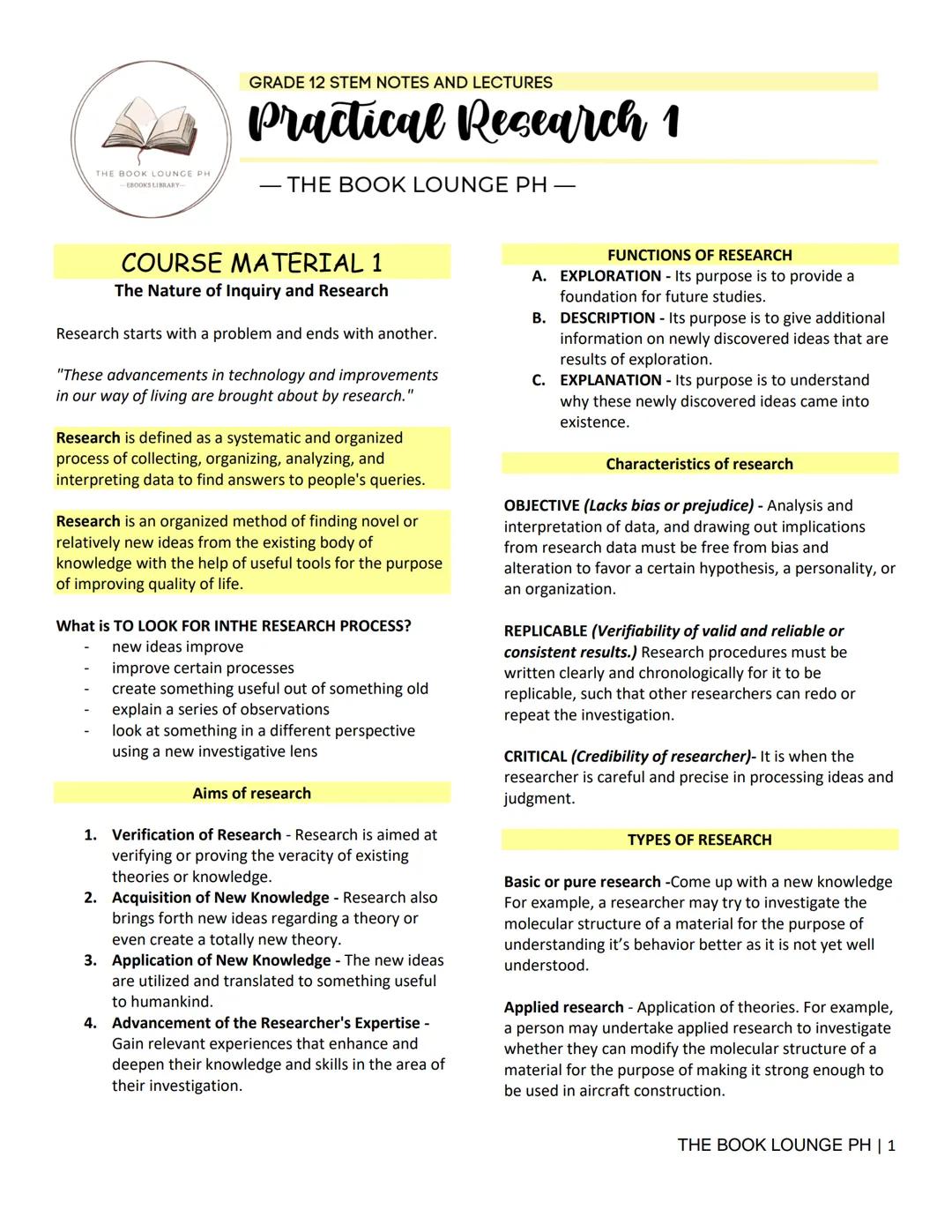
Qualitative research investigates the quality of relationships, activities, and experiences rather than focusing on numbers. You become the key instrument, collecting data through words and observations in natural settings. This approach helps you understand how people make sense of their lives and experiences.
Qualitative research proves valuable for understanding beliefs, feelings, and motivations behind behaviors. It provides context for survey results, identifies variables for future studies, and assesses the usability of interactive services or websites.
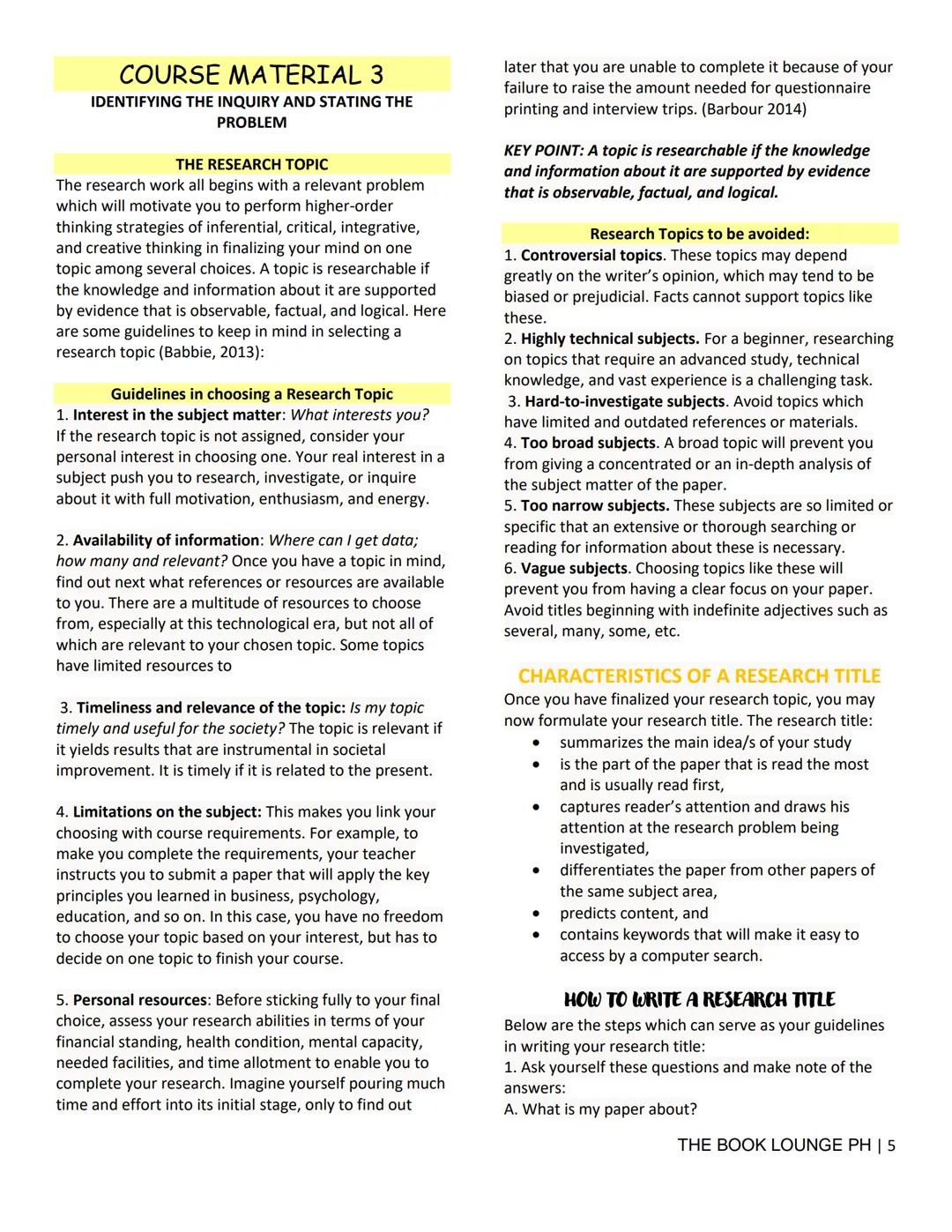
The IMRAD structure (Introduction, Methods, Results, Discussion) provides a proven framework for organizing research papers. Your introduction explains why the research matters, presents current knowledge, identifies gaps, and proposes solutions. Include background information, problem statements, theoretical frameworks, and significance of your study.
The theoretical framework anchors your study in established principles, while the conceptual framework borrows concepts from multiple theories. Your significance section explains how different stakeholders will benefit from your research findings.
Writing Tip: Think of IMRAD as telling a complete story - you set the scene (Introduction), explain your approach (Methods), share what you discovered (Results), and discuss what it all means (Discussion).






 Math
Math FABM
FABM Science
 Econ
Econ Araling Panlipunan (AP)
 Iba pa
 DISS
DISS