The Five "Scapes" of Global Flows
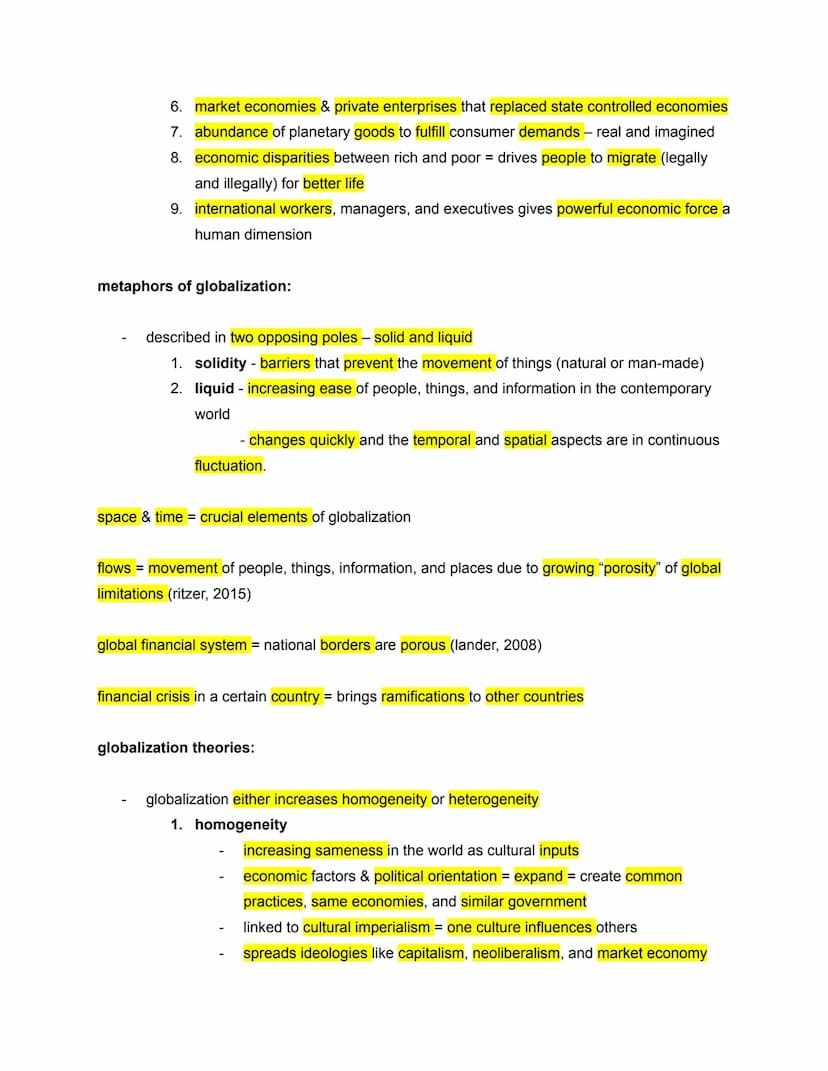
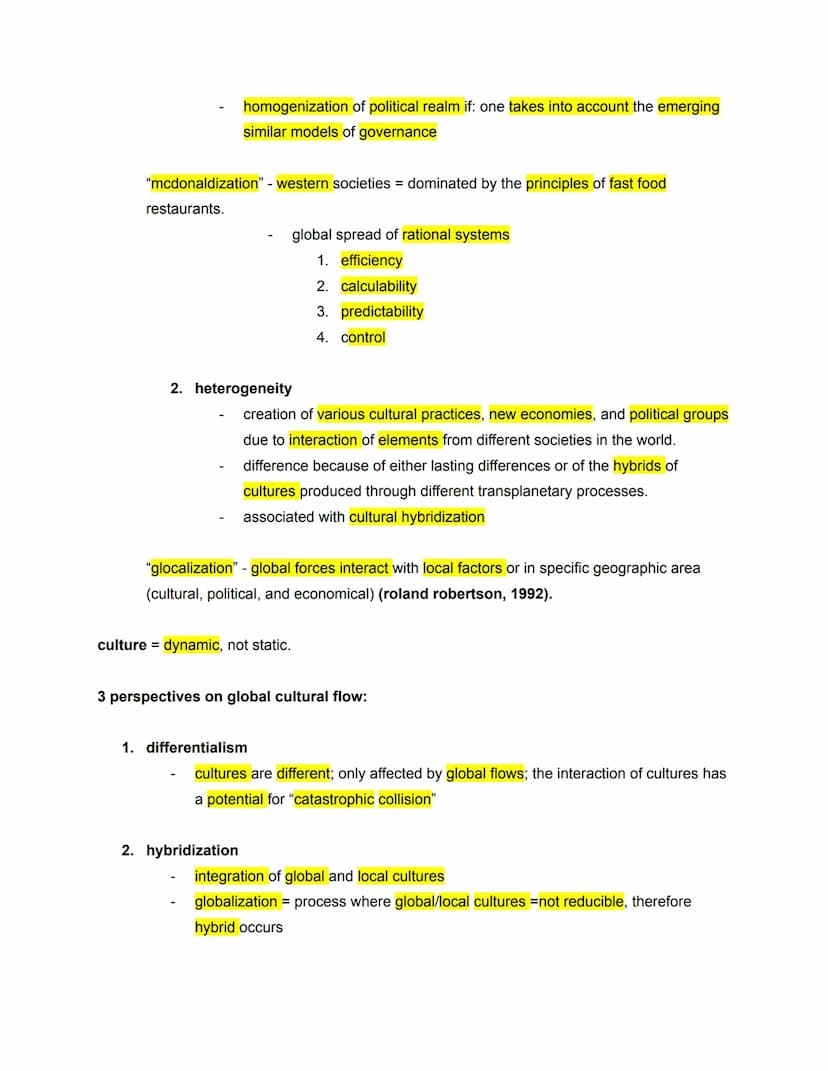
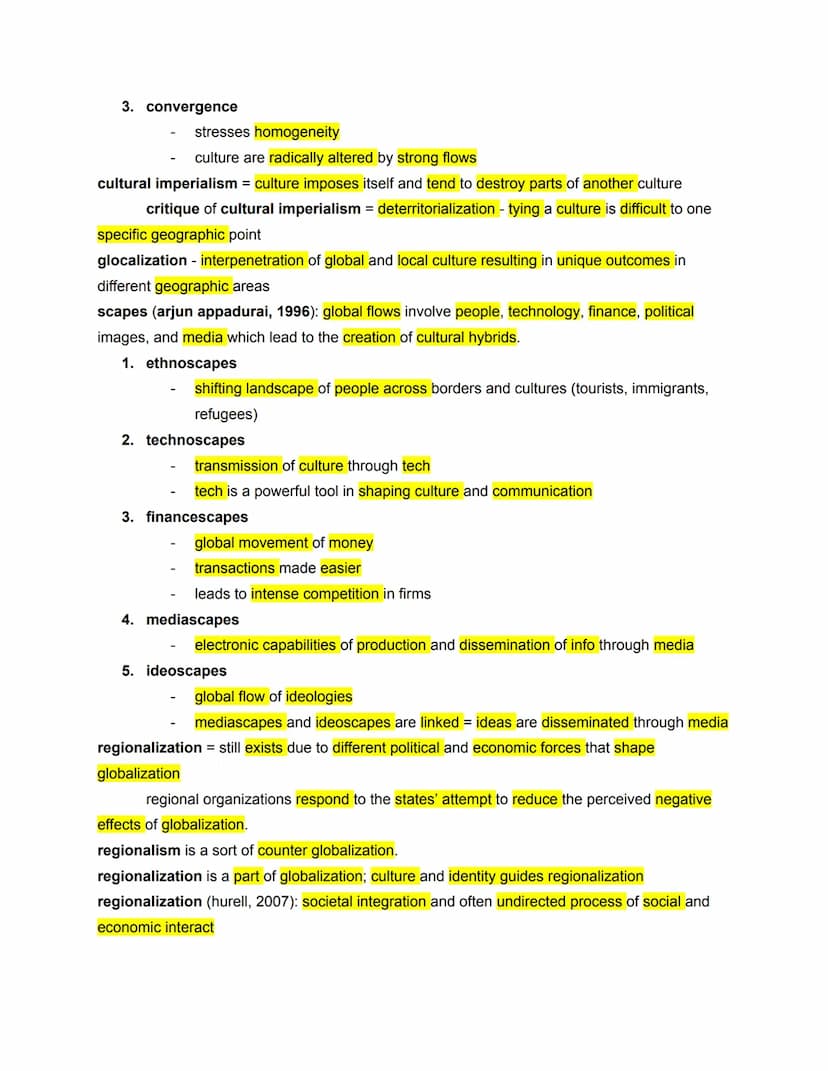
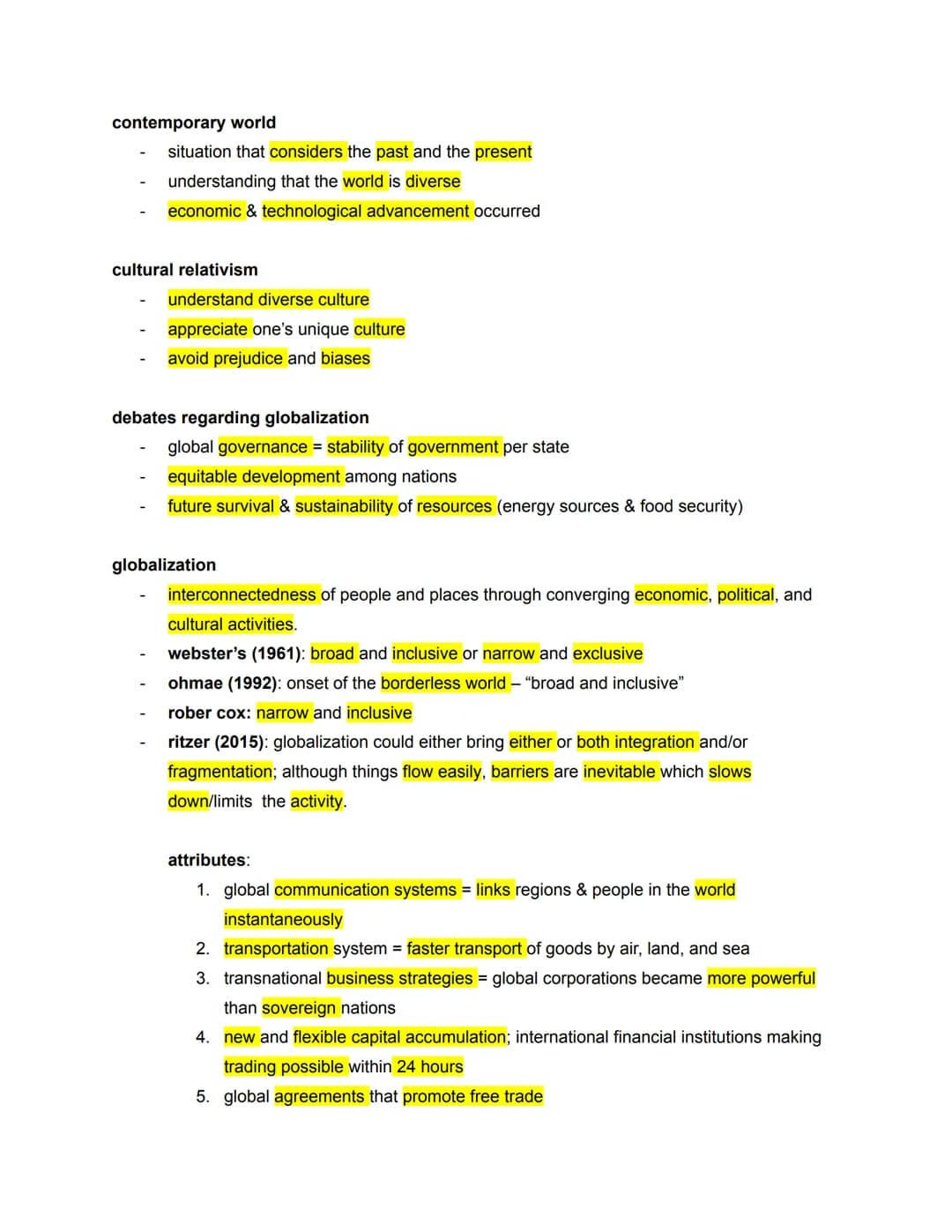
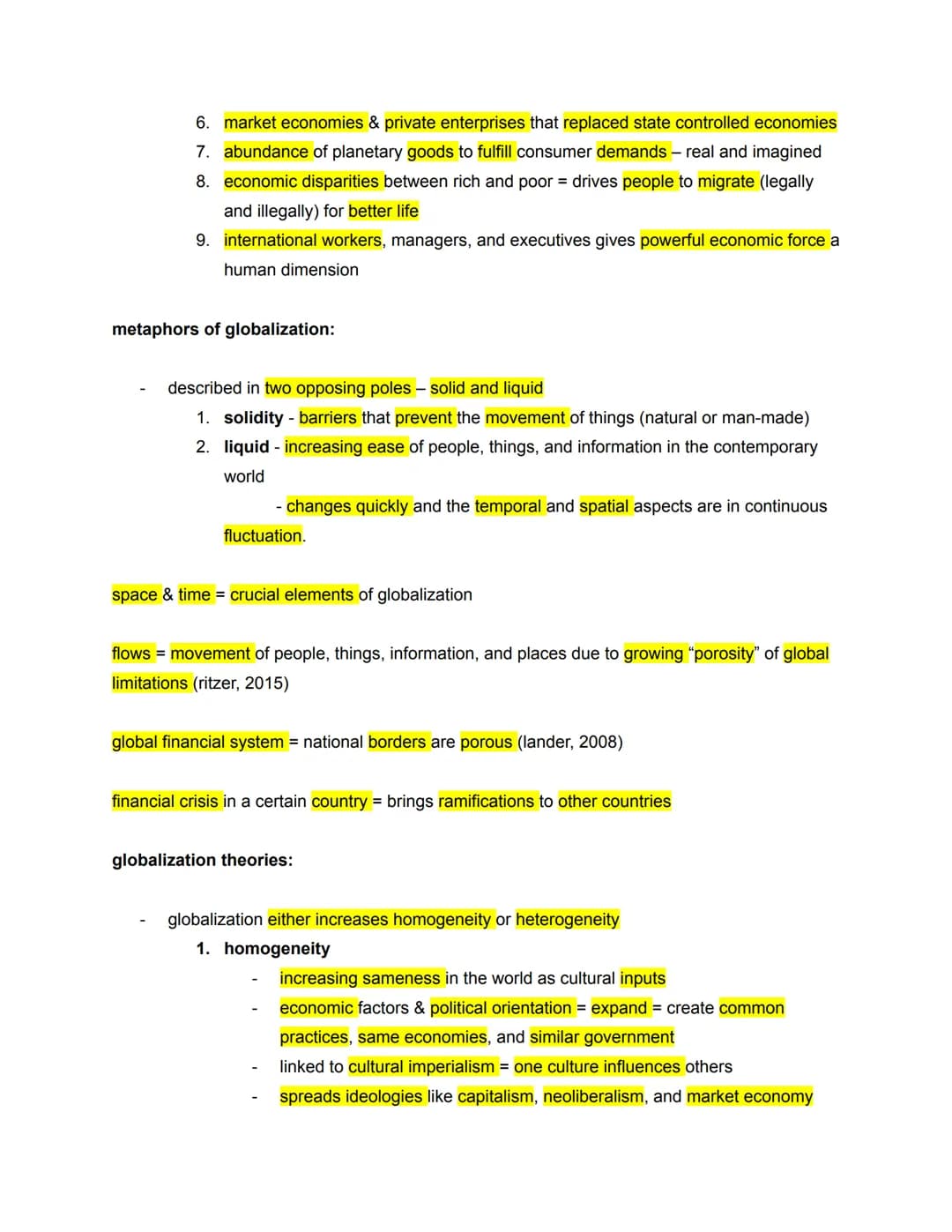
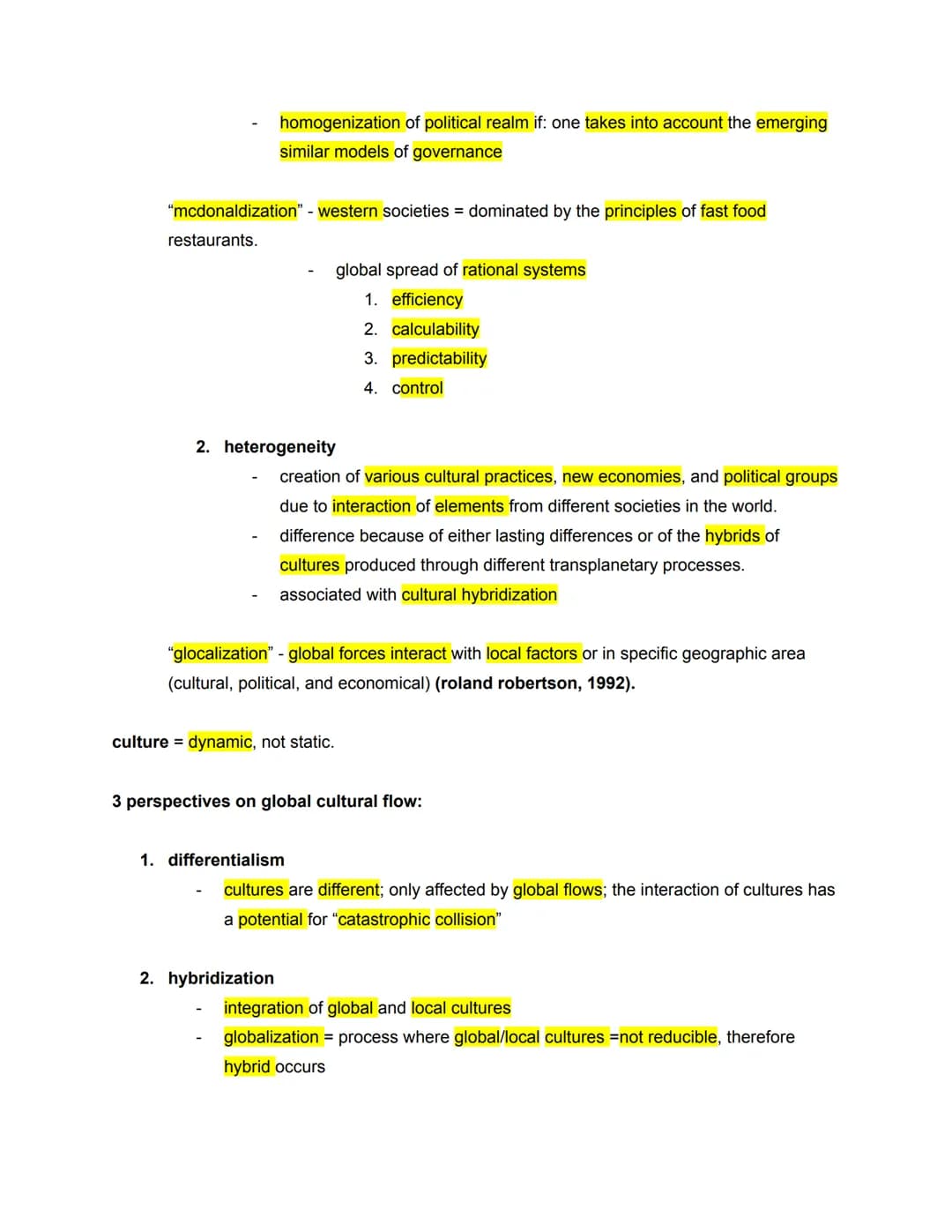
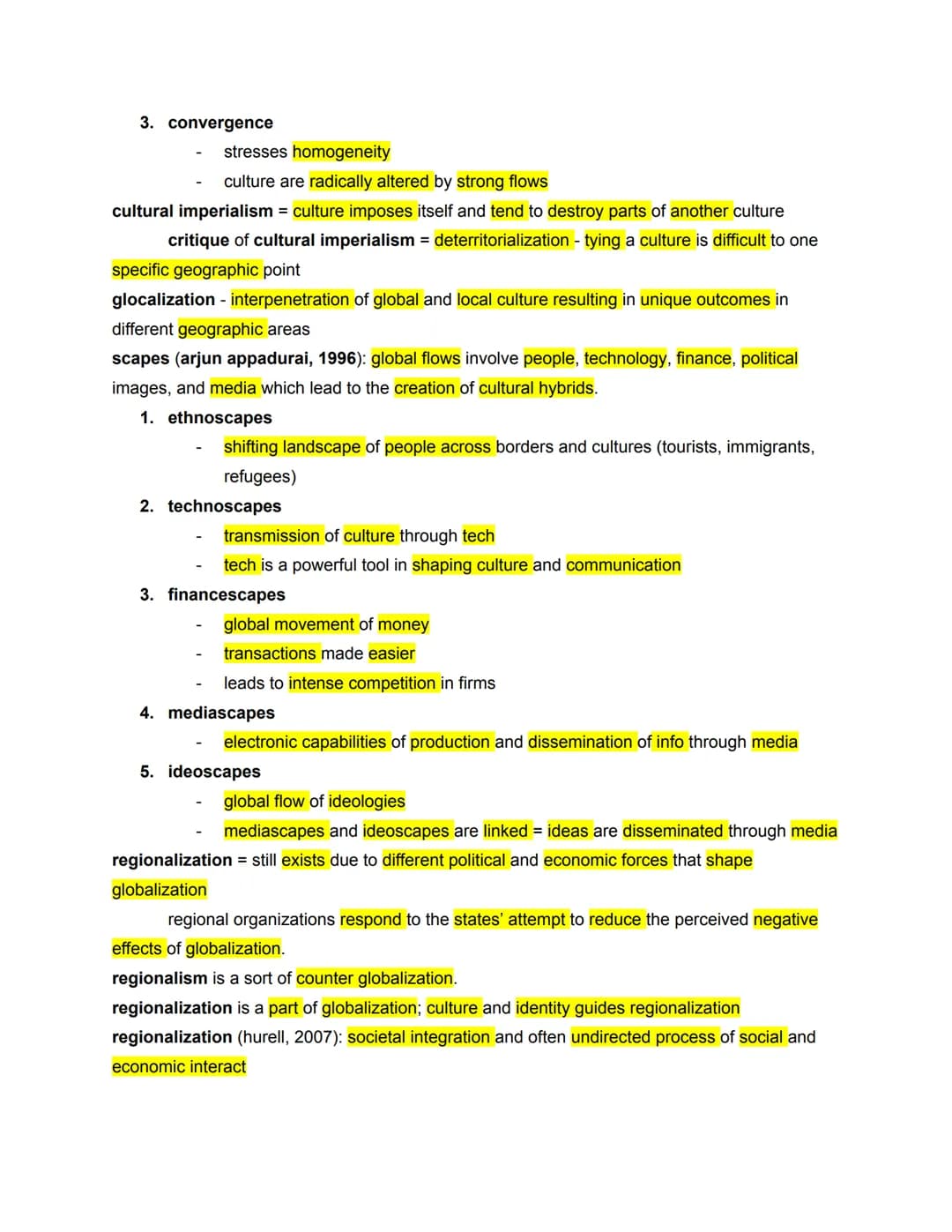
Anthropologist Arjun Appadurai identified five dimensions of global flows that create cultural hybrids. Ethnoscapes involve the movement of people across borders, including tourists, immigrants, and refugees. Technoscapes encompass how technology transmits culture and shapes communication. Financescapes track global money movements and increasingly easy transactions.
Mediascapes describe how electronic production and distribution of information spreads cultural content. Finally, ideoscapes represent the global flow of ideologies, often linked with mediascapes as media disseminates ideas. Together, these five dimensions create a complex web of global cultural exchange.
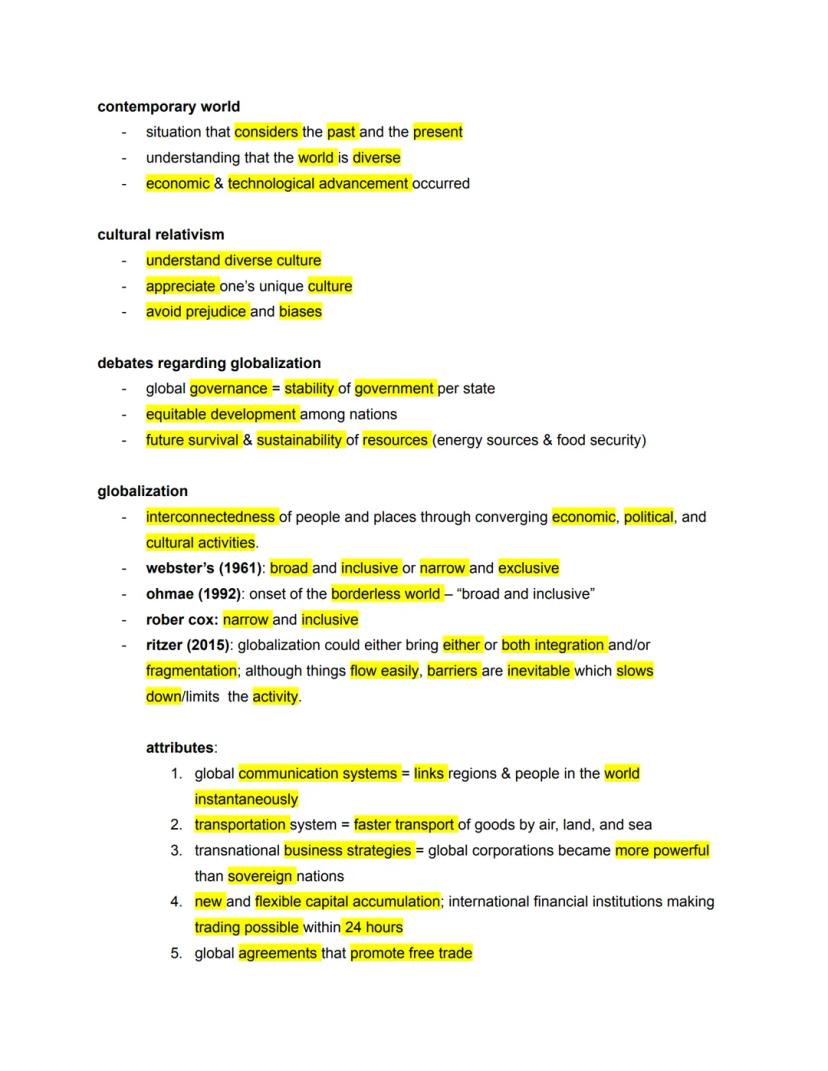
Despite increasing globalization, regionalization persists due to varying political and economic forces. Regional organizations often emerge as states try to reduce perceived negative effects of globalization. Some view regionalism as a counter to globalization, while others see it as an integral part guided by culture and identity.
Pro Tip: When analyzing global events, consider which of the five "scapes" are most influential—this approach helps break down complex international situations into more manageable components.
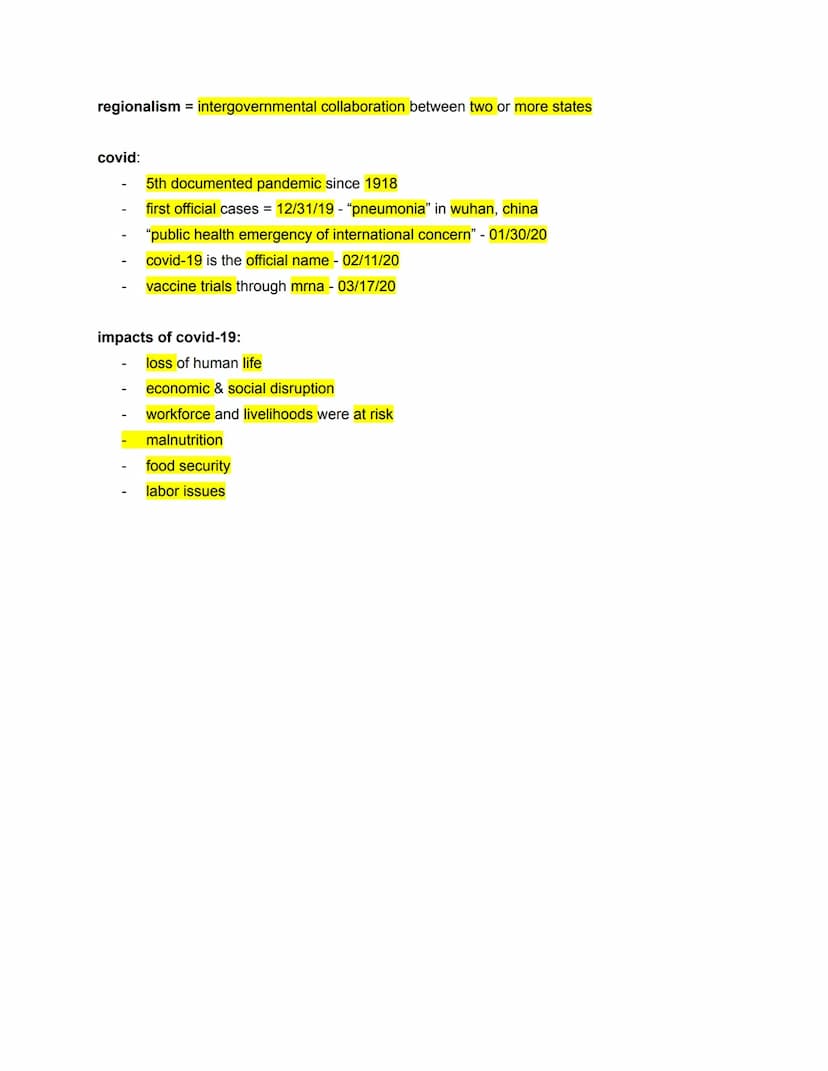
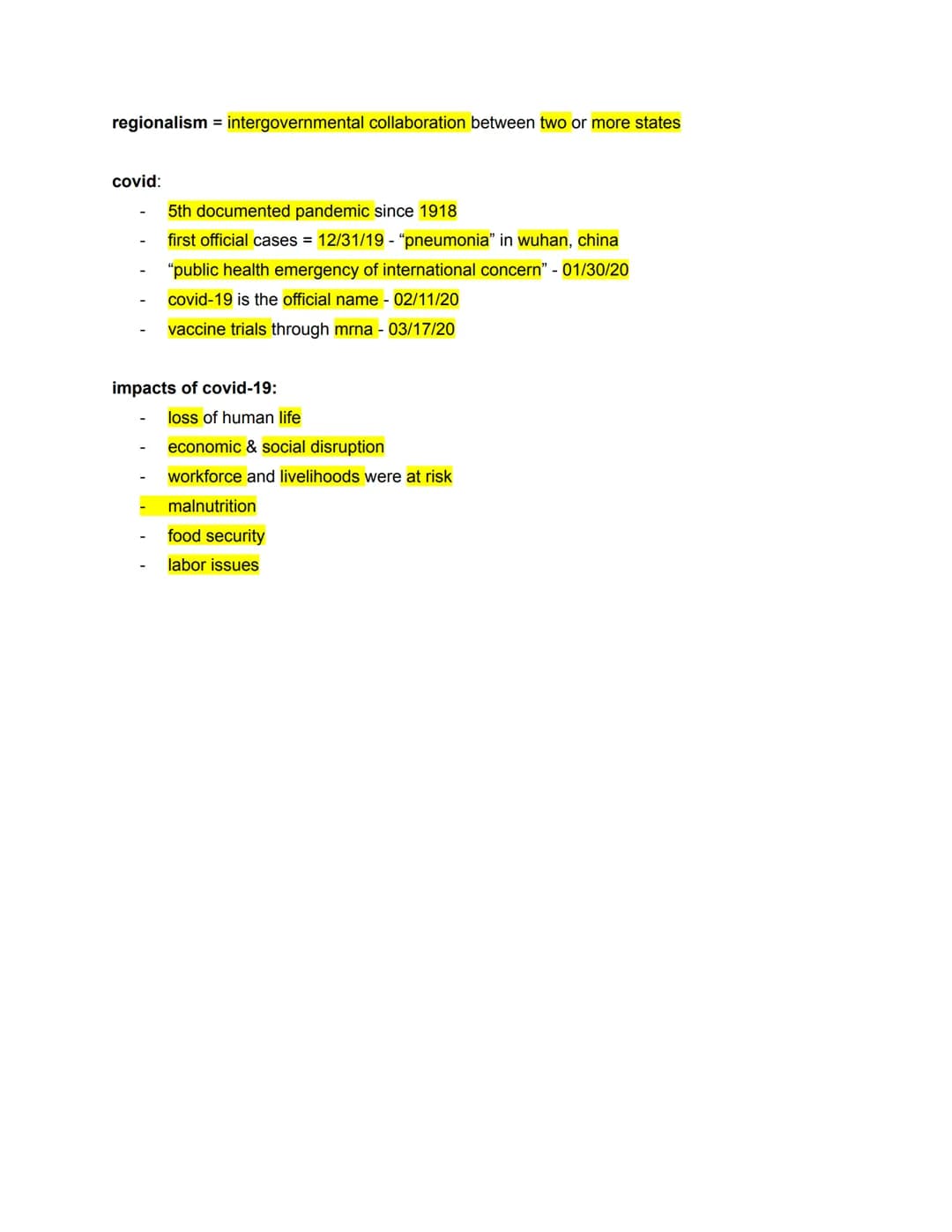
Regionalization involves societal integration and often undirected processes of social and economic interaction, while regionalism specifically refers to intergovernmental collaboration between two or more states. Both continue to shape how globalization unfolds in different parts of the world.

 AP World History
 Algebra
 Overige
 Algebra 1
 History