More Denominations and Catholic Response
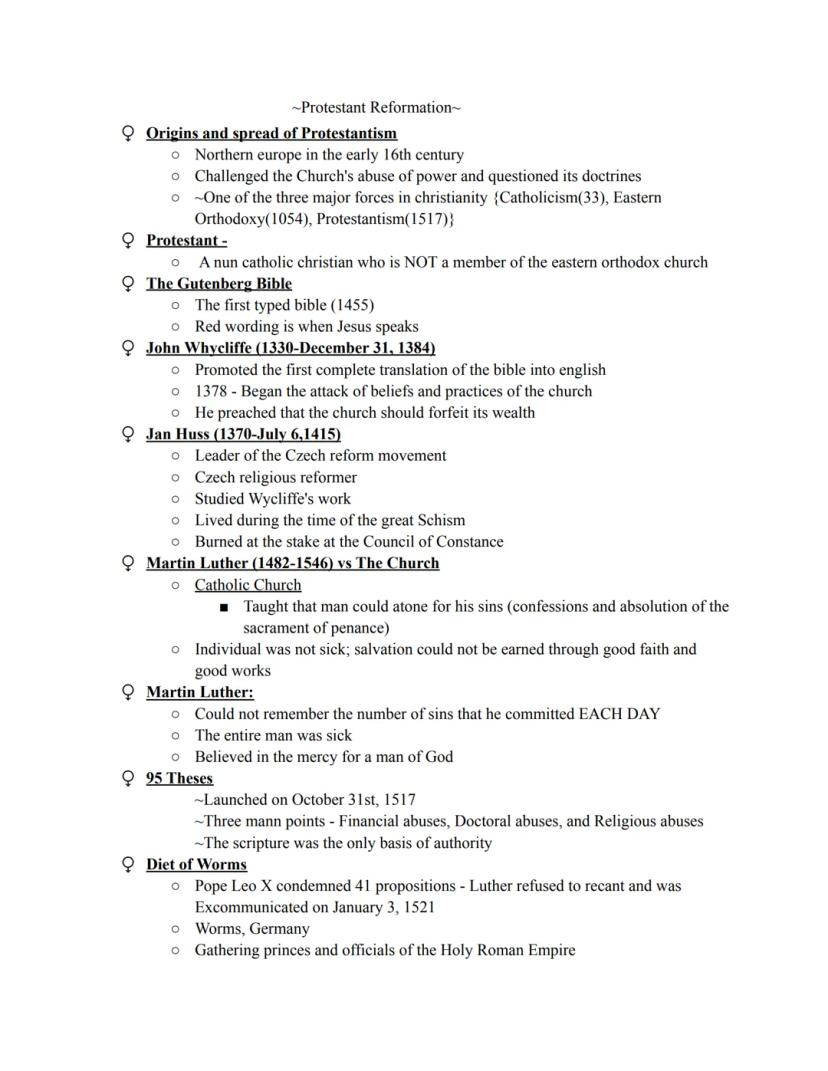
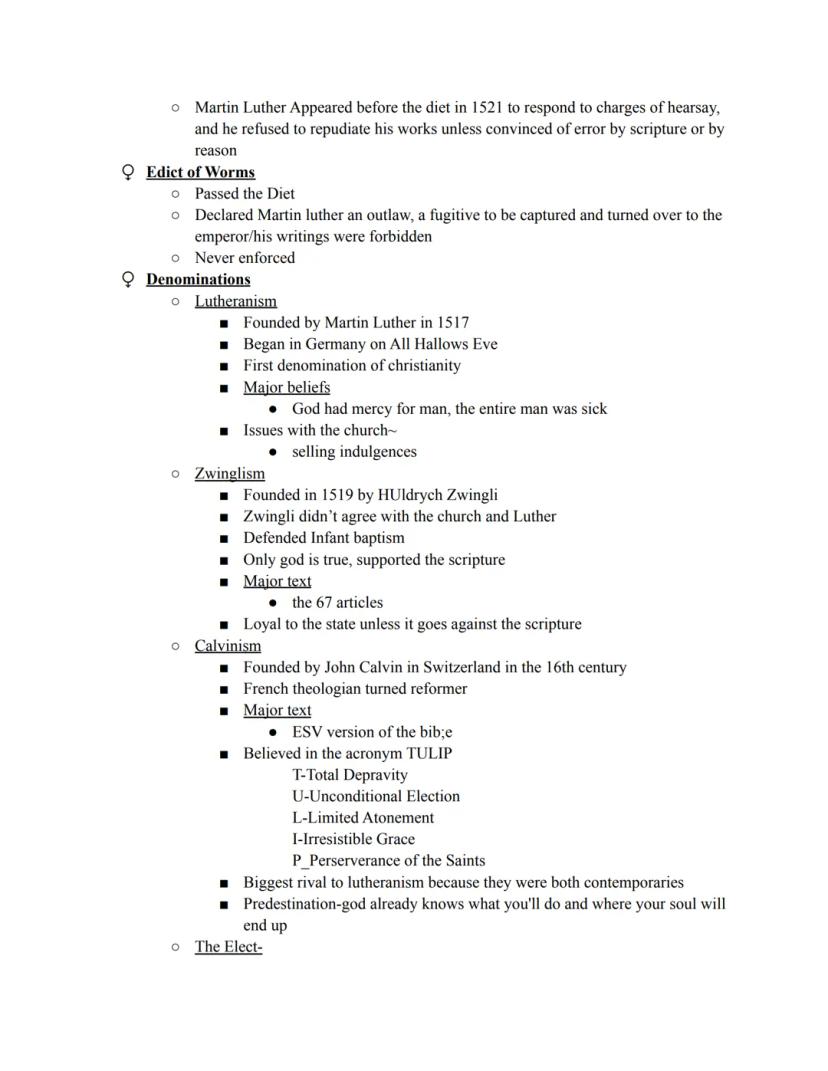
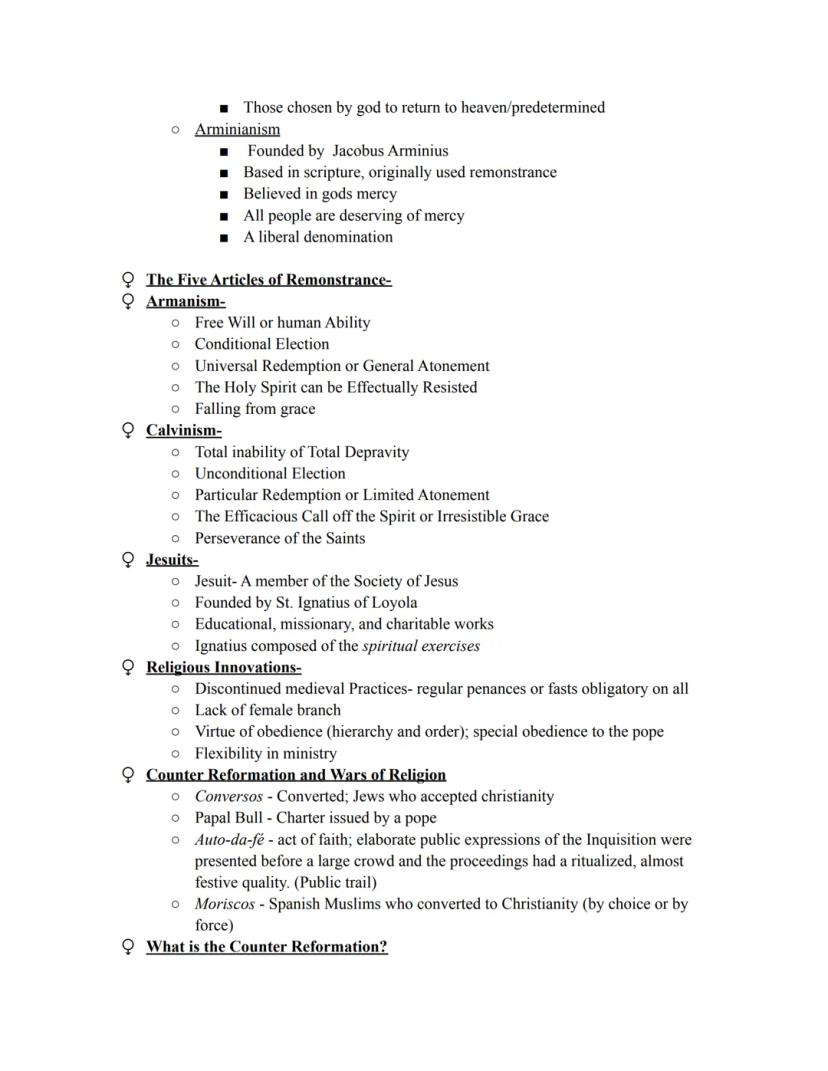
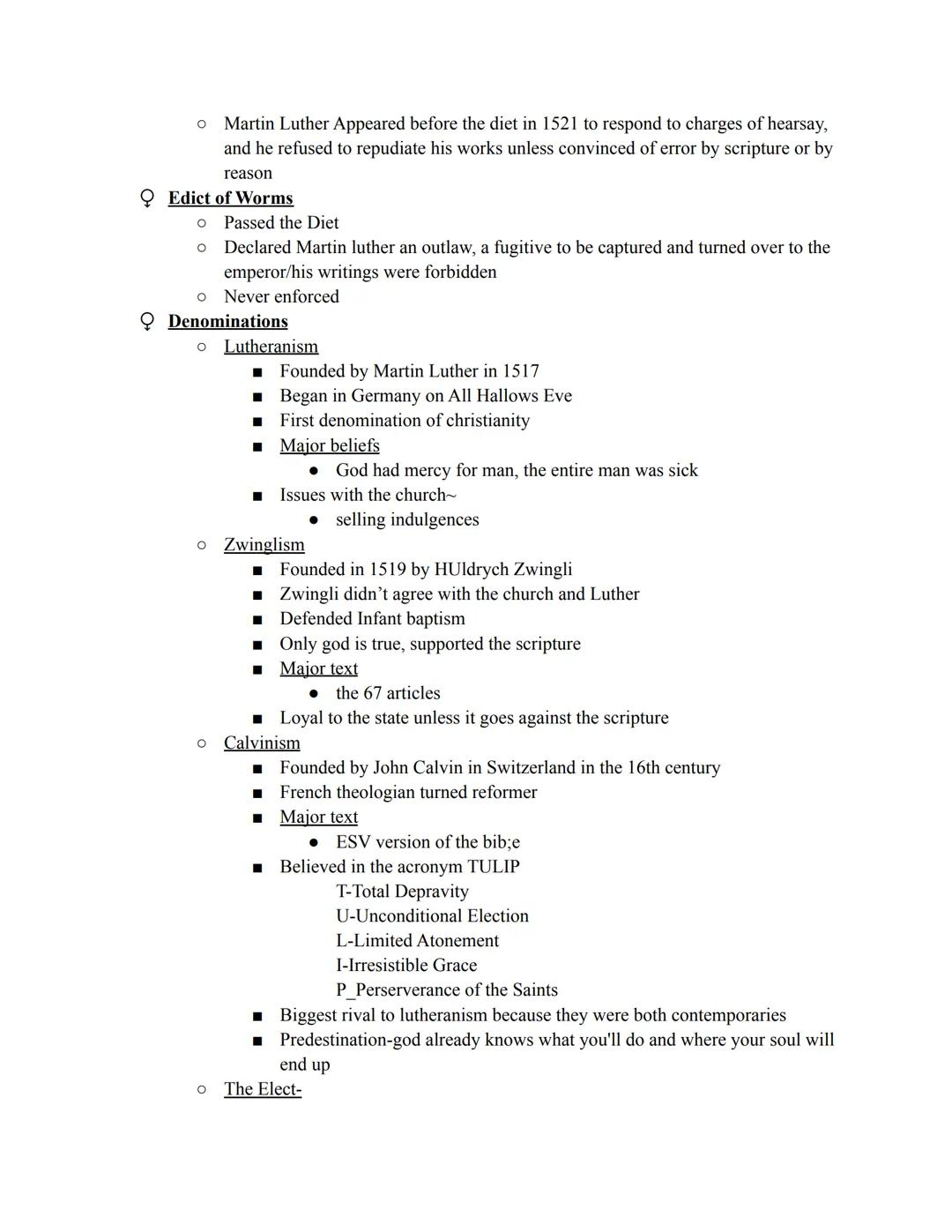
Arminianism, founded by Jacobus Arminius, offered a more liberal alternative to Calvinism. While both were based in Scripture, they differed dramatically in their view of salvation. Arminians believed in God's universal mercy and that all people deserve mercy, not just a predetermined elect.
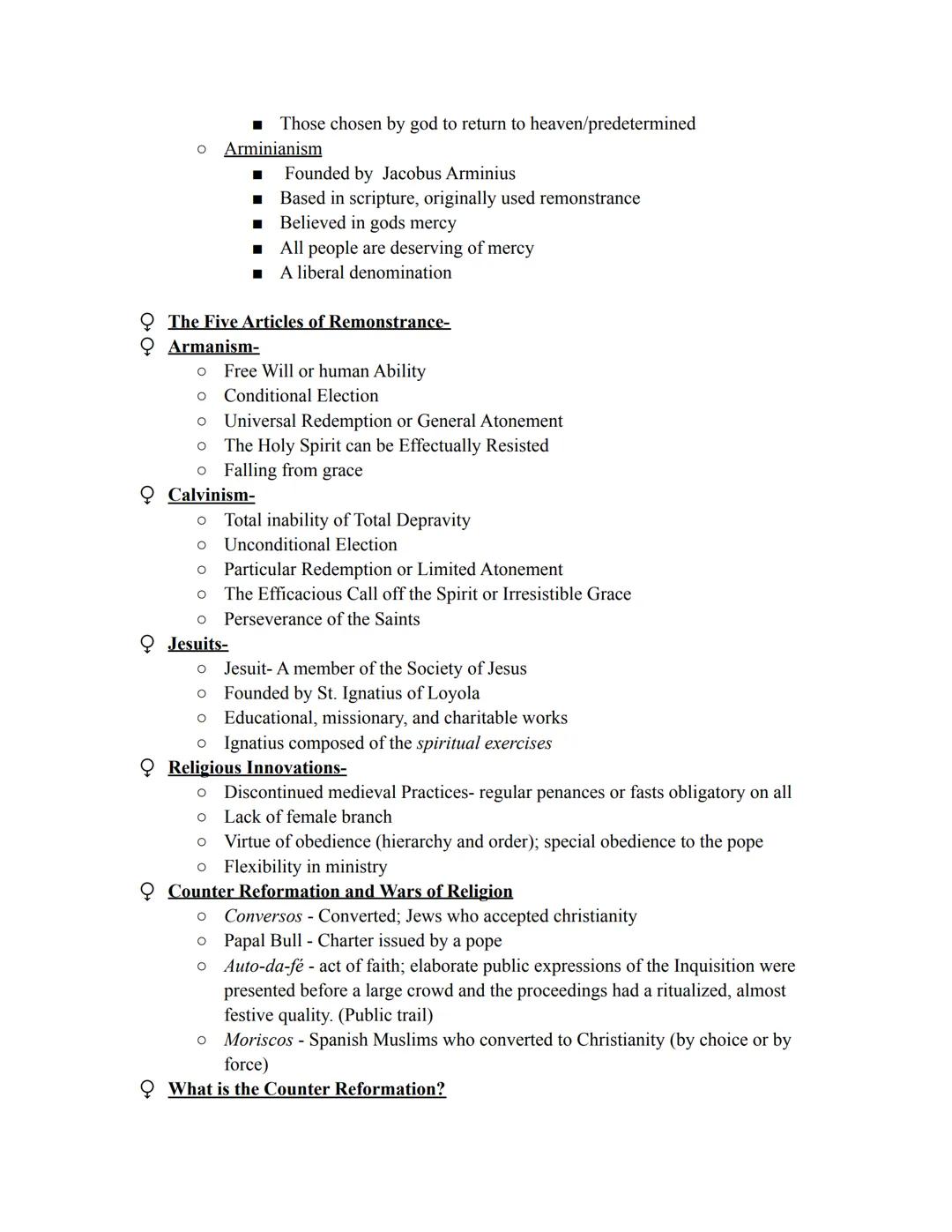
The key differences between Arminianism and Calvinism centered on free will versus predestination. Arminians believed in free will, conditional election, universal redemption, resistible grace, and the possibility of falling from grace. Calvinists maintained total depravity, unconditional election, limited atonement, irresistible grace, and perseverance of saints.
The Catholic Church responded to the Protestant challenge with its own Counter-Reformation. The Jesuits (Society of Jesus), founded by St. Ignatius of Loyola, became central to this effort through educational, missionary, and charitable works. Ignatius composed "Spiritual Exercises" to strengthen Catholic faith and practice.
Important Note: The Counter-Reformation wasn't just defensive - it introduced religious innovations that made Catholicism more relevant while maintaining its core traditions.
The Jesuits introduced several innovations: they discontinued medieval practices like mandatory fasting, had no female branch, emphasized obedience to the pope, and maintained flexibility in ministry. Meanwhile, the Catholic Church's response sometimes turned harsh, with trials called auto-da-fé ("act of faith") targeting Jewish converts (conversos) and Muslim converts (moriscos).




 AP European History
 AP World History
 Algebra
 Overige
 Algebra 1
 History