
The nervous system is a complex network that controls everything... Show more
 Algebra
Sign up to see the contentIt's free!
Access to all documents
Improve your grades
Join milions of students
Knowunity AI
Subjects
Triangle Congruence and Similarity Theorems
Triangle Properties and Classification
Linear Equations and Graphs
Geometric Angle Relationships
Trigonometric Functions and Identities
Equation Solving Techniques
Circle Geometry Fundamentals
Division Operations and Methods
Basic Differentiation Rules
Exponent and Logarithm Properties
Show all topics
Human Organ Systems
Reproductive Cell Cycles
Biological Sciences Subdisciplines
Cellular Energy Metabolism
Autotrophic Energy Processes
Inheritance Patterns and Principles
Biomolecular Structure and Organization
Cell Cycle and Division Mechanics
Cellular Organization and Development
Biological Structural Organization
Show all topics
Chemical Sciences and Applications
Atomic Structure and Composition
Molecular Electron Structure Representation
Atomic Electron Behavior
Matter Properties and Water
Mole Concept and Calculations
Gas Laws and Behavior
Periodic Table Organization
Chemical Thermodynamics Fundamentals
Chemical Bond Types and Properties
Show all topics
European Renaissance and Enlightenment
European Cultural Movements 800-1920
American Revolution Era 1763-1797
American Civil War 1861-1865
Global Imperial Systems
Mongol and Chinese Dynasties
U.S. Presidents and World Leaders
Historical Sources and Documentation
World Wars Era and Impact
World Religious Systems
Show all topics
Classic and Contemporary Novels
Literary Character Analysis
Rhetorical Theory and Practice
Classic Literary Narratives
Reading Analysis and Interpretation
Narrative Structure and Techniques
English Language Components
Influential English-Language Authors
Basic Sentence Structure
Narrative Voice and Perspective
Show all topics
191
•
Updated Mar 23, 2026
•
Giana Lynch
@gianalynch_dpez
The nervous system is a complex network that controls everything... Show more
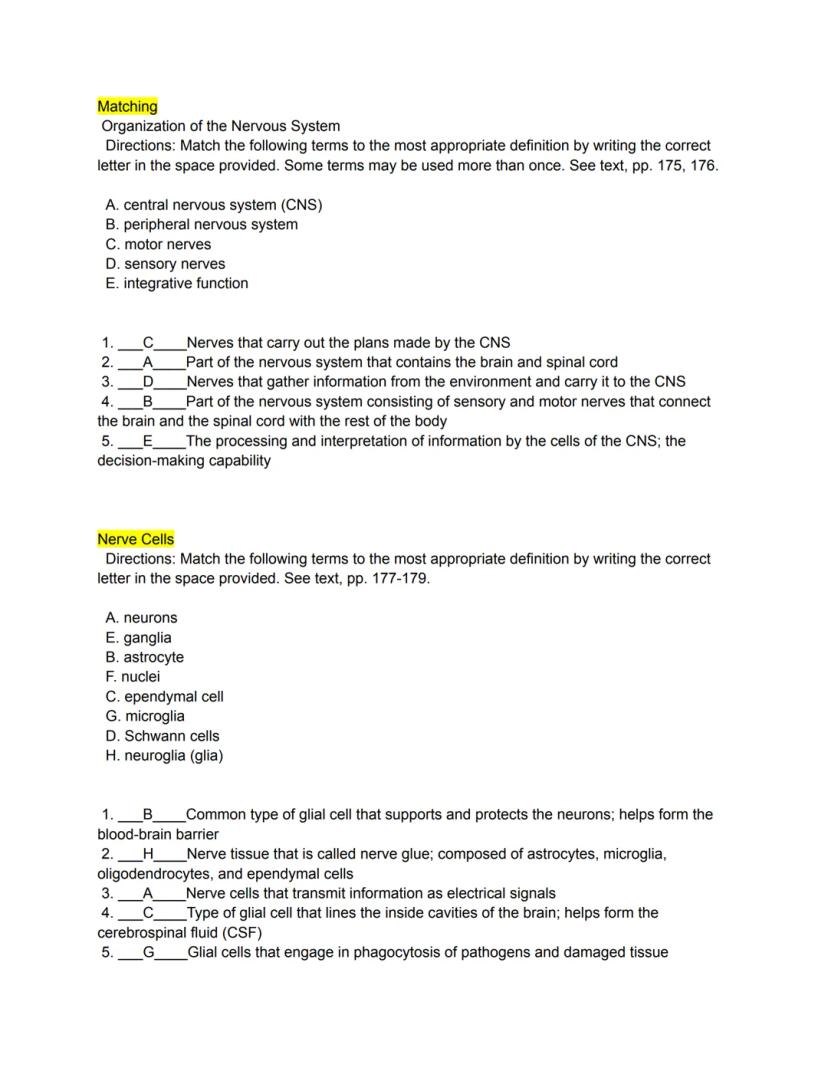
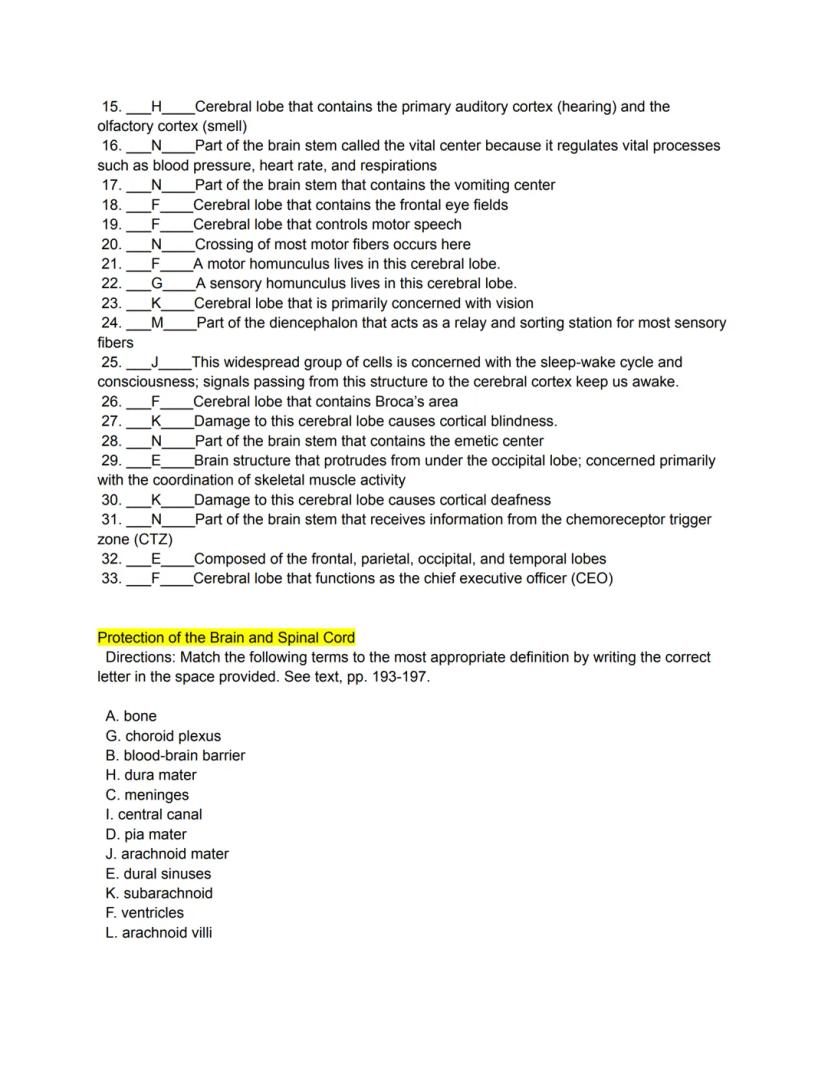
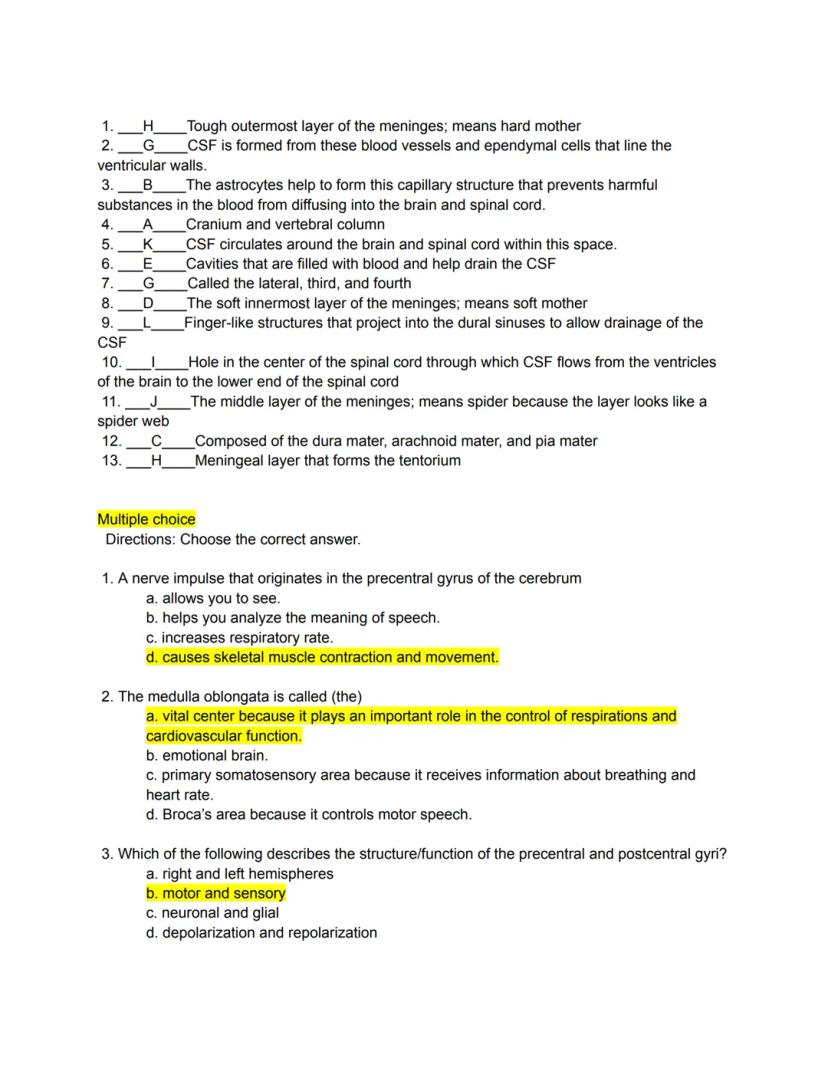
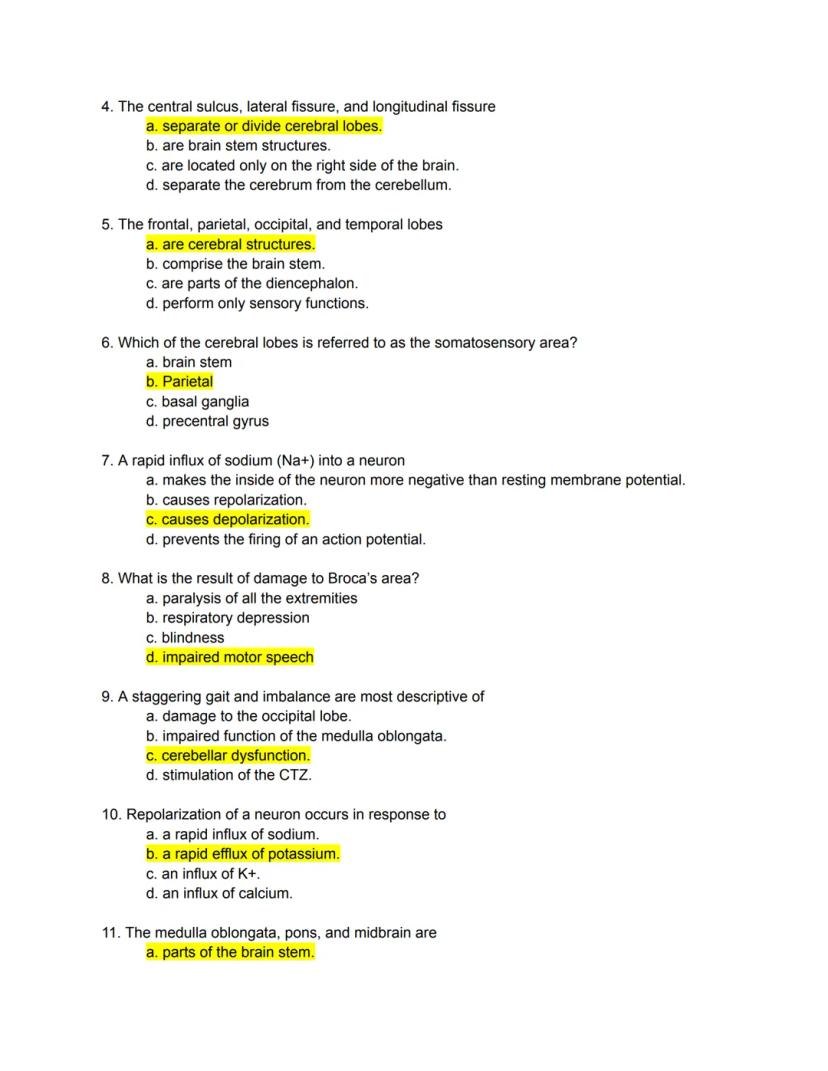
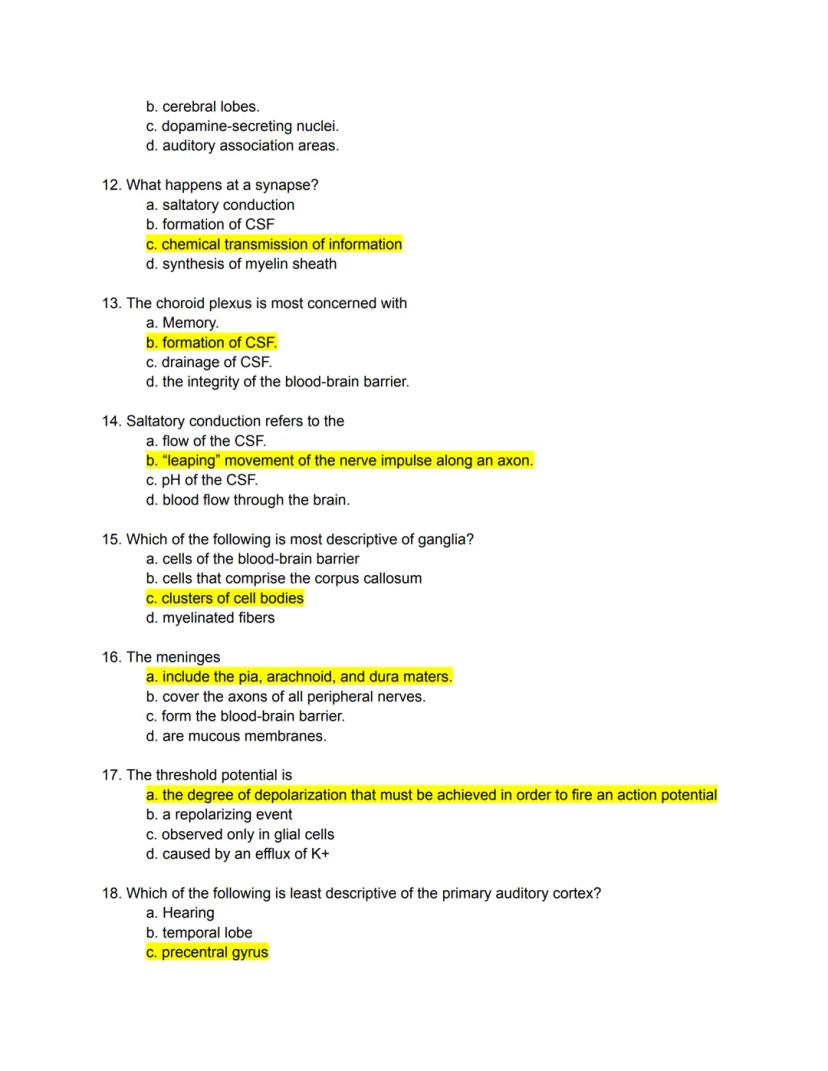
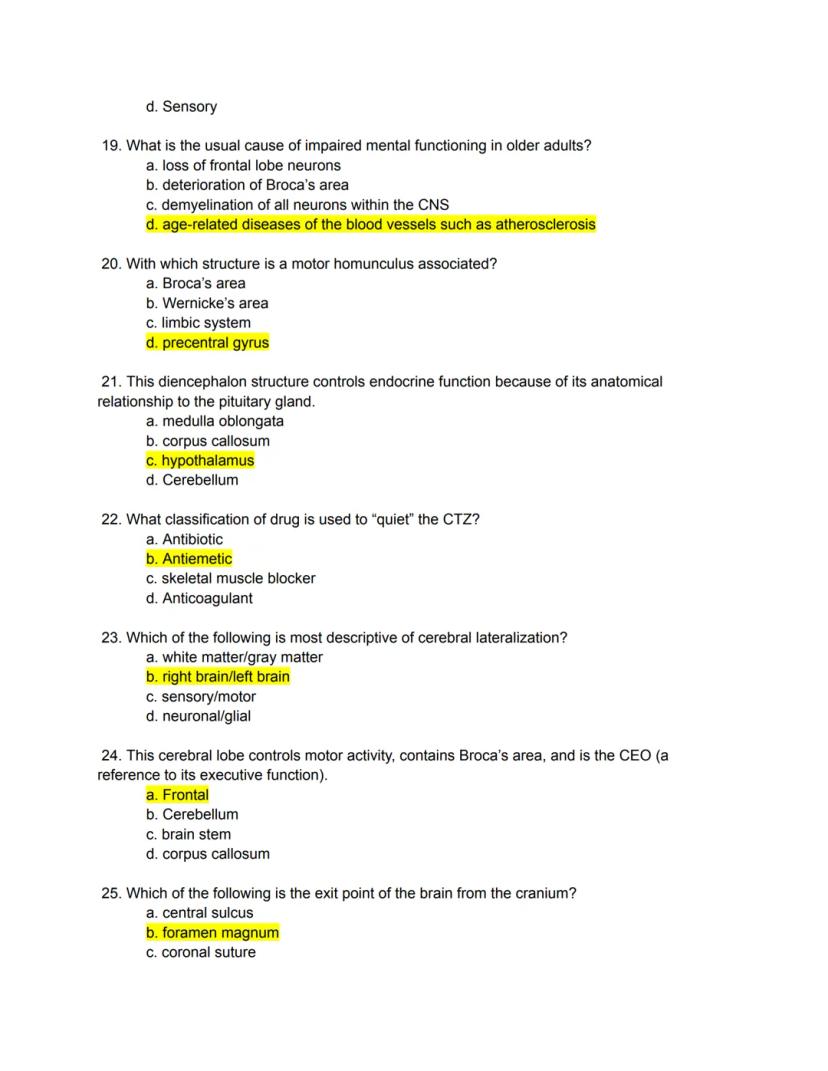
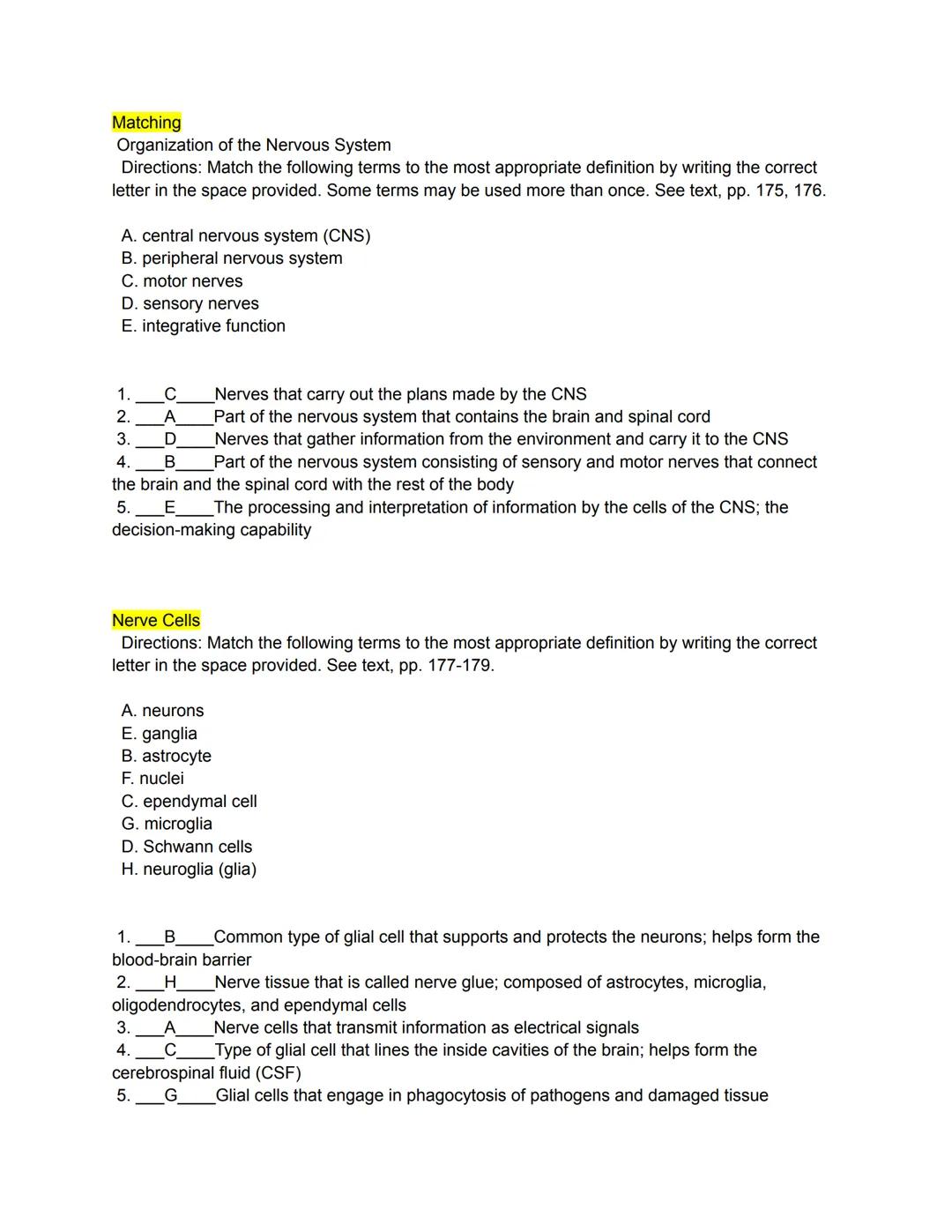
Your nervous system is divided into two main parts: the central nervous system (brain and spinal cord) and the peripheral nervous system (nerves connecting the CNS to your body). This division helps organize the different functions your nervous system performs.
The peripheral nervous system contains sensory nerves that gather information from your environment and send it to your brain. After your brain processes this information, motor nerves carry signals back to your muscles and organs to respond appropriately. This happens constantly, even when you're not aware of it!
Neurons are the specialized cells that transmit information through electrical signals. They don't work alone though - they're supported by neuroglia (or glial cells), which protect neurons and help them function properly. Different types include astrocytes , microglia (immune defense), and ependymal cells (help form cerebrospinal fluid).
Quick Fact: While neurons get all the glory, glial cells actually outnumber neurons in your brain by about 10 to 1! They're critical for keeping your nervous system working properly.
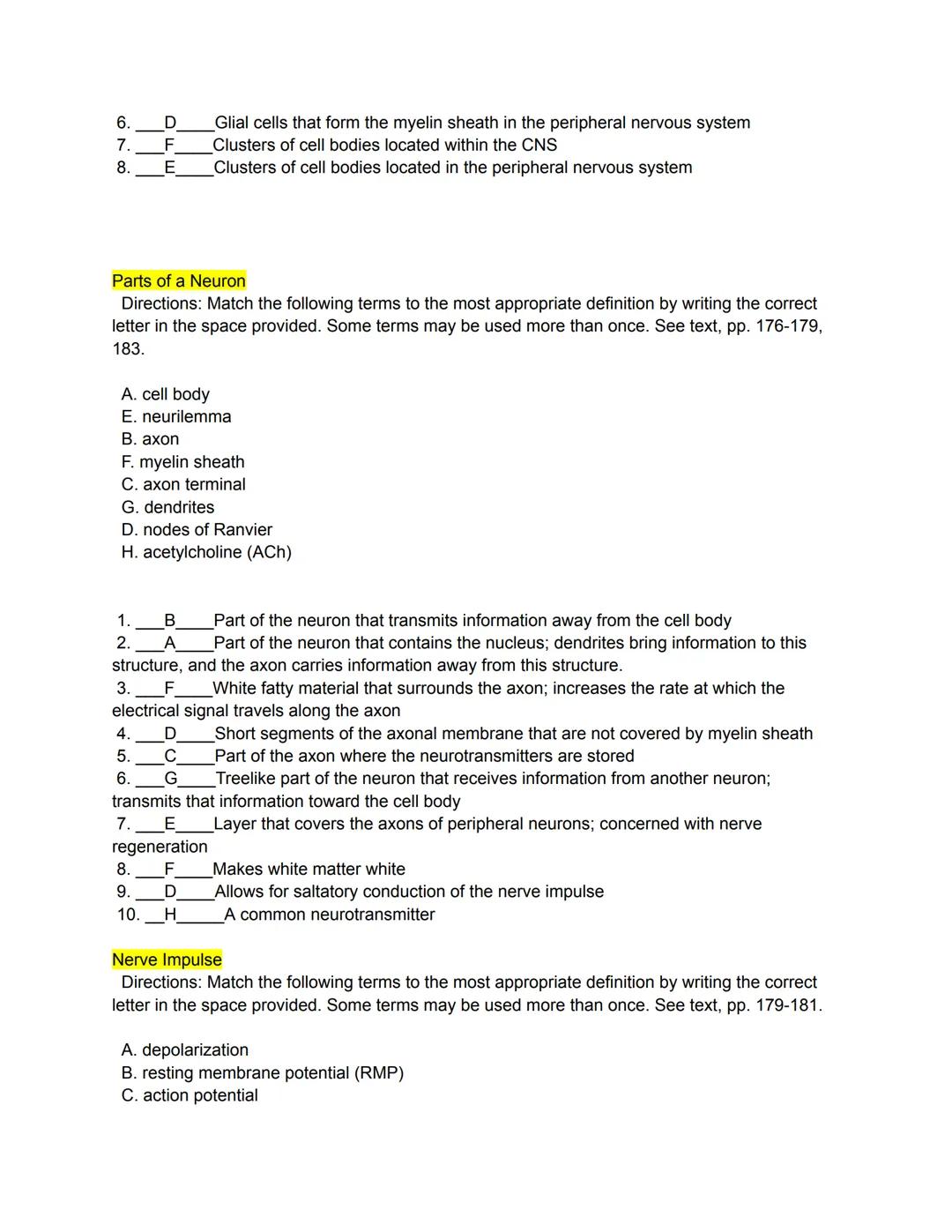
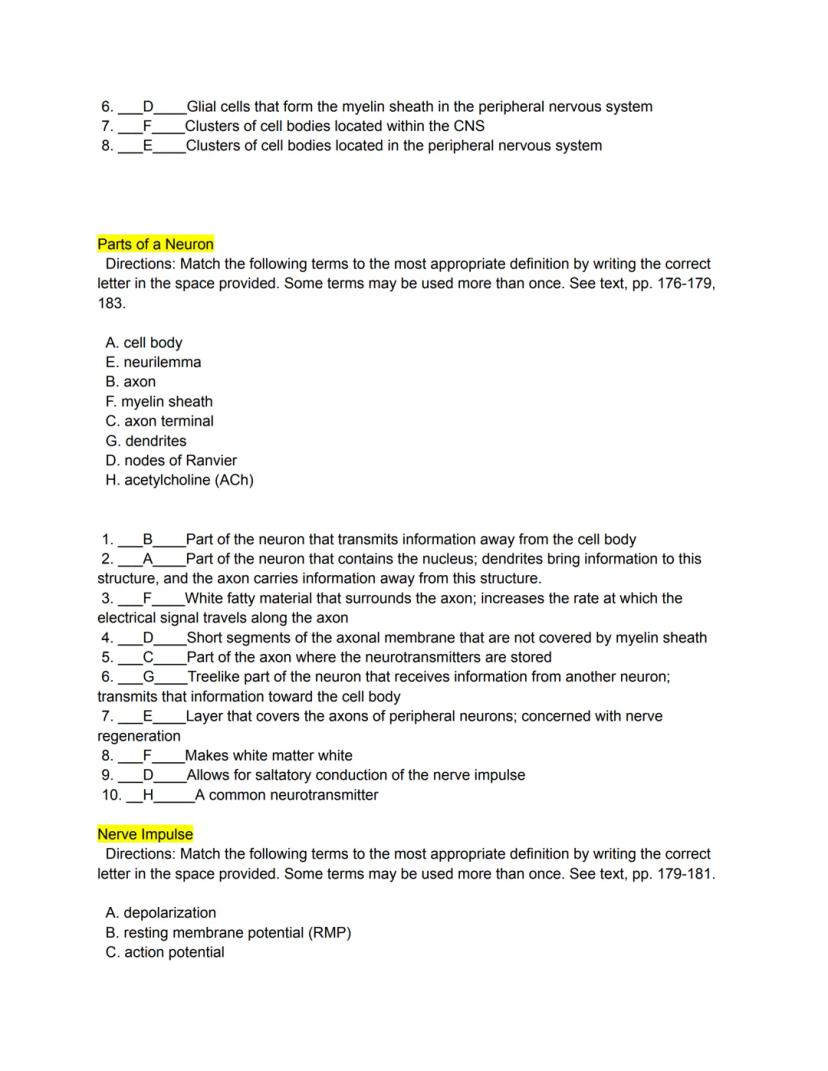
Neurons have a distinctive structure that perfectly suits their job of transmitting information. Each neuron has a cell body containing the nucleus, dendrites that receive signals from other neurons, and an axon that carries signals away to the next cell.
Many axons are covered with a myelin sheath, which acts like insulation on an electrical wire. This fatty coating makes signals travel faster and more efficiently through a process called saltatory conduction. Small gaps in the myelin called nodes of Ranvier allow signals to "jump" from node to node, speeding up transmission dramatically.
When a signal reaches the end of an axon, it reaches the axon terminals where neurotransmitters like acetylcholine (ACh) are released. These chemicals cross a tiny gap (synapse) to communicate with the next cell. This combination of electrical signals within neurons and chemical signals between them is what allows your nervous system to function.
Brain Boost: The myelin sheath is what gives the "white matter" in your brain its color! When you hear about white and gray matter, you're hearing about myelinated axons versus unmyelinated cell bodies.
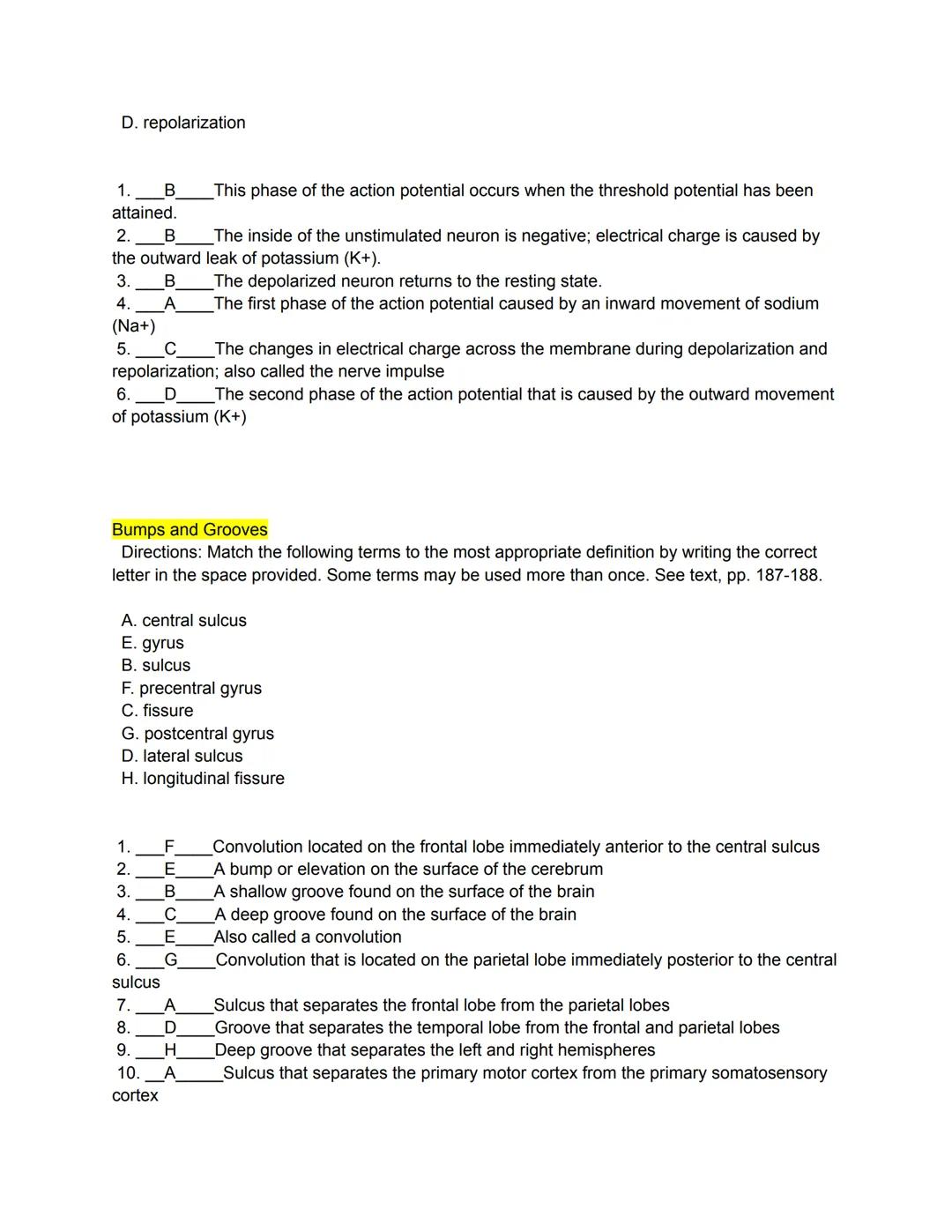
Your thoughts, movements, and sensations all depend on nerve impulses traveling through your brain. These impulses are actually carefully controlled changes in electrical charge across the neuron's membrane.
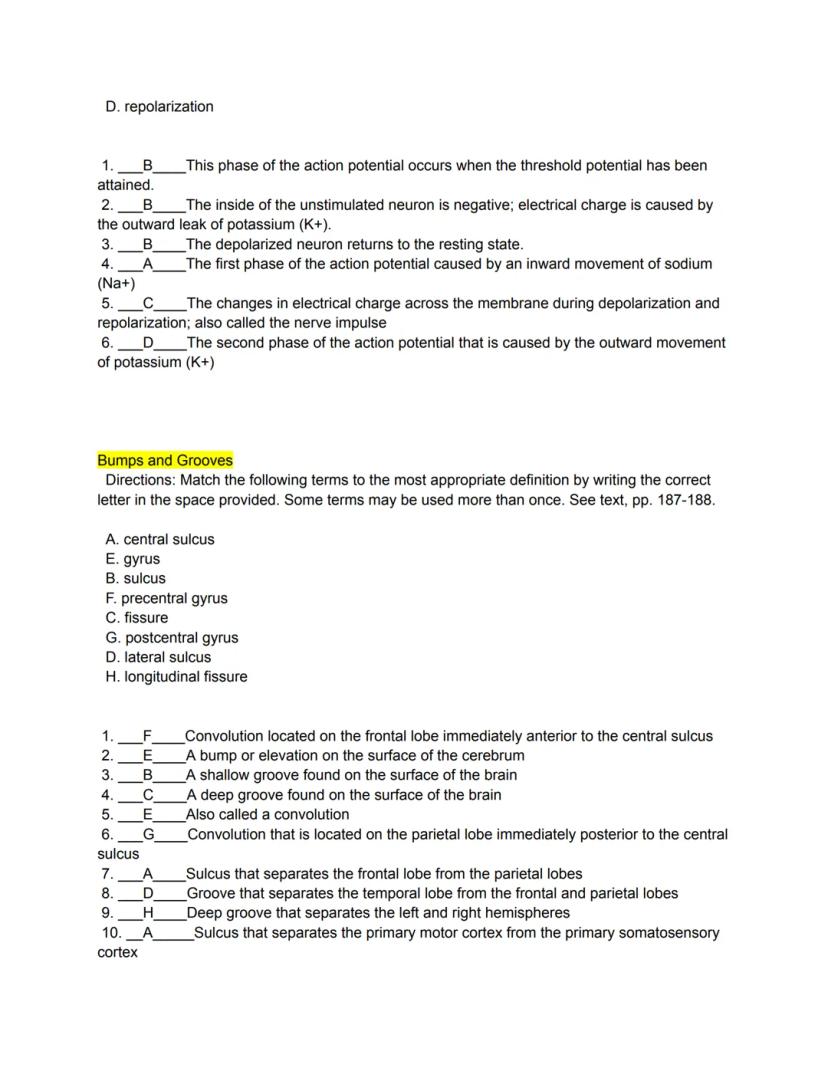
When a neuron is at rest, it maintains a resting membrane potential with a negative charge inside. When stimulated, depolarization occurs as sodium ions rush in, creating an action potential (the nerve impulse). This is quickly followed by repolarization as potassium ions flow out, returning the neuron to its resting state. This electrochemical process happens in milliseconds!
The surface of your brain isn't smooth - it's wrinkled with ridges (gyri) and grooves (sulci and fissures). These folds dramatically increase the brain's surface area, allowing more neurons to fit inside your skull. Important landmarks include the central sulcus, which separates areas controlling movement from areas processing sensations, and the longitudinal fissure, which divides your brain into right and left hemispheres.
Think About It: If your brain were flattened out, it would be about the size of a pillowcase! All those wrinkles are nature's way of packing more processing power into a limited space.
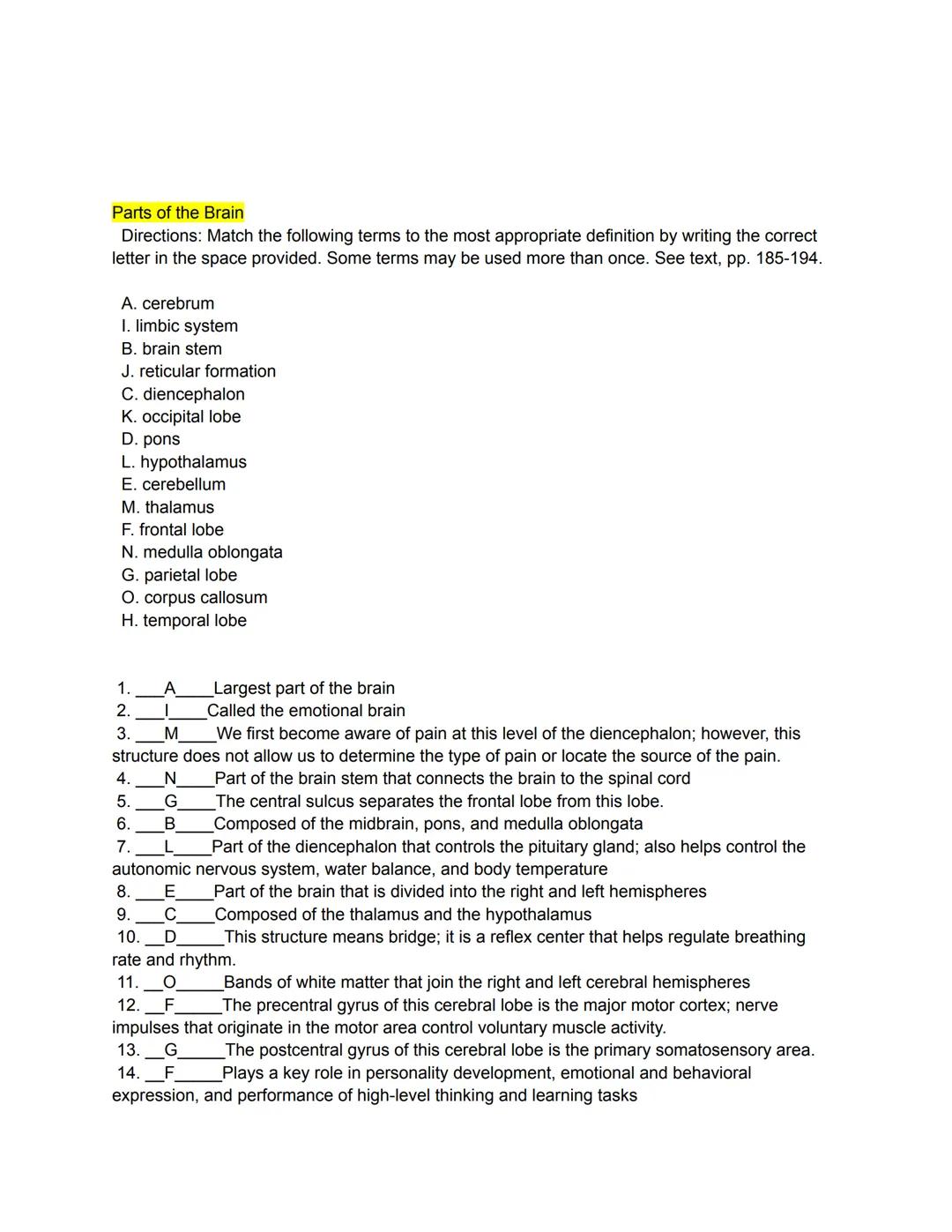
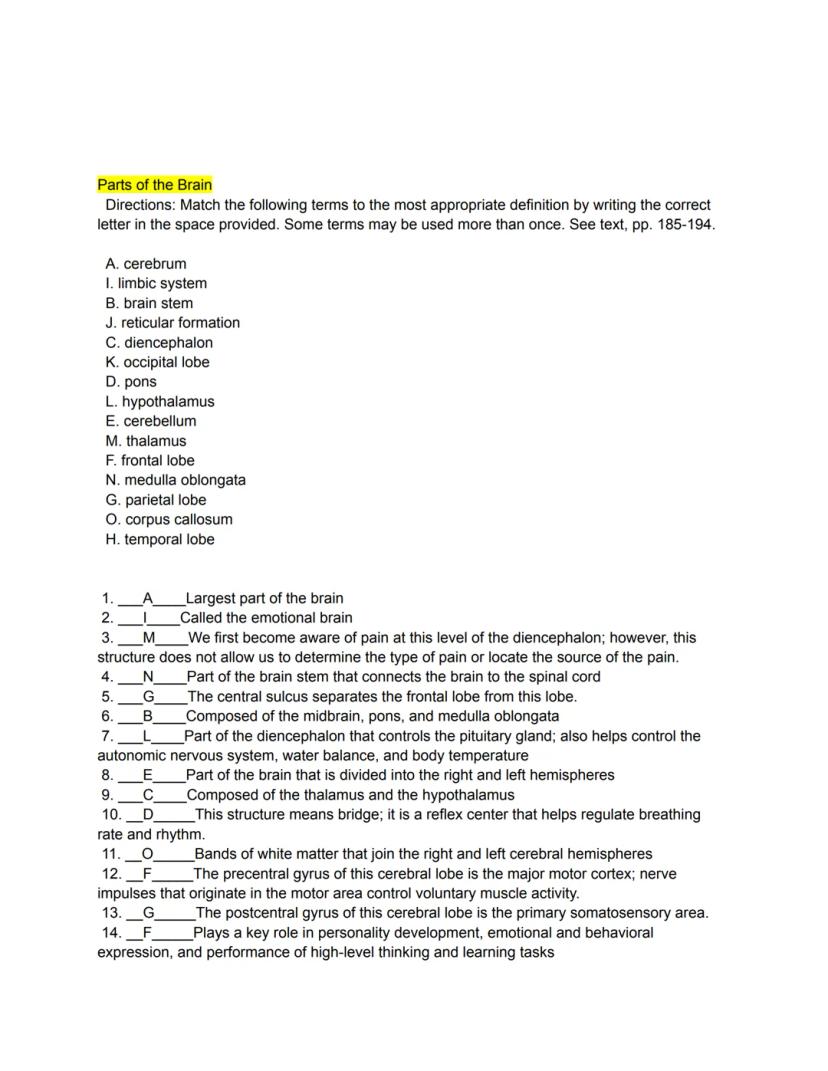
The cerebrum is your brain's largest part, divided into four lobes with specialized functions. The frontal lobe acts as your brain's CEO, handling personality, decision-making, and movement through the precentral gyrus. It also contains Broca's area, essential for speech production.
The parietal lobe processes sensory information through the postcentral gyrus, while the temporal lobe handles hearing and smell. The occipital lobe processes vision - damage here can cause blindness. These lobes work together, connected by the corpus callosum which bridges your brain's hemispheres.
Deeper structures include the diencephalon (containing the thalamus and hypothalamus), which relay sensory information and control basic functions like body temperature. The brain stem (composed of the midbrain, pons, and medulla oblongata) controls vital functions like breathing and heart rate - earning the medulla the nickname "vital center."
Amazing Fact: Your cerebellum ("little brain") contains more neurons than all other brain parts combined! Though small, it's crucial for coordinating movements and maintaining balance.
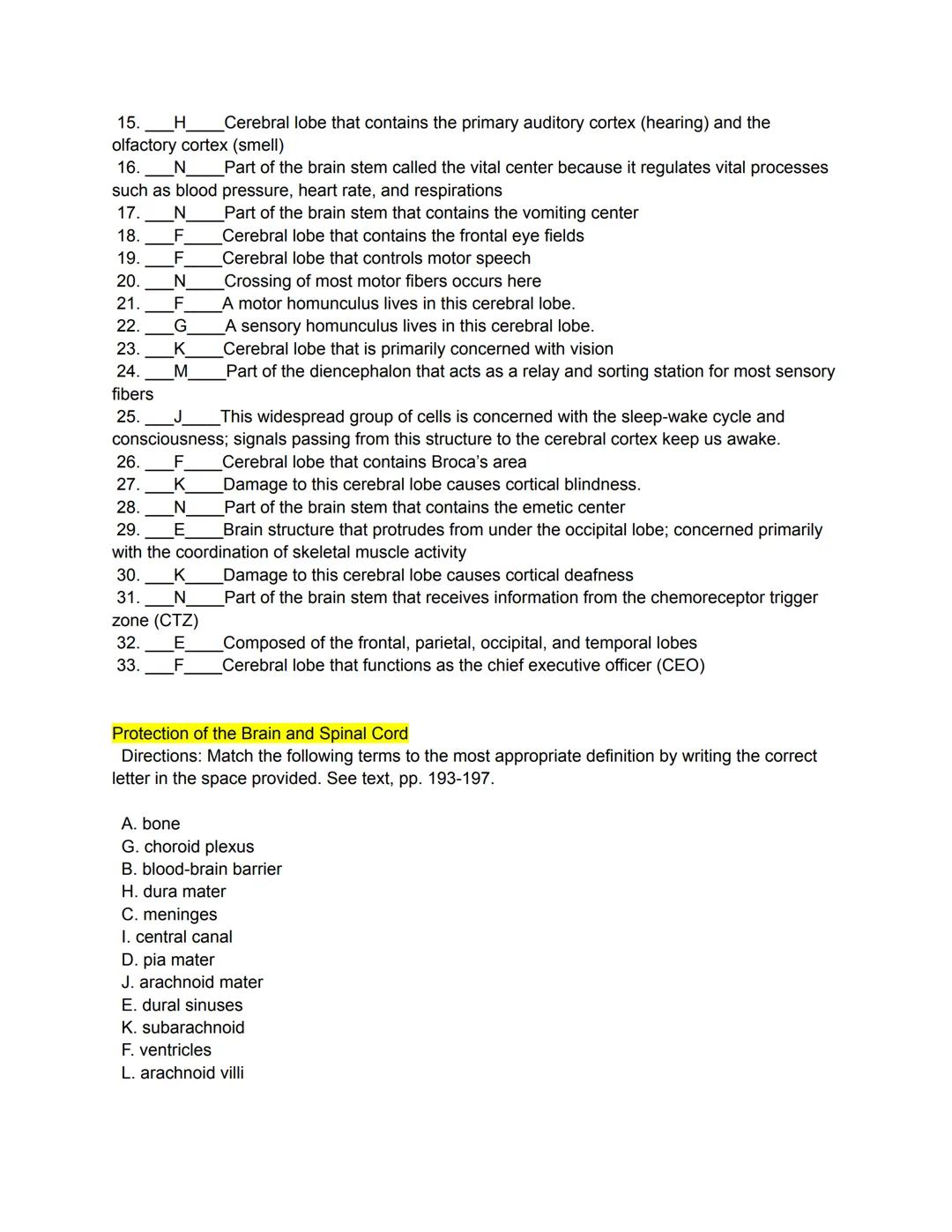
Your brain is perhaps your most precious organ, and your body protects it with multiple defense systems. The first line of defense is bone - your skull and vertebral column form a hard protective case around your brain and spinal cord.
Just beneath the bone are three protective layers called meninges: the tough outer dura mater, the middle arachnoid mater (which looks like a spider web), and the inner pia mater that hugs the brain's surface. Between the arachnoid and pia mater is the subarachnoid space filled with cerebrospinal fluid (CSF).
CSF is produced by the choroid plexus in the brain's ventricles . This clear fluid circulates through the ventricles, around the brain and spinal cord, and down the central canal of the spinal cord. CSF acts as a shock absorber, delivers nutrients, and removes waste. It's eventually reabsorbed into the bloodstream through arachnoid villi that project into dural sinuses.
Protective Power: Your brain essentially floats in CSF, which reduces its effective weight by about 97%! This buoyancy protects your brain from being damaged by its own weight and cushions it from impacts.
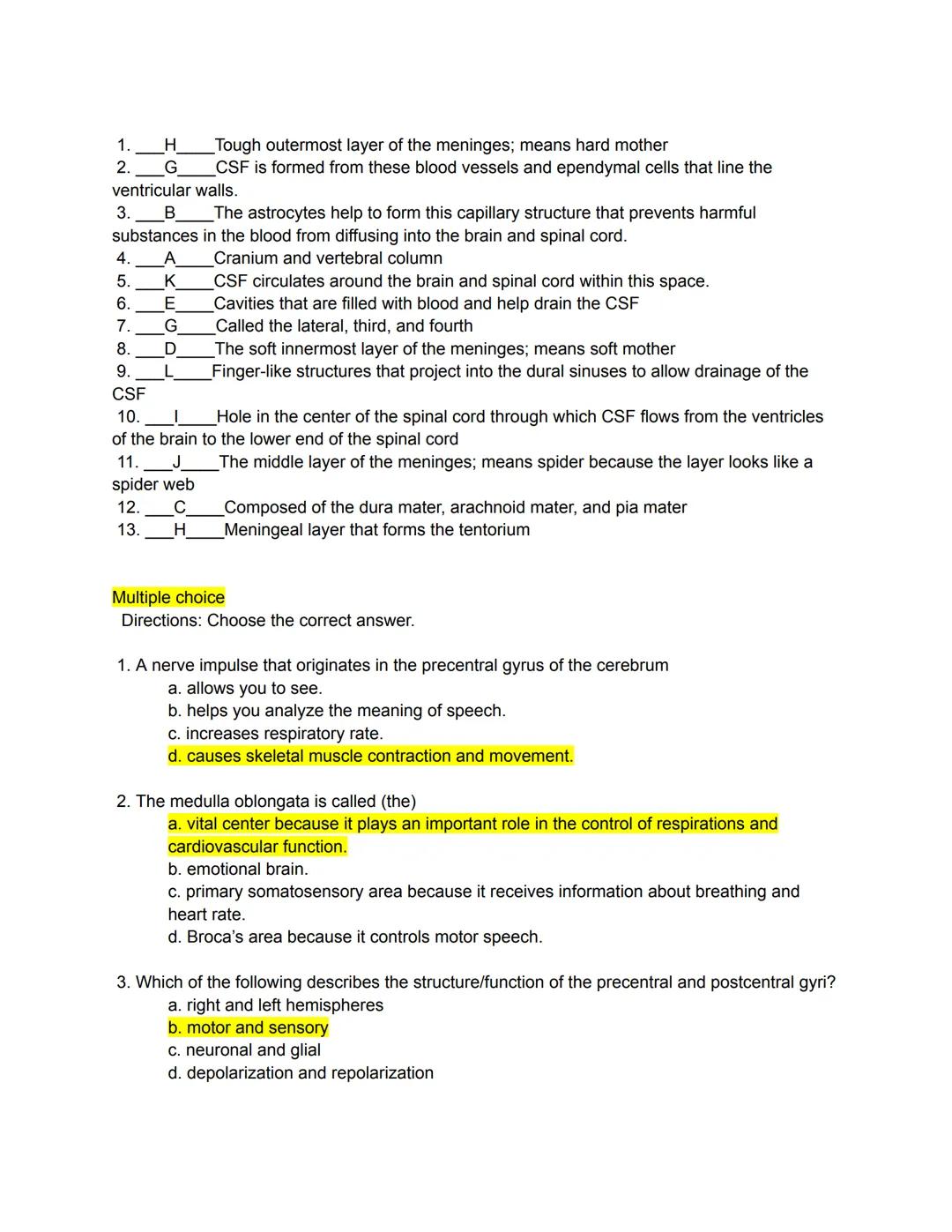
When your brain communicates, it's like a well-orchestrated symphony. The precentral gyrus sends signals to control voluntary movements, while the postcentral gyrus receives sensory information. This motor-sensory relationship is crucial for coordinated movement and body awareness.
The medulla oblongata deserves special attention as the "vital center" controlling automatic functions like breathing, heart rate, and blood pressure. It also contains centers for vomiting and swallowing reflexes. Even a small injury here can be life-threatening because of its critical role.
Your nervous system is protected by several specialized barriers. The blood-brain barrier prevents harmful substances in your bloodstream from reaching brain tissue. This selective filter allows nutrients through while blocking potential toxins. CSF provides another layer of protection by cushioning your brain and spinal cord against physical impacts and maintaining the proper chemical environment.
Critical Connection: Damage to Broca's area in the frontal lobe impairs your ability to speak properly even though you still understand language. This fascinating area demonstrates how specialized different brain regions are!
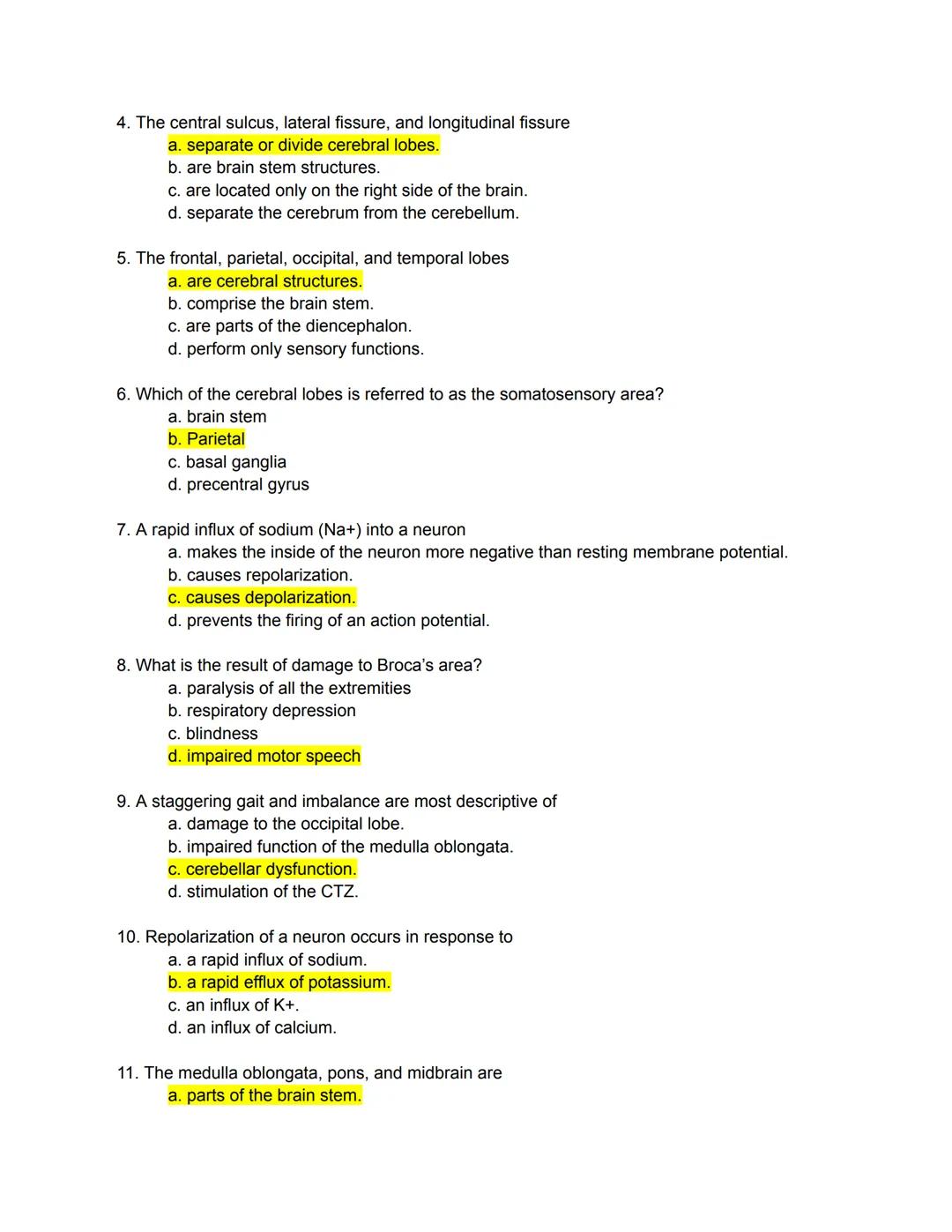
The brain's power comes from billions of neurons working together. Each neuron's ability to fire an action potential depends on reaching a critical threshold potential through depolarization (sodium rushing in). After firing, the neuron returns to its resting state through repolarization (potassium flowing out).
Your brain's hemispheres show remarkable specialization, known as cerebral lateralization. While both sides work together, certain functions tend to be stronger on one side. The left hemisphere typically excels at language and logical thinking, while the right hemisphere handles spatial awareness and creative expression.
The cerebellum plays a crucial role in coordination and balance. Damage here doesn't cause paralysis but results in movements becoming jerky and uncoordinated. A person with cerebellar damage might have a staggering gait or difficulty with precise movements - showing how the cerebellum fine-tunes your motor skills.
Neuron Speed: Information travels along your neurons at speeds up to 268 miles per hour! This incredible transmission rate is possible because of the myelin sheath and saltatory conduction, allowing you to react nearly instantaneously to your environment.
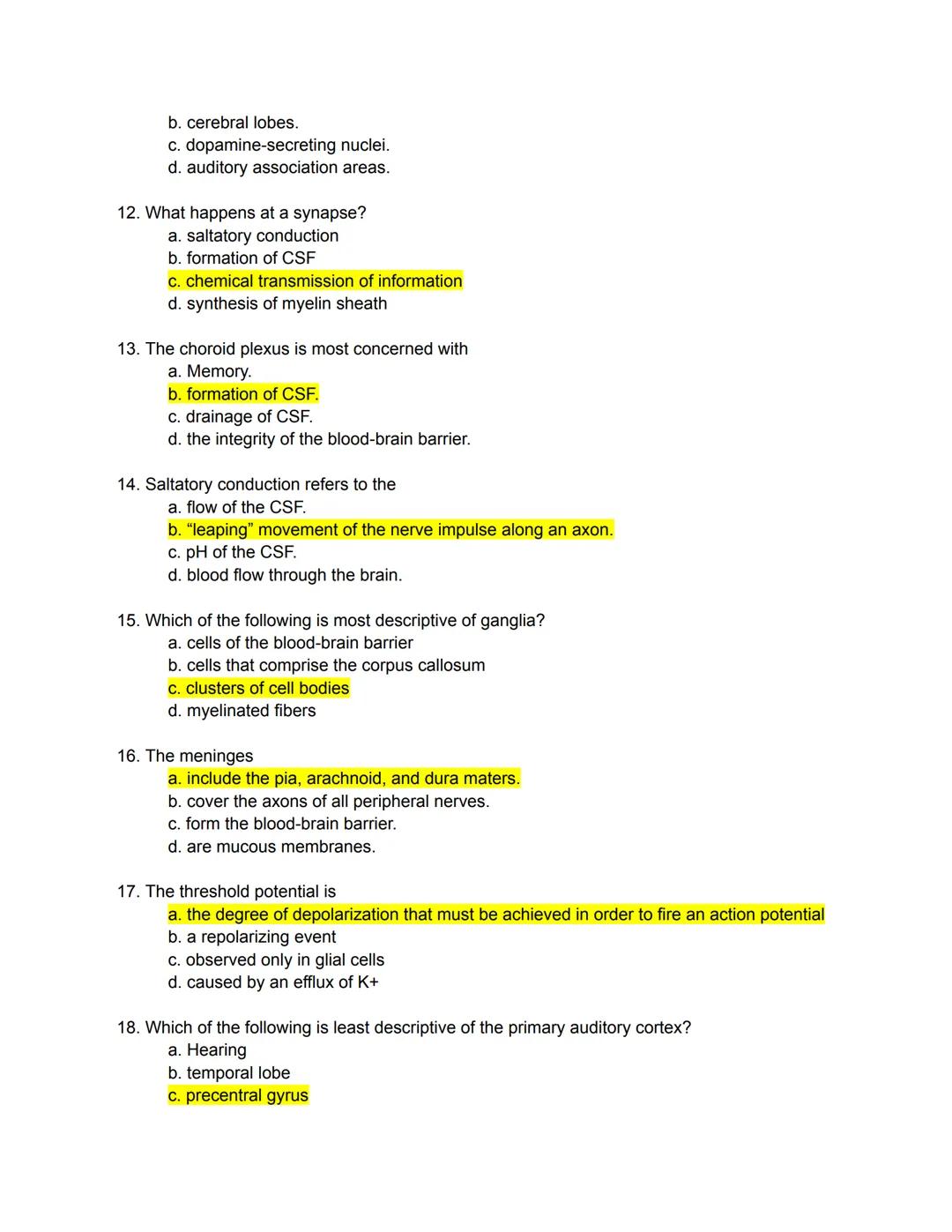
At the microscopic level, neurons communicate at junctions called synapses. Here, electrical signals convert to chemical signals using neurotransmitters that cross the tiny gap between cells. This chemical transmission allows for the complex signaling that makes thinking, feeling, and moving possible.
Saltatory conduction refers to how nerve impulses "leap" from one node of Ranvier to the next along a myelinated axon. This jumping action makes signal transmission up to 100 times faster than in unmyelinated neurons, which is why damage to myelin (as in multiple sclerosis) can seriously affect neurological function.
The brain's protection systems work together to maintain its health. The meninges provide physical protection, while the blood-brain barrier offers chemical protection. This barrier is formed by special tight junctions between blood vessel cells and supporting astrocytes, preventing most substances in the bloodstream from entering brain tissue.
Age-Related Changes: As we age, blood vessel diseases like atherosclerosis often affect brain function more than actual neuron loss. Maintaining cardiovascular health is one of the best ways to protect brain function as you get older!
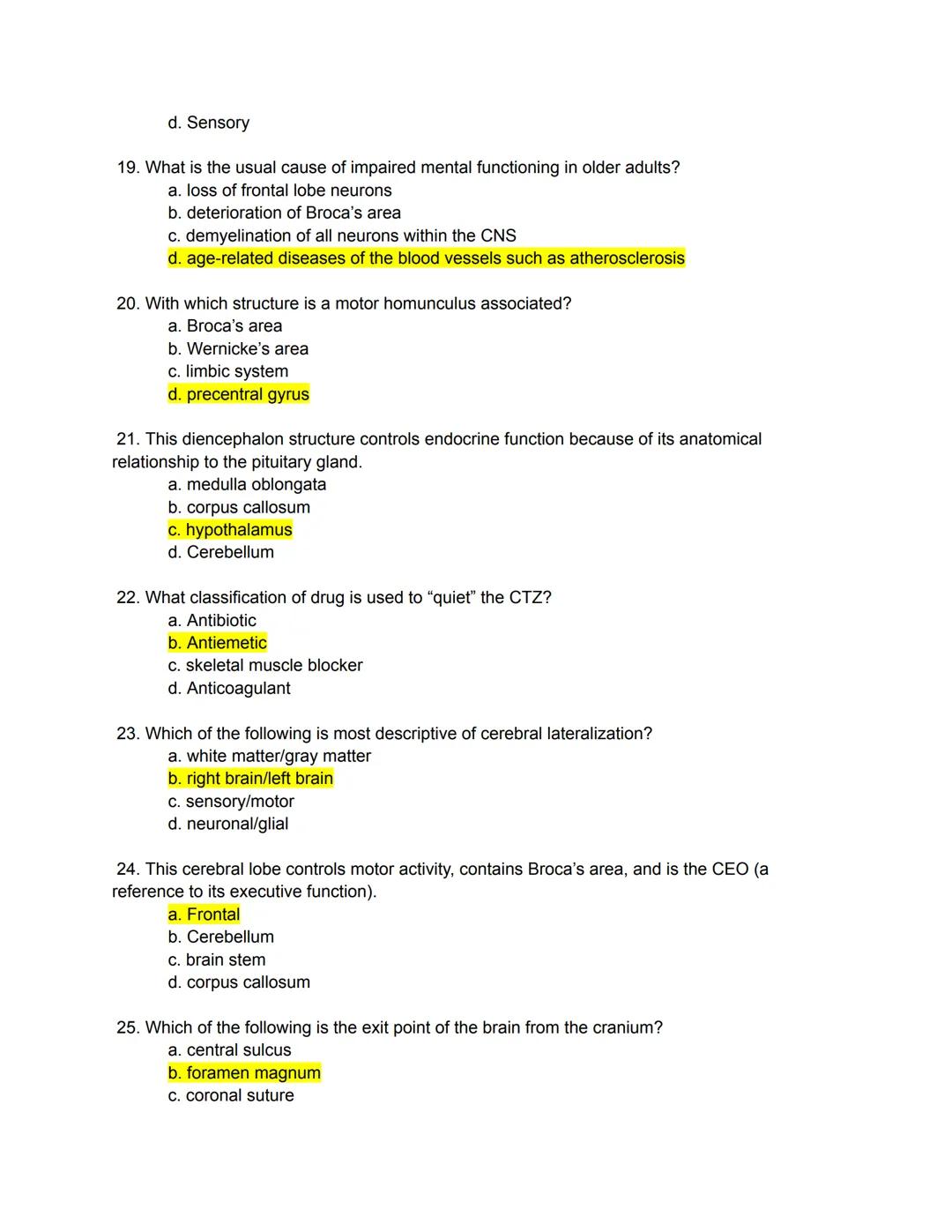
Your brain contains specialized maps of your body in both sensory and motor areas. The motor homunculus in the precentral gyrus controls movement, while the sensory homunculus in the postcentral gyrus processes touch sensations. These "little men" have disproportionately large areas dedicated to parts requiring fine control, like hands and face.
The hypothalamus serves as a crucial link between your nervous and endocrine systems. By controlling the pituitary gland, it regulates hormones affecting growth, metabolism, reproduction, and stress responses. It also manages vital functions like body temperature, hunger, thirst, and sleep cycles.
Understanding brain anatomy has important clinical applications. For example, severe nausea can be treated with antiemetics that target the chemoreceptor trigger zone (CTZ) in the medulla. Brain imaging helps physicians locate problems like tumors or stroke damage based on affected functions and corresponding brain regions.
Medical Marvel: Surgeons can sometimes perform "awake brain surgery" where patients remain conscious and respond to questions while surgeons operate. This helps surgeons avoid damaging critical areas controlling speech or movement!
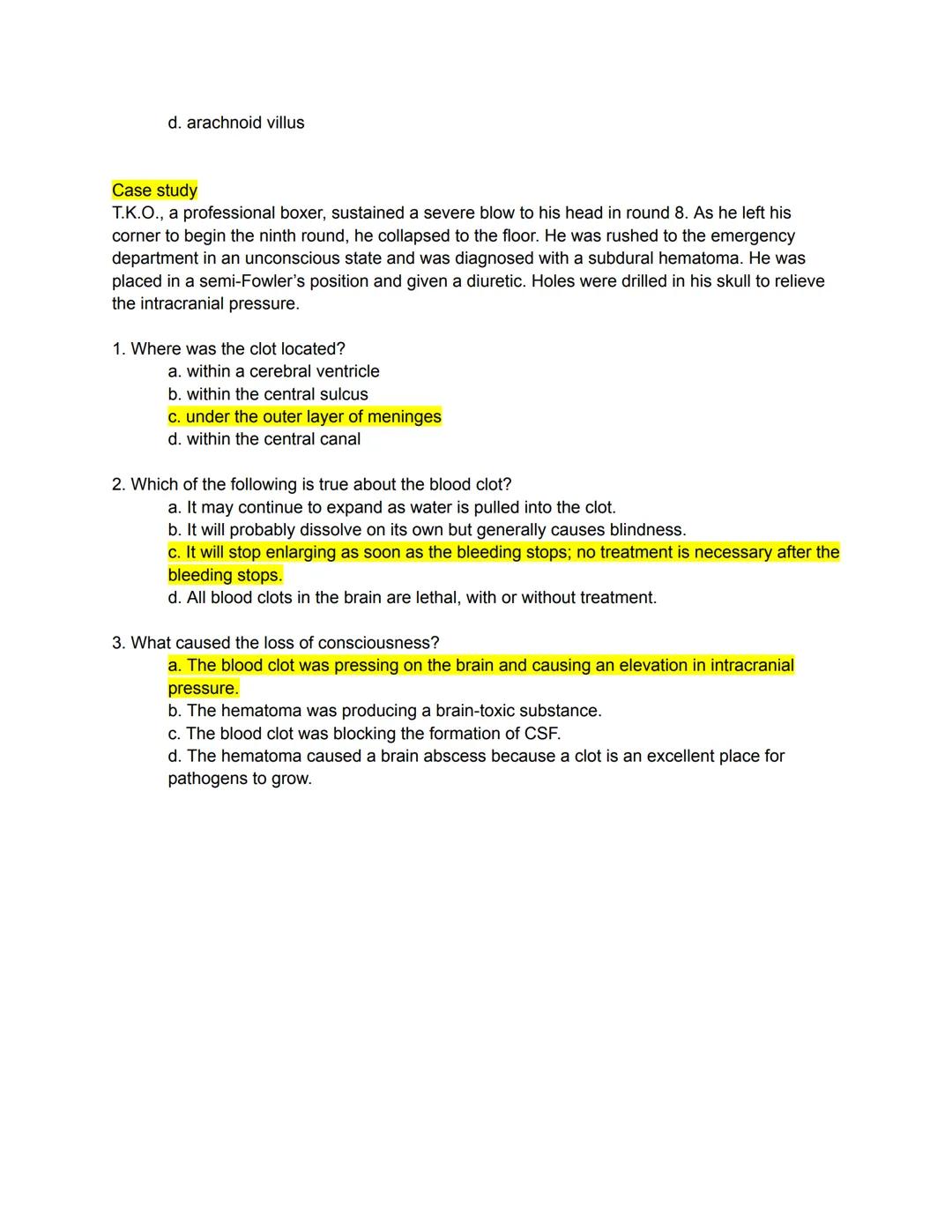
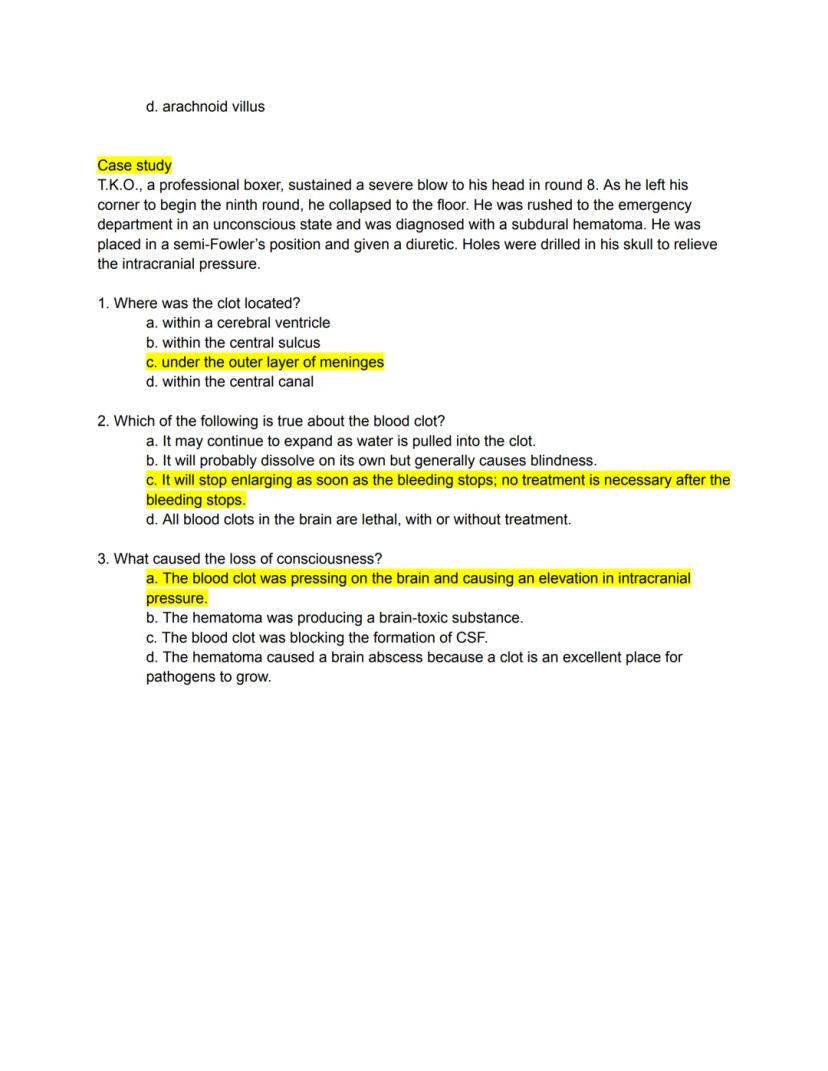
Brain injuries require immediate attention due to the limited space inside your skull. In a subdural hematoma (like our boxer experienced), blood collects between the brain and the dura mater, creating pressure on brain tissue. This increased pressure can cause loss of consciousness and potentially life-threatening complications.
Treatment often focuses on relieving pressure inside the skull. Drilling small holes (burr holes) allows blood to drain, while placing the patient in a semi-upright position helps reduce pressure. Medications like diuretics may be given to reduce brain swelling by decreasing fluid volume.
Brain injuries illustrate the importance of the protective systems we've discussed. The skull provides first-line protection against impacts, but severe blows can cause the brain to move within its fluid cushion, potentially tearing blood vessels. As a clot forms, it can continue expanding as water is drawn into it, creating a dangerous cycle of increasing pressure that requires prompt medical intervention.
Safety First: This case shows why protective equipment is so important in contact sports. Modern helmets and concussion protocols aim to prevent these types of traumatic brain injuries that can have lifelong consequences.
Our AI companion is specifically built for the needs of students. Based on the millions of content pieces we have on the platform we can provide truly meaningful and relevant answers to students. But its not only about answers, the companion is even more about guiding students through their daily learning challenges, with personalised study plans, quizzes or content pieces in the chat and 100% personalisation based on the students skills and developments.
You can download the app in the Google Play Store and in the Apple App Store.
That's right! Enjoy free access to study content, connect with fellow students, and get instant help – all at your fingertips.
App Store
Google Play
The app is very easy to use and well designed. I have found everything I was looking for so far and have been able to learn a lot from the presentations! I will definitely use the app for a class assignment! And of course it also helps a lot as an inspiration.
Stefan S
iOS user
This app is really great. There are so many study notes and help [...]. My problem subject is French, for example, and the app has so many options for help. Thanks to this app, I have improved my French. I would recommend it to anyone.
Samantha Klich
Android user
Wow, I am really amazed. I just tried the app because I've seen it advertised many times and was absolutely stunned. This app is THE HELP you want for school and above all, it offers so many things, such as workouts and fact sheets, which have been VERY helpful to me personally.
Anna
iOS user
I think it’s very much worth it and you’ll end up using it a lot once you get the hang of it and even after looking at others notes you can still ask your Artificial intelligence buddy the question and ask to simplify it if you still don’t get it!!! In the end I think it’s worth it 😊👍 ⚠️Also DID I MENTION ITS FREEE YOU DON’T HAVE TO PAY FOR ANYTHING AND STILL GET YOUR GRADES IN PERFECTLY❗️❗️⚠️
Thomas R
iOS user
Knowunity is the BEST app I’ve used in a minute. This is not an ai review or anything this is genuinely coming from a 7th grade student (I know 2011 im young) but dude this app is a 10/10 i have maintained a 3.8 gpa and have plenty of time for gaming. I love it and my mom is just happy I got good grades
Brad T
Android user
Not only did it help me find the answer but it also showed me alternative ways to solve it. I was horrible in math and science but now I have an a in both subjects. Thanks for the help🤍🤍
David K
iOS user
The app's just great! All I have to do is enter the topic in the search bar and I get the response real fast. I don't have to watch 10 YouTube videos to understand something, so I'm saving my time. Highly recommended!
Sudenaz Ocak
Android user
In school I was really bad at maths but thanks to the app, I am doing better now. I am so grateful that you made the app.
Greenlight Bonnie
Android user
I found this app a couple years ago and it has only gotten better since then. I really love it because it can help with written questions and photo questions. Also, it can find study guides that other people have made as well as flashcard sets and practice tests. The free version is also amazing for students who might not be able to afford it. Would 100% recommend
Aubrey
iOS user
Best app if you're in Highschool or Junior high. I have been using this app for 2 school years and it's the best, it's good if you don't have anyone to help you with school work.😋🩷🎀
Marco B
iOS user
THE QUIZES AND FLASHCARDS ARE SO USEFUL AND I LOVE Knowunity AI. IT ALSO IS LITREALLY LIKE CHATGPT BUT SMARTER!! HELPED ME WITH MY MASCARA PROBLEMS TOO!! AS WELL AS MY REAL SUBJECTS ! DUHHH 😍😁😲🤑💗✨🎀😮
Elisha
iOS user
This app is phenomenal down to the correct info and the various topics you can study! I greatly recommend it for people who struggle with procrastination and those who need homework help. It has been perfectly accurate for world 1 history as far as I’ve seen! Geometry too!
Paul T
iOS user
The app is very easy to use and well designed. I have found everything I was looking for so far and have been able to learn a lot from the presentations! I will definitely use the app for a class assignment! And of course it also helps a lot as an inspiration.
Stefan S
iOS user
This app is really great. There are so many study notes and help [...]. My problem subject is French, for example, and the app has so many options for help. Thanks to this app, I have improved my French. I would recommend it to anyone.
Samantha Klich
Android user
Wow, I am really amazed. I just tried the app because I've seen it advertised many times and was absolutely stunned. This app is THE HELP you want for school and above all, it offers so many things, such as workouts and fact sheets, which have been VERY helpful to me personally.
Anna
iOS user
I think it’s very much worth it and you’ll end up using it a lot once you get the hang of it and even after looking at others notes you can still ask your Artificial intelligence buddy the question and ask to simplify it if you still don’t get it!!! In the end I think it’s worth it 😊👍 ⚠️Also DID I MENTION ITS FREEE YOU DON’T HAVE TO PAY FOR ANYTHING AND STILL GET YOUR GRADES IN PERFECTLY❗️❗️⚠️
Thomas R
iOS user
Knowunity is the BEST app I’ve used in a minute. This is not an ai review or anything this is genuinely coming from a 7th grade student (I know 2011 im young) but dude this app is a 10/10 i have maintained a 3.8 gpa and have plenty of time for gaming. I love it and my mom is just happy I got good grades
Brad T
Android user
Not only did it help me find the answer but it also showed me alternative ways to solve it. I was horrible in math and science but now I have an a in both subjects. Thanks for the help🤍🤍
David K
iOS user
The app's just great! All I have to do is enter the topic in the search bar and I get the response real fast. I don't have to watch 10 YouTube videos to understand something, so I'm saving my time. Highly recommended!
Sudenaz Ocak
Android user
In school I was really bad at maths but thanks to the app, I am doing better now. I am so grateful that you made the app.
Greenlight Bonnie
Android user
I found this app a couple years ago and it has only gotten better since then. I really love it because it can help with written questions and photo questions. Also, it can find study guides that other people have made as well as flashcard sets and practice tests. The free version is also amazing for students who might not be able to afford it. Would 100% recommend
Aubrey
iOS user
Best app if you're in Highschool or Junior high. I have been using this app for 2 school years and it's the best, it's good if you don't have anyone to help you with school work.😋🩷🎀
Marco B
iOS user
THE QUIZES AND FLASHCARDS ARE SO USEFUL AND I LOVE Knowunity AI. IT ALSO IS LITREALLY LIKE CHATGPT BUT SMARTER!! HELPED ME WITH MY MASCARA PROBLEMS TOO!! AS WELL AS MY REAL SUBJECTS ! DUHHH 😍😁😲🤑💗✨🎀😮
Elisha
iOS user
This app is phenomenal down to the correct info and the various topics you can study! I greatly recommend it for people who struggle with procrastination and those who need homework help. It has been perfectly accurate for world 1 history as far as I’ve seen! Geometry too!
Paul T
iOS user
Giana Lynch
@gianalynch_dpez
The nervous system is a complex network that controls everything from basic bodily functions to advanced thinking. This summary explores how the brain and nervous system are organized, how nerve cells communicate, and how different parts of the brain control... Show more
Access to all documents
Improve your grades
Join milions of students
Your nervous system is divided into two main parts: the central nervous system (brain and spinal cord) and the peripheral nervous system (nerves connecting the CNS to your body). This division helps organize the different functions your nervous system performs.
The peripheral nervous system contains sensory nerves that gather information from your environment and send it to your brain. After your brain processes this information, motor nerves carry signals back to your muscles and organs to respond appropriately. This happens constantly, even when you're not aware of it!
Neurons are the specialized cells that transmit information through electrical signals. They don't work alone though - they're supported by neuroglia (or glial cells), which protect neurons and help them function properly. Different types include astrocytes , microglia (immune defense), and ependymal cells (help form cerebrospinal fluid).
Quick Fact: While neurons get all the glory, glial cells actually outnumber neurons in your brain by about 10 to 1! They're critical for keeping your nervous system working properly.
Access to all documents
Improve your grades
Join milions of students
Neurons have a distinctive structure that perfectly suits their job of transmitting information. Each neuron has a cell body containing the nucleus, dendrites that receive signals from other neurons, and an axon that carries signals away to the next cell.
Many axons are covered with a myelin sheath, which acts like insulation on an electrical wire. This fatty coating makes signals travel faster and more efficiently through a process called saltatory conduction. Small gaps in the myelin called nodes of Ranvier allow signals to "jump" from node to node, speeding up transmission dramatically.
When a signal reaches the end of an axon, it reaches the axon terminals where neurotransmitters like acetylcholine (ACh) are released. These chemicals cross a tiny gap (synapse) to communicate with the next cell. This combination of electrical signals within neurons and chemical signals between them is what allows your nervous system to function.
Brain Boost: The myelin sheath is what gives the "white matter" in your brain its color! When you hear about white and gray matter, you're hearing about myelinated axons versus unmyelinated cell bodies.
Access to all documents
Improve your grades
Join milions of students
Your thoughts, movements, and sensations all depend on nerve impulses traveling through your brain. These impulses are actually carefully controlled changes in electrical charge across the neuron's membrane.
When a neuron is at rest, it maintains a resting membrane potential with a negative charge inside. When stimulated, depolarization occurs as sodium ions rush in, creating an action potential (the nerve impulse). This is quickly followed by repolarization as potassium ions flow out, returning the neuron to its resting state. This electrochemical process happens in milliseconds!
The surface of your brain isn't smooth - it's wrinkled with ridges (gyri) and grooves (sulci and fissures). These folds dramatically increase the brain's surface area, allowing more neurons to fit inside your skull. Important landmarks include the central sulcus, which separates areas controlling movement from areas processing sensations, and the longitudinal fissure, which divides your brain into right and left hemispheres.
Think About It: If your brain were flattened out, it would be about the size of a pillowcase! All those wrinkles are nature's way of packing more processing power into a limited space.
Access to all documents
Improve your grades
Join milions of students
The cerebrum is your brain's largest part, divided into four lobes with specialized functions. The frontal lobe acts as your brain's CEO, handling personality, decision-making, and movement through the precentral gyrus. It also contains Broca's area, essential for speech production.
The parietal lobe processes sensory information through the postcentral gyrus, while the temporal lobe handles hearing and smell. The occipital lobe processes vision - damage here can cause blindness. These lobes work together, connected by the corpus callosum which bridges your brain's hemispheres.
Deeper structures include the diencephalon (containing the thalamus and hypothalamus), which relay sensory information and control basic functions like body temperature. The brain stem (composed of the midbrain, pons, and medulla oblongata) controls vital functions like breathing and heart rate - earning the medulla the nickname "vital center."
Amazing Fact: Your cerebellum ("little brain") contains more neurons than all other brain parts combined! Though small, it's crucial for coordinating movements and maintaining balance.
Access to all documents
Improve your grades
Join milions of students
Your brain is perhaps your most precious organ, and your body protects it with multiple defense systems. The first line of defense is bone - your skull and vertebral column form a hard protective case around your brain and spinal cord.
Just beneath the bone are three protective layers called meninges: the tough outer dura mater, the middle arachnoid mater (which looks like a spider web), and the inner pia mater that hugs the brain's surface. Between the arachnoid and pia mater is the subarachnoid space filled with cerebrospinal fluid (CSF).
CSF is produced by the choroid plexus in the brain's ventricles . This clear fluid circulates through the ventricles, around the brain and spinal cord, and down the central canal of the spinal cord. CSF acts as a shock absorber, delivers nutrients, and removes waste. It's eventually reabsorbed into the bloodstream through arachnoid villi that project into dural sinuses.
Protective Power: Your brain essentially floats in CSF, which reduces its effective weight by about 97%! This buoyancy protects your brain from being damaged by its own weight and cushions it from impacts.
Access to all documents
Improve your grades
Join milions of students
When your brain communicates, it's like a well-orchestrated symphony. The precentral gyrus sends signals to control voluntary movements, while the postcentral gyrus receives sensory information. This motor-sensory relationship is crucial for coordinated movement and body awareness.
The medulla oblongata deserves special attention as the "vital center" controlling automatic functions like breathing, heart rate, and blood pressure. It also contains centers for vomiting and swallowing reflexes. Even a small injury here can be life-threatening because of its critical role.
Your nervous system is protected by several specialized barriers. The blood-brain barrier prevents harmful substances in your bloodstream from reaching brain tissue. This selective filter allows nutrients through while blocking potential toxins. CSF provides another layer of protection by cushioning your brain and spinal cord against physical impacts and maintaining the proper chemical environment.
Critical Connection: Damage to Broca's area in the frontal lobe impairs your ability to speak properly even though you still understand language. This fascinating area demonstrates how specialized different brain regions are!
Access to all documents
Improve your grades
Join milions of students
The brain's power comes from billions of neurons working together. Each neuron's ability to fire an action potential depends on reaching a critical threshold potential through depolarization (sodium rushing in). After firing, the neuron returns to its resting state through repolarization (potassium flowing out).
Your brain's hemispheres show remarkable specialization, known as cerebral lateralization. While both sides work together, certain functions tend to be stronger on one side. The left hemisphere typically excels at language and logical thinking, while the right hemisphere handles spatial awareness and creative expression.
The cerebellum plays a crucial role in coordination and balance. Damage here doesn't cause paralysis but results in movements becoming jerky and uncoordinated. A person with cerebellar damage might have a staggering gait or difficulty with precise movements - showing how the cerebellum fine-tunes your motor skills.
Neuron Speed: Information travels along your neurons at speeds up to 268 miles per hour! This incredible transmission rate is possible because of the myelin sheath and saltatory conduction, allowing you to react nearly instantaneously to your environment.
Access to all documents
Improve your grades
Join milions of students
At the microscopic level, neurons communicate at junctions called synapses. Here, electrical signals convert to chemical signals using neurotransmitters that cross the tiny gap between cells. This chemical transmission allows for the complex signaling that makes thinking, feeling, and moving possible.
Saltatory conduction refers to how nerve impulses "leap" from one node of Ranvier to the next along a myelinated axon. This jumping action makes signal transmission up to 100 times faster than in unmyelinated neurons, which is why damage to myelin (as in multiple sclerosis) can seriously affect neurological function.
The brain's protection systems work together to maintain its health. The meninges provide physical protection, while the blood-brain barrier offers chemical protection. This barrier is formed by special tight junctions between blood vessel cells and supporting astrocytes, preventing most substances in the bloodstream from entering brain tissue.
Age-Related Changes: As we age, blood vessel diseases like atherosclerosis often affect brain function more than actual neuron loss. Maintaining cardiovascular health is one of the best ways to protect brain function as you get older!
Access to all documents
Improve your grades
Join milions of students
Your brain contains specialized maps of your body in both sensory and motor areas. The motor homunculus in the precentral gyrus controls movement, while the sensory homunculus in the postcentral gyrus processes touch sensations. These "little men" have disproportionately large areas dedicated to parts requiring fine control, like hands and face.
The hypothalamus serves as a crucial link between your nervous and endocrine systems. By controlling the pituitary gland, it regulates hormones affecting growth, metabolism, reproduction, and stress responses. It also manages vital functions like body temperature, hunger, thirst, and sleep cycles.
Understanding brain anatomy has important clinical applications. For example, severe nausea can be treated with antiemetics that target the chemoreceptor trigger zone (CTZ) in the medulla. Brain imaging helps physicians locate problems like tumors or stroke damage based on affected functions and corresponding brain regions.
Medical Marvel: Surgeons can sometimes perform "awake brain surgery" where patients remain conscious and respond to questions while surgeons operate. This helps surgeons avoid damaging critical areas controlling speech or movement!
Access to all documents
Improve your grades
Join milions of students
Brain injuries require immediate attention due to the limited space inside your skull. In a subdural hematoma (like our boxer experienced), blood collects between the brain and the dura mater, creating pressure on brain tissue. This increased pressure can cause loss of consciousness and potentially life-threatening complications.
Treatment often focuses on relieving pressure inside the skull. Drilling small holes (burr holes) allows blood to drain, while placing the patient in a semi-upright position helps reduce pressure. Medications like diuretics may be given to reduce brain swelling by decreasing fluid volume.
Brain injuries illustrate the importance of the protective systems we've discussed. The skull provides first-line protection against impacts, but severe blows can cause the brain to move within its fluid cushion, potentially tearing blood vessels. As a clot forms, it can continue expanding as water is drawn into it, creating a dangerous cycle of increasing pressure that requires prompt medical intervention.
Safety First: This case shows why protective equipment is so important in contact sports. Modern helmets and concussion protocols aim to prevent these types of traumatic brain injuries that can have lifelong consequences.
Our AI companion is specifically built for the needs of students. Based on the millions of content pieces we have on the platform we can provide truly meaningful and relevant answers to students. But its not only about answers, the companion is even more about guiding students through their daily learning challenges, with personalised study plans, quizzes or content pieces in the chat and 100% personalisation based on the students skills and developments.
You can download the app in the Google Play Store and in the Apple App Store.
That's right! Enjoy free access to study content, connect with fellow students, and get instant help – all at your fingertips.
1
Smart Tools NEW
Transform this note into: ✓ 50+ Practice Questions ✓ Interactive Flashcards ✓ Full Practice Test ✓ Essay Outlines
Study Guide Anatomy and Physiology Cells and Transport Mechanisms
 AP Biology
Explore the foundational principles of Mendelian genetics through Gregor Mendel's groundbreaking experiments with pea plants. This summary covers key concepts such as the Law of Dominance, Law of Segregation, and Law of Independent Assortment, along with Mendel's methodology and significant findings in genetic inheritance. Ideal for students studying genetics and heredity.
 Biology
history of genetics
AP BiologyApp Store
Google Play
The app is very easy to use and well designed. I have found everything I was looking for so far and have been able to learn a lot from the presentations! I will definitely use the app for a class assignment! And of course it also helps a lot as an inspiration.
Stefan S
iOS user
This app is really great. There are so many study notes and help [...]. My problem subject is French, for example, and the app has so many options for help. Thanks to this app, I have improved my French. I would recommend it to anyone.
Samantha Klich
Android user
Wow, I am really amazed. I just tried the app because I've seen it advertised many times and was absolutely stunned. This app is THE HELP you want for school and above all, it offers so many things, such as workouts and fact sheets, which have been VERY helpful to me personally.
Anna
iOS user
I think it’s very much worth it and you’ll end up using it a lot once you get the hang of it and even after looking at others notes you can still ask your Artificial intelligence buddy the question and ask to simplify it if you still don’t get it!!! In the end I think it’s worth it 😊👍 ⚠️Also DID I MENTION ITS FREEE YOU DON’T HAVE TO PAY FOR ANYTHING AND STILL GET YOUR GRADES IN PERFECTLY❗️❗️⚠️
Thomas R
iOS user
Knowunity is the BEST app I’ve used in a minute. This is not an ai review or anything this is genuinely coming from a 7th grade student (I know 2011 im young) but dude this app is a 10/10 i have maintained a 3.8 gpa and have plenty of time for gaming. I love it and my mom is just happy I got good grades
Brad T
Android user
Not only did it help me find the answer but it also showed me alternative ways to solve it. I was horrible in math and science but now I have an a in both subjects. Thanks for the help🤍🤍
David K
iOS user
The app's just great! All I have to do is enter the topic in the search bar and I get the response real fast. I don't have to watch 10 YouTube videos to understand something, so I'm saving my time. Highly recommended!
Sudenaz Ocak
Android user
In school I was really bad at maths but thanks to the app, I am doing better now. I am so grateful that you made the app.
Greenlight Bonnie
Android user
I found this app a couple years ago and it has only gotten better since then. I really love it because it can help with written questions and photo questions. Also, it can find study guides that other people have made as well as flashcard sets and practice tests. The free version is also amazing for students who might not be able to afford it. Would 100% recommend
Aubrey
iOS user
Best app if you're in Highschool or Junior high. I have been using this app for 2 school years and it's the best, it's good if you don't have anyone to help you with school work.😋🩷🎀
Marco B
iOS user
THE QUIZES AND FLASHCARDS ARE SO USEFUL AND I LOVE Knowunity AI. IT ALSO IS LITREALLY LIKE CHATGPT BUT SMARTER!! HELPED ME WITH MY MASCARA PROBLEMS TOO!! AS WELL AS MY REAL SUBJECTS ! DUHHH 😍😁😲🤑💗✨🎀😮
Elisha
iOS user
This app is phenomenal down to the correct info and the various topics you can study! I greatly recommend it for people who struggle with procrastination and those who need homework help. It has been perfectly accurate for world 1 history as far as I’ve seen! Geometry too!
Paul T
iOS user
The app is very easy to use and well designed. I have found everything I was looking for so far and have been able to learn a lot from the presentations! I will definitely use the app for a class assignment! And of course it also helps a lot as an inspiration.
Stefan S
iOS user
This app is really great. There are so many study notes and help [...]. My problem subject is French, for example, and the app has so many options for help. Thanks to this app, I have improved my French. I would recommend it to anyone.
Samantha Klich
Android user
Wow, I am really amazed. I just tried the app because I've seen it advertised many times and was absolutely stunned. This app is THE HELP you want for school and above all, it offers so many things, such as workouts and fact sheets, which have been VERY helpful to me personally.
Anna
iOS user
I think it’s very much worth it and you’ll end up using it a lot once you get the hang of it and even after looking at others notes you can still ask your Artificial intelligence buddy the question and ask to simplify it if you still don’t get it!!! In the end I think it’s worth it 😊👍 ⚠️Also DID I MENTION ITS FREEE YOU DON’T HAVE TO PAY FOR ANYTHING AND STILL GET YOUR GRADES IN PERFECTLY❗️❗️⚠️
Thomas R
iOS user
Knowunity is the BEST app I’ve used in a minute. This is not an ai review or anything this is genuinely coming from a 7th grade student (I know 2011 im young) but dude this app is a 10/10 i have maintained a 3.8 gpa and have plenty of time for gaming. I love it and my mom is just happy I got good grades
Brad T
Android user
Not only did it help me find the answer but it also showed me alternative ways to solve it. I was horrible in math and science but now I have an a in both subjects. Thanks for the help🤍🤍
David K
iOS user
The app's just great! All I have to do is enter the topic in the search bar and I get the response real fast. I don't have to watch 10 YouTube videos to understand something, so I'm saving my time. Highly recommended!
Sudenaz Ocak
Android user
In school I was really bad at maths but thanks to the app, I am doing better now. I am so grateful that you made the app.
Greenlight Bonnie
Android user
I found this app a couple years ago and it has only gotten better since then. I really love it because it can help with written questions and photo questions. Also, it can find study guides that other people have made as well as flashcard sets and practice tests. The free version is also amazing for students who might not be able to afford it. Would 100% recommend
Aubrey
iOS user
Best app if you're in Highschool or Junior high. I have been using this app for 2 school years and it's the best, it's good if you don't have anyone to help you with school work.😋🩷🎀
Marco B
iOS user
THE QUIZES AND FLASHCARDS ARE SO USEFUL AND I LOVE Knowunity AI. IT ALSO IS LITREALLY LIKE CHATGPT BUT SMARTER!! HELPED ME WITH MY MASCARA PROBLEMS TOO!! AS WELL AS MY REAL SUBJECTS ! DUHHH 😍😁😲🤑💗✨🎀😮
Elisha
iOS user
This app is phenomenal down to the correct info and the various topics you can study! I greatly recommend it for people who struggle with procrastination and those who need homework help. It has been perfectly accurate for world 1 history as far as I’ve seen! Geometry too!
Paul T
iOS user