
Energy is the capacity to do work and exists in... Show more
 AP Environmental Science54 views·Updated Jun 3, 2026·4 pages
Exploring Energy and Its Sources
K
kylie@kylie_ywwr
1 / 4
1
of 4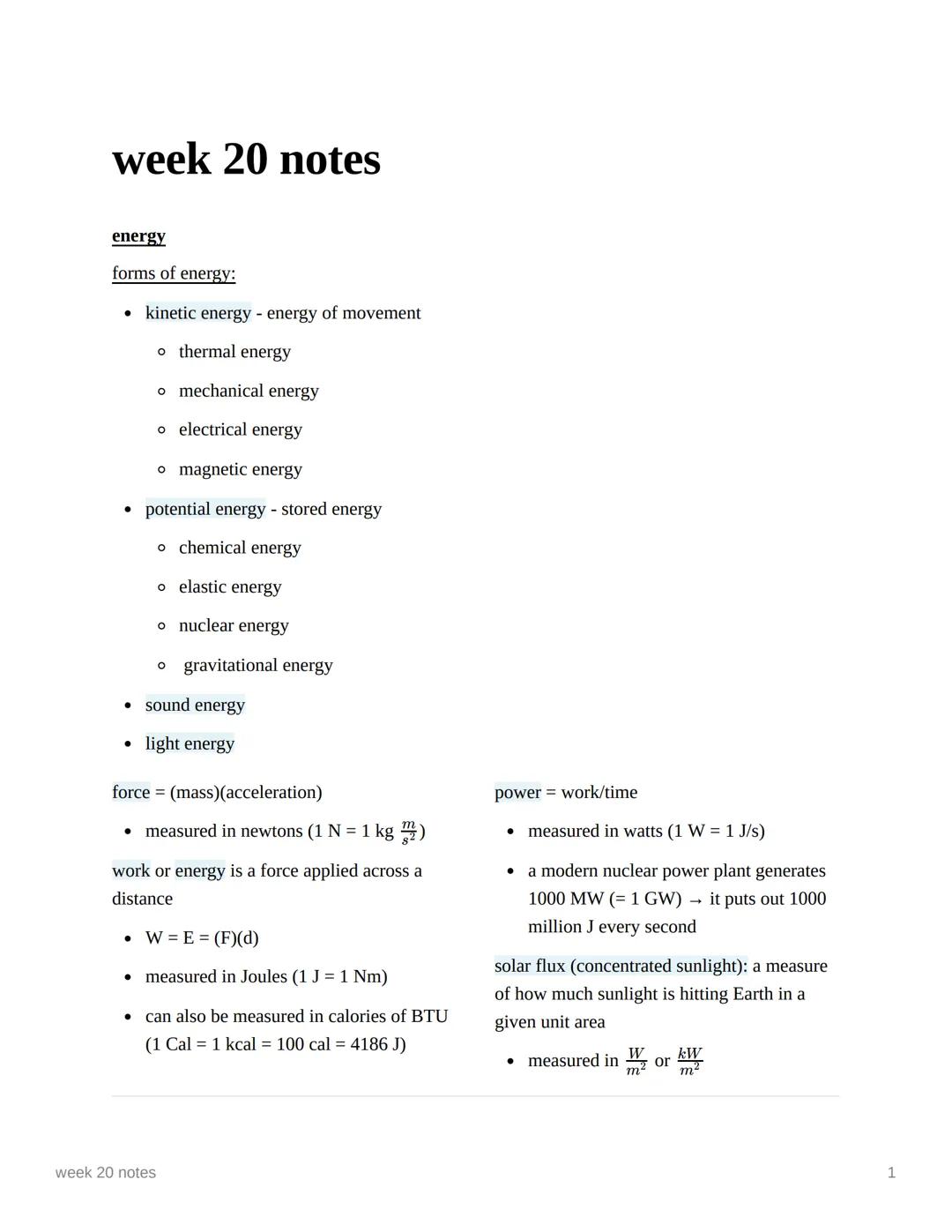
Forms of Energy and Basic Concepts
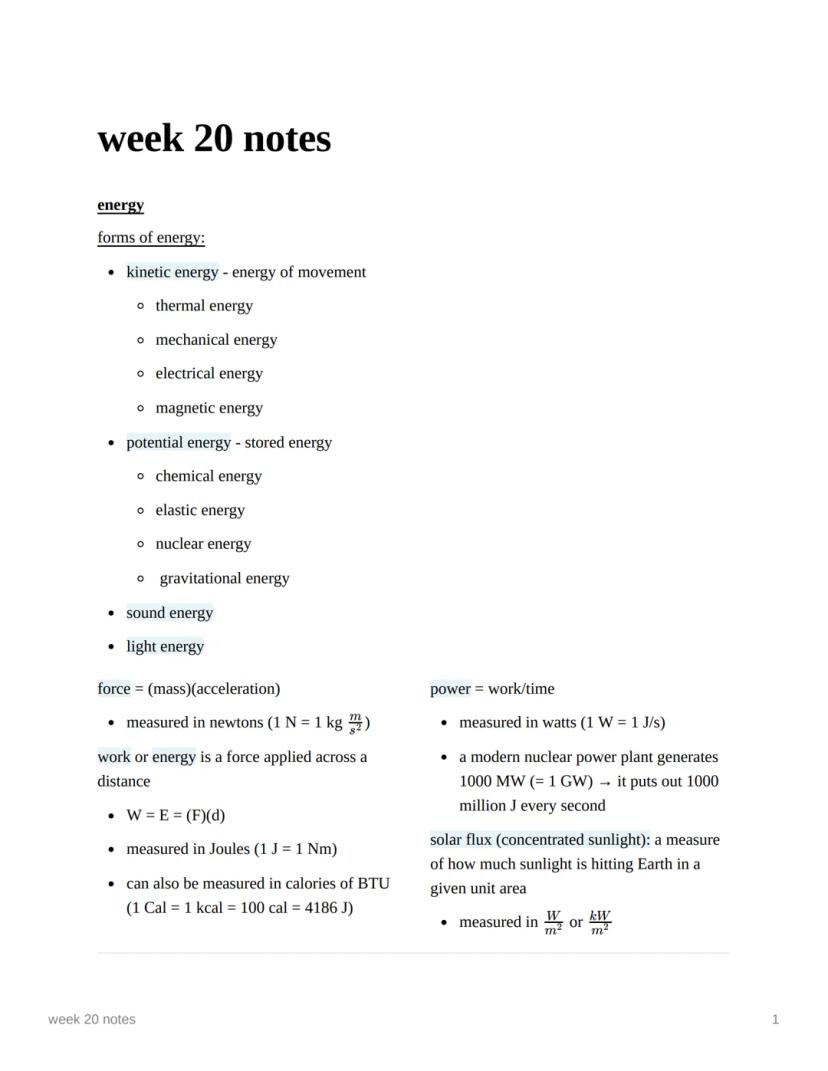
Energy comes in many forms that you encounter daily. Kinetic energy powers moving objects, while potential energy remains stored until released. Other important types include thermal, electrical, chemical, nuclear, and light energy.
When objects move, they create force, which we calculate as mass times acceleration . This force is measured in newtons. When force acts through a distance, we call that work or energy, measured in joules (J).
Power describes how quickly energy is used or produced, measured in watts . This explains why your phone charger might be rated at 20W, while a nuclear power plant generates an enormous 1 gigawatt (1 billion watts)!
💡 Energy context: A modern nuclear plant produces 1 GW of power—enough to power about 750,000 homes simultaneously!
2
of 4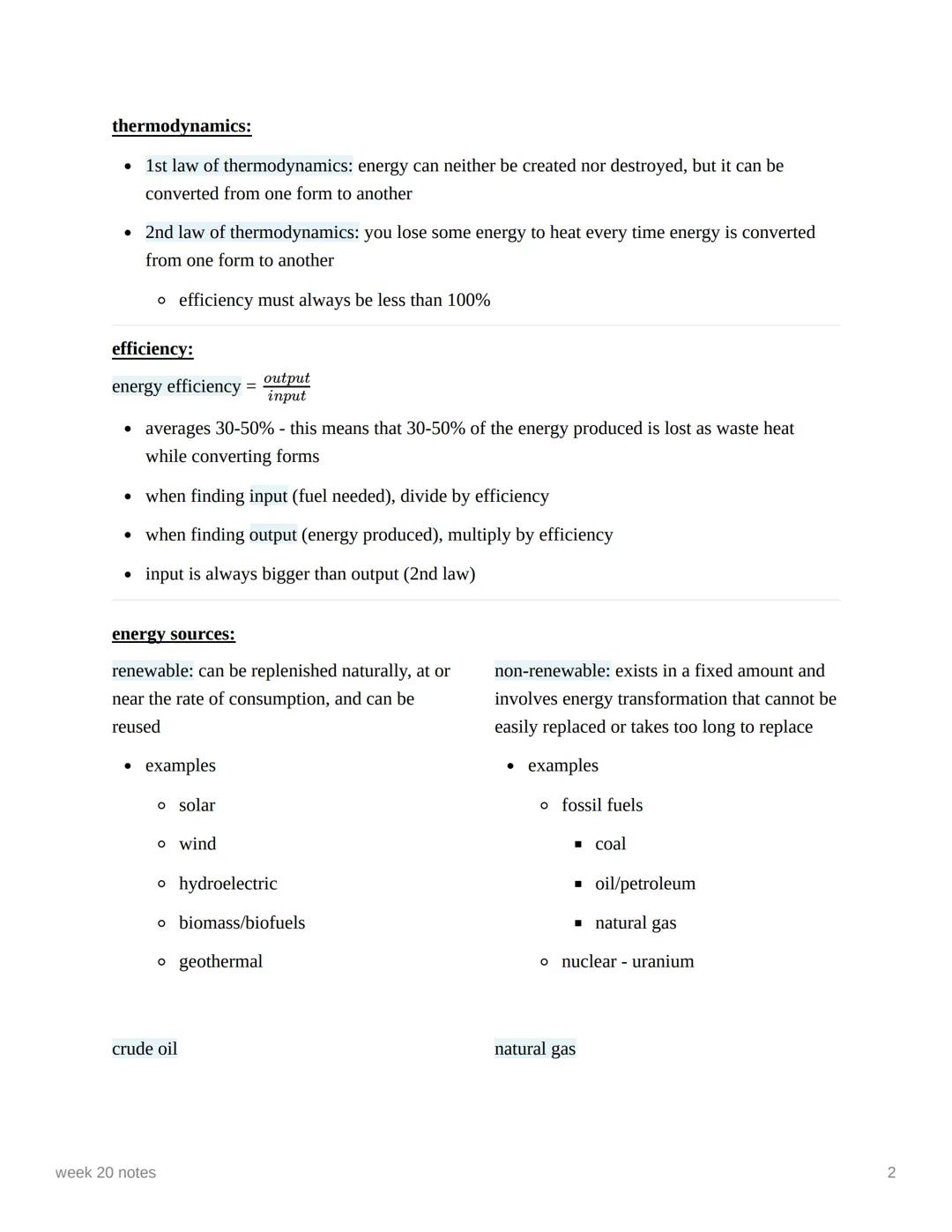
Thermodynamics and Efficiency
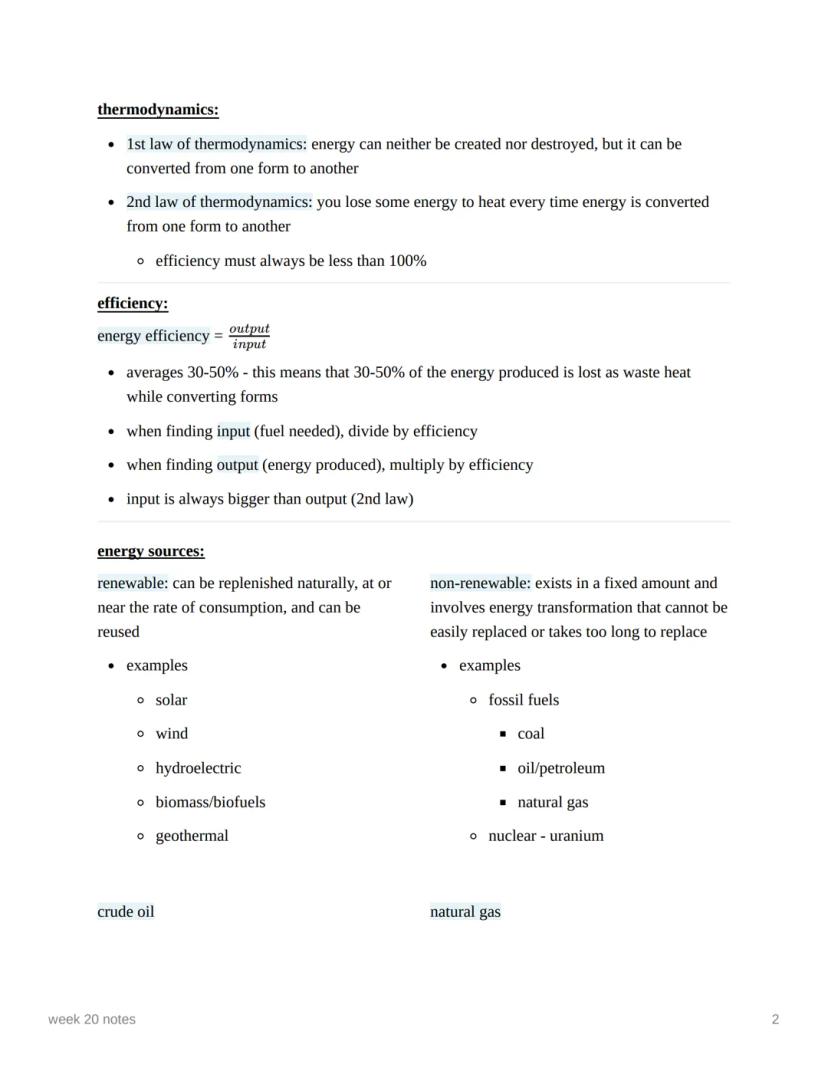
The laws of thermodynamics govern all energy systems. The First Law states that energy cannot be created or destroyed—only transformed between different forms. The Second Law reveals that each time energy changes form, some is lost as heat.
This is why energy efficiency is always less than 100%. When we calculate efficiency (output÷input), most systems average just 30-50%. The rest becomes waste heat! This fundamental limit explains why your phone gets warm while charging and why cars need cooling systems.
Energy sources fall into two main categories. Renewable energy (solar, wind, hydroelectric) can naturally replenish at rates comparable to usage. Non-renewable energy (fossil fuels like coal, oil, and natural gas) exists in fixed amounts that take millions of years to form.
🔑 Remember: When calculating with efficiency, input is ALWAYS larger than output. To find input (fuel needed), divide by efficiency; to find output (energy produced), multiply by efficiency.
3
of 4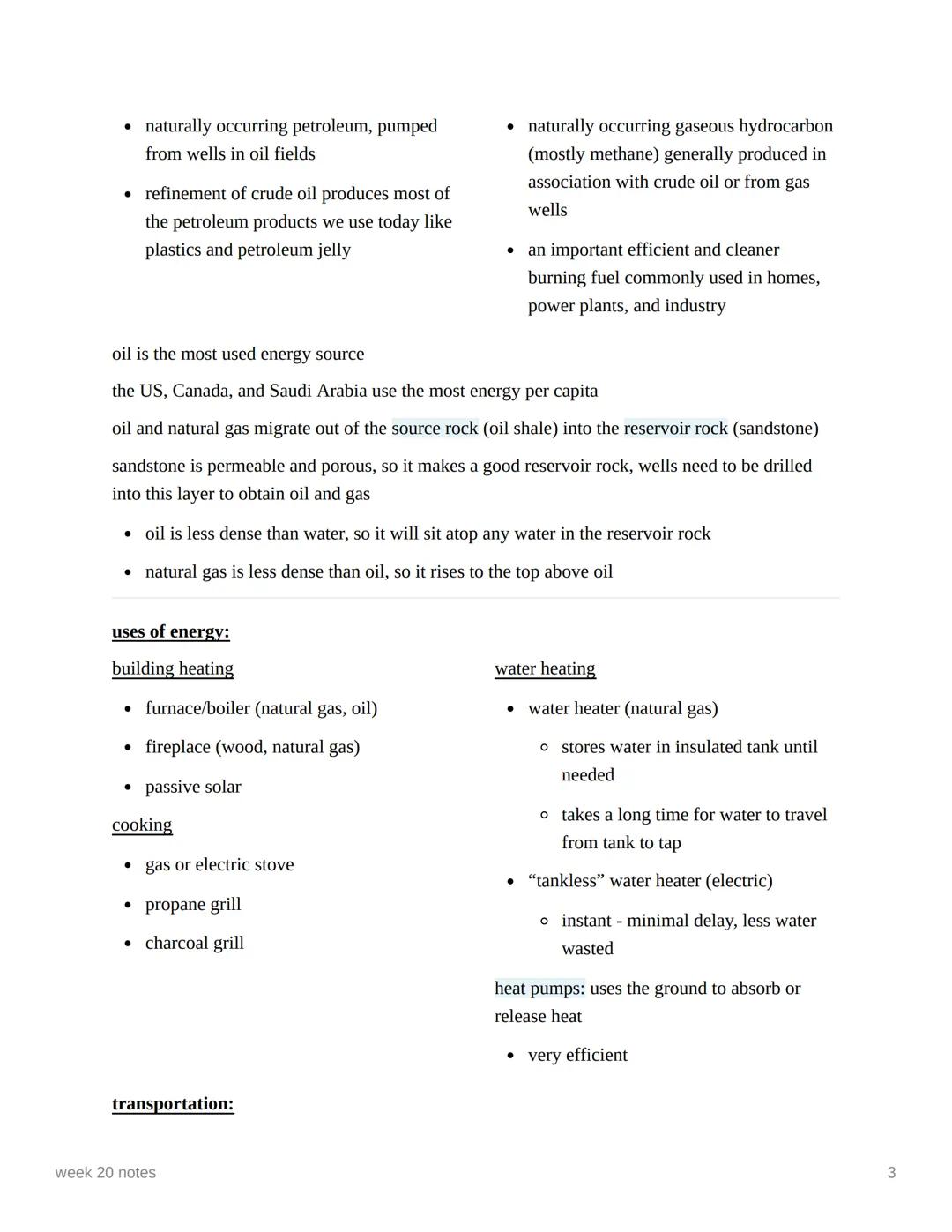
Fossil Fuels and Energy Sources
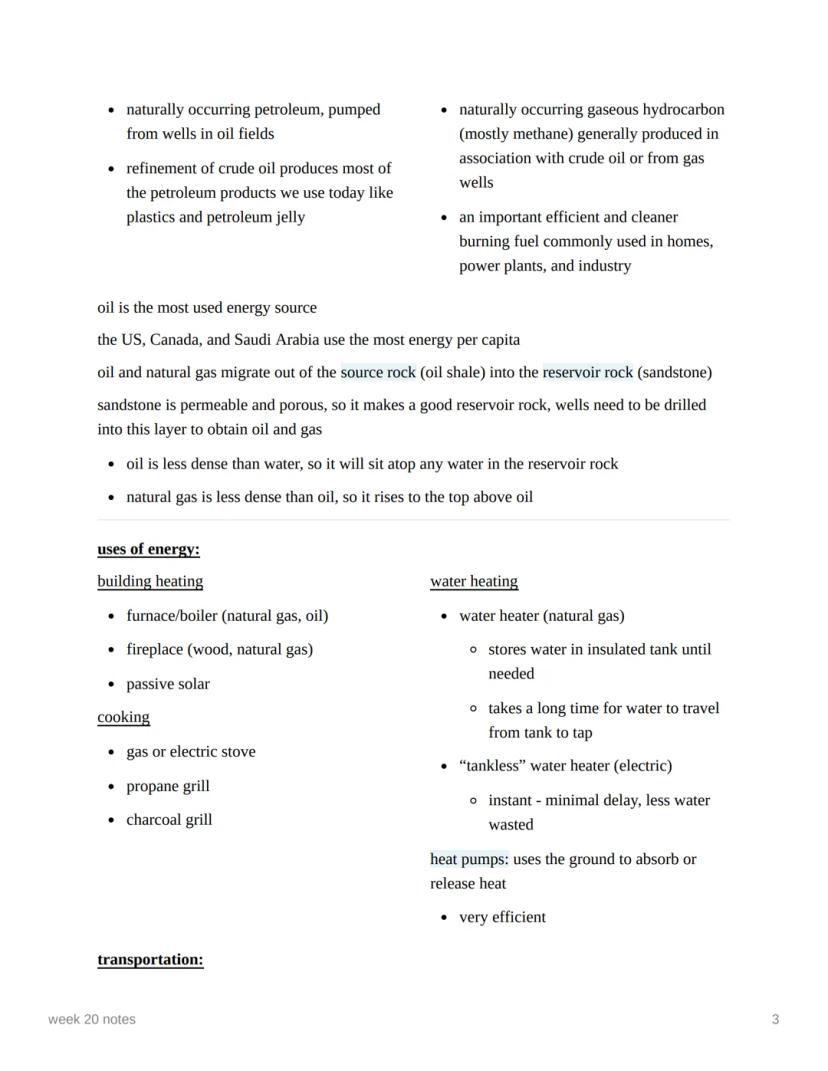
Oil remains the world's most used energy source despite growing environmental concerns. Crude oil is naturally occurring petroleum pumped from oil fields and refined into products from gasoline to plastics. Natural gas, primarily methane, offers a cleaner-burning alternative to oil.
Understanding how fossil fuels form and collect helps explain their limited availability. Oil and gas migrate from source rocks (like oil shale) into reservoir rocks (like sandstone). Because of density differences, natural gas rises above oil, which floats above any water in these underground formations.
Energy powers our daily activities in countless ways. Building heating systems might use natural gas furnaces, electric heat pumps, or passive solar designs. Water heating traditionally uses insulated tanks, but newer tankless systems heat water on demand, saving energy and reducing water waste.
💡 Energy density matters! Countries like the US, Canada, and Saudi Arabia use much more energy per person than most other nations, creating both economic advantages and environmental challenges.
4
of 4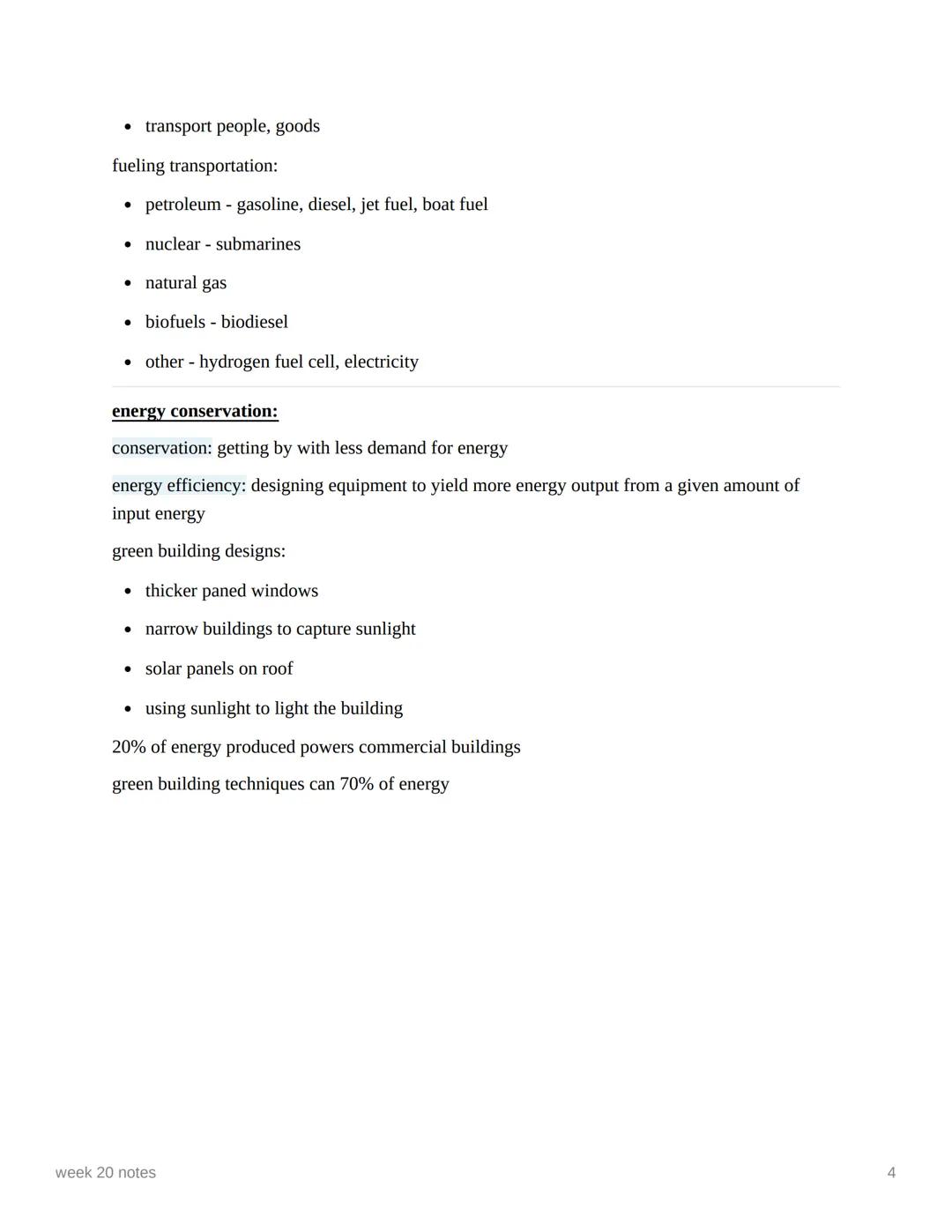
Transportation and Conservation
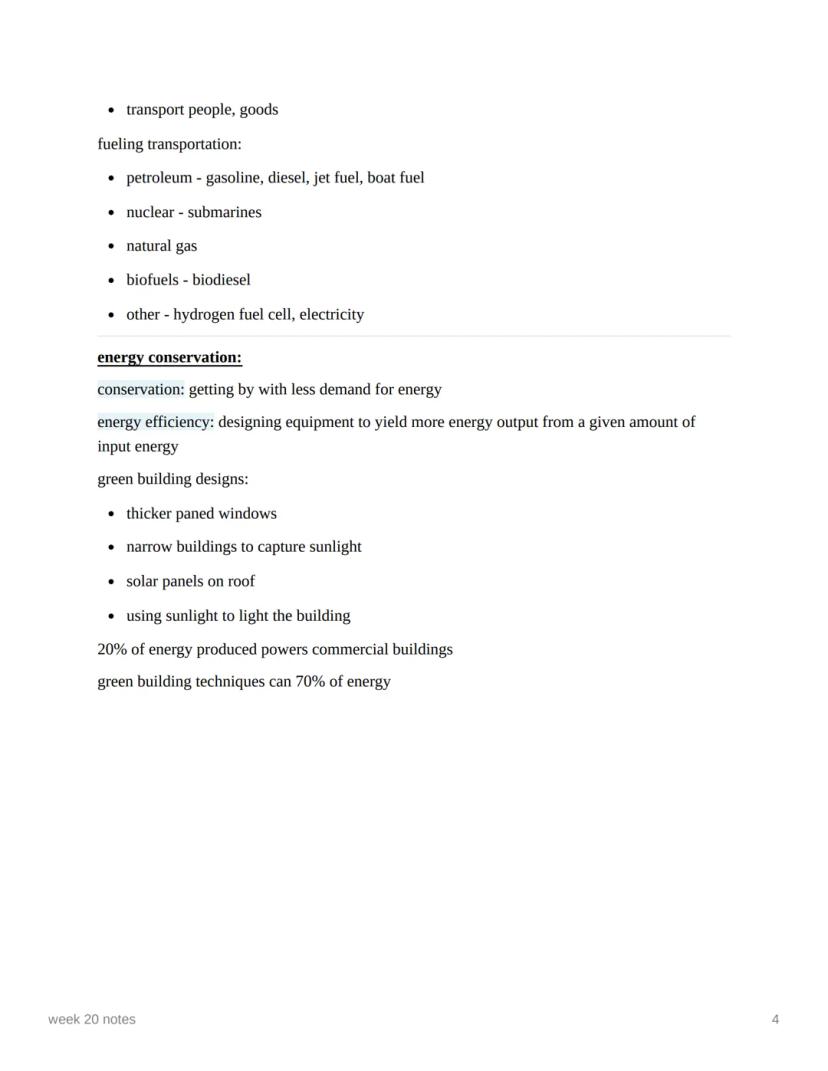
Transportation consumes massive amounts of energy moving people and goods around the globe. While petroleum products (gasoline, diesel, jet fuel) dominate, alternatives are growing: natural gas vehicles, biofuels, hydrogen fuel cells, and electric vehicles all offer different advantages.
Energy conservation means reducing demand through behavior changes, while energy efficiency means getting more output from the same input through better technology. Both approaches help address environmental and resource concerns.
Green building design represents efficiency in action. Features like thicker windows, strategic building orientation to capture sunlight, rooftop solar panels, and natural lighting can reduce a building's energy needs by up to 70%. This matters because commercial buildings consume about 20% of all energy produced.
🌟 Take action: Small changes add up! Switching to LED bulbs, unplugging unused devices, and adjusting your thermostat by just a few degrees can significantly reduce your personal energy footprint.
We thought you’d never ask...
What is the Knowunity AI companion?
Our AI companion is specifically built for the needs of students. Based on the millions of content pieces we have on the platform we can provide truly meaningful and relevant answers to students. But its not only about answers, the companion is even more about guiding students through their daily learning challenges, with personalised study plans, quizzes or content pieces in the chat and 100% personalisation based on the students skills and developments.
Where can I download the Knowunity app?
You can download the app in the Google Play Store and in the Apple App Store.
Is Knowunity really free of charge?
That's right! Enjoy free access to study content, connect with fellow students, and get instant help – all at your fingertips.
Similar Content
Most popular content in AP Environmental Science
9Most popular content
9Can't find what you're looking for? Explore other subjects.
Students love us — and so will you.
4.6/5App Store
4.7/5Google Play
The app is very easy to use and well designed. I have found everything I was looking for so far and have been able to learn a lot from the presentations! I will definitely use the app for a class assignment! And of course it also helps a lot as an inspiration.
Stefan SiOS user
This app is really great. There are so many study notes and help [...]. My problem subject is French, for example, and the app has so many options for help. Thanks to this app, I have improved my French. I would recommend it to anyone.
Samantha KlichAndroid user
Wow, I am really amazed. I just tried the app because I've seen it advertised many times and was absolutely stunned. This app is THE HELP you want for school and above all, it offers so many things, such as workouts and fact sheets, which have been VERY helpful to me personally.
AnnaiOS user
AP Environmental Science54 views·Updated Jun 3, 2026·4 pagesExploring Energy and Its Sources
K
kylie@kylie_ywwr
Energy is the capacity to do work and exists in many different forms. From the kinetic energy of moving objects to the chemical energy in food, energy transformations power our world. Understanding energy concepts helps explain everything from how your... Show more
1
of 4Sign up to see the content. It's free!
- Access to all documents
- Improve your grades
- Join milions of students
Forms of Energy and Basic Concepts
Energy comes in many forms that you encounter daily. Kinetic energy powers moving objects, while potential energy remains stored until released. Other important types include thermal, electrical, chemical, nuclear, and light energy.
When objects move, they create force, which we calculate as mass times acceleration . This force is measured in newtons. When force acts through a distance, we call that work or energy, measured in joules (J).
Power describes how quickly energy is used or produced, measured in watts . This explains why your phone charger might be rated at 20W, while a nuclear power plant generates an enormous 1 gigawatt (1 billion watts)!
💡 Energy context: A modern nuclear plant produces 1 GW of power—enough to power about 750,000 homes simultaneously!
2
of 4Sign up to see the content. It's free!
- Access to all documents
- Improve your grades
- Join milions of students
Thermodynamics and Efficiency
The laws of thermodynamics govern all energy systems. The First Law states that energy cannot be created or destroyed—only transformed between different forms. The Second Law reveals that each time energy changes form, some is lost as heat.
This is why energy efficiency is always less than 100%. When we calculate efficiency (output÷input), most systems average just 30-50%. The rest becomes waste heat! This fundamental limit explains why your phone gets warm while charging and why cars need cooling systems.
Energy sources fall into two main categories. Renewable energy (solar, wind, hydroelectric) can naturally replenish at rates comparable to usage. Non-renewable energy (fossil fuels like coal, oil, and natural gas) exists in fixed amounts that take millions of years to form.
🔑 Remember: When calculating with efficiency, input is ALWAYS larger than output. To find input (fuel needed), divide by efficiency; to find output (energy produced), multiply by efficiency.
3
of 4Sign up to see the content. It's free!
- Access to all documents
- Improve your grades
- Join milions of students
Fossil Fuels and Energy Sources
Oil remains the world's most used energy source despite growing environmental concerns. Crude oil is naturally occurring petroleum pumped from oil fields and refined into products from gasoline to plastics. Natural gas, primarily methane, offers a cleaner-burning alternative to oil.
Understanding how fossil fuels form and collect helps explain their limited availability. Oil and gas migrate from source rocks (like oil shale) into reservoir rocks (like sandstone). Because of density differences, natural gas rises above oil, which floats above any water in these underground formations.
Energy powers our daily activities in countless ways. Building heating systems might use natural gas furnaces, electric heat pumps, or passive solar designs. Water heating traditionally uses insulated tanks, but newer tankless systems heat water on demand, saving energy and reducing water waste.
💡 Energy density matters! Countries like the US, Canada, and Saudi Arabia use much more energy per person than most other nations, creating both economic advantages and environmental challenges.
4
of 4Sign up to see the content. It's free!
- Access to all documents
- Improve your grades
- Join milions of students
Transportation and Conservation
Transportation consumes massive amounts of energy moving people and goods around the globe. While petroleum products (gasoline, diesel, jet fuel) dominate, alternatives are growing: natural gas vehicles, biofuels, hydrogen fuel cells, and electric vehicles all offer different advantages.
Energy conservation means reducing demand through behavior changes, while energy efficiency means getting more output from the same input through better technology. Both approaches help address environmental and resource concerns.
Green building design represents efficiency in action. Features like thicker windows, strategic building orientation to capture sunlight, rooftop solar panels, and natural lighting can reduce a building's energy needs by up to 70%. This matters because commercial buildings consume about 20% of all energy produced.
🌟 Take action: Small changes add up! Switching to LED bulbs, unplugging unused devices, and adjusting your thermostat by just a few degrees can significantly reduce your personal energy footprint.
We thought you’d never ask...
What is the Knowunity AI companion?
Our AI companion is specifically built for the needs of students. Based on the millions of content pieces we have on the platform we can provide truly meaningful and relevant answers to students. But its not only about answers, the companion is even more about guiding students through their daily learning challenges, with personalised study plans, quizzes or content pieces in the chat and 100% personalisation based on the students skills and developments.
Where can I download the Knowunity app?
You can download the app in the Google Play Store and in the Apple App Store.
Is Knowunity really free of charge?
That's right! Enjoy free access to study content, connect with fellow students, and get instant help – all at your fingertips.
Similar Content
Most popular content in AP Environmental Science
9Most popular content
9Can't find what you're looking for? Explore other subjects.
Students love us — and so will you.
4.6/5App Store
4.7/5Google Play
The app is very easy to use and well designed. I have found everything I was looking for so far and have been able to learn a lot from the presentations! I will definitely use the app for a class assignment! And of course it also helps a lot as an inspiration.
Stefan SiOS user
This app is really great. There are so many study notes and help [...]. My problem subject is French, for example, and the app has so many options for help. Thanks to this app, I have improved my French. I would recommend it to anyone.
Samantha KlichAndroid user
Wow, I am really amazed. I just tried the app because I've seen it advertised many times and was absolutely stunned. This app is THE HELP you want for school and above all, it offers so many things, such as workouts and fact sheets, which have been VERY helpful to me personally.
AnnaiOS user