Knowunity AI

Open the App

Subjects

AP PsychologyAP Psychology1,490 views·Updated Jun 1, 2026·25 pages

Fun with Cause and Effect: Exploring Psychology Examples!

user profile picture
Vanny@coffincat

Hey kids! Ever wondered how things happen? Dive into experimental psychology with cool cause and effect examples in everyday life. Learn about positive and negative correlations and discover the humorism theory and the four humors like Hippocrates did! Get answers with sentences and find out how balancing these humors was important back then. Let's explore psychology in a fun way!

1
of 10
# UNIT 1: PSYCH TERMINOLOGY

Psychology: The scientific study of behavior and mental processes.

## Types of Psych Research:

Experimental:

Understanding Correlations in Psychology

Correlations describe how two variables relate to each other in psychological research. There are three main types of correlations:

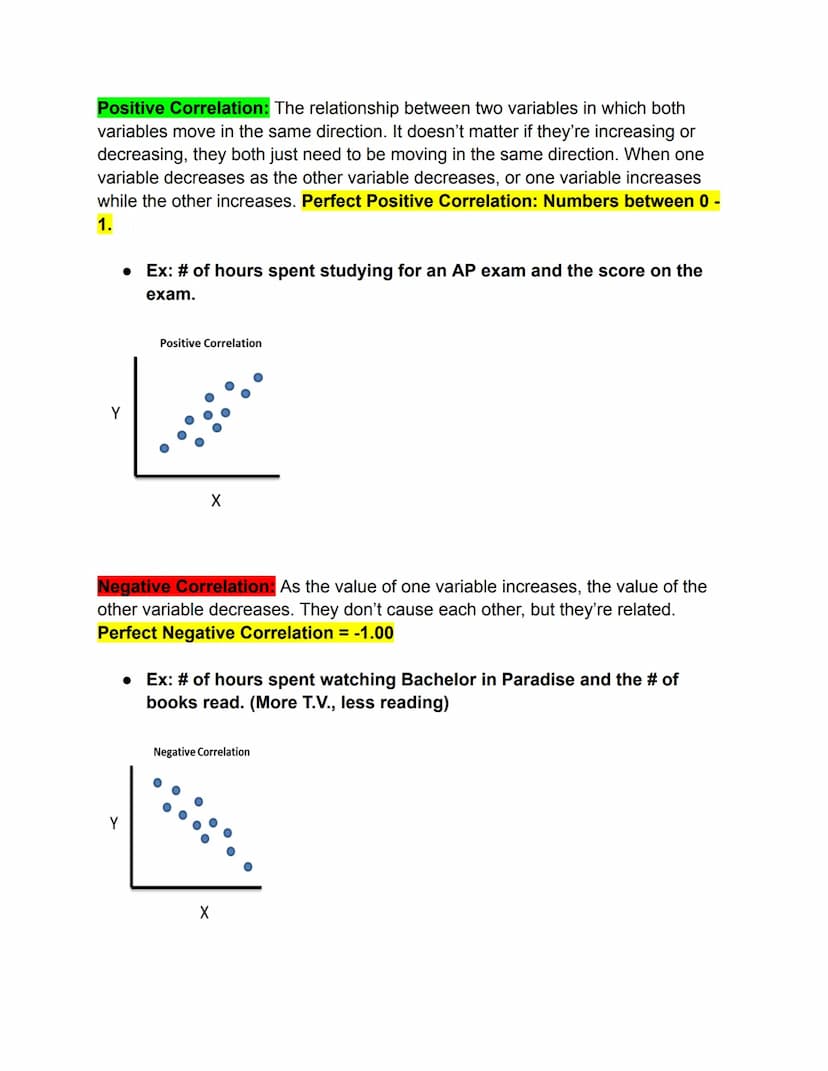
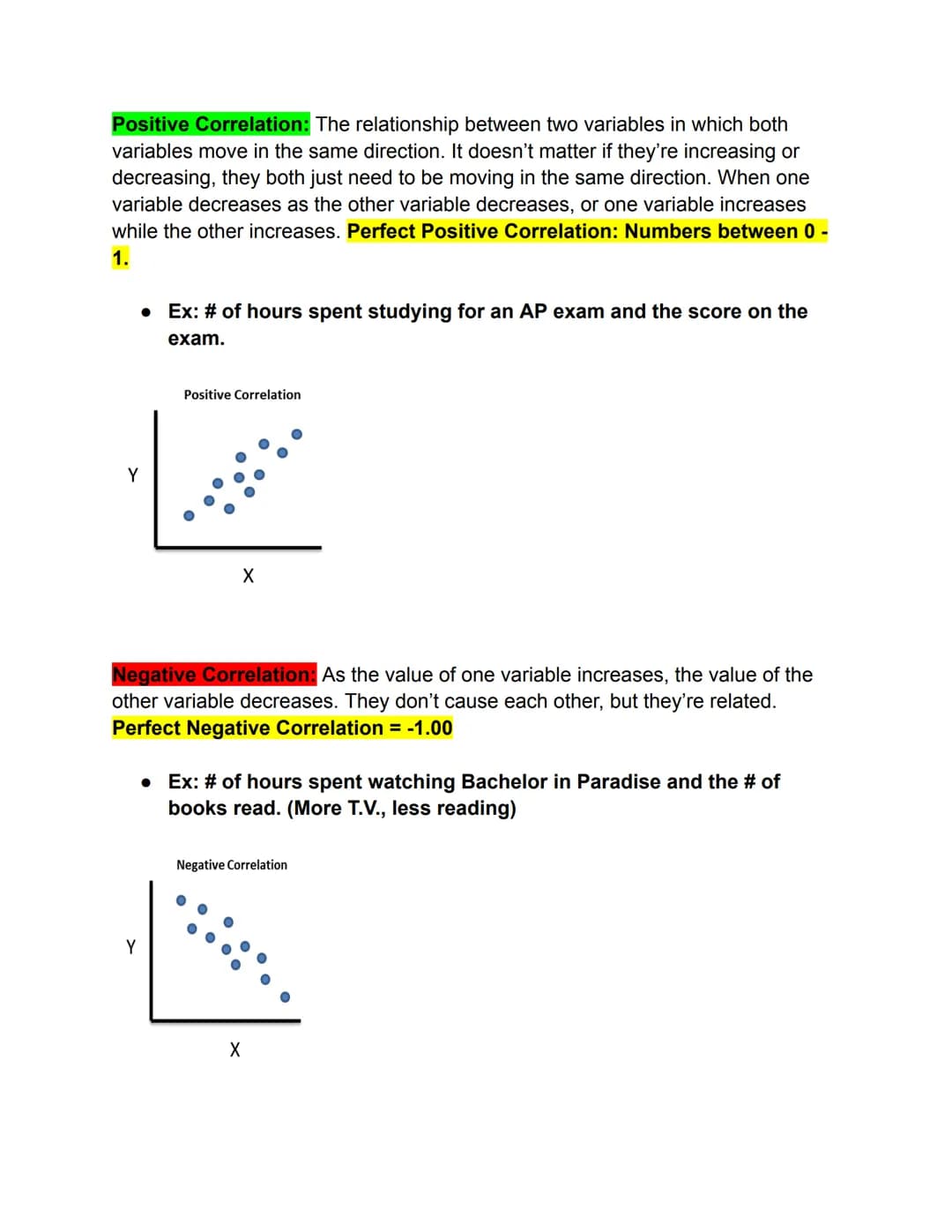
  1. Positive correlation: Both variables move in the same direction, either increasing or decreasing together.

Example: The number of hours spent studying for an AP exam and the resulting exam score typically show a positive correlation.

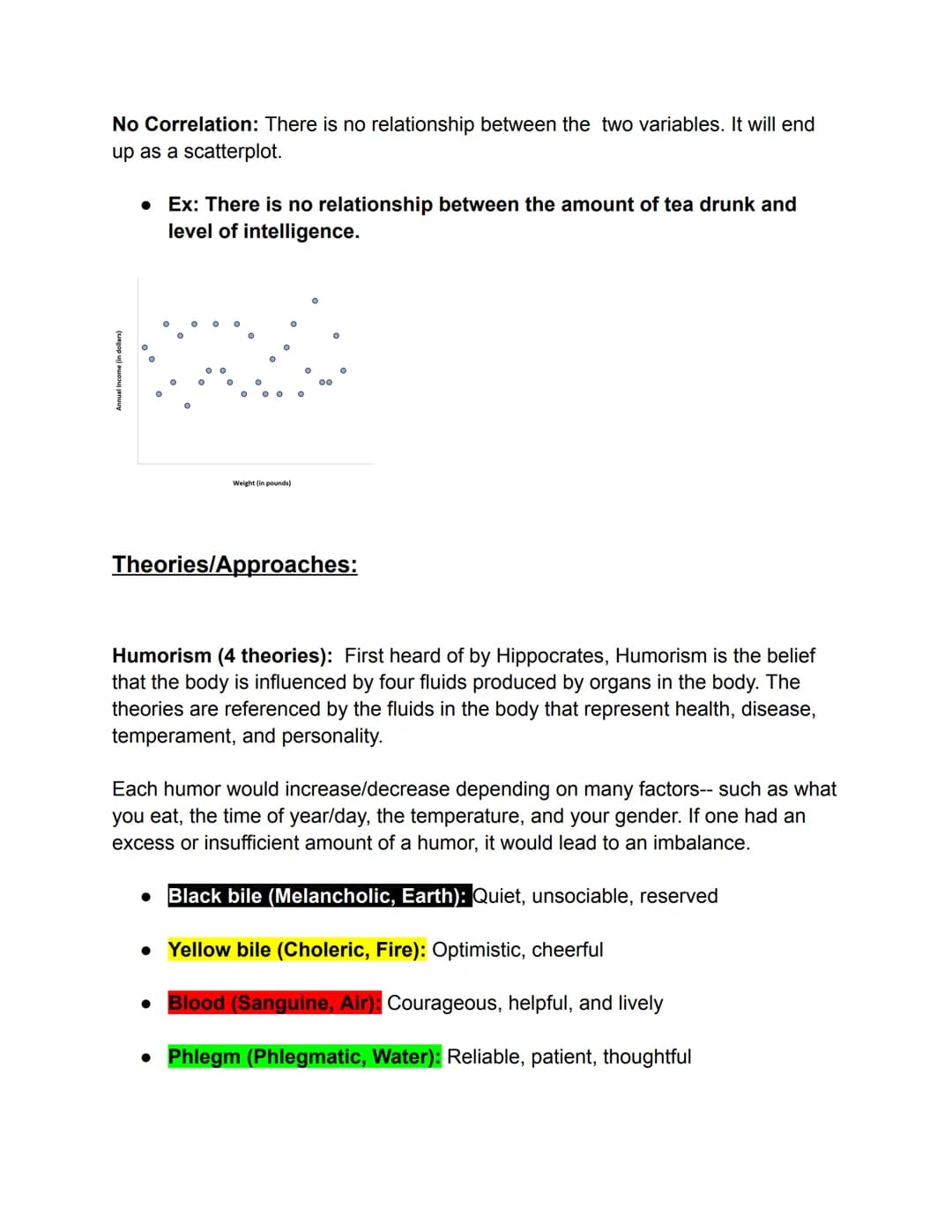
  1. Negative correlation: As one variable increases, the other decreases.

Example: The number of hours spent watching reality TV shows like Bachelor in Paradise often has a negative correlation with the number of books read.

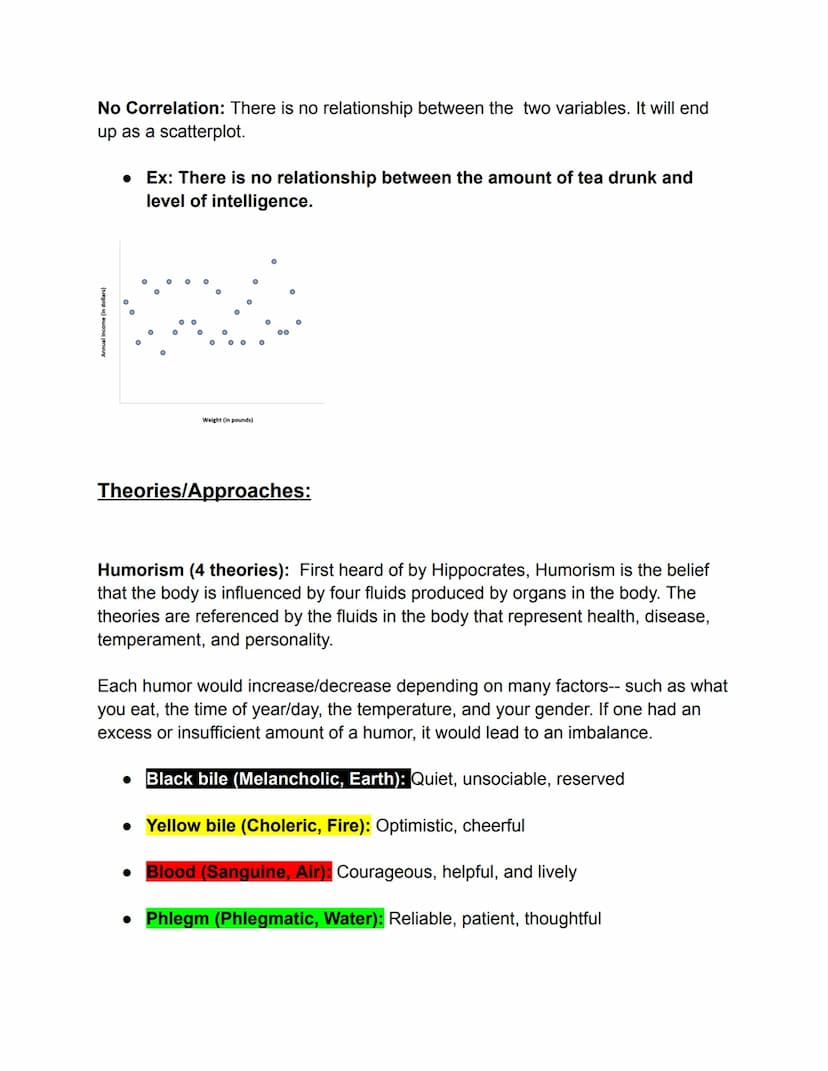
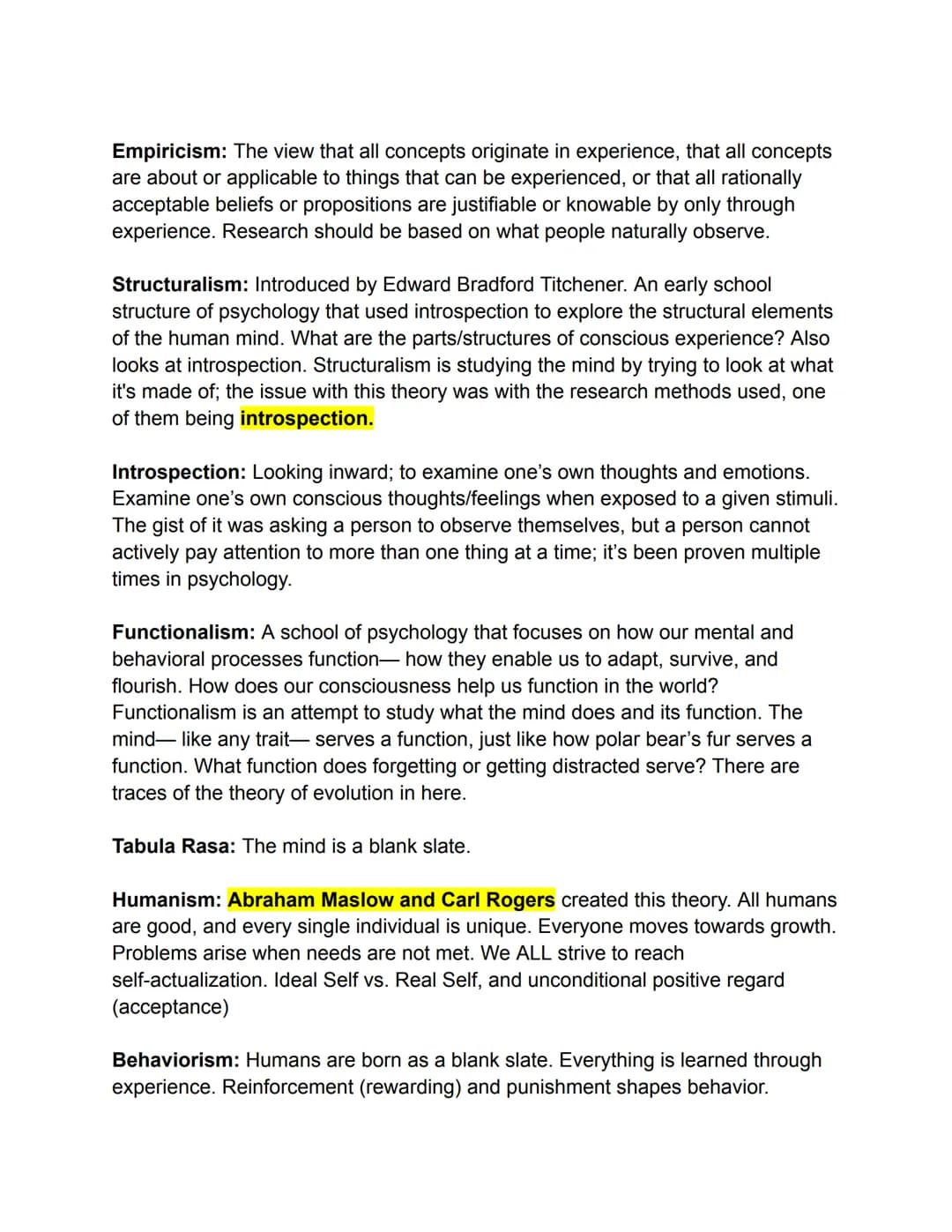
  1. No correlation: There is no relationship between the variables.

Example: There is typically no correlation between the amount of tea consumed and a person's intelligence level.

Highlight: Understanding correlations is crucial in experimental psychology cause and effect examples in everyday life, as it helps distinguish between related variables and actual causal relationships.
2
of 10
# UNIT 1: PSYCH TERMINOLOGY

Psychology: The scientific study of behavior and mental processes.

## Types of Psych Research:

Experimental:

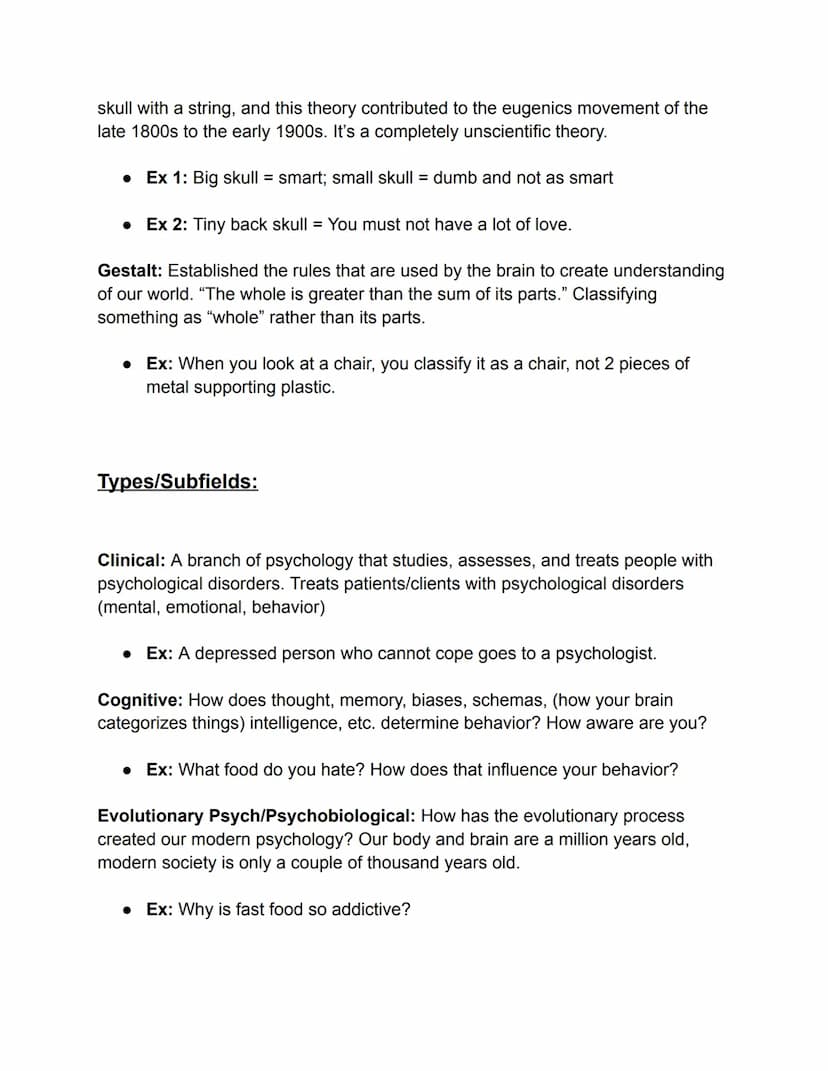
Historical Theories in Psychology: Humorism

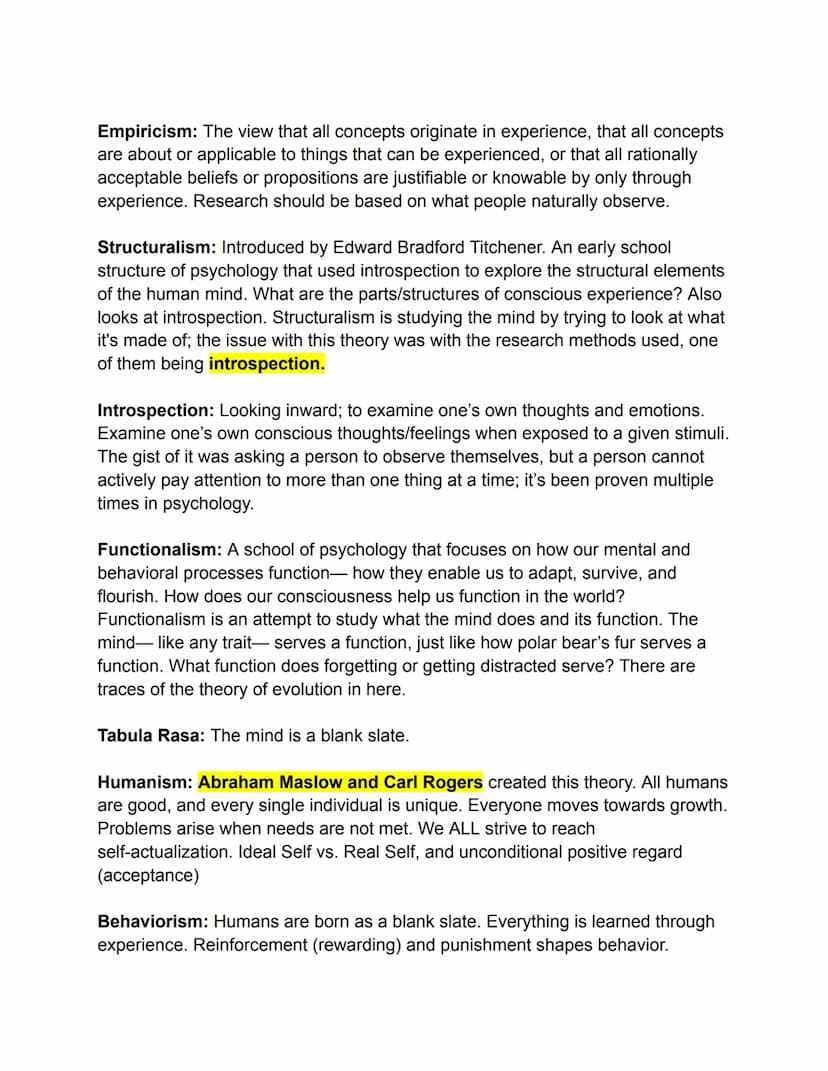
Humorism, an early psychological theory, originated with Hippocrates and influenced medical and psychological thought for centuries. This theory proposed that four bodily fluids, or "humors," influenced health, temperament, and personality.

The four humors in humorism theory were:

  1. Black bile (Melancholic, associated with Earth): Linked to a quiet, reserved personality
  2. Yellow bile (Choleric, associated with Fire): Connected to an optimistic, cheerful disposition
  3. Blood (Sanguine, associated with Air): Associated with courage and liveliness
  4. Phlegm (Phlegmatic, associated with Water): Linked to reliability and thoughtfulness

Highlight: The humorism theory psychology four fluids were believed to fluctuate based on factors like diet, time of day, temperature, and gender.

Example: An excess or deficiency in any humor was thought to cause an imbalance, leading to health issues or personality changes.

While no longer considered scientifically valid, understanding humorism provides insight into the historical development of psychological theories.

3
of 10
# UNIT 1: PSYCH TERMINOLOGY

Psychology: The scientific study of behavior and mental processes.

## Types of Psych Research:

Experimental:

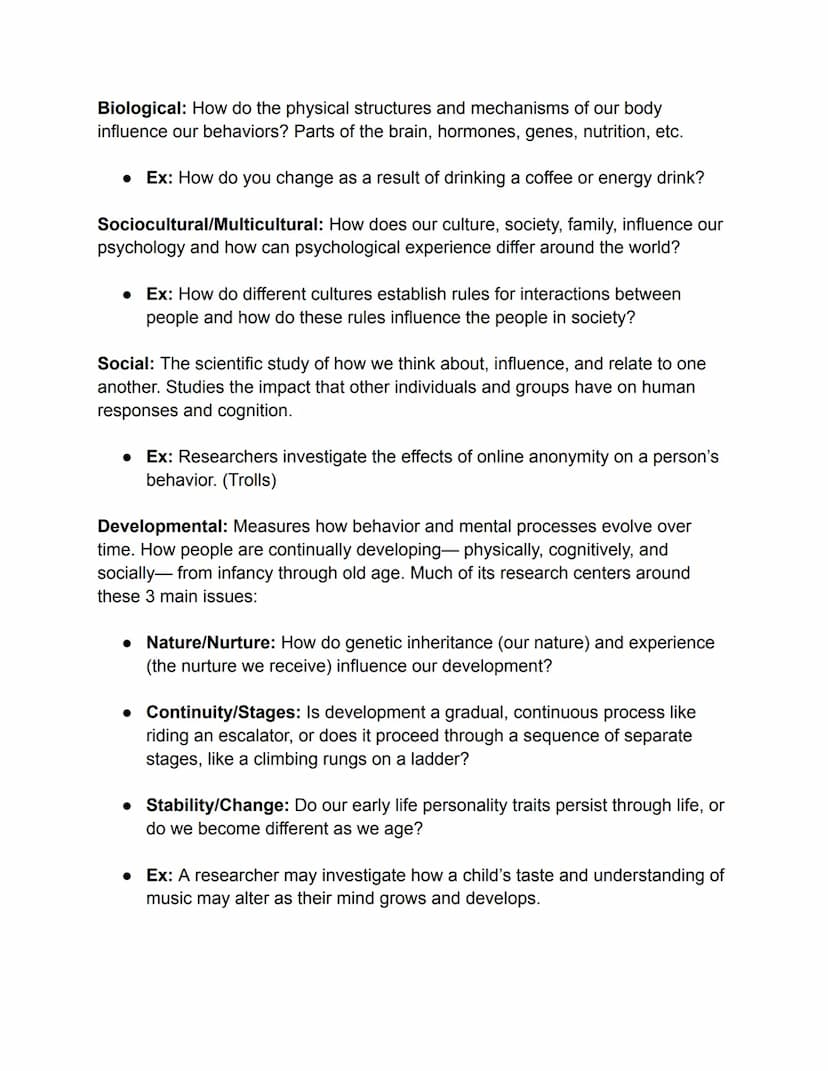
Early Schools of Psychological Thought

The field of psychology has evolved through various schools of thought, each contributing to our understanding of the human mind and behavior.

Empiricism emphasizes that all knowledge comes from sensory experience. This approach advocates for research based on natural observations.

Structuralism, introduced by Edward Bradford Titchener, aimed to identify the basic elements of consciousness through introspection.

Definition: Introspection is the examination of one's own conscious thoughts and feelings.

Functionalism focused on how mental and behavioral processes enable adaptation and survival. This approach asked how consciousness helps us function in the world.

Example: Functionalists might explore the purpose of forgetting or getting distracted, viewing these processes through an evolutionary lens.

These early schools of thought laid the groundwork for modern psychological approaches and research methods.

4
of 10
# UNIT 1: PSYCH TERMINOLOGY

Psychology: The scientific study of behavior and mental processes.

## Types of Psych Research:

Experimental:

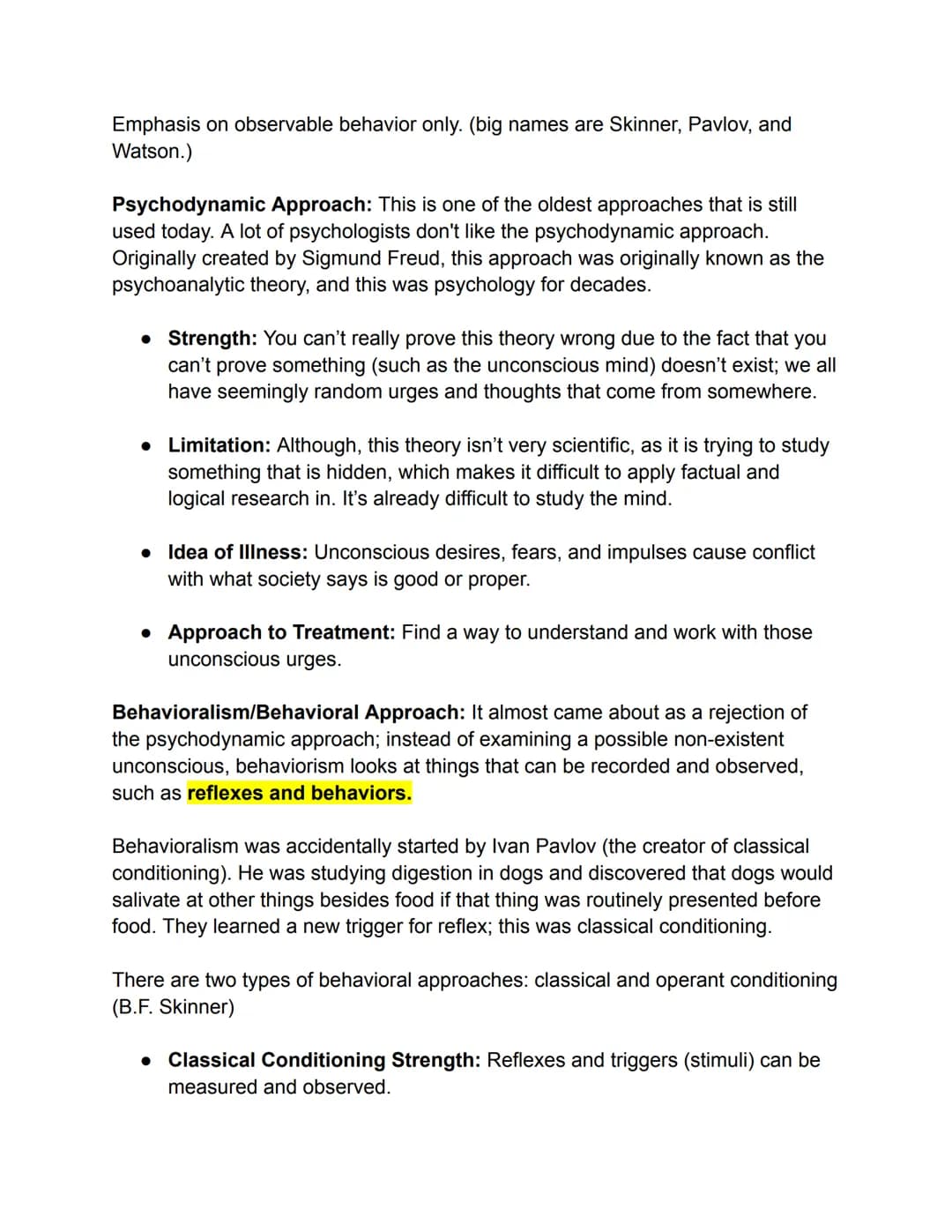
Modern Psychological Approaches

Several influential approaches have shaped modern psychology:

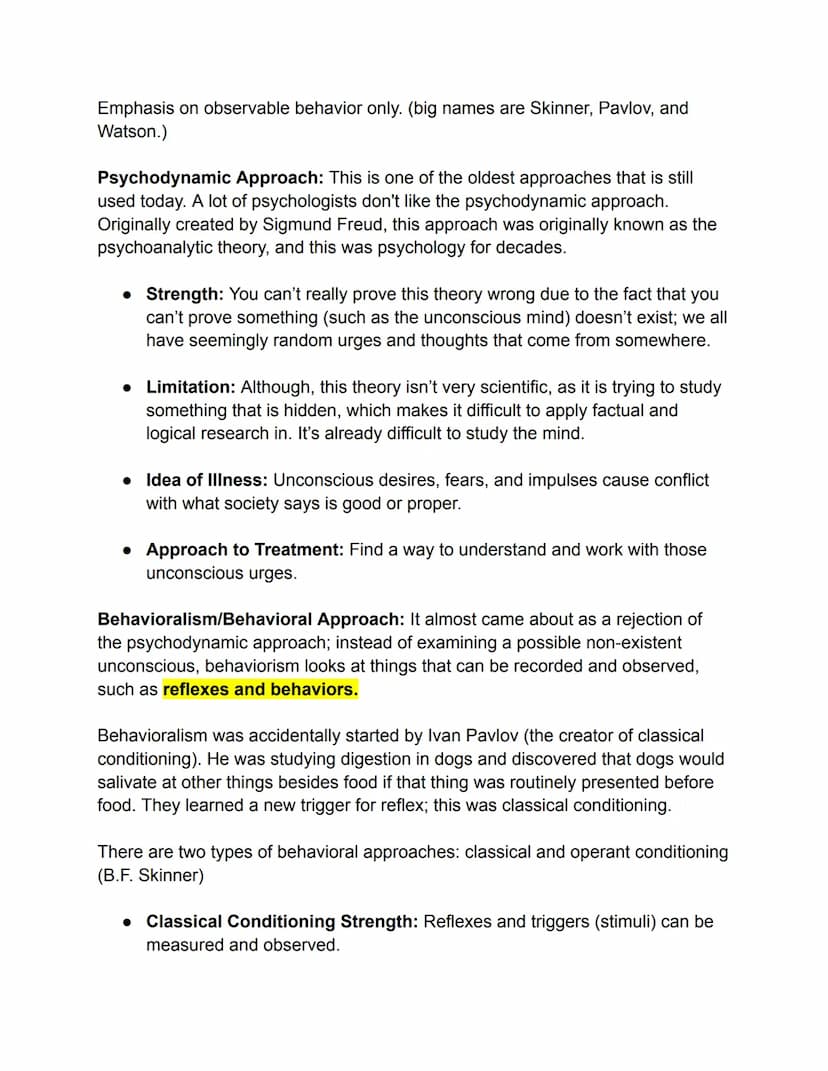
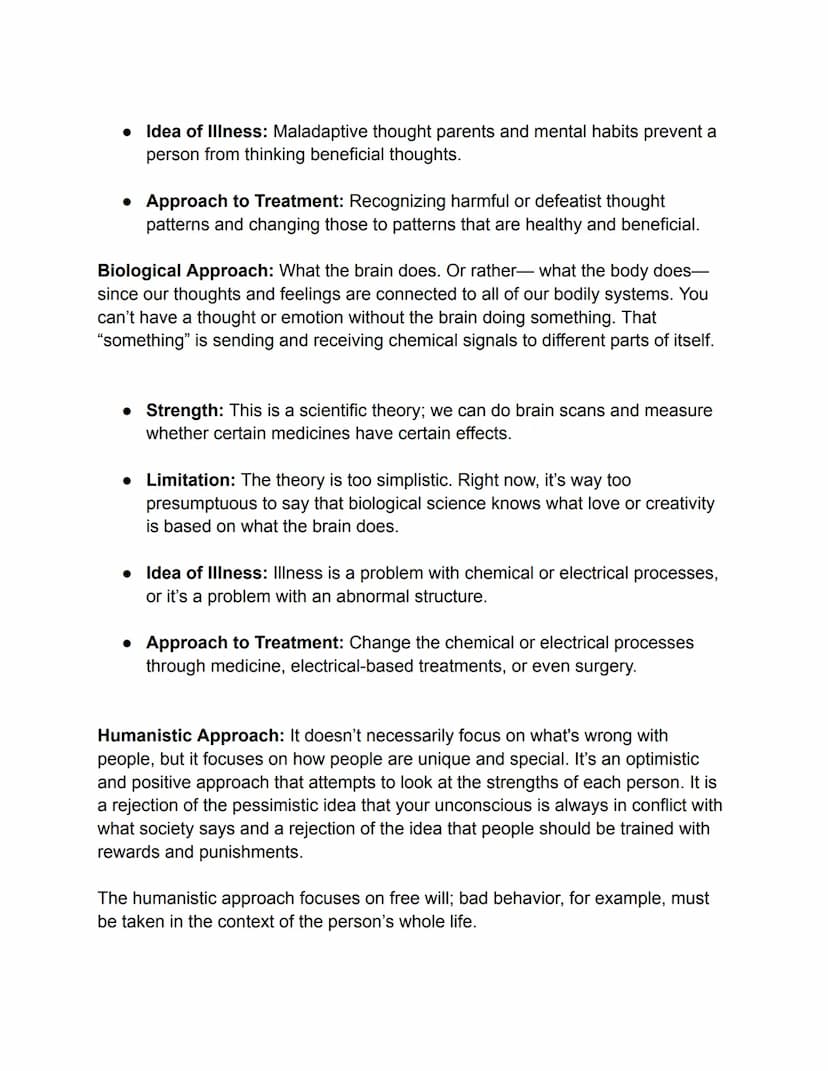
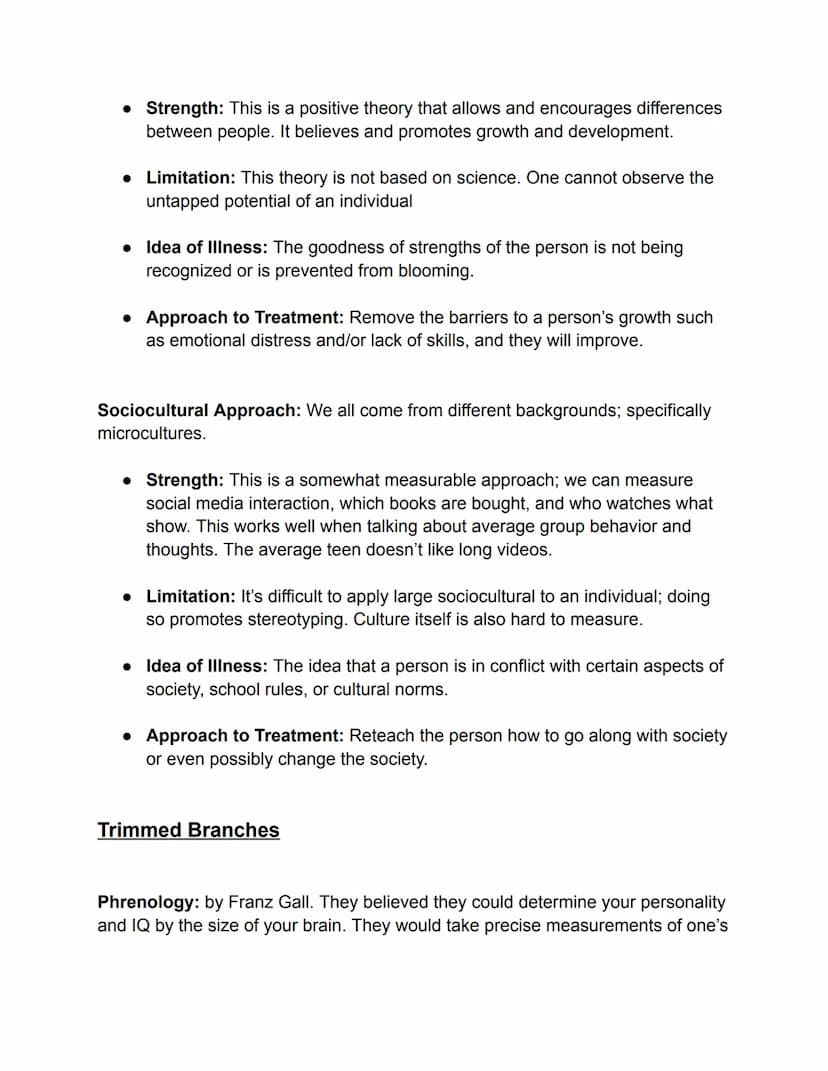
Humanism, developed by Abraham Maslow and Carl Rogers, emphasizes individual uniqueness and the innate drive towards growth and self-actualization.

Highlight: Humanistic psychology introduced concepts like the ideal self vs. real self and unconditional positive regard.

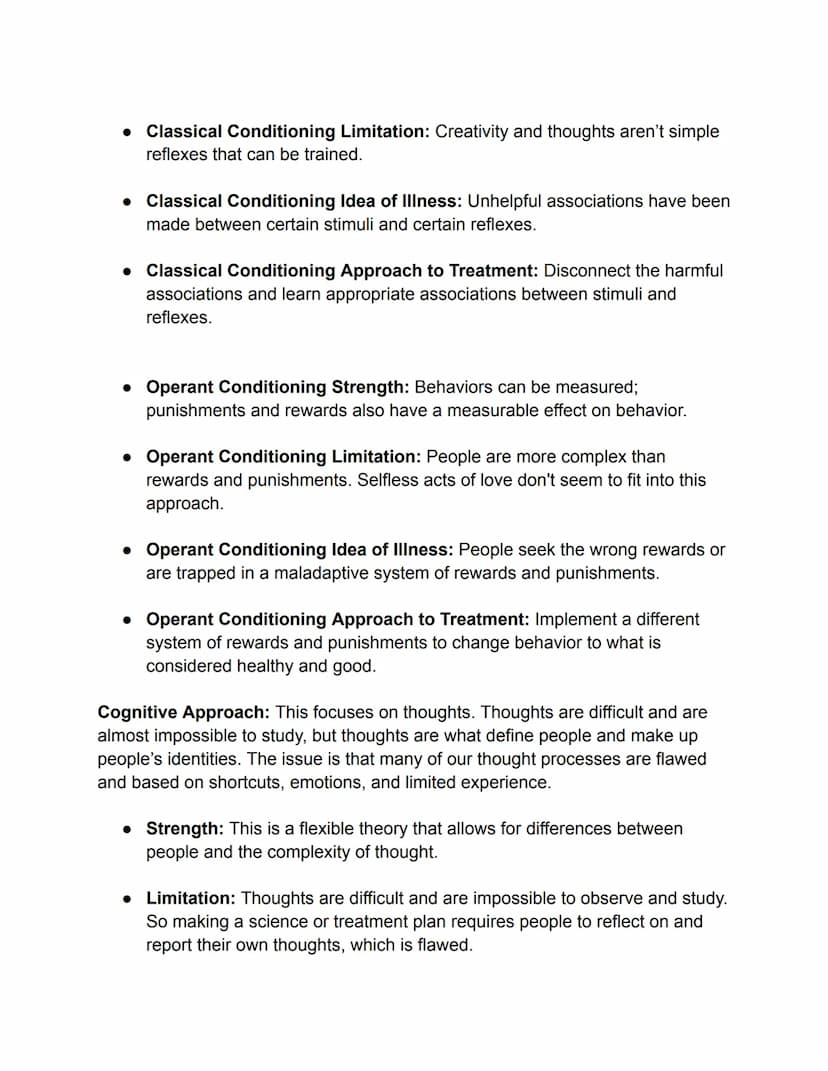
Behaviorism focuses on observable behavior and learning through experience. It emphasizes the role of reinforcement and punishment in shaping behavior.

Example: Experimental psychology cause and effect examples in behaviorism might include studying how different reward schedules affect learning rates.

The Psychodynamic Approach, originally developed by Sigmund Freud as psychoanalytic theory, remains influential despite controversy. It emphasizes unconscious processes and early life experiences in shaping personality and behavior.

These diverse approaches demonstrate the complexity of understanding human psychology and the ongoing evolution of the field.

5
of 10
# UNIT 1: PSYCH TERMINOLOGY

Psychology: The scientific study of behavior and mental processes.

## Types of Psych Research:

Experimental:

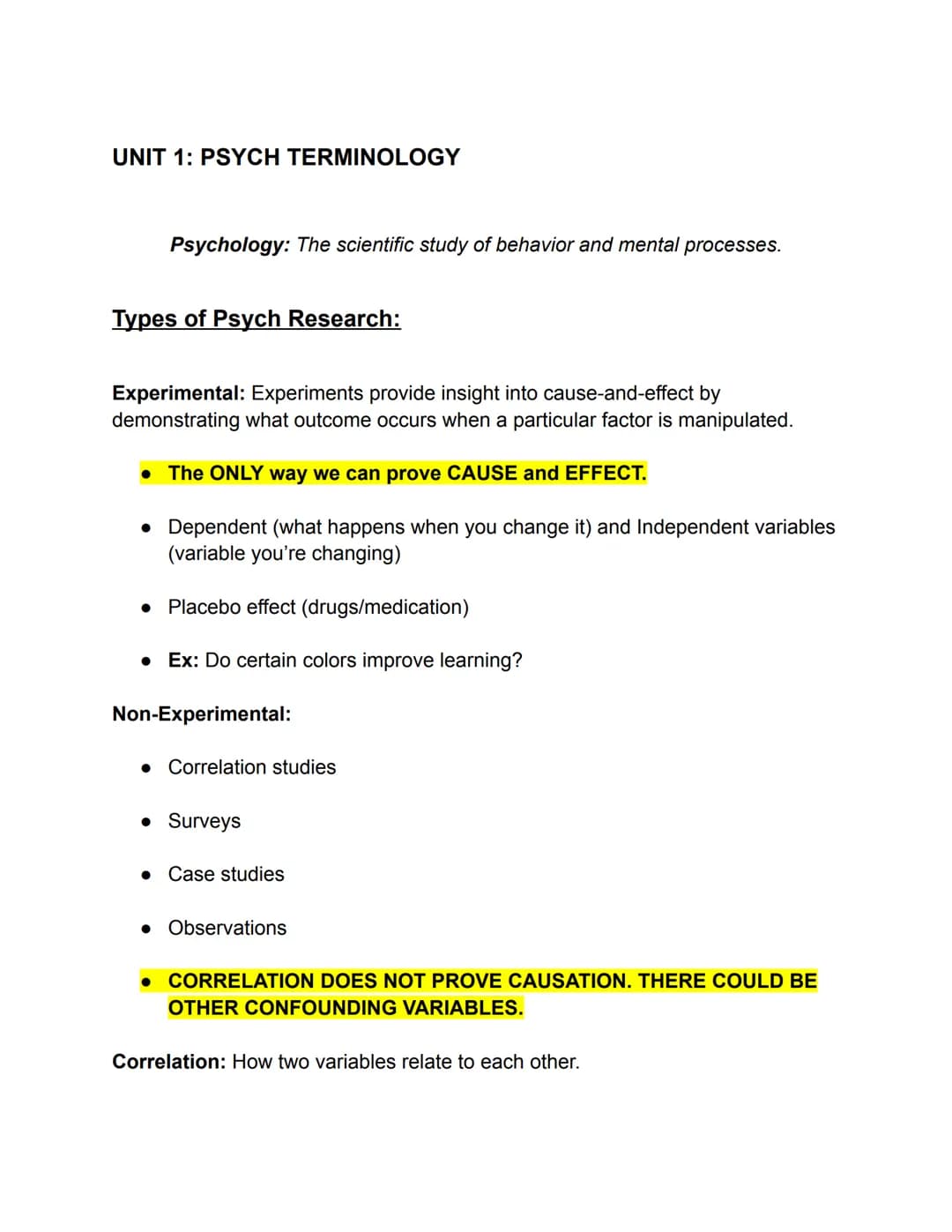
Types of Psychological Research

Psychological research encompasses both experimental and non-experimental methods to study human behavior and mental processes.

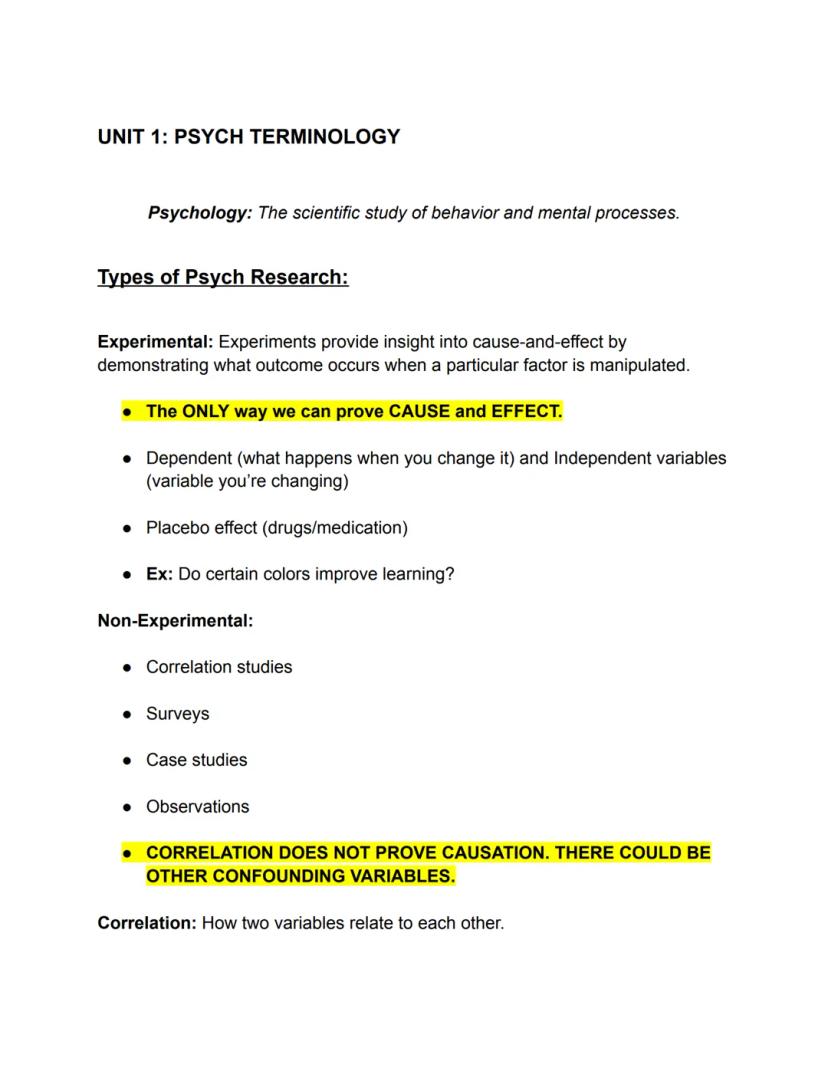
Experimental psychology involves manipulating variables to determine cause-and-effect relationships. This is the only way to definitively prove causation. Experiments utilize independent variables (what the researcher changes) and dependent variables (what is measured as a result).

Example: A study on whether certain colors improve learning would manipulate the color of study materials (independent variable) and measure test scores (dependent variable).

Non-experimental research includes correlational studies, surveys, case studies, and observations. While these methods can reveal relationships, they cannot prove causation due to potential confounding variables.

Highlight: It's crucial to remember that correlation does not equal causation in psychological research.

Vocabulary: The placebo effect refers to perceived improvements not attributable to an actual treatment, often seen in drug studies.

6
of 10
# UNIT 1: PSYCH TERMINOLOGY

Psychology: The scientific study of behavior and mental processes.

## Types of Psych Research:

Experimental:
7
of 10
# UNIT 1: PSYCH TERMINOLOGY

Psychology: The scientific study of behavior and mental processes.

## Types of Psych Research:

Experimental:
8
of 10
# UNIT 1: PSYCH TERMINOLOGY

Psychology: The scientific study of behavior and mental processes.

## Types of Psych Research:

Experimental:
9
of 10
# UNIT 1: PSYCH TERMINOLOGY

Psychology: The scientific study of behavior and mental processes.

## Types of Psych Research:

Experimental:
10
of 10
# UNIT 1: PSYCH TERMINOLOGY

Psychology: The scientific study of behavior and mental processes.

## Types of Psych Research:

Experimental:

We thought you’d never ask...

What is the Knowunity AI companion?

Our AI companion is specifically built for the needs of students. Based on the millions of content pieces we have on the platform we can provide truly meaningful and relevant answers to students. But its not only about answers, the companion is even more about guiding students through their daily learning challenges, with personalised study plans, quizzes or content pieces in the chat and 100% personalisation based on the students skills and developments.

Where can I download the Knowunity app?

You can download the app in the Google Play Store and in the Apple App Store.

Is Knowunity really free of charge?

That's right! Enjoy free access to study content, connect with fellow students, and get instant help – all at your fingertips.

Similar Content

Most popular content in AP Psychology

9

Most popular content

9
O
AP US HistoryAP US History

Origins and Dynamics of the Columbian Exchange

Analyze the ecological and economic motivations behind the initial transfer of goods, people, and diseases between the Old and New Worlds.

9th3,1280
I
AP US HistoryAP US History

Introduction to Early Cultural Interactions

Analyze the initial social and religious encounters between Europeans, Africans, and Indigenous peoples in the colonial Americas.

9th2,7730
O
AP World HistoryAP World History

Origins of Ancient River Civilizations

Analyze the environmental factors and technological innovations that led to the rise of early states in Mesopotamia, Egypt, and the Indus Valley.

9th3,1860
M
AP US HistoryAP US History

Motivations for European Exploration

Analyze the economic, religious, and political factors that drove European powers to the Americas during the 15th and 16th centuries.

9th1,7780
F
AP PsychologyAP Psychology

Foundations of Ethical Guidelines in Research

Practice the core principles of the APA ethical code including informed consent, debriefing, and the role of Institutional Review Boards.

9th1,3360
I
AP US HistoryAP US History

Introduction to Native American Societies

Examine the diverse social, political, and economic structures of North American indigenous groups prior to European contact.

9th1,1100
I
AP BiologyAP Biology

Introduction to Biological Elements of Life

Practice identifying the essential elements including carbon, nitrogen, phosphorus, and sulfur that compose biological macromolecules.

9th1,7360
I
AP US HistoryAP US History

Introduction to the Spanish Encomienda System

Explore the fundamental economic and social structures of the Spanish colonial system, focusing on the encomienda and the casta social hierarchy.

9th8890
O
AP World HistoryAP World History

Origins and Continuity of the Byzantine Empire

Analyze the political and cultural transitions from the Roman Empire to the Byzantine Empire, focusing on the reign of Justinian I and his code.

9th1,6320

Can't find what you're looking for? Explore other subjects.

Students love us — and so will you.

4.6/5App Store
4.7/5Google Play

The app is very easy to use and well designed. I have found everything I was looking for so far and have been able to learn a lot from the presentations! I will definitely use the app for a class assignment! And of course it also helps a lot as an inspiration.

Stefan SiOS user

This app is really great. There are so many study notes and help [...]. My problem subject is French, for example, and the app has so many options for help. Thanks to this app, I have improved my French. I would recommend it to anyone.

Samantha KlichAndroid user

Wow, I am really amazed. I just tried the app because I've seen it advertised many times and was absolutely stunned. This app is THE HELP you want for school and above all, it offers so many things, such as workouts and fact sheets, which have been VERY helpful to me personally.

AnnaiOS user

AP PsychologyAP Psychology1,490 views·Updated Jun 1, 2026·25 pages

Fun with Cause and Effect: Exploring Psychology Examples!

user profile picture
Vanny@coffincat

Hey kids! Ever wondered how things happen? Dive into experimental psychology with cool cause and effect examples in everyday life. Learn about positive and negative correlations and discover the humorism theory and the four humors like Hippocrates did! Get answers with sentences and find out how balancing these humors was important back then. Let's explore psychology in a fun way!

1
of 10
# UNIT 1: PSYCH TERMINOLOGY

Psychology: The scientific study of behavior and mental processes.

## Types of Psych Research:

Experimental:

Sign up to see the content. It's free!

  • Access to all documents
  • Improve your grades
  • Join milions of students

Understanding Correlations in Psychology

Correlations describe how two variables relate to each other in psychological research. There are three main types of correlations:

  1. Positive correlation: Both variables move in the same direction, either increasing or decreasing together.

Example: The number of hours spent studying for an AP exam and the resulting exam score typically show a positive correlation.

  1. Negative correlation: As one variable increases, the other decreases.

Example: The number of hours spent watching reality TV shows like Bachelor in Paradise often has a negative correlation with the number of books read.

  1. No correlation: There is no relationship between the variables.

Example: There is typically no correlation between the amount of tea consumed and a person's intelligence level.

Highlight: Understanding correlations is crucial in experimental psychology cause and effect examples in everyday life, as it helps distinguish between related variables and actual causal relationships.
2
of 10
# UNIT 1: PSYCH TERMINOLOGY

Psychology: The scientific study of behavior and mental processes.

## Types of Psych Research:

Experimental:

Sign up to see the content. It's free!

  • Access to all documents
  • Improve your grades
  • Join milions of students

Historical Theories in Psychology: Humorism

Humorism, an early psychological theory, originated with Hippocrates and influenced medical and psychological thought for centuries. This theory proposed that four bodily fluids, or "humors," influenced health, temperament, and personality.

The four humors in humorism theory were:

  1. Black bile (Melancholic, associated with Earth): Linked to a quiet, reserved personality
  2. Yellow bile (Choleric, associated with Fire): Connected to an optimistic, cheerful disposition
  3. Blood (Sanguine, associated with Air): Associated with courage and liveliness
  4. Phlegm (Phlegmatic, associated with Water): Linked to reliability and thoughtfulness

Highlight: The humorism theory psychology four fluids were believed to fluctuate based on factors like diet, time of day, temperature, and gender.

Example: An excess or deficiency in any humor was thought to cause an imbalance, leading to health issues or personality changes.

While no longer considered scientifically valid, understanding humorism provides insight into the historical development of psychological theories.

3
of 10
# UNIT 1: PSYCH TERMINOLOGY

Psychology: The scientific study of behavior and mental processes.

## Types of Psych Research:

Experimental:

Sign up to see the content. It's free!

  • Access to all documents
  • Improve your grades
  • Join milions of students

Early Schools of Psychological Thought

The field of psychology has evolved through various schools of thought, each contributing to our understanding of the human mind and behavior.

Empiricism emphasizes that all knowledge comes from sensory experience. This approach advocates for research based on natural observations.

Structuralism, introduced by Edward Bradford Titchener, aimed to identify the basic elements of consciousness through introspection.

Definition: Introspection is the examination of one's own conscious thoughts and feelings.

Functionalism focused on how mental and behavioral processes enable adaptation and survival. This approach asked how consciousness helps us function in the world.

Example: Functionalists might explore the purpose of forgetting or getting distracted, viewing these processes through an evolutionary lens.

These early schools of thought laid the groundwork for modern psychological approaches and research methods.

4
of 10
# UNIT 1: PSYCH TERMINOLOGY

Psychology: The scientific study of behavior and mental processes.

## Types of Psych Research:

Experimental:

Sign up to see the content. It's free!

  • Access to all documents
  • Improve your grades
  • Join milions of students

Modern Psychological Approaches

Several influential approaches have shaped modern psychology:

Humanism, developed by Abraham Maslow and Carl Rogers, emphasizes individual uniqueness and the innate drive towards growth and self-actualization.

Highlight: Humanistic psychology introduced concepts like the ideal self vs. real self and unconditional positive regard.

Behaviorism focuses on observable behavior and learning through experience. It emphasizes the role of reinforcement and punishment in shaping behavior.

Example: Experimental psychology cause and effect examples in behaviorism might include studying how different reward schedules affect learning rates.

The Psychodynamic Approach, originally developed by Sigmund Freud as psychoanalytic theory, remains influential despite controversy. It emphasizes unconscious processes and early life experiences in shaping personality and behavior.

These diverse approaches demonstrate the complexity of understanding human psychology and the ongoing evolution of the field.

5
of 10
# UNIT 1: PSYCH TERMINOLOGY

Psychology: The scientific study of behavior and mental processes.

## Types of Psych Research:

Experimental:

Sign up to see the content. It's free!

  • Access to all documents
  • Improve your grades
  • Join milions of students

Types of Psychological Research

Psychological research encompasses both experimental and non-experimental methods to study human behavior and mental processes.

Experimental psychology involves manipulating variables to determine cause-and-effect relationships. This is the only way to definitively prove causation. Experiments utilize independent variables (what the researcher changes) and dependent variables (what is measured as a result).

Example: A study on whether certain colors improve learning would manipulate the color of study materials (independent variable) and measure test scores (dependent variable).

Non-experimental research includes correlational studies, surveys, case studies, and observations. While these methods can reveal relationships, they cannot prove causation due to potential confounding variables.

Highlight: It's crucial to remember that correlation does not equal causation in psychological research.

Vocabulary: The placebo effect refers to perceived improvements not attributable to an actual treatment, often seen in drug studies.

6
of 10
# UNIT 1: PSYCH TERMINOLOGY

Psychology: The scientific study of behavior and mental processes.

## Types of Psych Research:

Experimental:

Sign up to see the content. It's free!

  • Access to all documents
  • Improve your grades
  • Join milions of students
7
of 10
# UNIT 1: PSYCH TERMINOLOGY

Psychology: The scientific study of behavior and mental processes.

## Types of Psych Research:

Experimental:

Sign up to see the content. It's free!

  • Access to all documents
  • Improve your grades
  • Join milions of students
8
of 10
# UNIT 1: PSYCH TERMINOLOGY

Psychology: The scientific study of behavior and mental processes.

## Types of Psych Research:

Experimental:

Sign up to see the content. It's free!

  • Access to all documents
  • Improve your grades
  • Join milions of students
9
of 10
# UNIT 1: PSYCH TERMINOLOGY

Psychology: The scientific study of behavior and mental processes.

## Types of Psych Research:

Experimental:

Sign up to see the content. It's free!

  • Access to all documents
  • Improve your grades
  • Join milions of students
10
of 10
# UNIT 1: PSYCH TERMINOLOGY

Psychology: The scientific study of behavior and mental processes.

## Types of Psych Research:

Experimental:

Sign up to see the content. It's free!

  • Access to all documents
  • Improve your grades
  • Join milions of students

We thought you’d never ask...

What is the Knowunity AI companion?

Our AI companion is specifically built for the needs of students. Based on the millions of content pieces we have on the platform we can provide truly meaningful and relevant answers to students. But its not only about answers, the companion is even more about guiding students through their daily learning challenges, with personalised study plans, quizzes or content pieces in the chat and 100% personalisation based on the students skills and developments.

Where can I download the Knowunity app?

You can download the app in the Google Play Store and in the Apple App Store.

Is Knowunity really free of charge?

That's right! Enjoy free access to study content, connect with fellow students, and get instant help – all at your fingertips.

Similar Content

Most popular content in AP Psychology

9

Most popular content

9
O
AP US HistoryAP US History

Origins and Dynamics of the Columbian Exchange

Analyze the ecological and economic motivations behind the initial transfer of goods, people, and diseases between the Old and New Worlds.

9th3,1280
I
AP US HistoryAP US History

Introduction to Early Cultural Interactions

Analyze the initial social and religious encounters between Europeans, Africans, and Indigenous peoples in the colonial Americas.

9th2,7730
O
AP World HistoryAP World History

Origins of Ancient River Civilizations

Analyze the environmental factors and technological innovations that led to the rise of early states in Mesopotamia, Egypt, and the Indus Valley.

9th3,1860
M
AP US HistoryAP US History

Motivations for European Exploration

Analyze the economic, religious, and political factors that drove European powers to the Americas during the 15th and 16th centuries.

9th1,7780
F
AP PsychologyAP Psychology

Foundations of Ethical Guidelines in Research

Practice the core principles of the APA ethical code including informed consent, debriefing, and the role of Institutional Review Boards.

9th1,3360
I
AP US HistoryAP US History

Introduction to Native American Societies

Examine the diverse social, political, and economic structures of North American indigenous groups prior to European contact.

9th1,1100
I
AP BiologyAP Biology

Introduction to Biological Elements of Life

Practice identifying the essential elements including carbon, nitrogen, phosphorus, and sulfur that compose biological macromolecules.

9th1,7360
I
AP US HistoryAP US History

Introduction to the Spanish Encomienda System

Explore the fundamental economic and social structures of the Spanish colonial system, focusing on the encomienda and the casta social hierarchy.

9th8890
O
AP World HistoryAP World History

Origins and Continuity of the Byzantine Empire

Analyze the political and cultural transitions from the Roman Empire to the Byzantine Empire, focusing on the reign of Justinian I and his code.

9th1,6320

Can't find what you're looking for? Explore other subjects.

Students love us — and so will you.

4.6/5App Store
4.7/5Google Play

The app is very easy to use and well designed. I have found everything I was looking for so far and have been able to learn a lot from the presentations! I will definitely use the app for a class assignment! And of course it also helps a lot as an inspiration.

Stefan SiOS user

This app is really great. There are so many study notes and help [...]. My problem subject is French, for example, and the app has so many options for help. Thanks to this app, I have improved my French. I would recommend it to anyone.

Samantha KlichAndroid user

Wow, I am really amazed. I just tried the app because I've seen it advertised many times and was absolutely stunned. This app is THE HELP you want for school and above all, it offers so many things, such as workouts and fact sheets, which have been VERY helpful to me personally.

AnnaiOS user