Understanding Cellular Energy Production: From Krebs Cycle to Electron Transport Chain
The intricate process of cellular energy production involves multiple stages occurring in different cellular compartments. Krebs Cycle and Electron Transport Chain explained form the cornerstone of energy metabolism in living cells, working in concert to generate the ATP molecules necessary for life.
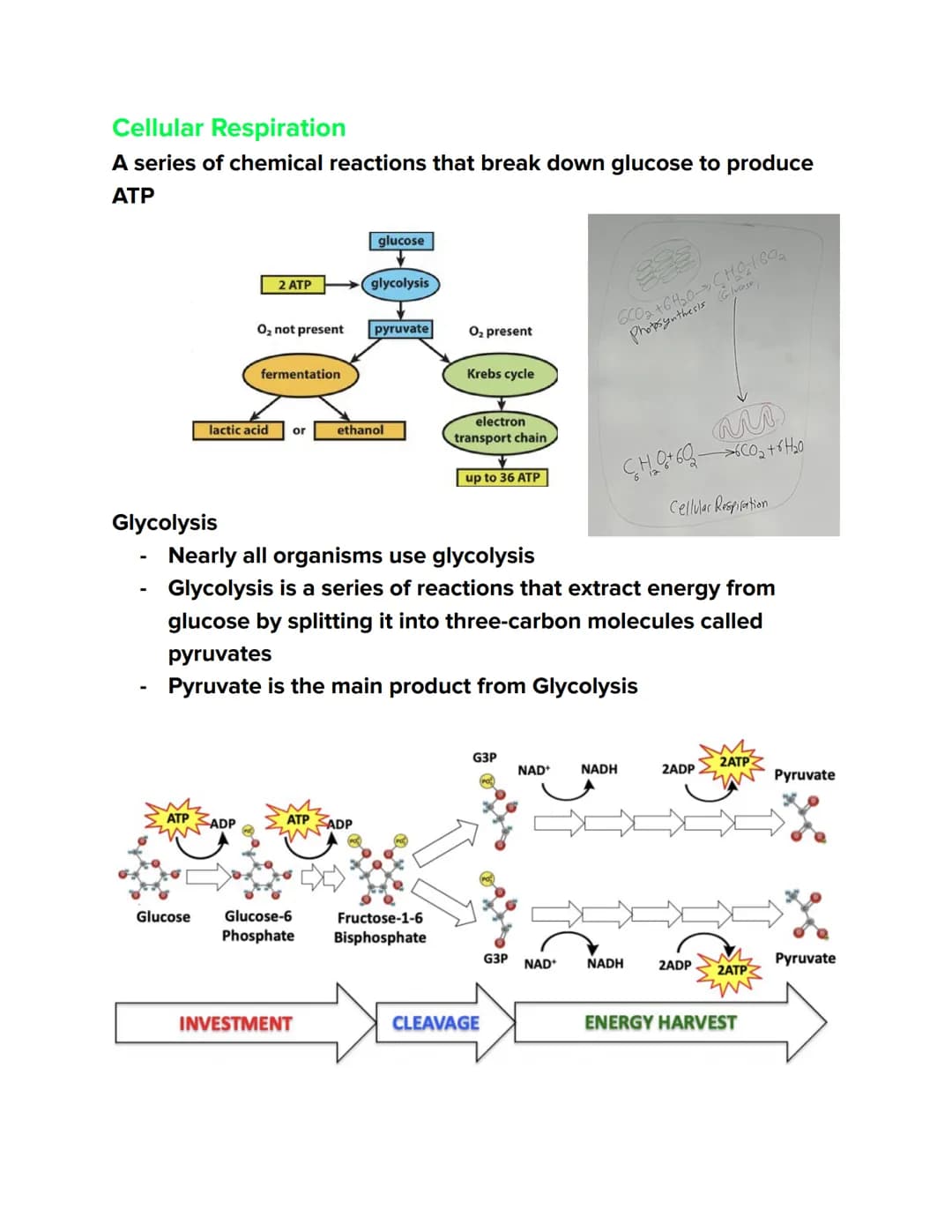
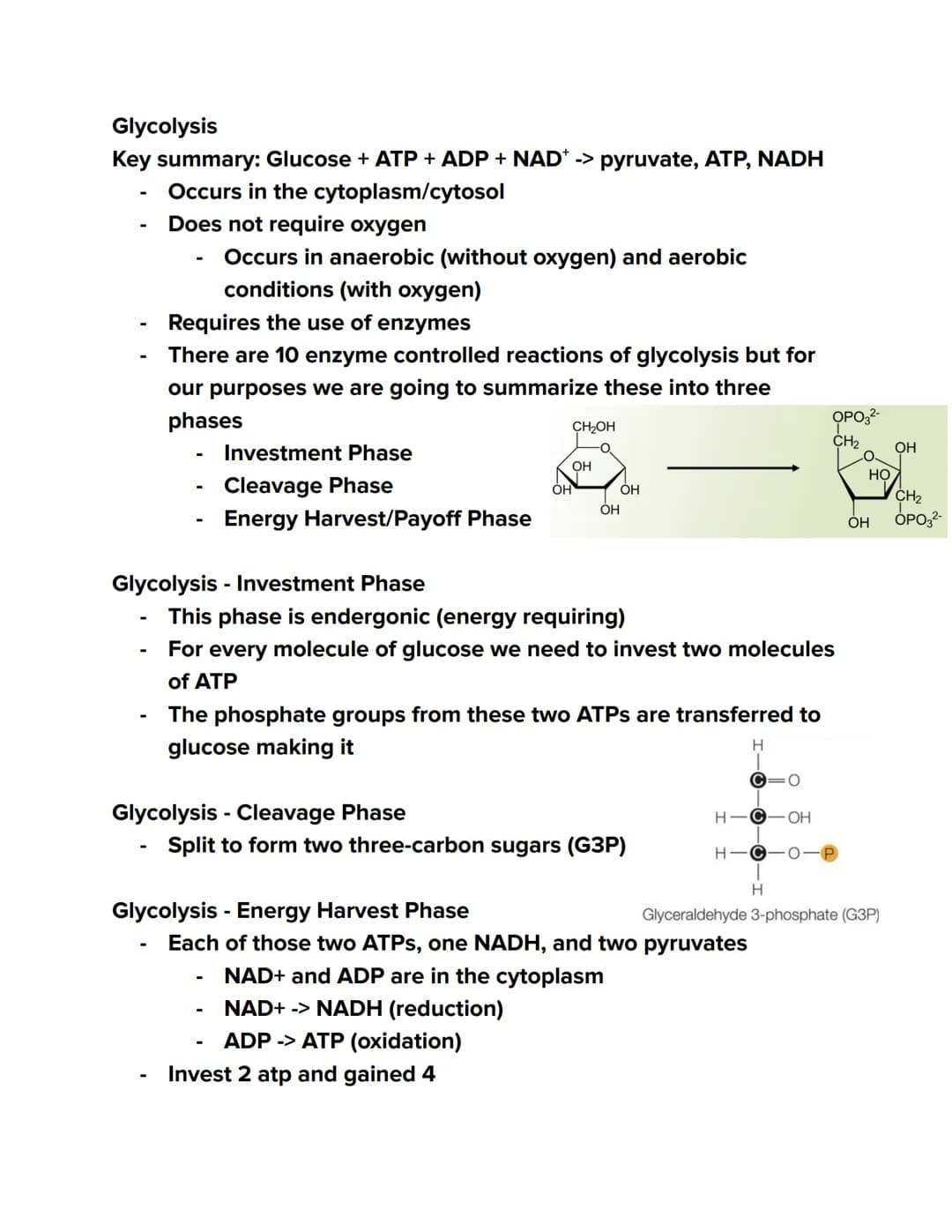
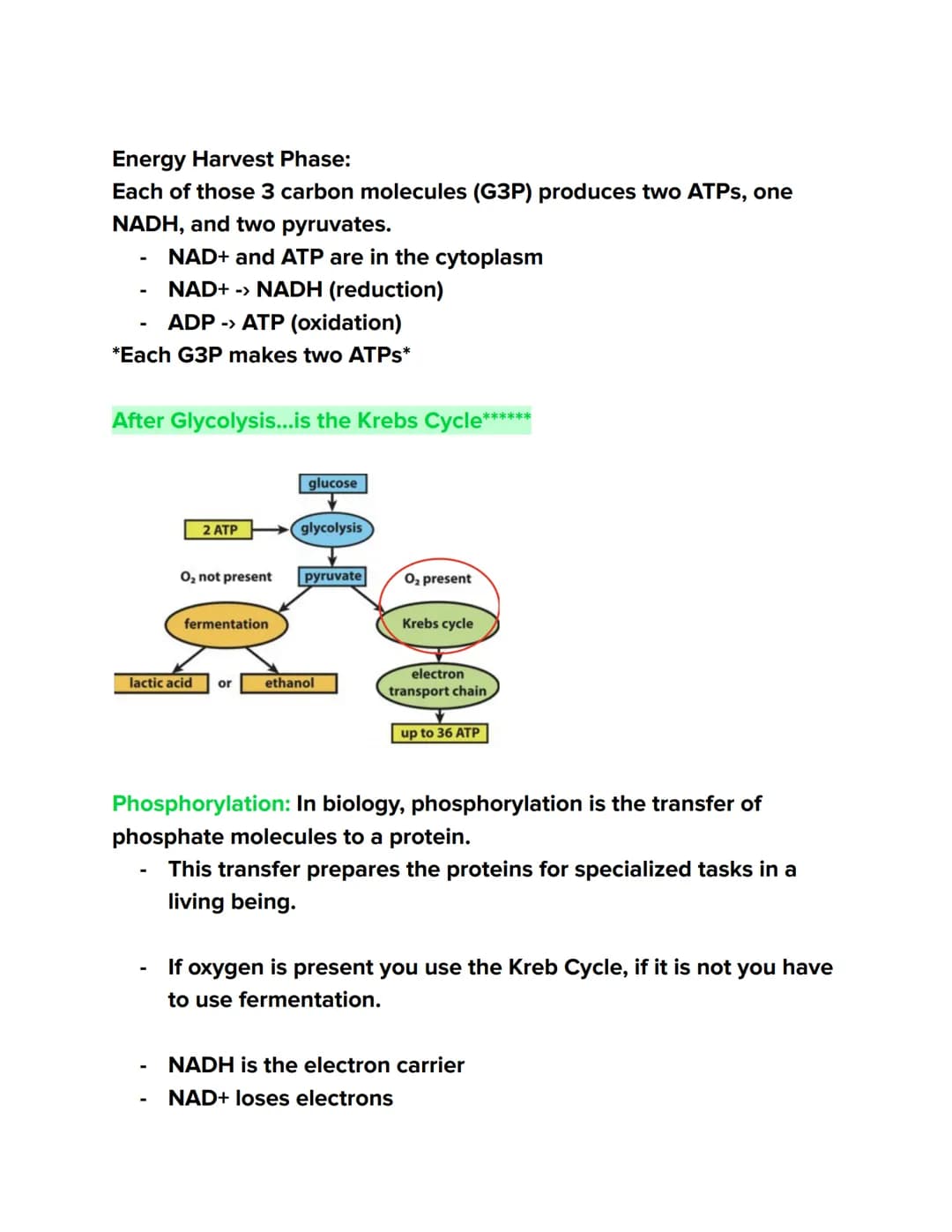
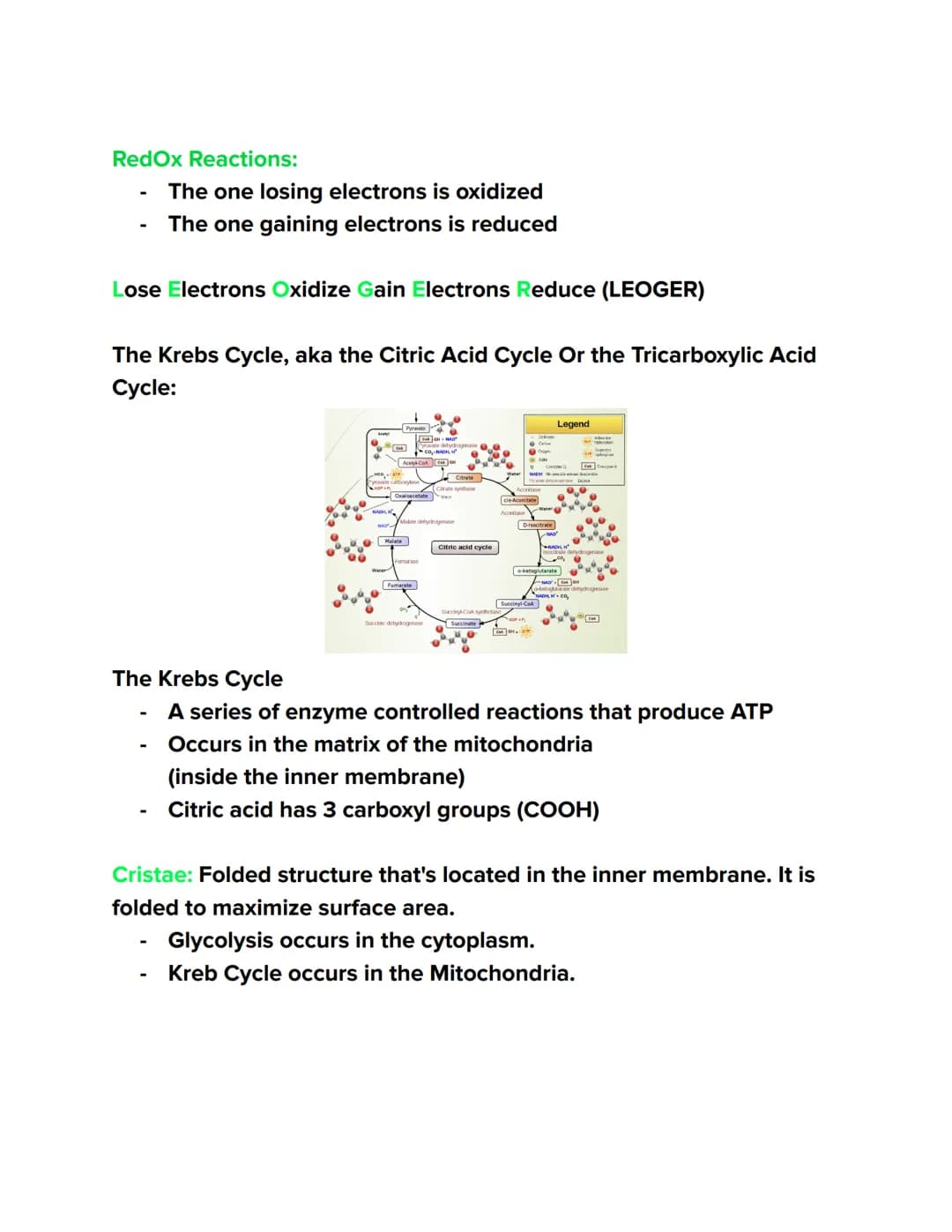
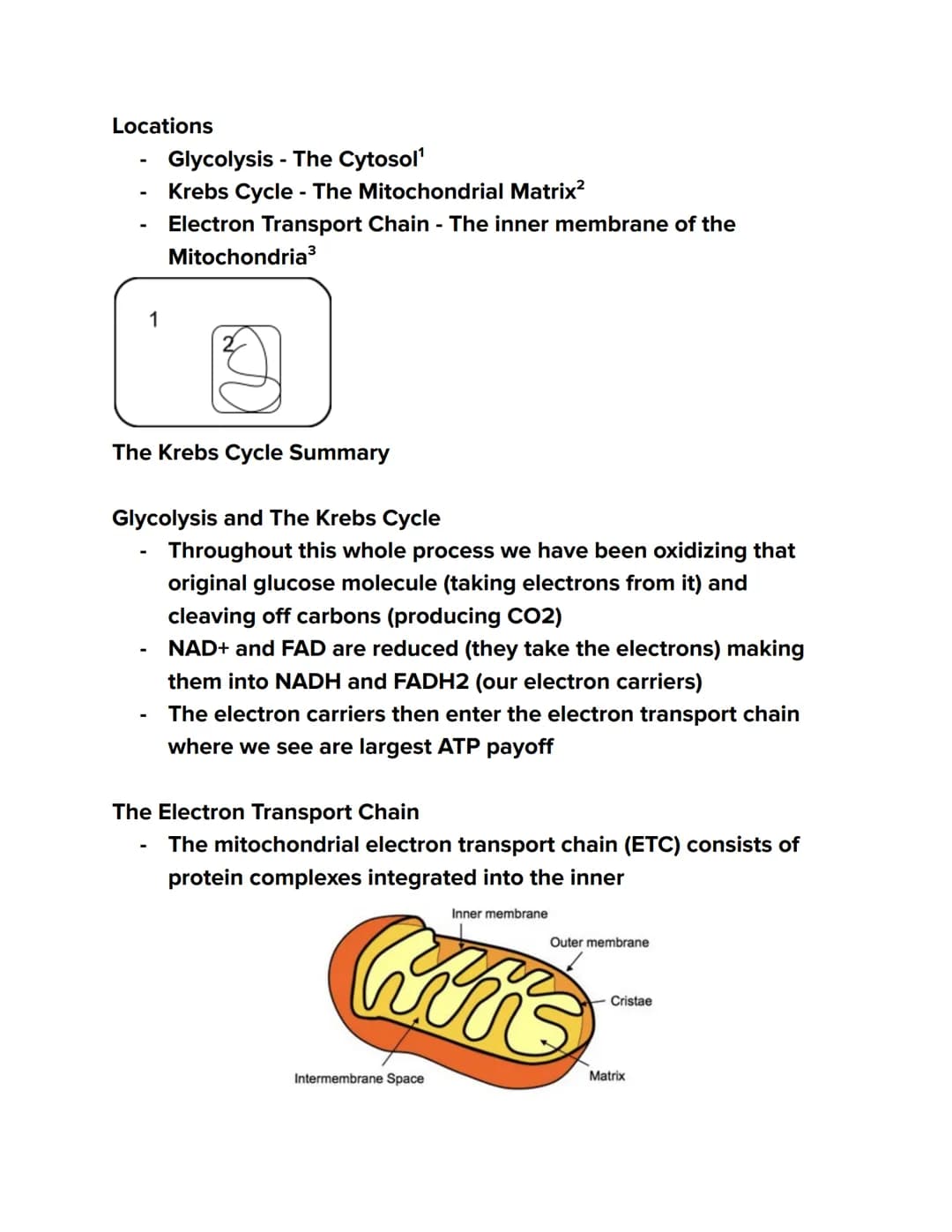
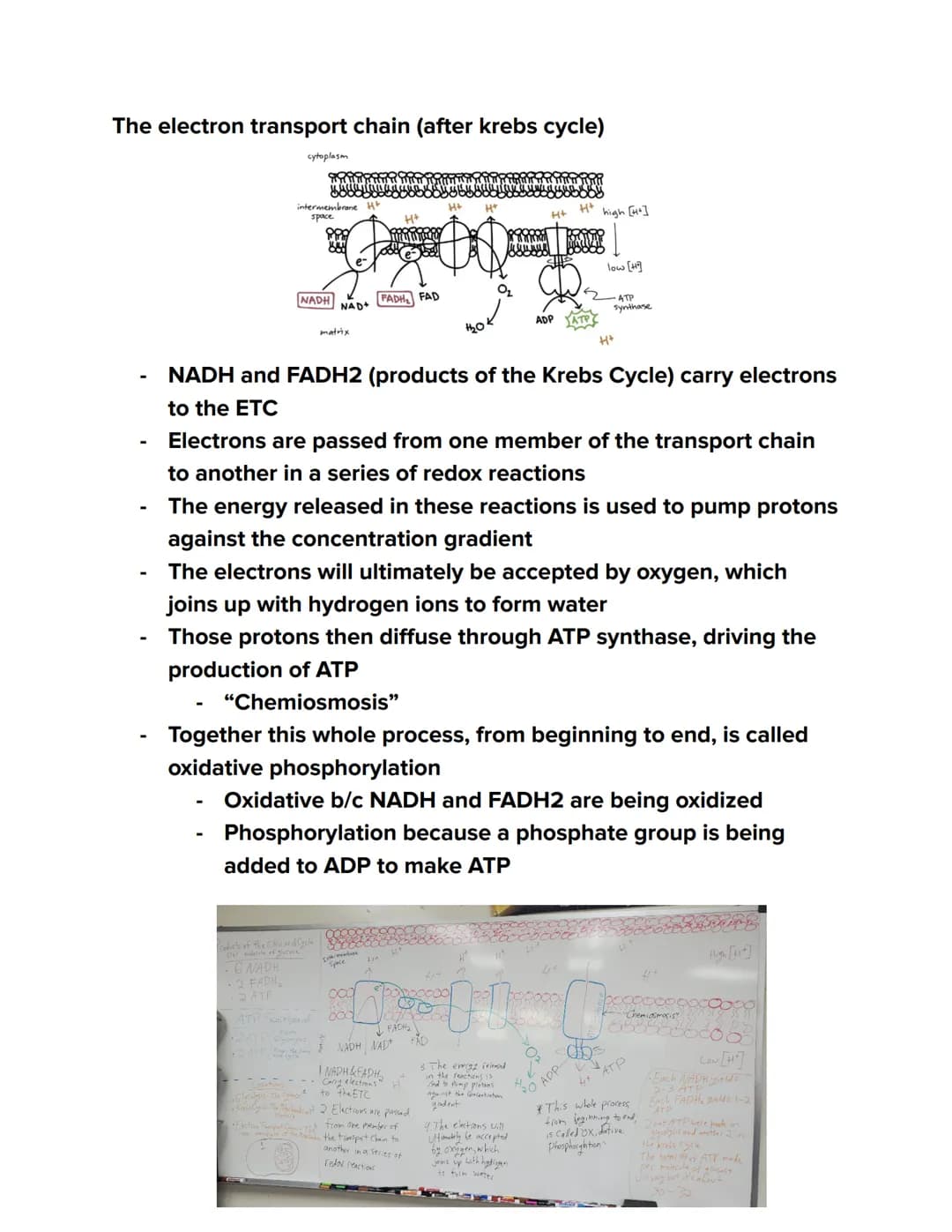
The Krebs Cycle, also known as the citric acid cycle, takes place in the mitochondrial matrix. This complex series of chemical reactions begins when pyruvate, produced from glycolysis steps for ATP production, enters the mitochondria. Through a series of enzyme-controlled reactions, the cycle oxidizes nutrients to generate energy-rich electron carriers NADH and FADH₂.
Definition: The Krebs Cycle is a series of chemical reactions that break down nutrients to produce ATP, NADH, and FADH₂ in the mitochondrial matrix.
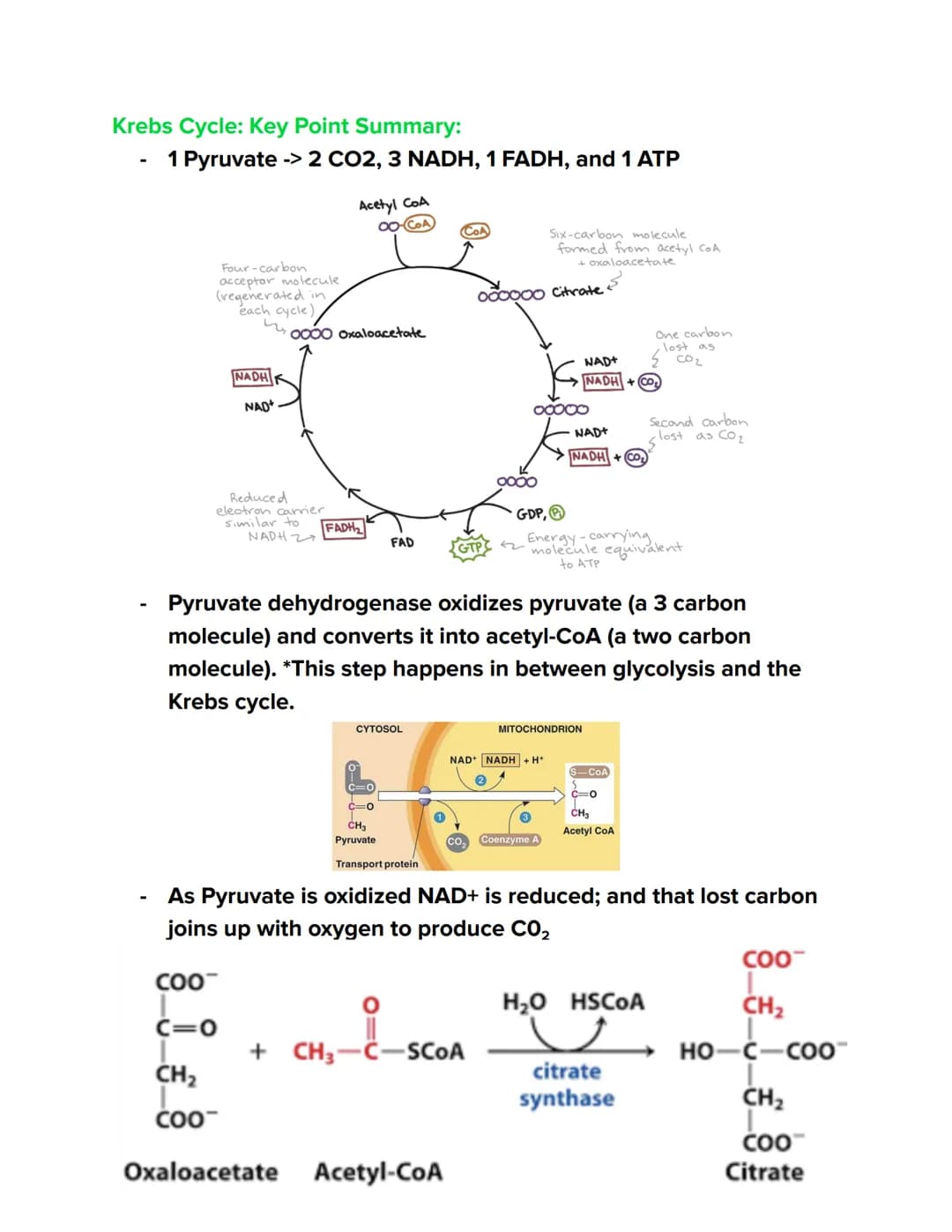
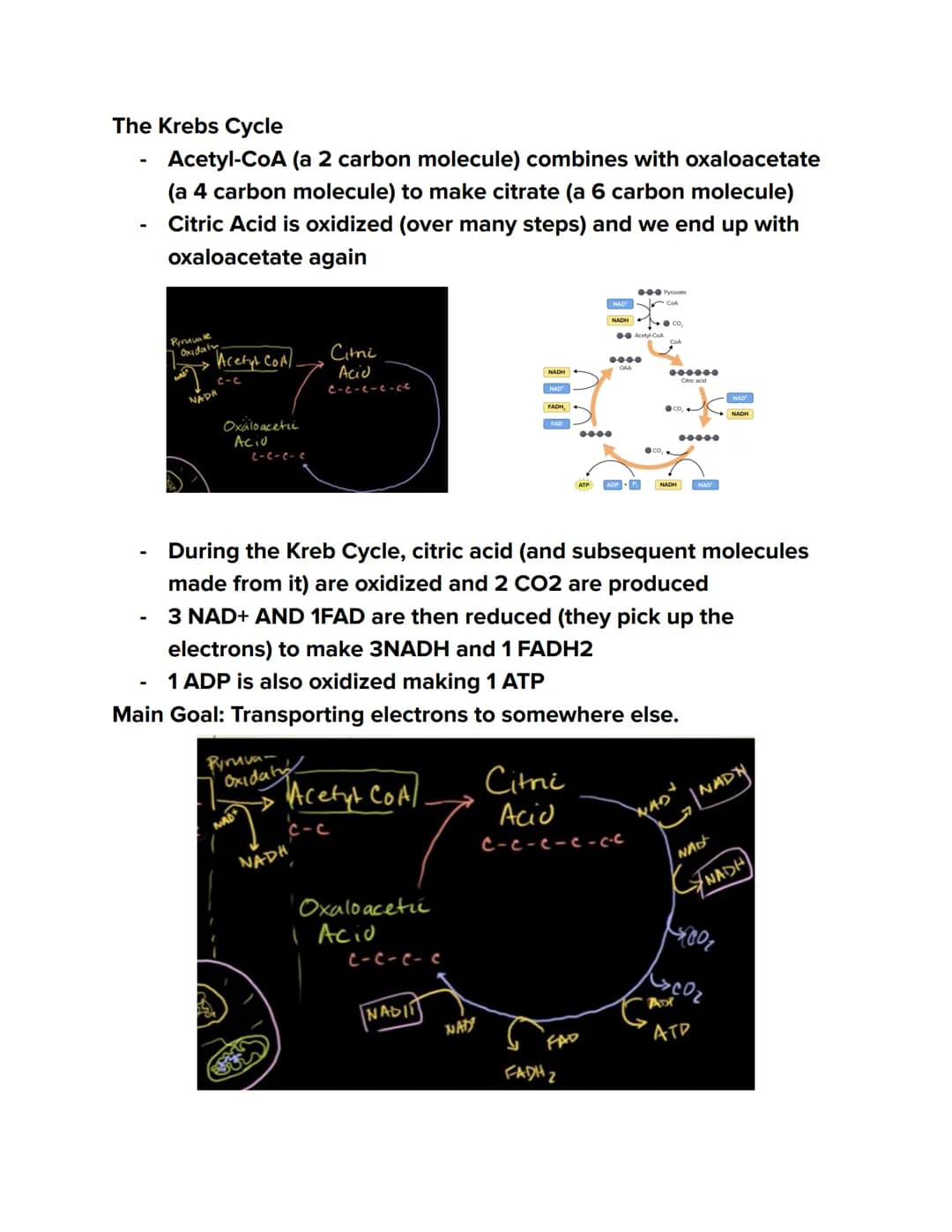
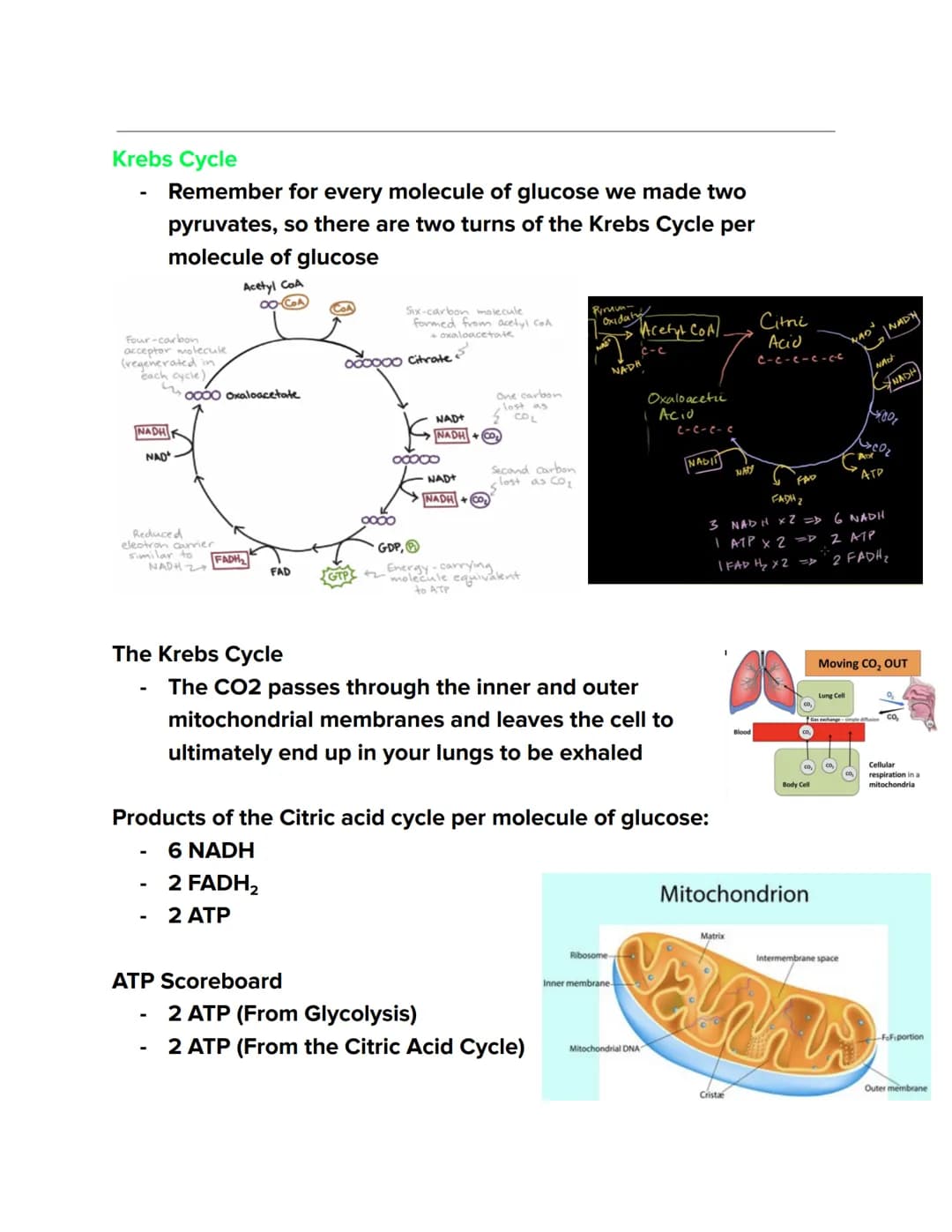
During each turn of the cycle, acetyl-CoA combines with oxaloacetate to form citrate, which then undergoes several oxidation steps. These reactions produce two CO₂ molecules, three NADH molecules, one FADH₂, and one ATP molecule per turn. Since glucose produces two pyruvate molecules, the cycle turns twice for each glucose molecule processed.



 Biology
 Algebra
 Overige
 Algebra 1
 Calculus 1