Understanding Different Approaches to Mental Health Treatment
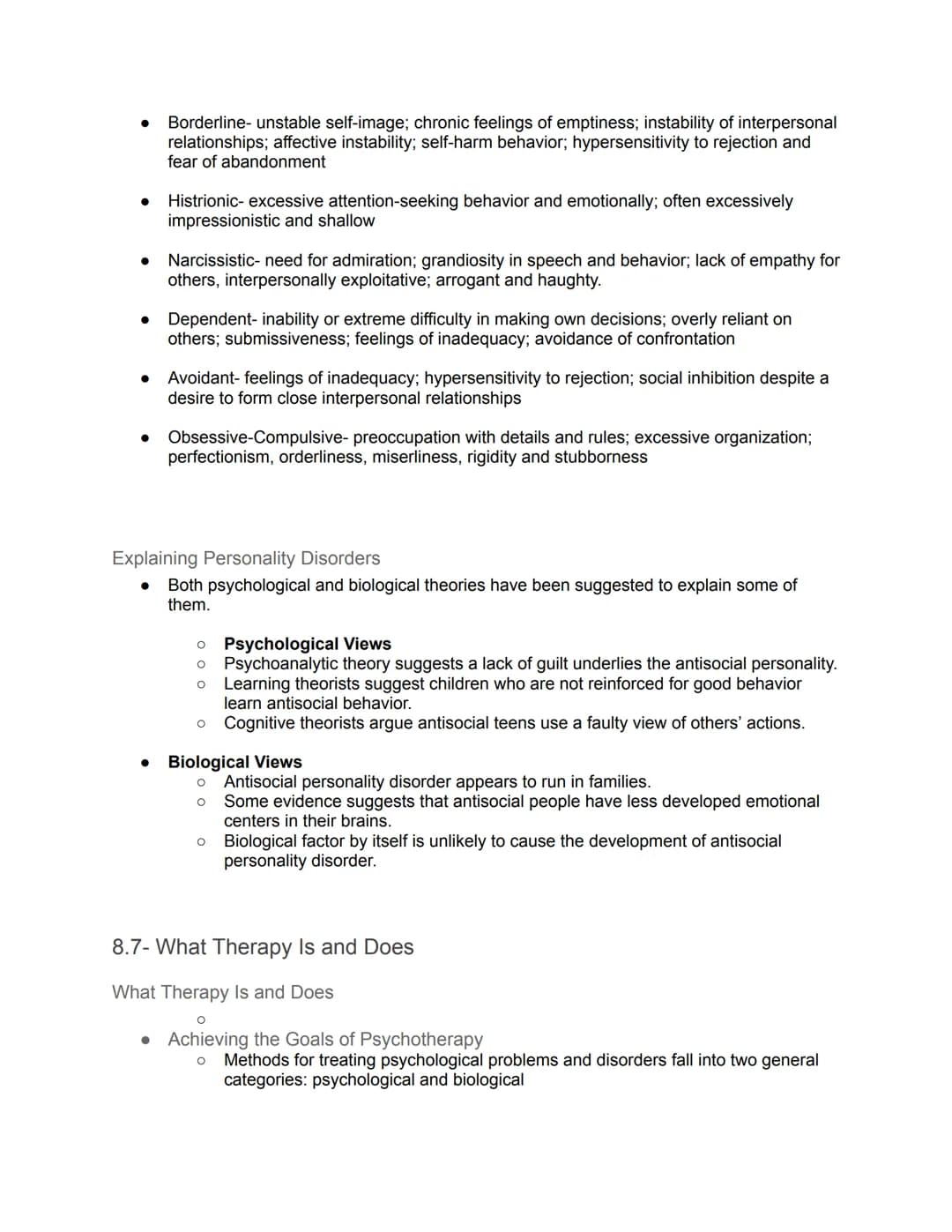
Mental health treatment encompasses various therapeutic approaches designed to help individuals overcome psychological challenges and improve their well-being. Professional mental health care typically falls into two main categories: psychotherapy and biological treatments. Psychotherapy involves structured conversations between trained professionals and clients, while biological treatments utilize medical interventions like medication.
Definition: Psychotherapy is a psychological treatment approach that uses verbal communication and therapeutic relationships between mental health professionals and clients to address psychological difficulties and promote emotional healing.
The mental health field includes several types of qualified professionals, each with specific training and expertise. Clinical psychologists typically work in medical settings and handle more severe psychological conditions, while counseling psychologists often practice in educational environments and address less acute issues. Psychiatrists, as medical doctors, have the unique ability to prescribe medications when necessary.
Treatment approaches vary significantly, with four primary methods dominating the field: psychoanalysis, humanistic therapy, cognitive therapy, and behavioral therapy. Each approach offers distinct benefits and may be more suitable for different individuals or conditions. When selecting a mental health professional, it's crucial to consider their credentials, licensing status, treatment philosophy, and practical aspects like cost and duration of treatment.
Highlight: Key factors in choosing a mental health professional include:
- Professional credentials and licensing
- Treatment approach and duration
- Cost and insurance coverage
- Specialization in relevant areas
- Communication style and therapeutic fit






 Health & Social Care
 Fun Stuff
 Algebra
 Overige
 Algebra 1
 Calculus 1