Muhammad Ali's Modernization of Egypt
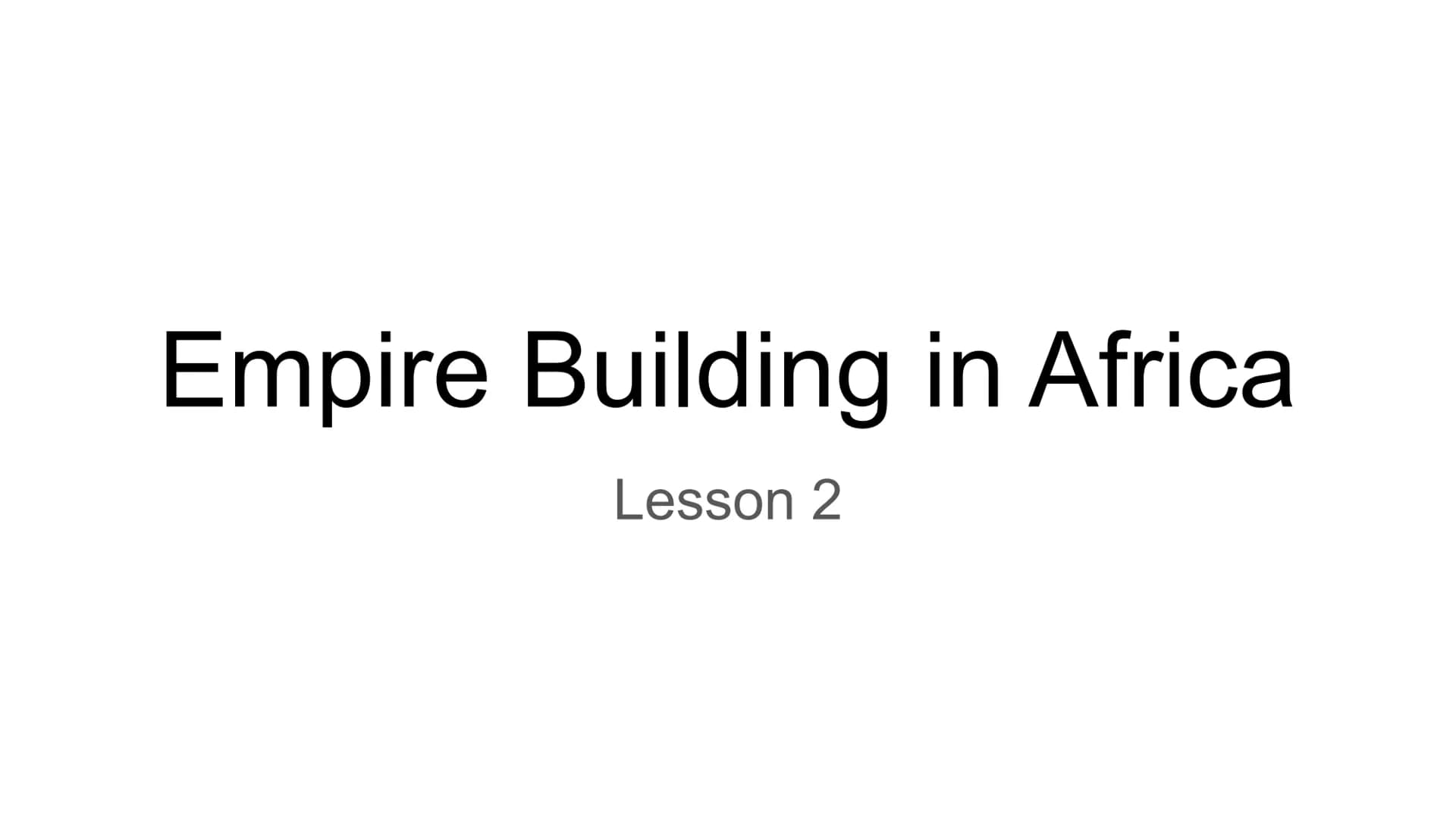
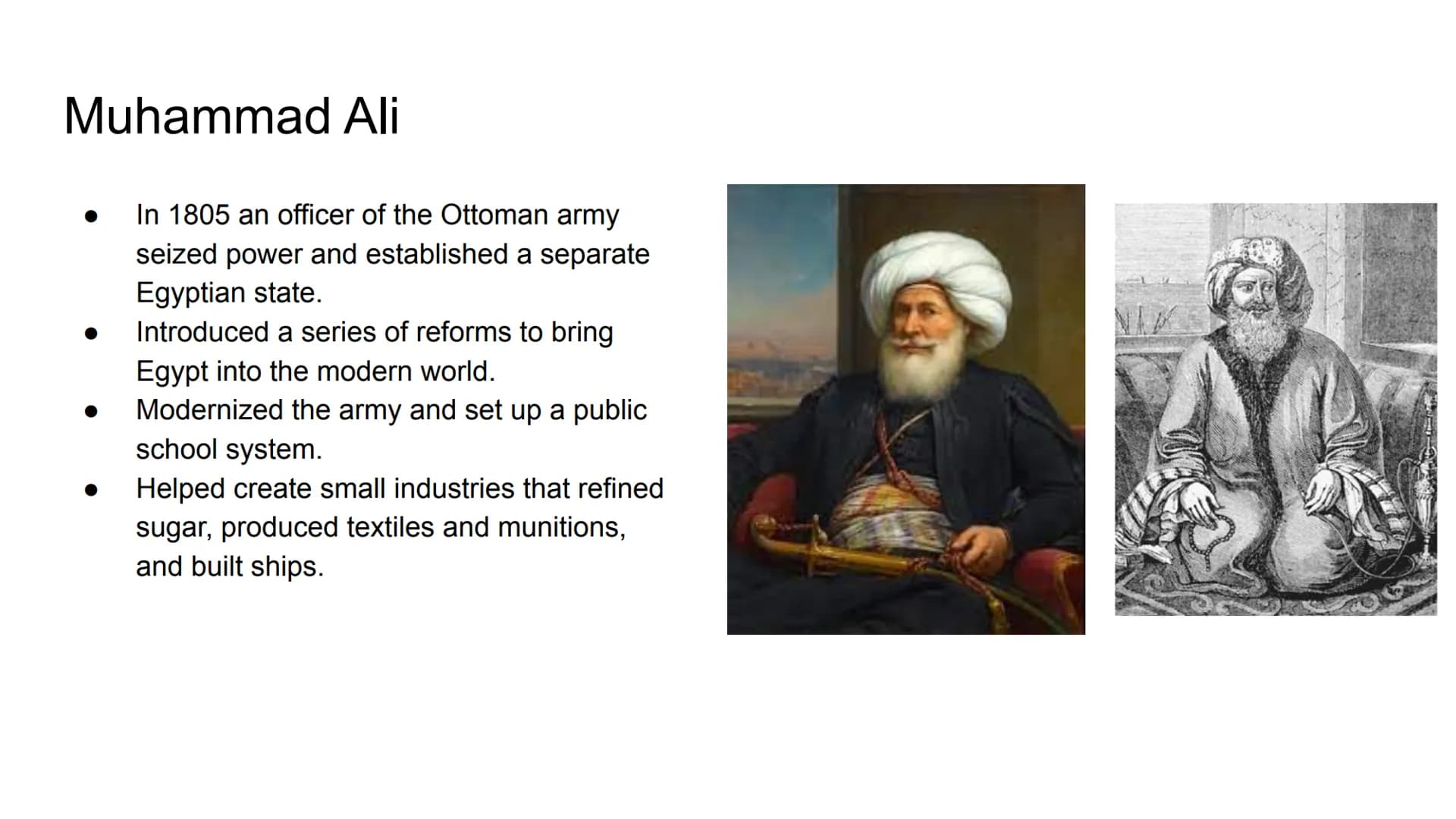
Muhammad Ali's rise to power in 1805 marked a pivotal transformation in Egyptian history, as he seized control from the Ottoman Empire and established an independent Egyptian state. As a former Ottoman army officer, Ali possessed the military expertise and strategic vision needed to modernize Egypt during a critical period of global change.
Ali implemented comprehensive reforms that touched every aspect of Egyptian society. His most significant achievement was modernizing the Egyptian military, introducing European-style training, equipment, and tactics. This reformed army became one of the most powerful forces in the Middle East, helping secure Egypt's autonomy and regional influence.
Education reform stood as another cornerstone of Ali's modernization efforts. He established Egypt's first modern public school system, which provided secular education alongside traditional religious instruction. These schools trained a new generation of Egyptian civil servants, teachers, and military officers who would help implement his broader vision of reform.
Highlight: Muhammad Ali's industrial development programs laid the foundation for Egypt's modern economy, focusing on sugar refineries, textile manufacturing, munitions production, and shipbuilding.
Ali's economic reforms transformed Egypt's industrial landscape. He established state-owned factories and workshops that produced everything from textiles to ships, reducing Egypt's dependence on foreign imports. The sugar refining industry became particularly successful, processing locally grown sugarcane into refined sugar for both domestic use and export. These industrial initiatives created new jobs and helped Egypt begin its transition from a purely agricultural economy to a more diversified one.



 History