
Biology takes you on an incredible journey through life's mysteries,... Show more
 Biology97 views·Updated May 21, 2026·104 pages
Understanding Biology Essentials

Jasy Rodriguez@jasyrodriguez_fpij

1 / 10
1
of 10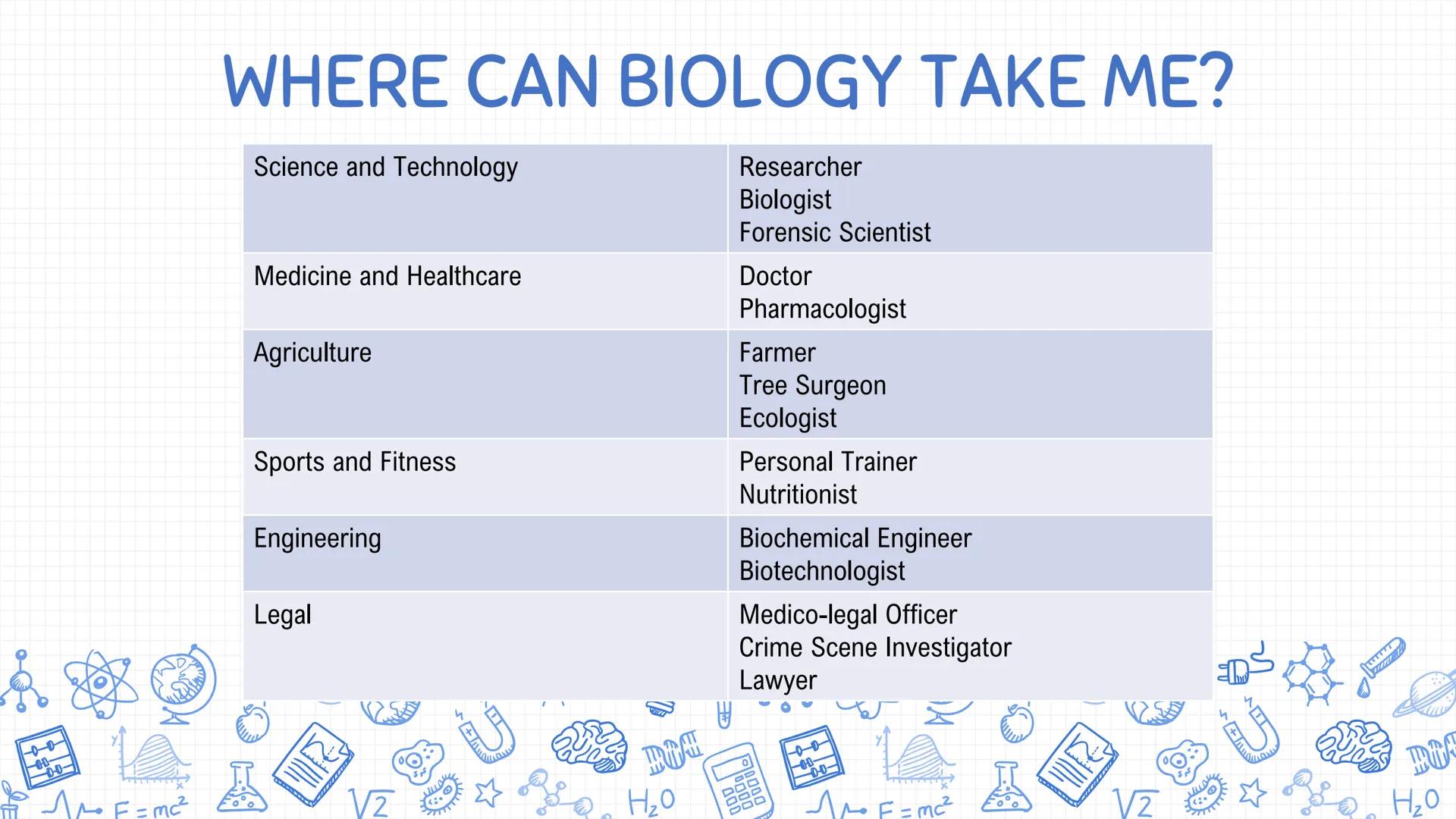
Career Paths in Biology
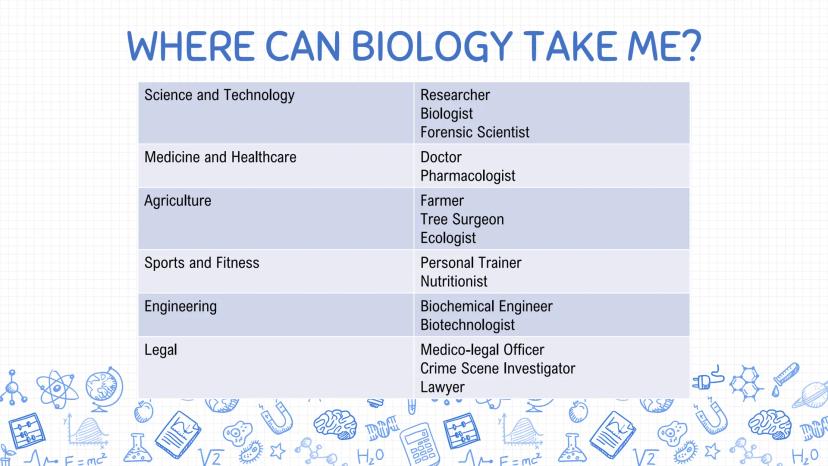
Ever wondered where studying biology might lead you? The possibilities are vast and exciting! Biology opens doors to careers across many different fields.
In science and technology, you could become a researcher, biologist, or forensic scientist analyzing crime scene evidence. The medical field offers paths as doctors or pharmacologists developing life-saving medications.
Biology also extends to unexpected areas. You might work in agriculture as a farmer or ecologist, help athletes as a personal trainer or nutritionist, develop new technologies as a biochemical engineer, or even apply biological knowledge in legal settings as a crime scene investigator.
Pro Tip: Biology isn't just for "science people"! The analytical and problem-solving skills you develop studying biology transfer to almost any career path you might choose.
2
of 10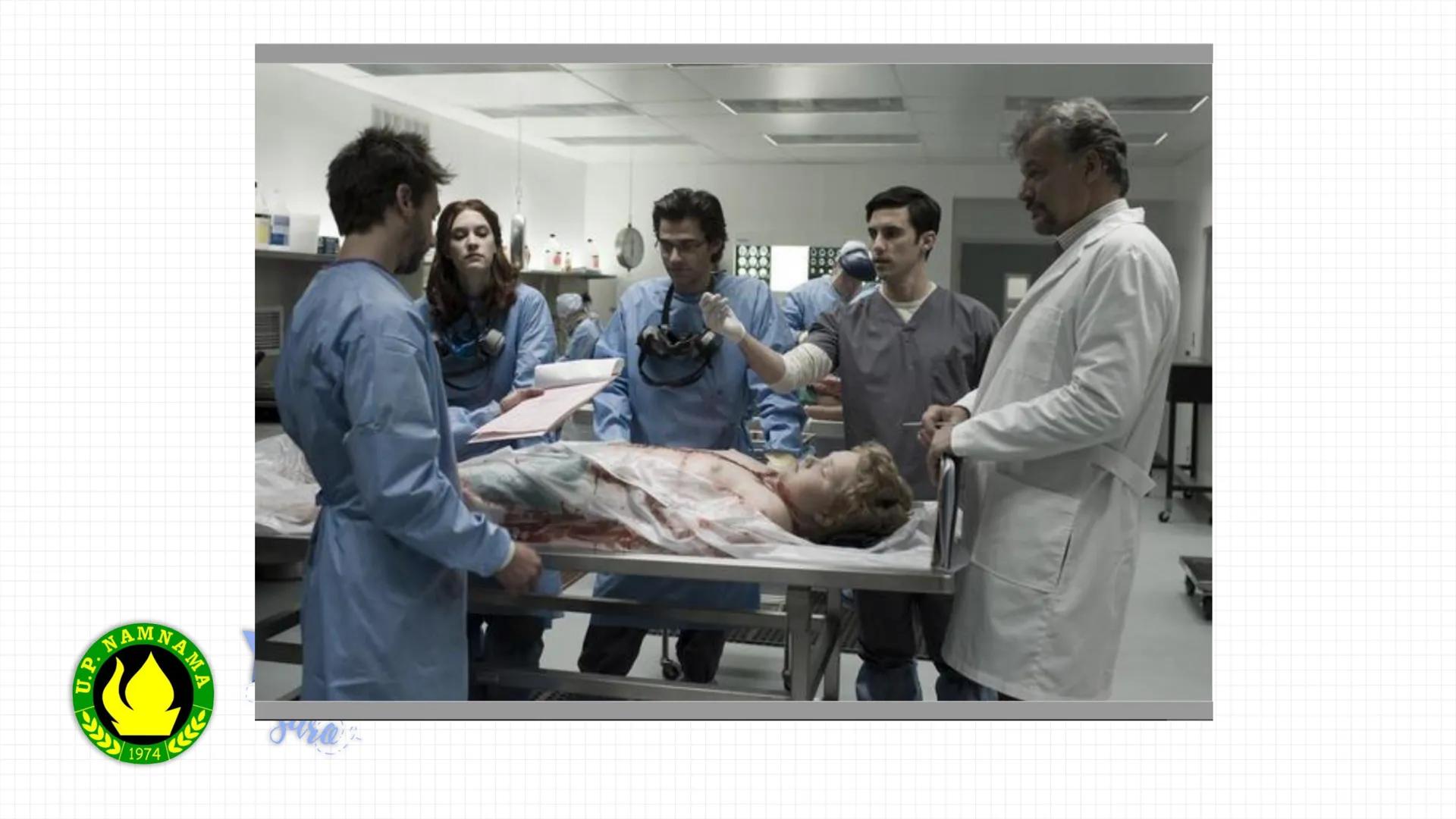
Biology: Common Sense Approach
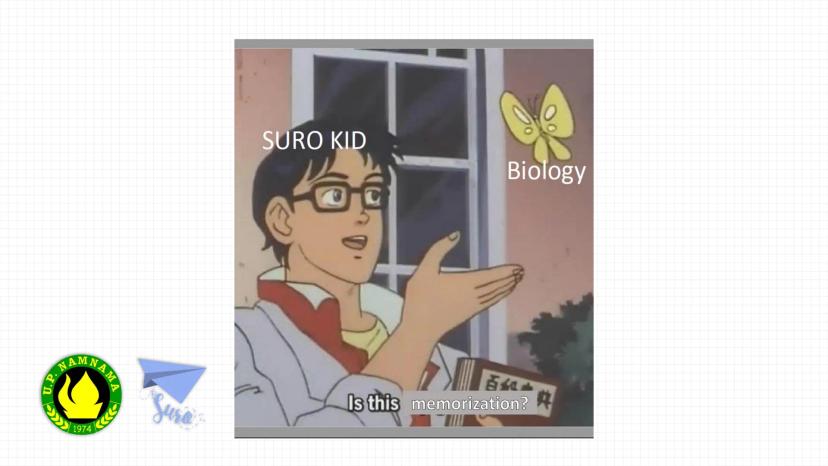
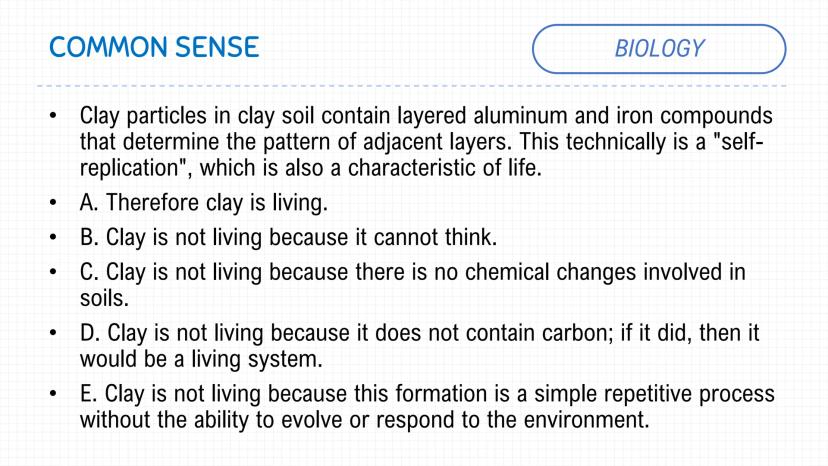
Is clay living because it has "self-replication" properties? Not quite! This is a perfect example of how biology requires critical thinking beyond memorization.
Clay is not living because its formation is a simple repetitive process without the ability to evolve or respond to the environment. While clay particles do contain layered compounds that determine adjacent patterns , this doesn't make clay alive.
This illustrates an important point about studying biology: understanding the characteristics of life is more important than memorizing facts. True biological understanding requires connecting concepts and applying logical reasoning.
When studying for tests, focus on understanding the "why" behind biological processes rather than just memorizing definitions.
3
of 10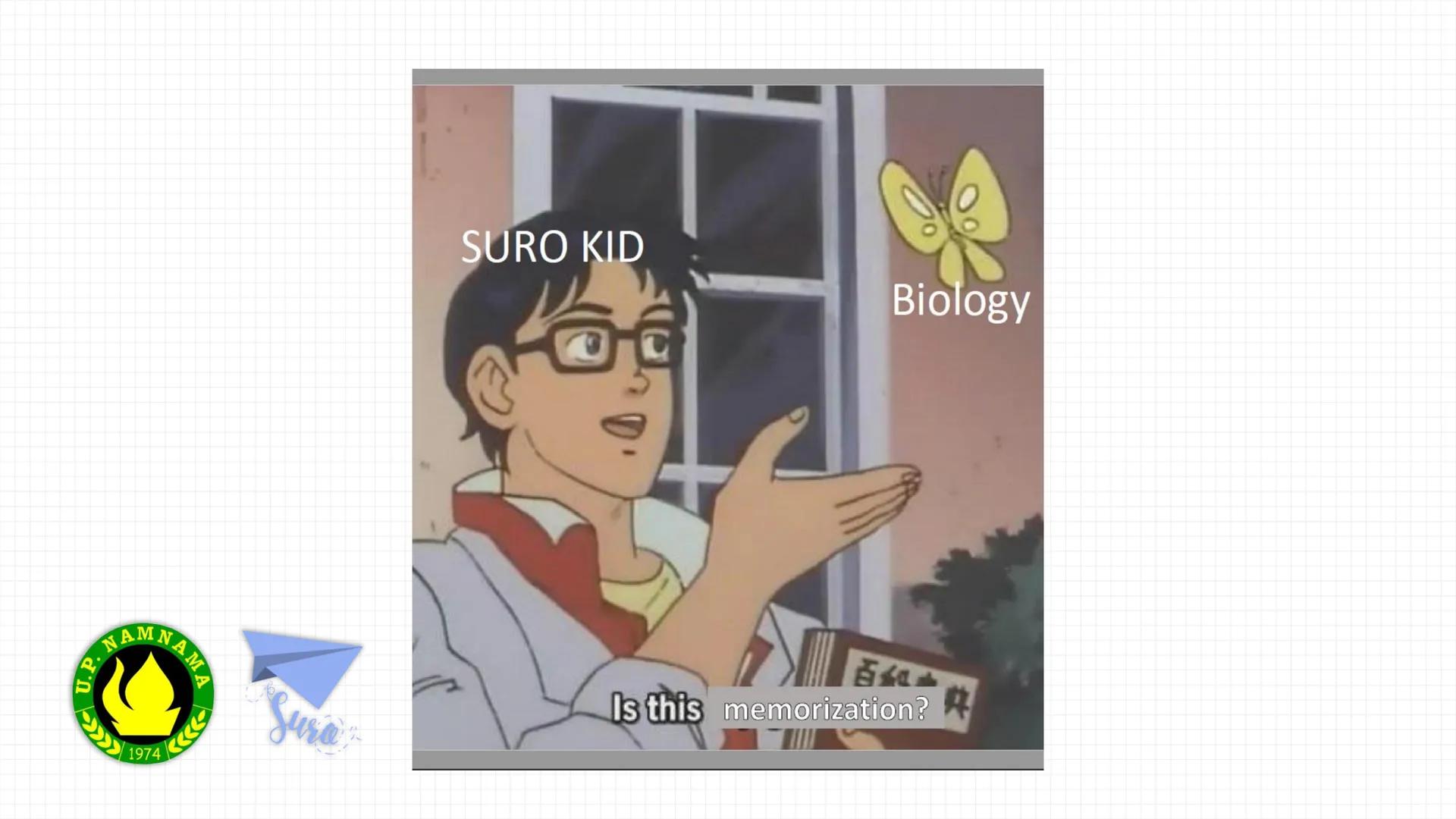
What to Expect in Biology
Biology courses typically cover a wide range of topics that build on each other. Some topics will be straightforward, while others require deeper analysis.
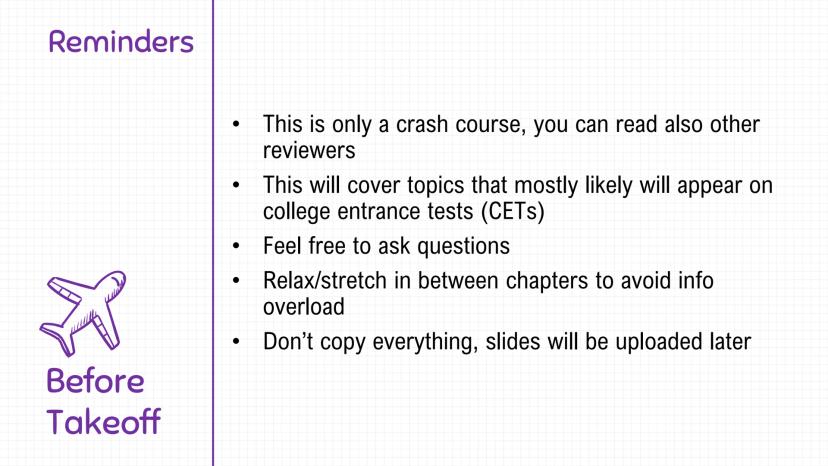
When studying biology, approach it with an open mind and don't try to memorize everything. Instead, focus on understanding key concepts and how they connect. Take breaks between study sessions to avoid information overload!
College entrance tests often focus on foundational biological concepts that you'll need to apply to different scenarios. The questions typically test your understanding rather than simple recall of facts.
Remember to stay relaxed during your studies. Stretching between chapters and focusing on understanding rather than memorizing will help you master biology more effectively.
4
of 10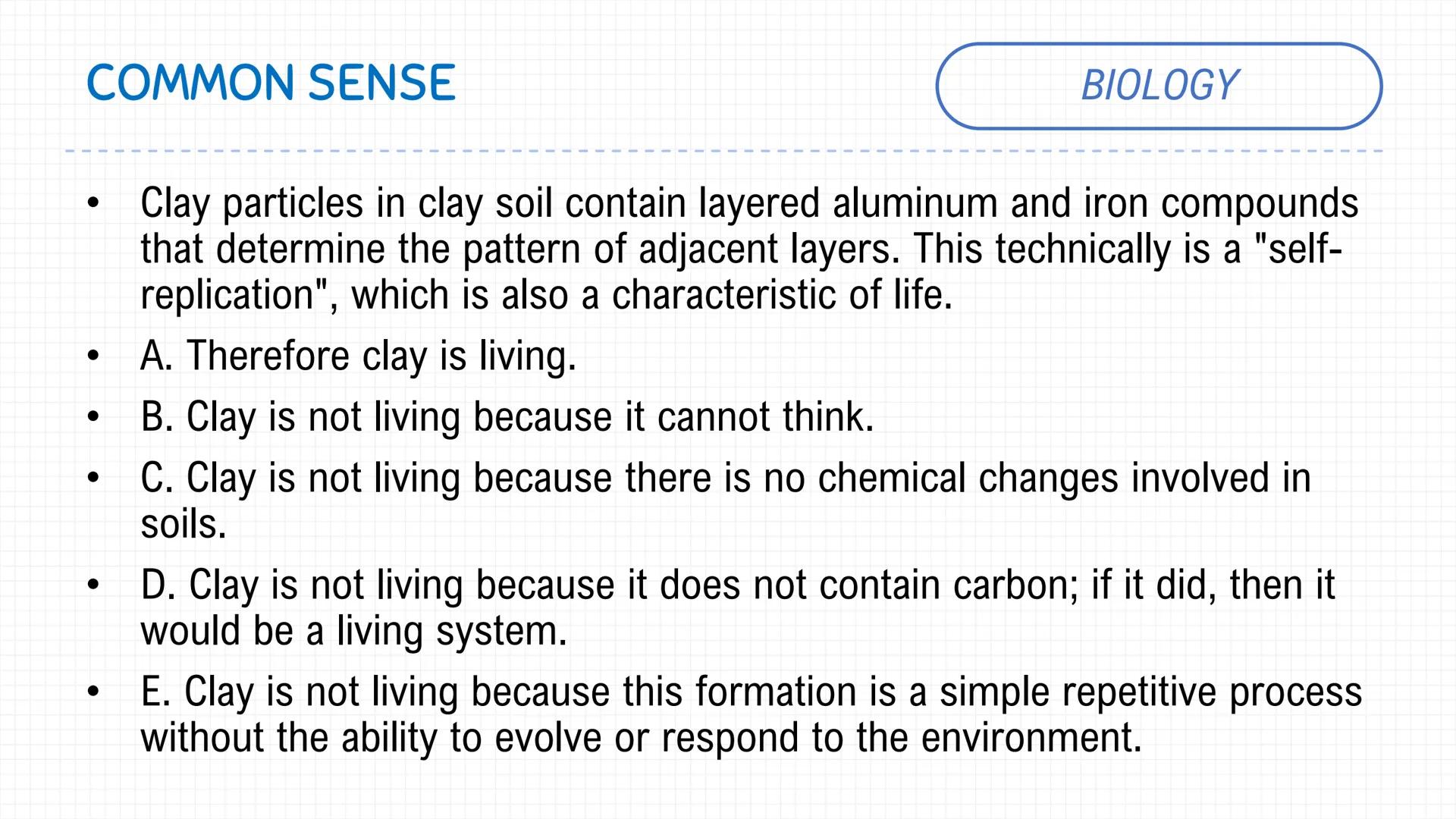
Core Biology Topics to Study
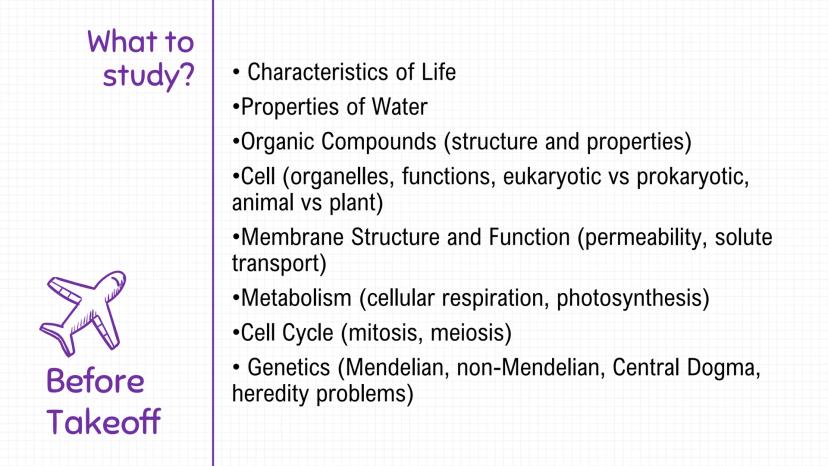
Biology tests cover a wide range of topics, but certain areas appear more frequently on college entrance exams. Focus your study efforts on these key areas:
The fundamentals include characteristics of life, properties of water, and organic compounds. Cell biology covers organelles, functions, and the differences between cell types. Membrane structure and function explain how cells interact with their environment.
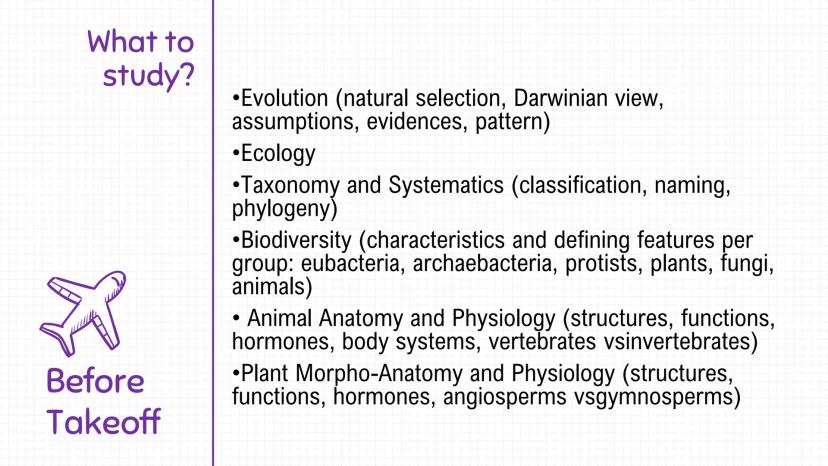
Energy processes like cellular respiration and photosynthesis appear frequently, as do cell division (mitosis and meiosis) and genetics concepts. Evolution, ecology, and taxonomy form another important cluster of topics.
Remember: Don't just memorize facts about these topics—understand how they connect! For example, knowing how cell structures relate to their functions will help you answer many different types of questions.
5
of 10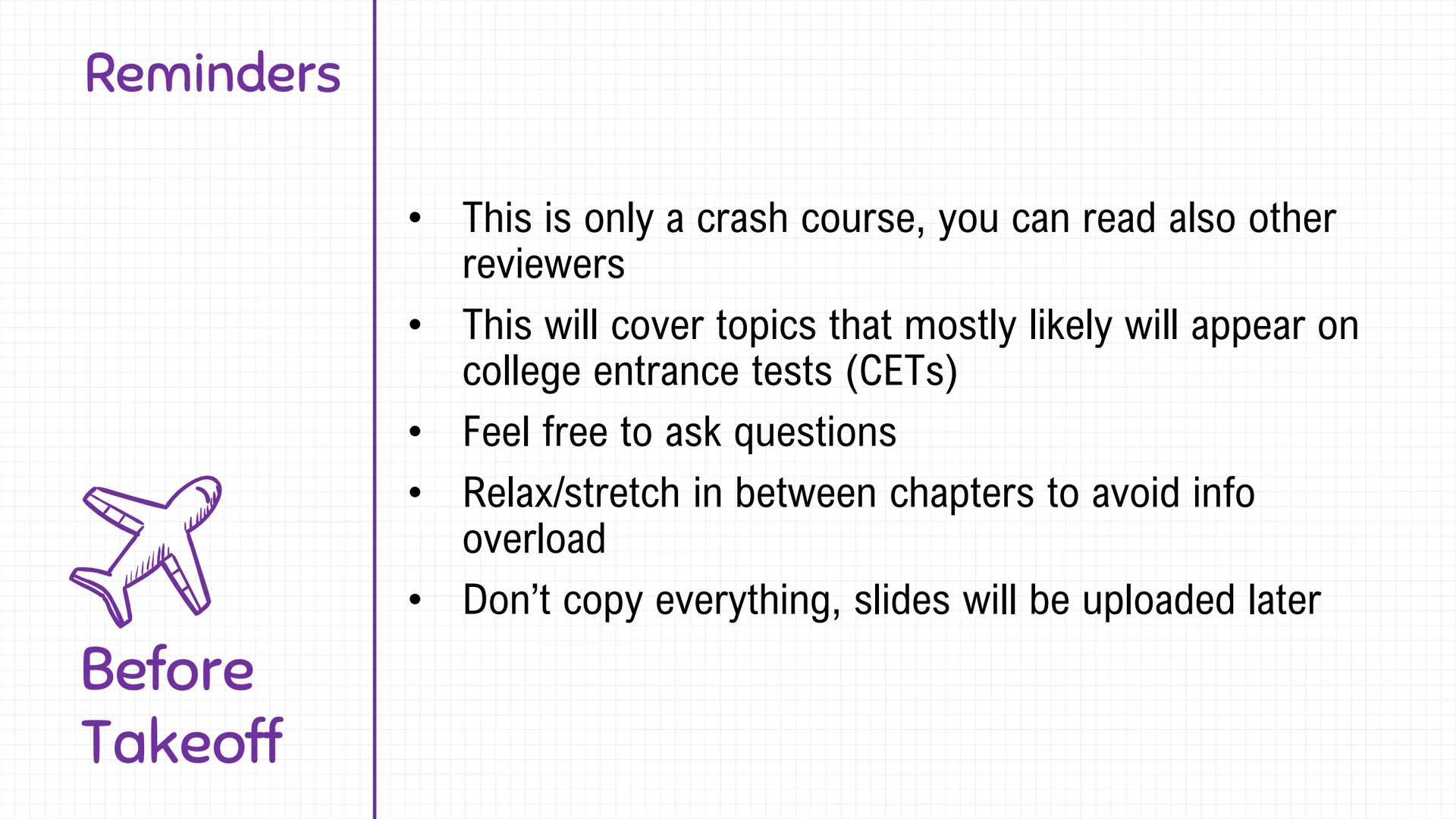
Scientific Process Fundamentals
The scientific method is your roadmap to understanding biology. It starts with recorded observations (data) and develops an educated guess (hypothesis) that can be tested through experiments.
Two thinking approaches drive scientific discovery: deductive reasoning works from general statements to specific conclusions, while inductive reasoning builds general principles from specific observations.
Every well-designed experiment contains variables that scientists carefully control. The independent variable is what scientists manipulate, the dependent variable is what they measure in response, and control variables remain constant throughout the experiment.
Understanding this process helps you analyze scientific studies and design your own experiments. When reviewing graphs in biology, always identify what's being measured and what's being changed.
6
of 10
Characteristics of Life
All living organisms share certain characteristics that distinguish them from non-living things. The acronym ORGERHE helps remember these essential properties:
Order: Living things maintain complex organization, from atoms to the biosphere. Reproduction: Organisms produce offspring similar to themselves. Growth and development: Living things increase in size and complexity. Energy utilization: All organisms require and process energy. Response to stimuli: Living organisms react to environmental changes. Homeostasis: Internal conditions are regulated within limits. Environmental adaptation: Organisms adjust to survive in their environment. Heredity: Traits are passed from parents to offspring.
Quick Tip: When trying to determine if something is alive, check if it displays ALL these characteristics, not just some of them. This is why viruses create such debate among scientists!
7
of 10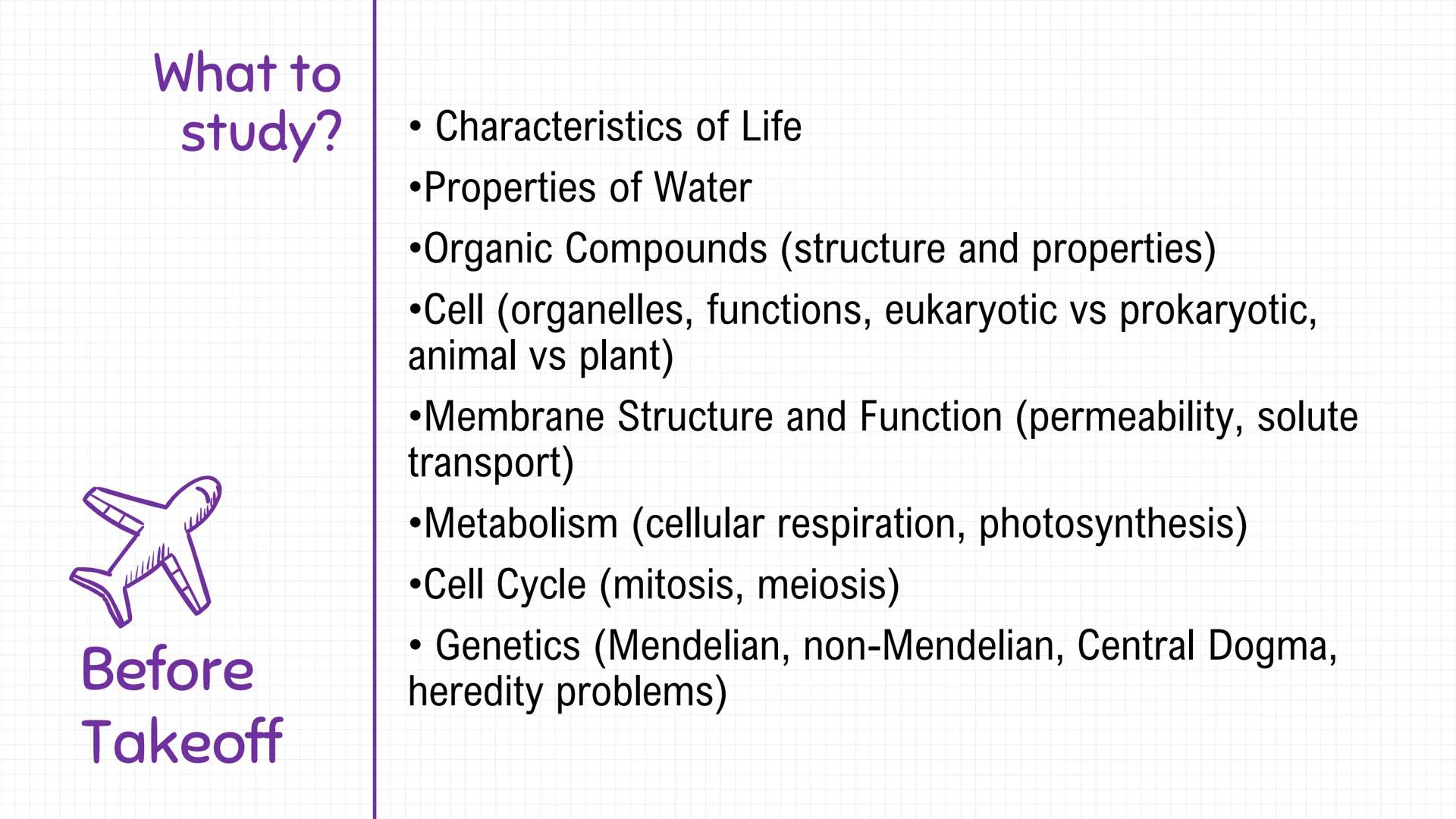
Properties of Water and Biomolecules
Water's unique properties make life possible. As a polar molecule, water forms hydrogen bonds that create surface tension, high specific heat, and excellent solvent capabilities. These properties regulate temperature, protect aquatic life, and facilitate chemical reactions in cells.
The four major biomolecules are essential to life:
Carbohydrates (CHO) function as energy sources and are made of sugar monomers. Proteins (CHON) control reactions through enzymes, form structures, and transport materials. Their monomers are amino acids. Nucleic acids (CHONP) store genetic information as DNA and RNA, with nucleotides as their building blocks. Lipids (CH) store energy and form membranes, composed of fatty acids and glycerol.
Understanding these molecules' structure relates directly to their functions in organisms.
8
of 10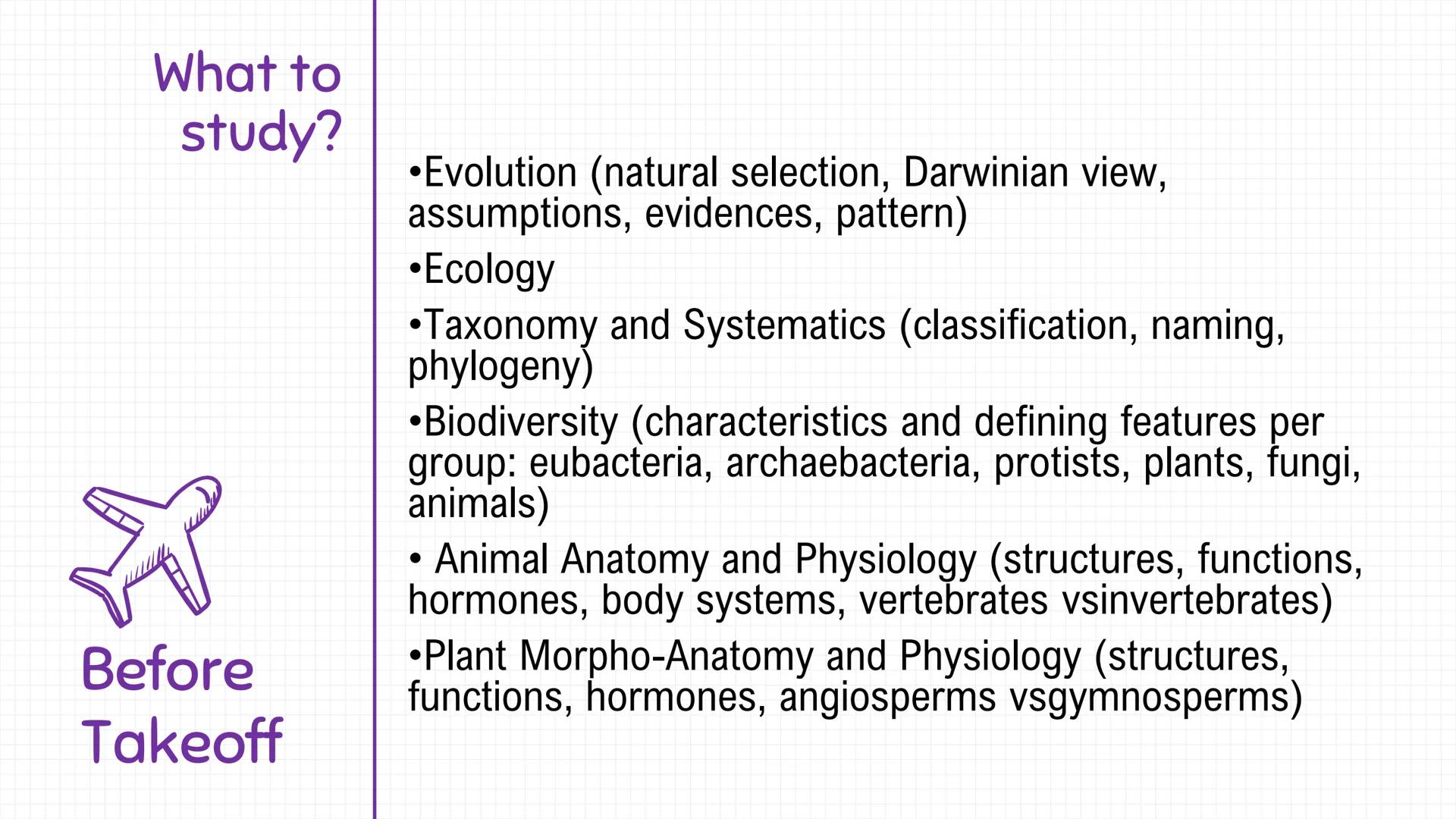
Cell Structure and Function
Cells are the fundamental units of life, as stated in the cell theory: all organisms are composed of cells, cells are the basic units of structure and function, and all cells come from pre-existing cells.
Cells are classified as either prokaryotic or eukaryotic (have a nucleus and organelles, more complex). Eukaryotic cells further divide into plant and animal cells with key differences.
Plant cells have rigid cell walls made of cellulose, large central vacuoles, and chloroplasts for photosynthesis. Animal cells lack these features but have cholesterol in their membranes, centrioles, and store glucose as glycogen rather than starch.
Exam Alert: Questions often ask you to identify cell types based on structures present or absent. Remember that plant cells have chloroplasts and cell walls, while animal cells don't!
9
of 10
Membrane Transport
Cell membranes control what enters and leaves the cell through various transport mechanisms. Understanding these processes is crucial for explaining how cells maintain homeostasis.
Passive transport moves molecules from areas of high concentration to low concentration without energy expenditure. This includes simple diffusion through the lipid bilayer and facilitated diffusion that uses proteins as channels.
Active transport moves substances against their concentration gradient, requiring energy from ATP. This allows cells to concentrate important molecules inside even when they're scarce outside.
The movement of water across membranes (osmosis) depends on solute concentration. In a hypertonic solution, cells lose water and shrink. In a hypotonic solution, cells gain water and may burst. In an isotonic solution, there's no net water movement.
Understanding these principles helps explain how cells maintain their internal environment.
10
of 10
Cellular Energy Processes
Cells power their activities through two complementary energy processes: cellular respiration and photosynthesis.
Cellular respiration breaks down glucose to produce ATP energy through several stages. It begins with glycolysis in the cytoplasm, followed by the citric acid cycle and electron transport chain in mitochondria. This process generates ATP through both substrate-level phosphorylation and oxidative phosphorylation.
Photosynthesis captures solar energy to produce glucose and oxygen. It occurs in chloroplasts and involves light-dependent reactions (which produce ATP and NADPH) and the Calvin Cycle (which uses that energy to fix carbon into sugar).
The basic equation for photosynthesis shows how these processes are inversely related - photosynthesis stores energy while respiration releases it.
Key Insight: Understanding how these energy processes connect helps explain how energy flows through ecosystems!
We thought you’d never ask...
What is the Knowunity AI companion?
Our AI companion is specifically built for the needs of students. Based on the millions of content pieces we have on the platform we can provide truly meaningful and relevant answers to students. But its not only about answers, the companion is even more about guiding students through their daily learning challenges, with personalised study plans, quizzes or content pieces in the chat and 100% personalisation based on the students skills and developments.
Where can I download the Knowunity app?
You can download the app in the Google Play Store and in the Apple App Store.
Is Knowunity really free of charge?
That's right! Enjoy free access to study content, connect with fellow students, and get instant help – all at your fingertips.
Similar Content
Most popular content: Biology
4Most popular content in Biology
9Most popular content
9Can't find what you're looking for? Explore other subjects.
Students love us — and so will you.
4.6/5App Store
4.7/5Google Play
The app is very easy to use and well designed. I have found everything I was looking for so far and have been able to learn a lot from the presentations! I will definitely use the app for a class assignment! And of course it also helps a lot as an inspiration.
Stefan SiOS user
This app is really great. There are so many study notes and help [...]. My problem subject is French, for example, and the app has so many options for help. Thanks to this app, I have improved my French. I would recommend it to anyone.
Samantha KlichAndroid user
Wow, I am really amazed. I just tried the app because I've seen it advertised many times and was absolutely stunned. This app is THE HELP you want for school and above all, it offers so many things, such as workouts and fact sheets, which have been VERY helpful to me personally.
AnnaiOS user
Biology97 views·Updated May 21, 2026·104 pagesUnderstanding Biology Essentials
Jasy Rodriguez@jasyrodriguez_fpij
Biology takes you on an incredible journey through life's mysteries, from tiny cells to complex ecosystems. This comprehensive guide covers essential biological concepts that appear on college entrance tests, helping you understand how living things function, evolve, and interact with... Show more
1
of 10Sign up to see the content. It's free!
- Access to all documents
- Improve your grades
- Join milions of students
Career Paths in Biology
Ever wondered where studying biology might lead you? The possibilities are vast and exciting! Biology opens doors to careers across many different fields.
In science and technology, you could become a researcher, biologist, or forensic scientist analyzing crime scene evidence. The medical field offers paths as doctors or pharmacologists developing life-saving medications.
Biology also extends to unexpected areas. You might work in agriculture as a farmer or ecologist, help athletes as a personal trainer or nutritionist, develop new technologies as a biochemical engineer, or even apply biological knowledge in legal settings as a crime scene investigator.
Pro Tip: Biology isn't just for "science people"! The analytical and problem-solving skills you develop studying biology transfer to almost any career path you might choose.
2
of 10Sign up to see the content. It's free!
- Access to all documents
- Improve your grades
- Join milions of students
Biology: Common Sense Approach
Is clay living because it has "self-replication" properties? Not quite! This is a perfect example of how biology requires critical thinking beyond memorization.
Clay is not living because its formation is a simple repetitive process without the ability to evolve or respond to the environment. While clay particles do contain layered compounds that determine adjacent patterns , this doesn't make clay alive.
This illustrates an important point about studying biology: understanding the characteristics of life is more important than memorizing facts. True biological understanding requires connecting concepts and applying logical reasoning.
When studying for tests, focus on understanding the "why" behind biological processes rather than just memorizing definitions.
3
of 10Sign up to see the content. It's free!
- Access to all documents
- Improve your grades
- Join milions of students
What to Expect in Biology
Biology courses typically cover a wide range of topics that build on each other. Some topics will be straightforward, while others require deeper analysis.
When studying biology, approach it with an open mind and don't try to memorize everything. Instead, focus on understanding key concepts and how they connect. Take breaks between study sessions to avoid information overload!
College entrance tests often focus on foundational biological concepts that you'll need to apply to different scenarios. The questions typically test your understanding rather than simple recall of facts.
Remember to stay relaxed during your studies. Stretching between chapters and focusing on understanding rather than memorizing will help you master biology more effectively.
4
of 10Sign up to see the content. It's free!
- Access to all documents
- Improve your grades
- Join milions of students
Core Biology Topics to Study
Biology tests cover a wide range of topics, but certain areas appear more frequently on college entrance exams. Focus your study efforts on these key areas:
The fundamentals include characteristics of life, properties of water, and organic compounds. Cell biology covers organelles, functions, and the differences between cell types. Membrane structure and function explain how cells interact with their environment.
Energy processes like cellular respiration and photosynthesis appear frequently, as do cell division (mitosis and meiosis) and genetics concepts. Evolution, ecology, and taxonomy form another important cluster of topics.
Remember: Don't just memorize facts about these topics—understand how they connect! For example, knowing how cell structures relate to their functions will help you answer many different types of questions.
5
of 10Sign up to see the content. It's free!
- Access to all documents
- Improve your grades
- Join milions of students
Scientific Process Fundamentals
The scientific method is your roadmap to understanding biology. It starts with recorded observations (data) and develops an educated guess (hypothesis) that can be tested through experiments.
Two thinking approaches drive scientific discovery: deductive reasoning works from general statements to specific conclusions, while inductive reasoning builds general principles from specific observations.
Every well-designed experiment contains variables that scientists carefully control. The independent variable is what scientists manipulate, the dependent variable is what they measure in response, and control variables remain constant throughout the experiment.
Understanding this process helps you analyze scientific studies and design your own experiments. When reviewing graphs in biology, always identify what's being measured and what's being changed.
6
of 10Sign up to see the content. It's free!
- Access to all documents
- Improve your grades
- Join milions of students
Characteristics of Life
All living organisms share certain characteristics that distinguish them from non-living things. The acronym ORGERHE helps remember these essential properties:
Order: Living things maintain complex organization, from atoms to the biosphere. Reproduction: Organisms produce offspring similar to themselves. Growth and development: Living things increase in size and complexity. Energy utilization: All organisms require and process energy. Response to stimuli: Living organisms react to environmental changes. Homeostasis: Internal conditions are regulated within limits. Environmental adaptation: Organisms adjust to survive in their environment. Heredity: Traits are passed from parents to offspring.
Quick Tip: When trying to determine if something is alive, check if it displays ALL these characteristics, not just some of them. This is why viruses create such debate among scientists!
7
of 10Sign up to see the content. It's free!
- Access to all documents
- Improve your grades
- Join milions of students
Properties of Water and Biomolecules
Water's unique properties make life possible. As a polar molecule, water forms hydrogen bonds that create surface tension, high specific heat, and excellent solvent capabilities. These properties regulate temperature, protect aquatic life, and facilitate chemical reactions in cells.
The four major biomolecules are essential to life:
Carbohydrates (CHO) function as energy sources and are made of sugar monomers. Proteins (CHON) control reactions through enzymes, form structures, and transport materials. Their monomers are amino acids. Nucleic acids (CHONP) store genetic information as DNA and RNA, with nucleotides as their building blocks. Lipids (CH) store energy and form membranes, composed of fatty acids and glycerol.
Understanding these molecules' structure relates directly to their functions in organisms.
8
of 10Sign up to see the content. It's free!
- Access to all documents
- Improve your grades
- Join milions of students
Cell Structure and Function
Cells are the fundamental units of life, as stated in the cell theory: all organisms are composed of cells, cells are the basic units of structure and function, and all cells come from pre-existing cells.
Cells are classified as either prokaryotic or eukaryotic (have a nucleus and organelles, more complex). Eukaryotic cells further divide into plant and animal cells with key differences.
Plant cells have rigid cell walls made of cellulose, large central vacuoles, and chloroplasts for photosynthesis. Animal cells lack these features but have cholesterol in their membranes, centrioles, and store glucose as glycogen rather than starch.
Exam Alert: Questions often ask you to identify cell types based on structures present or absent. Remember that plant cells have chloroplasts and cell walls, while animal cells don't!
9
of 10Sign up to see the content. It's free!
- Access to all documents
- Improve your grades
- Join milions of students
Membrane Transport
Cell membranes control what enters and leaves the cell through various transport mechanisms. Understanding these processes is crucial for explaining how cells maintain homeostasis.
Passive transport moves molecules from areas of high concentration to low concentration without energy expenditure. This includes simple diffusion through the lipid bilayer and facilitated diffusion that uses proteins as channels.
Active transport moves substances against their concentration gradient, requiring energy from ATP. This allows cells to concentrate important molecules inside even when they're scarce outside.
The movement of water across membranes (osmosis) depends on solute concentration. In a hypertonic solution, cells lose water and shrink. In a hypotonic solution, cells gain water and may burst. In an isotonic solution, there's no net water movement.
Understanding these principles helps explain how cells maintain their internal environment.
10
of 10Sign up to see the content. It's free!
- Access to all documents
- Improve your grades
- Join milions of students
Cellular Energy Processes
Cells power their activities through two complementary energy processes: cellular respiration and photosynthesis.
Cellular respiration breaks down glucose to produce ATP energy through several stages. It begins with glycolysis in the cytoplasm, followed by the citric acid cycle and electron transport chain in mitochondria. This process generates ATP through both substrate-level phosphorylation and oxidative phosphorylation.
Photosynthesis captures solar energy to produce glucose and oxygen. It occurs in chloroplasts and involves light-dependent reactions (which produce ATP and NADPH) and the Calvin Cycle (which uses that energy to fix carbon into sugar).
The basic equation for photosynthesis shows how these processes are inversely related - photosynthesis stores energy while respiration releases it.
Key Insight: Understanding how these energy processes connect helps explain how energy flows through ecosystems!
We thought you’d never ask...
What is the Knowunity AI companion?
Our AI companion is specifically built for the needs of students. Based on the millions of content pieces we have on the platform we can provide truly meaningful and relevant answers to students. But its not only about answers, the companion is even more about guiding students through their daily learning challenges, with personalised study plans, quizzes or content pieces in the chat and 100% personalisation based on the students skills and developments.
Where can I download the Knowunity app?
You can download the app in the Google Play Store and in the Apple App Store.
Is Knowunity really free of charge?
That's right! Enjoy free access to study content, connect with fellow students, and get instant help – all at your fingertips.
Similar Content
Most popular content: Biology
4Most popular content in Biology
9Most popular content
9Can't find what you're looking for? Explore other subjects.
Students love us — and so will you.
4.6/5App Store
4.7/5Google Play
The app is very easy to use and well designed. I have found everything I was looking for so far and have been able to learn a lot from the presentations! I will definitely use the app for a class assignment! And of course it also helps a lot as an inspiration.
Stefan SiOS user
This app is really great. There are so many study notes and help [...]. My problem subject is French, for example, and the app has so many options for help. Thanks to this app, I have improved my French. I would recommend it to anyone.
Samantha KlichAndroid user
Wow, I am really amazed. I just tried the app because I've seen it advertised many times and was absolutely stunned. This app is THE HELP you want for school and above all, it offers so many things, such as workouts and fact sheets, which have been VERY helpful to me personally.
AnnaiOS user