The Vietnam War: US Involvement and Strategies
Ever wondered how America ended up fighting a war halfway around the world in Vietnam? It all started with fear of communism spreading like wildfire across Southeast Asia.
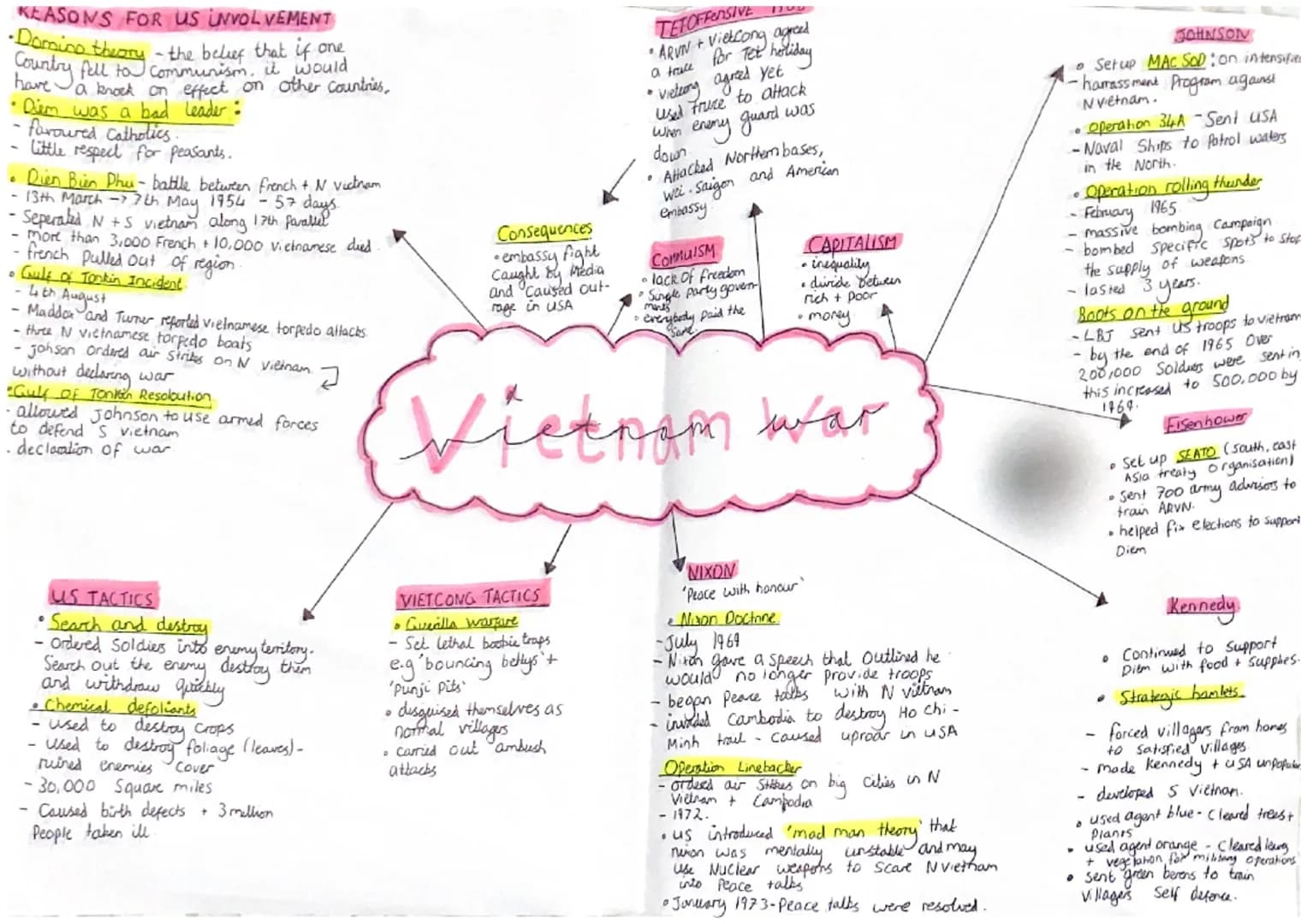
The domino theory drove American policy - leaders believed that if Vietnam fell to communism, neighbouring countries would topple like dominoes. When the French lost the decisive Battle of Dien Bien Phu in 1954 after 57 brutal days, Vietnam split along the 17th parallel, with over 13,000 casualties forcing France to withdraw completely.
The Gulf of Tonkin Incident in August 1964 became America's ticket into full-scale war. When North Vietnamese torpedo boats allegedly attacked US ships Maddox and Turner, President Johnson ordered immediate air strikes without declaring war. This led to the Gulf of Tonkin Resolution, giving Johnson carte blanche to defend South Vietnam.
American forces relied heavily on search and destroy missions - quick strikes into enemy territory followed by rapid withdrawal. They also used devastating chemical defoliants like Agent Orange and Agent Blue across 30,000 square miles, destroying crops and forest cover but causing birth defects and illness for 3 million people.
Key Point: The Tet Offensive in 1968 was a turning point - the Vietcong broke their holiday truce to launch surprise attacks on American bases and the embassy in Saigon, shocking the American public when they saw the footage on television.



 World/Global History
 Sociology
 Biology